
The single most useful piece of altitude advice for Bolivia is the one nobody tells you: the symptoms peak on day two, not day one. You will arrive in La Paz at 3,650 metres feeling slightly out of breath, mildly tired, and broadly fine. You will then go to bed, sleep poorly, wake up at 3am with a pounding headache, and spend the next 36 hours wondering whether you should descend to Cochabamba. Most travelers who underestimate altitude sickness underestimate this delay. The standard “I’m fine, I made it up the hill” reaction at landing is what gets people in trouble overnight.
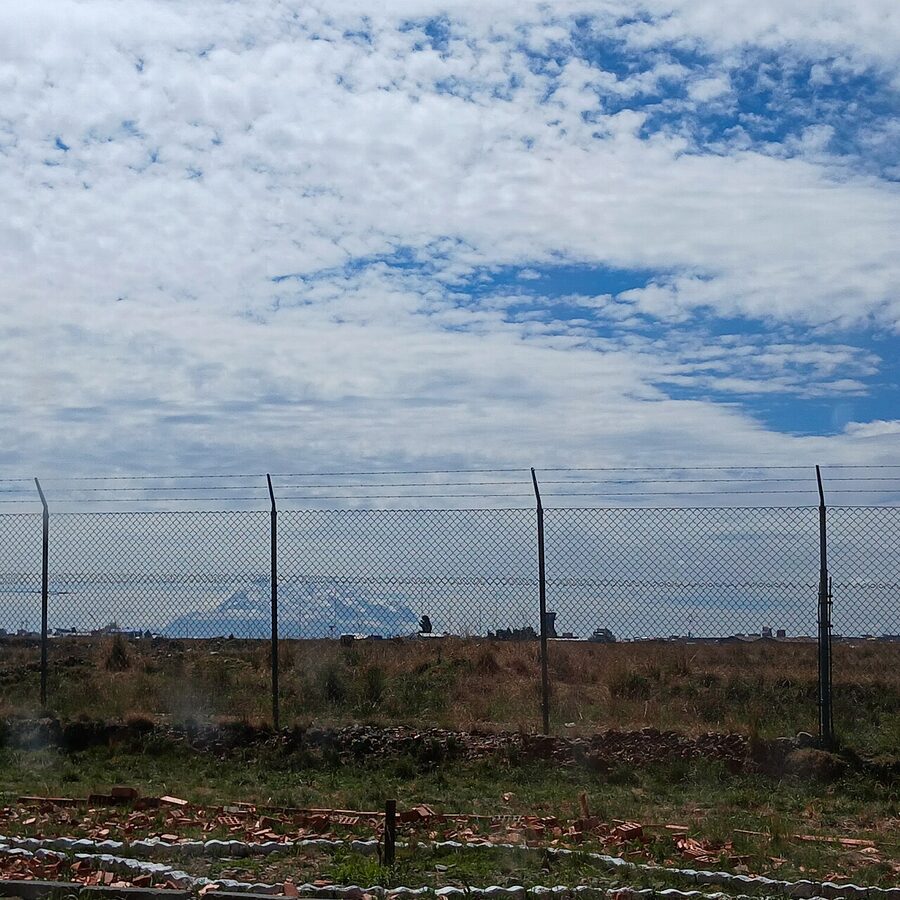

This is the practical traveler’s primer to altitude sickness in Bolivia. It covers what happens to your body, the three syndromes (AMS, HACE, HAPE) you should know the names of, prevention, treatment, the role of coca leaves and the Bolivian-specific sorochipills, when to descend, and the altitude profile of the main destinations you might visit. The advice is meant for healthy travelers; if you have heart, lung, or pre-existing pulmonary conditions, talk to your own doctor before flying into a high-altitude city.
In This Article
- What altitude sickness actually is
- Bolivia’s altitude profile by destination
- The acclimatisation timeline
- Prevention: what works and what does not
- Coca leaves: what is real, what is myth
- Treatment: when symptoms appear
- Risk factors and pre-trip preparation
- Specific Bolivian destination guidance
- Sleep at altitude
- What to bring
- The realistic summary
What altitude sickness actually is
The atmospheric pressure at La Paz is about 65 percent of pressure at sea level. The percentage of oxygen in the air is the same (around 21 percent) as anywhere else, but each breath delivers about 65 percent of the oxygen molecules that the same breath would at sea level. Your body’s response to this is a chain of physiological adjustments, most of them helpful (deeper breathing, faster heart rate, increased red blood cell production over weeks) but some of them, in some people, harmful.
The most common syndrome is Acute Mountain Sickness (AMS). Symptoms typically appear 4 to 24 hours after arrival at altitude (the delay is real and important). The defining symptoms are:
- Headache (the most common, present in roughly 80 percent of cases)
- Nausea, sometimes vomiting
- Fatigue or weakness
- Dizziness or lightheadedness
- Difficulty sleeping
- Loss of appetite
AMS at 3,500 to 4,000m affects roughly 15 to 25 percent of travelers ascending rapidly from sea level. Most cases are mild and resolve within 24 to 72 hours as the body acclimatises. AMS is uncomfortable but rarely dangerous if managed properly.
The two more serious syndromes are High Altitude Cerebral Edema (HACE) and High Altitude Pulmonary Edema (HAPE). Both are rare at La Paz altitudes but become significant risks above 4,500m, which is where the standard Uyuni 3-day tour takes you on day 2 and day 3.
HACE is the brain swelling. Symptoms include severe headache that does not respond to ibuprofen, confusion, ataxia (a notable inability to walk in a straight line), hallucinations, and altered consciousness. HACE is a medical emergency and requires immediate descent. Untreated HACE can be fatal within 24 hours.
HAPE is fluid in the lungs. Symptoms include shortness of breath at rest (not just during exertion), a cough that produces frothy or pink-tinged sputum, blue-tinted lips or nail beds, extreme weakness, and rapid heartbeat. HAPE is also a medical emergency. Untreated HAPE can be fatal within hours.
Both HACE and HAPE require immediate descent of at least 500 to 1,000 vertical metres and medical evaluation. They are uncommon but not rare; most experienced trekking guides in Bolivia have seen at least one or two cases per year in their groups.
Bolivia’s altitude profile by destination

Where you will actually be:
| Destination | Altitude (m) | Risk level |
|---|---|---|
| Santa Cruz de la Sierra | 415 | None |
| Rurrenabaque (Amazon gateway) | 200 | None |
| Tarija (wine country) | 1,866 | None |
| Cochabamba | 2,558 | Mild for some |
| Sucre | 2,810 | Mild for some |
| Tupiza | 2,950 | Mild |
| La Paz (centre) | 3,650 | Significant |
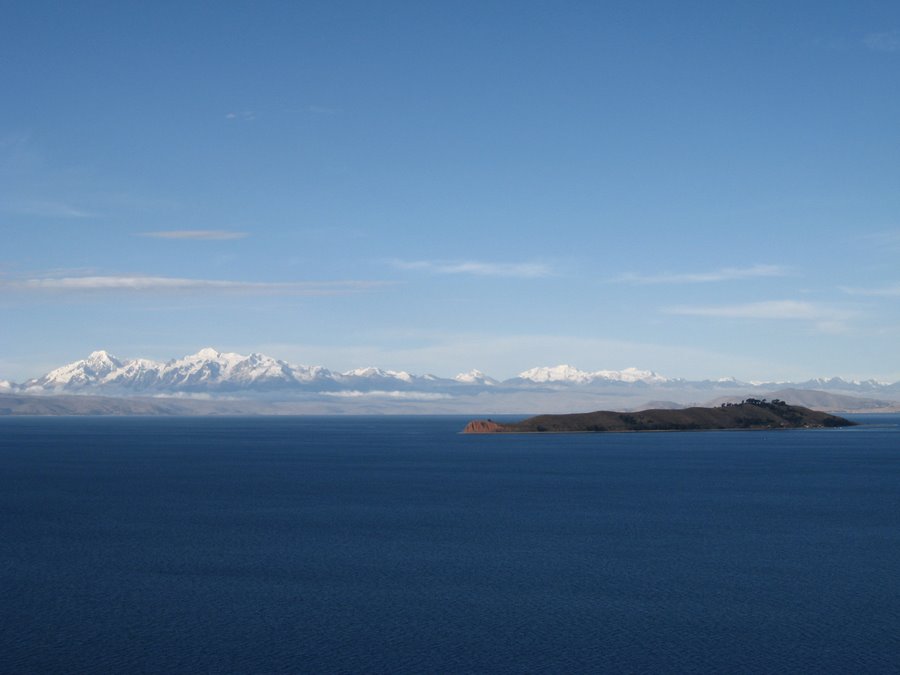
| Lake Titicaca / Copacabana | 3,812 | Significant |
| Uyuni town | 3,670 | Significant |
| Salar de Uyuni surface | 3,656 | Significant |
| Potosí | 4,090 | High |
| El Alto (rim above La Paz) | 4,150 | High |
| Laguna Colorada (Uyuni day 2) | 4,278 | High |
| Sol de Mañana geyser (Uyuni day 3) | 4,850 | Very high |
| Chacaltaya summit | 5,300 | Very high |
| Huayna Potosí summit | 6,088 | Extreme |
| Sajama summit | 6,542 | Extreme |
The practical implication: the most challenging altitude profile most travelers face is the standard 3-day Uyuni tour. Day 1 is similar to La Paz altitude. Day 2 ends at 4,278m at Laguna Colorada (often the worst night for sleep). Day 3 starts at 4,850m at the geyser field, the highest point most non-mountaineering travelers ever reach. If you have not acclimatised in La Paz first, the Uyuni tour will hit you harder than people expect.
The acclimatisation timeline
Your body adapts to altitude over 7 to 14 days. The fastest adjustments (faster breathing rate, increased heart rate) start within hours. The medium-term adjustments (lower blood pH, increased erythropoietin production) happen over 2 to 5 days. The longer-term adjustments (increased red blood cell mass, capillary density changes) take 2 weeks or more. Full acclimatisation for living at altitude is usually considered to be roughly 6 weeks.
For a typical traveler, the most important window is the first 72 hours. The standard timeline at La Paz altitude:
- Hour 0 to 4: arrival, initial response. You feel slightly out of breath on a flight of stairs. The first cup of mate de coca usually arrives at the airport or hotel. Mild headache may begin.
- Hour 4 to 24: the headache typically arrives or worsens. Sleep is poor; many people experience Cheyne-Stokes breathing (cycles of fast and slow breathing) during the first night. Loss of appetite is common.
- Hour 24 to 72: peak symptoms. Usually day 2 is the hardest. If you are going to develop AMS, it is recognisable by mid-day 2.
- Day 3 to 5: symptoms ease. Sleep starts to improve. Appetite returns. You can take longer walks without struggling.
- Day 5 to 7: functionally acclimatised for most light activity. You will still find heavy exertion harder than at sea level, but daily life feels normal.
Pacing your itinerary around this matters. The single best thing you can do for altitude is start at a lower altitude and ascend gradually. If you are flying directly into La Paz from sea level, do not also do the Uyuni tour on day 3; you are still acclimatising in La Paz and the trip will hit you twice. The cleanest itinerary that minimises altitude problems for most travelers: 2 to 3 nights in Cochabamba (2,558m) or Sucre (2,810m) first, then 3 to 4 nights in La Paz, then the Uyuni tour. This gives your body the staircase it wants.
Prevention: what works and what does not
The interventions that actually work, in roughly the order of evidence:
Gradual ascent. The single most effective measure. The standard guideline is to not increase your sleeping altitude by more than 500 vertical metres per night above 3,000m. Most travelers cannot meet this guideline given travel logistics; the alternative is to give yourself extra rest days at intermediate altitudes (Cochabamba, Sucre) before the high cities.
Hydration. Aim for 4 to 5 litres of water on day 1, 3 to 4 litres per day for the first week. Dehydration mimics and worsens AMS symptoms. The dry highland air also dehydrates you faster than you realise; you will not always feel thirsty until you are already mildly dehydrated.
No alcohol on day 1. Alcohol blunts respiratory drive and worsens both AMS and sleep quality. The recommendation is to skip alcohol entirely for the first 24 to 48 hours at altitude. The chuflay you ordered in our drinks guide should wait until day 3.
Light food, especially day 1. Heavy fatty meals divert blood flow to digestion and worsen the breathlessness. Soup, bread, fruit, and a small portion of grilled chicken is the right pattern for day 1. Save the heavy chicharrón for day 3.
Acetazolamide (Diamox). The standard pharmaceutical preventive. Acetazolamide is a carbonic anhydrase inhibitor that produces a mild metabolic acidosis, which signals your body to breathe deeper and faster (which speeds acclimatisation). Standard dosing for AMS prevention: 125 mg twice daily, started 24 hours before ascent and continued for 2 to 3 days at altitude. Side effects are common but mild: tingling in the hands and face, frequent urination, an altered taste of carbonated drinks (Diamox makes Coke taste weirdly flat). Acetazolamide is sulfa-based; people with sulfa allergies should not take it. Talk to your own doctor about a prescription before traveling.
Dexamethasone. A corticosteroid that can both prevent and treat severe AMS, HACE, and HAPE. Generally reserved for emergency use; not a routine traveler’s preventive. Should only be used under medical guidance.
Ibuprofen. Effective for the headache symptom only. 400 mg three times daily reduces AMS headache by roughly 50 percent in clinical trials. It does not address the underlying acclimatisation problem and should not be used as a substitute for descent if symptoms are progressing.
Sorochipills. The Bolivian over-the-counter altitude pill, available at Farmacorp and other pharmacy chains, around 30 to 50 BOB for a strip of 10. The active ingredients vary by brand but typically include acetazolamide combined with caffeine and aspirin or paracetamol. Sorochipills are widely used by Bolivians and the consensus among local travelers is that they work; the formal evidence base is thinner than for prescription acetazolamide alone, but the combination products have been on the market for decades.
Coca leaves: what is real, what is myth
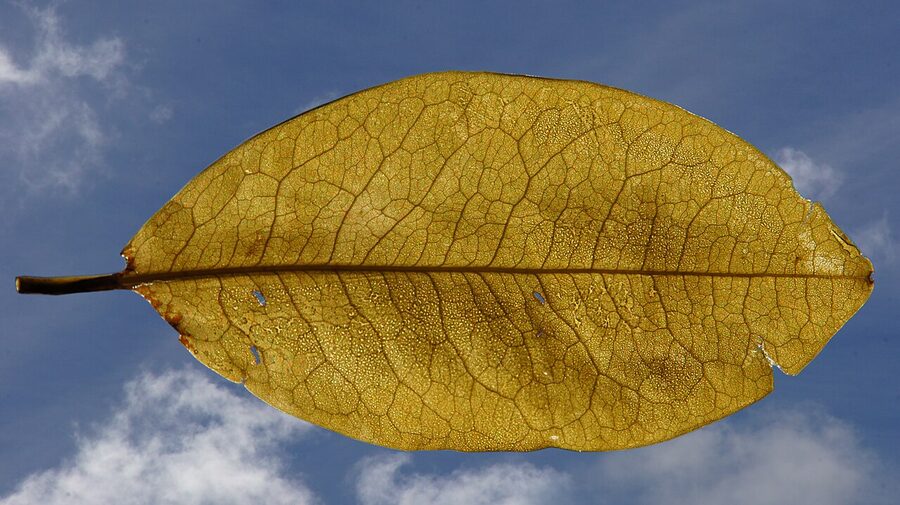

The role of coca leaves in altitude management is widely misunderstood by travelers. The cultural and legal context lives in our coca customs and rituals piece, but for the altitude question:
Coca leaves contain a range of alkaloids, including small amounts of cocaine (typically 0.5 to 1.5 percent by weight). Drinking coca tea or chewing the leaves does not deliver a meaningful dose of cocaine; the alkaloid is not well absorbed via this route, and the small amount that is absorbed is too low to produce stimulant effects. Drinking three cups of mate de coca is roughly equivalent to drinking one cup of weak coffee in terms of caffeine-like stimulation.
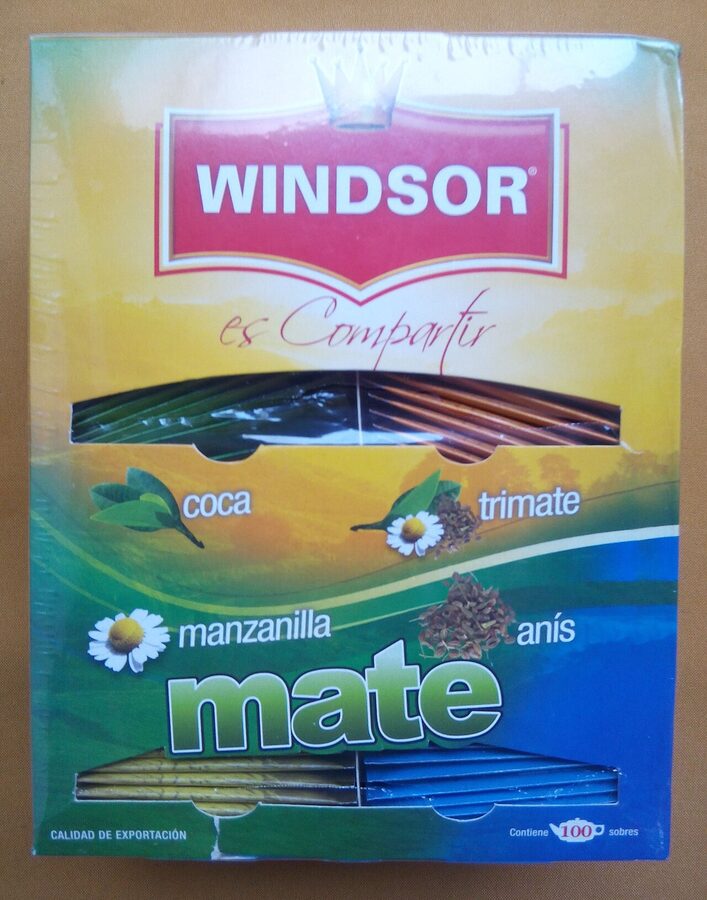
What coca tea actually does for altitude: it provides a mild bronchodilator effect (the leaves contain compounds that slightly relax airway smooth muscle), some analgesic effect on headache (similar to a weak coffee), and a placebo effect that should not be discounted. The clinical evidence for measurable acclimatisation benefit is weak; the experiential evidence among Bolivian travelers and locals is strong. The realistic summary is that mate de coca probably does not measurably accelerate acclimatisation, but it does measurably ease the discomfort of the first 48 hours.
_(25469501917).jpg)
How to use it: drink one cup on arrival at altitude, two more during day 1, one before bed. Most hotels in La Paz, Potosí, and Sucre have hot water and coca tea bags freely available in the lobby. Chewing the leaves with a small ball of mineral lime (called bico or llipta) is the more traditional method and produces a slightly stronger effect; it is more of a cultural practice than a tourist one and the chewed-leaves-in-the-cheek look takes some getting used to.
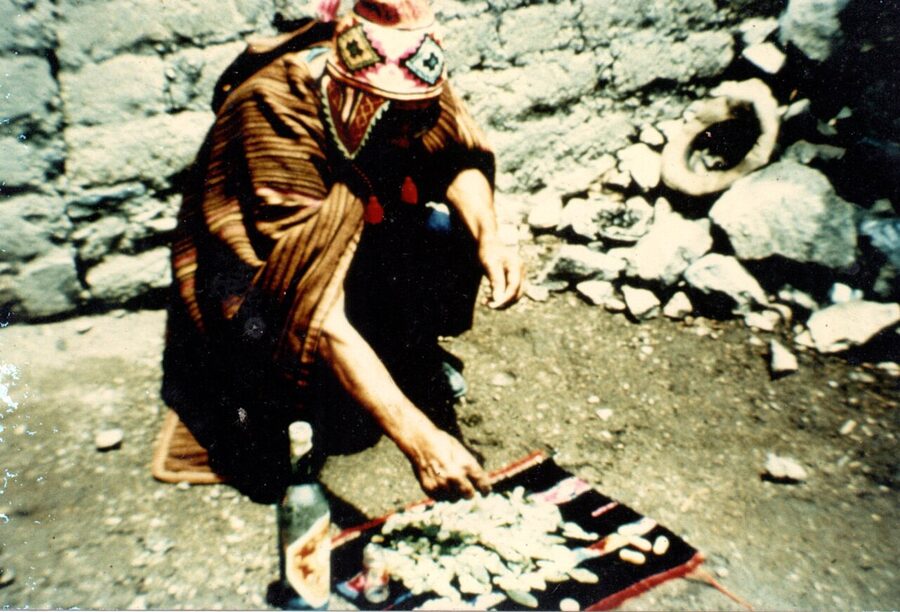

Legal note: coca leaves are legal in Bolivia. They are not legal in most other countries, including the US, Canada, the UK, and the EU. Do not buy coca leaves to take home; the international airport authorities at La Paz and Santa Cruz routinely confiscate leaves found in checked luggage, and some destination countries treat the leaves as a controlled substance.
Treatment: when symptoms appear
Most AMS resolves with rest, hydration, and continued slow ascent. The standard escalation:
Mild AMS (headache, mild nausea, fatigue): rest at current altitude, drink water, take ibuprofen for the headache, eat lightly, sleep. Do not ascend further until symptoms resolve. Most travelers will be fine within 24 to 48 hours.
Moderate AMS (severe headache that does not respond to ibuprofen, persistent nausea or vomiting, struggling with normal activities): consider acetazolamide if you are not already taking it, rest at current altitude, do not ascend, monitor for worsening symptoms. If you have access to medical care, get evaluated. Descent of 500 to 1,000 metres usually produces rapid improvement.
Severe AMS or signs of HACE/HAPE (ataxia, confusion, hallucinations, severe shortness of breath at rest, productive cough with foamy sputum, blue-tinged lips): this is a medical emergency. Descend immediately. From La Paz, Cochabamba (2,558m) is reachable by a 4-hour bus or 30-minute flight; from the Uyuni tour, your operator should evacuate you down to Uyuni town (3,670m) and then beyond if needed. Bolivian medical insurance often does not cover emergency evacuation; international travel insurance with high-altitude evacuation coverage is genuinely worth the premium for travelers planning to climb above 4,500m.
Hospitals to know about: in La Paz, the Hospital Arco Iris and the Hospital Universitario Cossmil are equipped for altitude-related emergencies; in Cochabamba, the Hospital Univalle. The Clínica Foianini in Santa Cruz handles serious cases that require descent and is the standard evacuation destination from La Paz for HACE and HAPE.
Supplemental oxygen is available at most hotels in La Paz at the front desk on request, usually free or for a small charge. The smaller portable oxygen cans sold at supermarkets (around 25 to 40 BOB for 3-litre cans) are more useful for short-term symptom relief than for sustained oxygen therapy. A pulse oximeter (around 80 to 150 BOB at La Paz pharmacies) is a useful diagnostic tool; oxygen saturation below 85 percent is a meaningful concern, below 80 percent is a serious one.
Risk factors and pre-trip preparation
Some travelers are at higher risk of altitude sickness:
- Past history of altitude sickness. The strongest single predictor. If you have had AMS or HACE/HAPE before, talk to your doctor about prophylactic acetazolamide.
- Rapid ascent from sea level. Flying directly into La Paz from a coastal airport is the worst case. The previous-week’s altitude history matters.
- Existing heart, lung, or sickle-cell disease. Talk to your own doctor.
- Pregnancy. Travel above 3,500m during pregnancy is generally not recommended without medical guidance.
- Age over 50. Slightly higher risk, although healthy older adults often do fine.
- Younger children, especially under 2. Higher risk and harder to monitor.
What helps with pre-trip prep:
- Cardiovascular fitness matters less than people assume. Fit triathletes get altitude sickness too. The body’s altitude response is largely independent of fitness.
- Iron status. Iron-deficiency anaemia worsens altitude tolerance. If you suspect low iron, get tested before traveling and consider supplementation.
- Acetazolamide trial dose 1 to 2 weeks before traveling. Some people have side effects significant enough that they would rather not take the drug; better to find this out at home than at the hotel in La Paz.
- Travel insurance with high-altitude coverage. Most standard travel insurance excludes activities above 4,500m or trekking above certain altitudes. Check your policy. World Nomads, IMG Global, and Allianz all offer high-altitude rider options.
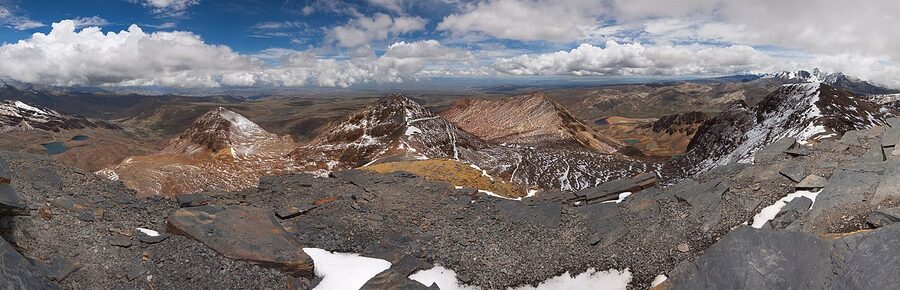

Specific Bolivian destination guidance
La Paz arrival from sea level: the most common scenario. Take it slow. Don’t book a Death Road cycle for the first 48 hours. Drink water, eat light, mate de coca, and consider acetazolamide. Most travelers feel fine by day 3.
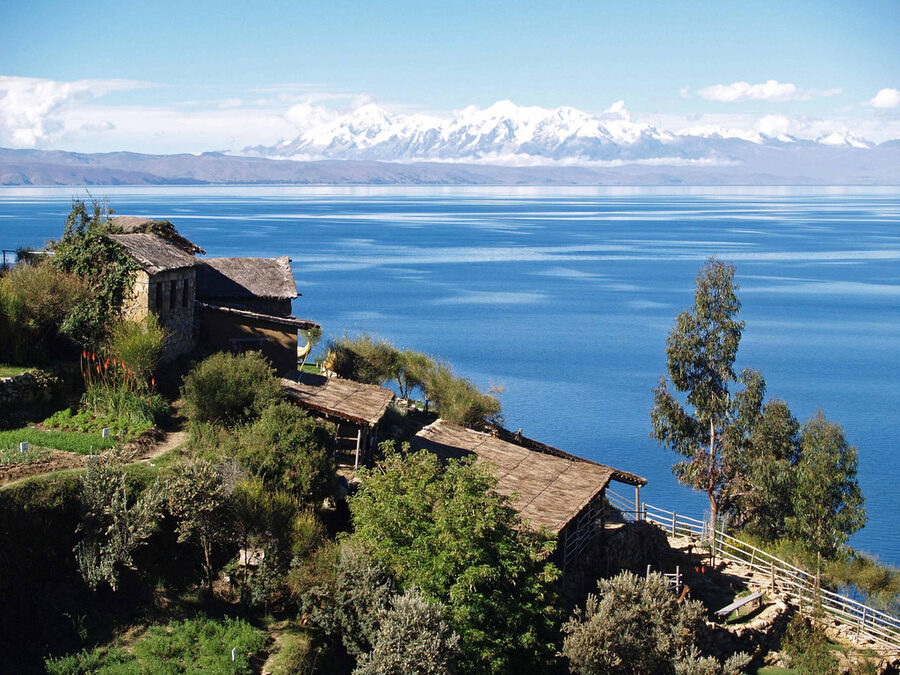
Lake Titicaca / Copacabana from La Paz: similar altitude to La Paz, no significant additional altitude stress. Treat as a continuation of La Paz.

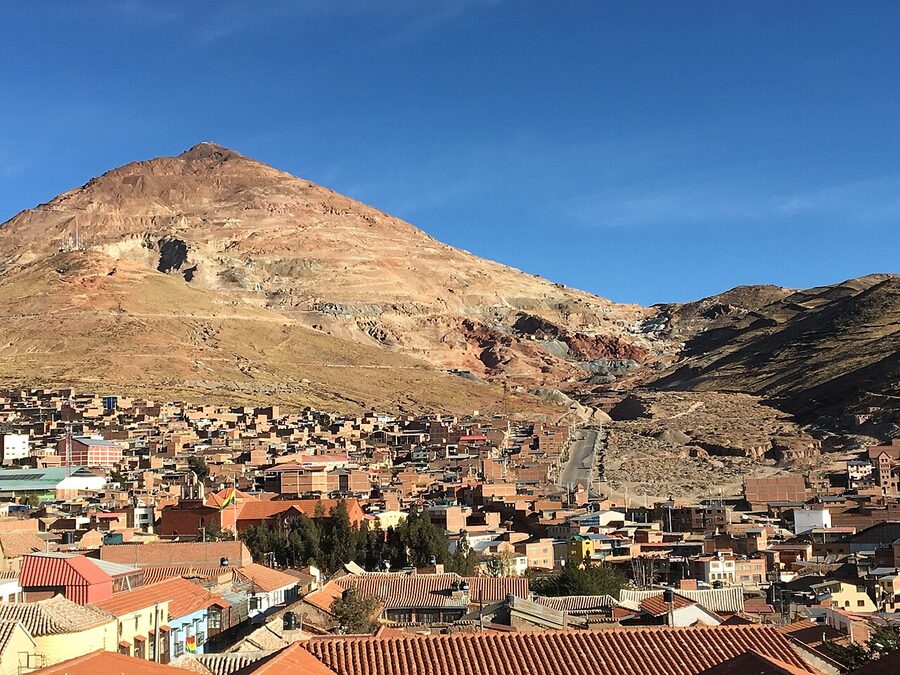
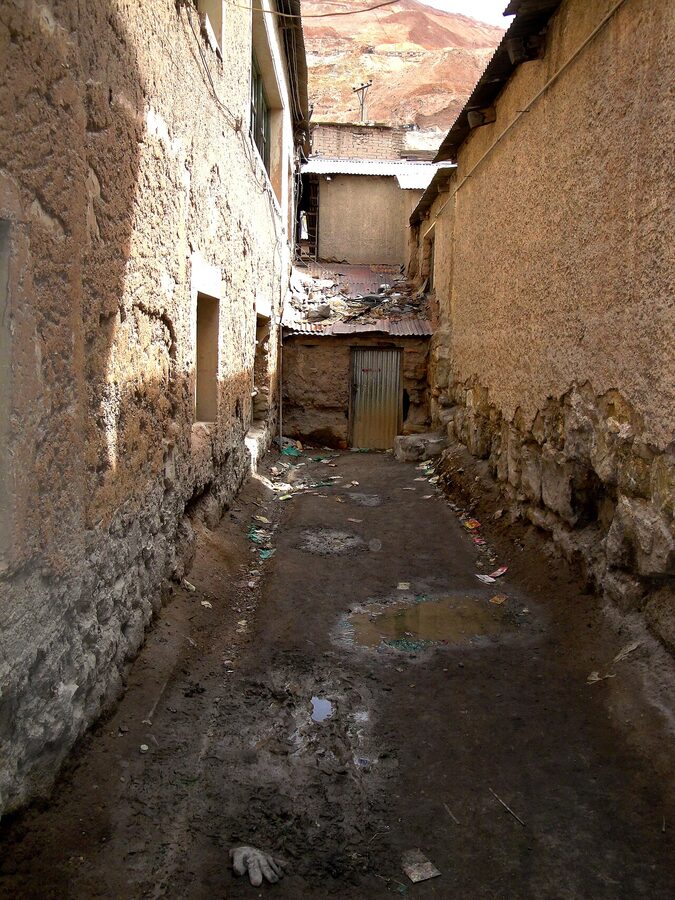
Potosí: at 4,090m, this is genuinely uncomfortable for many travelers. The Cerro Rico mine tour involves additional exertion at altitude; if you are still feeling AMS in La Paz, do not attempt the mine tour the day after arriving in Potosí.


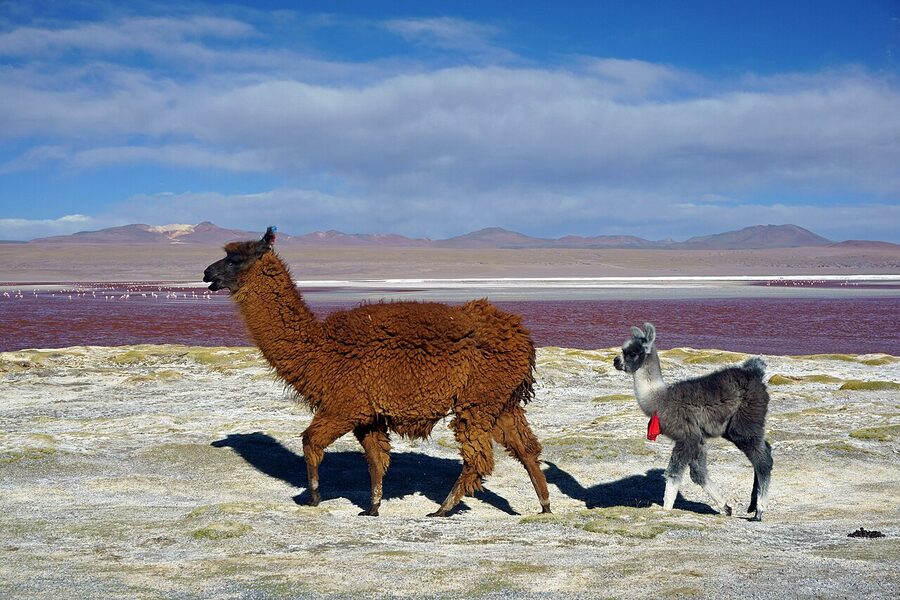

Uyuni 3-day tour (from La Paz): the day 2 night at 4,278m at Laguna Colorada is the hardest. Most operators do not include supplemental oxygen at the basic accommodation. Bring sorochipills or pre-acquired acetazolamide. Drink water aggressively. The 4:30am rise on day 3 to reach the geyser field at 4,850m is when symptoms peak; if you are feeling significantly unwell at the day-2 hostel, talk to your driver about descending early or skipping the geyser stop.
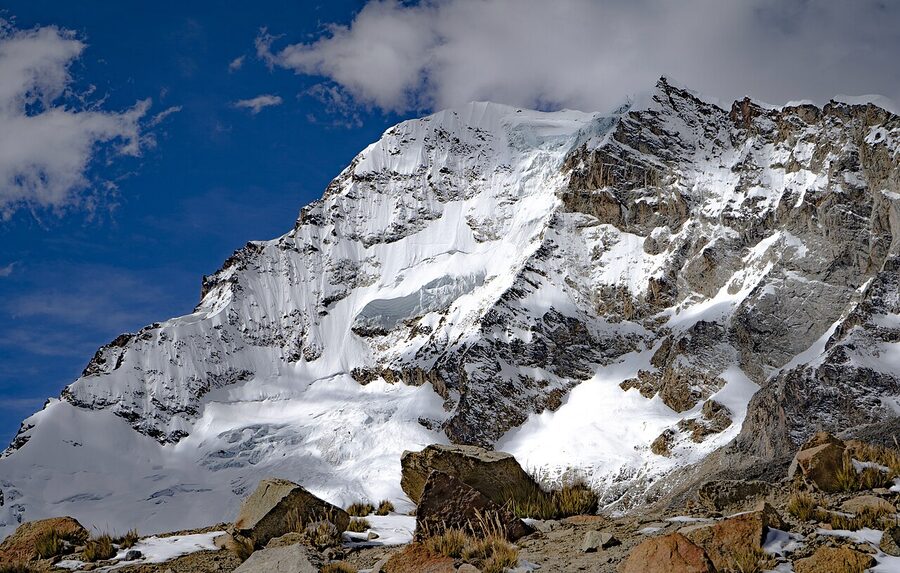

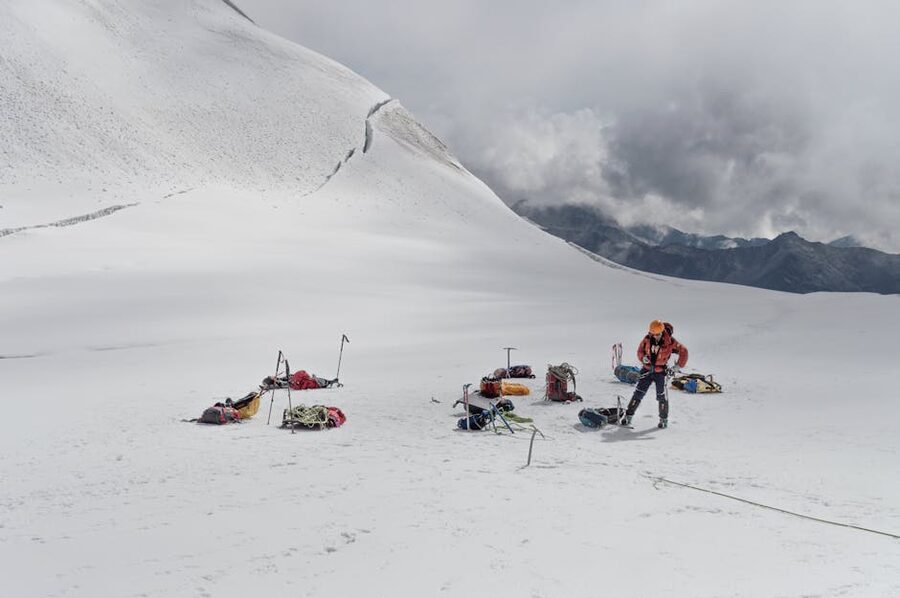
Climbing Huayna Potosí (6,088m): not a casual day trip despite some operators marketing it as one. The 2-day climb requires serious altitude tolerance. Do not attempt without at least a week of acclimatisation in La Paz and ideally a prior climb to 5,000m+. The summit success rate for unacclimatised climbers is around 30 to 40 percent; for properly acclimatised climbers it is closer to 70 percent.
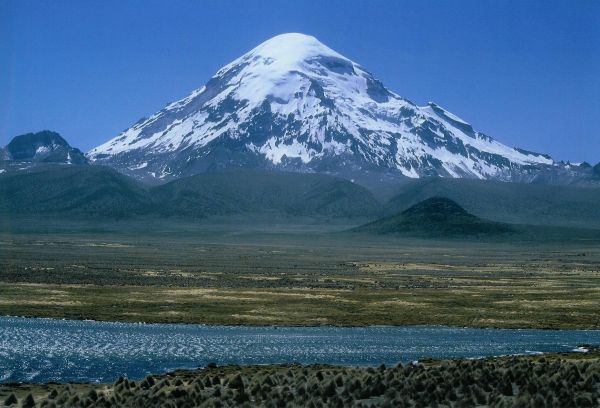
Climbing Sajama (6,542m): the highest peak in Bolivia and a serious mountaineering objective. Do not attempt without prior 6,000m experience and at least 2 weeks of acclimatisation in Bolivia.
Sleep at altitude
The poor first-night sleep is one of the most universal altitude experiences. The mechanism is partly Cheyne-Stokes breathing (cycles of rapid and slow breathing during sleep, sometimes including brief pauses of 10 to 30 seconds), and partly the general physiological stress of acclimatisation.
What helps: sleeping with your head slightly elevated; avoiding sleeping pills (most sedatives suppress respiratory drive and worsen altitude effects); accepting that the first night will be poor and planning a relatively easy day 2; taking a small dose of acetazolamide before bed if your doctor has prescribed it; not drinking alcohol close to bedtime.
What does not help: alcohol, sleeping pills, sedating antihistamines (Benadryl). All of these worsen the underlying problem.
If you are on a 3-day Uyuni tour and the day-2 night at 4,278m is genuinely brutal, the standard advice is: do not stay in the room. Walk around outside (a slow 15-minute walk in the cold helps reset breathing); drink water; chew coca leaves; if your operator has a small oxygen cylinder, ask for it. The night is short; aim to get through it rather than to optimise sleep quality.
What to bring
- Acetazolamide (with prescription) for high-risk travelers. 250 mg tablets, usually taken as 125 mg twice daily for prophylaxis.
- Ibuprofen. 400 mg as needed for headache.
- Anti-nausea medication. Ondansetron (Zofran) 4 mg if available; otherwise dimenhydrinate (Dramamine) is fine but causes drowsiness.
- Pulse oximeter. Fingertip type. Useful for monitoring SpO2 if symptoms develop.
- Reusable water bottle. 1.5 to 2 litre capacity.
- Lip balm and high-SPF sunscreen. The UV at altitude is intense and increases evaporative water loss.
- Travel insurance documents with the high-altitude rider information.
The realistic summary
Most travelers to Bolivia experience some form of mild altitude discomfort and recover within a few days without medical intervention. The serious syndromes (HACE and HAPE) are rare at the altitudes of the standard tourist itinerary, but they do occur and they require immediate descent. The single most useful thing you can do is to give your body time: spend a couple of days at a lower-altitude city before La Paz if you can, give yourself a full rest day after arrival in La Paz before booking the high-altitude activities, and pay attention to your body during the first 48 hours.
Coca leaves help with comfort. Acetazolamide helps with acclimatisation speed. Hydration helps with everything. The only intervention that consistently treats serious altitude illness is descent, and the willingness to descend is the most important decision a traveler at altitude makes. If your symptoms are getting worse over 12 hours rather than better, descend. Bolivia is full of cities at 2,500 to 3,000m where you can recover and re-attempt the higher altitudes a few days later, and the trip is more pleasant when you stop trying to power through the discomfort.
Read this piece alongside our city guides: the practical altitude advice for La Paz, the high-altitude tour planning in Uyuni, and the colonial-warmth-and-low-altitude antidote in Sucre. Most Bolivia trips look like a sequence of altitude exposures over 10 to 14 days; planning the sequence is half the battle.