
Coca leaves arrive at the table in La Paz within ten minutes of you sitting down. The waiter brings a small ceramic teapot, a cup, and a bag of dried green leaves; you pour, you wait, you drink. The ritual is so domestic and so unremarkable to the people serving it that travelers regularly miss what is happening: they are participating in a daily cultural practice that is roughly 4,000 years older than Bolivian independence, that is genuinely sacred to the Aymara and Quechua peoples around them, and that is, in much of the world, illegal.
This article covers the deeper context. The plant itself, the archaeological history, the religious and ritual meaning of the leaf, the chewing tradition (acullico), the Yungas and Chapare growing regions, the coca-versus-cocaine confusion, the legal status under international law, and the practical etiquette for travelers who want to engage with the tradition respectfully. Practical altitude information is in our altitude sickness primer; food and drink uses live in cuisine and drinks.
In This Article
- The plant and where it grows
- The four-thousand-year history
- The acullico: how Bolivians actually chew coca
- Coca tea (mate de coca)
- The sacred dimension
- Coca and cocaine: the chemistry, the cultural distinction, and the eradication wars
- The international legal status
- The Yungas valleys
- Visiting the Coca Museum
- Etiquette for travelers
The plant and where it grows

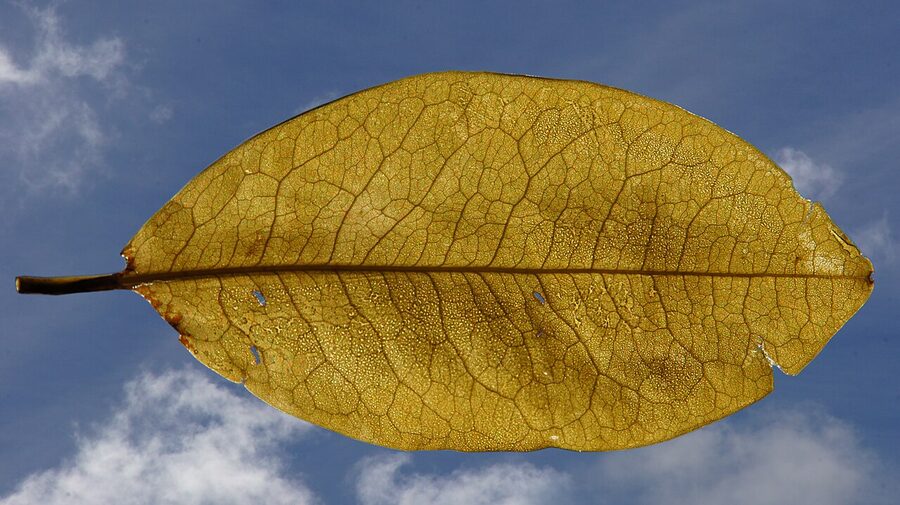
The coca plant, Erythroxylum coca, is a small evergreen shrub native to the eastern slopes of the Andes. Bolivia and Peru are the two major commercial producers; smaller cultivation exists in Colombia, Ecuador, and (historically) Brazil. The two main varieties grown commercially in Bolivia are E. coca var. coca (Yungas variety, the older traditional cultivar) and E. novogranatense var. truxillense (the Chapare variety, which produces a slightly more potent leaf and is also grown in the Trujillo region of northern Peru).
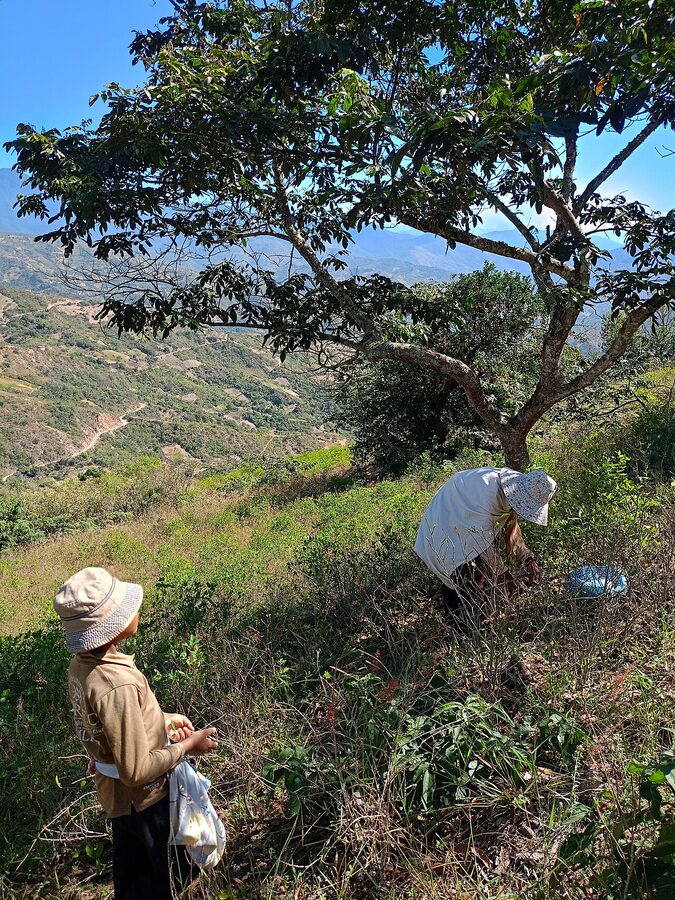
The plant grows best between 1,200 and 2,500 metres elevation, in a narrow band of humid subtropical valleys on the eastern flank of the Andes. The two main Bolivian growing regions are the Yungas (the steep valleys north and east of La Paz, including Coroico, Chulumani, Coripata, and the Caranavi corridor) and the Chapare (the broader subtropical zone east of Cochabamba). The Yungas crop is the older one, with continuous cultivation since pre-Hispanic times. The Chapare crop expanded significantly in the 1970s and 1980s, partly as a response to the collapse of tin mining and partly as a result of the global cocaine trade.
A mature coca shrub reaches 1.5 to 2 metres tall and is harvested by hand three to four times a year. The terraced fields you see across the Yungas, with their step-stone retaining walls and densely planted rows, are the working farms behind the country’s commercial coca economy. The leaves are picked while still green, dried in the sun for two days on flat rooftops or on plastic sheeting, then bagged for sale. A typical Yungas cocalero family might cultivate one to two cato (a cato is the standard Bolivian unit of coca cultivation, equal to 1,600 m²); the household income from this is around 800 to 1,500 USD per year.
The four-thousand-year history
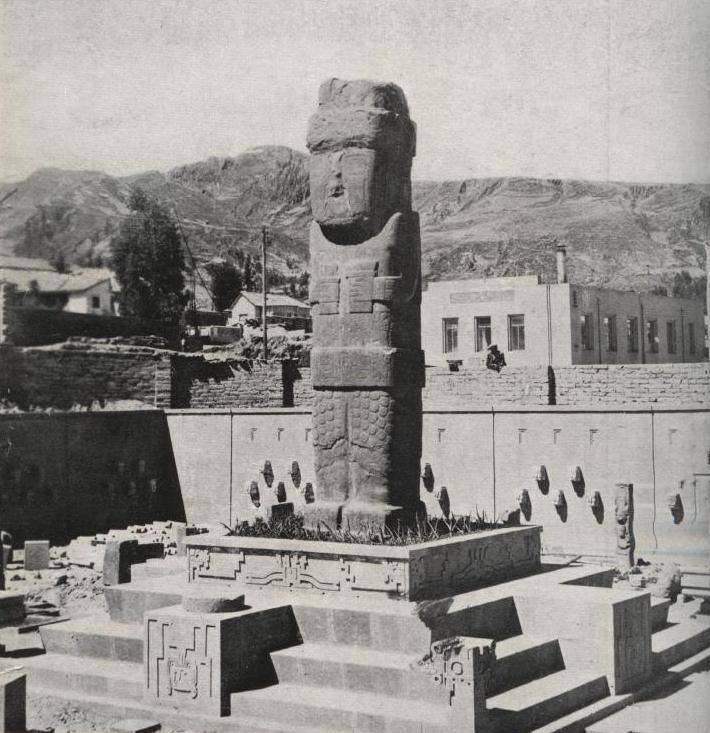
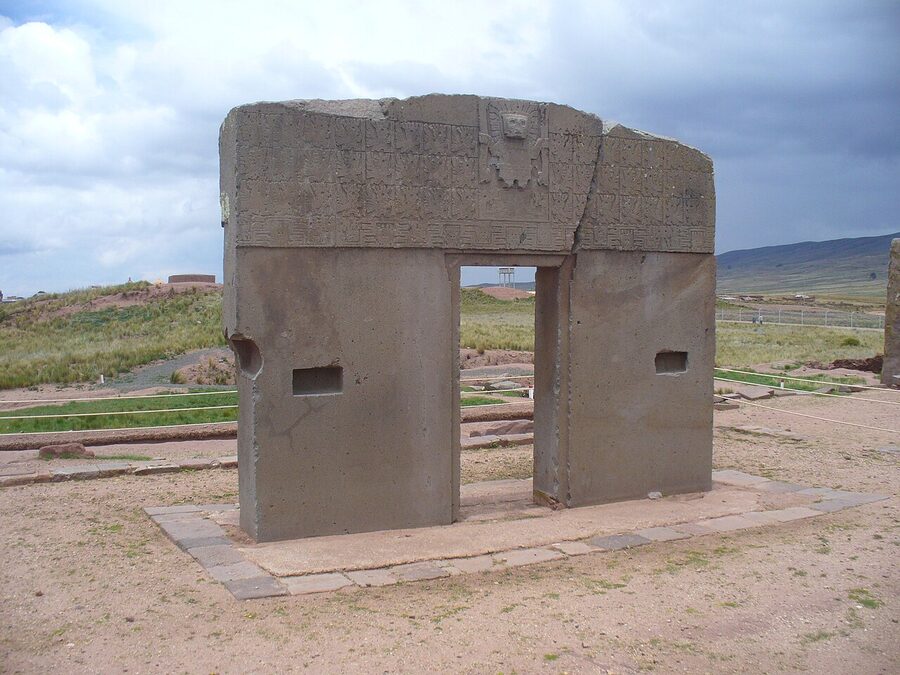
Archaeological evidence for coca chewing in the Andes dates back at least 4,000 years. Coca leaves and the lime mineral used as a chewing companion have been found in burial sites of the Valdivia culture in coastal Ecuador (around 2000 BCE) and in pre-Inca highland sites in Peru and Bolivia. The Tiwanaku civilisation (roughly 200 to 1000 CE) and the Wari culture were both significant coca consumers; the iconic stelae at Tiwanaku include figures with bulging cheeks that scholars interpret as the standard chewing posture.
The Inca Empire (roughly 1438 to 1533 CE) systematised coca production at imperial scale. The Inca state controlled the plant’s cultivation through the mit’a labour system, restricted its use to nobility and ritual specialists, and used coca as a prestige gift across the empire’s network of relationships. Coca leaves accompanied the dead in royal burials. The standard Inca-era chewing companion was llipta, a paste of lime ash, salt, and herbs, which is still used in some traditional contexts today.
The Spanish colonial period changed coca’s status. The 1551 Lima Council briefly tried to ban coca consumption as a heathen practice. The ban failed, partly because the Spanish quickly realised that coca enabled the Indigenous mining workforce at Potosí to work longer hours at altitude on minimal food. Coca production was instead taxed and the colonial economy adapted around the plant. By 1573 the Spanish had granted formal cultivation rights to specific Yungas estates, and a regional industry was established that has continued without interruption ever since.
The acullico: how Bolivians actually chew coca
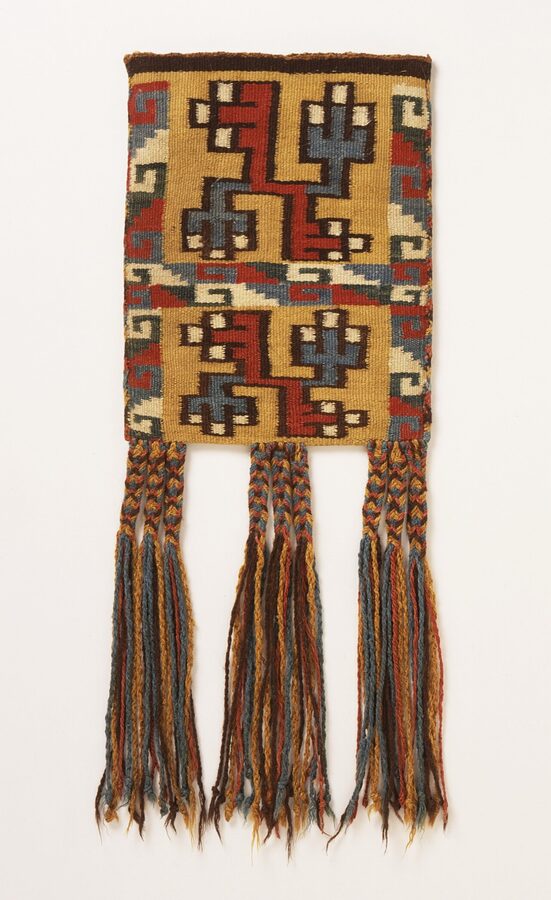
The Bolivian word for coca chewing is acullicar (verb) or acullico (noun); the related Quechua word is pijcheo or chacchar. The practice is not “chewing” in the way English speakers usually understand the word; it is closer to packing.
The basic technique: take 8 to 12 dried leaves from the chuspa or bag. Remove the central stem from each leaf with your thumbnail. Stack the leaves and roll them gently into a wad. Place the wad inside one cheek, against the gums. Press a small amount (pea-sized) of lime ash, called bico or llipta, against the wad. Compress the wad with your tongue but do not chew it; the lime activates the leaf’s alkaloids and you let the saliva carry the resulting solution slowly through your system over 20 to 45 minutes. As the wad loses its potency you spit it out and replace it.
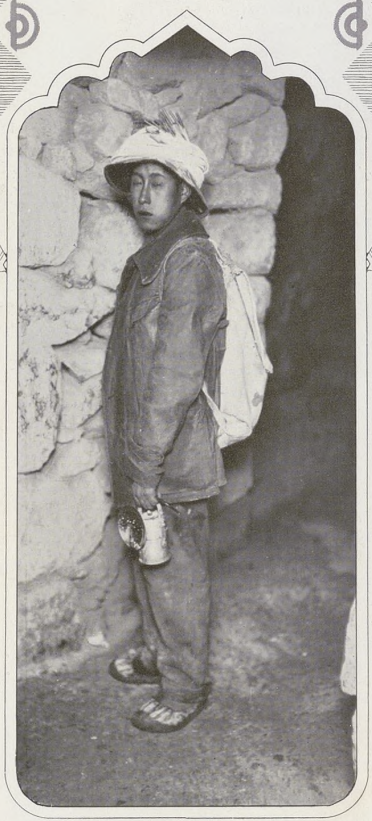
The pharmacology: the leaves contain a range of alkaloids, including small amounts of cocaine (typically 0.5 to 1.5 percent by weight). Without the alkaline lime, the cocaine alkaloid is not bioavailable through the buccal mucosa; with the lime, a small fraction is absorbed. The resulting effect is mild stimulation, similar to a strong cup of coffee, plus a numbing of the tongue and gums, plus a measurable suppression of hunger and altitude-related symptoms. A few studies have suggested that the unique mix of alkaloids in the natural leaf produces a different physiological response than equivalent doses of pure cocaine; the chewing practice has not been associated with the addiction patterns or health consequences of cocaine use.
For travelers: chewing acullico is not a ritual gesture, it is a workday tool. Cocalero farmers chew leaves through their working day. Cooperative miners at Potosí chew leaves through their underground shifts. Long-distance bus drivers chew leaves through overnight runs. If you want to try the practice, the right context is to do it as a working chew on a long walk or at a high-altitude trek, not as a curiosity in a cafe. The Coca Museum on Calle Linares in La Paz sells chuspas with leaves and lime for around 40 to 80 BOB if you want to try the technique respectfully.
Coca tea (mate de coca)
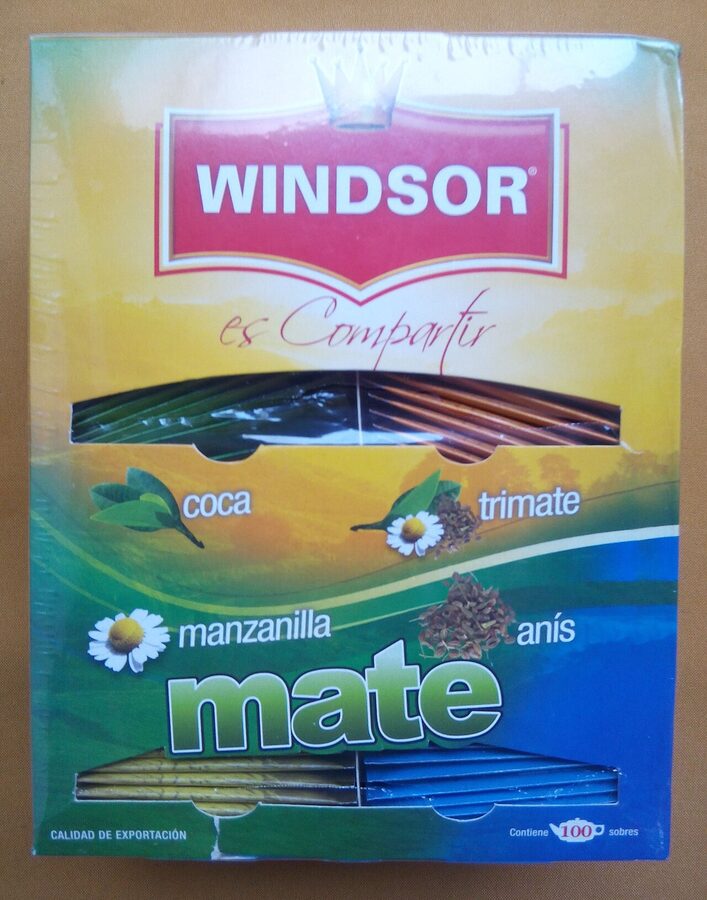
Mate de coca, the tea preparation, is the more accessible form for travelers. The leaves are infused in hot water either loose or in a tea bag for two to four minutes, sometimes with a slice of lemon and a small spoon of honey. The resulting drink tastes mild and faintly grassy; the alkaloid content delivered through tea is much lower than through chewing, and the stimulant effect is correspondingly milder.
Mate de coca is the standard hot drink at hotels, restaurants, and cafés across La Paz, Potosí, Sucre, Uyuni, and the rest of the highlands; the tea bags are typically free at hotel lobbies and cost 4 to 8 BOB at a comedor. Most hostels keep a thermos of hot water and a basket of mate de coca tea bags in the breakfast area, free for guests. The drink is widely understood as a mild altitude aid and a generally pleasant herbal tea; cultural significance attaches to the leaves but does not transfer particularly to the tea bag form, which is essentially a 20th-century commercial product.
The sacred dimension
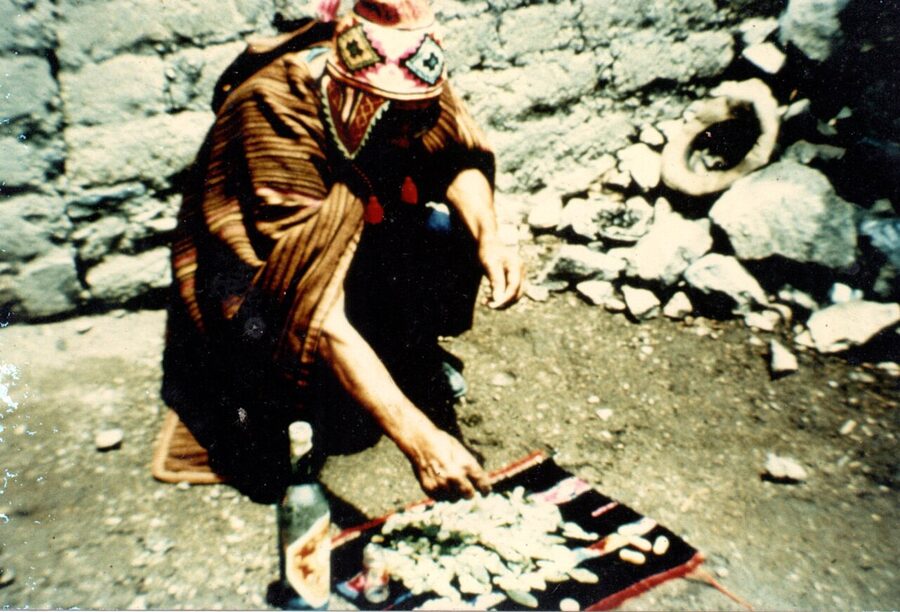
The leaf is sacred in a sense that does not translate cleanly into Western religious vocabulary. In the Aymara and Quechua cosmologies, coca is the medium between the human and the spiritual world; offerings of coca leaves are buried at the foundations of new buildings, scattered before mountain crossings, presented to the spirits of springs and mines, and burned in the small ritual fires called k’oa that are still common in the highlands.
The most visible ritual practice for travelers is the coca leaf reading, performed by a yatiri (Aymara specialist) or a paqo (Quechua specialist). The ritual involves the specialist scattering a handful of leaves onto a small textile and interpreting the patterns of fall: which leaves landed face up, which face down, which on the edges, which clustered together. The reading addresses health, marriage, business, travel, the wellbeing of family. Sessions last 20 to 45 minutes; in La Paz they are offered at the small storefronts on Calle Linares (in the Witches’ Market area, covered in our La Paz guide) for 30 to 80 BOB.
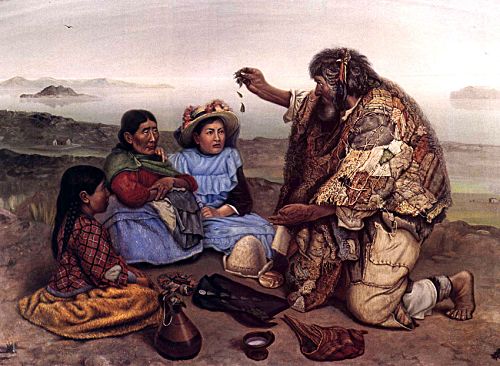
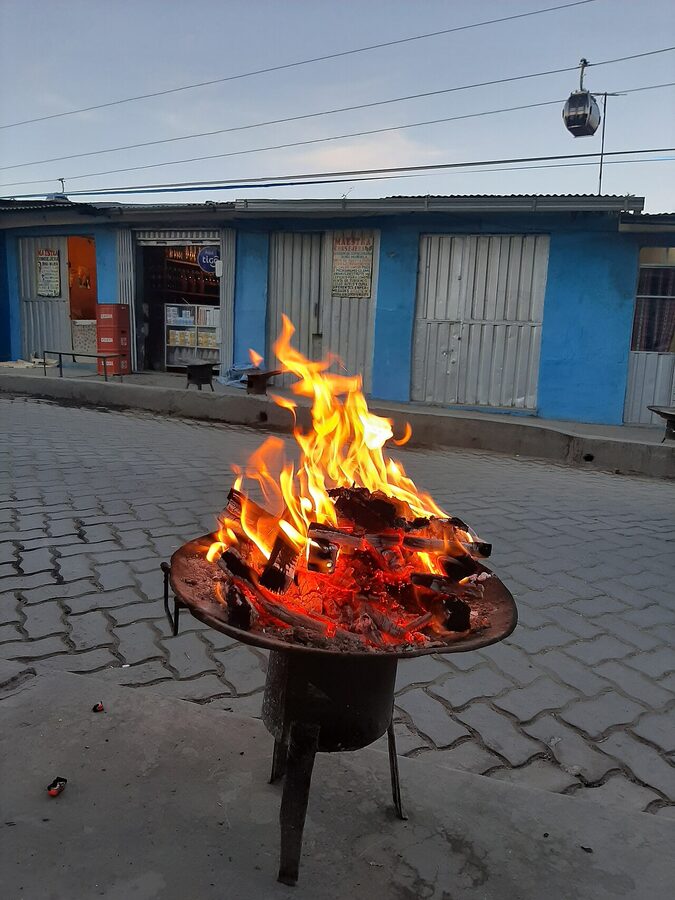
The k’oa offering is the most important regular ritual. On the first Friday of every month (and also at the start of major projects, the dedication of new vehicles, the opening of businesses, and significant family events), Aymara and Quechua households burn a small ritual fire of coca leaves, alcohol, sugar, herbs, and various symbolic items. The smoke is the medium through which Pachamama receives the offering; the fire is meant to burn cleanly and the offerings to be consumed completely. Public k’oas during the August Pachamama month are common in El Alto and the surrounding highlands. Travelers who pass these without noticing miss something genuinely significant; you do not participate uninvited but you also do not look away or photograph without permission.
The other context where you will see ritual coca use is at community gatherings, weddings, and political meetings. A handful of leaves passed across the table at the start of a meeting is a formal opening gesture; refusing them is read as a formal rejection of the meeting itself. Cocaleros (coca farmers’ unions), particularly those associated with Evo Morales’s Movimiento al Socialismo party, have brought this practice into national politics in a way that was not common before 2006.
Coca and cocaine: the chemistry, the cultural distinction, and the eradication wars
The pharmacological reality: cocaine, the highly concentrated alkaloid, is one component of the chemistry of the coca leaf. Producing cocaine from coca requires industrial-scale solvent extraction (typically using kerosene, sulfuric acid, ammonia, and ether, in a multi-stage maceration and crystallisation process). It is not something that emerges from the leaf in cultural or domestic use. The cocaine yield from a kilogram of dried leaf is around 5 to 10 grams; the chemistry to extract it is non-trivial and requires significant cocalero or trafficker infrastructure.
The Bolivian state has long maintained the formal distinction between traditional coca use (legal, encouraged, culturally protected) and cocaine production (illegal, prosecuted). The 2009 Bolivian constitution explicitly recognises the coca leaf as “a cultural patrimony” and protects its traditional use. At the same time, the state runs a controlled-cultivation system that limits the amount of coca a registered cocalero can produce; the 2017 General Law of Coca formalised the cato system, allowing each registered cocalero family one cato (1,600 m²) of cultivation. Production above the legal cato is not formally illegal but is treated as suspicious, with the assumption that the excess goes to cocaine production.
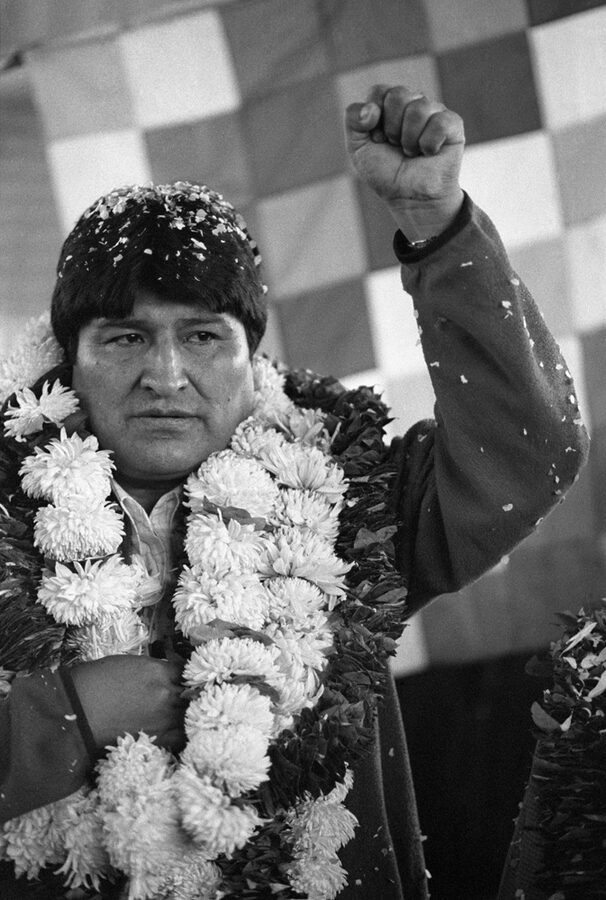
The eradication policy of the 1980s and 1990s, driven primarily by US pressure and the DEA, was implemented through the joint Bolivian-American Special Anti-Drug Force (FELCN) and military operations in the Chapare. The result was significant violence, hundreds of deaths in the 1989-2002 period, and the rise of the cocalero union movement that put Evo Morales (originally a Chapare cocalero leader) into national politics. Morales’s 2006 election effectively ended the US-driven eradication regime; the Bolivian state moved to “cooperative reduction” with the cocalero unions instead of forced eradication.
The current 2026 picture: Bolivian production is approximately 28,000 hectares cultivated, of which roughly 60 percent is the legal Yungas crop and 40 percent the more controversial Chapare crop. Cocaine production has not stopped; the seizure data from 2024 shows around 32 metric tons of cocaine seized within Bolivia, with most of the production routed through Argentine and Paraguayan transit routes to European markets. The relationship between traditional coca cultivation and cocaine production is genuinely complex; both critics and defenders of the cocalero economy have plausible cases.
The international legal status
This is the part that surprises many travelers. The 1961 UN Single Convention on Narcotic Drugs lists coca leaf in its Schedule I (the most restricted category, alongside heroin and cocaine), requiring signatory states to ban traditional consumption. The convention’s rationale was that traditional chewing constituted “addiction,” a position that subsequent research has not supported. Bolivia signed the convention in 1976 with reservations.
In 2011 Bolivia formally withdrew from the convention specifically over the coca-leaf issue. The country re-acceded in 2013 with a permanent reservation specifically allowing traditional coca use within Bolivian territory. The reservation is recognised by the international community and Bolivia is the only country with a treaty-level exception for traditional coca consumption.
The 2024-2026 international review process is currently underway. The UN Commission on Narcotic Drugs voted in March 2024 to begin a formal scientific review of coca leaf’s Schedule I status; the review is expected to conclude in 2027 and may result in coca leaf being removed from Schedule I altogether. Bolivian President Luis Arce, before leaving office in late 2025, made the review one of his foreign-policy priorities; the new Rodrigo Paz administration has continued the diplomatic push.
For travelers, the practical implications are: coca leaves and tea are legal to consume within Bolivia. Carrying coca leaves out of Bolivia is illegal in most countries (the US, Canada, the UK, the EU member states, Australia, Japan all maintain coca leaf as a controlled substance). The international airport authorities at La Paz and Santa Cruz routinely confiscate leaves found in checked luggage during pre-flight screening; in some destination countries you can face customs charges for possession. Drink the tea, chew the leaves, buy a chuspa as a souvenir, but leave the leaves in Bolivia.
The Yungas valleys
If you want to see the coca economy on the ground, the Yungas valleys north of La Paz are the right destination.
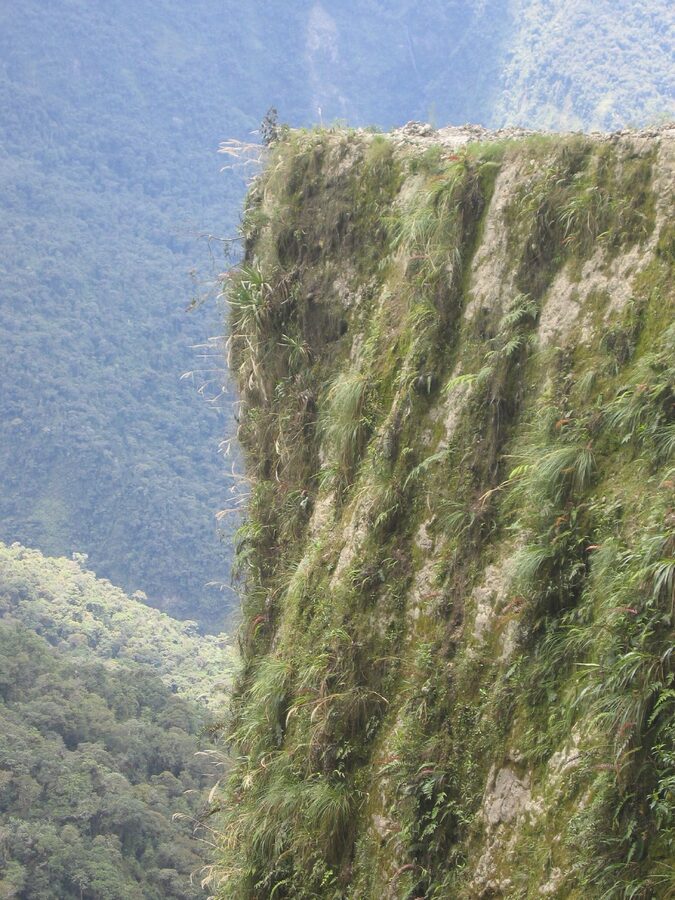
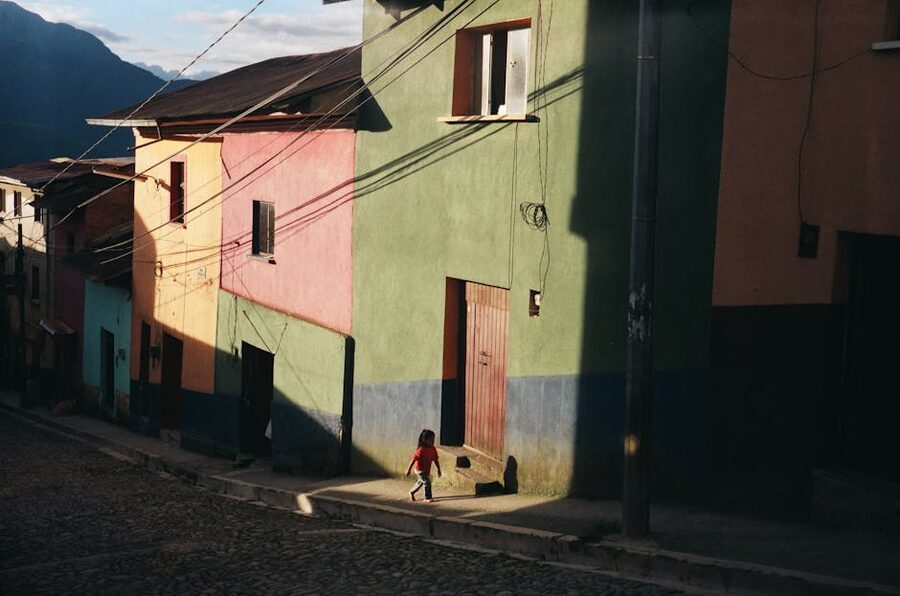
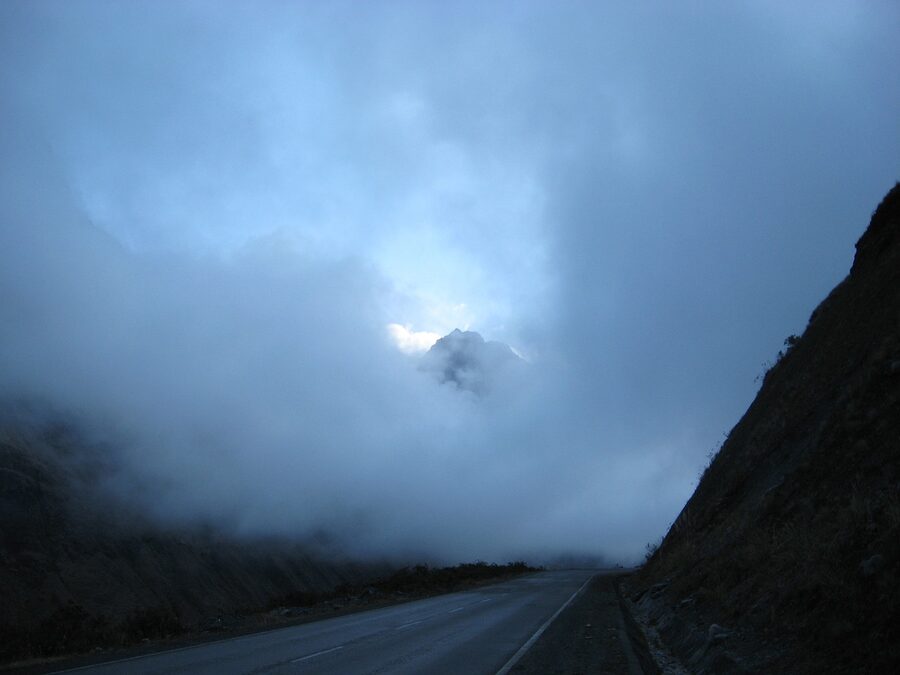
The region is genuinely beautiful: steep subtropical valleys descending from the Andean rim down toward the Amazon basin, with cloud forest, waterfalls, and a network of small farming villages. The main travel base is Coroico, three hours by road from La Paz on the post-Death-Road bypass.
What you can see: coca terraces on the slopes around Coripata and Chulumani; the small markets where leaves are sold by the arroba (a 25-pound traditional unit, around 350 to 600 BOB depending on quality and season); the cocalero unions’ offices that double as cultural centres; the contemporary coca-processing operations including some certified-organic and fair-trade exports to European markets. Local tour operators in Coroico run half-day cocalero-economy tours for around 200 to 300 BOB, including a visit to a working farm and an explanation of the cultivation cycle.
What is not appropriate: walking onto cocalero land without an invitation, photographing farmers without permission, or expressing surprise that the legal coca economy and the cocaine trade exist on overlapping geography. The Yungas farmers have their own complicated relationship with the line between the two; they generally do not welcome external moralising on the subject.
Visiting the Coca Museum
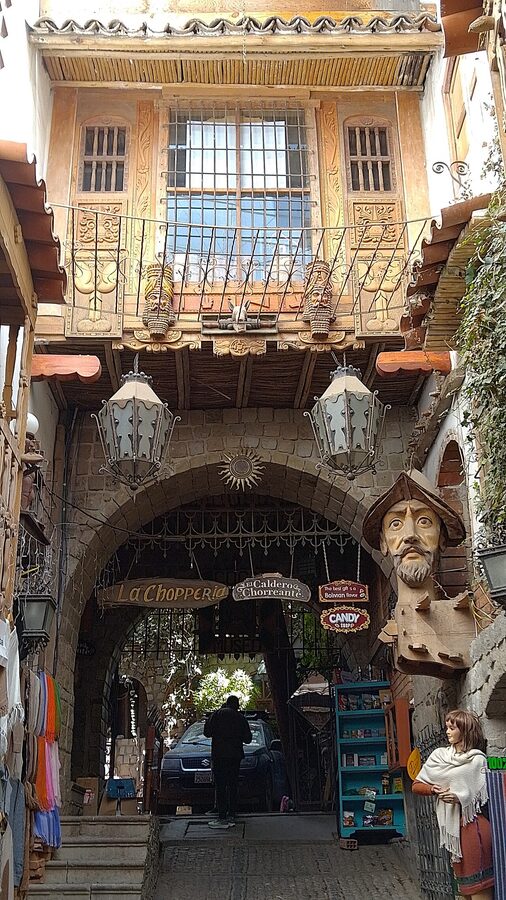
The Coca Museum on Calle Linares in La Paz is the best primer for visitors. The single-room museum is small (60 to 90 minutes is enough), well-organised, and covers the topic with appropriate depth: the archaeology, the chemistry, the colonial history, the modern eradication policy, the legal context, and the cultural and ritual uses. The English-language signage is reasonable; the audio guide (20 BOB extra) fills in the gaps. Entry to the museum itself is 25 BOB.
The museum also sells coca-related items: chuspas (60 to 120 BOB), bags of dried leaves (sold in 50 and 100 gram sizes for around 20 to 40 BOB), llipta in small ceramic containers, and a range of academic books on the topic. The proceeds reportedly support the museum’s modest operations and a small advocacy fund for cocalero communities. The museum is genuinely a serious cultural institution rather than a tourist trap; treating it as such is the right approach.
Etiquette for travelers
A short list of things that work and things that do not.
Drink the tea. Mate de coca is offered widely and accepting it is the polite default. Refusing the tea on the assumption that it is “drugs” reads as ill-informed. The tea is closer in pharmacology to a cup of weak coffee than to anything else.
Chew the leaves if you want to, in the right context. Walking through the Yungas, hiking at altitude, doing a long bus journey, working in El Alto: these are the contexts in which acullico is normal. Do not chew in upscale restaurants in Santa Cruz, do not chew on a tour bus through Sopocachi, and do not photograph yourself chewing for Instagram.
Be respectful around ritual contexts. If you encounter a k’oa or a yatiri reading, observe quietly, do not photograph without explicit permission, do not touch ritual items, do not ask questions during the ritual itself.
Visit the Coca Museum before forming opinions. The museum is the calibration point for understanding what you are seeing.
Do not bring leaves home. Coca leaves are legal in Bolivia and illegal in most other countries. The cultural and pharmacological context that makes traditional use defensible does not transfer across borders, and the consequences of being caught with leaves in customs at JFK or Heathrow are not worth the souvenir.
Do not lecture. The Bolivian and Andean position on coca is the result of 4,000 years of cultural practice, decades of complicated international politics, and a sophisticated contemporary policy debate. Expressing strong opinions about it after three days in La Paz is the kind of thing that ages badly. Listen more than you speak.
The coca leaf in Bolivia sits at an unusual intersection: ancient and contemporary, sacred and economic, legal and globally controversial. For a traveler, the leaf is a small thing (a bag of dried green leaves at the airport, a tea bag in the hotel lobby, a wad of leaves in a Yungas farmer’s cheek) but it is the small thing that opens the largest possible window onto Aymara and Quechua culture. Drink the tea. Read the museum signage. Listen to the cocalero in the bus next to you. Leave the leaves in Bolivia. The plant has been here for four thousand years; it is not going anywhere; and the most useful thing a traveler can do is approach it with the seriousness the Aymara and Quechua peoples have approached it with for the entire history of the Andes.



.jpg)


_(25469501917).jpg)