
Sucre is the only Bolivian city that asks you to slow down. La Paz is fast and vertical; Santa Cruz is broad and tropical; Uyuni is a base camp for the Salar. Sucre is the white-washed colonial capital where you sit in a plaza for an afternoon, take a Spanish class in the morning, eat a salteña chuquisaqueña at 10am, and learn that Bolivia’s independence was actually declared here in 1825 even though everyone in La Paz tries to forget about it.
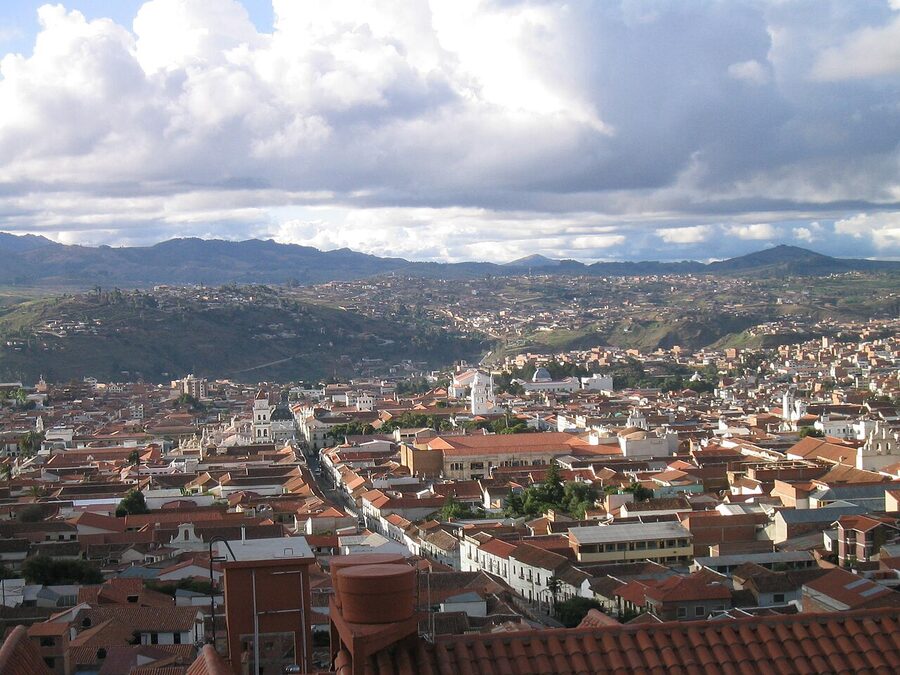

This guide covers Sucre as a destination in itself: the colonial architecture, the political history, the markets, the food, the side trips to Tarabuco and the dinosaur footprints at Cal Orck’o, the Spanish-language schools that have made the city South America’s most popular study-abroad destination outside Buenos Aires, and the practicalities of getting around. Sucre rewards a longer stay than most travelers give it; three days is enough to see the sights, but a week is when the city actually starts to make sense.
In This Article
- Why Sucre is the constitutional capital
- The altitude question (Sucre is the easy one)
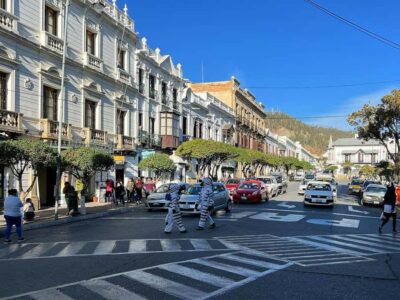
- Plaza 25 de Mayo and the colonial centre
- The white-walled streets
- La Recoleta and the southern slopes
- The Cementerio General
- Mercado Central and where to eat
- Side trip: Tarabuco and the Sunday market
- The dinosaur footprints at Cal Orck’o
- The Castillo de la Glorieta
- Spanish school in Sucre
- Where to stay
- Practical: getting to and from Sucre
- What to skip
Why Sucre is the constitutional capital
The political fact that always confuses first-time visitors: Sucre is the constitutional capital of Bolivia. La Paz is the seat of government. The Bolivian Supreme Court still sits in Sucre. The presidential palace is in La Paz. The 1899 federal war established this awkward split, with most political institutions migrating north to La Paz but Sucre keeping the formal title. The city has been periodically agitating to recover at least some institutional functions since then; the 2007-2008 constitutional process was particularly heated on this point.
The original name of the city, Chuquisaca, is still the name of the department; the city was renamed Sucre in 1825 to honour Antonio José de Sucre, the Venezuelan general who defeated the last Spanish forces at the Battle of Ayacucho and oversaw Bolivia’s formation. The city was founded by Spanish settlers in 1538 (originally La Plata, then Charcas, then Chuquisaca) on a site of pre-existing indigenous habitation, and grew prosperous on the back of the silver mining at Potosí two days’ ride to the southwest. Most of the colonial-era money that built the white-washed mansions of the Sucre old town came from Potosí silver.
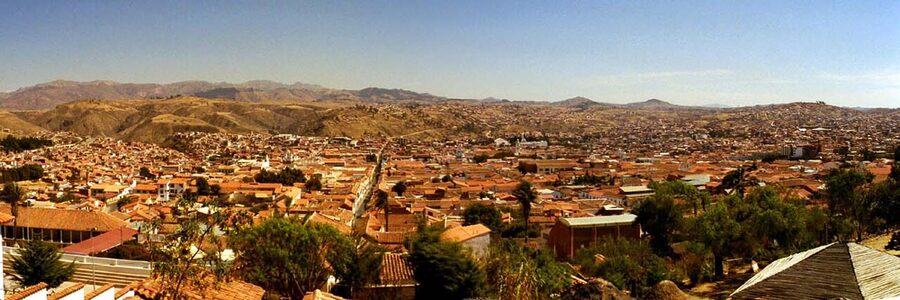

The 1991 UNESCO World Heritage designation covers the historic centre, including more than 200 colonial-era buildings. The white-washed exterior tradition is enforced by city ordinance: every wall in the protected centre must be re-painted twice a year. The result is a remarkably consistent visual experience that does not exist in any other Bolivian city.
The altitude question (Sucre is the easy one)
If you are coming from La Paz to Sucre, your altitude experience reverses. Sucre sits at 2,810 metres, almost 850 metres lower than La Paz, and the difference is immediately apparent. Most travelers report better sleep, easier walking, and a return of normal appetite within the first day. The climate is also significantly milder: 16 to 22°C year-round in the daytime, dropping to 5 to 10°C at night in the dry-season winter, with summers reliably warm.
If you are coming from Santa Cruz or the lowlands and ascending to Sucre, the altitude is mild enough to typically not require any acclimatisation; you might feel slightly out of breath on a steep climb but altitude sickness is rare. Our altitude sickness primer has the full picture, but Sucre is the city where most travelers report finally feeling fine.
Plaza 25 de Mayo and the colonial centre
_1.jpg)
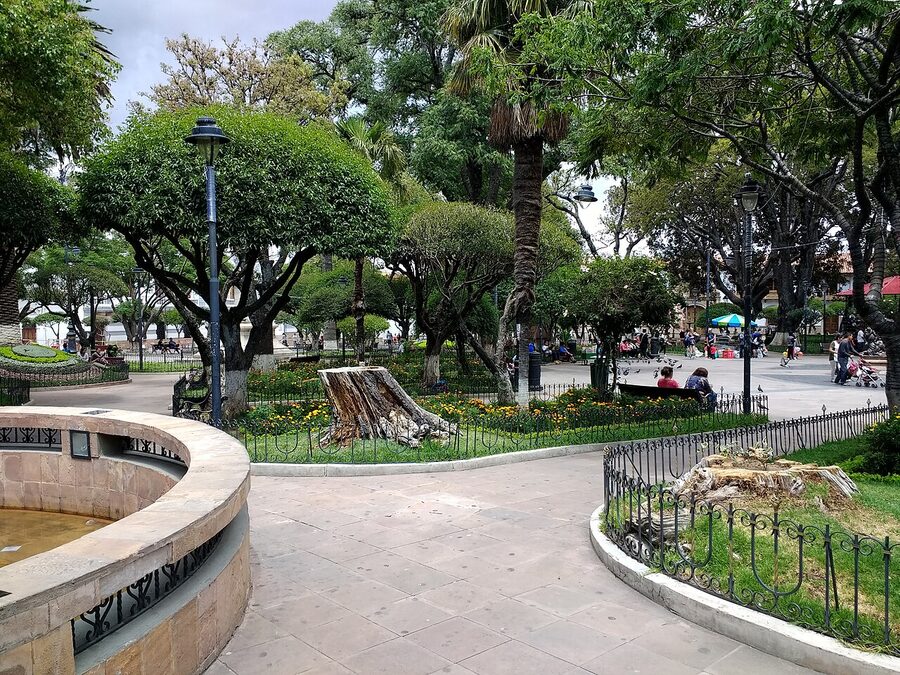
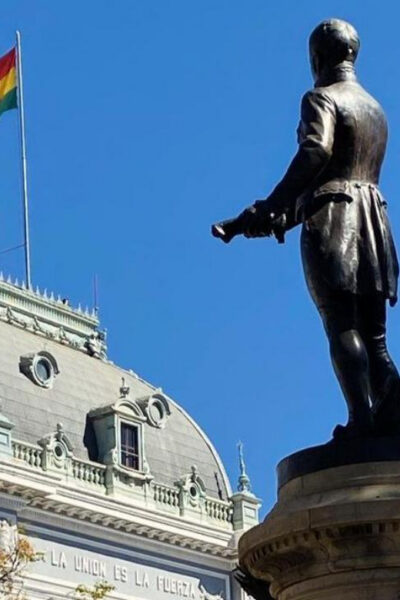
Plaza 25 de Mayo is where you start. The square is named after 25 May 1809, the date of the Chuquisaca Revolution, the first organised uprising against Spanish rule in South America. The plaza is small (about 100m on each side) but lined with the most consequential buildings in the city: the Cathedral, the Casa de la Libertad, the Palacio de Gobierno (the local government palace, distinct from the national one in La Paz), and the Casa de los Marqueses de Otavi.
.jpg)
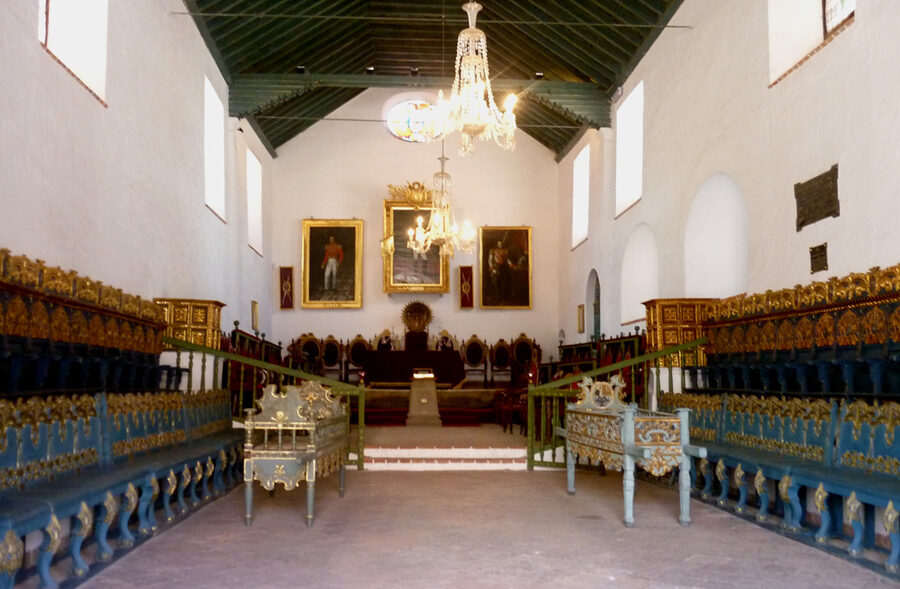
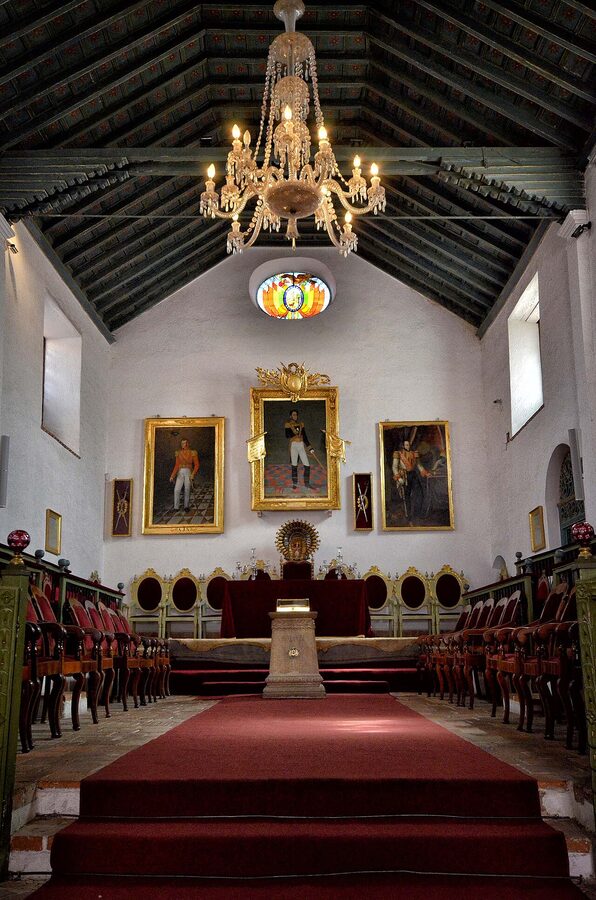
The Casa de la Libertad is the single most important building in Bolivia for political-historical reasons, and one of the better small museums in the country. It was originally the chapel of the Universidad de San Francisco Xavier (founded 1624 as the second-oldest university in the Americas after Lima), and on 6 August 1825 the founding fathers signed the Bolivian Declaration of Independence here. The Salón de la Independencia preserves the actual room and the original document.
.jpg)
Entry is 30 BOB; the audio guide adds 20 BOB and is genuinely worthwhile (the political history is dense and the audio guide makes it intelligible). Allow 90 minutes; closes for siesta from 12 to 2:30pm and on Sundays after 12pm. The downstairs section also has a permanent exhibition on the Tiwanaku culture and the colonial-era Audiencia de Charcas, which gives you the deeper time-frame.
The Cathedral on the same plaza is open intermittently (mornings 8 to 10am, afternoons 5 to 6pm, daily mass at 7am and 6pm). The interior is mostly 17th and 18th-century, with notable colonial-era paintings of the Virgin of Guadalupe; the small Catedral Museum (separate entry, 25 BOB) holds the major religious art collection.
The white-walled streets
Walk away from the plaza in any direction and you find the rest of the colonial centre: the Recoleta to the south, the Cementerio General district to the southeast, San Felipe Neri to the north, the Mercado Central two blocks west. The walking distances are small (most points within 15 minutes of the plaza), the streets quiet, the architectural texture is the city.
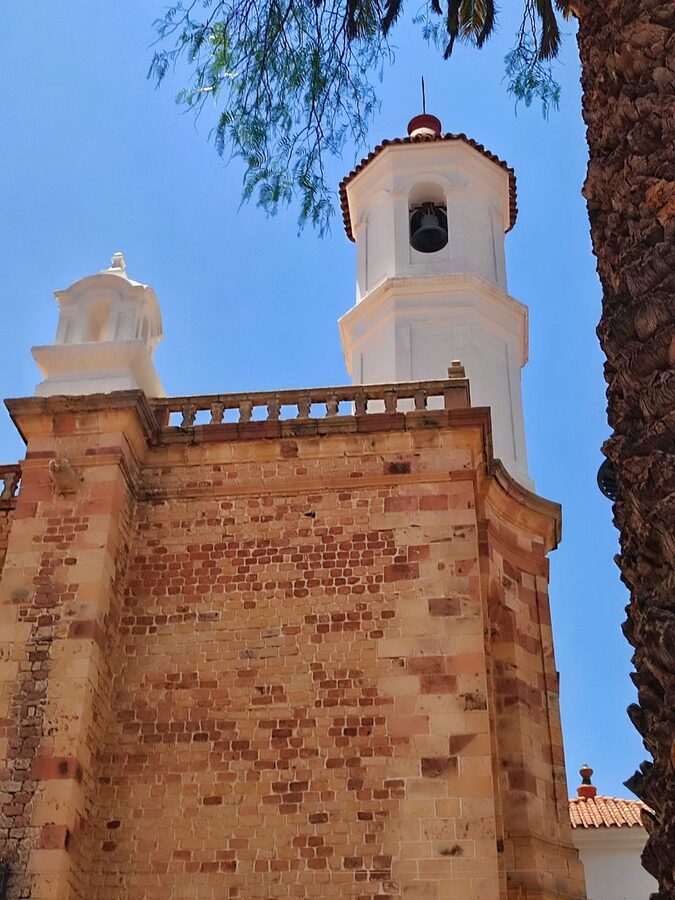

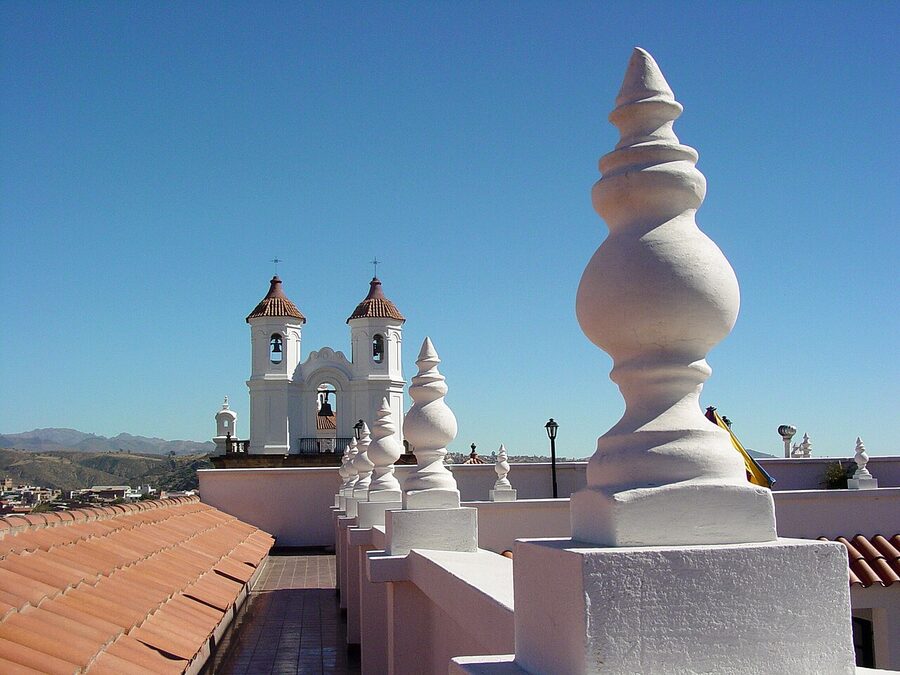
The San Felipe Neri rooftop is the best free-ish viewpoint in the city. The church itself is unremarkable; the seminary attached has a rooftop terrace that gives you a 360-degree view of the white-walled centre. Entry is 25 BOB, paid at the door. Open 9am to 12pm and 3 to 6pm. Late afternoon is the best light. The dome of the cathedral, the red roofs of the convents, the surrounding hills, all visible.
.jpg)
La Recoleta and the southern slopes
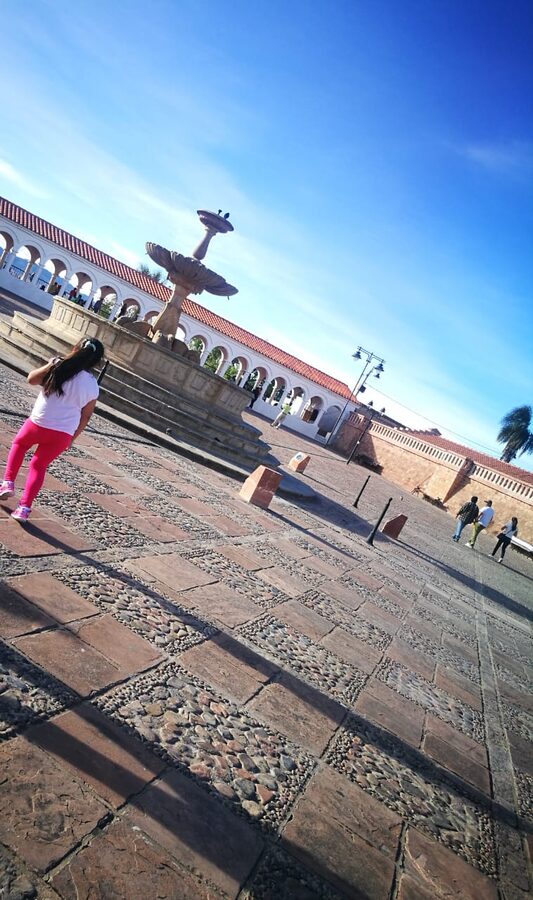

La Recoleta is the colonial-era Franciscan convent on the hill above the city’s southern edge. The Plaza Pedro de Anzures in front of it is Sucre’s classic sunset viewpoint; the climb up from the centre takes about 15 minutes via Calle Iturricha and the steep stairs at the top, and the view of the white walls turning gold-orange in the last light is one of the city’s reliable pleasures. The Mirador café next to the plaza serves drinks and a small menu (35 to 70 BOB per item) at sunset; sit on the terrace.
The Recoleta Museum inside the convent itself is worth 30 to 45 minutes if you want the colonial history (entry 25 BOB, audio guide available). The cloister contains a 1,400-year-old cedar tree and several rooms of indigenous and colonial-era artifacts.
Just below La Recoleta, the ASUR (Antropólogos del Sur Andino) textile museum on Calle San Alberto is one of the better cultural museums in the country. The museum displays the weaving traditions of the Jalq’a and Tarabuco indigenous communities, with explanations of the symbol systems and the cosmology embedded in the textile patterns. Entry 30 BOB. The attached shop sells the actual textiles produced by ASUR’s weaving cooperative; prices are higher than at the Tarabuco market but the provenance is documented and a meaningful percentage of the sale goes back to the weavers.
The Cementerio General
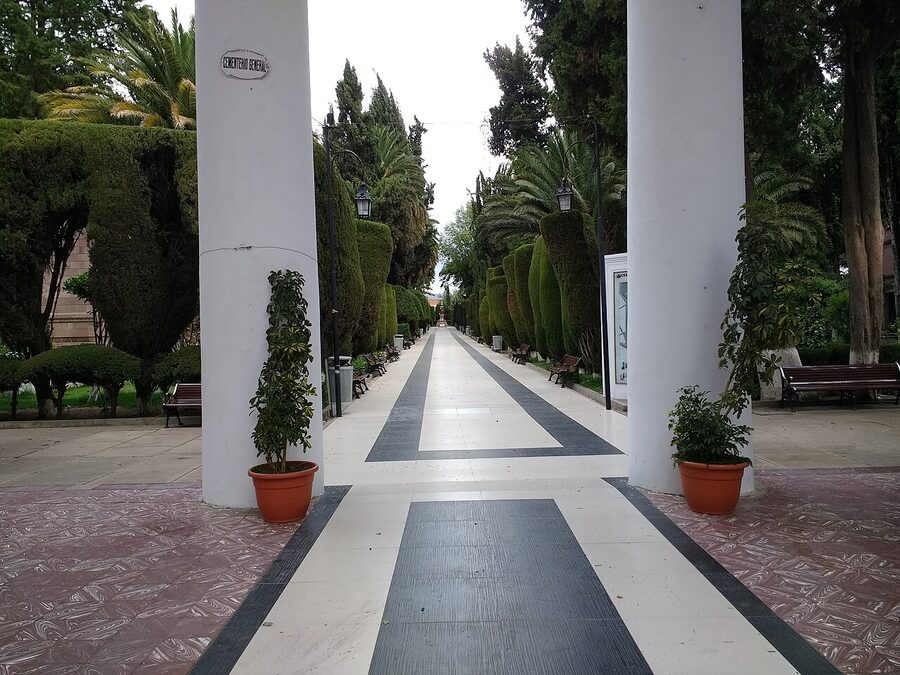

Cemeteries are not always tourist destinations, but the Cementerio General de Sucre is. Established in 1832, the cemetery is laid out as a small park with tree-lined paths between rows of colonial-era mausoleums and Italianate marble tombs. The marble was mostly imported from Carrara in the 19th century, brought up from Antofagasta by mule. The cemetery contains the tombs of several Bolivian presidents, the founders of the city, and the long lineage of the Chuquisaca elite.
The cemetery is open 8am to 6pm and is free to enter. Sundays are surprisingly busy with families bringing flowers to relatives. The unofficial guides who hang around the entrance can give you a 30 to 45-minute tour of the political-history tombs for 30 to 50 BOB; they are usually older locals with strong knowledge and are worth the small fee. Bring water; the cemetery is large and the sun is sharp at midday.
Mercado Central and where to eat
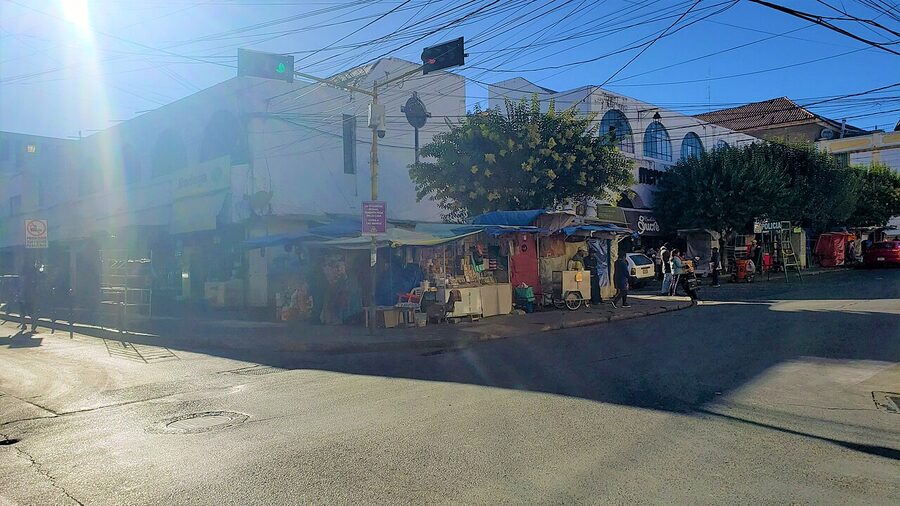

The Mercado Central is three blocks west of the plaza on Calle Junín. The lower floor is fresh produce, butchers, and the famous juice row (try the Sucre tumbo-and-papaya combination, around 12 BOB for a litre). The upper floor is the comedor zone, with maybe twenty separate kitchens serving lunch from 11am to about 2pm: sopa de maní (the Sucre version is thinner than the Cochabamba one but also good), silpancho, picante de pollo, mondongo. A full almuerzo with soup, main, drink, and dessert runs 25 to 45 BOB. Friday and Saturday lunch is the busiest; arrive at 11:30 to get a seat.
The salteña row on Plaza 25 de Mayo and the surrounding streets is where Sucre’s salteña culture lives. Confitería El Patio on the plaza is the long-running classic; the spicy chicken salteña has been the same recipe since the 1960s. Salteñas Las Américas on Calle Bolívar is the contender. Both serve from 9 to 11:30am only. A salteña is 8 to 12 BOB. The Sucre version is drier and spicier than the La Paz one (we cover the regional variation in our cuisine guide).
For sit-down meals, named places worth knowing: Condor Café on Calle Calvo for breakfast and the best brunch in the centre (around 50 to 80 BOB). El Huerto for an upscale Bolivian and international menu (120 to 200 BOB per main, with a garden). La Taverne in the Alianza Francesa courtyard for French-Bolivian crossover cooking. Las Velas for vegetarian-friendly Bolivian. Phayawi, covered in our drinks article‘s contemporary section, is the city’s tasting-menu fine-dining option (around 350 BOB).
Side trip: Tarabuco and the Sunday market
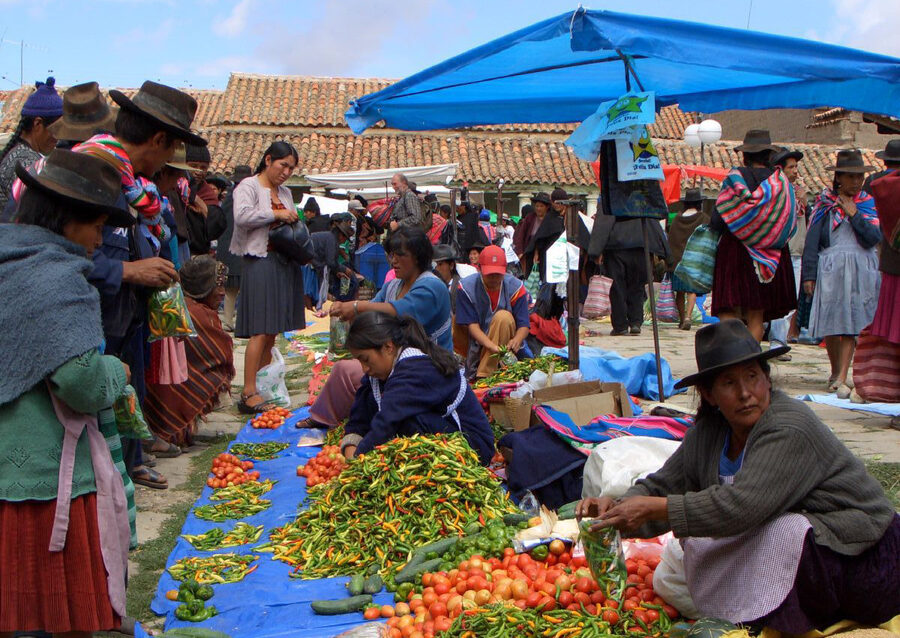

The Sunday market at Tarabuco, 60 km from Sucre, is the largest indigenous textile market in central Bolivia and the side trip most travelers do. Tarabuco is a small town in the surrounding Yamparáez highlands, populated mainly by the Tarabuqueño indigenous community whose weaving and dress (including distinctive black-and-red striped vests and traditional helmets that resemble those of conquistadors, a deliberate cultural reference to the 1816 Battle of Jumbate) are immediately recognisable.
The Sunday market has been running for several centuries. It begins at 8am and runs to about 3pm. Roughly half the market is local subsistence trade (livestock, produce, salt, coca leaves) and half is tourist-oriented textile sales. The Tarabuqueño weavings are some of the most technically complex in the Andes, with motifs that depict animals, geometry, and cosmological narratives. Prices: small pieces from 80 BOB, full aguayos from 200 to 600 BOB depending on size and complexity, large traditional poncho weavings up to 1,500 BOB.
How to get there: shared taxis (trufis) leave from Calle Manco Kapac in Sucre at 7 to 8am, around 25 to 35 BOB each way for the 90-minute ride. Tour operators (Joy Ride, Locot Tours, Condor Trekkers) run organised day trips with English-speaking guides, around 200 to 300 BOB including transport, market visit, lunch, and a stop at a small workshop to see weaving in progress. The independent option is cheaper but the organised tour gives you context that you would otherwise miss; for a first visit, the tour is genuinely worth it.
.jpg)
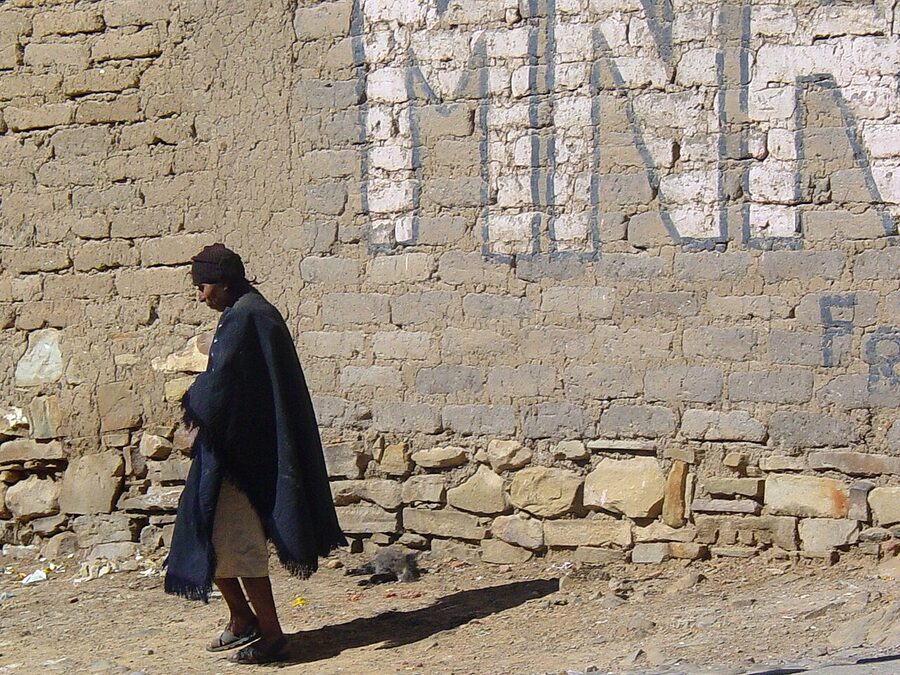
What to know: pay attention to weaving quality. Synthetic-yarn pieces are sold at the same prices as alpaca-wool pieces; the alpaca pieces hold their shape for decades, the synthetic ones flatten within a year. The ASUR shop in Sucre (covered above) is a fallback for guaranteed-provenance purchases.
The dinosaur footprints at Cal Orck’o
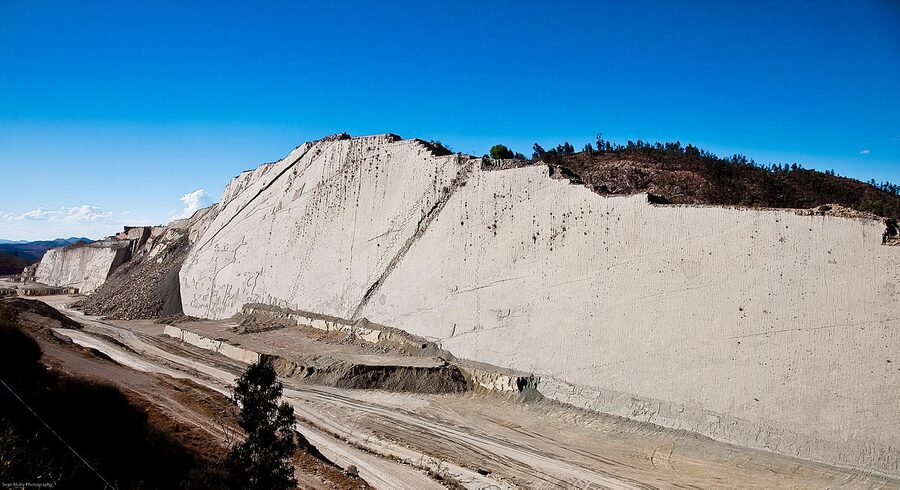

The dinosaur footprint cliff at Cal Orck’o, 5 km from central Sucre, is one of the world’s most significant paleontological sites and very few travelers bother with it. The cliff (originally a flat lakeshore in the late Cretaceous, tectonically tilted to vertical over the last 65 million years) exposes more than 5,000 individual dinosaur footprints across roughly 20,000 m² of rock face. The footprints belong to at least 8 different species of dinosaur including theropods and sauropods, and the diversity makes the site genuinely globally important.
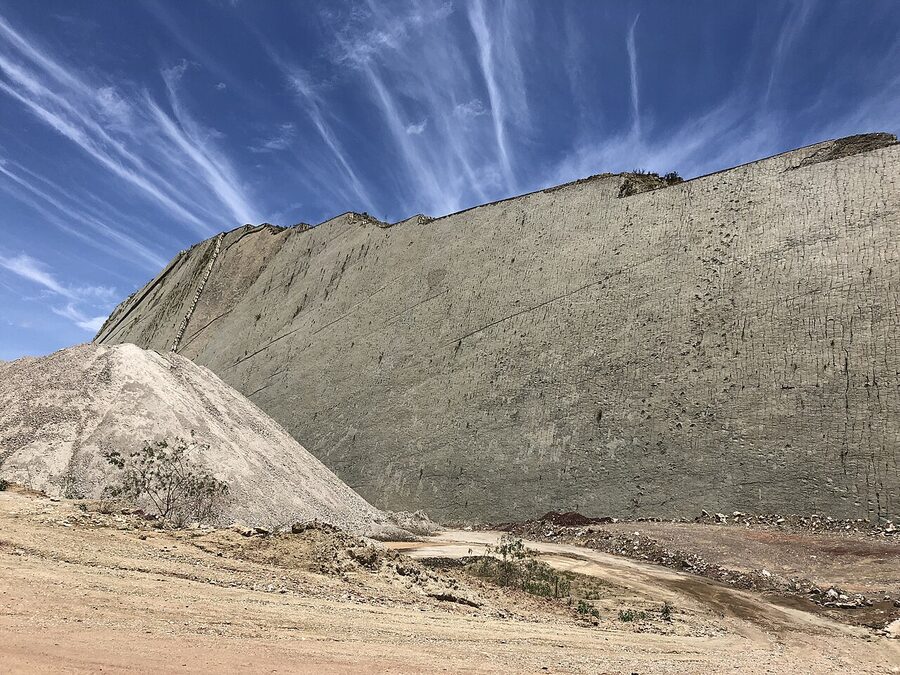

The Parque Cretácico is the on-site museum and viewing platform. Entry is 50 BOB, plus 50 BOB for a guide (the guide is mandatory for the close-up walk to the cliff face). Allow 2 hours. Open 9am to 5pm Tuesday through Sunday, closed Mondays. Getting there: the dinosaur bus (DinoTruck) runs from Plaza 25 de Mayo at 9:30am, 12pm, and 2:30pm, around 35 BOB return; or take any taxi from the centre for 30 to 40 BOB one way.
The Castillo de la Glorieta
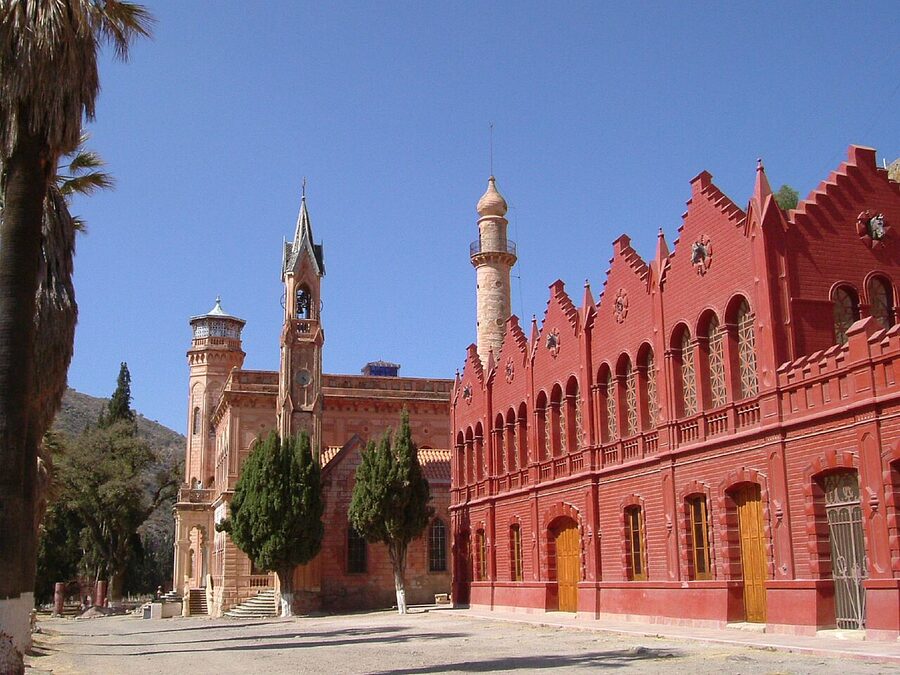

The Castillo de la Glorieta, 5 km southeast of the city, is one of the more unexpected things in central Bolivia. The mansion was built between 1893 and 1897 by Francisco and Clotilde Argandoña, copper-mining heirs who managed (in 1898) to obtain papal recognition as Princes of La Glorieta from Pope Leo XIII, making them the only Bolivian-resident papal princes in the country’s history. The building they constructed reflects the family’s eclectic taste: Italian Renaissance, French Second Empire, Moorish Andalusi, and even some Inca-era touches in the gardens. It is genuinely strange and worth the half-hour visit.
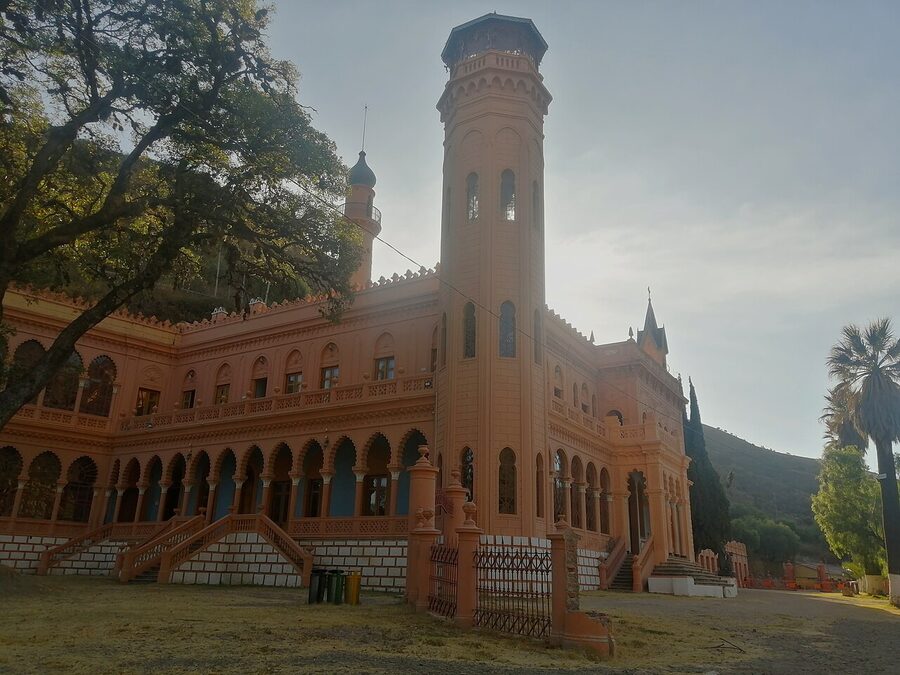

The castle is now a military museum (the Bolivian army owns the property). Entry 25 BOB. Open 9am to 12pm and 2 to 5pm. Getting there: any micro from the Mercado Campesino headed toward Yotala stops at the gate, 5 BOB; or a taxi from the centre is 35 to 50 BOB. Pair with a visit to the Yotala village 10 minutes further south for lunch at one of the riverside fish restaurants if you want to make a half-day of it.
Spanish school in Sucre
Sucre has, over the last two decades, become South America’s second most popular city for foreigners studying Spanish (after Buenos Aires). The reasons are practical: relatively neutral and clear Bolivian Spanish accent, low cost (group classes from 60 to 90 BOB per hour, private classes 110 to 180 BOB), pleasant climate, walkable city, and a small but established student community.
The reputable schools include Me Gusta (good for absolute beginners), Continental (the long-established big school with the most class options), Latinoamericano (smaller and more personal), and Sucre Spanish School (popular with students wanting a homestay package). All offer 4-hour-per-day intensive programmes that combine 2 hours of group class and 2 hours of private tuition, with optional homestay accommodation (around 350 to 500 BOB per week including breakfast and dinner). Most students spend 2 to 4 weeks; a month is the standard intensive commitment that produces real conversational ability.
The student community is small enough to be social. Most schools run weekly cooking classes, salsa lessons, hiking trips to the surrounding villages, and weekend Tarabuco trips. If you are travelling solo and want a base for a few weeks, Sucre is the city to pick.
Where to stay
Hotel-wise, Sucre is well-stocked at every level. Budget: Beehive Hostel (cheery dorms 70 to 110 BOB), Hostal de su Merced (mid-range with a pool, 280 to 450 BOB doubles), Casa Verde (the long-running boutique guesthouse with a courtyard, 250 to 400 BOB). Mid-range: Mi Pueblo Samary (colonial-era building, 400 to 600 BOB doubles), Parador Santa María La Real (close to the cathedral, 500 to 800 BOB).
Upper-mid: Hotel Casa Kolping (modern, comfortable, around 600 to 900 BOB) or El Hostal de su Merced for the higher tier. The Parador Santa María doubles are the city’s most photographed hotel rooms; book ahead in dry season. For longer stays (Spanish students, slow travelers), Airbnb works well in Sucre and a one-bedroom apartment in the centre runs around 1,200 to 2,000 BOB per week.
Practical: getting to and from Sucre
From La Paz: overnight bus from the Cementerio General terminal in La Paz, around 14 hours, 100 to 200 BOB depending on class. Trans Copacabana, El Dorado, and Trans Azul run the route. The semi-cama is fine; the cama is 50 BOB more and worth it. Alternative: BoA flies La Paz-Sucre daily, 50 minutes, 600 to 900 BOB return.
From Uyuni: direct bus daily (Tupiza Tours, 6 Hermanos), around 7 to 9 hours, 80 to 150 BOB. Day buses leave around 10am and arrive by 6 to 7pm. The route via Potosí is mountainous and slow; Dramamine is reasonable insurance.
From Potosí: 3 to 4 hours by bus, around 30 to 50 BOB. Multiple companies running every 30 minutes. The route is paved and easy.
From Santa Cruz: overnight bus, around 12 hours, 90 to 150 BOB; or BoA / EcoJet flights, 50 minutes, 500 to 800 BOB return.
Within Sucre: the historic centre is 100% walkable. Most things you would visit are within 15 minutes walk of Plaza 25 de Mayo. Taxis run a flat 8 to 12 BOB anywhere in the centre; longer trips (Cal Orck’o, Glorieta) are 30 to 50 BOB. There is no Uber in Sucre as of 2026.
What to skip
The “tourist train” ride around the city centre. The mock-train tourist circuit that runs around Plaza 25 de Mayo for 25 BOB lasts 20 minutes and goes nowhere you cannot walk to in 10. Skip and walk.
The “indigenous market experience” tours sold by hostels. The Tarabuco Sunday market is the real thing; the staged weekday market visits sometimes sold by tourist agencies are not. Go on a Sunday or skip.
The Cretácico Express bus from the airport. Direct taxis from the airport to the centre are 30 to 50 BOB; the express bus is 25 BOB but stops every 5 minutes for an hour. Take the taxi.
Cheap salteñas from the bus terminal kiosks. Salteñas are an early-morning food. The leftover ones at the bus terminal at 4pm are not the same dish.
Sucre is the city in Bolivia where you stop moving and start watching. After the altitude of La Paz and the cold of Uyuni, the white-walled colonial calm at 2,810 metres is medicinal. Three days is the minimum; a week is when you start to read the political history off the buildings; a month at a Spanish school is when you start to understand what your taxi driver is saying. Pick the length that fits your trip and stay longer than you think.
You Might Also Enjoy
 La Paz Travel Guide: The World’s Highest Capital, Cable Cars, and What to Actually Do
 Cochabamba Travel Guide: Bolivia Culinary Capital, Cristo Statue, and the Largest Market in South America
 Tarija Travel Guide: The Wine Country, Singani Distilleries, and the Mediterranean Side of Bolivia
 Santa Cruz de la Sierra Travel Guide
Book a day around Sucre
Cal Orck’o, the Tarabuco market and the courtyards you would otherwise walk straight past.
 ★ 4.8Walking tour in Sucre: History, Culture & Amazing ViewsFrom $1379 reviews
 ★ 4.8Sucre: 1-Day Trek in the Crater of Maragua and Inca TrailsFrom $9475 reviews
 ★ 4.8Sucre: Free Walking tour (History, culture and traditions)From $047 reviews
 ★ 4.9Sucre: Sunrise, the Crater de Maragua and old Cave PaintingsFrom $10513 reviews