
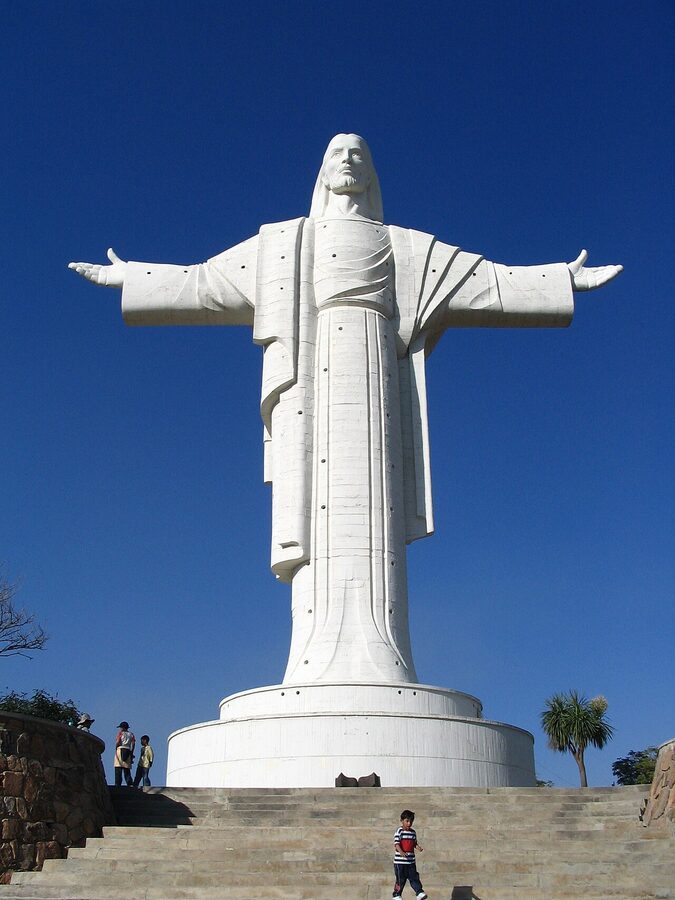
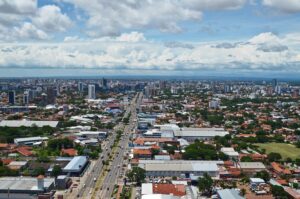
Cochabamba does not get the international attention that La Paz or Uyuni get, and that is broadly fine with cochabambinos. The city sits in a temperate valley at 2,560 metres, has the country’s best food, the largest market in South America, a 33-metre statue of Christ visible from anywhere in the city, and the most reliably mild climate in Bolivia. It is the country’s third-largest city (around 1.4 million in the metropolitan area), the agricultural capital, the political stronghold of the Movement for Socialism (MAS) party, and the city most Bolivians would name if asked where they would actually want to live.
This guide covers Cochabamba as a destination in itself: the food (the cuisine companion piece is at traditional cuisine), the colonial centre, La Cancha (the market that defines the city), the Cristo statue and the cable car up to it, the Tunari national park on the city’s edge, and the side trips to Toro Toro National Park and the chichería towns of Quillacollo and Tarata. Cochabamba is a 3-day city minimum and rewards a longer stay; many travelers in Bolivia find it the easiest place to settle into for a week or two.
In This Article
- The altitude question (Cochabamba is the comfortable one)
- Plaza 14 de Septiembre and the colonial centre
- La Cancha: the market that defines the city
- Cristo de la Concordia and the cable car
- Parque Nacional Tunari
- Toro Toro National Park
- Side trip: Quillacollo and the chichería country
- Tarata and the colonial villages
- Where to stay
- Food in Cochabamba
- Practical: getting to and from Cochabamba
- What to skip
The altitude question (Cochabamba is the comfortable one)
If you have come from La Paz at 3,650m, Cochabamba feels almost sea-level. The city sits at 2,560 metres in a wide valley sheltered by the Tunari mountain range to the north. The altitude is mild enough that altitude sickness is rare for most travelers, sleep is easier, and physical exertion is closer to normal. The climate is genuinely the best in Bolivia: 22 to 28°C in the daytime year-round, 8 to 14°C at night, with a dry winter (May through October) and a green wet season (November through April). The Spanish nickname “City of Eternal Spring” is more or less accurate.
If you are flying directly into Cochabamba from sea level, you may feel mild altitude effects on day 1 but they typically resolve within 24 hours. Our altitude sickness primer has the full picture. For practical purposes, Cochabamba is the city most travelers find easiest as either a starting point in Bolivia or as a recovery stop between higher destinations.
Plaza 14 de Septiembre and the colonial centre
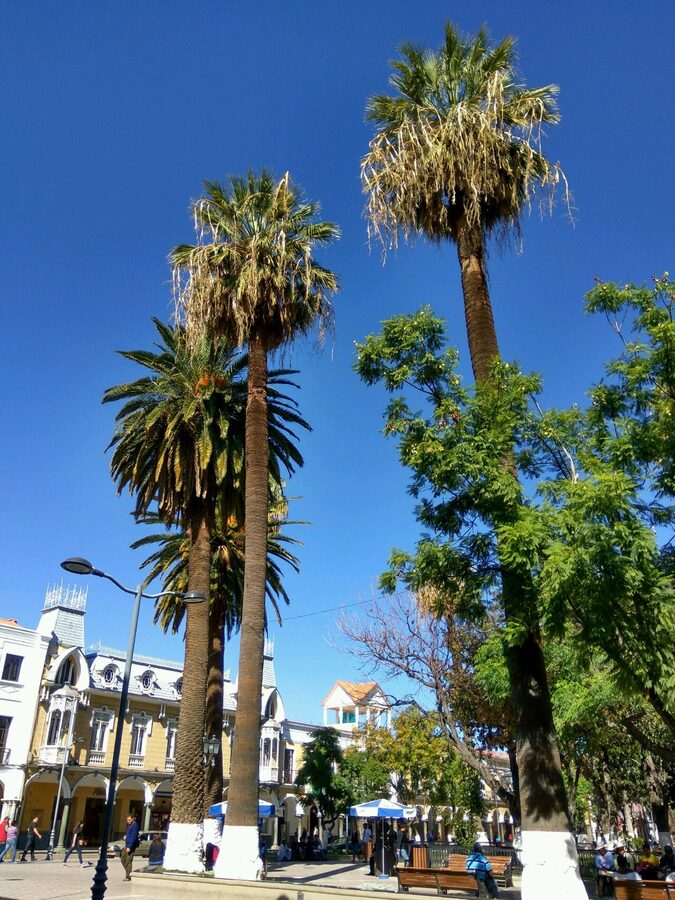
The colonial centre of Cochabamba radiates from Plaza 14 de Septiembre, named after the date of the 1810 Cochabamba uprising against Spanish rule (one of several proto-independence movements that preceded the formal 1825 declaration of Bolivian independence in Sucre). The plaza is small, palm-lined, and pleasantly walkable; the Catedral Metropolitana (1571, with later 18th-century modifications) sits on the south side, the Palacio de Gobierno of the departamental government on the east, and a row of cafés and ice-cream shops on the north. The plaza is also where the city’s protest culture happens; the cocalero unions and the social movements that elected Evo Morales in 2006 still organise here.
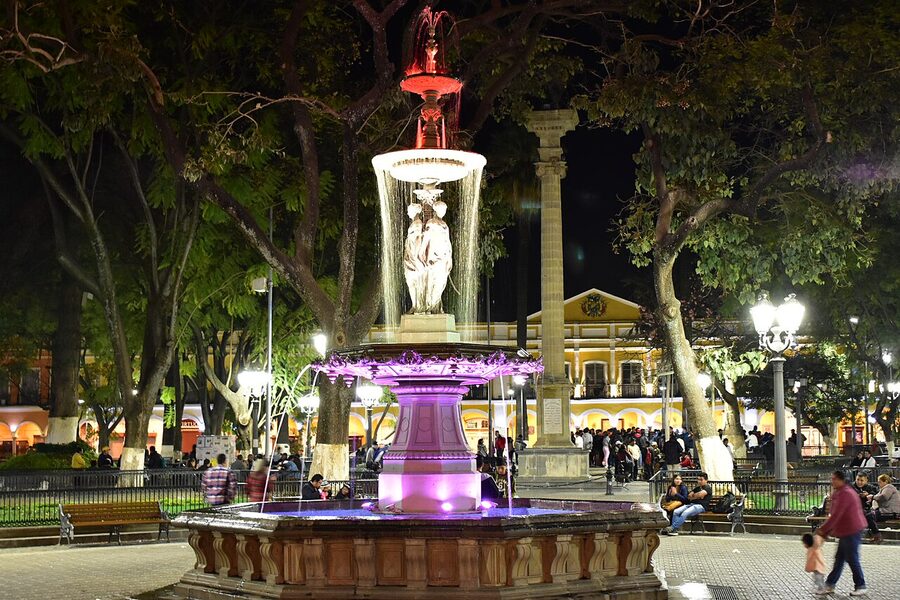
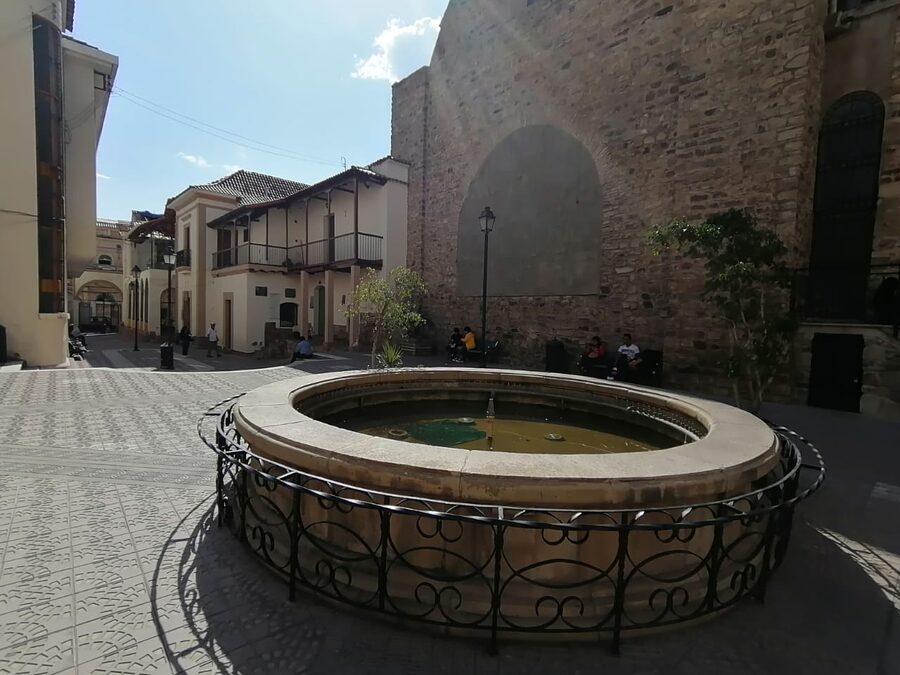
Around the plaza:
- Catedral Metropolitana: open mornings 8 to 11am and afternoons 5 to 6:30pm. The colonial-era painting collection (mostly Cuzco-school 17th and 18th century) is the highlight. Free entry; the small museum next door charges 15 BOB.
- Iglesia y Convento de Santa Teresa: a Carmelite convent two blocks from the plaza, with a small museum of religious art and the actual cells where cloistered nuns lived (and a few still do live). Entry 25 BOB. The convent’s homemade biscuits are a Cochabamba thing.
- Museo Arqueológico (UMSS): the archaeology museum at the Universidad Mayor de San Simón. Holds the regional Tiwanaku and Inca-era collection. Entry 15 BOB. Worth a 90-minute visit.
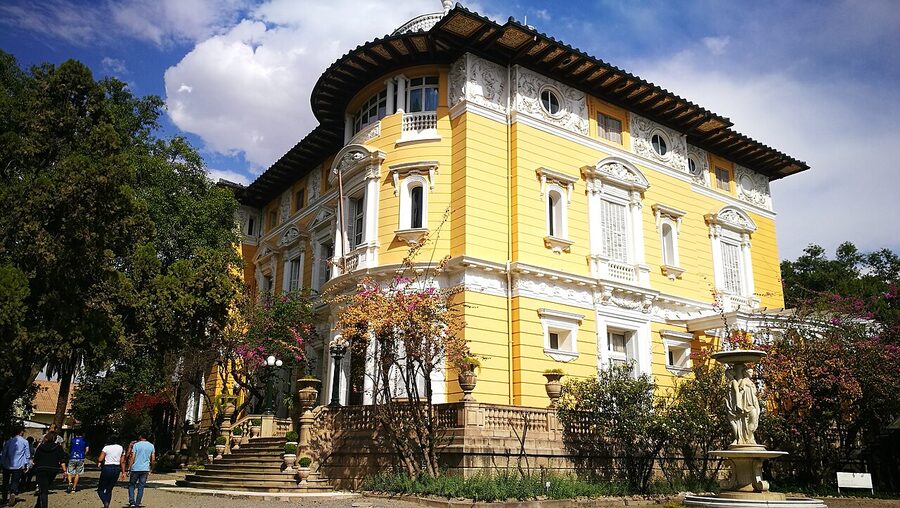
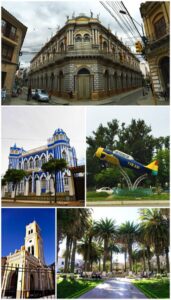
- Palacio Portales: the eccentric 1915 mansion of tin baron Simón Patiño, see image below; copied from European Renaissance and Baroque models. Now a cultural foundation. Entry 30 BOB; closes for siesta from 12 to 2pm.
The walking distance between any of these is under 15 minutes. The colonial centre is genuinely walkable and the climate makes it pleasant; one full day is enough to cover the major institutions if you do not linger.
La Cancha: the market that defines the city
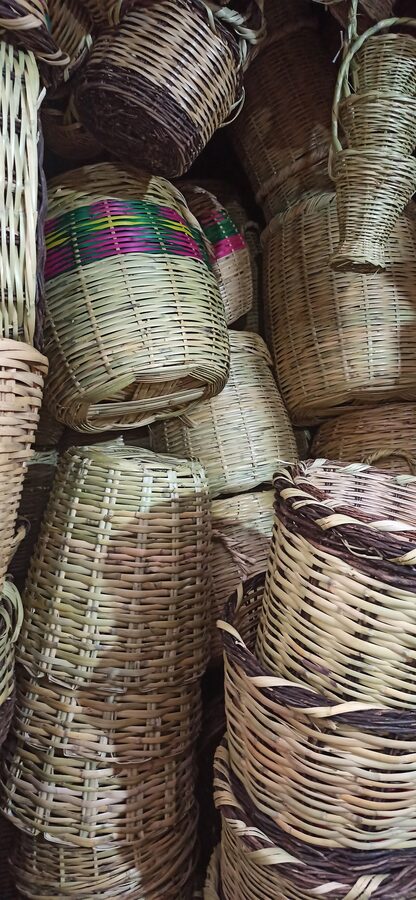
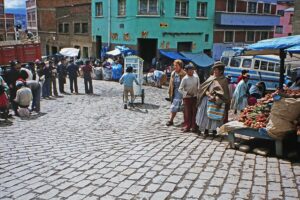
La Cancha (Quechua for “field” or “place”) is the market that defines Cochabamba and, by some measures, the largest open-air market in South America. The market sprawls across roughly 22 city blocks south of the colonial centre, with a permanent covered section (Cancha Calatayud) and a much larger open street market that expands and contracts depending on the day of the week. Wednesdays and Saturdays are the main market days, when the perimeter sometimes adds 4 to 6 more blocks of vendors selling fruits, vegetables, livestock, electronics, second-hand clothing, traditional textiles, household goods, and ritual items.
How to navigate: the market is too large to systematically walk through. Pick a section and explore: the central food court for almuerzo (around Calle 25 de Mayo and Avenida Honduras), the textile section for traditional Tarabuqueño-style aguayos, the fruit section for the dense varieties of Bolivian highland produce, the herbs and ritual goods section near Calle Punata. Pickpocketing is a real concern; keep your bag in front, leave the passport at the hotel, and pay attention to the small clusters of people near narrow passages.
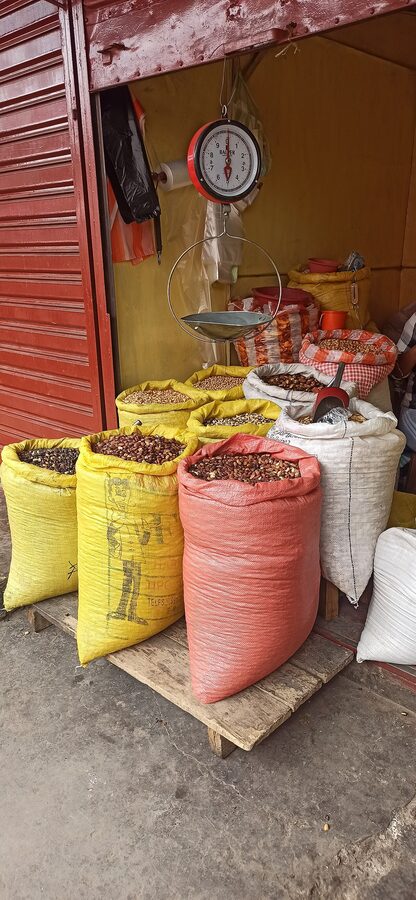
What to eat in the market: silpancho at any of the comedor stalls (around 30 to 40 BOB; the layered rice-potato-breaded-beef-fried-egg-salsa criolla stack is the Cochabamba dish, covered in detail in our cuisine guide); sopa de maní at the soup section (around 25 to 35 BOB); api con pastel from the breakfast vendors (4 to 8 BOB); fresh fruit juice from the row of juice carts on the perimeter (8 to 15 BOB).
What to buy: traditional aguayo cloths from the textile section (80 to 300 BOB depending on size and quality), woven baskets, alpaca scarves, dried herbs (huacatay, llajwa ingredients, koa). The negotiation is gentle; a 10 to 20 percent discount off the first quoted price is normal but pushing harder is uncommon.
For organised tours, the Cochabamba City Tours and Locot operations offer 3-hour La Cancha walks (around 150 to 220 BOB, including a guide who speaks English and basic explanations of the market sections). For a first visit, the tour is genuinely useful; the market is overwhelming without context.
Cristo de la Concordia and the cable car
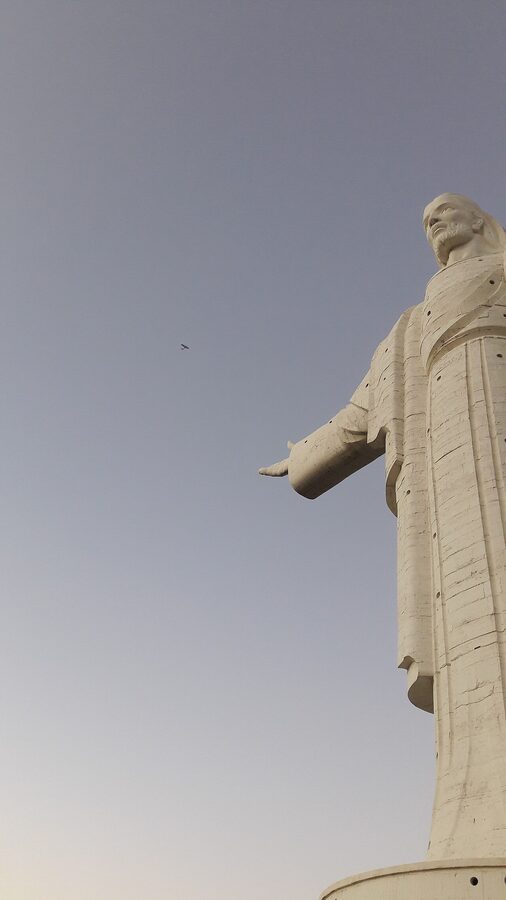
The Cristo de la Concordia is the city’s defining landmark. The statue stands 33 metres tall on the San Pedro hill above the city’s eastern edge; the figure was designed by sculptor César and Walter Terrazas Pardo, completed in 1994 after a 7-year construction process, and is technically taller than Rio’s Christ the Redeemer (although the Brazilian statue stands on a higher pedestal so its silhouette is more imposing).
How to get up: the cable car (teleférico) runs from a station near the Cristo Park entrance up to the base of the statue. The 5-minute ride costs 28 BOB return. The cable car operates 9am to 6:30pm Tuesday to Sunday; closed Mondays. Long queues on weekends; aim for weekday late afternoon for the best mix of light and short queue. The walking option up the 1,250 steps is free, takes 45 to 60 minutes one way, and is genuinely the better experience if you have the legs and the time. Bring water; the climb is in the sun for most of its length.
What to do at the top: the small viewing platform around the base of the statue gives you a 360-degree view of the city and the Tunari range to the north. Sunset is the canonical visit time; the city lights from the cable car descent at dusk are the photograph everyone takes. The interior of the statue is also accessible Wednesday through Sunday for a separate 10 BOB ticket; you climb a spiral staircase to a small platform inside the right arm. The view from inside the arm is constrained (you look out through small grille windows) but the experience is more memorable than the standard exterior visit.
Parque Nacional Tunari
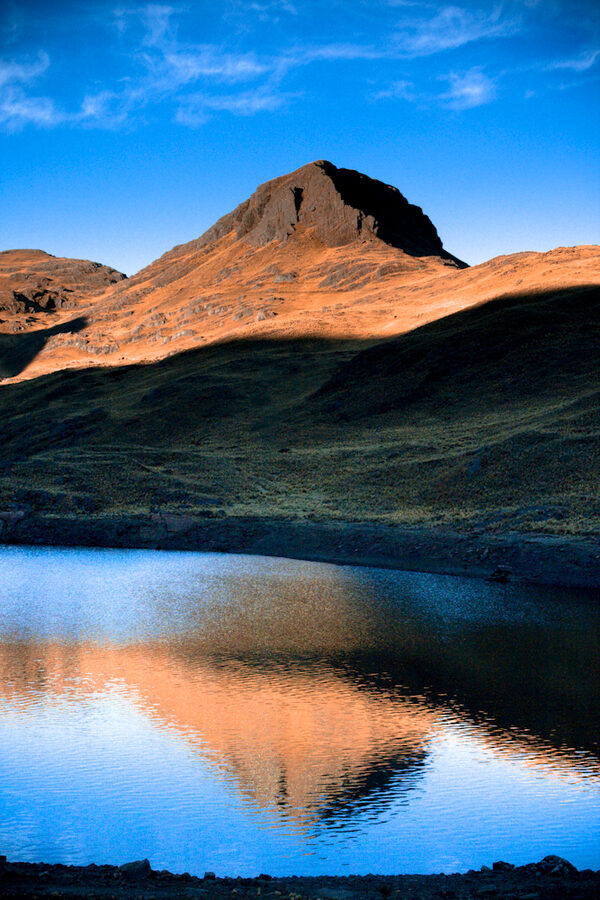
Parque Nacional Tunari sits on the city’s northern edge and is the closest serious protected area to a major Bolivian city. The park covers approximately 3,300 km² along the Cordillera del Tunari, with elevations from the city’s 2,560m up to the 5,200m summit of Cerro Tunari itself. The day-trip-from-Cochabamba region is the lower altitude band: the lagunas (Laguna Wara Wara at 4,300m, Laguna Larati at 4,400m), the Parque Mirador El Cristo viewpoint, the small communities at Combuyo and Liriuni, and the network of horse-trekking and mountain-biking trails.
How to visit: most travelers do this as a half-day or full-day organised tour from Cochabamba, around 250 to 400 BOB per person depending on group size and whether lunch is included. Independent visits are possible by hiring a 4WD taxi for the day (around 600 to 900 BOB for the vehicle), but the park has minimal signage and the dirt roads can be confusing. Reputable operators include Locot Tours, Aventuras Vinto, and Vagantours. The Cerro Tunari summit climb is a serious 2-day proposition for experienced trekkers only; we cover this kind of altitude push in our altitude sickness primer.
Best months: April through October (dry season) for clear weather and trafficable dirt roads. November through March often has muddy access roads and frequent afternoon storms. The wildflower bloom in early November is one of the visual highlights of the park.
Toro Toro National Park
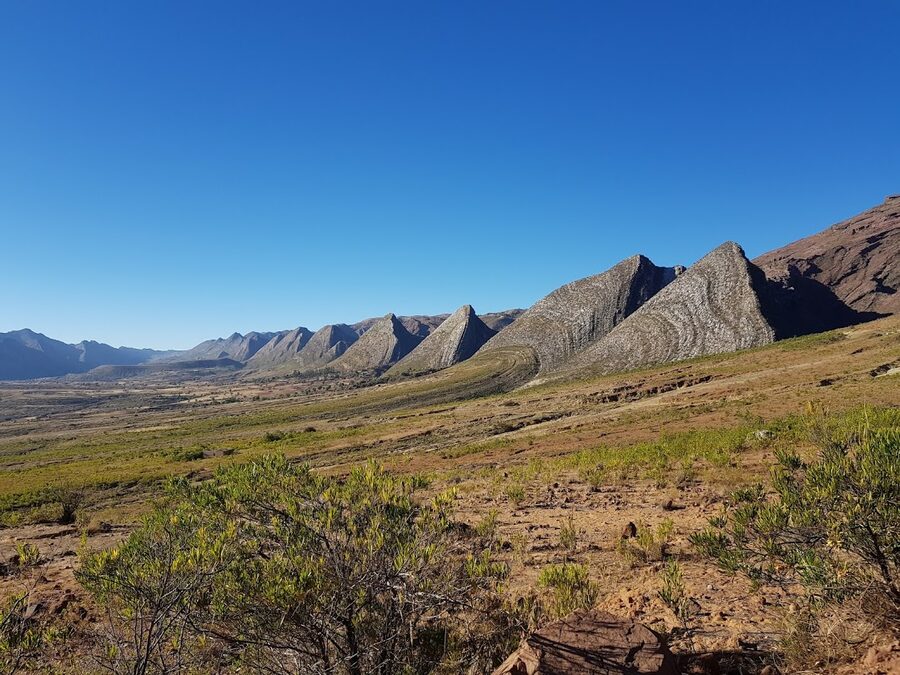
Toro Toro National Park is the major day-trip-or-overnight from Cochabamba, around 130 km southeast of the city. The park covers approximately 165 km² of dramatic geological features: the 250-metre-deep Cañón de Toro Toro carved by the Caine river, the Umajalanta cave system (one of Bolivia’s largest cave networks), pre-Inca rock art at the Pachamama Wasi cave, and over 3,000 dinosaur footprints from the late Cretaceous period scattered across multiple sites in the park.
How to do it: 2 days minimum, 3 days ideal. The standard itinerary is to leave Cochabamba on a 6am bus or organised tour van, arrive at Toro Toro village (small, basic, around 1,800 inhabitants) by 11am, do the Cañón hike that afternoon, sleep in the village, do the Umajalanta cave and dinosaur footprints on day 2, and return to Cochabamba late afternoon on day 2. The drive each way is 4 to 5 hours on rough dirt road; if you are prone to motion sickness, this is the trip that requires it most.
Operators: Locot Tours and Cochabamba Tours both run 2-day Toro Toro packages from Cochabamba (around 1,200 to 1,600 BOB per person including transport, accommodation, meals, and park guides). Independent visits are cheaper but require booking the local guides on arrival; Toro Toro mandates that all park visits use registered local guides, who charge 80 to 150 BOB per group per activity (cave, canyon, footprints).
What you actually see: the canyon hike is a 3 to 4 hour out-and-back along the rim with several drop-off viewpoints; the Umajalanta cave is a 2-hour caving experience with helmets and headlamps through stalactite chambers and a small subterranean stream (some scrambling required); the dinosaur footprints are accessible via short walks from various points in the park, with the largest concentration at the El Vergel site (sauropod tracks up to 80 cm wide).
Side trip: Quillacollo and the chichería country

Quillacollo is the satellite town 13 km west of Cochabamba where most of the surrounding region’s chicherías (chicha bars, marked by the white flags on long poles tied to the buildings) operate. A Sunday afternoon in Quillacollo is the right way to experience traditional chicha culture: walk between several chicherías over an afternoon, drink a glass of fresh fermented chicha for 4 to 8 BOB at each, eat picante de pollo or chicharrón cochabambino along with the chicha, and listen to whichever cumbia or huayño playlist the household is running.
The town is also the site of the Festival de Urkupiña each August (typically August 14-16), one of Bolivia’s largest religious festivals. The festival commemorates an apparition of the Virgin Mary to a young Quechua girl in 1875; the modern celebration draws around 350,000 pilgrims per year and includes a 16-kilometre walking pilgrimage from Cochabamba to the small Calvario hill outside Quillacollo. The festival is genuinely impressive but the lodging and transport infrastructure of Quillacollo is overwhelmed; book Cochabamba accommodation 6 months ahead if you want to visit during Urkupiña.
How to get to Quillacollo from Cochabamba: trufi (shared taxi) from the corner of Avenida Ayacucho and Avenida Heroínas, 6 BOB each way, runs every 5 to 10 minutes from 6am to 10pm. Taxi from the centre is around 35 to 50 BOB.
Tarata and the colonial villages
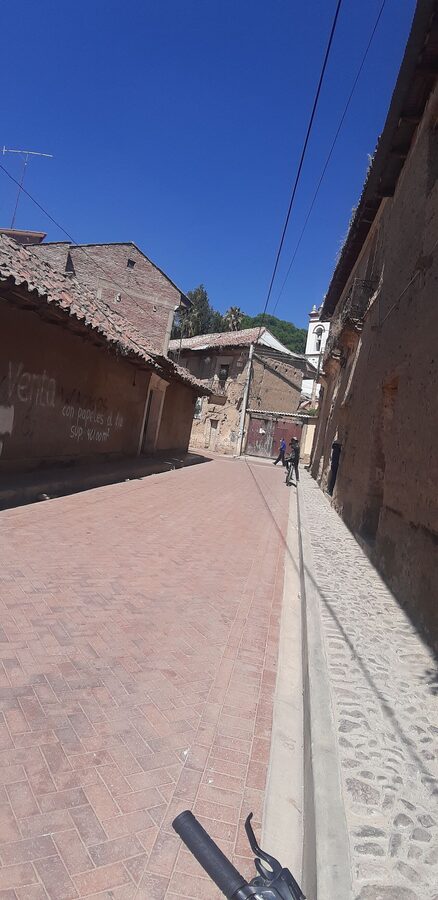
Tarata is the colonial-era village 35 km southeast of Cochabamba, with a remarkably intact 17th-century architectural fabric. The Plaza Principal is lined with colonial buildings; the Iglesia de San Pedro (1796) is one of the better-preserved colonial churches in the department; two Bolivian presidents (Esteban Arce in 1809 and Mariano Melgarejo in 1820) were born in the village. The Saturday market is the regional event, drawing farmers from across the surrounding valleys.
How to get there: trufi from Calle 6 de Agosto and Avenida 6 de Agosto in Cochabamba, 8 to 12 BOB each way, 45 minutes. Day trip is sufficient; lunch at the Casona Restaurant (a converted colonial-era house) is the local recommendation.
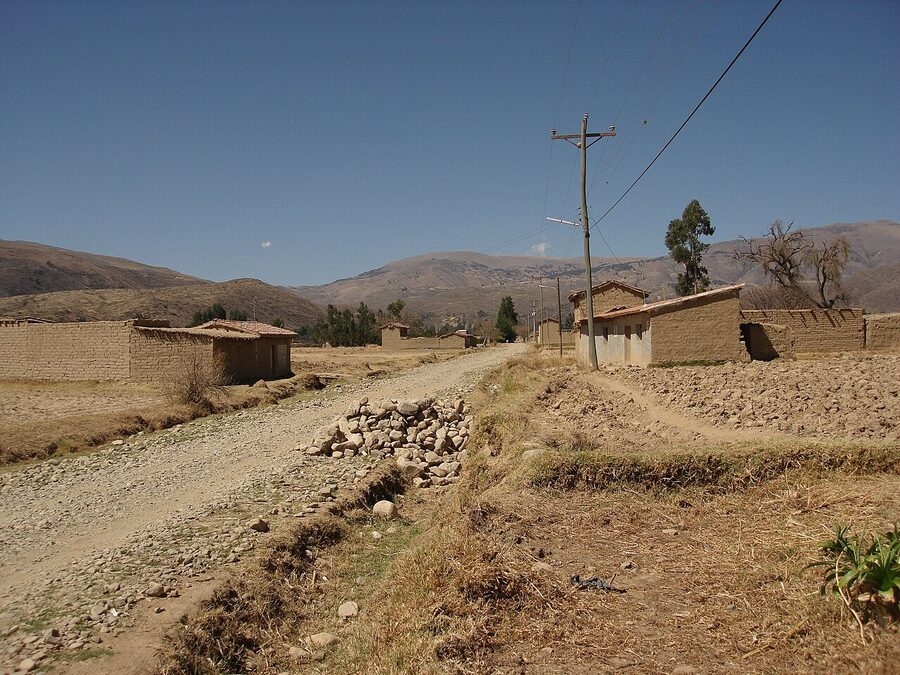
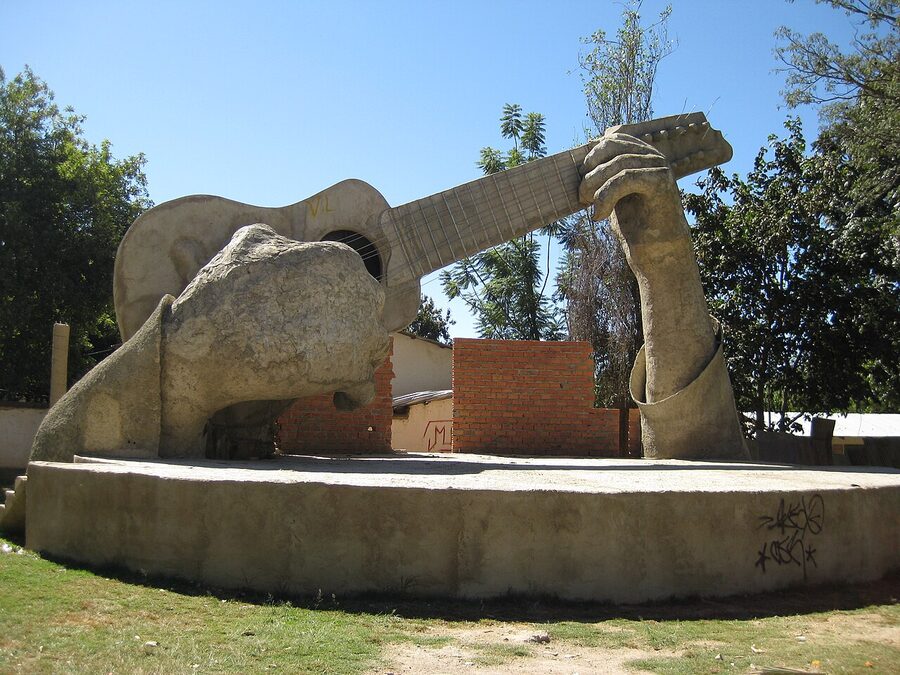
Other colonial-era towns worth a half-day visit if you have the time: Punata (35 km east of Cochabamba, famous for the Tuesday market and the chicharrón restaurants), Aiquile (200 km east, known for charango string-instrument craftsmanship and the annual Charango Festival in November; image below), and Cliza (Sunday market, similar in feel to Tarata but smaller).
Where to stay
Cochabamba’s lodging is generally cheaper than La Paz or Sucre at every level. Budget: Running Chaski Hostel (popular backpacker spot, 70 to 110 BOB dorm), Hostal Florida (long-running family-run, 110 to 180 BOB private rooms). Mid-range: Hostal Florida‘s mid-tier rooms or Hotel Ambassador (centro location, 250 to 400 BOB doubles). Mid-upper: Hotel Aranjuez Cochabamba (boutique colonial, around 500 to 800 BOB), Hotel Cochabamba (modern business-class, 600 to 950 BOB).
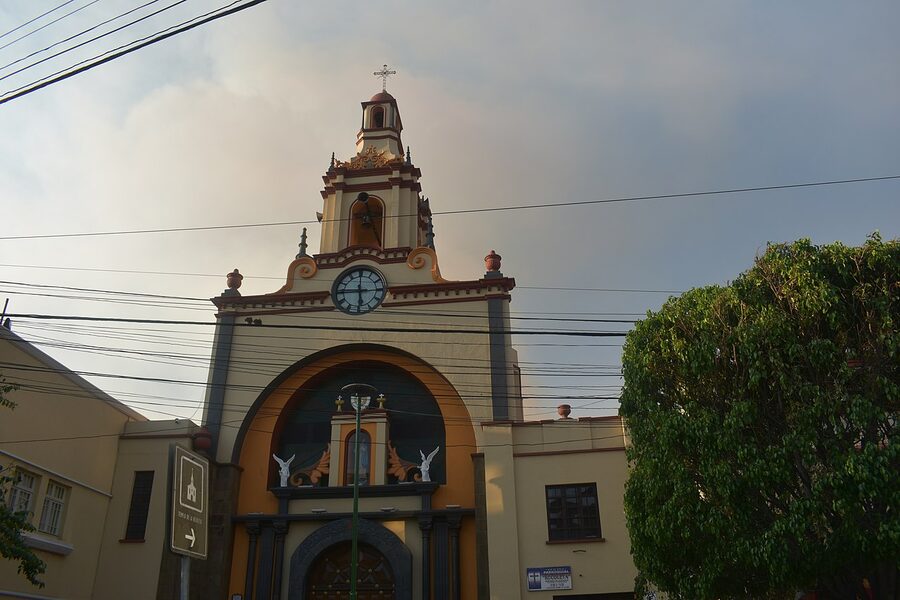
The neighborhoods to consider: the centro (Plaza 14 de Septiembre area) for proximity to most attractions and the market; the Avenida Ballivián / Recoleta area for the more upscale residential feel and good restaurants; the Cala Cala neighborhood for the youngest-feeling cafe and bar scene. All three are within 10 minutes by taxi of each other.
Food in Cochabamba
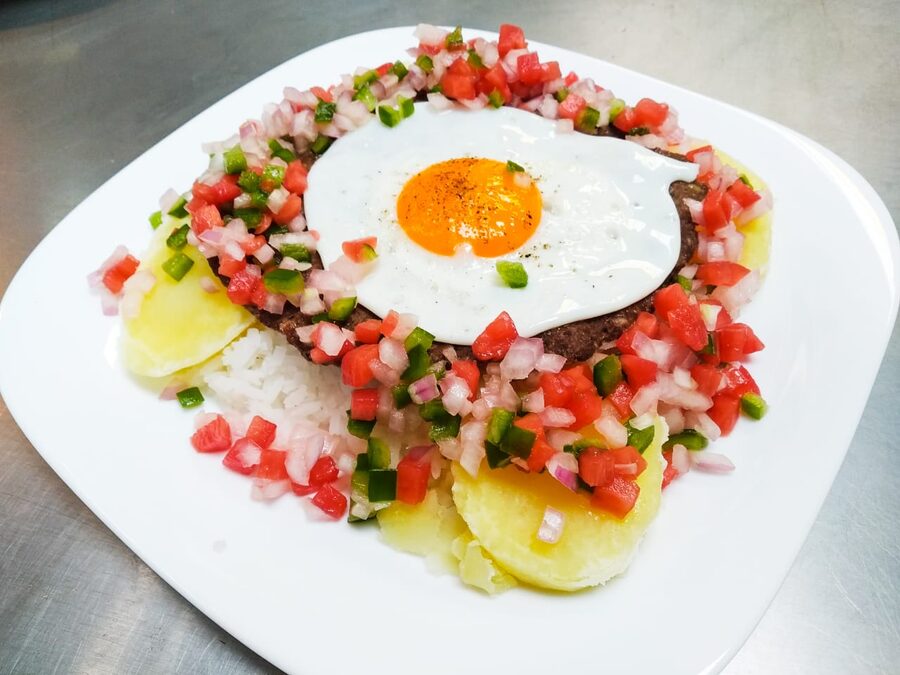
Cochabamba is the country’s culinary capital and the food deserves its own page (covered in detail in our traditional cuisine piece). The headline points for visitors:
- Silpancho at La Cancha or any neighborhood comedor for around 30 to 40 BOB.
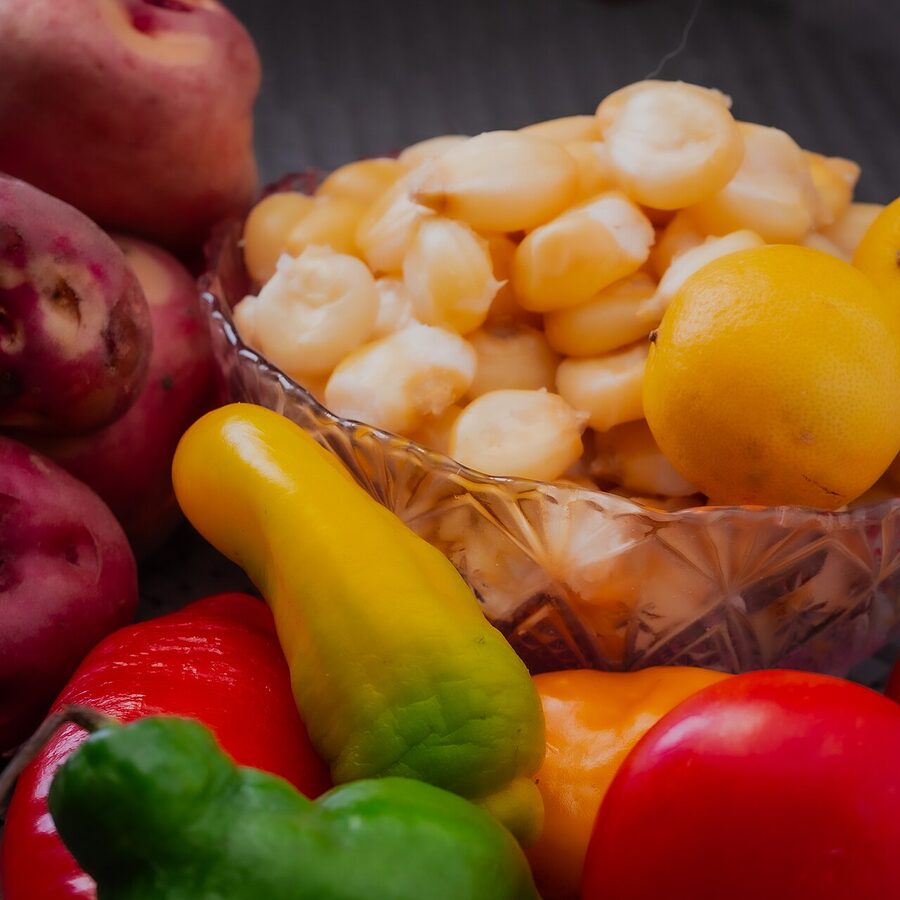
- Chicharrón cochabambino on a Sunday morning, ideally at one of the roadside spots out toward Sacaba or in Quillacollo. 50 to 70 BOB per plate. (Image of chicharrón below.)
- Sopa de maní (the original) at any market comedor. The Cochabamba version is the canonical one.
- Pique macho at Casa de Campo on Calle España (the bar that won the city’s 2019 vote for the original recipe). Shared portion is 100 to 130 BOB.
- Salteñas at El Patio on Plaza Colón (different from the Sucre and La Paz El Patios), opens 8:30am, sells out by 11.
- Chicha at the Quillacollo chicherías on a Sunday afternoon (more in the drinks guide).
For sit-down restaurants: La Estancia (the long-running upscale Bolivian, 80 to 150 BOB per main), Paprika (modern fusion, around 120 to 200 BOB per main), and El Sol y la Luna (the vegetarian-leaning option). Cochabamba is also where the Bolivian craft beer scene has its most active small breweries; Stiegl (German-owned) and Saya both have brewpubs in town.
Practical: getting to and from Cochabamba
From La Paz: overnight bus from the main bus terminal in La Paz, 7 to 9 hours, 80 to 150 BOB. Trans Copacabana, El Dorado, and Pullman Continental run the route. The semi-cama is comfortable. The route descends 1,100 metres from La Paz to Cochabamba; bus passengers sometimes feel ear-popping but rarely altitude problems. Alternative: BoA flies La Paz-Cochabamba multiple times daily, 35-minute flight, 350 to 600 BOB return.
From Santa Cruz: bus daily, around 9 to 10 hours, 100 to 170 BOB. The route via Samaipata is mountainous; flights are 45 minutes and 400 to 700 BOB return.
From Sucre: direct bus, around 9 to 11 hours, 90 to 160 BOB. The route is mountainous and slow; if you have the budget, the BoA flight (45 minutes, 400 to 600 BOB return) is the comfortable choice.
From Uyuni or Potosí: requires a connection through Sucre or Oruro, around 18 to 24 hours total. Most travelers fly via La Paz instead.
Within Cochabamba: taxis are around 8 to 15 BOB for short rides in the centre, 25 to 40 BOB for longer trips to Cala Cala or out to the Cristo. Uber works in Cochabamba and is generally cheaper than street taxis. The trufis (shared minibuses) are 2 to 4 BOB and serve the main avenues but are confusing for first-time visitors.
What to skip
The cathedral interior tour at peak hours. The cathedral itself is small and the colonial-era painting collection is the main draw; the guided tours sold by hostels for 80 BOB at peak hours are not necessary. Walk in during open hours, look at the paintings, leave a small tip in the donation box.
The Cristo cable car at peak Sunday. The queue can be 90 minutes on a sunny Sunday afternoon. Aim for Tuesday to Friday late afternoon, or do the walk up.
The “traditional cooking class” packages. Some hostels sell 4-hour cooking classes for 250 to 400 BOB; the actual cooking is fine but the value is thin given that the same dishes are available at La Cancha for 30 to 40 BOB. If you want to learn Bolivian cooking, find a local home-cook (your hostel can arrange) for a more authentic and cheaper experience.
Day-tripping Toro Toro. The 4 to 5 hour drive each way, plus the limited time in the park, makes a day trip frustrating. Either commit to 2 days minimum or skip Toro Toro and visit a different protected area.
Cochabamba is the city you fall into and stay in for longer than you planned. The food is the headline, but the temperate climate, the walkable centre, the 33-metre Christ on the hill, the largest market in South America, and the easy access to Tunari and Toro Toro give the city the substance that the food’s reputation often eclipses. Three days is the minimum to do the city justice; a week is when the place starts to feel familiar; a month at one of the Spanish schools or a local family is when you understand why most Bolivians say it is the country’s most liveable place.


.jpg)


