
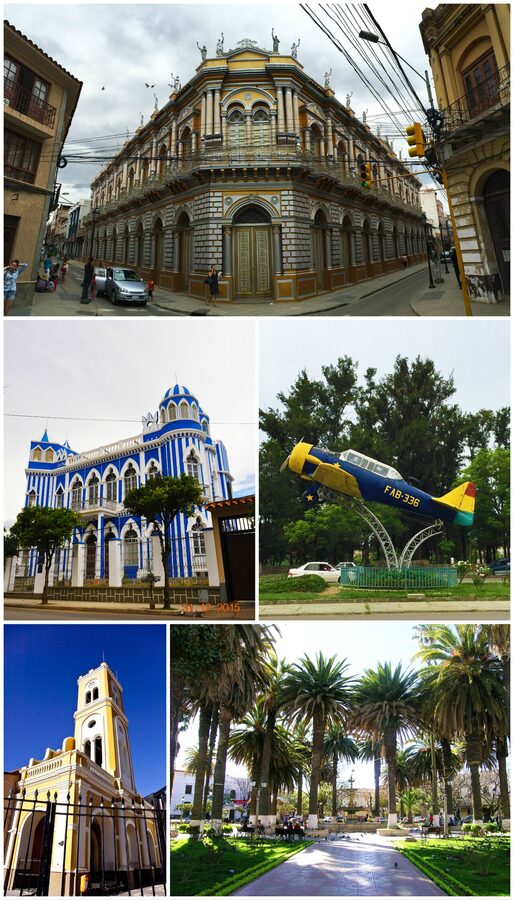
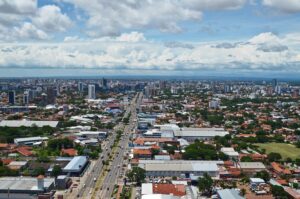
Tarija does not feel like Bolivia. The street rhythm is slower than La Paz. The accent is closer to Argentine Spanish than to the Quechua-influenced Spanish of Cochabamba. The food leans more Mediterranean. The locals call themselves Chapacos, not Bolivianos, and many will tell you with mild seriousness that the city should rejoin Argentina. The architecture is colonial and low. The afternoon siesta is universal. And there is, around almost every meal, a glass of locally produced wine on the table.

This guide covers Tarija and its surrounding wine country: the city itself, the Valle de Concepción wineries, the singani distilleries, the day trips into the surrounding valleys, and the practicalities of getting in and out of one of Bolivia’s least-visited capitals. Tarija rewards the traveler willing to spend three to five days slow-touring; it is not a stopover town, and the people who treat it as one usually leave saying they wished they had stayed longer.
In This Article
The climate and altitude shift
Tarija sits at 1,866 metres in a wide temperate valley in the southern Bolivian Andes. The altitude is mild enough that altitude sickness is rare for travelers coming from sea level (we cover the medical detail in altitude sickness). The climate is one of Bolivia’s most pleasant: 22 to 28°C in the daytime year-round, dropping to 8 to 14°C at night, with a dry winter (May to October) and a green summer rainy season (November to April).
What the climate does to the city: Tarija feels Mediterranean. Vineyards on the surrounding slopes. Stone walls and tiled roofs in the older quarters. Long lunches followed by serious siesta. Open-air evening dining for most of the year. The cultural-geographic split between the highland Bolivia of La Paz and the southern-cone wine valley of Tarija is one of the more striking transitions in South American travel.
Plaza Luis de Fuentes and the centre

Plaza Luis de Fuentes y Vargas is the historic and visual heart of the city. Named for the founding Spanish captain who established the colonial settlement in 1574, the plaza is small, palm-lined, and surrounded by what survives of the colonial architecture: the cathedral, the Casa de la Cultura, the colonial-era arcades. The Casa Dorada (a 19th-century mansion painted gold and now a small museum) sits two blocks from the plaza and is worth the 15 to 20 BOB entry for the period interiors.

The plaza is the city’s social space. Families gather for ice cream and coffee in the late afternoon. The cafés on the perimeter (Café Mokka and the corner spot near the cathedral) serve into the late evening. The Mercado Central, two blocks east, is the main daily food market and the lunch destination for most of the city’s working population. A solid market lunch (silpancho or chicharrón) runs 25 to 40 BOB at any of the upper-floor comedores.

The Mercado Campesino, a sprawling several-block market on the city’s southern edge, is the regional bigger market. Saturday morning is the main day, with farmers from across the surrounding valleys bringing produce, livestock, traditional crafts, and the household goods of an agricultural department’s social-economic centre. The Mercado Campesino is genuinely worth a 90-minute walk-through; it gets confusing once you are inside, so do not plan to find a specific item. Expect to wander.
The wine route

Bolivia is becoming a serious wine country and Tarija is the centre of that story. Vineyards in the Valle de Concepción and the surrounding valleys sit between 1,800 and 2,400 metres of altitude, making this one of the highest commercial wine-producing regions in the world (second only to a small enclave in Argentine Mendoza-Salta). The high-altitude grape stress is what gives the wines their concentration; we cover the broader Bolivian wine context in Bolivian drinks.
The headline grape is Tannat, the Uruguayan-introduced red variety that has become Bolivia’s flagship. Malbec, Cabernet Sauvignon, Syrah, and several Italian varieties also do well. The Bolivian Tannat, particularly from the higher-altitude vineyards, is genuinely worth the international attention it has begun to receive in the last decade.
How to do the wine route:
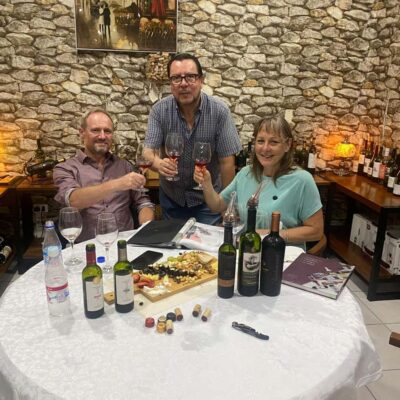
- The minivan tour from the central plaza is the standard option for visitors. Around 100 BOB per person. Departs morning or afternoon from Plaza Luis de Fuentes; runs roughly 4 to 5 hours; visits two industrial vineyards, one singani distillery, and one or two smaller boutique vineyards; includes tastings at each. Reasonable Spanish helps; the larger producers usually have an English-speaking guide; the smaller boutique operations are mostly Spanish-only.
- Private half-day tours with English-speaking guides are around 250 to 400 BOB per person and let you set the pace. Worth the upgrade if your Spanish is rough or if you want longer time at one or two specific producers.
- Self-drive with a rental car from Tarija is possible but the vineyard opening hours can be sporadic and many smaller producers require advance phone booking. Workable if you speak Spanish, less so if you do not.
- By bike from the Tarija centre to the Valle de Concepción is around 20 to 30 km each way through generally flat valley road; some hostels rent bikes. Done in March-November when the weather is reliable.
The named producers worth knowing about: Casa Real (the largest and most famous, also the source of the Singani 63 brand exported to the US), Aranjuez (the Tannat winner of multiple South American competitions), Kohlberg, Campos de Solana, and the smaller boutique Bodegas Casa Vieja which is the wine route’s biggest tasting and worth your last stop of the day for the volume alone. Tasting fees are generally 30 to 80 BOB per producer, which the minivan tour includes; bottle purchases run 70 to 150 BOB at the cellar door for entry-level Tannat, 200 to 400 BOB for the reserve bottles.
Singani: the spirit of the valley

Singani is the Bolivian national spirit, a brandy distilled exclusively from Muscat of Alexandria white grapes grown in the high valleys around Tarija and the Cinti canyon. The drink has a 16th-century Spanish-colonial origin, a 1992 protected designation of origin (only Bolivian Muscat-of-Alexandria grapes from above 1,600m count), and a small but growing international export market. The full singani story (the chuflay railway origin, the Steven Soderbergh import deal, the cocktail variations) is in our Bolivian drinks piece.
For Tarija specifically, the singani distilleries are part of the wine route. Casa Real is the production centre most travelers visit; the smaller Cinti producers (Bodegas Marqués de Cinti, San Pedro, La Concepción) sit further north up the Cinti canyon and are reachable from Tarija on a longer day trip. The standard wine-route tour will stop at one singani distillery; if singani is the drink you came for, ask the tour operator specifically and they can route you accordingly.
How to drink singani: traditionally neat, in a small glass, before or after a meal. Mixed as a chuflay (singani plus ginger ale and lime, the everyday cocktail). Mixed as a yungueño (singani plus orange juice). Mixed as the té con té winter cocktail. The bar at Vinos del Mundo on Calle Madrid in Tarija is the right place to taste through several producers in one sitting; the singani-and-light-tapas format is the local evening drink.
The Cinti canyon
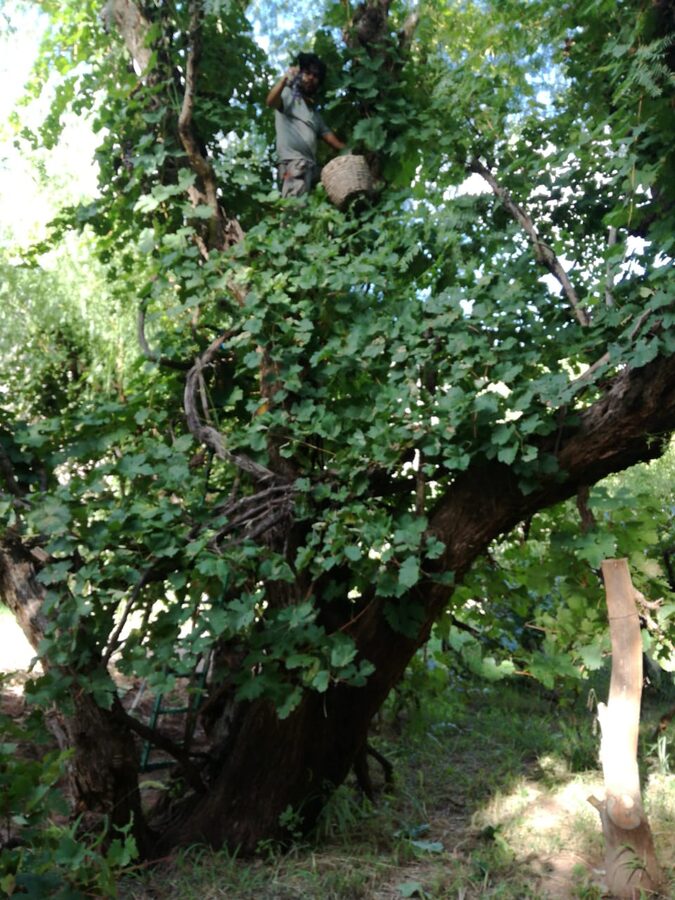
The Cinti canyon, north of Tarija toward the Chuquisaca department, is the older and more rugged sibling of the Valle de Concepción wine country. The canyon contains some of the oldest singani vines in continuous production anywhere in the world, including individual vines documented as more than 200 years old. The villages of Camargo (the singani capital), San Pedro de Cinti, and Villa Abecia all sit along the canyon road and have small bodegas serving wine and singani at producer prices.
How to do it: the Cinti canyon is a 2 to 3-day extension to a Tarija visit, with overnights in Camargo. Public buses run from Tarija to Camargo (around 4 to 5 hours, 60 to 100 BOB); the road is paved. Camargo itself is a small colonial-era town with a few simple guesthouses (around 120 to 200 BOB per night for a private double); Bodegas Marqués de Cinti runs short tasting-and-tour visits for around 40 to 80 BOB. The drive from Camargo to Tarija through the heart of the canyon is one of the more spectacular Bolivian backroad routes; rent a vehicle if you can.
What you see along the canyon road: tall sandstone cliff walls in red and ochre tones, river-bottom vineyards on terraced shelves, occasional small adobe villages clinging to the slopes. Spectacular, slow, and the kind of region that no fly-in tourist will see. The right thing to do here is rent a 4×4, drive the Camargo-Tarija road over two days, and stop at three or four bodegas. The whole loop is in our drinks article as the singani-source country.
Day trips and surrounding valleys
Beyond the wine and singani, Tarija has a network of small day trips that locals do on weekends.

San Lorenzo, 17 km from Tarija, is a colonial-era village famous for its 18th-century church and the Sunday market. The drive out is along a paved valley road that crosses the Tarija river twice; the village itself is small (about 9,000 people) and has a couple of simple lunch spots. Half-day trip; around 20 BOB by collectivo from Tarija.
El Valle de los Cóndores in the upper Tarija valley is a community-run reserve where you can see Andean condors at scale on a guided morning hike. Around 100 to 180 BOB for the local guide; the hike is 3 to 4 hours through dry montane terrain at 2,500 to 3,000 metres. Full day from Tarija.

The Reserva Biológica de la Cordillera de Sama, the protected area on the city’s western edge, has high-altitude lagunas with flamingo populations and a network of hiking trails through paramo grassland. Day-trip-organised tours from Tarija are around 200 to 320 BOB; the wider park is also accessible on a multi-day trekking trip.
Padcaya and Tariquía, southwest of Tarija toward the Argentine border, lead into the Tariquía National Reserve, the largest protected area in southern Bolivia. The drive is rough and the reserve is essentially undeveloped for tourism; visit only with experienced operators.
Quebrada de Palmar, a sandstone canyon 30 km north of the city, is the local Sunday picnic destination. The hike is gentle (1 to 2 hours), the rock formations are striking, and the river at the bottom is swimmable in summer. Around 40 BOB by collectivo from Tarija; bring lunch.
Where to stay
Tarija’s lodging is consistently cheaper than the highland cities at every level. Budget: Casa Blanca Hostel (long-running backpacker spot, around 80 to 120 BOB per dorm bed, 150 to 250 BOB private double), Hostal Carmen (family-run, similar pricing). Mid-range: Hotel Los Parrales (the long-established mid-tier option, around 350 to 550 BOB doubles), Hotel Victoria Plaza (more business-focused). Upper-mid: Hotel Los Ceibos, around 600 to 900 BOB.
For a longer stay, the residential neighborhoods on the eastern side of the city (Avenida Las Américas area) have several Airbnb-listed apartments at 1,200 to 2,200 BOB per week. The wine-tour-and-Spanish-school crowd that does a 2 to 3-week Tarija stay tends to base here.
Practical: getting to and from Tarija
From La Paz: BoA flies La Paz-Tarija once daily, around 75 minutes, 600 to 1,000 BOB return. Overnight bus is available but the route is around 18 hours and the road is mountainous and slow.
From Sucre: overnight bus, around 14 hours, 90 to 150 BOB. The route via Potosí is the standard. Day buses run too but the night service is the more comfortable option.
From Santa Cruz: direct bus, around 14 to 16 hours, 120 to 180 BOB. Or fly with EcoJet via Cochabamba.
From Argentina: the border crossing at Bermejo (south of Tarija) connects to Aguas Blancas in Argentina and from there to Salta. The crossing is open year-round; bus connections to Tarija from Bermejo run multiple times daily, around 4 to 5 hours, 40 to 80 BOB. The Argentine side has 90-day tourist visas for most nationalities; the Bolivian side issues 90-day tourist visas for nationalities not requiring advance visas.
Within Tarija: the city is small and walkable. Most points of interest in the centre are within 10 minutes’ walk of Plaza Luis de Fuentes. Taxis are 6 to 12 BOB for short rides, 20 to 30 BOB for trips out to the wineries area. There is no Uber in Tarija as of 2026; the local radio taxi system (Llama Taxi, Real Taxi) is the standard.
Money: ATMs in the centre and Avenida Costanera. Bolivian boliviano is the daily currency; US dollars are accepted at hotels and tour operators; Argentine pesos work at the border-leaning businesses. Card acceptance is more limited than in Santa Cruz; bring small Boliviano bills for everyday spending.
Language: Spanish only; minimal English at most hotels and tour operators. The Chapaco accent is slower and softer than the highland Bolivian accent and is genuinely easy to follow. Tarija is also a good city for Spanish learners; 1 to 4 weeks at one of the small private schools (around 300 to 500 BOB per week) is increasingly popular among long-stay travelers.
What to skip
The combined wine-route-plus-other-activity packages. The wine route deserves its own afternoon. Combining it with a quick city tour or a day trip to San Lorenzo means you rush the tastings and miss the slower texture of the producers. Pick one and do it well.
Wine bottles purchased at the airport gift shop. Mark-up is 50 to 80 percent over cellar-door prices; the same Tarija Tannat at La Vinoteca on Calle 21 de Calacoto in La Paz or at the Vinos del Mundo bar in Tarija itself is meaningfully cheaper.
Same-day Tarija-to-La Paz turnaround. If you have committed the time and the flight cost to get to Tarija, give it at least 3 days. Single-day fly-in fly-out trips do not justify the air fare and miss what makes the city worth visiting.
The Bermejo border crossing on a Sunday. The Argentine immigration office runs slower hours on Sundays; the wait can be 3 to 4 hours during peak weekends. Cross Tuesday through Saturday if you have a choice.
Tarija is the city in Bolivia where you stop trying to see everything. The wine country, the Mediterranean rhythm, the slower siesta, the surrounding canyons: all of it rewards staying longer than your itinerary planned for. Three days is the minimum that respects the city; a week is when the Chapaco half-recommendation that you should consider rejoining Argentina starts to make sense from your end.
You Might Also Enjoy
Taste the wine at altitude
Bolivian wine and singani, tasted properly. A short list — the vineyards are still a small industry.

_-_Tarija_-_Bolivia.jpg)
_1.jpg)


