
Reviewed · BOLIVIA
Adelante Mujer Bolivian Cooking Workshops
Salteñas are more than a snack when you make them from scratch: you learn to prepare the filling and dough, fold each pastry, then sit down to eat what you made. Adelante Mujer’s cooking workshop pairs that hands-on lesson with an effort to support Bolivian women rebuilding their lives after domestic violence.
I like two things especially: you learn by doing, rather than watching a demonstration, and your cooking guide is a woman professionally trained by Adelante Mujer. The meal and cocktails are part of the class, too, so the three hours feel like a shared afternoon or evening, not a rushed lesson.
One point to sort out before you go: the meeting information names Warmi Wasi Adelante Mujer, while the itinerary lists Proyecto Martadero. Confirm the exact meeting location, and check the final price and group size, since the details give both a group rate for up to 15 and a maximum of 10 participants.
In This Review
- What to know before you book
- A cooking class with a purpose
- From chopping board to three-course meal
- Salteñas, tucumanas, and other local specialties
- Cocktails and the shared table
- Warmi Wasi, Proyecto Martadero, and getting there
- Price, group size, and booking value
- Who will enjoy this Cochabamba class
- Should you book Adelante Mujer?
- FAQ
- How long is the cooking workshop?
- What food will I learn to make?
- Do I need cooking experience?
- Is the meal included?
- Are drinks included?
- Where does the workshop start and end?
- How many people can take part?
- What is the cancellation policy?
What to know before you book
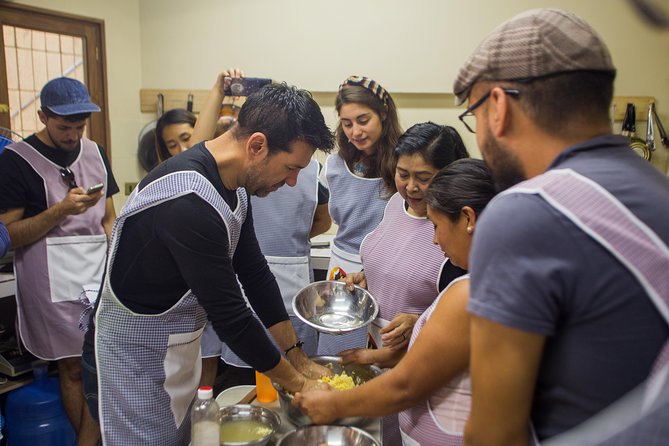
- Salteñas are a popular class choice. You’ll prepare the filling and dough, shape the pastries, and eat them after baking. Other workshops may cover tucumanas, pasteles, sonsos, or cuñapes.
- The class is practical, not a cooking show. You work with ingredients and utensils from the start, with guidance as you go.
- Your guide is part of the purpose. Adelante Mujer trains women who have experienced domestic violence to lead workshops as they work toward recovery.
- Food and drinks are included. You eat the meal you prepare, and the workshop includes alcoholic or non-alcoholic cocktails.
- Plan for about three hours. There is time to cook, learn about ingredients and techniques, and share the finished dishes.
- Check the group details. The listed rate is $29 per group, but the activity also states a maximum of 10 participants.
A cooking class with a purpose
Cochabamba’s food culture is a good subject for a hands-on class. Here, cooking is the way into the conversation: you learn a dish while sharing a kitchen with someone who knows its methods and ingredients. That gives you a more personal introduction to local food than simply ordering a plate at a restaurant.
Adelante Mujer adds a social purpose to the lesson. Its guides are women who have suffered domestic violence and are in the process of recovery. The organization trains them to lead workshops, giving them a paid role that can support them economically and psychologically. The idea is grounded in a simple view of empowerment: recognizing your own skills and abilities, and using them to move forward.
That context matters, but it does not replace the cooking. You’re there to take part, ask questions, and make food together. The atmosphere is described as joyful and relaxed, with cultures meeting around ingredients, cocktails, and a shared meal. Approach the class as a genuine exchange, not as a chance to ask personal questions about a guide’s past. Let her decide what she wants to share.
Sara, the founder, is named in accounts of the workshops and is described as an inspiring presence. The women who teach the classes are not named in the available details, and the particular guide may vary. What you can count on is instruction from a woman trained by the organization, rather than a class built around a celebrity chef.
You can also read our reviews of more tours and experiences in Cochabamba.
From chopping board to three-course meal
The workshop lasts about three hours and is designed for beginners. You don’t need to arrive with cooking skills or special tools. Cooking utensils are provided, and the food you prepare becomes your lunch or meal at the end.
The exact menu depends on the workshop you book. Salteñas are a recurring option, and other classes have included tucumanas, pasteles, sonsos, and cuñapes. These examples give you a useful sense of the range, but don’t assume every class includes every dish. If you have your heart set on a particular recipe, ask which one is scheduled before booking.
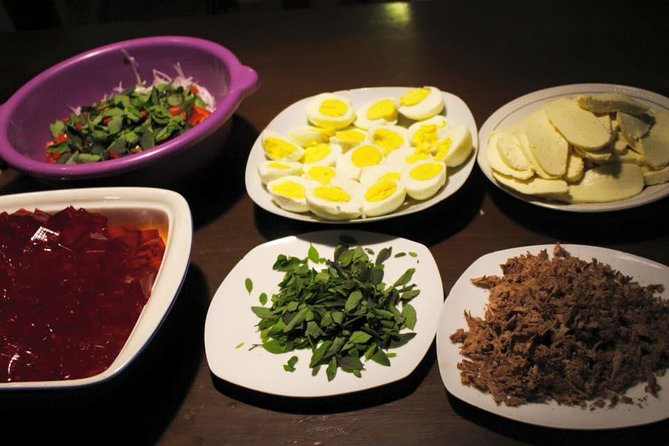
In a salteña class, you may begin by preparing the ingredients, including meat or mushrooms, potatoes, and onions. Then you cook the filling and make the dough. One part of the process is letting the filling chill before you assemble the pastries, so expect the class to move through several stages rather than jump straight to the oven.
You’ll roll out the dough, fill it, and learn to fold it into the familiar sealed shape. That hands-on work is a large part of the appeal: shaping a neat pastry takes practice, and you get to see how technique affects the finished result. Once the salteñas go into the oven, there may be time for a cocktail lesson or more conversation while you wait.
The class is described as a three-course meal, though the available details do not specify the dishes in each course. The final food is included, and you eat what you’ve prepared. That makes the workshop a good choice if you want a meal with a story behind it, but it is not the place to expect a fixed menu without first checking the scheduled class.
Salteñas, tucumanas, and other local specialties
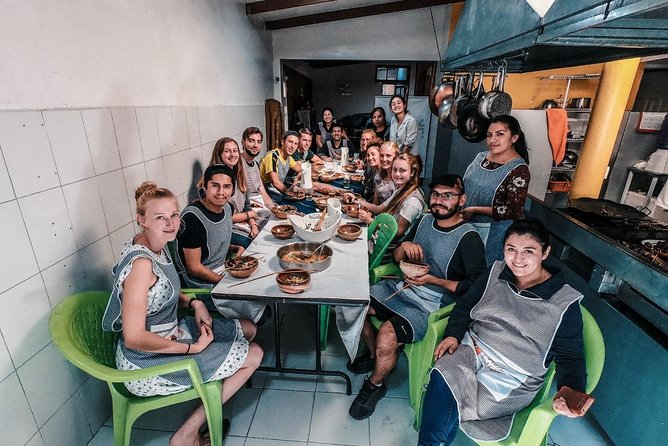
Salteñas are the best-known dish among the workshop examples, and they make a satisfying lesson because the process has several distinct steps. You don’t just assemble a ready-made snack: you prepare the filling, work with the dough, fold the pastries, and wait for them to bake. The result is both a local specialty and a meal you helped create.
There are useful options beyond salteñas. Tucumanas and pasteles offer another route into Bolivian everyday cooking, while sonsos and cuñapes bring different ingredients and techniques into the kitchen. If you’re staying in Cochabamba for more than a day or two, choosing a class around a dish you haven’t tried can give you a reason to seek it out again later.
A vegetarian salteña option has been offered, made with mushrooms rather than meat. That is a helpful detail for anyone who finds vegetarian versions hard to come by, but don’t treat it as a guaranteed option in every session. Ask ahead about the menu and any dietary needs. The supplied information does not spell out allergy accommodations or other special diets.
You may also hear about the ingredients’ origins, cooking methods, and food traditions as you work. That extra context turns chopping and folding into a lesson about how the dish fits into local life. It is still a cooking class, so the amount of discussion may vary with the group and the guide.
Cocktails and the shared table
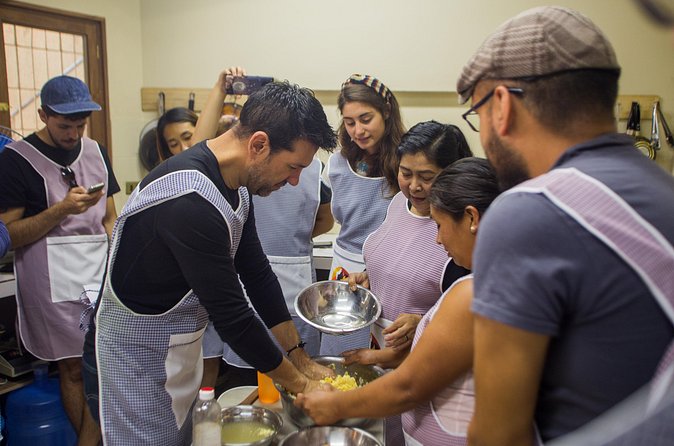
Alcoholic and non-alcoholic cocktails are prepared during the workshop. The drinks add a social element to the cooking, and the non-alcoholic option means you can take part without alcohol. A salteña session has included a local cocktail lesson featuring chicha, alongside snacks and fresh fruit juice.
The cooking and drinks are not separate attractions competing for your attention. They help make the class feel like time spent together in a kitchen, with something to sip as ingredients cook or dough rests. If you’re keen to focus only on technique, you can still do that; the drinks are part of the setting, not a requirement.
At the end, the food you’ve made is served as the meal. That’s a practical value point: the class includes lunch, so you aren’t paying separately for a restaurant meal during the same outing. Still, the emphasis is on participation and shared food, not a formal dining service. You should expect a relaxed class atmosphere.
Warmi Wasi, Proyecto Martadero, and getting there
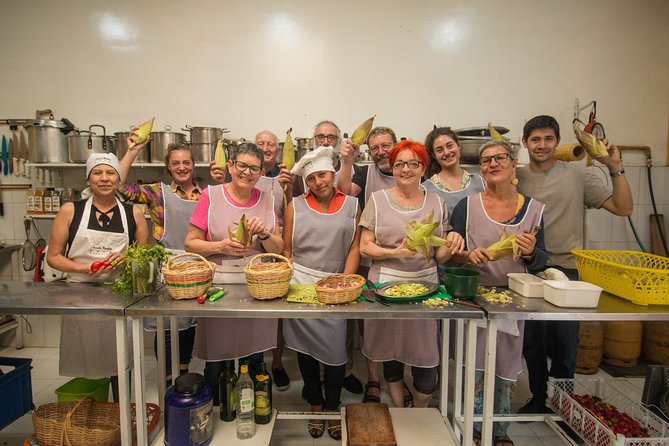
The stated start point is Warmi Wasi Adelante Mujer in Cochabamba, and the activity ends back at the meeting point. The itinerary also names Proyecto Martadero as its stop. Since both place names appear in the details, confirm the precise address and where to meet before setting out. Private transportation is not included.
The activity is described as being near public transportation, which may make it easier to reach without arranging a car. No specific route or transport instructions are provided, so check directions for the confirmed meeting point on the day. The listed opening window runs daily from 9:00 a.m. to 9:00 p.m., but that broad range does not mean every class is available at every hour. Confirm your chosen start time.
The workshop lasts about three hours, which is enough time for a proper cooking session without taking over your whole day. It can fit well into an afternoon or evening, depending on the time you reserve. Since the meal is part of the class, plan it as a meal rather than a quick activity between other plans.
Price, group size, and booking value
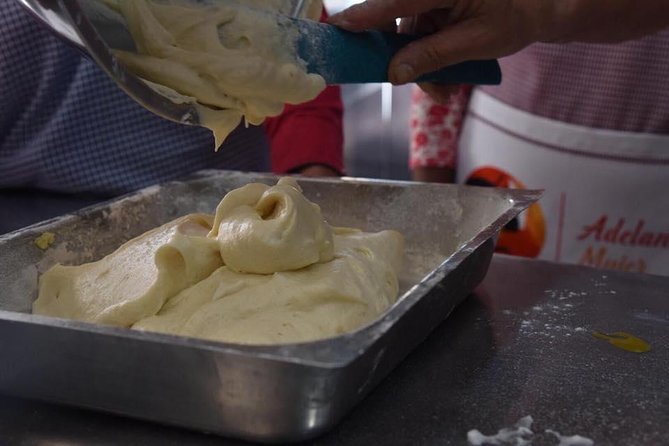
The stated price is $29 per group, with a description saying up to 15 people. Elsewhere, the activity is limited to a maximum of 10 participants. Those figures don’t match, so confirm the current group limit and what the quoted amount covers before you book. If $29 is the full group price, it is a notably low cost for a three-hour lesson with ingredients, utensils, cocktails, and a meal included. If the checkout total works differently, use that final figure to judge value.
The strongest value is not just the food. Your fee also supports a local organization that trains women affected by domestic violence to lead workshops, and the class gives you direct contact with the people doing that work. You leave with a meal and practical cooking experience, while your booking helps sustain an initiative with an economic and personal aim.
Groups are kept small according to the stated maximum of 10, though the conflicting rate information makes it worth confirming. A smaller class can give you more room to work and ask questions, but the exact amount of individual instruction will depend on the group and the recipe.
Booking is often made around 25 days in advance on average. Confirmation is expected within 48 hours and depends on availability, so avoid treating your reservation as settled until it is confirmed. Free cancellation is available up to 24 hours before the start time. Late cancellations are not refunded, and changes made inside that 24-hour window are not accepted.
Who will enjoy this Cochabamba class
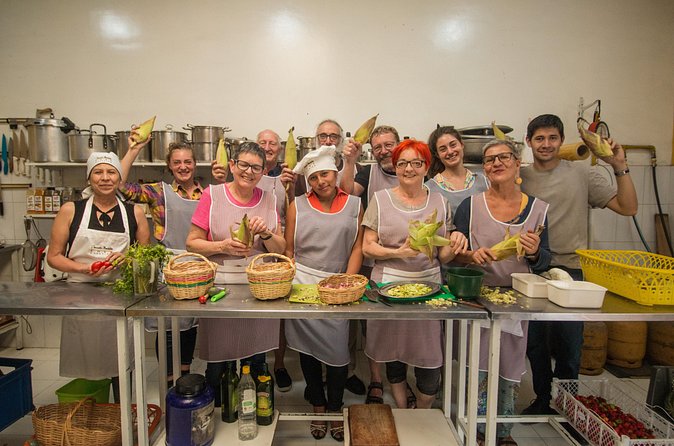
This workshop suits curious eaters who like doing something with their hands. You don’t need prior cooking experience, so it works for beginners, solo visitors hoping to meet people, and pairs or small groups who want an activity that ends with lunch.
It’s also a strong choice if you want to support a locally led social initiative in a direct, practical way. The class puts the women’s skills at the center, while giving you a real cooking lesson rather than asking you to support the cause from a distance.
You may want to choose another activity if you need a guaranteed menu, have strict dietary requirements that have not been confirmed, or want a private cooking lesson. The class details don’t promise those arrangements. And if the exact location matters for your plans, clarify Warmi Wasi versus Proyecto Martadero before you set off.
Should you book Adelante Mujer?
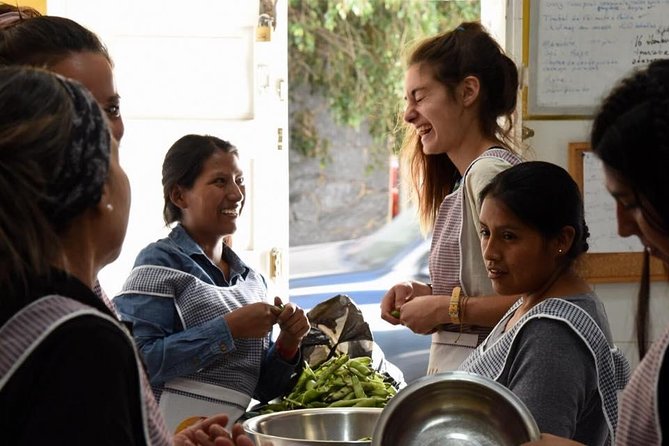
Book it if you want to learn a Bolivian recipe by making it yourself, share the finished meal, and support a program that trains local women. The salteña workshop looks especially appealing if you enjoy a process with several steps, from preparing filling to folding pastry, while classes on tucumanas, pasteles, sonsos, or cuñapes offer other ways to explore Bolivian cooking.
Before paying, confirm the dish, the meeting address, the group limit, and the final price. Those small checks will clear up the main uncertainties. If the details line up with your plans, this is a worthwhile three-hour way to spend time in Cochabamba: hands-on, social, and connected to the people leading the class.
FAQ
How long is the cooking workshop?
Plan for about three hours.
What food will I learn to make?
The class teaches a traditional three-course Bolivian meal. Workshops may feature salteñas, tucumanas, pasteles, sonsos, or cuñapes. Confirm the specific menu before booking.
Do I need cooking experience?
No. The class is described as suitable for people with no cooking experience.
Is the meal included?
Yes. You eat the food prepared with the cooking guides at the end of the workshop.
Are drinks included?
Yes. Alcoholic or non-alcoholic cocktails are prepared during the workshop.
Where does the workshop start and end?
The stated meeting point is Warmi Wasi Adelante Mujer in Cochabamba, and the activity ends back there. Proyecto Martadero is also named in the itinerary, so confirm the exact location before going.
How many people can take part?
The activity details state a maximum of 10 participants, while the price description refers to a group of up to 15. Confirm the current limit when booking.
What is the cancellation policy?
You can cancel at least 24 hours before the start time for a full refund. Cancellations or changes made less than 24 hours beforehand are not accepted for a refund or change.