
Reviewed · BOLIVIA
Round trip Cusco: Route of the sun + 1D in Puno
Cusco to Puno is more than a transfer on this trip. You cross the Andes with stops at a celebrated colonial church, an Inca temple, a high mountain pass and a pre-Inca museum, then spend a day on Lake Titicaca at the Uros and Taquile islands.
I like the way the Route of the Sun turns a long bus ride into a series of meaningful stops, and the second day gives you time on both Uros and Taquile, rather than just a quick look from the boat. A group limited to 10 can also make it easier to keep the day moving and ask your guide questions.
The main drawback is the tight schedule. The timetable has an unclear early-morning arrival in Puno before the lake tour, and the $210 price does not include a Puno hotel, site entrance fees or the return bus to Cusco. Check those details before you book.
In This Review
- What to know before you go
- A two-day trip with a long third morning
- From Cusco to Andahuaylillas
- Lunch, La Raya and the Pukara Museum
- Uros: a look at life on reed islands
- Taquile: a walk, local traditions and lunch
- What the $210 price covers
- Who this trip suits best
- Should you book this Route of the Sun and Titicaca tour?
- FAQ
- Is the return bus from Puno to Cusco included?
- Is a hotel in Puno included?
- Which meals are included?
- What languages does the guide speak?
- How large is the group?
- What is the highest point on the Cusco to Puno route?
What to know before you go
- Andahuaylillas opens the route with a famous church: San Pedro Apostol is often called the Sistine Chapel of the Americas.
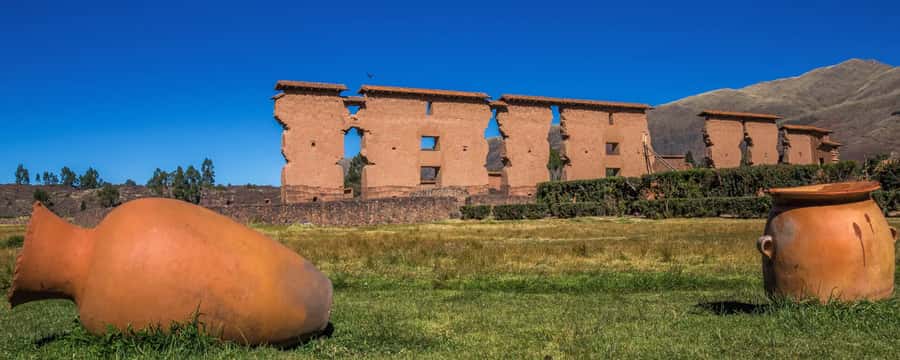
- Raqchi adds an Inca site to the bus journey: You stop to explore the Temple of Wiracocha.
- La Raya reaches 4,335 meters: It is the highest point on the route and a chance to take in the Andes.
- Taquile gives you a longer island visit: Walk to the main square, learn about local traditions and textiles, and eat lunch overlooking the lake.
- The $210 fare covers some major costs, not all of them: Two lunches and the Cusco-to-Puno tourist bus are included, while lodging, entrance fees and return transport are not.
- The timing needs a quick check: The schedule says you arrive in Puno at 5:30 p.m. on Day 1, but also lists a 5:00 a.m. arrival before the Lake Titicaca tour on Day 2.
A two-day trip with a long third morning
This experience combines two distinct journeys: a full-day bus trip from Cusco to Puno, then a day on Lake Titicaca. The return to Cusco is scheduled for 10:00 p.m. on Day 2, with arrival at 5:00 a.m. the following morning. So while the touring portion is described as two days, your trip touches three calendar dates.
That distinction matters if you have a hotel booking, onward transport or a flight to plan. The return bus is described as optional and can be arranged separately, so do not assume it is covered by the $210 price. You will also need to arrange your Puno accommodation, since a transfer to a hotel is included but the hotel itself is not.
A Spanish- and English-speaking guide leads the activity, and the group is limited to 10 participants. The itinerary is busy, with timed stops and long stretches of travel, so this is best for you if you value seeing several places in one trip more than having hours to linger at each one.
You can also read our reviews of more tours and experiences in Cusco.
From Cusco to Andahuaylillas
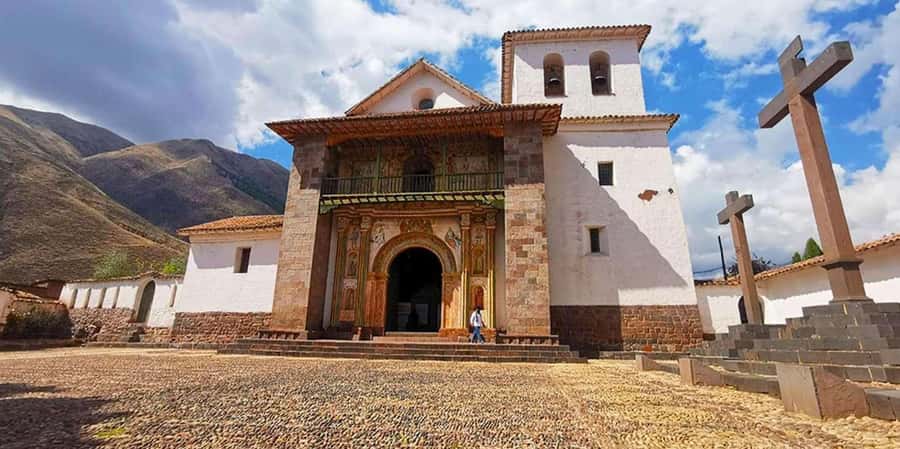
The tourist bus leaves Cusco at 6:00 a.m. The first stop, scheduled for 8:00 a.m., is the Church of San Pedro Apostol in Andahuaylillas. Its familiar nickname, the Sistine Chapel of the Americas, hints at why it earns a place on this route: it is a notable church visit on a journey otherwise known for Inca sites and Andean scenery.
You have a set stop rather than an open-ended visit, so expect to see the church within the rhythm of a group itinerary. If churches and art are high on your list, it is worth paying attention here instead of treating the stop as a quick break from the bus. If they are not, the visit still gives the day a useful change of pace before Raqchi.
The route continues to Raqchi at about 10:00 a.m. for the Temple of Wiracocha. The ruins provide a different kind of historical stop from the church: here, the focus is an impressive Inca site. The schedule allows a visit, but does not give a precise length of time, so keep your expectations realistic. This is an overview of several sites, not a slow, single-location tour.
Lunch, La Raya and the Pukara Museum
At noon, the bus stops in Sicuani for lunch, which is included. That takes one meal off your planning list, a welcome detail on a tightly scheduled day. Breakfast and dinner are not included, so plan separately for those meals.
At 2:00 p.m., the route reaches La Raya Pass, listed at 4,335 meters above sea level. It is the highest point of the journey, and the stop is designed around views of the Andes. The altitude is worth taking seriously: if you are sensitive to high elevations, this is a good place to move at your own pace rather than hurry around for photos.
The final scheduled visit is the Pukara Museum at 4:00 p.m. It is known for pre-Inca sculptures and pottery, adding an archaeological collection to a day that already includes a church and an Inca temple. You arrive in Puno at about 5:30 p.m., after a full day of road travel and sightseeing.
The sequence is one of the trip’s strongest features. Rather than simply crossing the highlands, you get a succession of stops with different points of interest. The trade-off is that each visit shares the day with several others, and the bus schedule sets the pace.
Uros: a look at life on reed islands
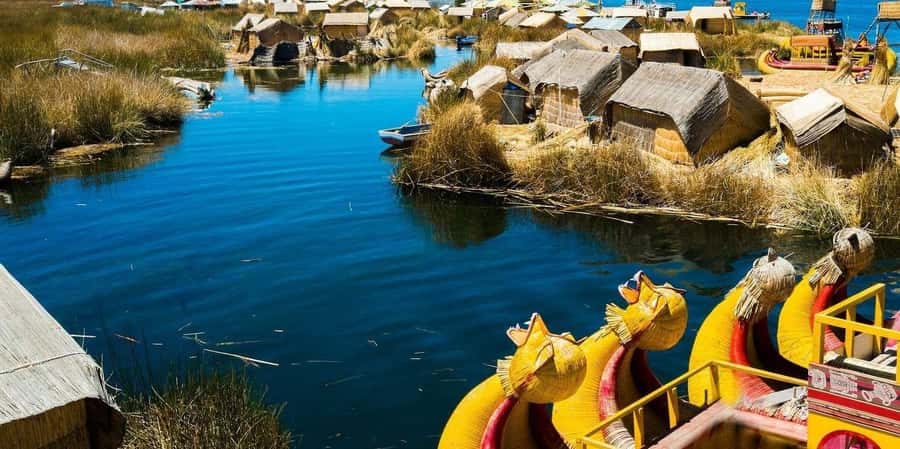
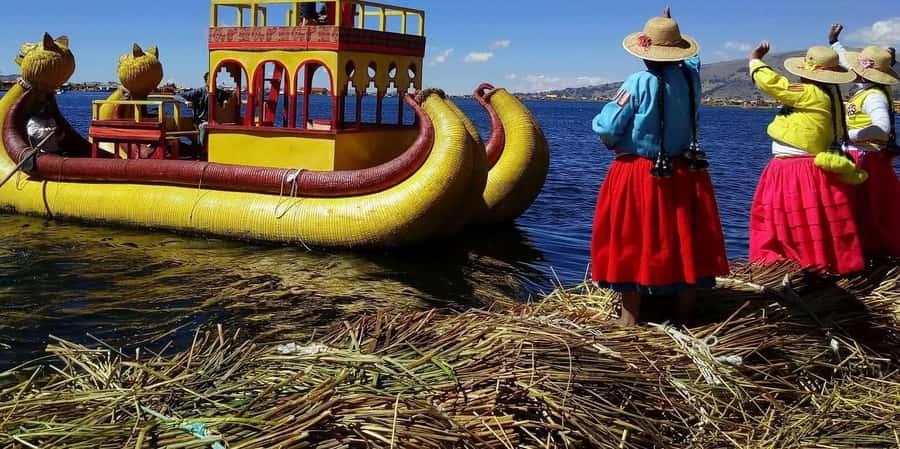
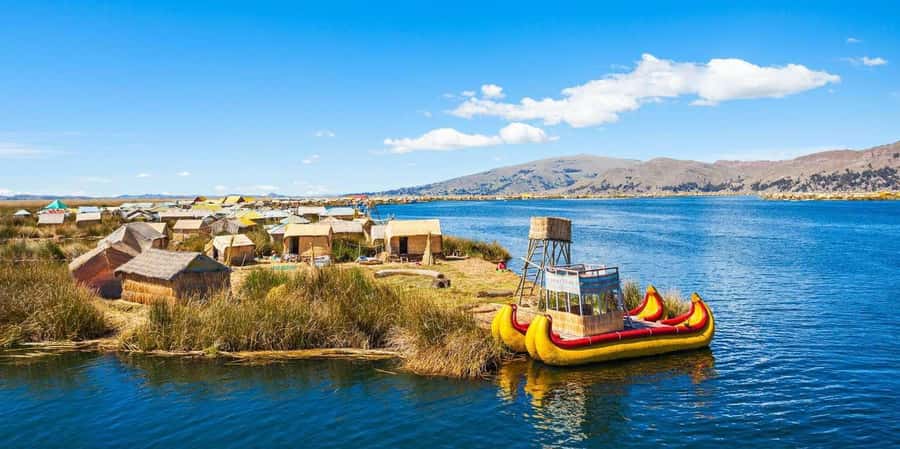
The second day is devoted to Lake Titicaca. The listed schedule has a 7:00 a.m. departure for the Uros Floating Islands, followed by an hour to explore and hear from local residents about the islands’ history and construction. That direct explanation is central to the visit: you are not just looking at the reed islands from the boat, but learning how they are made and what they mean to the people who live there.
The visit is brief, so think of it as an introduction rather than a long stay. You will have time to see the setting and engage with local people, but the schedule moves on at 9:30 a.m. for the crossing to Taquile. If you want an unhurried island experience, this compact stop may feel short.
There is an important timing question to settle with the operator. The day-by-day schedule says you reach Puno at 5:30 p.m. on Day 1, but it also lists arrival in Puno at 5:00 a.m. on Day 2 and a transfer to the port before the lake tour. Those details do not clearly fit together. Confirm where you spend the night and when the boat actually leaves before you book accommodation or make other plans.
Taquile: a walk, local traditions and lunch
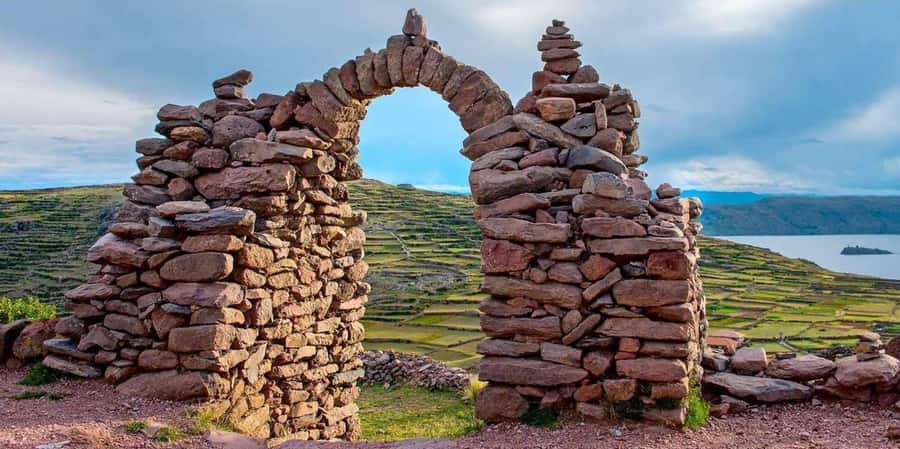
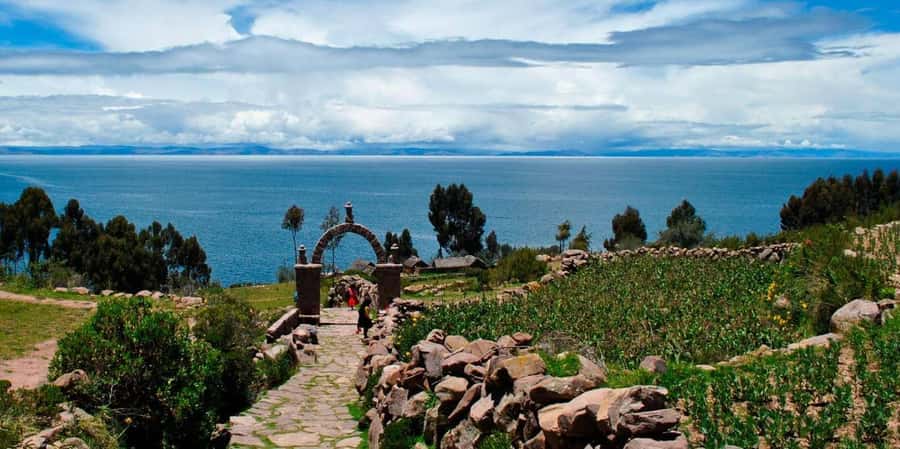
The boat is scheduled to reach Taquile at 11:00 a.m. From there, you walk to the main square while learning about local culture, textiles and traditions. The walk makes this more than a boat-and-photo stop, but it also means you should be ready to spend part of the visit on foot.
At 1:00 p.m., lunch is served at a local restaurant overlooking the lake. This traditional meal is included, and its setting is a practical plus: you get time to sit down and enjoy the view instead of fitting lunch into a hurried transfer. The schedule allows until 2:30 p.m. for the return to Puno, with arrival listed at 5:00 p.m.
Taquile is likely to be the more substantial island visit of the two. The itinerary pairs a walk with local traditions, textiles and a meal, while the Uros stop focuses on the reed islands and how they are built. Together, the visits offer two distinct experiences of life on the lake, even though neither is an extended stay.
What the $210 price covers
At $210 per person, the value depends on how you count the transport and included meals. The fare includes the tourist bus from Cusco to Puno, lunch in Sicuani, a traditional lunch on Taquile and transfers to a hotel in Puno. It also combines the Route of the Sun stops with a Lake Titicaca excursion, which can save you the work of arranging those pieces separately.
But the price is not an all-in cost. You pay separately for Puno accommodation, breakfast and dinner, entrance fees to additional sites, travel insurance and the return transport to Cusco. The return bus is listed as optional and can be arranged separately. Before booking, ask which entrance fees apply to the stops you plan to visit and confirm the cost of your return journey.
The included hotel transfer should not be mistaken for a hotel stay. And because the return bus is separate, the full cost of the trip will be higher than $210 once you add lodging, meals not covered and the journey back to Cusco. That is not a reason to avoid the tour, but it is essential to compare the real total with a slower, independently arranged itinerary.
Who this trip suits best
I would choose this tour if you have limited time and want a guided route that links Cusco and Puno with several cultural stops, then takes you to two well-known island destinations. The small-group limit of 10 and guide service in Spanish or English are useful if you want explanations along the way without joining a large group.
It is less suited to you if you want a relaxed pace, long visits at each site or a package with lodging and every transfer included. There are early starts, a full day on the road, a busy lake excursion and an overnight return bus option. The schedule also needs clarification around the first morning in Puno.
The tour includes free cancellation up to 24 hours in advance and a reserve-now, pay-later option. Those terms can offer flexibility, but they do not replace checking the schedule, extra fees and return arrangements. I would confirm those details first, especially the overnight plan in Puno and whether your preferred return bus is available.
Should you book this Route of the Sun and Titicaca tour?
Book it if you want to cover a lot of ground in a short time and are happy with a brisk itinerary. The combination of Andahuaylillas, Raqchi, La Raya, Pukara, Uros and Taquile gives the journey real variety, while the two included lunches help make a long trip more manageable.
I would pause if you need a fully packaged price or cannot comfortably handle long travel days and an overnight bus. Before paying, get clear answers on the conflicting Puno arrival times, the hotel arrangement, entrance fees and the cost of the return to Cusco. If those pieces fit your plans, this is a practical way to connect the highland route with a day on Lake Titicaca.
FAQ
Is the return bus from Puno to Cusco included?
No. Return transportation is listed as optional and can be arranged separately. The schedule gives a 10:00 p.m. departure and a 5:00 a.m. arrival in Cusco the following morning.
Is a hotel in Puno included?
No. A transfer to a hotel is included, but the hotel itself is not.
Which meals are included?
Lunch in Sicuani and a traditional lunch on Taquile Island are included. Breakfast and dinner are not included.
What languages does the guide speak?
The live tour guide is listed as speaking Spanish and English.
How large is the group?
The activity is described as a small group, limited to 10 participants.
What is the highest point on the Cusco to Puno route?
La Raya Pass is the highest point listed, at 4,335 meters above sea level.