
Reviewed · LAKE TITICACA & COPACABANA
From Cusco: 3-Night Lake Titicaca Excursion
Lake Titicaca rewards patience. This $109, four-day trip combines an overnight Peru Hop bus, the Uros reed islands, a family homestay on Amantani, and a visit to rural Llachon Peninsula. I especially like the genuine home-based experience on Amantani and the chance to see three very different parts of the lake rather than stopping at Uros alone. The main catch is the amount of travel: two overnight bus rides and long waits at a basic Puno hostel.
This is a strong choice if you want cultural contact without arranging every transfer yourself. Guides including Bruno, Juan Carlos, Roberto, Hernán, and Pablito have been connected with recent departures, and Bruno in particular has been praised for careful attention and clear information. Just bring serious cold-weather clothing, cash, and patience for the rough edges between the highlights.
In This Review
- Six things to know before you book
- The real shape of this four-day journey
- Cusco to Puno: A cold but useful night ride
- Uros: Reed islands that require context
- Amantani: The homestay that makes the trip worthwhile
- Llachon Peninsula: A quieter morning by the lake
- The second overnight bus and a very early return
- What the $109 price really covers
- Small comforts and smart packing choices
- Who should book this Lake Titicaca trip?
- Should you book it?
- FAQ
- How long does the Lake Titicaca excursion last?
- Where do I meet the bus in Cusco?
- Is breakfast included after arriving in Puno?
- Is the reed boat at Uros included?
- Can I store my luggage during the island tour?
- Is the tour available in English?
Six things to know before you book
- Two overnight buses shape the trip: You leave Cusco at 9:30 p.m. and return from Puno around 9:00–9:30 p.m. the next evening.
- Uros is a short, guided visit: The floating islands are made from totora reed, with an optional S/10 reed-boat ride.
- Amantani is the emotional center: You sleep in a local family home, eat a simple meal, and may join music and dancing.
- Pachatata is an optional sunset walk: The climb offers one of the trip’s best views but requires energy at high altitude.
- Llachon feels quieter and more rural: You see seasonal work and have free time by the lake before returning to Puno.
- The Puno waiting point is a weak link: Bag storage and showers are available, but the partner hostel has drawn repeated complaints about cleanliness and comfort.
The real shape of this four-day journey
The advertised duration is four days, but the actual sightseeing takes place mainly between the morning of Day 2 and late afternoon of Day 3. The other hours are spent on buses, waiting for transfers, or moving between boat departures and island communities.
That is not necessarily a problem. The overnight bus lets you cover the long distance between Cusco and Puno without paying for another hotel. Still, you should see this as a three-night activity with two overnight bus journeys, not four full days of touring.
You meet at the Peru Hop private bus terminal at Alameda Pachacuteq 499 B. From Cusco’s Plaza de Armas, the ride to the terminal usually takes 10 to 15 minutes, but hotel pickup is not included. I would leave your accommodation early enough to account for traffic and finding the correct terminal entrance.
Cusco to Puno: A cold but useful night ride
The bus leaves Cusco at 9:30 p.m. and reaches Puno at about 5:00 a.m. Peru Hop buses are comfortable by long-distance standards, and onboard high-speed Wi-Fi is advertised as a Peru Hop feature. You can settle in, connect your phone, and try to sleep instead of losing a full daytime stretch to the road.
The weak point is temperature. One passenger reported remaining cold despite wearing thermal layers, a thick sweater, a puffer vest, a jacket, a hat, gloves, and a warm neck covering. A small lap blanket may be supplied, but it may not be enough. I would pack your warmest layers in your seat-side bag rather than placing them under the bus.
Arriving at 5:00 a.m. creates another practical issue. You are taken to a partner hostel, where you can wait and store luggage before the morning boat tour. Breakfast is optional and costs extra. The hostel also offers showers for a fee, but the facilities have received poor marks for mold, dirt, and a generally gloomy feel.
That stop can last several hours. The tour pickup is around 7:40 a.m., with the boat boarding at 8:15. If breakfast at the hostel does not appeal to you, a nearby café has been recommended as a better alternative. Bring cash for food, showers, optional activities, and small purchases.
Uros: Reed islands that require context
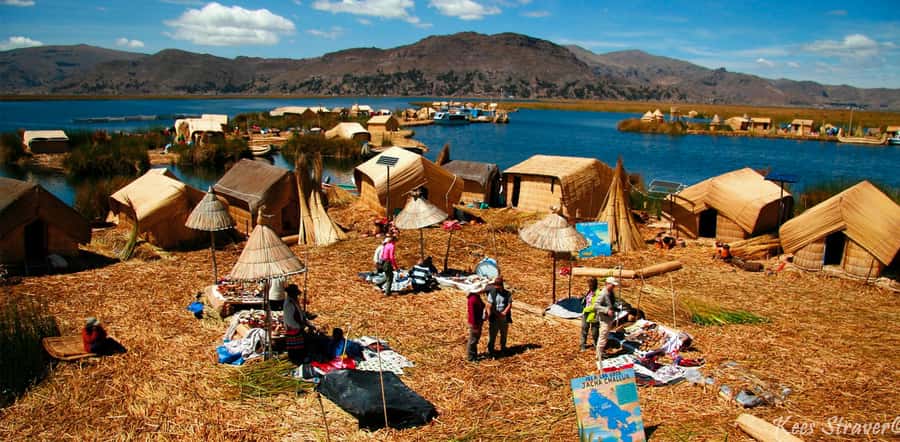
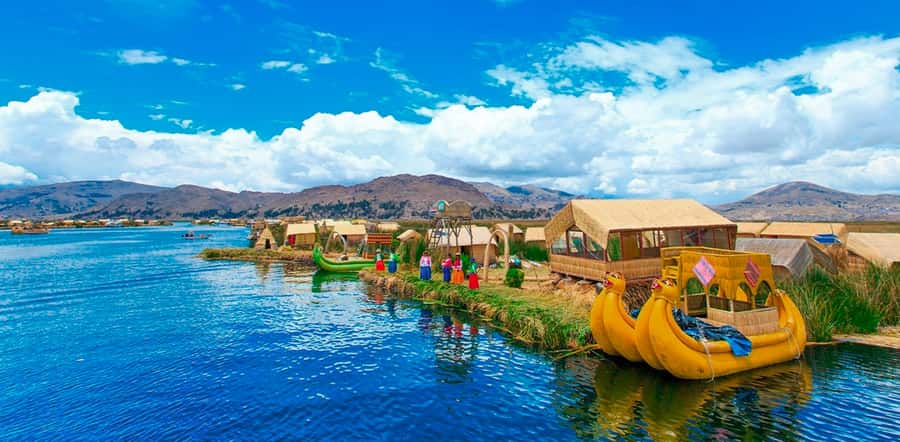
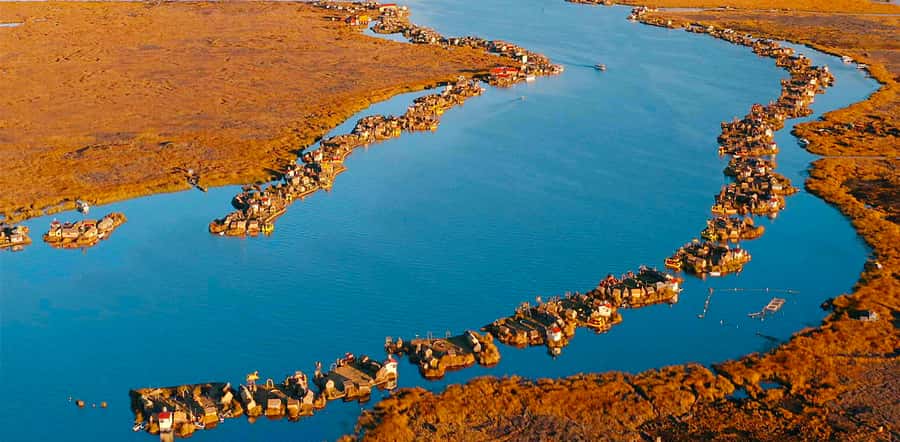
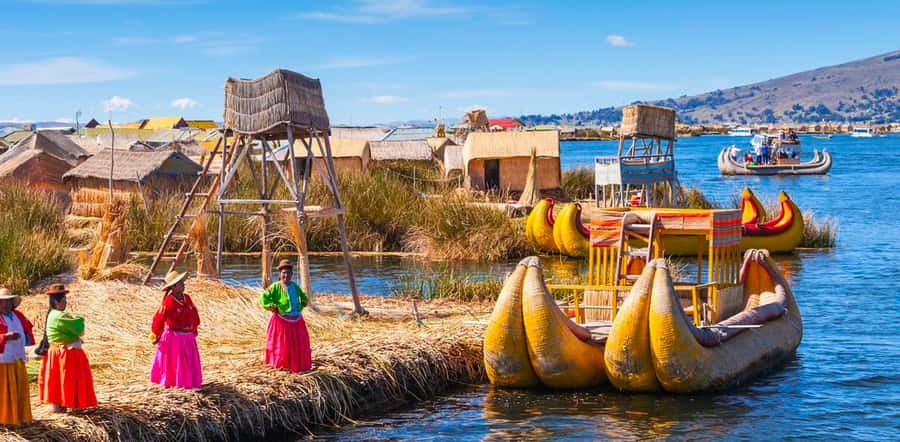
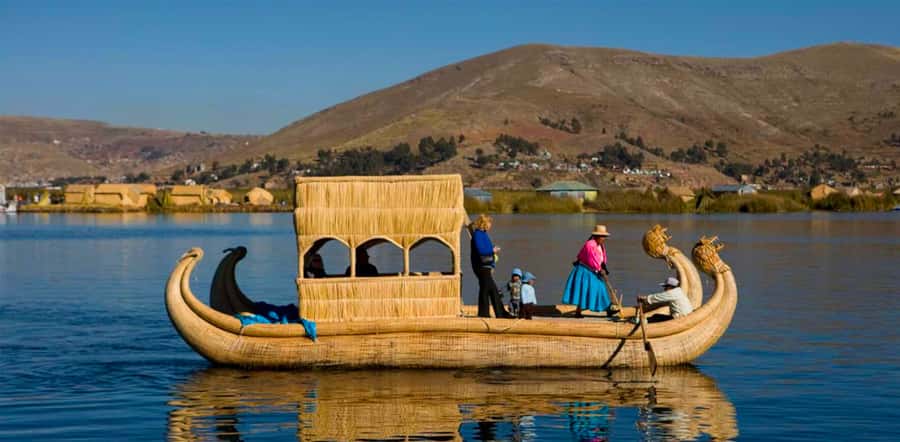
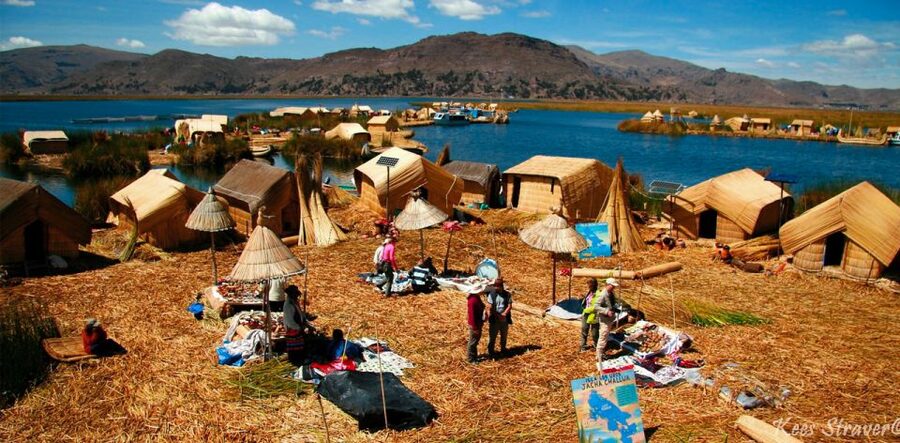
The first boat stop is Uros, reached after boarding at about 8:15 a.m. The islands are built from totora reed, the plant that grows in the shallows of Lake Titicaca. Underfoot, the surface has a springy, unusual feel, and your guide explains how the islands are made and maintained.
Uros is visually striking, but the visit is structured and relatively brief. You will follow a guided route and may be encouraged to look at local crafts or take the optional reed boat, known here as the Kontiki. That ride costs S/10 and is not required.
I would approach Uros with an open mind and realistic expectations. The islands are a living community, but the visit also has a clear tourism side. The value lies in seeing a remarkable construction method and hearing how the community presents its way of life. The experience will feel less like wandering freely and more like a planned introduction.
The lake crossing afterward is part of the reward. Around 10:30 a.m., the boat heads toward Amantani, with the upper deck available for sitting in the sun. Pack sunscreen and a hat, but keep a warm layer close. Even in bright sun, the wind across the water can be sharp.
Amantani: The homestay that makes the trip worthwhile
You reach Amantani at about 1:30 p.m. and meet the local family who will host you. Lunch is served in the family home and is made from natural local products. The meal is simple rather than restaurant-style, which is exactly why this part feels more personal than a standard island stop.
The homestay is the heart of the excursion. You share time with a family, learn about daily life, and take part in intercultural activities. Language may be a small barrier: one family did not speak English, though that did not prevent a pleasant visit. Your guide can help with logistics, but you should not expect your host family to hold a conversation in English.
This is a good place to adjust your expectations. You are not checking into a polished guesthouse. You are staying in a local home, and comfort may be basic. The appeal is the exchange: a shared meal, a look at family routines, and a chance to spend time with people who live far from the usual tourist route.
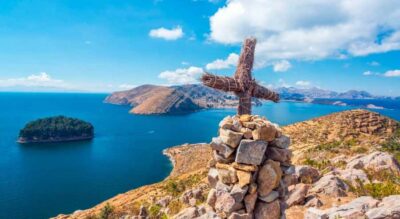
Around 4:00 p.m., you can walk up to the Pachatata temple area to watch the sunset. The outing is optional, but I would consider it one of the best uses of your limited time on Amantani. The climb can feel demanding after a night bus and a morning on the water, so take it slowly and carry water.
Dinner is normally served around 7:00 p.m. Later, you may join local music and dancing or rest at the family home. Some people will find the evening memorable; others may prefer an early night after the long journey. Both choices make sense.
Recent departures have included guides such as Bruno, who has been praised for staying attentive to the group and explaining the lake well. Guides are bilingual in Spanish and English, but the host family arrangement itself is not guaranteed to be bilingual. That distinction matters if conversation is central to what you want from the homestay.
Llachon Peninsula: A quieter morning by the lake
Breakfast at the family home is usually around 7:00 a.m. The schedule then gives you free time on Amantani before departing for Llachon at 12:30 p.m. This slower morning is welcome after the previous day’s early start and long boat trip.
The boat reaches Llachon Peninsula at about 1:15 p.m. The peninsula is known for its rural community and seasonal activities. You have time to take in the views, observe local work, and enjoy one of the more peaceful parts of the itinerary.
The schedule places lunch around noon and also includes lunch in Llachon. Since the timing is tight and may shift on the day, confirm the exact meal arrangement with your guide. What is clear is that lunch in Llachon is included, while breakfast in Puno, dinner in Puno, and other food are not.
Llachon is less about a single famous sight and more about seeing a working lakeside community. It gives the excursion balance: Uros presents a distinctive island tradition, Amantani offers a family exchange, and Llachon shows rural life on the shore.
The boat returns to Puno at about 5:00 p.m. You are dropped at the partner hostel near the central plaza, where you can collect your luggage and wait for the evening bus. The gap before departure is long. Pickup for the return bus is scheduled between 9:00 and 9:30 p.m., so plan for several hours with little organized activity.
The second overnight bus and a very early return
The bus leaves Puno late in the evening and arrives in Cusco at roughly 5:00 a.m. You are then dropped at your hotel or hostel. This is efficient, but it is not restful. If you have an important tour, flight, or work commitment on that morning, I would not schedule it too tightly.
The bus saves the cost of another night and keeps the tour affordable. On the other hand, you trade away sleep. The cold reported on the first route may also affect the return, so keep your warm clothes and neck pillow accessible.
This pattern suits people who can sleep on buses and do not mind a demanding schedule. It is a poor fit if you need private rooms, regular sleep, or plenty of unplanned time.
What the $109 price really covers
At $109 per person, the price is attractive for the amount of transport involved. It covers guided transportation from Cusco to Puno, boat transportation, a bilingual Spanish- and English-speaking guide, entry to Uros, entry to Amantani, and lunch in Llachon.
The biggest saving is the overnight transport. You move between Cusco and Puno without booking separate tickets or arranging the lake boats yourself. The guided connections also reduce the risk of missing a transfer in Puno, where the early morning timing can be confusing.
Budget extra money for:
- Breakfast after arriving in Puno
- Dinner in Puno before the return bus
- The optional S/10 Kontiki ride at Uros
- Paid showers at the partner hostel
- Food, drinks, and personal purchases
- Any bag-storage charge, since storage is described differently in the trip details
Bag storage is offered at the hostel, but the inclusions also say hostel storage is not included. I would confirm the current charge before departure. The same goes for Wi-Fi: high-speed onboard Wi-Fi is listed as a Peru Hop benefit, not a general service everywhere during the tour.
The value is best if you want a ready-made route with transport, entries, and the homestay arranged. It is less compelling if you plan to travel independently and want to choose your own accommodation or spend longer on the islands.
Small comforts and smart packing choices
Bring cash. You will need it for the optional reed boat, meals not included in the price, showers, and possible storage fees. Do not count on every small expense being payable by card.
Pack for cold, sun, and basic conditions:
- Thermal base layers and a warm jacket for both buses
- Hat, gloves, and a scarf or neck covering
- Sunscreen and sunglasses for the open boat deck
- Water and simple snacks
- Small luggage for the homestay, with larger bags left at the hostel if permitted
- Comfortable shoes for the Pachatata walk
- Cash in Peruvian soles
The tour is not suitable for children under four, pregnant women, or wheelchair users. Weather, mudslides, flooding, strikes, demonstrations, and other disruptions can change the route without notice. Lake transport is especially dependent on conditions, so keep some flexibility in your wider Peru plan.
Who should book this Lake Titicaca trip?
I would choose this excursion if you want three distinct lake experiences in one organized package. It works particularly well for first-time visitors who do not want to arrange Cusco-to-Puno transport, island boats, entry tickets, and a family stay separately.
The strongest match is an active adult who can handle a night bus, basic lodging, early starts, and a long wait in Puno. You should also be comfortable with a host family that may not speak English and with a schedule that gives you limited freedom to wander.
I would look elsewhere if you need a warm bus, clean waiting facilities, private comfort, or a slow pace. The island portion receives the praise; the hostel transfer and waiting periods are where the experience loses polish.
Should you book it?
Book this trip if the Amantani homestay is your main goal and you see Uros and Llachon as valuable additions. The family meal, island evening, optional sunset walk, and direct contact with local life offer far more than a quick photo stop at Lake Titicaca.
Skip it if two overnight buses sound miserable or if poor waiting facilities will spoil your mood. At $109, the package offers good practical value, but you pay for that low price with cold nights, long transfers, basic amenities, and little spare time.
FAQ
How long does the Lake Titicaca excursion last?
The experience lasts four days and includes three nights: two nights on overnight buses and one night with a host family on Amantani.
Where do I meet the bus in Cusco?
You meet at the Peru Hop private bus terminal at Alameda Pachacuteq 499 B. It is usually 10 to 15 minutes from Cusco’s Plaza de Armas by car, and hotel pickup is not included.
Is breakfast included after arriving in Puno?
No. You can order breakfast at the partner hostel for an additional cost. A nearby café may be another option.
Is the reed boat at Uros included?
No. The optional Kontiki reed-boat ride costs S/10 soles.
Can I store my luggage during the island tour?
Bag storage is available at the partner hostel, but the trip details give mixed information about whether a fee applies. Confirm the current charge before departure.
Is the tour available in English?
Yes. The tour includes a live bilingual guide in Spanish and English. Your local Amantani host family may not speak English.
Lake Titicaca & Copacabana, compared
 ★ 4.5La Paz: Full Day Trip to Copacabana and Isla del SolFrom $59400 reviews
 ★ 4.2From La Paz: Titicaca, Copacabana, and Isla del Sol Day-TripFrom $100119 reviews
 ★ 4.3From La Paz: 2-Day Tour to Isla del Sol & Lake TiticacaFrom $6954 reviews
 ★ 4.5Day Trip from Puno: Explore Sun Island and CopacabanaFrom $10321 reviews
Browse the lists this tour appears in