
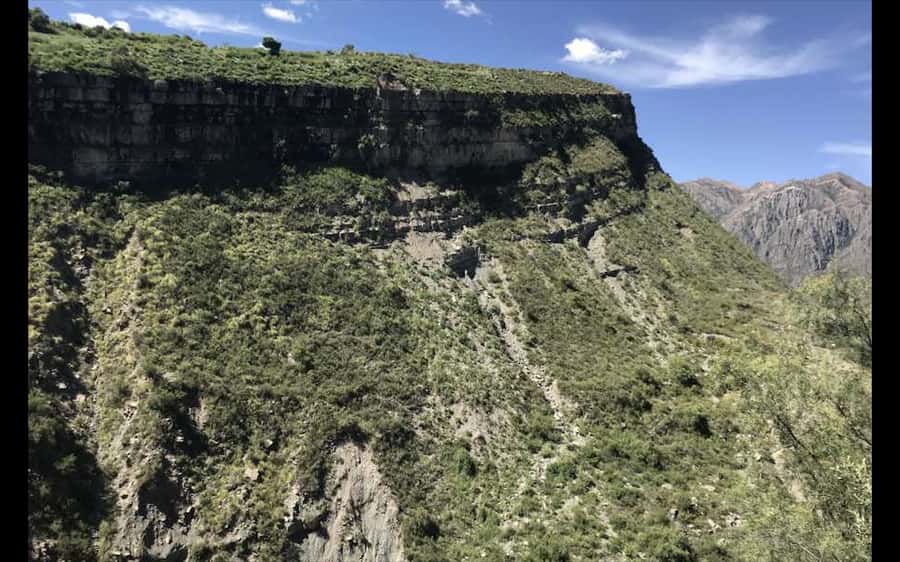
Reviewed · BOLIVIA
Maragua, Inca trail and Crater
Maragua’s appeal is the change of pace: after a 90-minute drive from Sucre, you leave the vehicle for a roughly two-hour descent along a cobbled Inca route, then continue by transport to the crater and Devil’s Throat waterfall. The day connects a walk through open scenery with a visit to a community known for textile work.
I like the contrast between the historic walking route and the living craft tradition in the crater, and the chance to see the waterfall where seasonal water drains through the area. One consideration: this is a long, 10-hour outing with a substantial downhill walk, and the tour runs rain or shine.
- A two-hour downhill walk follows a largely cobbled section of the Inca route.
- Maragua Crater spans about 8 km, with a textile-making community living in its center.
- Devil’s Throat is seasonal in character: during the rainy season, water gathers in the crater and flows through the drainage passage to form a waterfall.
- The day lasts 10 hours, including a 90-minute drive from Sucre and transport between the walking route and later stops.
- Lunch, transport, a guide, and entrance fees are included in the $114 price.
- Groups are limited to 15, with guiding offered in English, French, and Spanish.
In This Review
- From Sucre to the Inca route
- A cobbled descent on the Inca route
- Maragua Crater and its textile-making community
- Devil’s Throat and the role of the rainy season
- What the $114 price covers
- Is this a good fit for your day in Sucre?
- FAQ
- How long does the tour take?
- Where does the tour start?
- How long is the drive from Sucre?
- How long is the walk on the Inca route?
- What languages does the guide speak?
- What is included in the $114 price?
- Are drinks and handicrafts included?
- Who is the tour not suitable for?
From Sucre to the Inca route
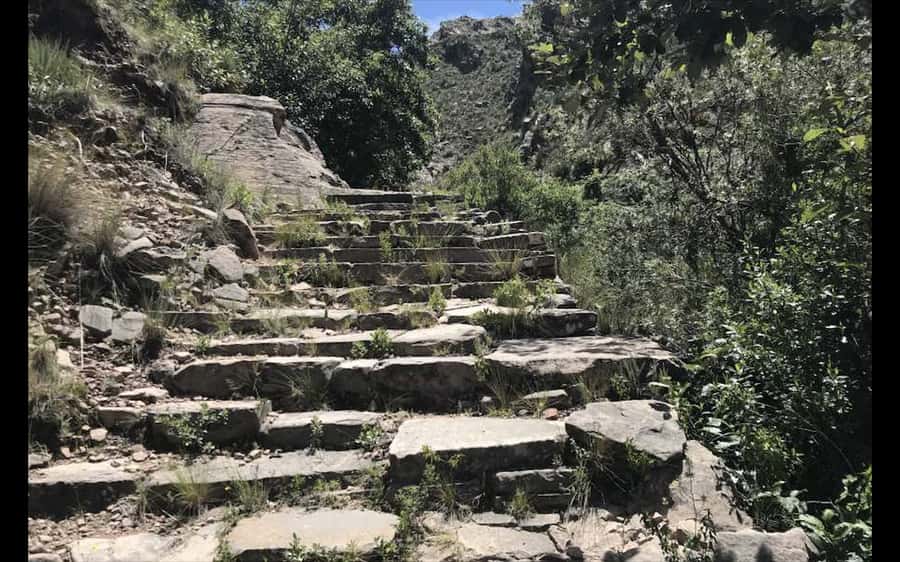
The tour begins with pickup in central Sucre and a drive of about an hour and a half into Chuquisaca Department. That travel time is worth factoring into your expectations: this is a full-day excursion, not a quick walk outside town. You spend the first part of the outing on the road before reaching the route.
Pickup is included only for hotels in the city center. Be ready in your hotel lobby five minutes before the scheduled time, and make sure the guide can identify you by name. The exact departure time depends on availability, so check the start times when you book.
The group is limited to 15 people, a useful size for a day that combines transport, walking, and cultural stops. Your guide speaks English, French, or Spanish. The tour information does not give individual guide names, so you’ll need to confirm the available language and any other guiding details when choosing a departure.
A cobbled descent on the Inca route
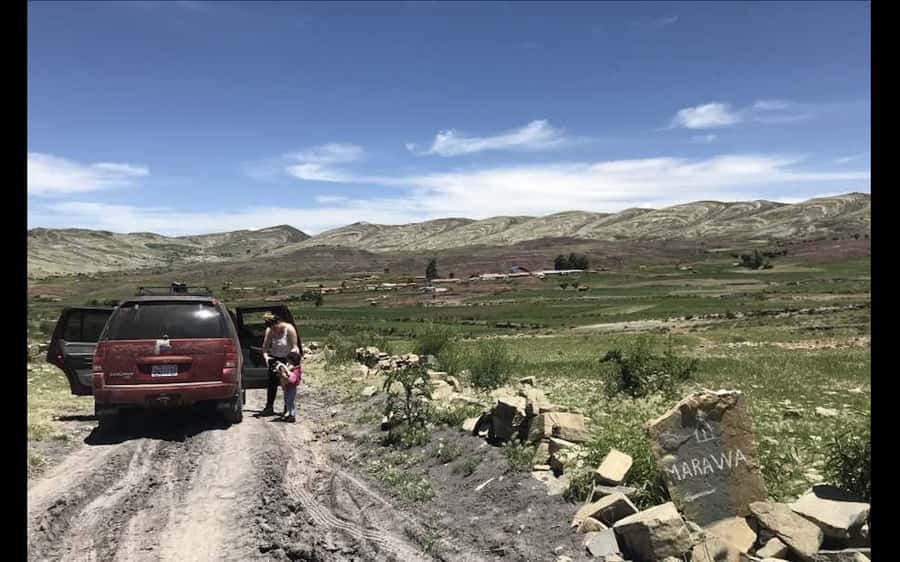
The main walk follows a largely cobbled stretch of the Inca route and takes about two hours downhill. The stones are described as helping the descent, but this is still a walk on an old route rather than a smooth, paved stroll. Wear comfortable shoes with a dependable sole, and take your time on the uneven sections.
The scenery is one of the day’s central attractions. You’ll be walking through open country, with the route itself adding a sense of history and purpose to the outing. The available details do not specify the distance, elevation change, or exact trail conditions, so don’t assume that the two-hour estimate tells the whole story. Your pace, weather, and footing can all affect how the walk feels.
Because the route is downhill, this may suit you better than a long climb, but it is not a reason to ignore the physical demands. The tour is not suitable for wheelchair users, pregnant women, or people with back problems. If you have concerns about walking on a cobbled path, ask the provider before booking.
The tour operates rain or shine. Bring a jacket and outdoor clothing as well as sun protection: sunglasses and a sun hat are on the suggested packing list, along with water, drinks, snacks, and a camera. A hat is also listed, so choose what makes sense for the day’s conditions. Cash is useful if you hope to buy handicrafts later.
You can also read our reviews of more tours and experiences in Maragua Bolivia.

Maragua Crater and its textile-making community
After the walk, you return to the transport and continue to Maragua Crater, also called Marawa. The crater covers about 8 km, and a community lives in its center. The visit can give you a more personal view of the area than a stop for scenery alone: families there are dedicated to textile work and may show you how they make their crafts and how they live.
That possibility is an important part of the tour, but it is best approached with realistic expectations. The visit is described as a chance to meet families and learn about their work, not as a guaranteed workshop or a fixed-length demonstration. If the community visit matters most to you, ask the tour provider what you can expect on your chosen date.
Handicrafts are not included in the price. You can bring cash if you want the option to buy something directly, but there is no obligation to purchase. That distinction matters: the visit is about seeing a local craft tradition, while any souvenir is an extra expense.
Devil’s Throat and the role of the rainy season
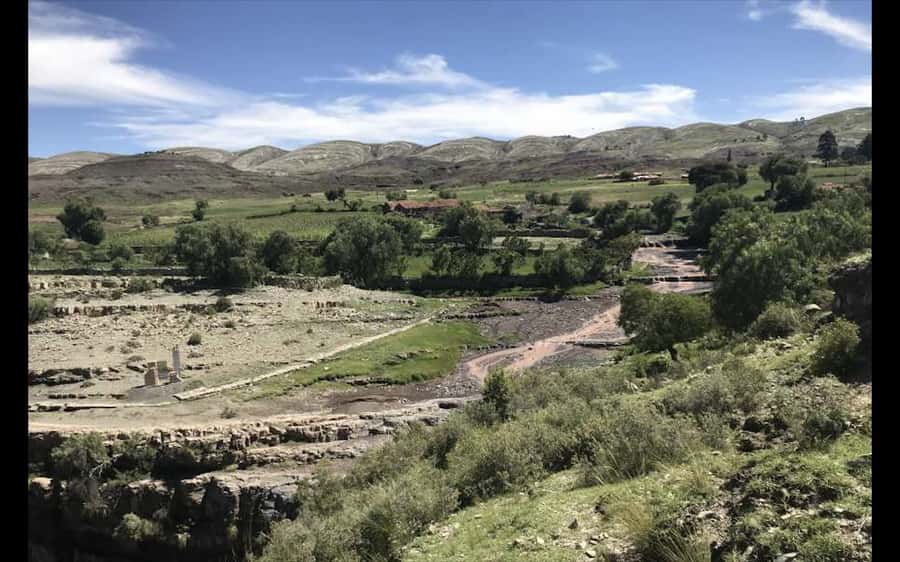
The final major highlight is Devil’s Throat, a waterfall formed by water draining through the crater. In the rainy season, water gathers and forms rivers, then travels through a drainage passage in the center of the crater and descends at the waterfall. This seasonal process gives the stop a natural connection to the geography you’ve just seen.
The waterfall’s appearance depends on water conditions. The tour information describes the rainy-season flow, but it does not promise a particular volume of water or say how the falls look at other times of year. If seeing a strong waterfall is your main reason for booking, check local conditions close to your visit rather than treating it as a sure thing.
The tour combines the crater and waterfall after the walking portion, returning you to transport for the next leg. The route details do not specify how much time you spend at each stop, so the overall day is best understood as a guided sequence of experiences rather than a long stay at one single viewpoint.
What the $114 price covers
At $114 per person, the price includes round-trip transport, downtown hotel pickup, a guide, lunch, and entrance fees. Those inclusions make the cost easier to assess: you are paying for a full-day outing with a long transfer, a guided walk, and visits to several points of interest, rather than simply hiring transport to the crater.
Drinks and handicrafts are extra. Bring water and any other drinks you want, along with snacks if you prefer to have something on hand during the day. Lunch is included, but the details of the meal are not specified, so contact the operator if you have dietary needs or want to know what is served.
The small-group limit of 15 can also be useful on a day with both walking and community contact. It gives the outing a more manageable scale than a large coach group, though it does not guarantee a private or custom-paced experience. The tour is run by Buhos Tours.
Is this a good fit for your day in Sucre?
I’d consider this trip if you want more than a drive to a scenic stop. Its strongest combination is the cobbled Inca route, the crater community’s textile work, and the chance to see Devil’s Throat. You get a walk and a cultural visit in the same day, with lunch and transport included.
It is less suited to anyone seeking an easy outing with little walking or a flexible, self-guided schedule. The day lasts 10 hours, the walk takes about two hours downhill, and the tour runs whatever the weather. The listed exclusions for pregnant women and people with back problems are worth taking seriously, as is the uneven cobbled route.
I’d book it if you’re comfortable with a full day outdoors and want to see the countryside beyond Sucre with a guide. Before paying, check the departure time, confirm your pickup is within the city center, and ask about seasonal waterfall conditions and the community visit. You can reserve now and pay later, and cancel up to 24 hours in advance for a full refund.
FAQ
How long does the tour take?
The tour lasts 10 hours.
Where does the tour start?
Pickup is in Sucre. Hotel pickup is included only for hotels in the city center.
How long is the drive from Sucre?
The scenic drive to the area takes about 1.5 hours.
How long is the walk on the Inca route?
The downhill walk takes approximately two hours. The route is largely cobbled.
What languages does the guide speak?
Guiding is offered in English, French, and Spanish.
What is included in the $114 price?
Round-trip transport, downtown hotel pickup, a guide, lunch, and entrance fees are included.
Are drinks and handicrafts included?
No. Drinks and handicrafts are not included.
Who is the tour not suitable for?
The tour is not suitable for pregnant women, people with back problems, or wheelchair users.