
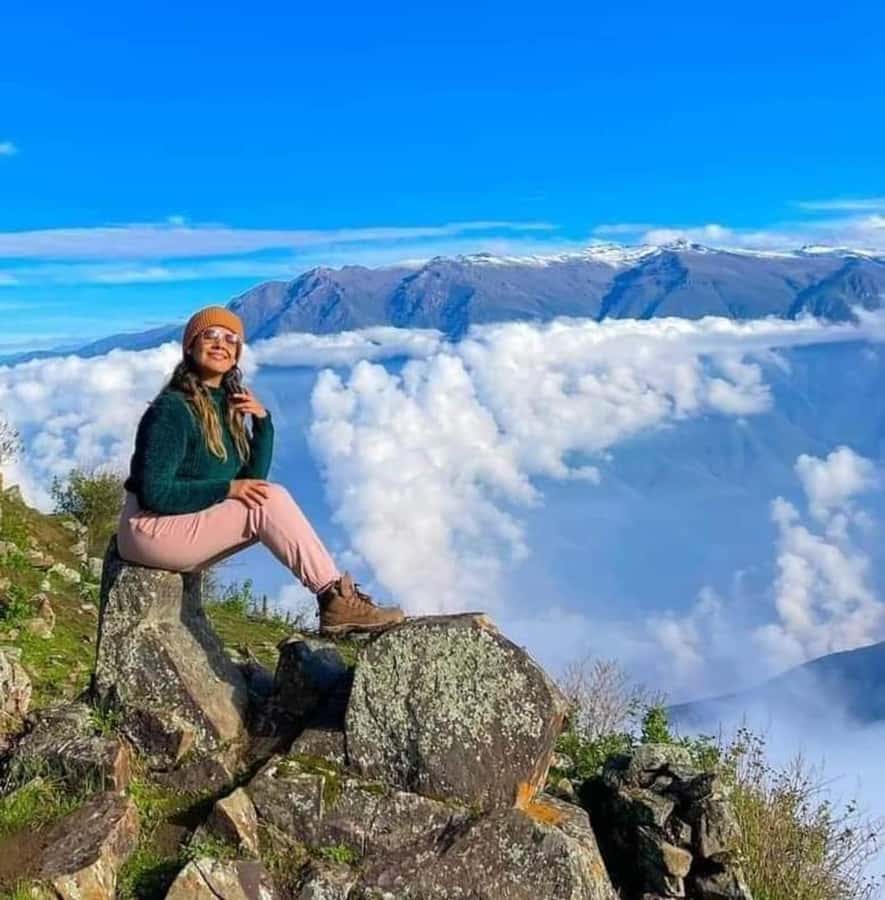
Reviewed · SUNSET & STARLIGHT EXPERIENCES
Sucre: Sunrise, the Crater de Maragua and old Cave Paintings
Sunrise starts this mountain day early. This 10-hour outing from Sucre combines an Andean dawn, a demanding Cordillera de los Frailes hike, ancient paintings at Pumamachay and Incamachay, and the colorful rock folds of Maragua Crater. I like the small-group format, limited to 12 people, and I like that the price covers private transport, breakfast, lunch, guide services, and entry tickets. The guide team has included Karina, praised for her friendly, professional manner, and Manuel, who speaks good English.
The main drawback is the timing and terrain. You begin in the cold and dark, walk for roughly four to four and a half hours, and travel on rough mountain roads afterward. Clouds can also hide the sunrise, so you should book this for the full mountain day rather than for one guaranteed photograph.
In This Review
- Six details that make this day worthwhile
- Chataquilla at dawn: a cold start with a purpose
- The 20-minute climb above Tumpeca Valley
- Pumamachay and Incamachay: art made before written records
- Tumpeca and a meal with the Jalqa community
- Maragua Crater and the mountains in mineral colors
- What the $105 price really covers
- Rough roads, cold mornings, and what to pack
- Who should book this Sucre day trip?
- Should you book the Maragua Crater tour?
- FAQ
- How long does the experience last?
- How much does the tour cost?
- What languages are available?
- Is transportation included?
- Are meals included?
- Which cave-painting sites will I visit?
- What should I bring?
- Who should not take this hike?
Six details that make this day worthwhile
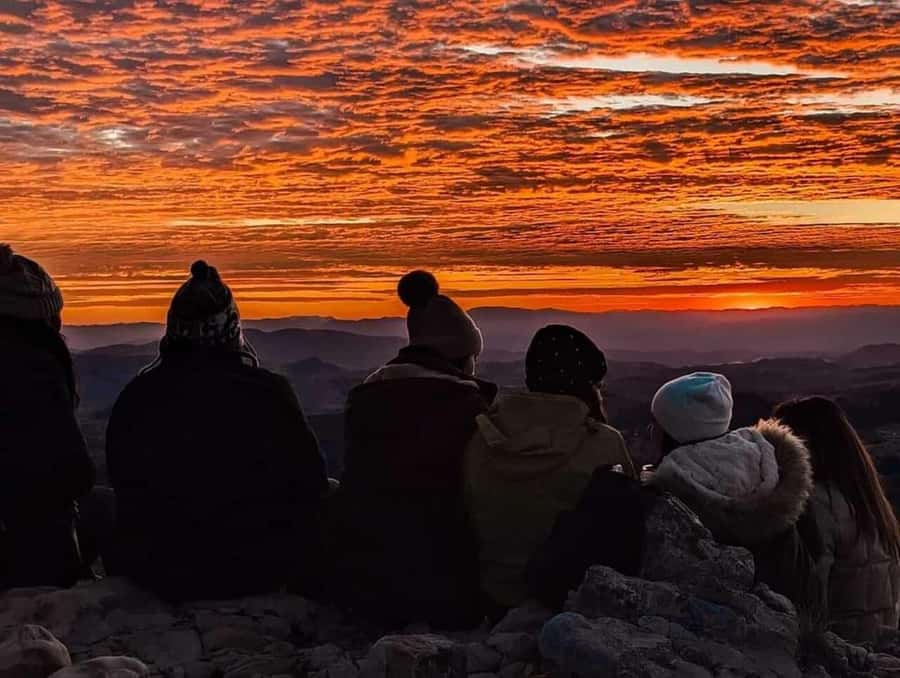
- Dawn at Chataquilla: Start near a colonial chapel and watch the Andes brighten from a high viewpoint.
- A steady morning hike: Walk through the Cordillera de los Frailes, with views toward Tumpeca Valley, Chaunaca, Sucre, and Maragua.
- Two ancient art sites: See cave paintings at Pumamachay and Incamachay, believed to date back thousands of years.
- Jalqa community visits: Reach Tumpeca and Maragua, with a vegetarian meal included along the way.
- Mineral-colored mountains: Look across the unusual bands and tones around Maragua Crater.
- Devil’s Throat: Finish the sightseeing with a small waterfall and a viewpoint inside the crater area.
Chataquilla at dawn: a cold start with a purpose
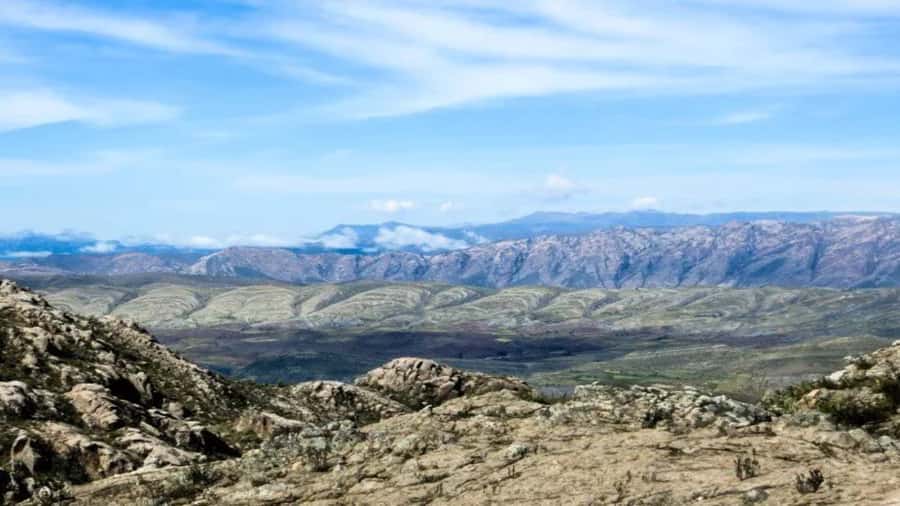
Pickup is from your accommodation in Sucre’s historic center, with arrangements made ahead of time by email. The drive to the mountains takes about 30 minutes on one outing, though road conditions and pickup details can affect the timing.
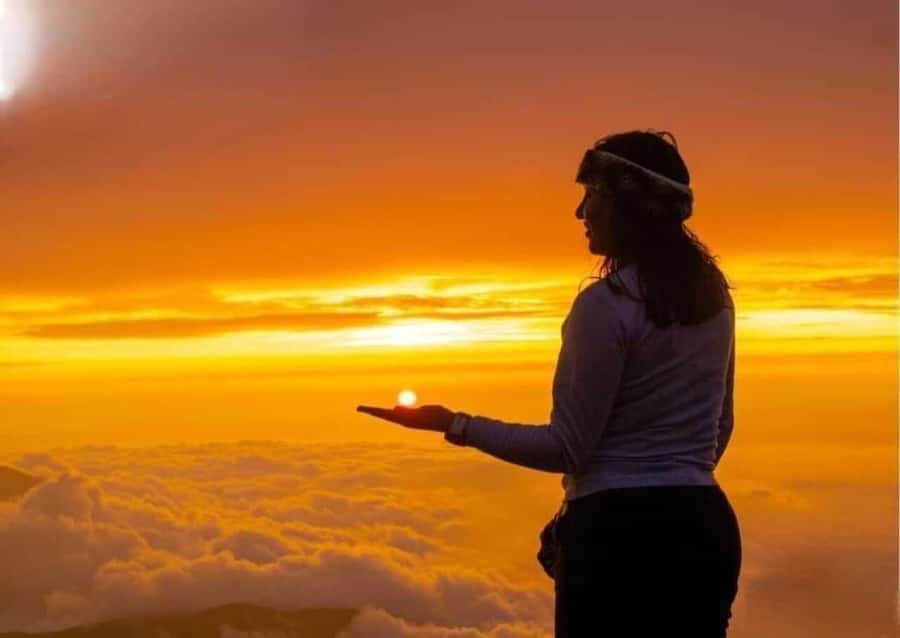
You reach a viewpoint near the colonial chapel of Chataquilla before sunrise. This is an important meeting place for the Jalqa community, so the stop gives you more than a pretty horizon. You begin the day in a place tied to local community life and religious tradition.
The operators provide a light breakfast while you wait. Think of this as a warm, simple start rather than a full meal, so I would still eat something before leaving your accommodation and pack extra snacks. Water and snacks are not included.
The sunrise may be lovely, but it is not guaranteed to be dramatic. Morning clouds, wind, and cold are common enough that you should treat the view as a bonus. The better reason to start here is the quiet mountain setting and the chance to see the first light spread across the high valleys.
After sunrise, you visit the chapel and hear about its history and importance to the Jalqa community. You also receive a headlamp for the initial part of the walk. Bring your own small flashlight if you have one; extra light is useful when the trail is uneven and the morning is still dim.
You can also read our reviews of more tours and experiences in Maragua Bolivia.
The 20-minute climb above Tumpeca Valley
From Chataquilla, the first climb to the mountain summit takes about 20 minutes. It is short, but you should not mistake it for an easy stroll. In the early light, footing deserves your full attention, especially if the trail is damp or the weather turns.
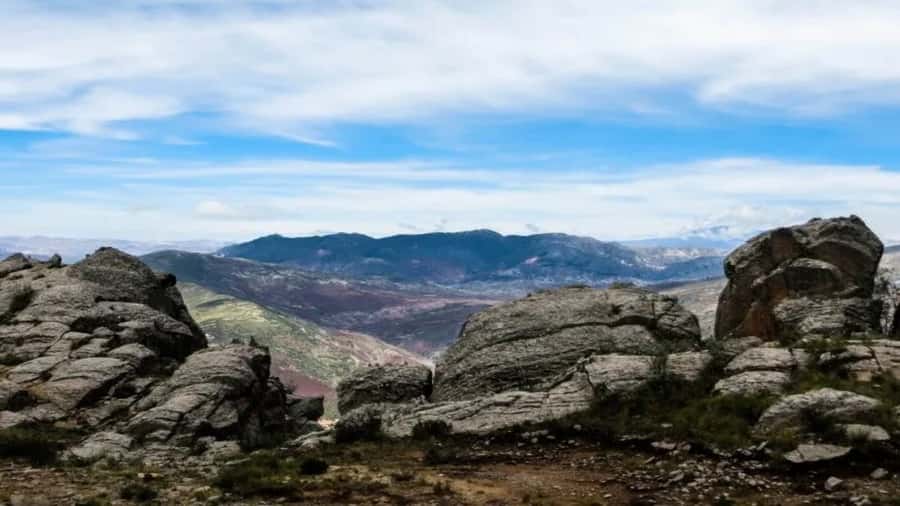
The reward comes quickly. From the higher point, you can look toward Tumpeca Valley, the indigenous community of Chaunaca, the Maragua Crater, and part of Sucre. This opening viewpoint helps you understand the route before the trail drops and winds through the mountains.
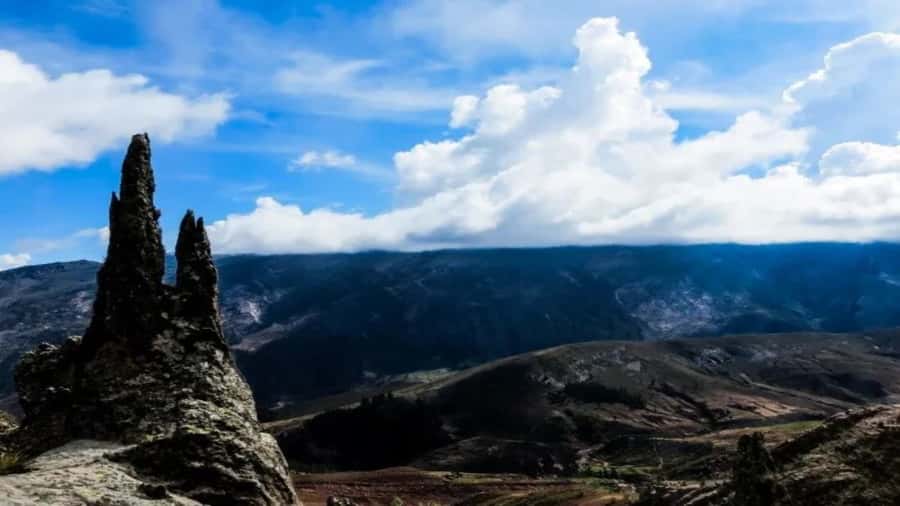
The scenery changes as you continue. You pass geological formations, mountain plants, and forested sections. The guide may also point out Andean wildlife if conditions are favorable, though sightings are not promised. I would bring a camera, but keep it ready without letting it distract you from the path.
The full hiking section takes about four hours, with one outing lasting close to four and a half. You need comfortable hiking shoes, warm layers, sun protection, and enough water for the walk. This is not a technical climbing route, but it is a real hike with uneven ground and a long morning on foot.
Pumamachay and Incamachay: art made before written records
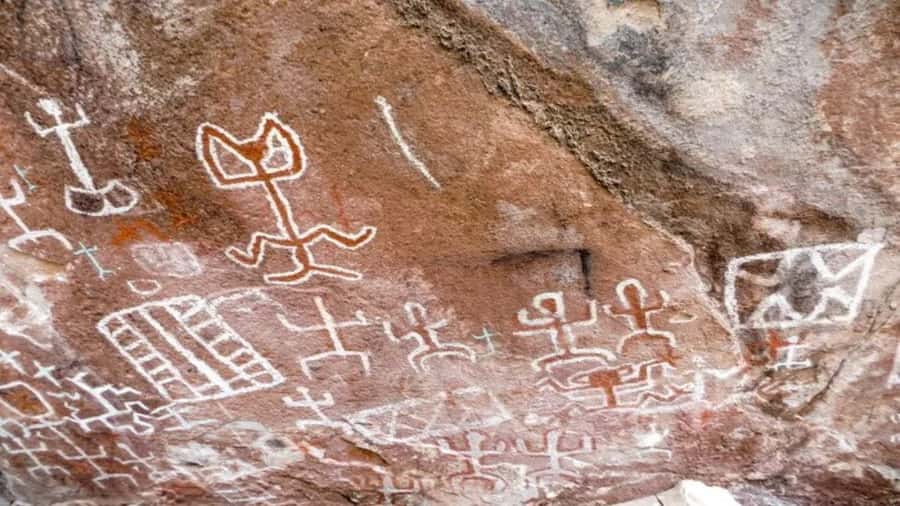
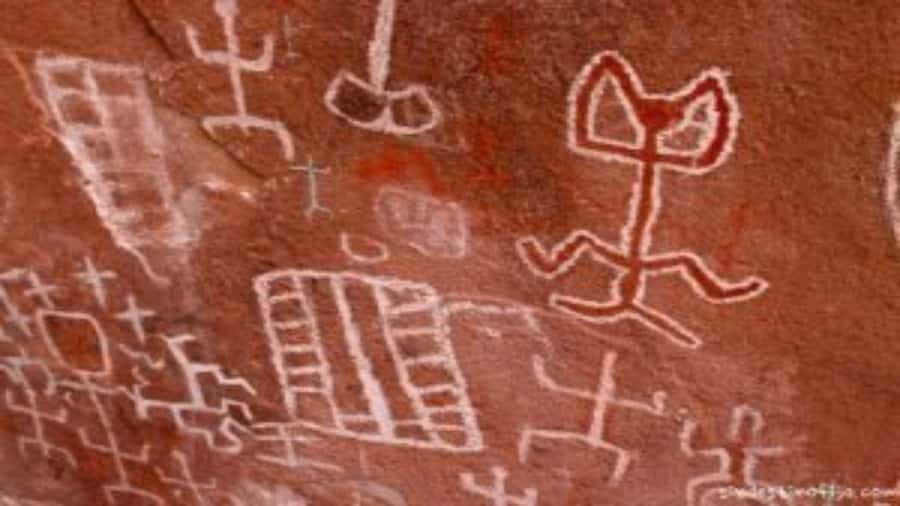
After about two hours of walking, you reach Pumamachay Cave. Its old paintings are the heart of the cultural side of the trip. They date back thousands of years and offer a direct connection to communities that lived in these mountains long before modern roads reached the area.
Your guide explains what you are seeing and gives the site context. The value here is not a polished museum presentation. You are visiting the actual mountain places where the images remain, which makes the stop feel closely tied to the surrounding terrain.
The route continues for about 30 minutes to Incamachay, another place with cave paintings and traces of earlier communities. Seeing both locations gives the morning more depth than a single quick stop. You have time to compare the sites and ask questions rather than rushing through one viewing point.
You should follow the guide’s instructions carefully around the paintings. Do not touch the rock or wander away from the route. The early start, changing light, and uneven trail all make this a place where patience matters more than speed.
The itinerary descriptions place the two painting sites in slightly different order, but both are part of the same morning hike. Allow enough time for the complete walking section rather than planning around an exact minute-by-minute sequence.
Tumpeca and a meal with the Jalqa community
The trail eventually leads to Tumpeca, a Jalqa community set in a valley near a river. This is where the tour shifts from mountain views and archaeology to present-day local life.
A vegetarian lunch is included and is served after leaving Tumpeca, in the Maragua area. The meal is a useful part of the day because you have been walking for hours by then. It is described as tasty and filling, but I would still carry a snack in case you need energy before lunch.
The community connection adds meaning to the route. You are not only being driven to a scenic overlook; you are passing through places where people live and work. One outing also included meeting a textile weaver and taking home a bracelet. That encounter may depend on the day’s arrangements, so ask Jalq’a Tours if this is important to you.
The meal is vegetarian, so this tour works well if you avoid meat. The information provided does not specify the exact dishes or whether other dietary needs can be accommodated. If you have allergies or strict food requirements, contact the operator before booking.
Maragua Crater and the mountains in mineral colors
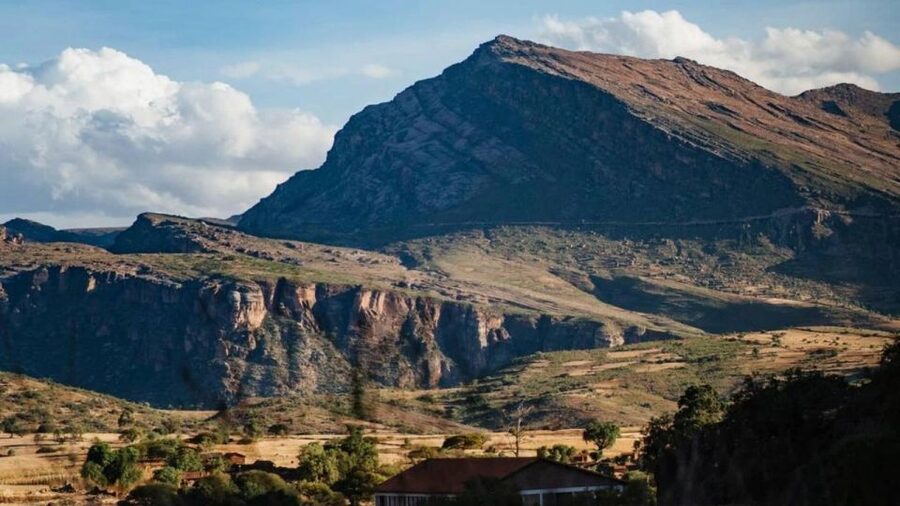
After the hiking section and meal, you continue by vehicle toward Maragua Crater. The crater is a geological formation rather than a simple round hole in the ground. Its folded, layered rock creates a wide view filled with unusual colors and patterns.
The nearby mountains show different mineral tones, giving the area its distinctive appearance. I find this part especially useful for anyone interested in geology, because the scenery itself explains why the area attracts attention. You do not need technical knowledge to enjoy it, but a guide can help you notice details you might otherwise miss.
Inside the crater area, you visit the Jalqa community of Maragua. The route then continues to the place called Devil’s Throat, where you see a small waterfall and a viewpoint. Neither stop should be imagined as a major trek or huge waterfall. Their appeal comes from the setting: layered mountains, a narrow water feature, and a final high view after the long walk.
The return to Sucre takes about two hours from the Maragua area. That makes the end of the day fairly long, especially if you are tired from the trail. On one outing, the vehicle transfer after the hike lasted about 45 minutes before lunch, so you should expect a mix of walking and road time rather than continuous hiking.
What the $105 price really covers
At $105 per person, this is not the cheapest way to see the countryside around Sucre. It is a full-day guided outing, though, and the fee includes several costs that can add up quickly if arranged separately:
- Private transportation to and from Sucre
- English- or Spanish-speaking guide
- Light breakfast at the sunrise viewpoint
- Vegetarian lunch
- Entry tickets listed at $10
- Headlamps for the first part of the hike
- Visits to Chataquilla, Pumamachay, Incamachay, Tumpeca, Maragua, and Devil’s Throat
I consider the price fair if you want one organized day covering scenery, archaeology, community visits, meals, and transport. The private vehicle is particularly useful because the route involves mountain roads and several separate stops.
The value is weaker if you mainly want a short photo stop at Maragua Crater. You spend most of the day on the move, and the main attraction is the combination of hiking and cultural sites. The tour makes more sense for you if you want an active day and do not want to arrange transport, meals, and a guide yourself.
The small-group limit of 12 is another plus. It is large enough to keep the price workable but smaller than a standard bus excursion. The guide can explain the paintings and local communities without trying to address a huge crowd.
Rough roads, cold mornings, and what to pack
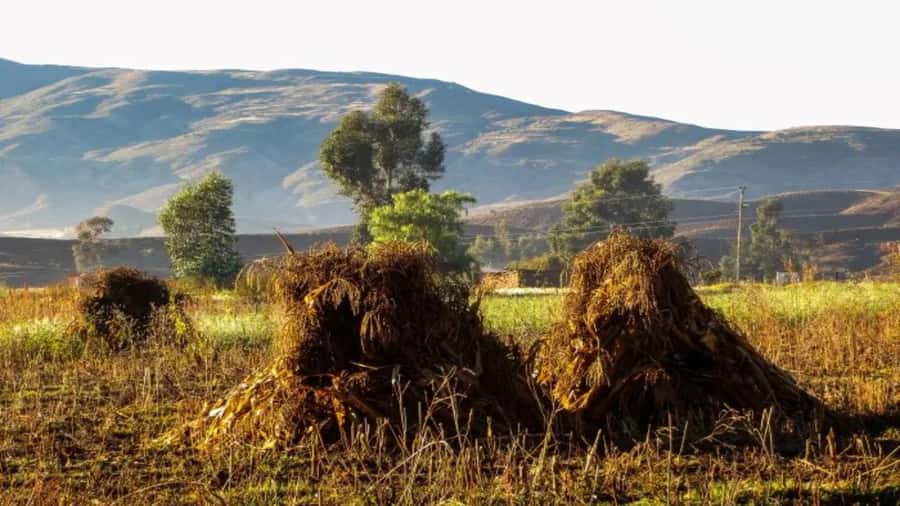
The roads are not always smooth. If you get carsick, bring your usual motion-sickness medicine; Gravol was specifically suggested after one bumpy outing. The driver, Don Gabino, was described as making passengers feel safe, but careful driving cannot remove every bend or rough patch.
The weather deserves serious attention. Dawn can be cloudy, windy, and cold, while the later hours may feel much stronger under the sun. Pack layers rather than relying on one heavy coat.
Bring:
- Hiking shoes or sturdy comfortable shoes
- Warm clothing and a hat
- Sunscreen
- Water
- Rain gear
- Snacks
- A flashlight, even though a headlamp is provided
- A waterproof bag
- Your passport, with a copy accepted
- A camera with extra protection from weather and dust
A waterproof bag is especially handy for keeping documents and electronics safe if rain arrives. Since the tour does not provide water or snacks, do not assume you can buy everything along the route.
The early trail requires caution. Stay focused, watch your step, and follow the guide’s route. People with vertigo, mobility impairments, wheelchair users, pregnant people, and anyone experiencing altitude sickness should not book this activity. The age information lists both under 10 and under 13 as unsuitable, so families should confirm the exact minimum age before reserving.
Who should book this Sucre day trip?
I would choose this outing if you want to combine outdoor exercise with archaeology and local culture. It suits hikers who can manage a long morning on uneven mountain trails and who enjoy seeing a place from several angles rather than spending the day at one viewpoint.
It also suits you if you want a guide who can work in English or Spanish. Karina has been praised for a friendly, professional approach, while Manuel speaks good English. Guide assignments can vary, but the language choice is useful for asking about the chapel, cave paintings, geology, and Jalqa communities.
I would skip it if you dislike early starts, rough drives, cold weather, or long hikes. I would also avoid booking it solely for the sunrise. Clouds can soften or block the view, and one outing produced only a modest sunrise. The cave paintings, walking route, community stops, and crater views are the stronger reasons to go.
Jalq’a Tours offers free cancellation up to 24 hours before departure and allows you to reserve now and pay later. Pickup is normally limited to accommodation in Sucre’s historic center, although an outside-center pickup was arranged on one occasion. Confirm that detail before booking if you are staying farther out.
Should you book the Maragua Crater tour?
Book it if you want a demanding but varied day near Sucre: dawn at Chataquilla, a four-hour mountain walk, two ancient art sites, a vegetarian community meal, and Maragua’s mineral-colored rock. The combination gives you much more than a standard crater excursion.
Skip it if your priority is comfort, a guaranteed sunrise, or a short sightseeing day. For the right walker, though, $105 is reasonable because transport, meals, guide services, headlamps, and entry fees are already handled. Pack warm clothes, water, snacks, and motion-sickness medicine, then let the cave paintings and changing mountain views carry the day.
FAQ
How long does the experience last?
The tour lasts about 10 hours, including pickup in Sucre, the hike, vehicle transfers, sightseeing, lunch, and the return journey.
How much does the tour cost?
The listed price is $105 per person.
What languages are available?
The live guide service is available in English and Spanish.
Is transportation included?
Yes. Private transportation to and from Sucre is included. Pickup is arranged from accommodations in the historic center, and coordination takes place by email.
Are meals included?
A light breakfast is provided while you wait for sunrise, and a vegetarian lunch is included near the Maragua area. Water and snacks are not included.
Which cave-painting sites will I visit?
The route includes Pumamachay Cave and Incamachay. The paintings are described as dating back thousands of years.
What should I bring?
Bring hiking shoes, comfortable clothing, warm layers, a hat, sunscreen, water, snacks, rain gear, a flashlight, a waterproof bag, and your passport or a copy.
Who should not take this hike?
The activity is not suitable for pregnant people, children under the listed age limits, people with mobility impairments, wheelchair users, people with vertigo, or people with altitude sickness. The provided age information lists both under 10 and under 13, so confirm the rule before booking.
More Tour Reviews in Maragua Bolivia
Not for you? Here's more nearby things to do in Maragua Bolivia we have reviewed
Sunset & Starlight Experiences, compared
 ★ 4.6Uyuni: Sunset and Starlights TourFrom $6079 reviews
 ★ 4.2Bolivia: starlights and sunrise in Uyuni salt flatFrom $6020 reviews
 ★ 4.2Uyuni: Starlight and Sunrise Salt Flats TourFrom $17712 reviews
Uyuni Full-Day Adventure with sunset: All IncludedFrom $1085 reviews
★ 4.2Uyuni: Starlight and Sunrise Salt Flats TourFrom $17712 reviews
Uyuni Full-Day Adventure with sunset: All IncludedFrom $1085 reviews
Browse the lists this tour appears in