
Reviewed · SUCRE TOURS
Sucre: 2 days trek in Inca Trails and the Crater de Maragua
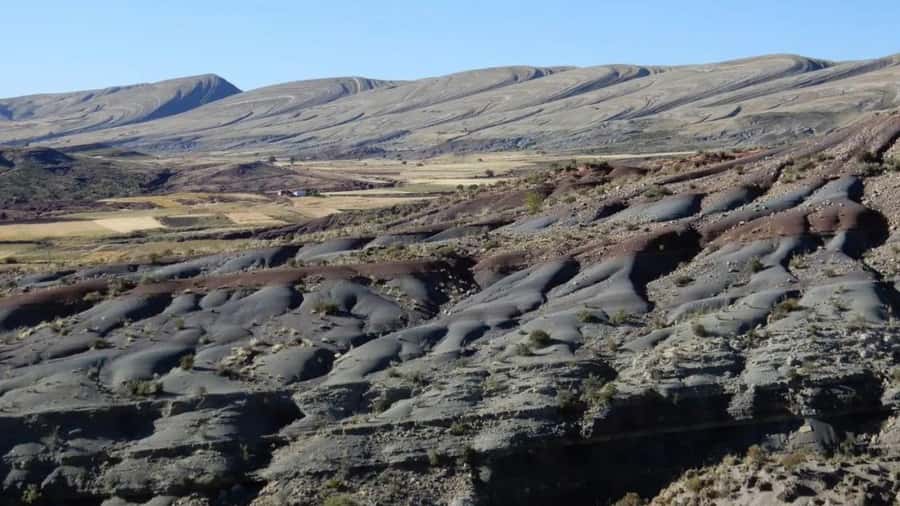
Colorful mountains make this trek hard to forget. From Sucre, you follow a 12th-century Inca trail, walk through the Chaunaca and Socapampa areas, and spend a night inside the unusual folds of the Maragua Crater.
I like the route’s variety: one morning brings stone paths and river walking, while the next brings dinosaur footprints, textile traditions, and the colorful slopes of the Frailes Mountains. I also like the small-group format, with no more than 10 people and guides such as Gari, Lizandro, Johnny, and Li praised for their good spirits and local knowledge.
The main drawback is comfort. The overnight room and meals are simple, and the first day covers about 16 kilometers with a steep climb toward the crater. Guide Li was said to walk quickly, so remind your guide if you need more time for photographs.
In This Review
- Five things to know before you book
- Why the $124 price can be good value
- Starting at Estadio Patria and reaching Chataquila
- Day one: 16 kilometers from Inca paths to Maragua
- Arriving inside Maragua Crater
- Day two: dinosaur footprints, weaving, and Majada
- Meeting Jalqa communities without rushing the culture
- What the trail feels like underfoot
- Food, water, and the shared overnight stay
- How the guide can shape the experience
- Two days or three days in the same region
- Should you book the Maragua Crater trek?
- FAQ
- How long is the trek?
- Where is the meeting point in Sucre?
- What transport is included?
- How much does the trek cost?
- What meals are included?
- Is accommodation included?
- What languages can the guide speak?
- Do I need to bring water and snacks?
- What should I pack for the trek?
- Can the trek be extended to three days?
- Who should not take this trek?
- Can I cancel after booking?
Five things to know before you book
- The first day has three very different sections: a descent on stone Inca paths, mostly level walking beside a river, and a final uphill approach to Maragua Crater.
- The crater is more than a viewpoint: you spend the night there and can visit Devil’s Throat, a good place for bird-watching.
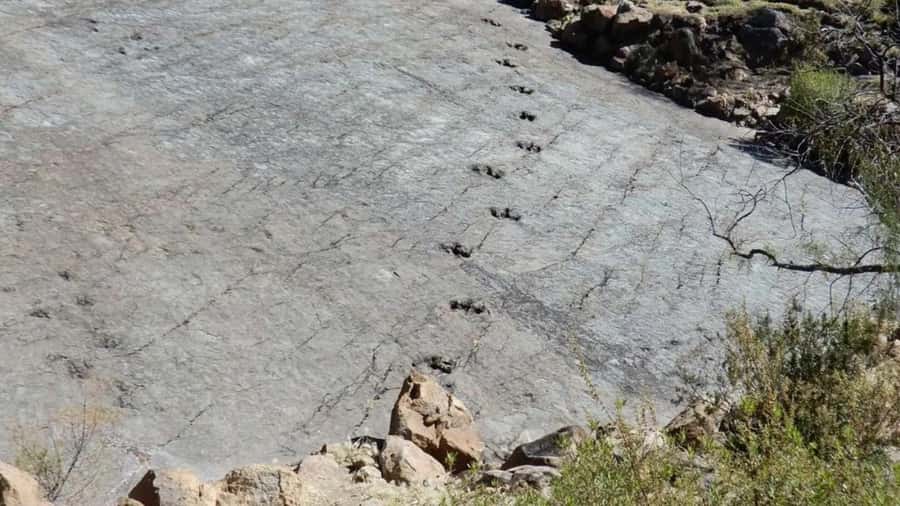
- Niño Mayo adds a rare twist: you walk to dinosaur footprints and meet a local weaver who explains the community’s textile art.
- The price includes the main costs: public transport from Sucre, private transport back, entry tickets, a guide, shared accommodation, four meals, and fruit.
- Pack light and bring your own water: water, snacks, and personal hygiene supplies are not included.
Why the $124 price can be good value
At $124 per person, this is not just a guided walk. The fee covers entry tickets, the public bus from Sucre to Chataquila, a private vehicle back to Sucre, one night in a shared room, a professional guide, one breakfast, two lunches, one dinner, and fruit.
That package makes the price reasonable, especially because the return transport is private. You do not have to arrange a vehicle from a remote mountain village after the hike, which can be a major convenience after two long days on foot.
The value also comes from the guide. This route includes local villages, cultural encounters, geology, birdlife, and archaeological features. A guide can explain what you are seeing and help you meet the local weaver in a respectful way. Gari or Gary, Lizandro, Johnny, and Li are among the guides who have led recent departures, with English and Spanish available. French may be possible, depending on guide availability.
The compromises are clear. Bring money for water and snacks, since neither is included. The accommodation is shared and basic, and the food is best approached as simple trail fare. One departure had especially good food and a pleasant hostel, but you should not book this expecting hotel comfort.
You can also read our reviews of more tours and experiences in Maragua Bolivia.
Starting at Estadio Patria and reaching Chataquila
The meeting point is the main entrance of Estadio Patria on German Mendoza Street. Plan to be there at 8:00 a.m., with the public bus leaving from about 8:15 to 9:30 a.m.
The timing is not exact because the bus may wait for more passengers. I would arrive early, keep your daypack close, and avoid planning anything important in Sucre for the evening of day two. The bus is part of the local travel experience, but it is not a private, timed departure.
Chataquila is where the walking begins. From there, the route follows old Inca stone paths toward the Chaunaca and Socapampa areas. The setting changes quickly from transport day to mountain walk, so have your hiking shoes and sun protection ready before leaving Sucre.
Day one: 16 kilometers from Inca paths to Maragua
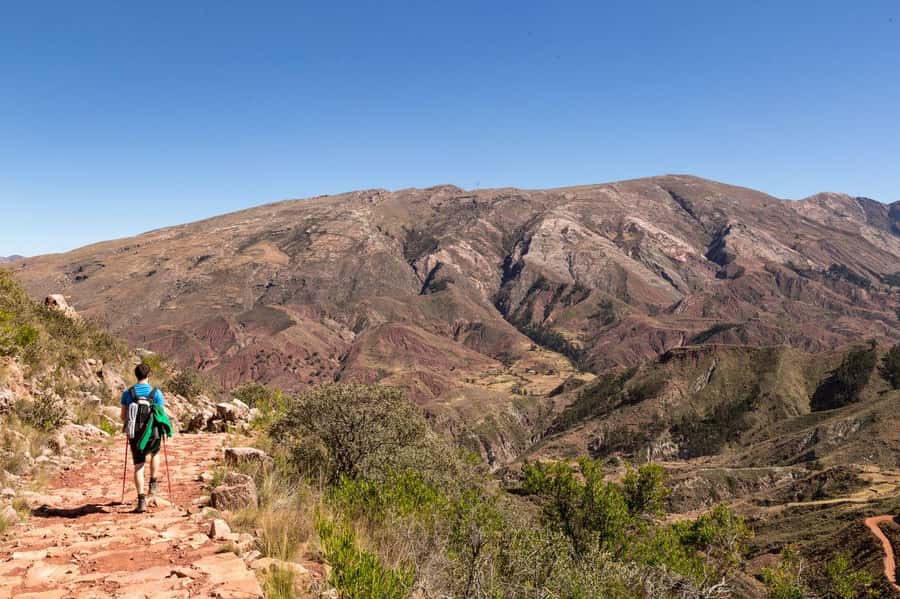
The first day is the more demanding day. You walk about 16 kilometers, and the route has three clear sections with different demands on your legs.
The opening section is a descent along the old Inca trail. The stonework gives this part a sense of age and purpose, but it also requires attention. Uneven stone can be hard on knees and ankles, especially if you are carrying too much.
The trail then follows a river. Most of this section is fairly level, with some short and gentle ups and downs. This is the easiest part for settling into the rhythm of the hike, taking photographs, and listening to your guide explain the area.
The final section climbs toward the Maragua Crater. It begins with a steep ascent, then continues along the mountain slopes until you reach the crater. This is where pacing matters. You do not need to race the group, and it is worth telling your guide early if you want regular pauses.
The changing ground is one of the route’s best features. You are not repeating the same view for six hours. Stone paths, river scenery, open mountain slopes, and the crater all arrive in sequence.
Arriving inside Maragua Crater
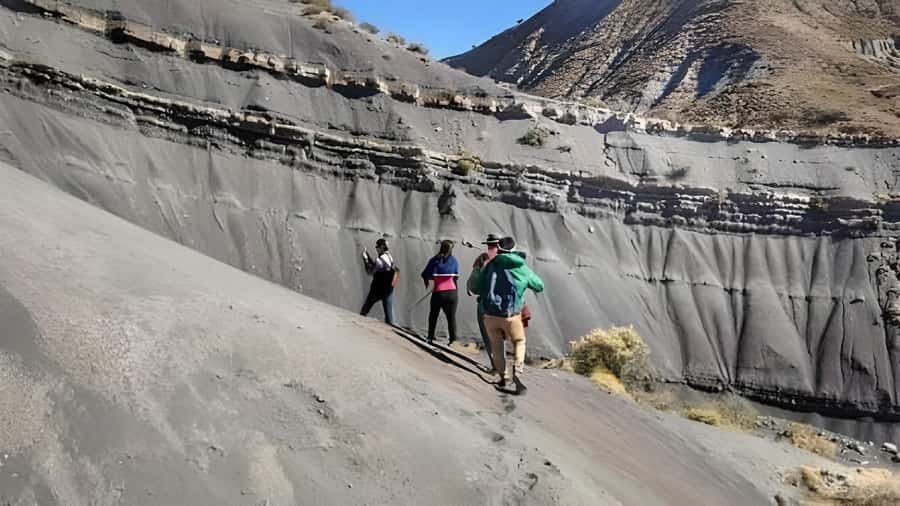
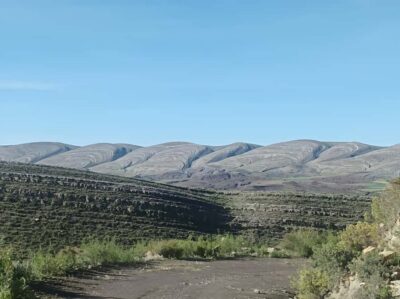
Maragua Crater is famous for its colorful, folded mountain formations. The name suggests a round volcanic crater, but the place is better understood as a dramatic natural formation with ridges and bands running across the mountains.
You spend the first night inside the crater. That gives you time to see the area beyond a quick photo stop. You can visit viewpoints such as Devil’s Throat, where the position above the surrounding terrain offers a chance to look for local wildlife, especially birds.
The crater is also a good reason to accept the simple overnight stay. Instead of hiking in, taking a few photographs, and immediately leaving, you have an evening and part of the next morning among the mountains.
Still, this is not a comfortable base in the usual holiday sense. You sleep in a shared room, and personal hygiene items are not supplied. Pack toilet paper, wet wipes, soap, a toothbrush, toothpaste, and any other items you normally need at night.
Day two: dinosaur footprints, weaving, and Majada
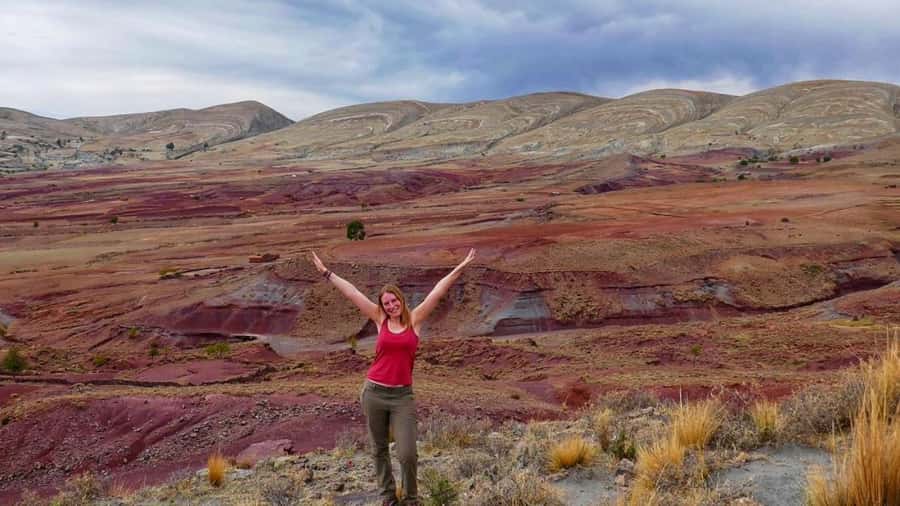
The second day starts early, with roughly 12 kilometers of walking. You begin at the lodging and cross through the Maragua Crater before climbing out toward a viewpoint.
That climb is uphill, but the reward is a broad view back into the crater. From above, the lines and colors of the surrounding mountains make more sense. This is one of the strongest photo stops of the trek, so keep your camera accessible.
Once you leave the viewpoint, the trail becomes easier. Expect short ups and downs rather than another long, hard climb. The route continues toward the dinosaur footprints at Niño Mayo, a memorable change from the Inca trail and mountain scenery.
The footprints give the walk a sense of time on a much larger scale. The route connects human history with evidence of creatures that crossed the area long before the Inca stone paths were built. Your guide can add context and explain the site, which is far more useful than simply seeing the marks and moving on.
After Niño Mayo, you visit a local weaver. The meeting gives you a direct look at Jalqa textile art, with the weaver explaining how the community’s work is made. This is one of the most valuable cultural parts of the trip because it connects the scenery to the people who live in these villages.
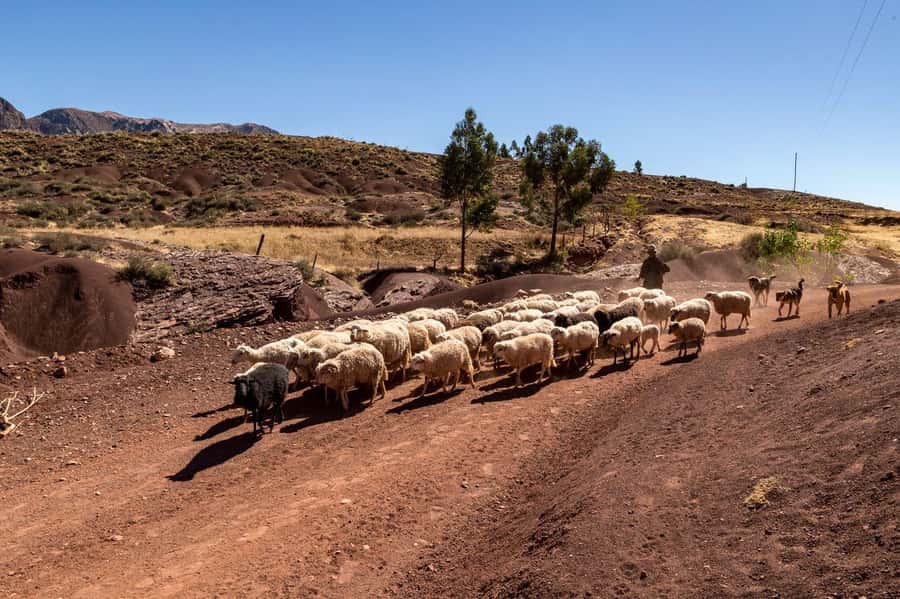
The route then continues to Majada. The walk from the footprints toward the community is described as easy but scenic, with about five kilometers through the colorful mountains of the Frailes range. After around two hours of walking, a private vehicle waits to take you back to Sucre.
That return drive is not just a transfer. The road through the mountains is a memorable final part of the trip, with broad views and a strong sense that you have reached a remote corner of Chuquisaca Department.
Meeting Jalqa communities without rushing the culture
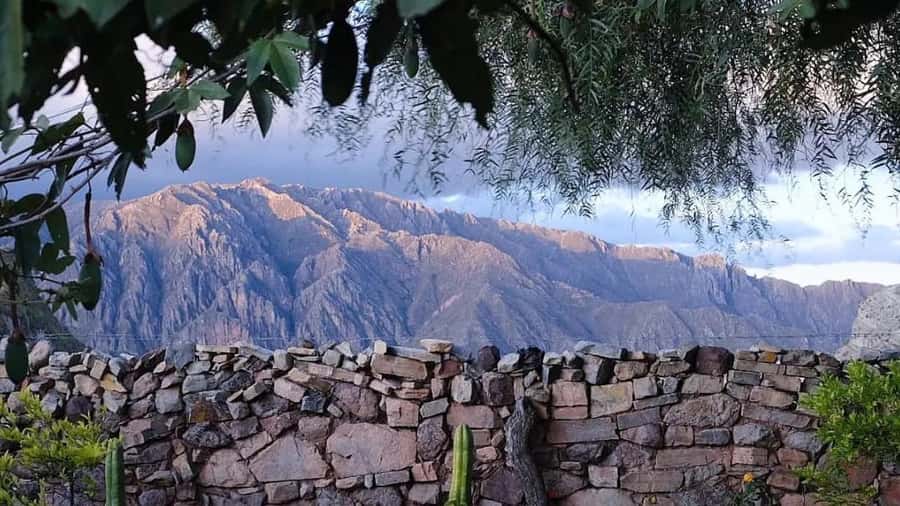
The Jalqa connection gives this trek more meaning than a simple mountain walk. You visit traditional villages and meet a local textile artist, rather than seeing the area only through a bus window or from a distant viewpoint.
The schedule does not promise a long cultural workshop, so keep your expectations realistic. The weaver explains the textile art of the community, but the time available may depend on the group, walking pace, and local arrangements.
I would treat the visit as a chance to listen and ask respectful questions. If you want to buy textiles, the supplied information does not promise a market or sales stop, so do not assume one will be available.
What the trail feels like underfoot
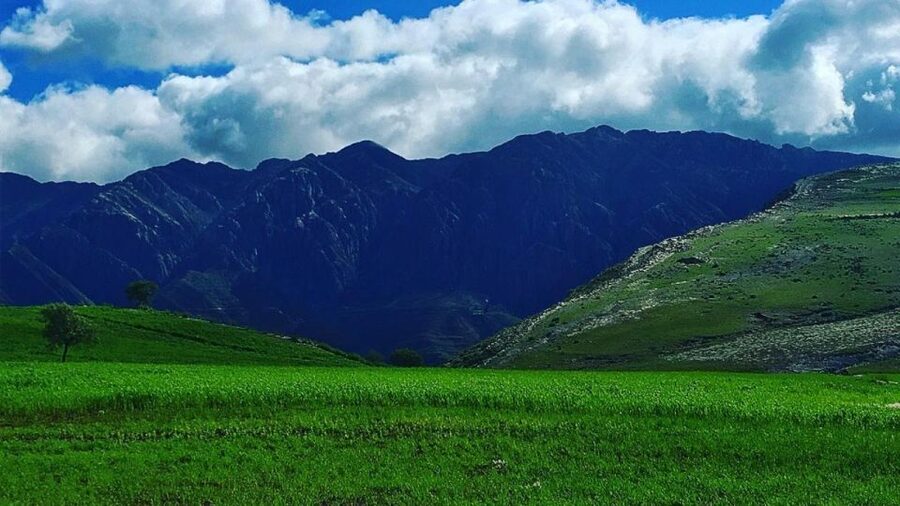
This is a proper hike, not a sightseeing stroll. The total distance is about 28 kilometers over two days, with the hardest effort concentrated in the first day’s final climb and the second day’s exit from the crater.
You should be comfortable walking for several hours on uneven ground. Hiking shoes are essential, and trekking poles could be useful for the stone descent and steep uphill sections, although they are not listed among the required items.
The tour is not suitable for children under 10, pregnant women, people with mobility impairments, people afraid of heights, or people over 95. The warning about heights matters because the route includes mountain slopes and high viewpoints, even though no elevation figures are provided.
Weather can change your comfort quickly. Bring sunscreen, a sun hat, sunglasses, rain gear, a change of clothes, and a waterproof bag. A flashlight is also important for the overnight stay, and personal medication should stay in your daypack rather than buried in your luggage.
Food, water, and the shared overnight stay
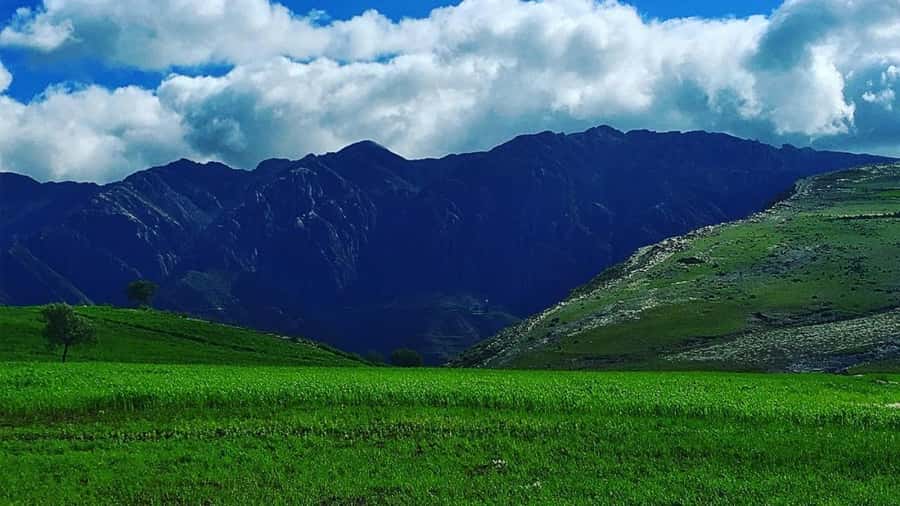
The meals included are lunch and dinner on day one, then breakfast and lunch on day two. Fruit is also provided.
Food quality may vary by departure, but the overall setup is basic and practical. One guide, Johnny, was praised for cooking well, while another departure described the meals as delicious. I would still pack a few favorite snacks because snacks are not included and you may want extra energy during the longer first day.
Water is not included. Carry enough for the hike, and do not assume you can refill whenever you need to. The packing list specifically calls for water, so treat it as essential rather than optional.
The overnight room is shared. Some people may find the simple accommodation part of the charm, while others will want to prepare mentally for a limited night’s comfort. Bring hygiene supplies, a flashlight, and warm or dry spare clothing.
How the guide can shape the experience
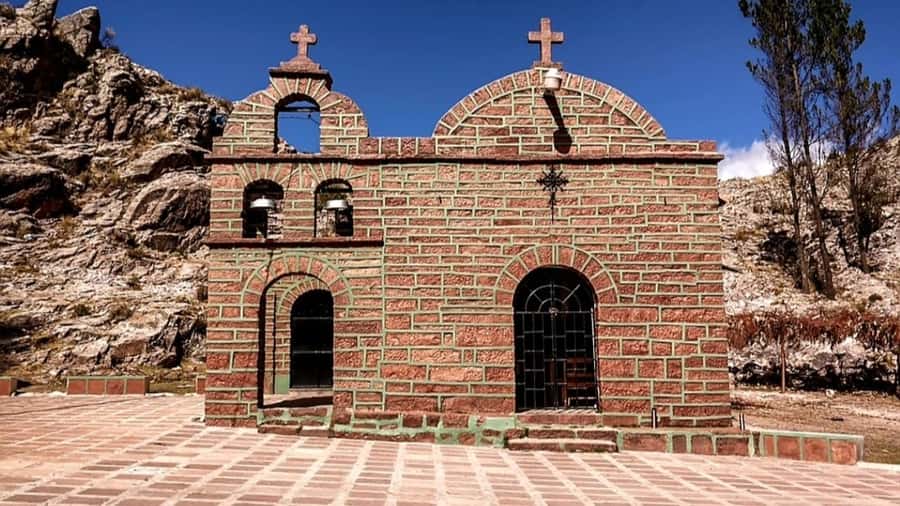
A guide is especially useful here because the trip combines several subjects: Inca routes, geology, dinosaur footprints, birds, local villages, and Jalqa textile work.
Guide Gari or Gary has been praised for patience, humor, and a genuine interest in the work. Lizandro was noted for strong English and a cheerful approach, while Johnny was remembered for taking photographs and helping with meals. Li was praised for stories and explanations about the footprints, birds, and local area, though his fast walking pace meant less time for photographs.
These details point to one practical tip: tell your guide what kind of day you want. If photographs matter to you, say so at the start. If you want to walk steadily, ask about the pace before setting off. A small group of up to 10 people makes this sort of adjustment more realistic than on a large bus tour.
The provider was founded by former CondorTrekkers guides who started their own business. That background may appeal to you if you want a small local operation rather than a large commercial outfit.
Two days or three days in the same region
The standard trip takes two days, but you can ask about extending it to three days and two nights. The longer option adds the Tumpeca area.
Tumpeca includes rock paintings, unusual geological formations, ancient trails, forests, and contact with surrounding communities. The extra day would suit you if you prefer a slower pace or want more time for the cultural and geological side of the region.
The two-day version is the better fit if your Sucre schedule is tight. It covers the main route, the crater, Devil’s Throat, dinosaur footprints, the weaver, and Majada without adding another night away. The three-day option makes more sense if you want time rather than simply more distance.
Should you book the Maragua Crater trek?
Book this trek if you want varied scenery, a real walking challenge, and local cultural contact in one compact trip from Sucre. The Inca stone trail, Maragua Crater, Niño Mayo footprints, Jalqa weaving, and Frailes Mountains give the route much more range than a single viewpoint excursion.
I would be more cautious if you dislike shared rooms, simple meals, public transport, or steep mountain paths. The first day is long, water and snacks are your responsibility, and the weather can make the open terrain feel demanding.
For a prepared hiker, $124 is a fair price because it includes transport, accommodation, meals, entry fees, fruit, and a guide. Pack light, carry water, bring rain protection, and tell your guide when you need a photo stop. If that sounds like your kind of adventure, this is one of the strongest two-day outings you can make from Sucre.
FAQ
How long is the trek?
The experience lasts two days. The first day covers approximately 16 kilometers, and the second day covers approximately 12 kilometers.
Where is the meeting point in Sucre?
Meet at 8:00 a.m. at the main entrance of Estadio Patria on German Mendoza Street.
What transport is included?
A public bus takes you from Sucre to Chataquila. A private vehicle returns you to Sucre from the Majada area on the second day.
How much does the trek cost?
The price is $124 per person.
What meals are included?
You receive lunch and dinner on the first day, breakfast and lunch on the second day, plus fruit.
Is accommodation included?
Yes. One night in a shared room is included.
What languages can the guide speak?
Guiding is available in English and Spanish. French may be available depending on guide availability.
Do I need to bring water and snacks?
Yes. Water and snacks are not included, so you should bring your own supply.
What should I pack for the trek?
Bring sunglasses, a sun hat, swimwear, a change of clothes, hiking shoes, sunscreen, water, rain gear, a passport or copy, a flashlight, personal medication, a waterproof bag, and an ID card or copy.
Can the trek be extended to three days?
Yes. A three-day, two-night option can include Tumpeca, with rock paintings, geological formations, ancient trails, forests, and local communities.
Who should not take this trek?
The experience is not suitable for children under 10, pregnant women, people with mobility impairments, people afraid of heights, or people over 95.
Can I cancel after booking?
You can cancel up to 24 hours in advance for a full refund. A reserve-now, pay-later option is also available.
More Tour Reviews in Maragua Bolivia
Not for you? Here's more nearby things to do in Maragua Bolivia we have reviewed
Sucre Tours, compared
 ★ 4.8Walking tour in Sucre: History, Culture & Amazing ViewsFrom $1379 reviews
 ★ 4.8Sucre: 1-Day Trek in the Crater of Maragua and Inca TrailsFrom $9475 reviews
 ★ 4.8Sucre: Free Walking tour (History, culture and traditions)From $047 reviews
 ★ 4.9Sucre: Sunrise, the Crater de Maragua and old Cave PaintingsFrom $10513 reviews
Browse the lists this tour appears in