
Reviewed · SANTA CRUZ TOURS
Discover Santa Cruz and Porongo
Santa Cruz changes character in just three hours. This $69 outing links Cristo Redentor, the central square, the cathedral, modern Equipetrol, wealthy Urubó, and peaceful Porongo in one compact ride. I like the sharp contrast between city and village, and I like the chance to see Chiquitano architecture without committing a full day to the Jesuit mission towns.
The trade-off is pace and guide consistency. You will cover a lot of ground, but some stops are brief, and one guest found the historical explanation weak, including basic facts about the cathedral. Guides Joel and Sergio received especially warm praise for being friendly, punctual, patient, and informative, so your experience may depend greatly on who leads the van.
In This Review
- Key points at a glance
- A fast introduction to Santa Cruz from Equipetrol
- Cristo Redentor: Santa Cruz’s symbolic first stop
- The Altar Chiquitano and the mission connection
- 24 de Septiembre Square and the Metropolitan Cathedral
- Equipetrol and Urubó: modern Santa Cruz on display
- Porongo brings a slower rhythm
- What $69 buys you in three hours
- The guide can shape the whole experience
- Who should book this Santa Cruz outing?
- Should you book Discover Santa Cruz and Porongo?
- FAQ
- How much does the tour cost?
- How long does the experience last?
- Where does pickup take place?
- What languages does the guide speak?
- Which places are included in the route?
- Is transportation included?
- Do I need to pay any entrance fee?
- Can I cancel or pay later?
Key points at a glance
- Cristo Redentor in a short stop: You get a photo opportunity and a broad view of one of Santa Cruz’s best-known symbols.
- Two looks at Chiquitano culture: The Altar Chiquitano and Porongo’s church connect the city visit with the region’s mission-era traditions.
- A real city-to-village contrast: Equipetrol and Urubó show modern Santa Cruz, while Porongo offers a slower local setting.
- Built for a tight schedule: The three-hour route suits you if time is limited, though it leaves little room for lingering.
- Simple pricing: The $69 fee includes downtown hotel transport and a Spanish- and English-speaking guide, but not the small Porongo viewpoint fee.
- Guide quality matters: Joel and Sergio earned strong praise, while one account noted limited historical detail from another guide.
A fast introduction to Santa Cruz from Equipetrol
The outing begins with pickup from your downtown hotel, with Barrio Equipetrol listed as the pickup point. You should look or ask for Buhos Tours, and you need to leave a WhatsApp number so the company can reach you in an emergency.
Transportation is by van. That matters here because the route is spread across several parts of Santa Cruz and then crosses out to Porongo. You are not simply walking around the center; you are seeing how the city changes from monument and plaza to business district, residential zone, and village.
The advertised duration is three hours. That is enough for a useful first look, but not enough for long museum visits, extended church study, or an unhurried coffee in every neighborhood. I would treat this as a broad orientation tour rather than a slow cultural outing.
You can also read our reviews of more tours and experiences in Santa Cruz De La Sierra.


Cristo Redentor: Santa Cruz’s symbolic first stop
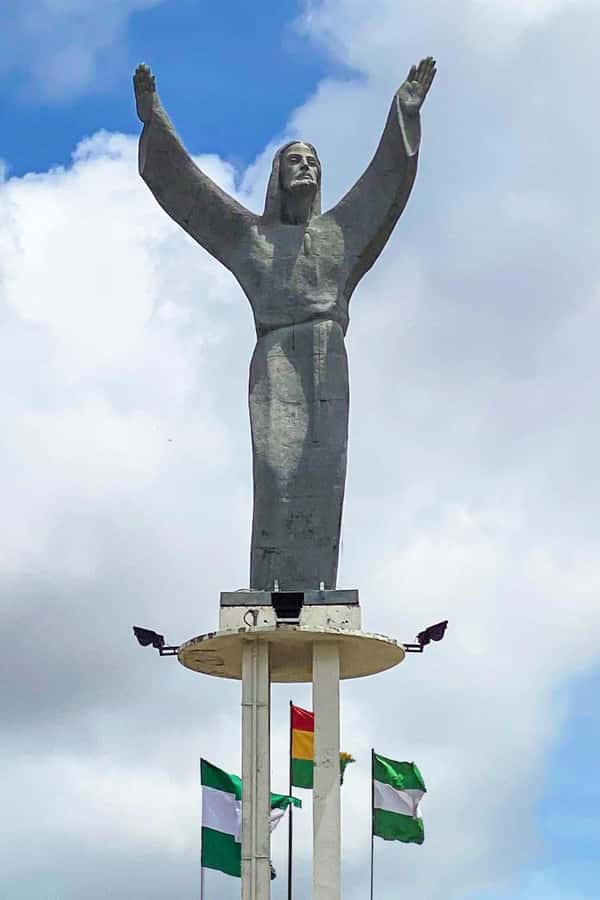
The first named stop is the Cristo Redentor monument. The statue carries strong meaning for the people of Santa Cruz and gives the tour an immediate landmark rather than easing you in with a long drive around anonymous streets.
The planned visit here lasts about 15 minutes. That is enough to take photographs, see the monument, and enjoy a panoramic view, but you should not expect a long guided talk or time to explore a large surrounding area.
I like this opening because it gives you a visual reference for the city. You begin with a recognizable symbol, then spend the rest of the outing seeing the different sides of Santa Cruz around it. Bring sunglasses, a hat, sunscreen, and a camera; the supplied advice points clearly toward a sunny outdoor stop.
The practical drawback is obvious: a 15-minute visit can feel rushed if the viewpoint is busy or you want several photographs. Wear comfortable shoes and breathable clothing, even though much of the tour takes place in the van.
The Altar Chiquitano and the mission connection
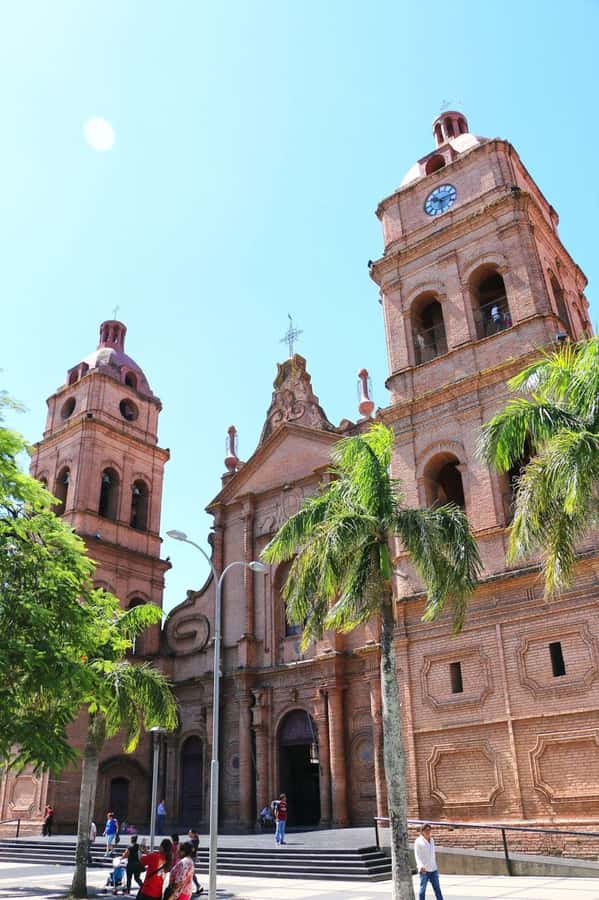
After Cristo Redentor, the route turns toward the Altar Chiquitano. This cultural space honors the heritage of the Jesuit Missions and uses Chiquitano architectural ideas to connect Santa Cruz with eastern Bolivia’s wider cultural story.
That connection is valuable because the tour does more than show you commercial streets and monuments. It gives you a small introduction to the Chiquitano tradition before taking you to Porongo, where you see a church linked to the same mission-era world.
The stop is best approached as an introduction, not a substitute for visiting the Jesuit mission towns themselves. The tour does not provide a full-day exploration of mission communities, and the short schedule limits how much context your guide can provide. Still, if you have only one morning or afternoon in Santa Cruz, this pairing gives the city tour more cultural weight.
Pay attention to the building details and ask questions. Since the historical depth of the guiding can vary, you may get more from the stop if you actively ask about the Chiquitano style, the Jesuit Missions, and how the tradition appears in modern Santa Cruz.
24 de Septiembre Square and the Metropolitan Cathedral
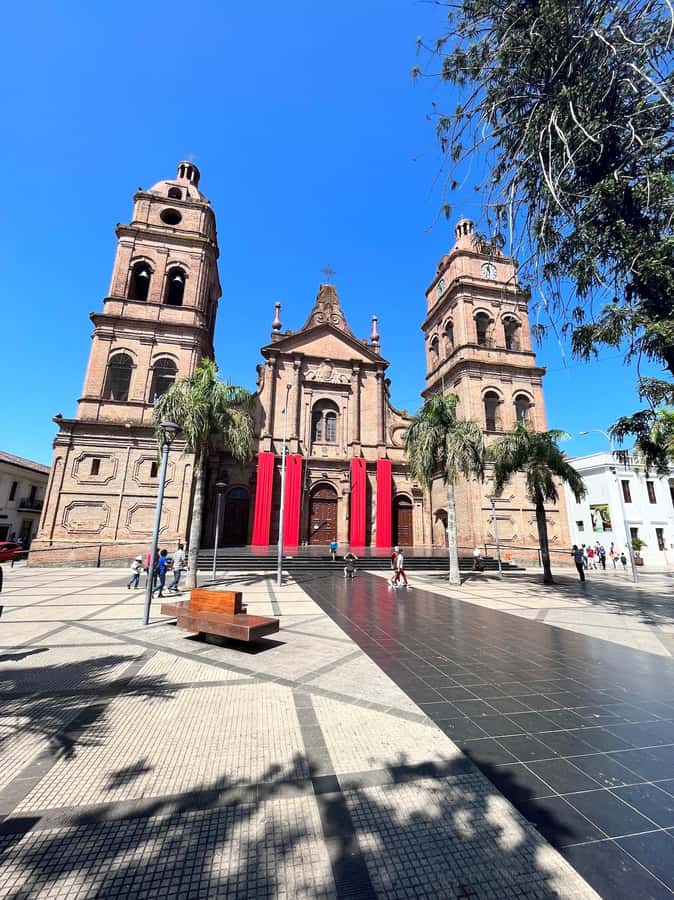
The central 24 de Septiembre Main Square is the tour’s clearest look at Santa Cruz’s civic heart. The square combines colonial features with newer city life and is surrounded by cafes, museums, and places where local daily activity continues around the historic center.
I would use this stop to get your bearings. It is the kind of place where you can compare the city’s older identity with its modern growth in a single view. The tour includes sightseeing and walking, but the exact time is limited, so do not plan on a long cafe break unless the guide has room to adjust the schedule.
The Metropolitan Cathedral follows as an important architectural and religious stop. You can see its imposing design, stained-glass windows, and religious art, while your guide explains its background. For many people, this will be the most rewarding stop in the central area because it brings together architecture, worship, and Santa Cruz’s public history.
Here, guide quality is especially important. One account praised the guide as kind but felt he lacked basic knowledge about the city and could not provide the foundation date of its major church. That is a fair warning if you want detailed historical interpretation. Other named guides, particularly Joel and Sergio, received praise for being informative and engaged, but you should still ask for clarification if an explanation feels thin.
Equipetrol and Urubó: modern Santa Cruz on display
The route then shifts from the center to Equipetrol, Santa Cruz’s modern commercial and business district. This area is known for exclusive shops, restaurants, and a more polished side of city life.
Equipetrol also serves as the practical starting point for the outing, so you get to see the area both as a pickup zone and as part of the city tour. It is not presented as an old quarter or a museum district. Its value is contrast: after the cathedral and central square, you see the newer economic face of Santa Cruz.
Next comes Urubó, an upscale residential area surrounded by lush vegetation and developed properties. The zone is known for exclusive residences and a quiet atmosphere. You are likely to see it mainly from the van, making this more of a passing city-and-suburb view than a formal sightseeing stop.
That may sound less exciting than a monument, but I think it helps explain Santa Cruz’s range. The tour shows you a city with historic religious spaces, busy commercial districts, high-end residential development, and nearby villages. If you want only old buildings, this portion may feel less essential. If you want to understand the city’s present-day shape, it earns its place.



Porongo brings a slower rhythm
The largest change in mood comes when you leave Santa Cruz for Porongo. The village offers a more relaxed setting where daily life moves at a slower pace and you can see a different side of the area’s people and communities.
Porongo is not presented as a packed attraction zone. Its appeal is the change in rhythm. After the roads and districts of the city, the village gives you room to notice local surroundings and enjoy a more personal sense of place. The tour description emphasizes the warmth of its people, though the three-hour schedule means your visit remains short.
The Chiquitana Church in Porongo is the cultural centerpiece. It is described as an authentic church from the period of the Chiquitano Missions, with distinctive architecture and a strong connection to the region’s past. This stop makes the earlier Altar Chiquitano visit easier to understand: you first see a cultural presentation in the city, then encounter a historic church in a village setting.
You may also need to pay a small entrance fee for the Mirador in Porongo. It is not included and costs USD 0.75 or BOB 5. Carry cash in small amounts so this minor extra does not slow you down.
Porongo is likely to be the part I would value most if I wanted something beyond a standard city circuit. The center of Santa Cruz can show you monuments and buildings, but Porongo gives the route a human scale. The downside is that a brief visit cannot offer a full picture of village life. Think of it as a carefully chosen glimpse rather than a long rural outing.
What $69 buys you in three hours
At $69 per person, this tour is not the cheapest way to see Santa Cruz. Its value comes from combining several separated areas in a short time while handling the transport between them.
The fee includes transportation from downtown hotels and a bilingual guide in Spanish and English. That is useful in Santa Cruz because the route includes the center, Equipetrol, Urubó, and Porongo rather than one compact walking district. If you had to arrange separate rides to each area, you would lose time and face more planning.
The price makes the most sense for three types of visitors:
- You have only a short stay and want a broad introduction.
- You prefer organized transport instead of negotiating several local rides.
- You want both city landmarks and a nearby village in one outing.
The value is weaker if you are staying for several days and enjoy exploring slowly on foot. You might prefer to visit the central square and cathedral at your own pace, then arrange a separate, longer visit to Porongo or the mission towns. This outing is about coverage and convenience, not depth at every stop.
No meals or other extras are included in the supplied details. The only named additional cost is the Porongo viewpoint entrance. Plan for your own drinks, snacks, and small expenses without assuming they are part of the price.
The guide can shape the whole experience
The strongest praise goes to the guides’ manner and practical care. Joel was described as kind, personable, punctual, attentive, patient, polite, and able to explain the main attractions clearly in a short period. A solo woman visiting Bolivia for the first time found the tour a safe and efficient way to use limited time.
That is important. A three-hour route needs a guide who keeps the schedule moving without making you feel hurried or ignored. Joel appears to have done that well, and he was also described as a source of local pride and useful information.
Sergio was also singled out for being helpful, competent, friendly, and devoted to showing the beauty of Bolivia. Those comments suggest that Buhos Tours can provide a warm and personal experience when the right guide is assigned.
Still, the guide is not a minor detail. One guest found the guide pleasant but weak on city history and better suited to driving than explaining. The overall score is 4.5 out of 5 from seven ratings, which points to a generally positive experience but not a flawless one.
If historical facts are your main reason for booking, ask questions early and judge the level of explanation for yourself. If your priority is reliable transport, kind service, and seeing the main places quickly, the guide’s attitude may matter more than a long lecture.
Who should book this Santa Cruz outing?
I would recommend it to first-time visitors who want a quick orientation and to anyone with a tight schedule. It also suits solo visitors who prefer prearranged transport and a bilingual guide while getting familiar with the city.
It is a good fit if you want variety. In one short outing, you see a monument, cultural space, public square, cathedral, business district, affluent residential area, and village church. Few stops receive much time, but the range is impressive for the duration.
I would hesitate to recommend it to you if you want a slow, detailed study of Santa Cruz’s architecture or church history. The route is too compressed for that, and the quality of historical commentary may vary. You should also confirm the pickup point if you are not staying downtown, since hotel transport is limited to central locations.
Bring comfortable shoes, sunglasses, a sun hat, sunscreen, breathable clothing, cash, and your passport or identification card. A copy of your passport or ID is accepted according to the tour information.
Should you book Discover Santa Cruz and Porongo?
Book it if you want to cover Santa Cruz efficiently and see Porongo without arranging several separate rides. The city-and-village contrast is the tour’s best feature, and the Chiquitano stops give the experience more substance than a simple drive past landmarks.
Skip it if you want long visits, detailed historical teaching, or the freedom to set your own pace. At $69, the tour earns its price through convenience, bilingual service, and broad coverage. For a short stay, that is a fair trade. Just allow for brief stops, carry the small Porongo fee, and remember that your guide will strongly shape the quality of the explanations.
FAQ
How much does the tour cost?
The price is USD 69 per person.
How long does the experience last?
The advertised duration is three hours.
Where does pickup take place?
Pickup is included from downtown hotels, with Barrio Equipetrol listed as the pickup location. If you are staying outside the downtown area, confirm the meeting point before booking.
What languages does the guide speak?
The live guide service is available in Spanish and English.
Which places are included in the route?
The route includes Cristo Redentor, the Altar Chiquitano, 24 de Septiembre Main Square, the Metropolitan Cathedral, Equipetrol, Urubó, Porongo, and the Chiquitana Church in Porongo.
Is transportation included?
Yes. Transportation from your downtown hotel is included, and the route is operated by van.
Do I need to pay any entrance fee?
The Mirador in Porongo is not included and costs USD 0.75 or BOB 5.
Can I cancel or pay later?
You can cancel up to 24 hours in advance for a full refund. The booking option also allows you to reserve now and pay later.
More Tour Reviews in Santa Cruz De La Sierra
Not for you? Here's more nearby things to do in Santa Cruz De La Sierra we have reviewed
Santa Cruz Tours, compared
 ★ 4.7Santa Cruz: Wildlife Sanctuary and Preservation Park TourFrom $8573 reviews
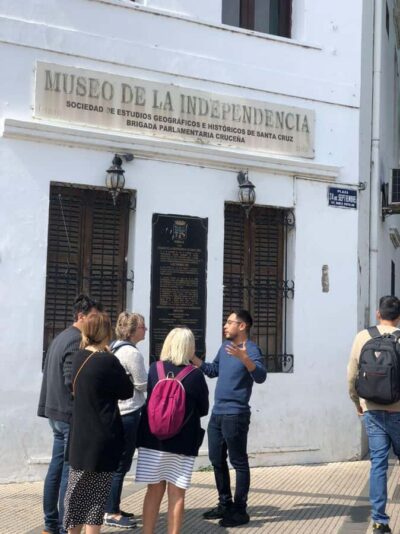 ★ 4.8Walking tour – A journey through the History of Santa CruzFrom $1161 reviews
 ★ 4.7Santa Cruz: Lomas de Arena SandboardFrom $3934 reviews
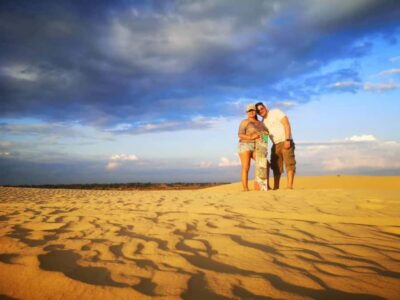 ★ 4.6Lomas de Arena Sandboarding TourFrom $4925 reviews
Browse the lists this tour appears in