
Reviewed · LAKE TITICACA & COPACABANA
From La Paz: Tiwanaku and Lake Titicaca One-Day Tour
Two major Bolivian sights, one long day. This private outing pairs Tiwanaku’s stonework with Lake Titicaca’s open water, and I like the private transport and door-to-door hotel pickup. I also like having a live local guide to explain the Monolith, the ceremonial gates, and Incan culture instead of leaving you to guess at the stones. The main drawback is simple: you spend a good part of the day in the car.
The schedule runs from about 8:00 AM to 4:00 PM, with Tiwanaku, lunch, Huatajata, and a ride in a traditional totora boat. That makes this a useful sampler of two important Bolivian sights, but it is not a slow, deeply detailed visit to either one.
In This Review
- Key points at a glance
- Starting in La Paz at 8:00 AM
- Tiwanaku’s Monolith, gates, and Kalasasaya
- The Archaeological Museum and village lunch
- Huatajata and the totora boat ride
- The order may change during the day
- What the $212 price includes
- The guide can make or break the ruins visit
- Who should book this day trip?
- Should you book the Tiwanaku and Lake Titicaca tour?
- FAQ
- How much does the tour cost?
- How long does the experience last?
- What is included in the price?
- Are entrance fees included?
- Where does pickup take place?
- What languages are available?
- Is this a private tour?
- What will I see at Tiwanaku?
- Is lunch provided?
- What should I bring?
Key points at a glance
- Two headline sights in one day: Visit the Tiwanaku ruins and the shores of Lake Titicaca without arranging separate transport.
- A genuine private outing: Pickup is available from all La Paz hotels and hostels, with an air-conditioned private car and a private group.
- Strong guiding is central: Guides speak English or Spanish, and David has been praised alongside driver Diego for making the day flexible and pleasant.
- The totora boat ride is the unusual extra: At Huatajata, you meet boat builders and ride across the lake in one of their reed vessels.
- Budget for the entrance fee: The tour costs $212 per person, while admission fees of 200 Bolivianos per person are extra.
- Expect a full road day: The listed 30-minute duration conflicts with the stated 8:00 AM to 4:00 PM schedule, so confirm the timing before booking.
Starting in La Paz at 8:00 AM
The day begins with pickup from your hotel or hostel in La Paz at 8:00 AM. You do not need to find a meeting point across town, which is a real advantage in a busy city where an early transfer can otherwise eat into your morning.
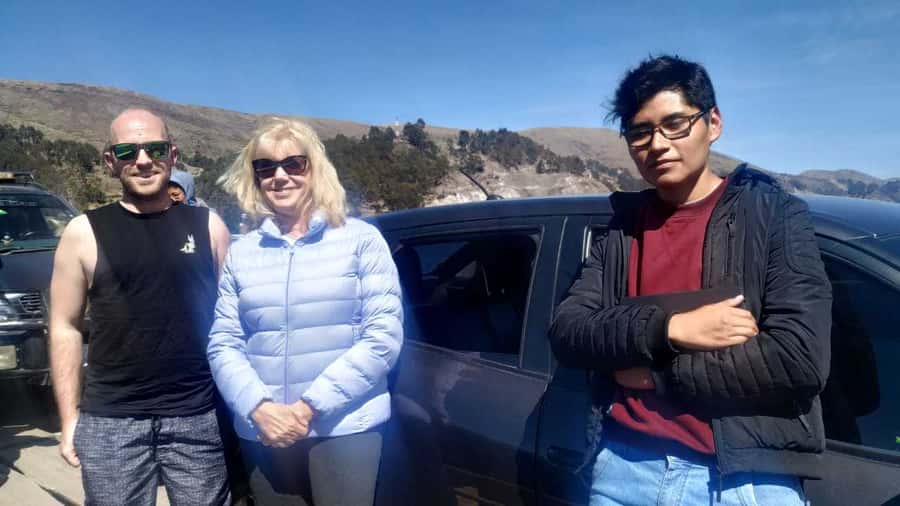
Transport is by air-conditioned private car. That matters here because the experience links two separate places, and the road time is not a minor detail. You get comfort, flexibility, and a quieter ride than you would normally have in a large group vehicle.
The group is private, so you can ask questions at your own pace. If you are curious about the Monolith, the Puerta del Sol, or the local boat-building tradition, you do not have to wait for a guide to finish addressing a busload of people.
There is one scheduling issue to clear up. The activity details list the duration as 30 minutes, but the actual plan says pickup at 8:00 AM and return to La Paz at about 4:00 PM. Treat this as a full-day outing and confirm the exact schedule when you reserve.
You can also read our reviews of more tours and experiences in La Paz.


Tiwanaku’s Monolith, gates, and Kalasasaya
Tiwanaku is the main cultural stop, and you spend more time here than at Lake Titicaca. That is sensible. The archaeological area has several separate points of interest, and it is much easier to appreciate them when a guide explains what you are looking at.
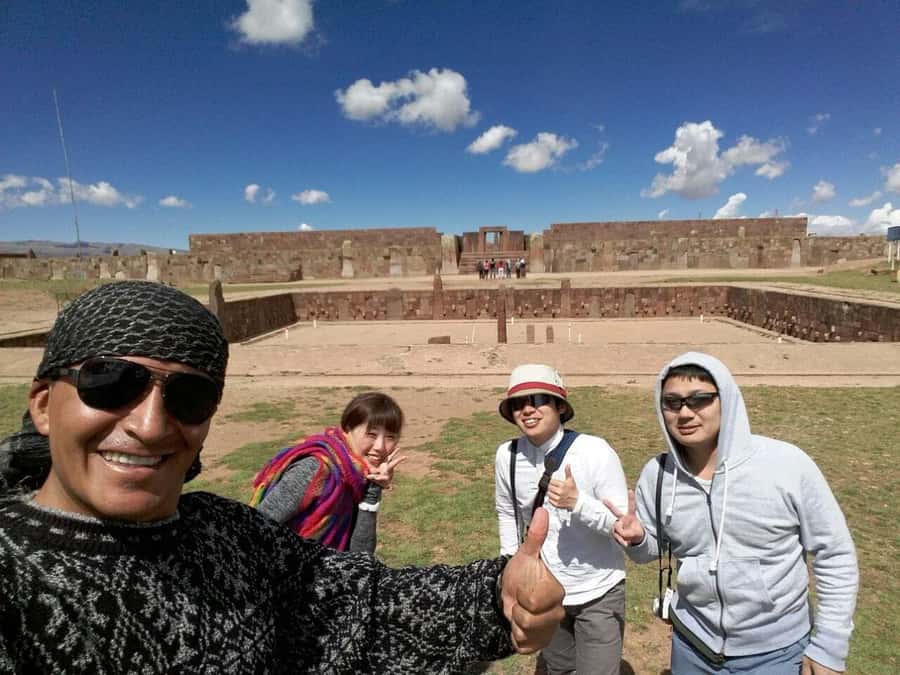
The tour includes the Monolith, where your guide discusses the site’s mysteries and meaning. This is the sort of stop where a local guide adds real value. Without context, a carved stone can be impressive but hard to read. With an explanation, you can pay attention to the symbols, form, and role it held within the site.
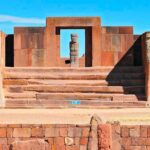
You also visit the Puerta del Sol, or Gate of the Sun. The Puerta de la Luna, or Gate of the Moon, is included as well. These are the recognizable features you are likely hoping to see when you book a Tiwanaku excursion from La Paz.
The Temple of Kalasasaya rounds out the main archaeological visit. Your guide explains the site and its connection to local culture, helping you see Tiwanaku as more than a collection of old stones. The focus is cultural and interpretive rather than just photographic.
The site is not presented as a rival to every major archaeological complex in South America. One booking comment made that comparison directly, finding Tiwanaku interesting but less impressive than other large sites on the continent. I think that is a useful expectation: come for the carved details, ceremonial setting, and cultural explanation, not for a giant ruined city that takes an entire day to explore.
The Archaeological Museum and village lunch
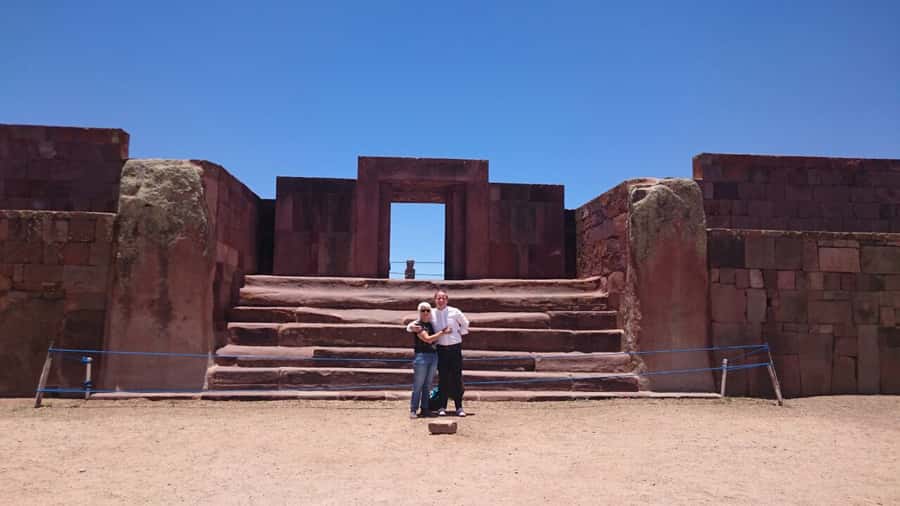
After walking among the ruins, you visit the Archaeological Museum in Tiwanaku. The museum adds small, portable objects to the larger outdoor site, with a selection of artifacts that helps you connect the stonework to the people and practices behind it.
I like this museum stop because it changes the pace. The ruins give you broad shapes and monumental features; the museum gives you artifacts you can study at close range. It also gives you a break before the next leg of the drive.
Lunch takes place in the village. The meal is included, and one particularly positive description called it plentiful and very tasty. You should still provide any dietary restrictions when booking, since the operator specifically asks for that information in advance.
This is a local lunch rather than a meal built around a long restaurant experience. You will want to think of it as fuel and a cultural pause between the two major stops. It keeps the day moving, which is important when you are trying to fit Tiwanaku and Lake Titicaca into one outing.
Snacks and water are also included. Those small extras are helpful on a road-based day, though I would still bring warm clothing and comfortable shoes as requested in the practical information.
Huatajata and the totora boat ride
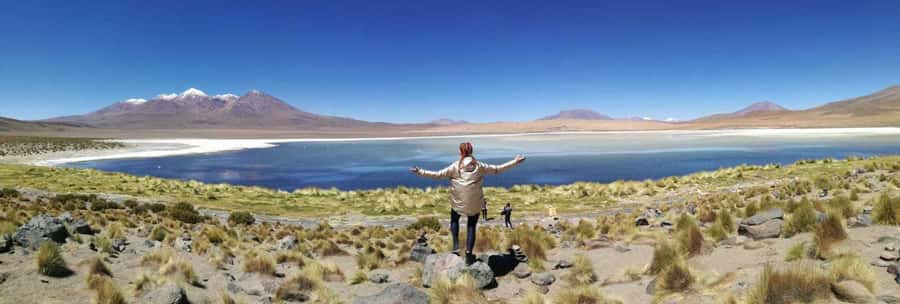
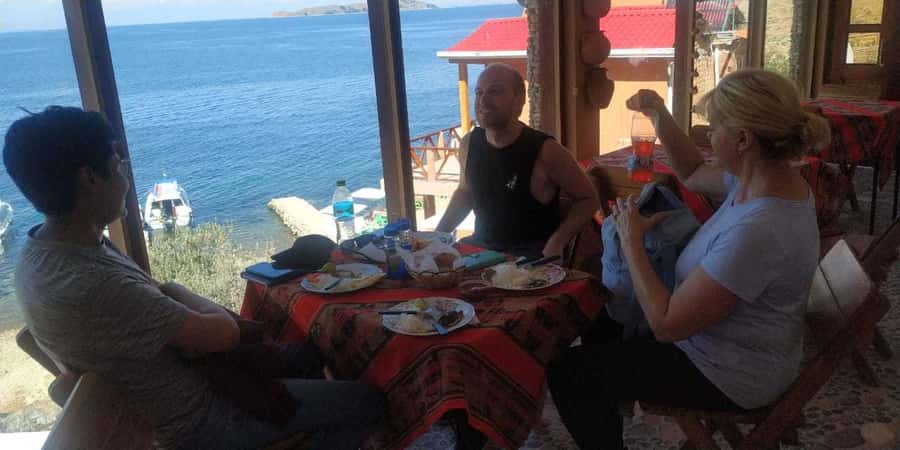
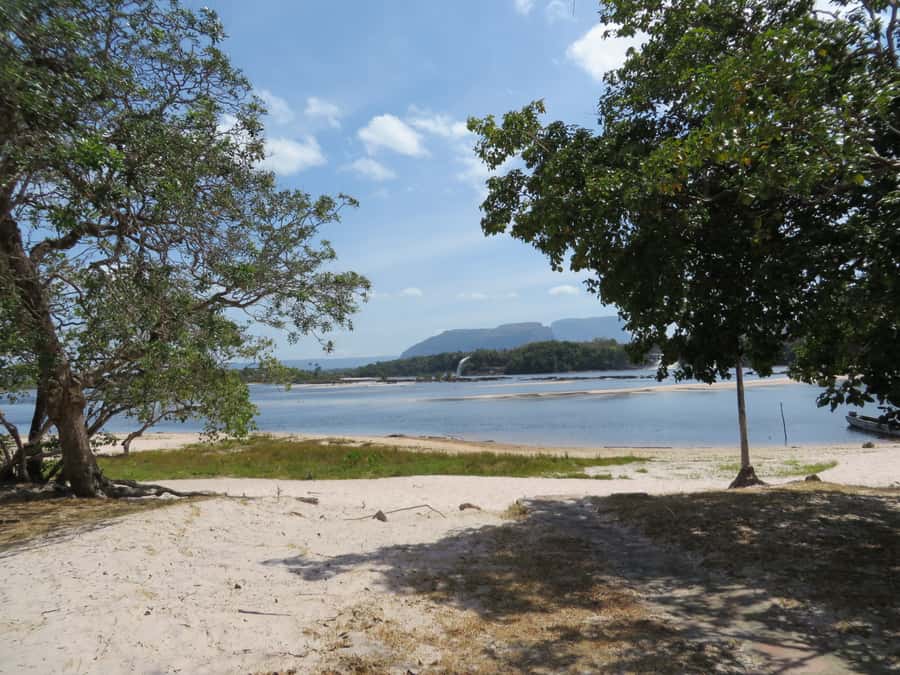
After lunch, the route continues to Huatajata, a town on the shores of Lake Titicaca. This is not simply a viewpoint stop. You meet people who build traditional totora boats and then take a ride on one of these reed vessels.
For many people, the boat ride will be the most memorable part of the lake visit. It gives you an activity rather than a quick look from the roadside, and it connects the scenery with a local craft tradition. You can also take photographs of the lake and surrounding area during this portion of the day.
The lake itself is the setting, of course. Lake Titicaca is known as the world’s highest lake, and its wide open water gives the afternoon a very different feel from the stone courtyards at Tiwanaku.
Still, keep the scope clear. This is a Huatajata visit and totora boat ride, not a full exploration of Lake Titicaca. The route includes driving to the shore and spending time around the boat-building tradition, but the day does not include a longer island visit or an overnight stay.
One booking comment found the lake portion too limited, with too much time in the car and too little time at the shore. That is the central trade-off of this tour. If you mainly want to see Tiwanaku and add a taste of the lake, the balance works. If Lake Titicaca is your main priority, you may want a separate, slower trip.
The order may change during the day
The advertised plan places Tiwanaku before Huatajata, but the order can apparently be reversed. One successful outing visited Lake Titicaca first and Tiwanaku second, and the change made sense because Tiwanaku requires more time.
That flexibility can be useful. A private group is easier to adjust than a large scheduled coach, and the guide can shape the day around road conditions and the amount of time needed at the archaeological site.
You should not assume the order is fixed. If you have a strong preference, ask when booking. The key point is that the tour still combines both destinations in one day, but the sequence may vary.
The return to La Paz is planned for approximately 4:00 PM. Since road time is a major part of the experience, avoid scheduling an important evening connection too tightly after the tour.


What the $212 price includes
At $212 per person, this is not a budget sightseeing outing. The price makes more sense if you value privacy, hotel pickup, and having one vehicle and guide handle the entire day.
Included in the price are:
- A local guide
- Hotel pickup and drop-off
- An air-conditioned private car
- Lunch
- Snacks
- Water
The private setup is the main value point. You are not just buying entrance to two places; you are paying for the coordination of a long route, a driver, a guide, and a meal. If you are traveling as a small private group, that convenience may justify the cost.
Entrance fees are not included. The stated admission cost is 200 Bolivianos per person, so add that to your budget. The tour includes a skip-the-ticket-line benefit, but that does not remove the admission charge itself.
Free cancellation is available up to 24 hours before departure, and you can reserve now and pay later. Those terms are useful if your La Paz plans are still shifting. Travel insurance is not included.
The guide can make or break the ruins visit
The strongest part of the experience is the guide service. Tiwanaku has enough separate features that a rushed or vague explanation would leave you with a few photographs and little understanding. The best version of this outing gives you a clear story for the Monolith, the two gates, Kalasasaya, and the museum objects.
English and Spanish guiding are available. Guide David and driver Diego have both been singled out for making the day flexible, considerate, and fun. You cannot assume they will be assigned to every departure, but their example shows the sort of personal service this private format can offer.
A private group also lets you ask for more detail at the archaeological site and less time at a stop that does not interest you. That is especially useful if one person in your group is focused on history while another mainly wants the lake and boat ride.
Who should book this day trip?
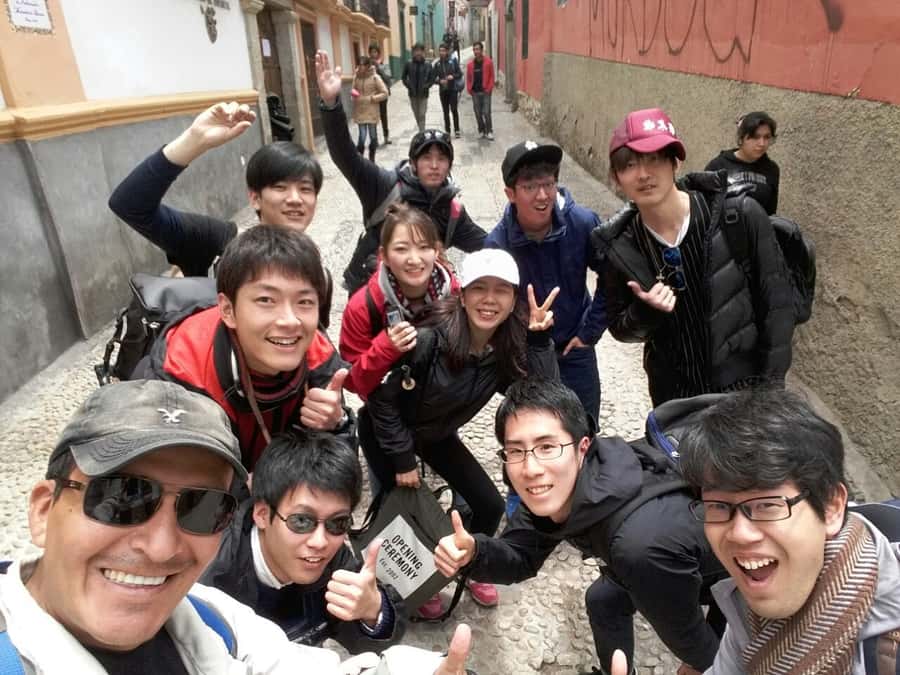
I would recommend this tour to you if you have limited time in La Paz and want to combine the area’s most obvious cultural and natural highlights. It works well for couples, families, or friends who prefer a private car and do not want to arrange two separate day trips.
It is also a good fit if you like having a guide nearby but do not want the feel of a large group. The English and Spanish options make it practical for international visitors, and hotel pickup removes much of the morning hassle.
I would hesitate if you dislike long drives or want extended time beside Lake Titicaca. The lake portion is shorter and more focused than the Tiwanaku visit. I would also avoid it if you are pregnant or use a wheelchair, since the activity is specifically marked as unsuitable for pregnant women and wheelchair users.
Bring your passport or ID card, comfortable shoes, and warm clothing. Give the hotel or hostel name when booking, and mention dietary restrictions at the same time.
Should you book the Tiwanaku and Lake Titicaca tour?
Book it if you want an efficient private day with solid cultural guiding, a included village lunch, and a totora boat ride to break up the archaeology. I especially like the combination of a private air-conditioned car and a guide who can answer questions as the day develops.
Skip it if your idea of Lake Titicaca is a long, unhurried shore visit. You will spend a lot of time on the road, and Tiwanaku receives the greater share of attention.
Before paying, confirm the real duration, the departure order, and the 200-Boliviano entrance fee. With those details clear, this is a practical way to see two major Bolivian sights in one carefully packed day.
FAQ
How much does the tour cost?
The tour costs $212 per person. Entrance fees are extra and are listed as 200 Bolivianos per person.
How long does the experience last?
The planned day begins with hotel pickup at about 8:00 AM and returns to La Paz at approximately 4:00 PM. The activity details also show a 30-minute duration, which conflicts with the full-day schedule, so confirm the timing before booking.
What is included in the price?
The price includes a local guide, hotel pickup and drop-off, an air-conditioned private car, lunch, snacks, and water.
Are entrance fees included?
No. Entrance fees are not included. The stated cost is 200 Bolivianos per person.
Where does pickup take place?
Pickup is available from all hotels and hostels in La Paz. You need to provide the name of your accommodation when booking.
What languages are available?
The live guide service is available in English and Spanish.
Is this a private tour?
Yes. The experience is arranged for a private group rather than a shared group.
What will I see at Tiwanaku?
The visit includes the Monolith, the Puerta del Sol, the Puerta de la Luna, the Temple of Kalasasaya, and the Archaeological Museum.
Is lunch provided?
Yes. Lunch in the village is included. You should provide any dietary restrictions when booking.
What should I bring?
Bring a passport or ID card, comfortable shoes, and warm clothing.
More Tours in La Paz
More Tour Reviews in La Paz
Not for you? Here's more nearby things to do in La Paz we have reviewed



Lake Titicaca & Copacabana, compared
 ★ 4.5La Paz: Full Day Trip to Copacabana and Isla del SolFrom $59400 reviews
 ★ 4.2From La Paz: Titicaca, Copacabana, and Isla del Sol Day-TripFrom $100119 reviews
 ★ 4.3From La Paz: 2-Day Tour to Isla del Sol & Lake TiticacaFrom $6954 reviews
 ★ 4.5Day Trip from Puno: Explore Sun Island and CopacabanaFrom $10321 reviews
Browse the lists this tour appears in