
Reviewed · LAKE TITICACA & COPACABANA
Copacabana: Isla del Sol and Moon Island Day Tour
Two islands turn one day into Andean time travel. This tour links the southern part of Isla del Sol with Isla de la Luna, using a shared speedboat and an English-Spanish guide to connect the ruins with Inca and Andean traditions. I like the range of sites, from Pikokaina and the Yumani stairs to the Sacred Rock and the Temple of the Moon. I also like that entrance tickets and transport between the islands are included.
The main drawback is the pace. You leave Copacabana at 8:00 AM and return around 5:00 PM, with several boat rides and plenty of walking packed into one day. Meals, drinks, and hotel pickup are not included, so you need to arrive ready with water, snacks, sunscreen, and shoes that can handle the Yumani steps.
In This Review
- Key points to know before booking
- Leaving Copacabana at 8:00 AM
- Pikokaina and the southern side of Isla del Sol
- The Yumani stairs, Fountain of Eternal Youth, and Inca Garden
- Challapampa, the Chinkana, and the Sacred Rock
- Isla de la Luna and the Temple of the Moon
- What the $115 price really covers
- How to prepare for the walking and weather
- Who will enjoy this island tour most
- FAQ
- Where does the tour start?
- When does the tour return to Copacabana?
- Which islands does the tour visit?
- Which archaeological sites are included on Isla del Sol?
- What is included in the $115 price?
- Are meals, drinks, or hotel transfers included?
- Can I cancel or pay later?
- Should you book the Isla del Sol and Moon Island tour?
Key points to know before booking
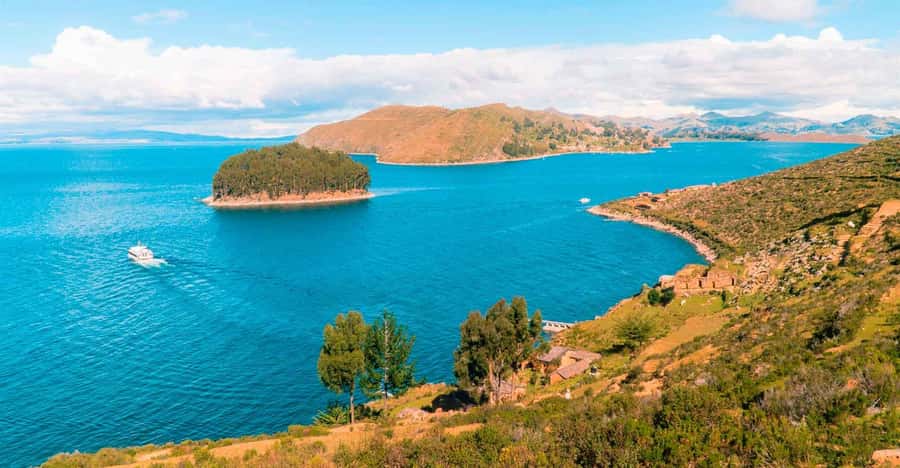
- Two islands in one day: The route covers the southern part of Isla del Sol, Challapampa, and Isla de la Luna before returning to Copacabana.
- Inca sites are the focus: You visit Pikokaina, the Chinkana, the Sacred Rock, the Temple of the Moon, and the House of the Virgins of the Sun.
- The Yumani stairs require walking: You descend the old Inca-era steps and pass the Fountain of Eternal Youth and Inca Garden.
- A bilingual guide is included: The professional guide speaks English and Spanish and explains Inca history and Andean culture.
- The $115 price covers the main costs: Shared speedboat transport, the guide, entrance tickets, and excursions to both islands are included.
- Plan for a self-supplied lunch: No meals or drinks are included, and hotel pickup and drop-off are not part of the tour.
Leaving Copacabana at 8:00 AM
Your day begins at the designated meeting point in Copacabana at 8:00 AM. There is no hotel pickup or drop-off, so you need to arrange your own way to the meeting point and arrive ready to leave.
From there, you head to the pier and board a shared speedboat across Lake Titicaca. The boat is the practical backbone of the trip: without it, visiting both islands in one day would be difficult. Since the ride is shared, this is not a private outing built around your own schedule. You follow the set route and timing.
I see the early start as useful rather than burdensome. A full day is needed to connect the separate archaeological areas, and the estimated return to Copacabana is around 5:00 PM. That gives you a clear block of time for the excursion, though it leaves little room for an unplanned long stop.
The itinerary moves between boat travel, walking, archaeological visits, and more boat travel. Keep your essentials in a small day bag, including water, snacks, sunscreen, and protection for changing weather. The tour information specifically warns you to prepare for varying conditions, which matters on a day spent outdoors and on the water.
You can also read our reviews of more tours and experiences in Copacabana Bolivia.
Pikokaina and the southern side of Isla del Sol
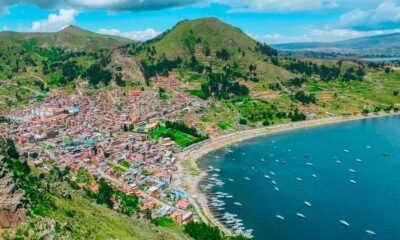
The first island visit takes you to the southern part of Isla del Sol. One of the main stops is Pikokaina, also known as the Temple of the Sun. This gives the tour an immediate historical focus rather than treating the island only as a scenic boat destination.
Your guide is there to explain the connection between the archaeological remains, the Inca Empire, and Andean culture. That context is important because ruins can otherwise become a quick photo stop. With the guide’s interpretation, Pikokaina becomes part of a larger story about sacred places and the traditions associated with the islands.
The southern portion of Isla del Sol also includes the Yumani stairs. You descend these Inca-era steps toward the lower part of the settlement. The route is one of the clearest physical reminders that this is a walking-focused outing, not a vehicle-based sightseeing tour.
Take the descent at a steady pace. Comfortable walking shoes are not just a general suggestion here; the Yumani stairs are a central part of the visit, and you will also walk between archaeological points later in the day. The tour does not promise a leisurely, stop-anywhere schedule, so use the available pauses to enjoy the setting and catch your breath.
The Yumani stairs, Fountain of Eternal Youth, and Inca Garden
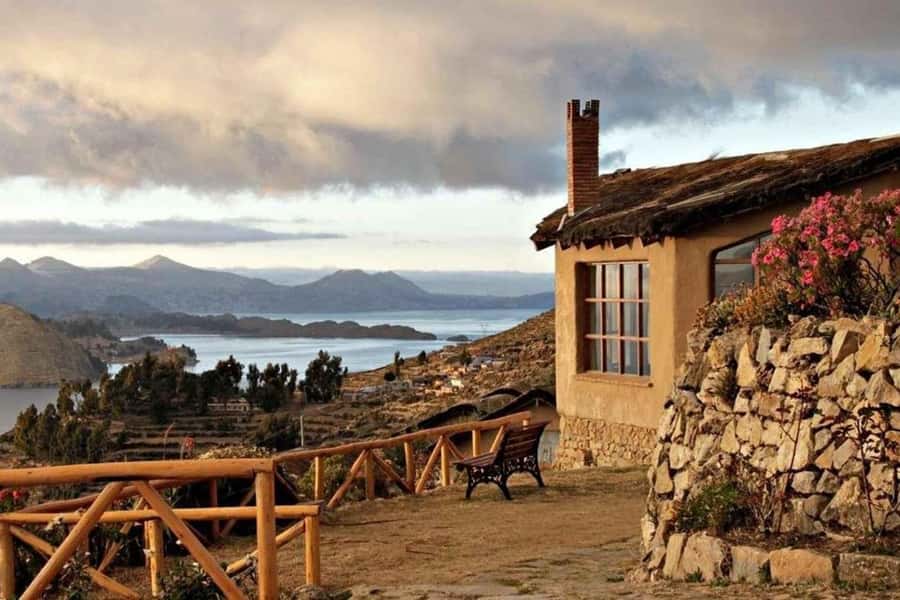
At the bottom of the Yumani stairs, you find the Fountain of Eternal Youth and the Inca Garden. These stops add a more symbolic and cultural side to the day after the larger archaeological site at Pikokaina.
The Fountain of Eternal Youth is a memorable name, but the value of the stop comes from how it fits into the local Inca setting. The Inca Garden adds another layer to the visit, giving you more than one ancient structure to consider as you move through the southern part of the island.
I like this section because the route is experienced on foot. Descending the steps helps you understand the shape of the settlement in a way that a quick stop beside a road would not. At the same time, the stairs make the day more demanding for anyone who dislikes uneven or sustained walking.
After exploring this southern area, you return to the pier and take the boat to Challapampa. The itinerary is organized around these boat transfers, so watch the group’s timing and listen carefully to instructions from the guide. The day works best when you treat the schedule as fixed.
Challapampa, the Chinkana, and the Sacred Rock
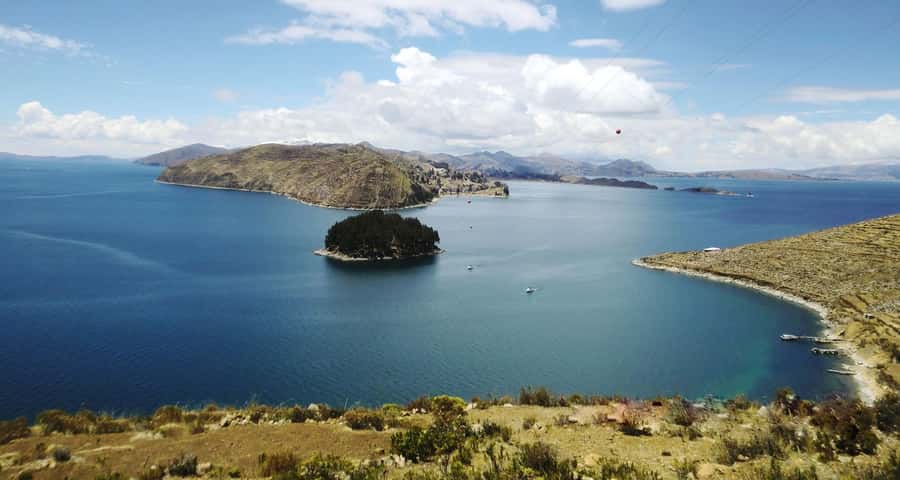
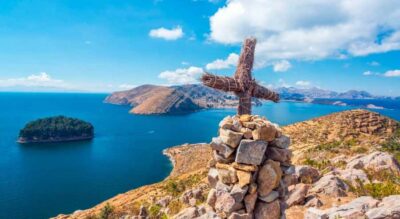
At Challapampa, the focus shifts to the Chinkana and the Roca Sagrada, or Sacred Rock. These sites are tied to Andean mythology and the beginnings of the sun and the founders of Andean culture.
The Sacred Rock is especially important for the cultural story of the tour. According to the mythology presented during the visit, the sun and the founders of Andean culture were born here. That belief gives the site a meaning beyond its physical remains and helps explain why the island has such a strong place in Andean traditions.
The Chinkana adds an archaeological stop to the same visit. You are not simply sailing from one island to another for scenery; you are moving through a series of sites that connect mythology, Inca power, and sacred practice.
This section also requires walking and another descent to the pier afterward. I would not book this day expecting to spend most of your time sitting on the boat. The boats provide the links between sites, but the main work of the tour happens on land, among the ruins and steps.
Once back at the pier, you board the boat again for Isla de la Luna. The repeated transfers are the trade-off for seeing both islands in a single day. If you value coverage and historical sites, the arrangement makes sense. If you prefer slow travel with long breaks in one place, the schedule may feel tight.
Isla de la Luna and the Temple of the Moon
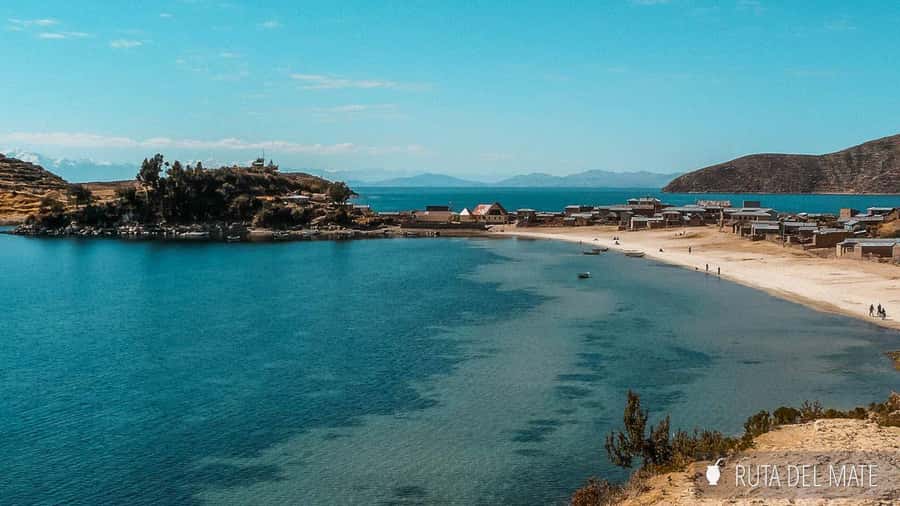
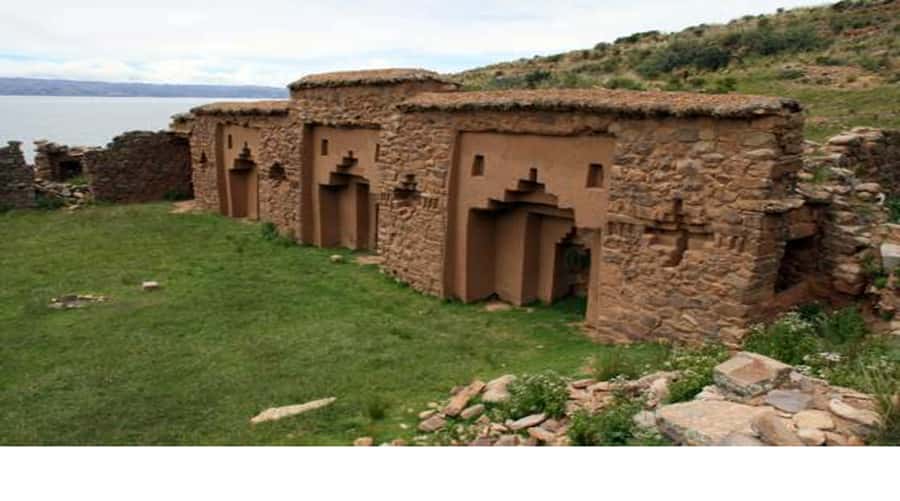
The final island visit takes you to Isla de la Luna, where you explore the archaeological remains of the Temple of the Moon and the House of the Virgins of the Sun. These stops broaden the tour beyond Isla del Sol and give you a second setting for understanding Inca religious and cultural life.
The Temple of the Moon is the main archaeological focus on Isla de la Luna. The House of the Virgins of the Sun adds another distinct site to the visit, so the island is not treated as a brief boat stop before heading home.
I appreciate the contrast built into the itinerary. Isla del Sol includes Pikokaina, the Yumani stairs, the Fountain of Eternal Youth, the Inca Garden, the Chinkana, and the Sacred Rock. Isla de la Luna then adds its own remains, giving you a wider view of the sacred places connected with the Inca world.
The available information does not promise a long free period on Isla de la Luna, so plan to follow the guide and group schedule. This is a guided archaeological excursion, not an independent island day. The advantage is that you receive interpretation in English or Spanish and do not need to arrange separate boats or entrance tickets yourself.
After the visit, you return by boat to Copacabana, arriving at approximately 5:00 PM. The return time is an estimate, but it gives you a useful idea of how much of your day the tour will occupy.
What the $115 price really covers
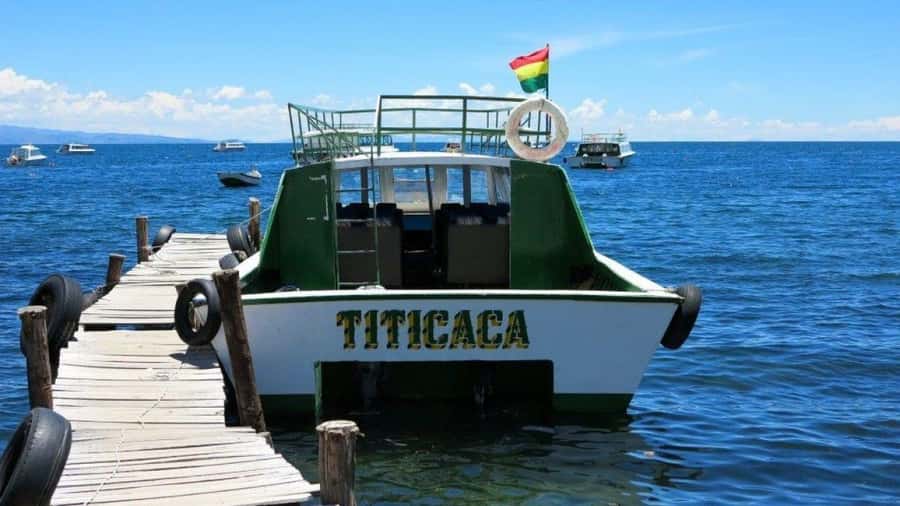
At $115 per person, this is not a bare-bones boat ride. The price includes a professional English-Spanish guide, entrance tickets to each visited site, shared speedboat transport, and the excursion to both Isla del Sol and Isla de la Luna.
That package can offer solid value if you want to see several archaeological areas without arranging each part independently. Boat transport is the key cost and practical problem solved by the tour. The included tickets also make the price easier to assess because you are not adding admission fees at every stop.
Still, you need to budget for food and drinks separately. No meals are included, and the tour specifically advises bringing water and snacks. You also pay for the convenience of a set route, so the value depends on your priorities: this is a good match for a visitor who wants broad coverage in one day, less so for someone who has several days to arrange slower visits.
The shared boat is another factor. It keeps the cost below a private excursion, but it also means you will not control every departure or pause. For many people, that is a reasonable exchange for visiting two islands and several sites in one organized day.
How to prepare for the walking and weather
Wear comfortable walking shoes. The Yumani stairs are part of the route, and the visits to Chinkana, the Sacred Rock, the Temple of the Moon, and the House of the Virgins of the Sun involve time on foot.
Bring sunscreen, water, and snacks. Since meals and drinks are excluded, do not assume you can rely on the tour for food during the day. A small supply gives you more flexibility during the long stretch between the 8:00 AM start and the estimated 5:00 PM return.
Weather conditions can vary, so bring practical layers and protection suitable for the day’s conditions. The tour takes place outdoors, on boats, and around archaeological remains. The supplied guidance does not specify a particular weather pattern, so prepare for change rather than packing for only one type of day.
You should also plan for the fact that this is a full-day outing with no hotel pickup or drop-off. Arrange your own transport to the Copacabana meeting point and keep your return plans flexible around the estimated arrival time.
Who will enjoy this island tour most
I would recommend this tour to you if you want a concentrated introduction to the sacred and archaeological sites of Lake Titicaca. It suits visitors who value a bilingual guide, included entrance tickets, and a practical way to reach both Isla del Sol and Isla de la Luna.
It is also a good choice if you have only one available day in Copacabana. The tour covers far more than a single island stop, and the route gives you several points of contact with Inca history and Andean mythology.
I would hesitate to recommend it to someone seeking a quiet, flexible day. The early meeting time, shared speedboat, repeated transfers, walking, and fixed return schedule create a busy program. You should also think twice if you are not comfortable with stairs or if you want meals arranged as part of the outing.
The professional guide is a major part of the value. The ruins and sacred places matter more when you understand the stories attached to them, especially at the Sacred Rock and the Temple of the Moon. English and Spanish language support also makes the tour accessible to a wider range of visitors.
FAQ
Where does the tour start?
The tour starts at 8:00 AM from the designated meeting point in Copacabana. Hotel pickup and drop-off are not included.
When does the tour return to Copacabana?
The estimated return time is around 5:00 PM. The excursion lasts one full day.
Which islands does the tour visit?
The route visits Isla del Sol and Isla de la Luna, with a stop at Challapampa on Isla del Sol.
Which archaeological sites are included on Isla del Sol?
The tour includes Pikokaina, also known as the Temple of the Sun, the Yumani stairs, the Fountain of Eternal Youth, the Inca Garden, the Chinkana, and the Sacred Rock.
What is included in the $115 price?
The price includes a professional English-Spanish guide, entrance tickets to each place visited, shared speedboat transport, and the excursion to Isla del Sol and Isla de la Luna.
Are meals, drinks, or hotel transfers included?
No. Meals and drinks are not included, and you need to make your own way to and from the meeting point in Copacabana.
Can I cancel or pay later?
You can cancel up to 24 hours in advance for a full refund. The reserve-now-and-pay-later option lets you book without paying immediately.
Should you book the Isla del Sol and Moon Island tour?
Book it if you want the most archaeological coverage possible from Copacabana in one day. The included boats, site tickets, and bilingual guide make the $115 price easier to justify, especially when you want both islands without arranging the route yourself.
Skip it if you want a slow day, private transport, or included meals. For everyone else, bring water, snacks, sunscreen, and good shoes, then accept the busy schedule as the price of seeing Pikokaina, the Yumani stairs, the Sacred Rock, the Chinkana, and Isla de la Luna in one well-filled outing.
More Tours in Copacabana Bolivia
More Tour Reviews in Copacabana Bolivia
Not for you? Here's more nearby things to do in Copacabana Bolivia we have reviewed
Lake Titicaca & Copacabana, compared
 ★ 4.5La Paz: Full Day Trip to Copacabana and Isla del SolFrom $59400 reviews
 ★ 4.2From La Paz: Titicaca, Copacabana, and Isla del Sol Day-TripFrom $100119 reviews
 ★ 4.3From La Paz: 2-Day Tour to Isla del Sol & Lake TiticacaFrom $6954 reviews
 ★ 4.5Day Trip from Puno: Explore Sun Island and CopacabanaFrom $10321 reviews
Browse the lists this tour appears in