
Reviewed · ANDES CLIMBING & TREKKING
From La Paz: Condoriri Andes, Pico Austria Full Day Hiking
High above La Paz, silence does the talking. This full-day outing combines a Red Cable Car ride and 4×4 journey with a high-altitude walk through the little-known Condoriri range. I like the unusual route to the trailhead, and I like the chance to see pristine lakes, llamas, alpacas, and Andean geese in a national park setting.
The main caution is altitude. You begin around La Paz’s 3,600 meters, hike from roughly 4,600 meters, and may reach Pico Austria at 5,300 meters. The listed duration is eight hours, but the stated schedule runs from 7:30 to about 18:00, so confirm the timing before booking an evening plan.
In This Review
- Five details that shape this Andes hike
- Why Condoriri is worth the long ride from La Paz
- 07:30 at the Red Cable Car station
- Condoriri Lake and the start of the walk
- Llamas, alpacas, and Andean geese along the route
- The guide adds more than directions
- What $140 includes — and where the value lies
- High altitude is the real test
- The timing needs a careful check
- Who will enjoy this outing most?
- What to pack for Condoriri
- FAQ
- Where does the tour meet?
- How long does the activity last?
- How long is the hiking portion?
- What is included in the price?
- What altitude does the tour reach?
- When is the best time to go?
- Who should not take this activity?
- Should you book the Condoriri hike?
Five details that shape this Andes hike
- Red Cable Car beginning: You rise from La Paz to El Alto in about 15 minutes before continuing by 4×4.
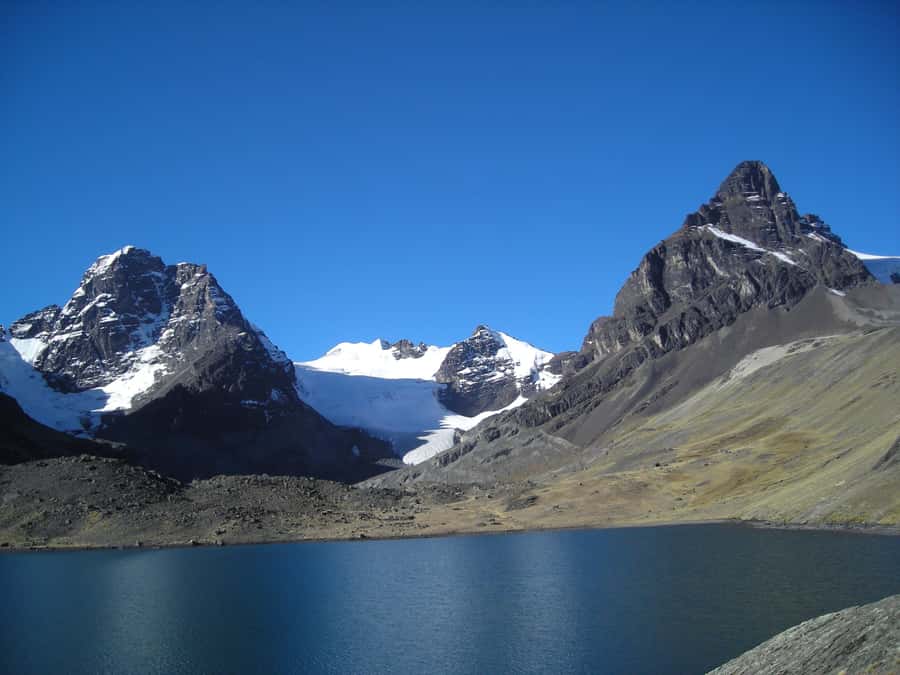
- Condoriri Lake at 4,600 meters: The route reaches a striking chain of lakes below peaks exceeding 5,000 meters.
- Five- to six-hour walk: This is a serious mountain day, not a short photo stop with a little strolling.
- Plenty of Andean wildlife: The route is described as having large numbers of llamas, alpacas, and Andean geese.
- Small group and full inclusions: Up to 10 people share private transport, an English-speaking guide, lunch, park entry, and the cable-car ticket.
Why Condoriri is worth the long ride from La Paz
Condoriri offers a different side of the Bolivian Andes. Instead of spending the day around La Paz’s busy streets or visiting a single viewpoint, you travel across the northern Altiplano and enter a mountain area known for its lakes, high peaks, and open silence.
The mountain range is little known compared with Bolivia’s more famous sights. That is part of the appeal. You get a broad view of the Andes without a crowded attraction built around it. The setting is spare but powerful: blue sky, pale highland ground, dark mountain ridges, and bright lakes.
The Condoriri mountain is also important within Aymara culture. Your guide explains that significance during the day, giving the scenery a cultural frame rather than leaving you with only photographs. The information provided does not spell out the specific legends or traditions covered, so I would ask questions if that side of the visit matters to you.
The scenery and guides are the strongest parts of this outing. The available five-star feedback specifically praised both, and that makes sense: at this altitude, a good guide matters as much as a good view. You need clear direction, sensible pacing, and help understanding the mountain environment.
You can also read our reviews of more hiking tours in La Paz
07:30 at the Red Cable Car station
The meeting point is the main gate of the Estación Central of the Red Cable Car, known locally as Teleférico Rojo. The guide wears a jacket or T-shirt with the Koa Travel logo, which should make the meeting easier in a busy transport area.
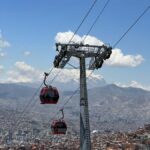
The first ride takes about 15 minutes. The cable car climbs to El Alto, at approximately 4,000 meters. This is a useful opening to the day because you gain altitude gradually rather than walking straight from La Paz into a high mountain route.
Once you reach El Alto, a 4×4 vehicle is scheduled to meet you. The drive into the mountains takes about two hours. That is a long transfer, but it is also what makes Condoriri feel remote. You cross the Altiplano before reaching the mountain base at about 4,600 meters.
I would treat the vehicle ride as part of the outing rather than dead time. You are moving from the urban basin of La Paz into a much emptier highland setting. Still, anyone who dislikes long road transfers should know this is not a quick hop to the trailhead.
Condoriri Lake and the start of the walk
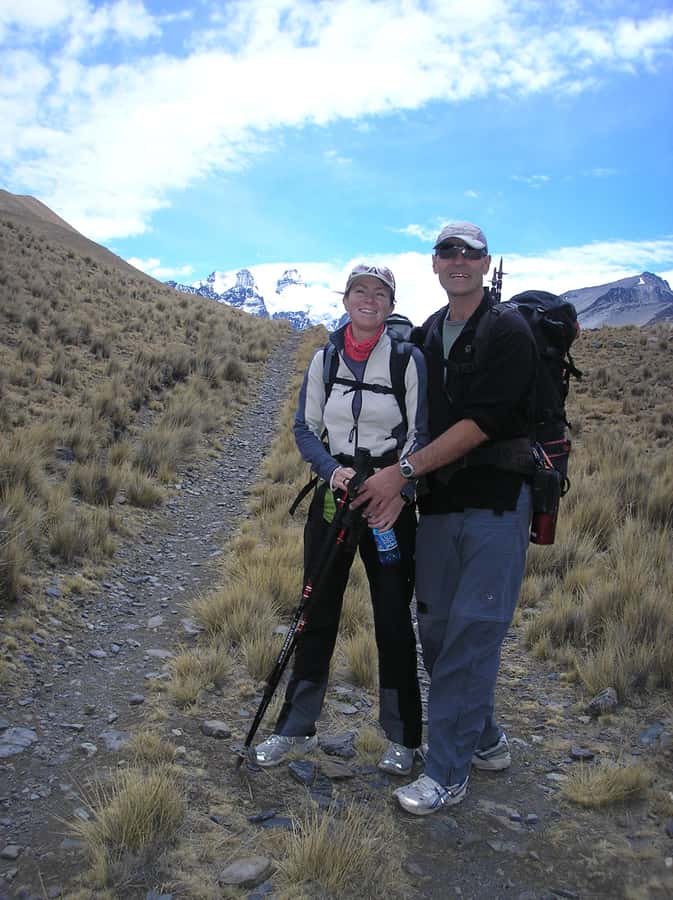
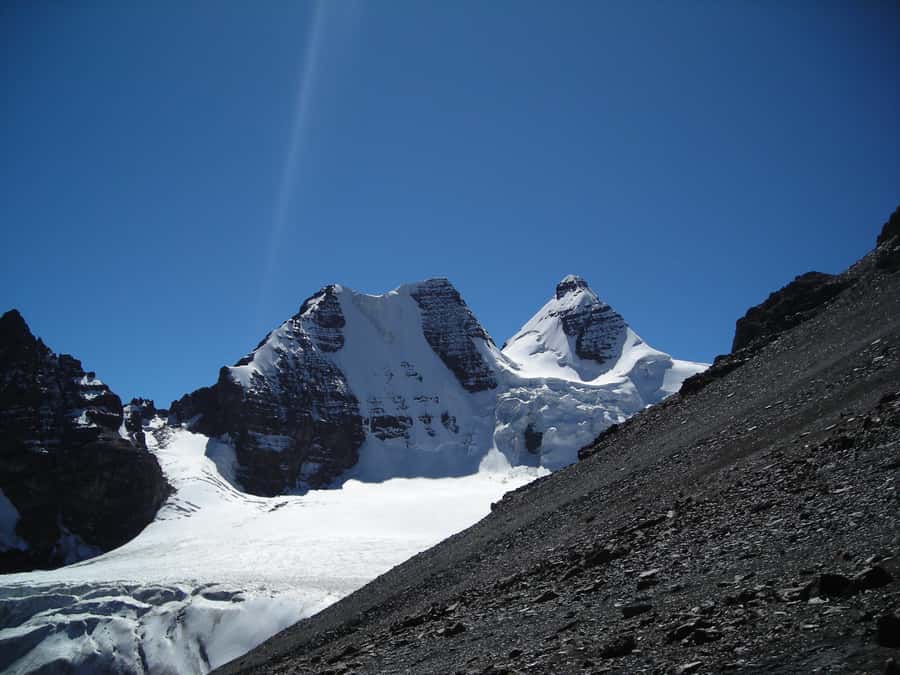
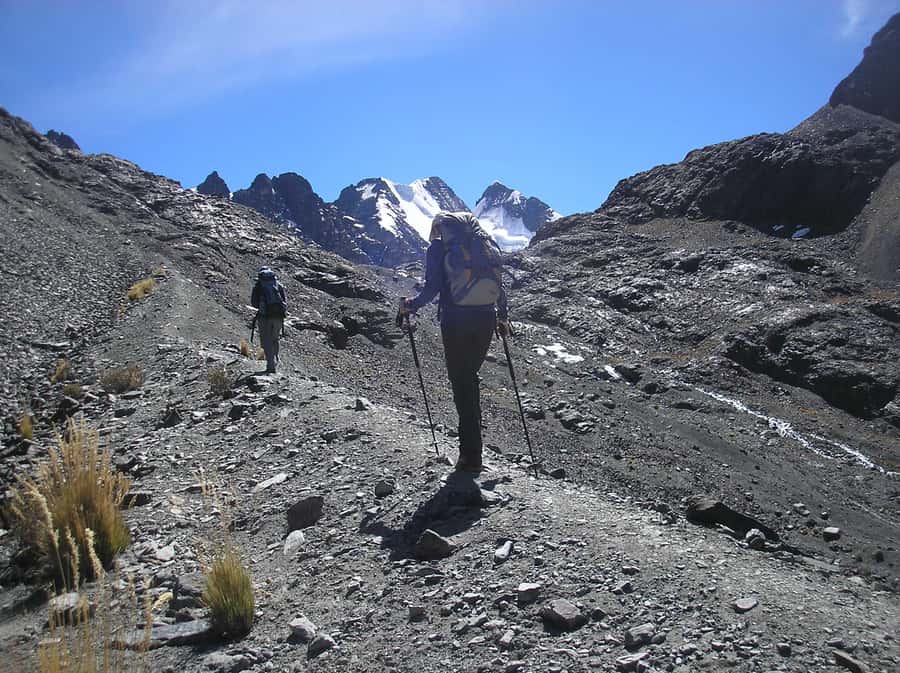
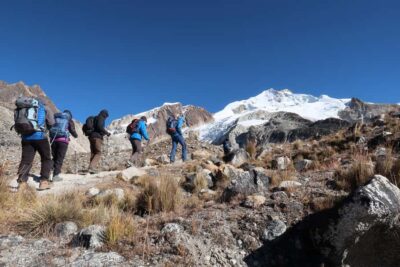
The hiking portion begins near the base of Condoriri. The route takes you close to pristine lakes before crossing Condoriri Lake and entering the mountain range. The peaks around it rise above 5,000 meters, creating the classic high-Andes setting that many people come to Bolivia hoping to see.
The walk is described as lasting five hours in the itinerary and six hours in the activity details. That difference is worth clarifying with Koa Travel before departure. It may reflect a route variation or a different way of counting stops, but you should plan for the longer version.
At 4,600 meters, even a moderate path can feel demanding. The supplied information does not give a grade, trail surface, or technical climbing details, so I would not assume this is an easy walk. The high altitude is the key challenge, especially for anyone still adjusting to La Paz.
The title includes Pico Austria, listed at 5,300 meters. The route description clearly connects the day with that peak, but it does not guarantee that every participant reaches its summit or explain exactly how the ascent is handled. Ask about the summit section if reaching Pico Austria is your main reason for booking.
Llamas, alpacas, and Andean geese along the route
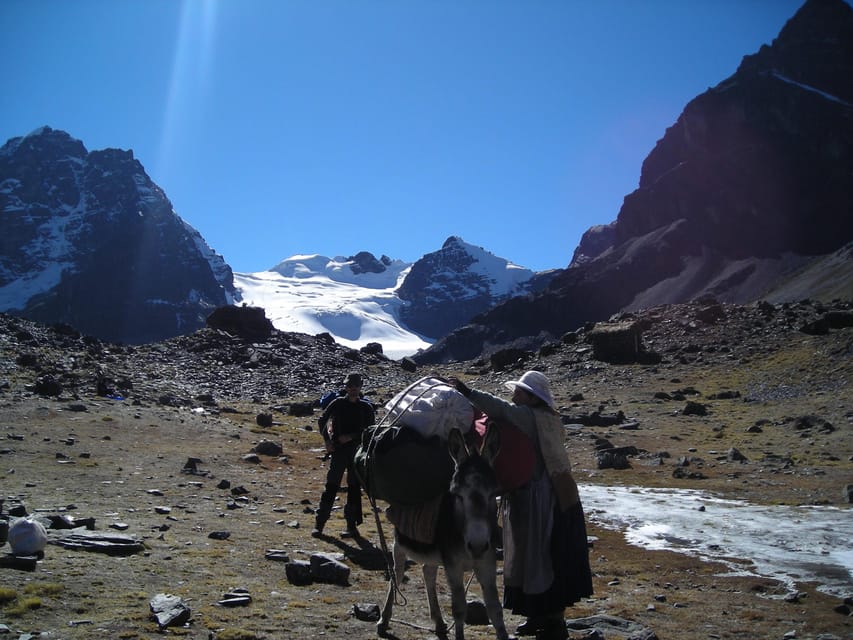
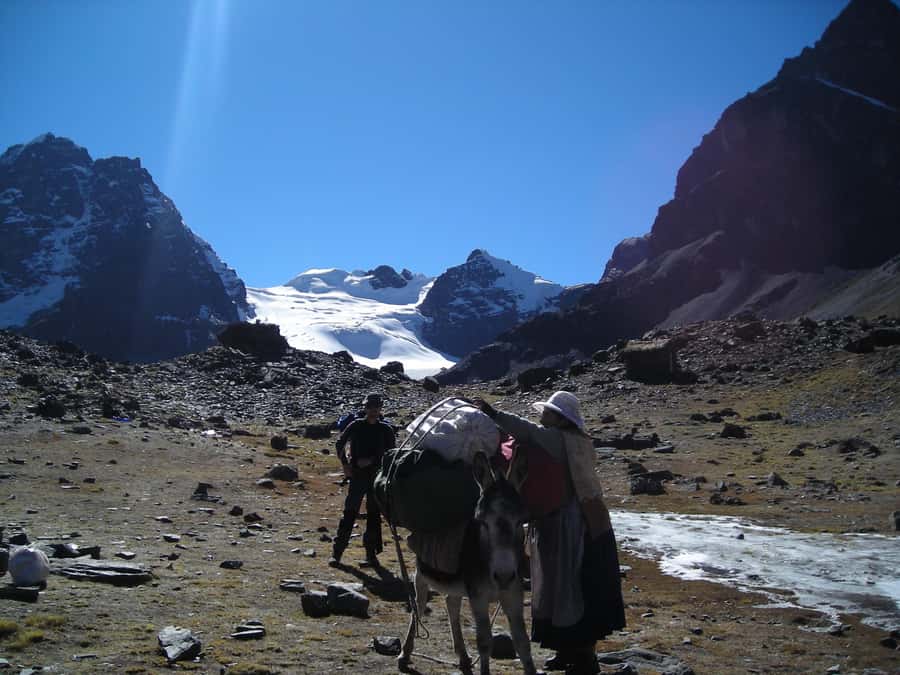
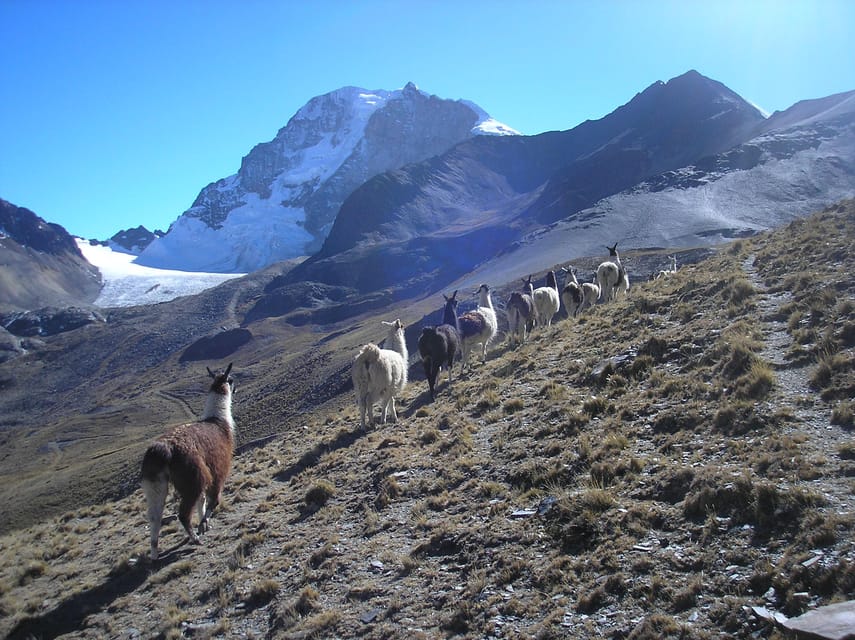
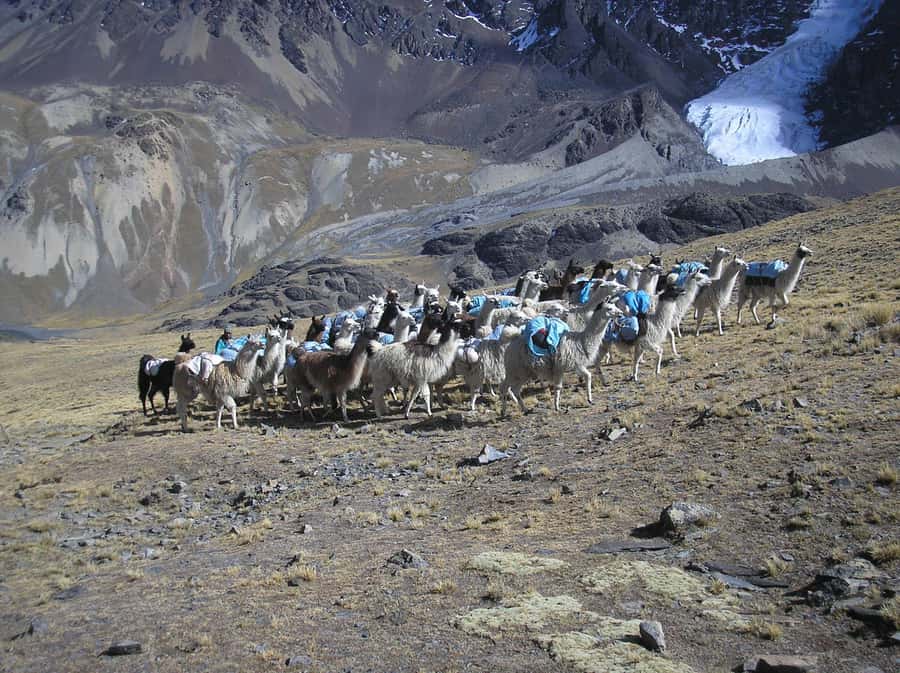
The wildlife is one of the most appealing parts of the day. The route passes through the national park with large numbers of llamas and alpacas, along with Andean geese. These animals help make the walk feel like a passage through a working highland environment rather than a bare mountain exercise.
You should still bring a camera without letting it replace your attention to the trail. At high altitude, stopping often can affect the pace, and your guide will need to keep the group moving over the planned route.
The lakes provide another reason to enjoy the slower walking schedule. Their colors, set against the mountain peaks and the blue sky, are central to the outing. I like that the walk is not only about reaching a high point; it also includes time near water, open mountain views, and wildlife.
The guide adds more than directions
An English-speaking guide is included, and the experience is also described as having a bilingual guide. Your guide leads the walk, manages the group, and explains the Aymara meaning of Condoriri mountain.
That cultural explanation is especially valuable here because the scenery can otherwise seem remote and difficult to interpret. The name Condoriri is tied to the shape and identity of the mountain range, but the supplied details do not provide the full cultural story. Use the walking time to ask about Aymara beliefs, local use of the area, and the significance of the mountain.
The group is limited to 10 participants. That is small enough to make questions practical and to avoid the feel of a large procession on a narrow trail. It also means the pace may need to suit several fitness levels, so you should not expect a private, individually tailored climb.
A few more La Paz tours and experiences worth a look
What $140 includes — and where the value lies
The price is $140 per person. That is not a budget day trip, but the package includes several costs that can add up quickly: private roundtrip transport, the Red Cable Car, Condoriri National Park entry, an English-speaking guide, and a box lunch.
The private vehicle is the biggest practical benefit. The trailhead is reached after two hours of driving from El Alto, and arranging that journey independently would require finding transport that can handle the route and coordinating return travel. The included cable-car ticket also removes one small but important piece of planning.
The price makes the most sense if you value convenience and a small group. You are not paying only for a walk; you are paying for the transfer from La Paz, access to a remote mountain area, park admission, guiding, and lunch.
You still need to provide your own hiking boots, warm clothes, sunglasses, sunscreen, a cap, camera, personal backpack, and two liters of water. The lunch is included, but water is not listed among the inclusions, so bring the full amount requested rather than counting on buying supplies in the mountains.
High altitude is the real test
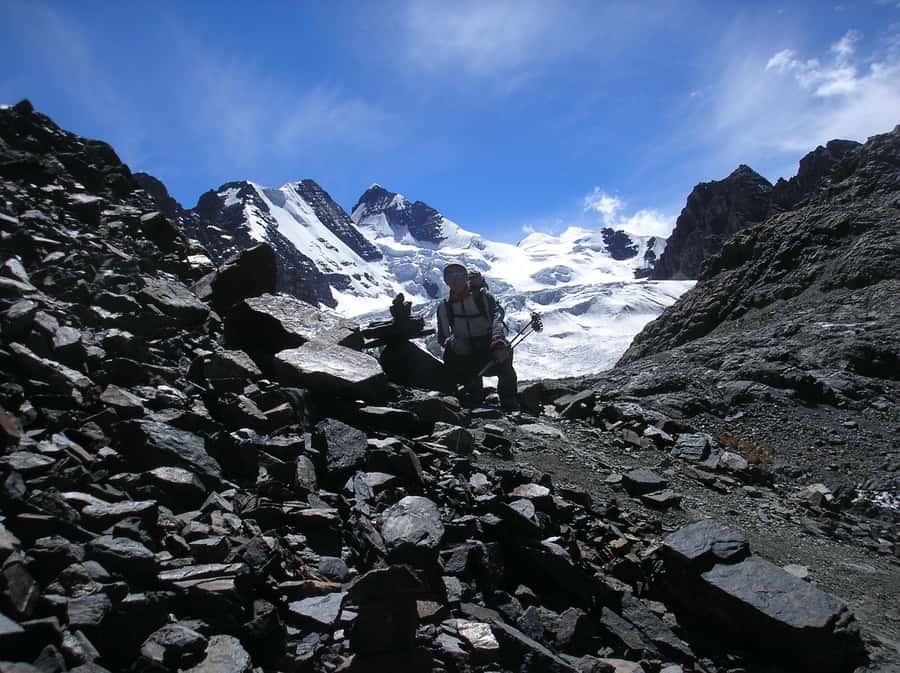
This excursion reaches serious elevations. La Paz is listed at about 3,600 meters, El Alto at 4,000 meters, Condoriri Lake at 4,600 meters, and Pico Austria at 5,300 meters.
The activity is not suitable for people with altitude sickness. Children under 13 and people over 70 are also excluded. Those limits are sensible given the length of the walk and the elevation, but they do not tell you how your own body will respond.
I would choose this day only after spending enough time in La Paz to understand how you feel at altitude. The supplied information does not state an acclimatization requirement, so I cannot give you a fixed number of days. The practical point is simple: do not select a five- to six-hour mountain walk as your first test of Bolivia’s elevation.
Warm clothing matters even under the strong highland sun. Bring layers, a good jacket, sunscreen, sunglasses, and a cap. The combination of cold air and intense sun can catch you off guard, especially near 5,000 meters.
The timing needs a careful check
The activity is advertised as lasting eight hours, yet the schedule gives a 07:30 start and an 18:00 return to the Red Cable Car station. That is roughly ten and a half hours from meeting to finish.
The route also lists a 15-minute cable-car ride, two hours by van each way, and a five-hour hike. The longer activity description calls the walk six hours. Those figures do not fit neatly into an eight-hour day.
This does not necessarily make the outing poor value. It does mean you should ask Koa Travel to confirm the actual departure and return times, the expected walking duration, and whether the 18:00 arrival refers to the main meeting point. Do not book a tight evening connection or a fixed dinner reservation in La Paz.
The best hiking season is given as April through December. That is a broad window, and no more detailed weather information is supplied. You should still be prepared for cold mountain conditions and strong sun throughout the season.
Who will enjoy this outing most?
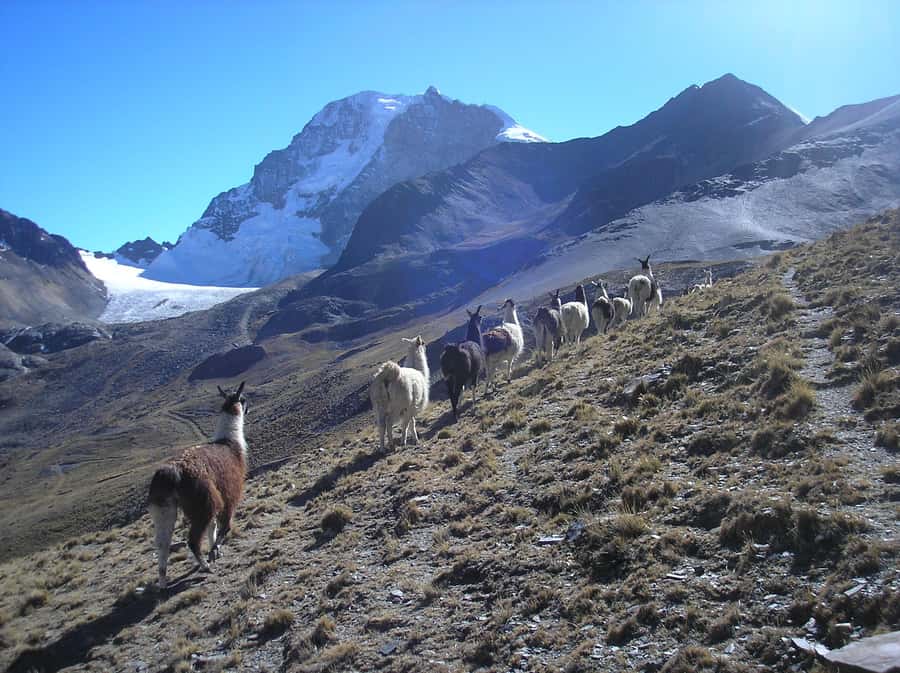
I would recommend it to you if you want a full mountain day, enjoy walking for several hours, and are interested in the combination of natural scenery and Aymara culture. It suits people who would rather spend a day among lakes, llamas, and peaks than stay close to the city.
It is also a good choice if you want transport handled for you. The cable car, private 4×4, guide, park ticket, and lunch create a straightforward package for a remote area.
I would be cautious if you are looking for a relaxed sightseeing trip. The altitude, long transfer, and extended walk make this more demanding than the word full day may suggest. It is also a poor fit if you have altitude sickness, are under 13, or are over 70.
Free cancellation up to 24 hours before departure and the reserve-now, pay-later option make planning less risky. Those policies are useful here because high-altitude plans depend on your health and readiness.
What to pack for Condoriri
Keep your personal backpack light, but do not skip the basics. I would pack:
- Comfortable hiking boots or sturdy walking shoes
- Warm clothing and a good jacket
- Two liters of water
- Sunglasses, sunscreen, and a cap
- A camera
- Any personal items you need during a five- to six-hour walk
A box lunch is included, so you do not need to plan a separate midday meal. The two liters of water are specifically requested, and you should treat that as essential rather than optional.
FAQ
Where does the tour meet?
Meet at the main gate of the Estación Central of the Red Cable Car, Teleférico Rojo. The Koa Travel guide will wear a jacket or T-shirt with the company logo.
How long does the activity last?
The activity is listed as eight hours, but the stated schedule begins at 07:30 and returns around 18:00. Because those figures do not match, confirm the exact timing with Koa Travel before booking.
How long is the hiking portion?
The itinerary gives five hours of hiking, while the detailed description says six hours. Plan for a long walk and confirm the exact route duration before departure.
What is included in the price?
The $140 price includes private roundtrip transport, an English-speaking guide, a box lunch, Condoriri National Park entry, and the Red Cable Car ticket.
What altitude does the tour reach?
La Paz is listed at 3,600 meters, El Alto at 4,000 meters, the Condoriri Lake area at 4,600 meters, and Pico Austria at 5,300 meters.
When is the best time to go?
The recommended hiking season is from April through December.
Who should not take this activity?
It is not suitable for children under 13, people with altitude sickness, or people over 70. The five- to six-hour walk at high elevation also requires suitable footwear, warm clothing, water, and reasonable fitness.
Should you book the Condoriri hike?
Book this outing if you want a serious Andean walking day with excellent scenery, wildlife, Aymara cultural context, and transport arranged from La Paz. The $140 price is reasonable for the private transfers, guide, lunch, park entry, and small group.
Skip it if you want a short excursion, dislike long vehicle rides, or have not adjusted well to altitude. Before paying, confirm the conflicting eight-hour and 07:30-to-18:00 schedules, then arrive ready for cold air, strong sun, and a demanding walk above 4,600 meters.
More Full-Day in La Paz
More Hiking & Trekking Tours in La Paz
More Tour Reviews in La Paz



Not for you? Here's more nearby things to do in La Paz we have reviewed




Andes Climbing & Trekking, compared
 ★ 4.7La Paz: Charquini Mountain Guided HikeFrom $39287 reviews
 ★ 4.4From La Paz: Day Trip to Chacaltaya and Moon ValleyFrom $4065 reviews
 ★ 4.9From La Paz: Huayna Potosí Mountain 3-Day Ice-Climbing TripFrom $34421 reviews
 ★ 4.7From La Paz: Huayna Potosí 2-Day Climbing TripFrom $31910 reviews
Browse the lists this tour appears in