
Reviewed · FOOD & WINE EXPERIENCES
Bolivia: Bolivian Wine Tasting with Charcuterie Board
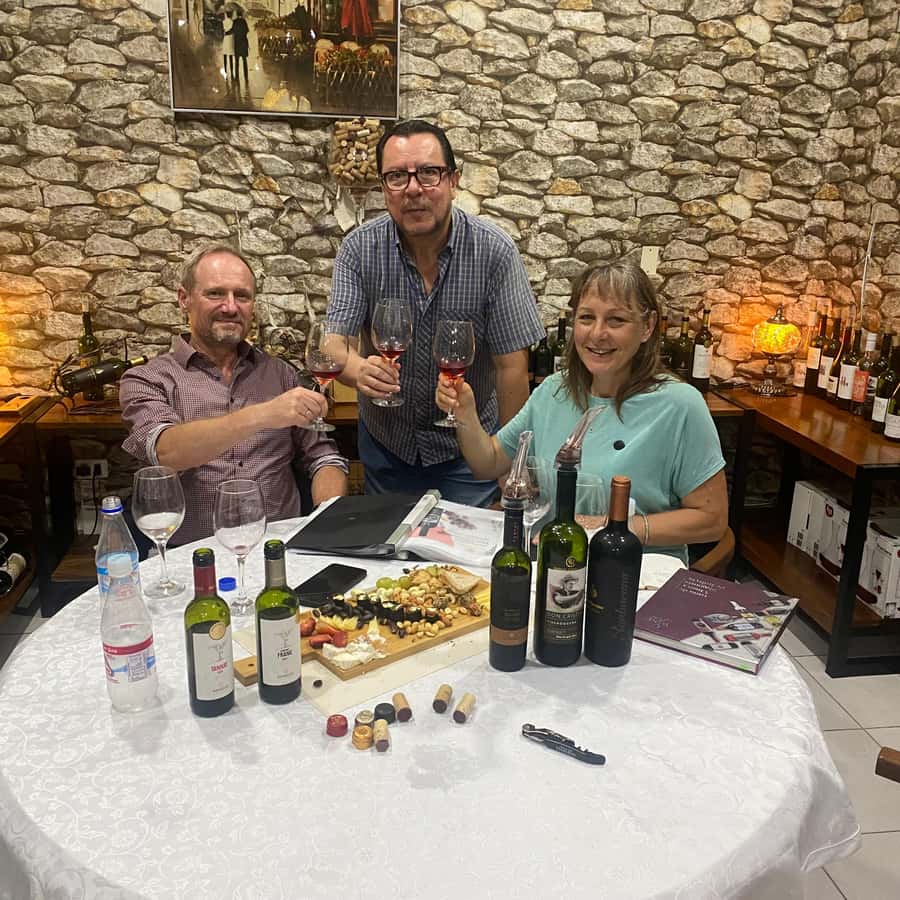
Bolivia pours a surprising story. This two-hour tasting in Santa Cruz pairs four Bolivian wines with a chef-prepared board of local cheeses and cold cuts. I like the focus on rare heritage grapes and the warm, personal setting with host Guillermo, whose clear passion for Bolivian wine comes through. I also like that the bottles are opened on site and served in a rising sequence, ending with a Tannat.
The main drawback is the setting: you meet in a private home, not a vineyard or formal tasting room. There is also no transportation, so you must make your own way to calle Espejos #10 near Pirai Avenue and Second Ring Avenue. For a relaxed evening of wine and conversation, that feels like part of the charm; for a winery tour with views and production facilities, it may feel limited.
In This Review
- Key points to know
- Why Santa Cruz Is a Good Place to Taste Bolivian Wine
- Meeting Guillermo at Espejos 10
- The First 15 Minutes: A Map of Bolivia’s Wine Regions
- Thirty Minutes With Four Bolivian Bottles
- Local Cheese and Cold Cuts From a Chef
- An Hour of Wine, Questions, and Conversation
- What $49 Buys You
- Who Will Enjoy This Private-Home Tasting?
- Simple Tips for a Better Evening
- Should You Book This Bolivian Wine Experience?
- FAQ
- Where does the wine tasting take place?
- How do I find the meeting point?
- How long does the experience last?
- How many wines are included?
- What food is included?
- Is transportation included?
- What languages are available?
- How large is the group?
- Is the activity wheelchair accessible?
- Can children attend?
Key points to know
- Four wines, including a Tannat finale: The tasting builds in quality and finishes with one of Bolivia’s highly regarded Tannat wines.
- Rare Bolivian grapes: Several pours come from heritage varieties that can be difficult to find in restaurants.
- Chef-made pairing board: Local cheeses and cold cuts are prepared by a chef and served alongside the wines.
- Guillermo leads the evening: His warm, informed style is one of the experience’s strongest features.
- Intimate six-person maximum: The small group allows for questions and personal attention.
- Practical location: The meeting point is at a private home at Espejos 10, with no included transportation.
Why Santa Cruz Is a Good Place to Taste Bolivian Wine
Santa Cruz is not the first place most people associate with wine. That is exactly why this experience works. Instead of simply ordering a familiar bottle, you get an introduction to a wine culture that many visitors may not know exists.
The tasting focuses on Bolivia’s high-altitude vineyards and the regions where the country’s grapes are grown. The presentation explains the history of Bolivian wine, the types of strains in the glasses, and why altitude matters to the country’s producers.
You will not be touring vineyards during these two hours. You will be learning about them through the bottle, the conversation, and the tasting process. That makes this a useful choice if your time in Santa Cruz does not allow a separate trip to Bolivia’s wine-producing areas.
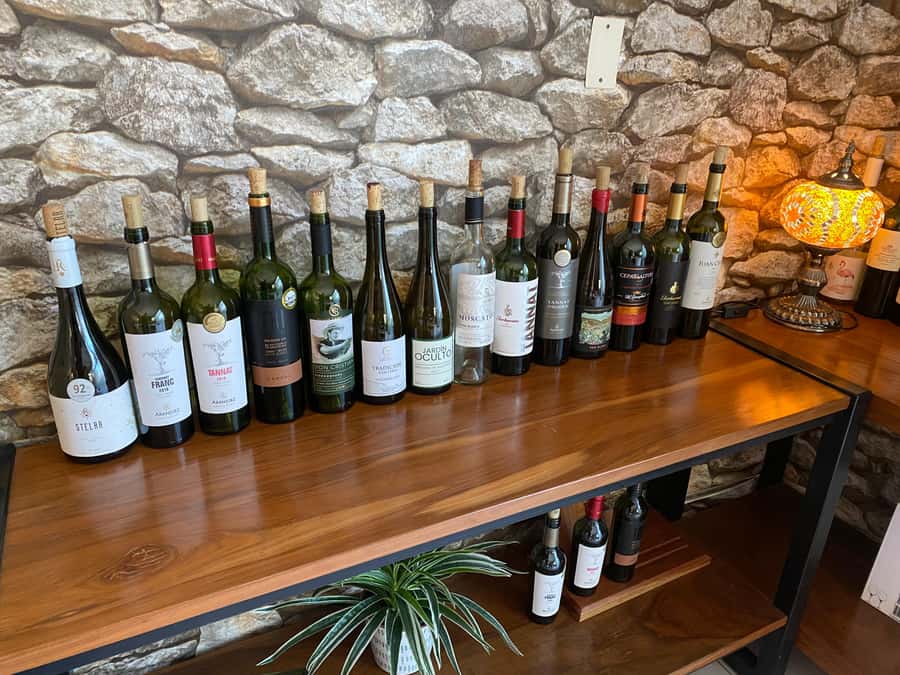
I especially like the emphasis on heritage grapes. These are not just standard international varieties poured in a different country. The selection includes grapes tied to Bolivia’s own wine traditions, many of which are hard to find on restaurant menus. You get a chance to taste something that is less familiar and more closely tied to the country.
You can also read our reviews of more tours and experiences in Santa Cruz De La Sierra.

Meeting Guillermo at Espejos 10
The experience begins at calle Espejos #10, close to Pirai Avenue and Second Ring Avenue. Look for a white, four-block building. Guillermo waits at the entrance, which keeps the arrival simple, though you should take care to confirm the address before setting out.
The location is a private home in the Condominio Espejos complex. That matters because the mood is more personal than formal. You are not arriving at a busy bar, a commercial tasting room, or a large tour venue.
Guillermo is repeatedly praised for his friendly manner and strong command of Bolivian wines. I would expect the evening to feel conversational rather than stiff, with room to ask questions as the bottles are opened.
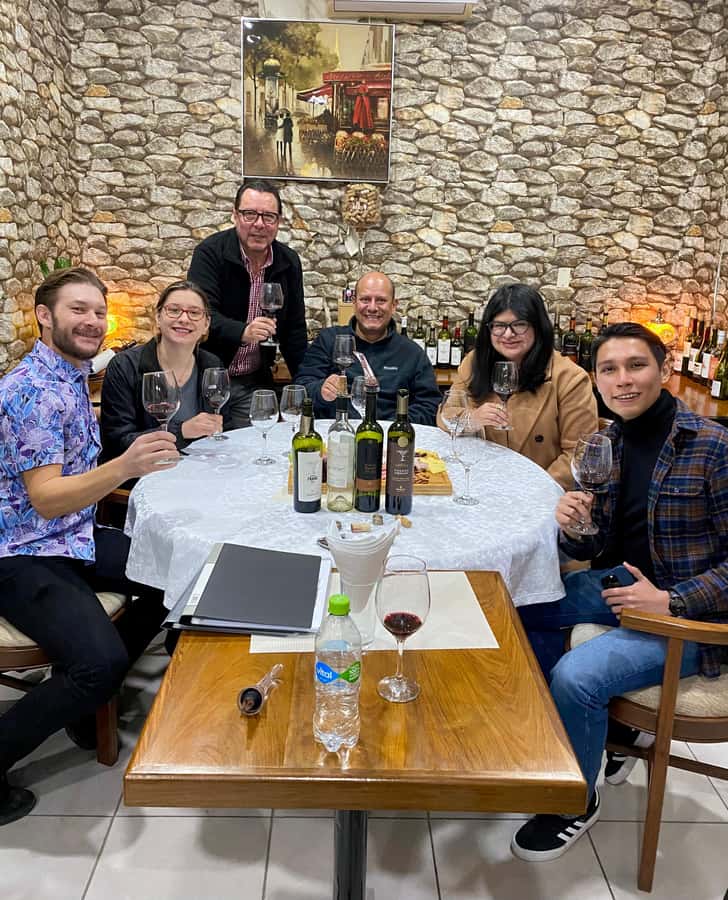
The group limit is six people. That is a real advantage for a subject that benefits from discussion. With only a few people around the table, you should have a better chance to ask about a grape, a region, or a particular bottle without competing with a large crowd.
The experience is offered in English and Spanish. Bring an ID card; a copy is accepted. Smoking indoors is not allowed, and the activity is for adults 18 and older. It is not suitable for pregnant women.
The First 15 Minutes: A Map of Bolivia’s Wine Regions
The opening class lasts about 15 minutes. This is not a long lecture, but it gives the rest of the tasting a useful frame.
You begin with the history of Bolivian wine and an overview of the regions where vineyards are located. You also learn which strains you will taste. That early explanation helps you understand what is unusual about the bottles before you start comparing them.
I like this order. Without context, a wine tasting can become a parade of glasses with little to connect them. Here, the introduction gives you a reason to pay attention to the grapes, the growing regions, and the country’s high-altitude wine identity.
The class also prepares you for the tasting method. You are shown the steps used to taste wine in a more thoughtful way. The goal is not to turn you into a sommelier in 15 minutes. It is to help you notice the wine’s appearance, smell, taste, and finish instead of simply deciding if you like it.
If you already know a great deal about wine, the opening may feel basic. For most people, though, it is a helpful start, especially when the bottles include unfamiliar Bolivian varieties.
Thirty Minutes With Four Bolivian Bottles
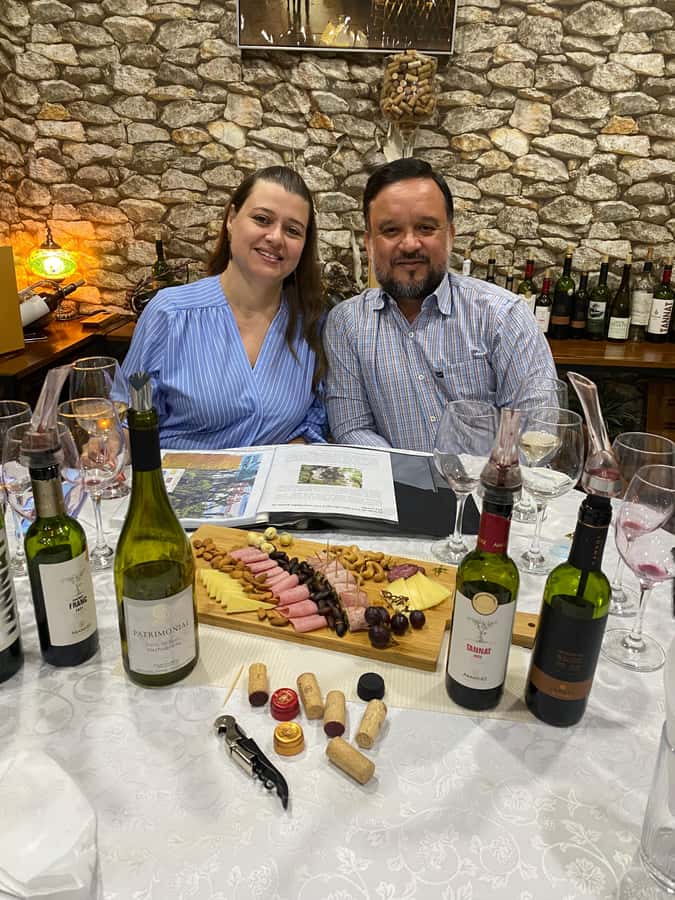
After the introduction, the main wine tasting begins. Four Bolivian wines are uncorked on site, so you see the bottles as they are served rather than receiving anonymous samples poured in advance.
The selection includes internationally award-winning wines. It also includes wines made from heritage grapes that are not commonly found in restaurants. That combination gives the tasting two useful sides: you can sample bottles that have earned outside recognition, while also trying varieties that tell a more local story.
The pours progress in quality, building toward a Tannat. This rising sequence gives the tasting a clear shape. You are not simply moving from one unrelated glass to another; the experience saves one of its strongest moments for the end.
Tannat is the final variety named in the experience, and it is presented as one of the best Bolivian wines in the selection. If you enjoy fuller red wines, that final pour may be the evening’s highlight. If your tastes run toward lighter or sweeter wines, the ending may feel more intense, but the progression still lets you compare the bottles along the way.
The 30-minute wine segment is followed by food tasting, then another hour of wine tasting. In practice, that means the event does not rush through the four bottles. You have time to return to the wines, discuss them, and see how food changes your impression of each pour.
Local Cheese and Cold Cuts From a Chef
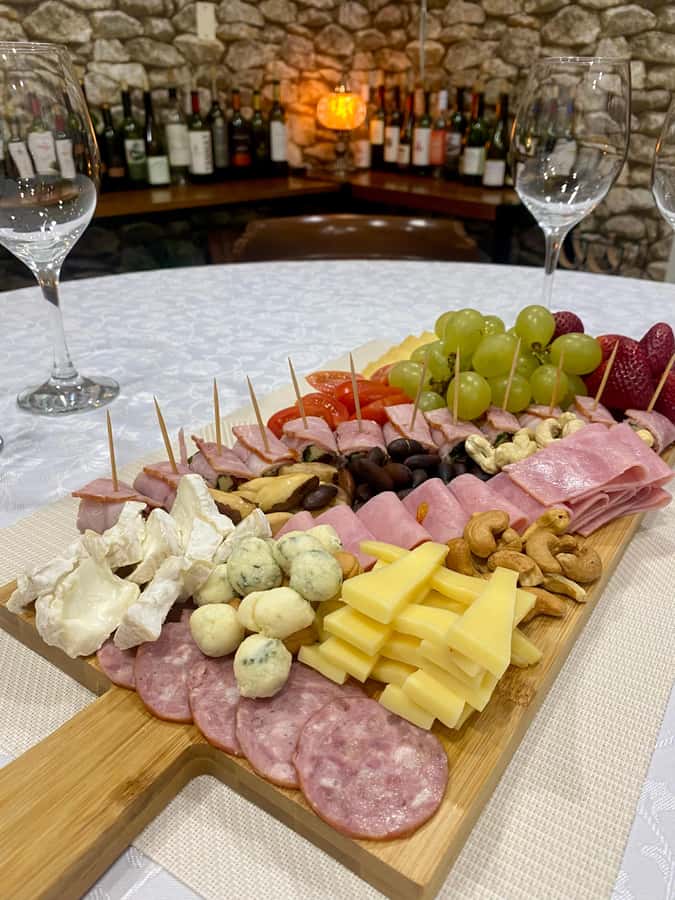
The charcuterie board is more than a plate of snacks. It includes local cheeses and cold cuts prepared by a chef friend of Guillermo, giving the food a clear Bolivian connection.
That local focus is important. A generic cheese plate would still fill the table, but it would not add much to the sense of place. Here, the board supports the same purpose as the wine selection: it gives you something connected to Bolivia rather than a standard international tasting menu.
The food arrives during a dedicated 15-minute tasting segment, then stays relevant during the longer wine session. You can try the wines with the board and notice which combinations work best for your palate.
I like that the food is prepared by a chef rather than treated as an afterthought. The tasting’s strongest praise centers on the way the cheeses, cold cuts, and wines work together. That pairing also makes the $49 price easier to assess, since you are paying for four wines, guided instruction, and a prepared meal component rather than four small pours alone.
The exact cheeses, cuts, and serving details are not specified in advance. If you have dietary restrictions, ask before booking rather than assuming the board can be changed.
An Hour of Wine, Questions, and Conversation
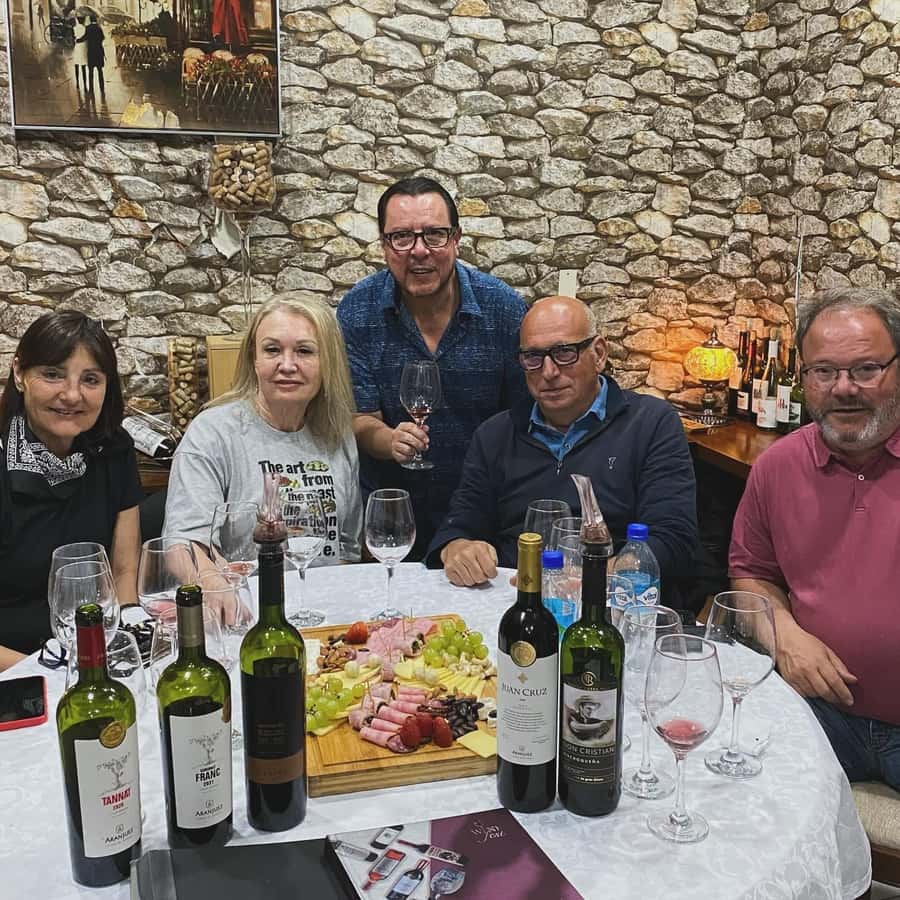
The final wine segment lasts about one hour. This is where the private-home setting can work especially well.
You have time to discuss the bottles instead of treating the tasting as a quick stop between sightseeing plans. Guillermo’s role is not only to pour wine but to explain Bolivia’s wine culture, the varieties in the glasses, and the steps of tasting.
I would plan this as an evening activity, not as a tightly timed break. The full program lasts two hours, and the schedule includes a 15-minute class, a 30-minute wine tasting, a 15-minute food tasting, and a final hour of wine tasting.
The longer final session also leaves room for conversation. Feedback about the experience often highlights Guillermo’s attention, warmth, and ability to make the evening feel like time spent at home with an informed host. That personal quality is a major reason to choose this activity instead of a self-guided bottle purchase.
The trade-off is that you should not expect a tour of cellars, barrels, or vineyard rows. The value comes from the guided tasting and the access to bottles you may not easily find elsewhere.
What $49 Buys You
At $49 per person, this is a mid-priced food-and-drink activity rather than a budget tasting. The package includes four Bolivian wines, the charcuterie board, the introductory class, and guidance through the tasting process.
I consider the price fair if you value explanation and access to unusual wines. A small group of no more than six people also helps justify the cost. You are paying for personal attention, not just the liquid in the glass.
The value is strongest for people who would otherwise have little chance to sample Bolivian heritage grapes. These wines can be difficult to find in restaurants, so the experience removes some of the guesswork and lets you taste several bottles in one sitting.
It is less attractive if you only want a quick drink or if you already have an easy way to buy the same wines. You should also remember that transportation is not included. Your actual cost may be higher if you need to arrange a ride to and from Espejos 10.
The reserve-now, pay-later option gives you some flexibility when making plans. Free cancellation is available up to 24 hours in advance for a full refund. Those terms are useful, but the main value still depends on your interest in Bolivian wine.
Who Will Enjoy This Private-Home Tasting?
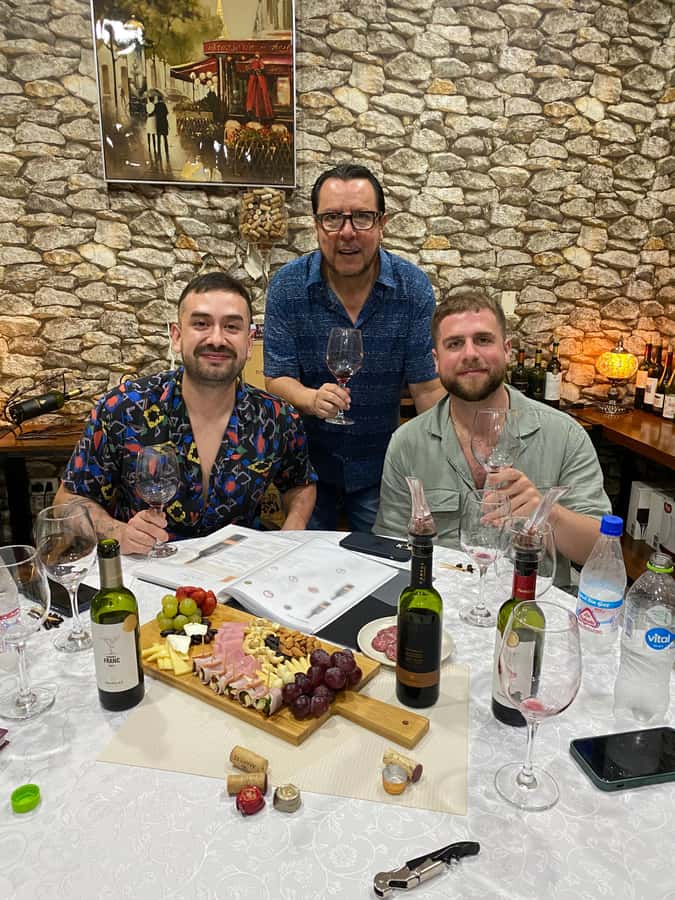
I would recommend this experience to adults who enjoy learning while they eat and drink. It suits couples, friends, solo visitors who like small groups, and anyone curious about a part of Bolivia’s food culture that is easy to overlook.
It is especially good for:
- Wine drinkers who want to try uncommon grapes
- People interested in Bolivian history and regional food
- Visitors who prefer a host-led evening over a large organized tour
- English- or Spanish-speaking adults
- Anyone looking for a relaxed two-hour activity in Santa Cruz
The experience may not suit you if you want transportation, a vineyard visit, or a formal restaurant setting. It also is not available to children under 18 or pregnant women.
The private home can feel welcoming, but some people prefer public venues for evening activities. Consider your own comfort before booking. The small group and home setting are central to the experience, not minor details.
The activity is wheelchair accessible, which makes it more practical for many visitors. Still, because the event takes place in a private home, you may want to confirm any specific access needs before arrival.
Simple Tips for a Better Evening
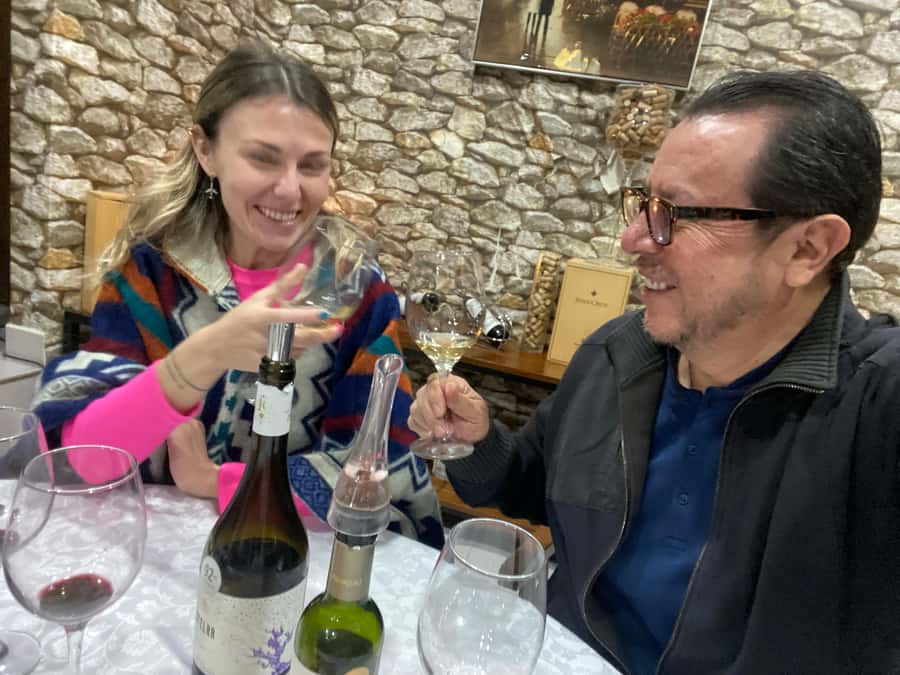
Plan your route to calle Espejos #10 before the start time. The meeting point is near Pirai Avenue and Second Ring Avenue, and Guillermo waits at the entrance of the white four-block building.
Bring an ID card or a copy. Since transportation is not included, arrange your own way to the condominium and decide in advance how you will return.
Arrive ready to taste rather than to eat a full dinner. The charcuterie board includes local cheeses and cold cuts, but the supplied details do not describe it as a complete meal.
Give the unfamiliar wines your attention. Bolivia’s heritage grapes may not taste like the varieties you usually order. The guided tasting steps can help you compare them before deciding what you prefer.
Most of all, ask questions. The small group is one of the best reasons to book this experience, and Guillermo’s enthusiasm for Bolivian wine gives you a natural opening.
Should You Book This Bolivian Wine Experience?
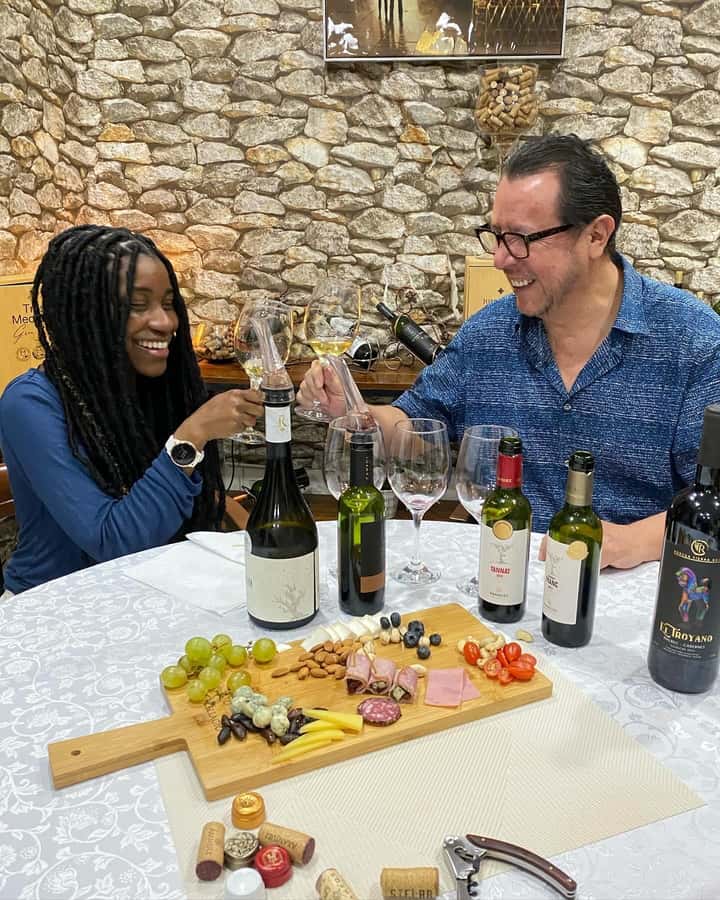
Book it if you want a personal introduction to Bolivian wine, especially rare heritage grapes and high-altitude bottles that are difficult to find in restaurants. The combination of four wines, a chef-made local board, and Guillermo’s warm instruction offers good value at $49 for two hours.
Skip it if your ideal wine outing requires vineyard scenery, transportation, or a professional tasting-room setting. This is a private-home gathering built around conversation, food, and discovery.
For the right person, it is a smart Santa Cruz choice. You leave with a better sense of Bolivia’s wine regions, a taste of its less familiar grapes, and a pleasant evening that feels more personal than a standard bar stop.
FAQ
Where does the wine tasting take place?
The experience takes place in a private home at calle Espejos #10 in the Condominio Espejos complex.
How do I find the meeting point?
The address is near Pirai Avenue and Second Ring Avenue. Look for a white four-block building, where the guide waits at the entrance.
How long does the experience last?
The full experience lasts two hours.
How many wines are included?
You will taste four Bolivian wines, which are uncorked on site.
What food is included?
The experience includes a charcuterie board with local cheeses and cold cuts prepared by a chef.
Is transportation included?
No. You must arrange your own transportation to and from the meeting point.
What languages are available?
The live guide offers the experience in English and Spanish.
How large is the group?
The group is limited to six participants.
Is the activity wheelchair accessible?
Yes, the experience is listed as wheelchair accessible.
Can children attend?
No. The activity is not suitable for children under 18. It is also not suitable for pregnant women.
More Tour Reviews in Santa Cruz De La Sierra
Not for you? Here's more nearby things to do in Santa Cruz De La Sierra we have reviewed
Food & Wine Experiences, compared
 ★ 4.5Evening Foodie Tour of La PazFrom $32167 reviews
Local street Market Walking TourFrom $1110 reviews
★ 4.5Evening Foodie Tour of La PazFrom $32167 reviews
Local street Market Walking TourFrom $1110 reviews
 ★ 3.3La Paz: Street Food Walking TourFrom $196 reviews
 ★ 4.2La Paz: Cable Car Ride Tour with Food TastingFrom $885 reviews
Browse the lists this tour appears in