
Reviewed · SANTA CRUZ TOURS
Walking tour – A journey through the History of Santa Cruz
Santa Cruz reveals itself one square at a time. This 150-minute walk connects the city’s early beginnings, independence movement, civic struggles, and modern growth through the historical center. I like the broad time span: you are not getting only colonial buildings or a quick plaza stroll, but a guided story running from the prehistoric era to present-day Santa Cruz de la Sierra. I also like the small group of up to four people, which gives the guide room to answer questions.
The tour offers strong value at $11 per person because admission to several museums is included. If Paul is your guide, you can expect a local perspective from someone born and raised in Santa Cruz, with very good English and a clear enthusiasm for the city. The trade-off is that this is a history walk, not a food tour: meals, drinks, and tastings are not included, and the walking route is not suitable for wheelchair users or people with mobility impairments.
In This Review
- Key points to know before you book
- Why this $11 history walk is good value
- Meeting at September 24 Square
- The Museum of History and Santa Cruz’s early years
- Independence, the cathedral, and the old center
- City Museum art and the Melchor Pinto Cultural Center
- What makes Paul an important part of the visit
- The walking conditions and what to bring
- Who should book this Santa Cruz tour?
- Booking flexibility and final verdict
- FAQ
- How long does the walking tour last?
- How much does the tour cost?
- Where do I meet the guide?
- Is the tour available in English?
- How many people can join the group?
- What admissions are included?
- Are meals, drinks, or hotel transfers included?
- What should I bring, and is the tour wheelchair accessible?
Key points to know before you book
- A four-person maximum keeps the tour personal: You get more chance to ask questions and shape the discussion around your interests.
- The timeline reaches from prehistory to today: The tour puts Santa Cruz’s modern importance into a wider civic, historical, and political setting.
- Four cultural stops are included: Your price covers admission to the Museum of History, Independence Museum, City Museum, and Melchor Pinto Cultural Center.
- Paul brings a local voice: If he leads your visit, expect English-language guidance, personal memories, restaurant suggestions, and strong knowledge of Santa Cruz.
- Bring protection from the sun: Comfortable shoes, light clothing, a hat, sunscreen, and water will make the walk much easier.
Why this $11 history walk is good value
For $11, you receive a guided visit to the historical center plus admission to several museums. That makes the price especially fair if you want context rather than simply taking photographs around September 24 Square.
You are paying for a guide who connects separate sites into one story. On your own, you might see a cathedral, a museum, and a cultural center as unrelated stops. Here, the focus is on how Santa Cruz developed, how its civic and political struggles shaped the city, and why Santa Cruz de la Sierra became Bolivia’s most important city economically and nationally.
The 4.8 out of 5 rating from 61 ratings also points to a consistently strong experience. The most praised element is the guide, particularly Paul. His value is not just knowing dates and names. He explains the city’s development and connects it with the wider history of Bolivia.
There are limits. This is not a meal-inclusive outing, and you should not book it expecting street-food samples or local drinks. One useful suggestion is to ask your guide for restaurant advice at the end. Paul has recommended a traditional restaurant to participants, and local specialties such as spicy tongue and lizard were mentioned as separate food experiences.
You can also read our reviews of more tours and experiences in Santa Cruz De La Sierra.


Meeting at September 24 Square
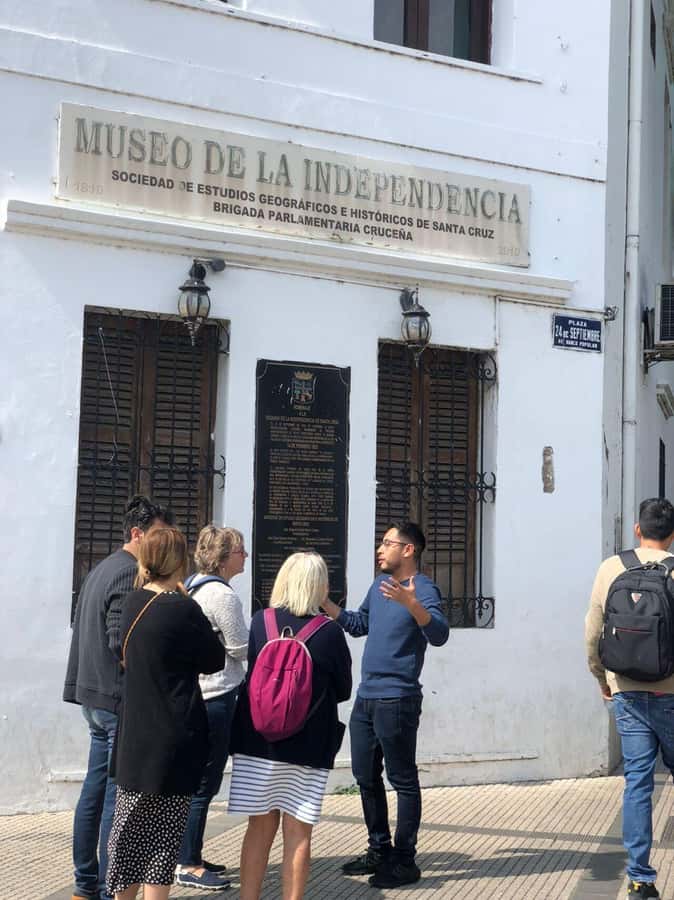
The meeting point is in front of the Casa Municipal de Cultura Raúl Otero Reiche, on the side of September 24 Square. This is a practical place to begin because you are already in the center of Santa Cruz and close to several of the tour’s main sights.
The square gives you an immediate sense of the city’s public heart. Your guide starts the historical conversation here before leading you through the old town. The initial guided walk lasts about 15 minutes, so this opening is not just a way to move from one building to another. It helps place the city center in context.
I recommend arriving with your phone or booking details ready and wearing your walking shoes from the start. The route returns to the Casa Municipal de Cultura Raúl Otero Reiche, so you do not need to arrange a separate ride between the stops. Hotel pickup and drop-off are not included.
The Museum of History and Santa Cruz’s early years
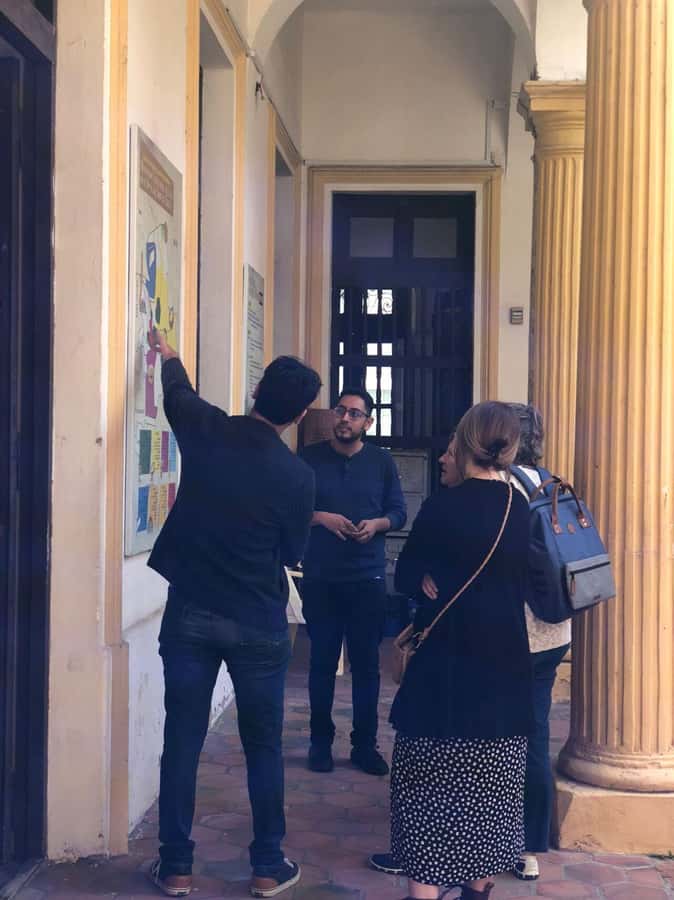
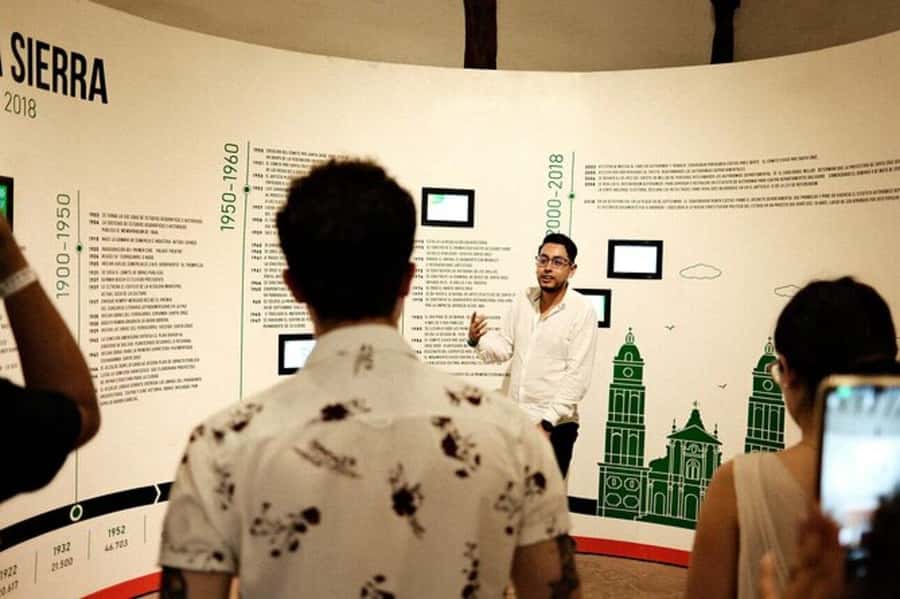
The Museo de Historia de la UAGRM receives about 40 minutes, making it the longest single museum visit on the route. This is where the tour begins its look at the early moments of Santa Cruz, including the city’s story from the prehistoric era onward.
That broad starting point matters. Santa Cruz can seem like a modern, fast-growing city if you only look at its present streets and commercial districts. The museum gives your guide a place to explain the earlier foundations of the region before moving into the city’s later civic and political story.
I like this part of the tour because it gives structure to everything that follows. Instead of treating independence, public institutions, and modern growth as separate subjects, the guide can build a timeline. You will learn how the city developed and how its role within Bolivia changed.
Do not expect the museum to be the only focus. The guide’s explanation is a large part of the value, especially if you want connections between the objects, displays, and the city outside. Paul has been described as an encyclopedia of Santa Cruz, from its early inhabitants to modern times. If he is leading your group, ask questions as you go; the four-person limit makes that easier than on a large coach tour.
Independence, the cathedral, and the old center
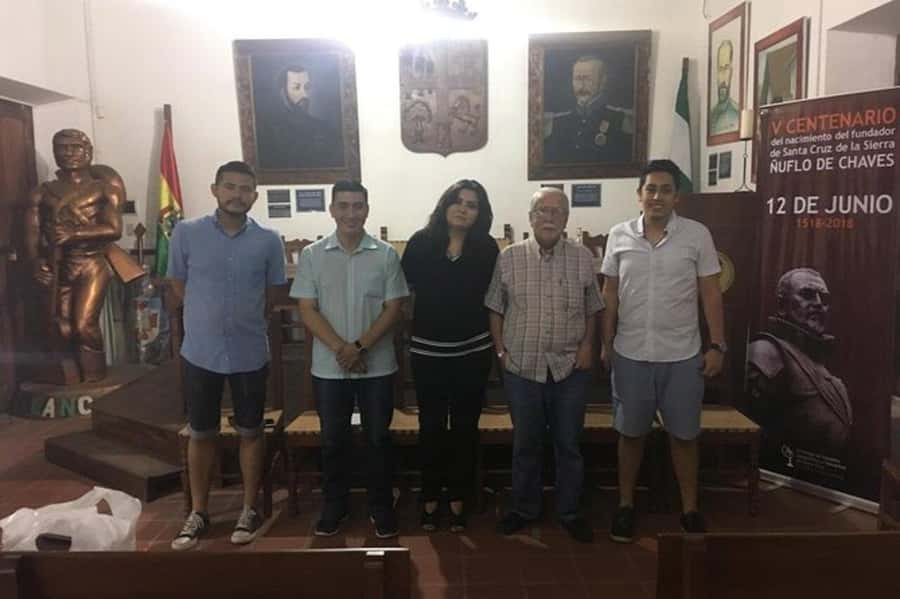
The Museum of Santa Cruz Independence is another key stop. Its place in the route gives you a chance to consider the city’s role in the independence movement rather than viewing Santa Cruz only through its architecture.
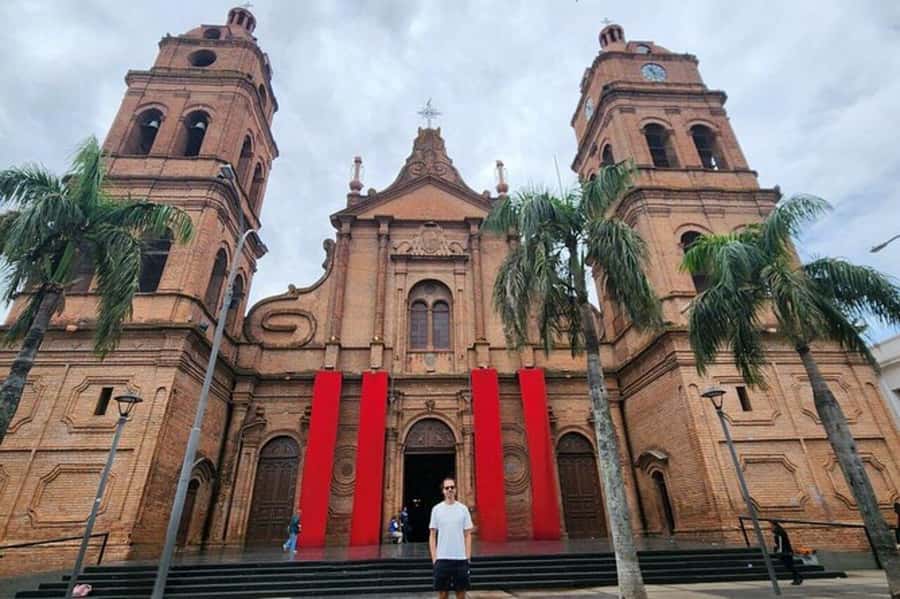
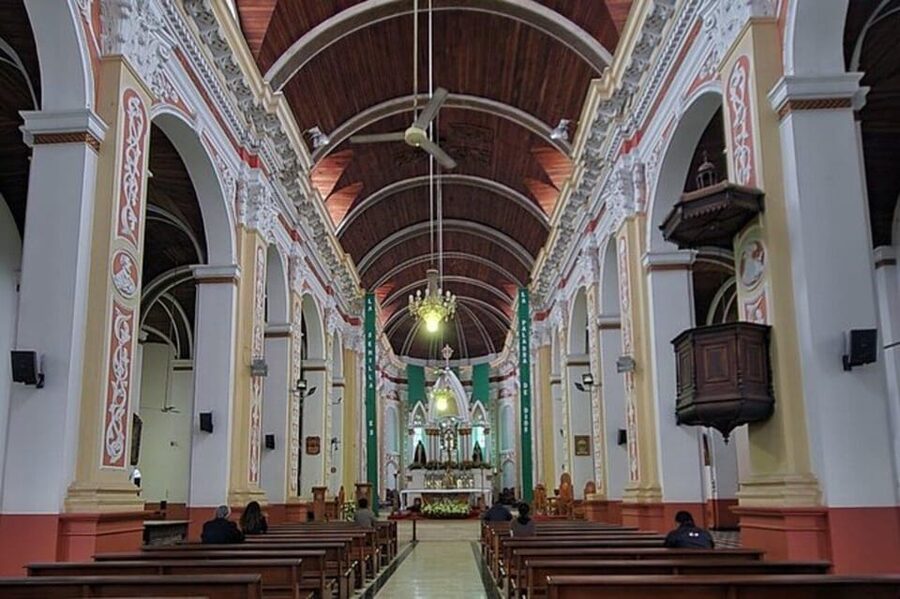
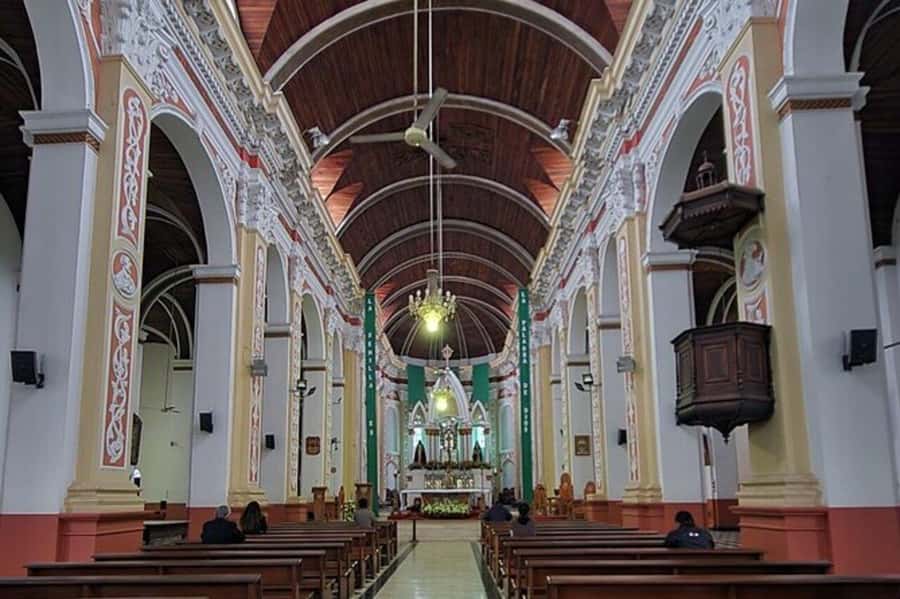
The tour also includes the Catedral Metropolitana Basílica Menor de San Lorenzo de Santa Cruz. You have around 20 minutes for a visit, guided explanation, and photographs. The cathedral works well as a change of pace after museum time: you move from displays and historical interpretation into one of the city center’s major religious and public spaces.
I would keep your camera ready here, but remember that flash photography is not allowed inside museums. The tour information specifically permits photography while asking you to avoid flash indoors. That is a small point, but it is the sort of rule that can save an awkward moment during a guided visit.
The route’s emphasis is not simply on seeing old buildings. It is about civic life, religious institutions, independence, and the forces that shaped Santa Cruz. If you want a tour focused only on architectural detail, this may feel broader than expected. If you want to understand how the city fits into Bolivia, the wider approach is useful.
City Museum art and the Melchor Pinto Cultural Center
The City Museum adds an artistic side to the walk. You will find Santa Cruz history there along with an art gallery, giving the tour a visual break from its political and civic subjects.
This is also the point where the experience may appeal to people who want more than a standard monument circuit. Art provides another way to see how the city represents itself. Still, the visit is one part of a compact history tour, not a dedicated gallery crawl. If you are especially interested in art, ask about other galleries to visit after the walk. The city has additional art spaces worth considering, but they are not all part of this experience.
The final major stop is the Casa Cultural Melchor Pinto Parada, which houses the 20th Century Museum. You spend about 30 minutes here before returning to the starting point. This closing section brings the story toward modern Santa Cruz and helps address the tour’s central question: how did this city become Bolivia’s most important?
The answer is not delivered as a single slogan. Instead, the tour looks at development, civic action, historical change, and political struggles. That makes the final stop more useful than a quick statement about the city’s importance. You leave with a better sense of how Santa Cruz’s present position grew out of earlier events.

What makes Paul an important part of the visit
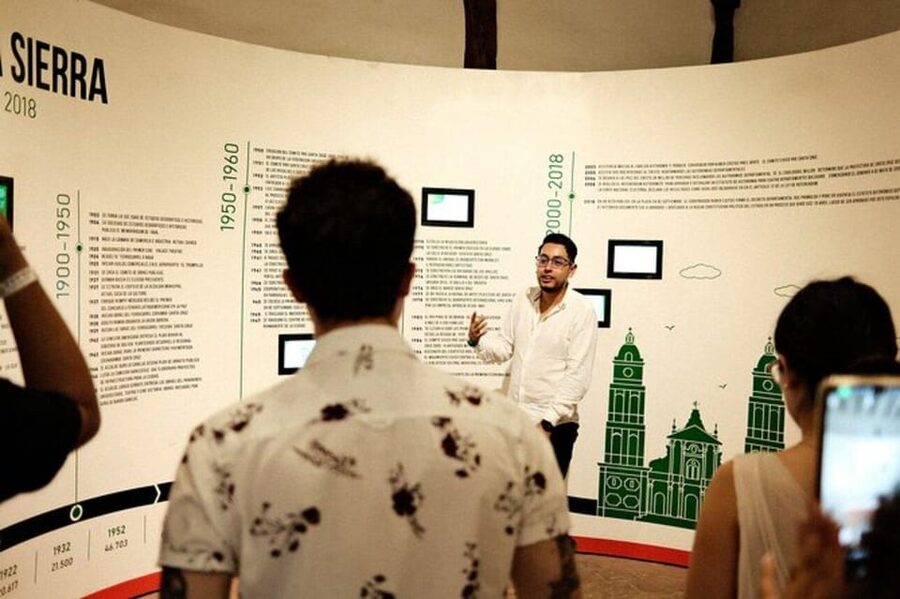
The buildings and museums give the tour its shape, but the guide determines how much you take away. Paul is the guide most closely associated with this experience, and the strongest praise centers on his clear explanations, local background, and English-language communication.
If Paul leads your group, he can discuss both the city’s older story and the Santa Cruz he experienced while growing up. That personal angle adds warmth without replacing the formal history. He has also offered restaurant suggestions, which is useful because food is outside the tour itself.
I would ask about the points that interest you most. You might want more detail on the independence movement, the city’s modern expansion, or the way Santa Cruz fits into Bolivia as a whole. With a maximum of four people, the conversation can be more flexible than a standard group walk.
The guide’s role also helps explain the high rating. Several ratings specifically praise the tour as informative, easy to communicate through, and useful for understanding both Santa Cruz and Bolivia. That is the clearest strength of this activity.
The walking conditions and what to bring
Santa Cruz can be sunny and warm, so prepare for outdoor walking even though the museums offer time indoors. Wear comfortable shoes and light clothing, and bring a hat, sunscreen, and a water bottle. A camera is welcome, subject to the no-flash rule inside museums.
The walking portion is not described as suitable for people with mobility impairments. Wheelchair users, including electric wheelchair users, should not book this activity. It is also listed as unsuitable for people over 80, so consider your own comfort with walking and standing before reserving.
The tour is offered in Spanish and English. Starting times vary, so you need to check availability for the date you want. The group is limited to four participants, which is a major benefit if you prefer a quieter and more conversational visit.
Alcohol, drugs, and explosive substances are not allowed. Those restrictions are straightforward, but the more important preparation is practical: protect yourself from the sun and bring water.
Who should book this Santa Cruz tour?
I would choose this walk if you have limited time in Santa Cruz and want an organized introduction to the city’s past. It is also a good fit if you prefer museums and guided explanation to simply walking around and reading occasional plaques.
You will get the most from it if you enjoy asking questions and comparing different periods of history. The route covers early settlement, independence, religious and civic life, art, and the 20th century in two and a half hours. That is a lot of ground, so the guide’s ability to keep the story clear matters.
I would not choose it as your only activity if your main goal is tasting local food, visiting markets, or spending hours in art galleries. One participant felt the experience could include more street food, market stops, or local drinks. That is a fair point, but it also confirms what this tour is designed to do: explain Santa Cruz rather than serve as a culinary outing.
The price is low enough that you can pair this walk with a separate meal or gallery visit. Paul’s restaurant suggestions may help you plan that next step.
Booking flexibility and final verdict
You can cancel up to 24 hours before the tour for a full refund, and the reserve-now, pay-later option keeps your plans flexible. Meals, beverages, personal expenses, and hotel transfers are extra, so factor those into your day.
I would book this experience if you want a compact, affordable introduction led in English or Spanish, especially if Paul is available. The strongest reasons are the small group, the museum admissions, the wide historical timeline, and the guide’s local perspective.
I would skip it if you need wheelchair access, dislike walking in the sun, or want food tastings built into the outing. For everyone else, $11 buys a useful first look at Santa Cruz, with enough historical context to make the rest of your stay more meaningful.
FAQ
How long does the walking tour last?
The tour lasts 150 minutes, or two and a half hours. The schedule includes walking between sites and guided visits at several museums and cultural attractions.
How much does the tour cost?
The price is $11 per person.
Where do I meet the guide?
Meet in front of the Casa Municipal de Cultura Raúl Otero Reiche, on the side of September 24 Square in central Santa Cruz.
Is the tour available in English?
Yes. The tour is offered in Spanish and English.
How many people can join the group?
The group is limited to four participants.
What admissions are included?
Admission is included for the Museum of History, Museum of Santa Cruz Independence, City Museum, and Casa Cultural Melchor Pinto Parada.
Are meals, drinks, or hotel transfers included?
No. Meals, beverages, hotel pickup, hotel drop-off, and personal expenses are not included.
What should I bring, and is the tour wheelchair accessible?
Bring comfortable shoes, light clothing, a hat, sunscreen, water, and a camera. Photography is allowed, but flash photography is not permitted inside museums. The tour is not suitable for wheelchair users or people with mobility impairments.
More Tours in Santa Cruz De La Sierra
More Tour Reviews in Santa Cruz De La Sierra
Not for you? Here's more nearby things to do in Santa Cruz De La Sierra we have reviewed
Santa Cruz Tours, compared
 ★ 4.7Santa Cruz: Wildlife Sanctuary and Preservation Park TourFrom $8573 reviews
 ★ 4.7Santa Cruz: Lomas de Arena SandboardFrom $3934 reviews
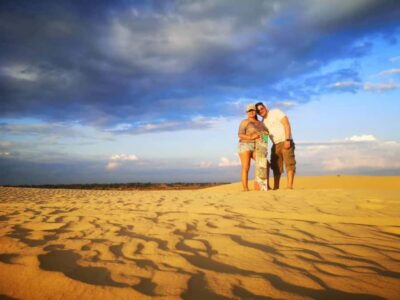 ★ 4.6Lomas de Arena Sandboarding TourFrom $4925 reviews
 ★ 4.3Day Tour / Amboro National Park (north side)From $13917 reviews
Browse the lists this tour appears in