
Reviewed · SANTA CRUZ TOURS
Santa Cruz: Wildlife Sanctuary and Preservation Park Tour
Some animal encounters stay with you. This day trip combines a close look at rescued wildlife with two guided walks through tropical Bolivia, and I like the personal feel created by hosts such as Urs Butchler, Julio, Monica, Jorge, and Benji. I also like that the $85 price includes pickup, park admission, a welcome fruit juice, guiding, and lunch.
The main drawback is the roughly one-hour drive each way. Vehicle comfort may vary, and one account reported no seatbelts while another described an air-conditioned taxi with seatbelts. Add tropical heat, mud, and insects, and you will want to prepare properly.
In This Review
- Key points to know before you book
- The one-hour ride from Santa Cruz to AFASI
- Around 500 animals in a 90-minute sanctuary visit
- Swamps, lagoons, and plants from three climate zones
- Lunch while monkeys watch from nearby
- What $85 includes — and where the value lies
- Language, walking pace, and the right kind of visitor
- Clothing, insects, and small rules that matter
- Should you book the AFASI day trip?
- FAQ
- How much does the Santa Cruz wildlife sanctuary tour cost?
- How long does the tour last?
- What animals can I see?
- Is transportation included?
- What language is the tour in?
- What should I bring?
Key points to know before you book
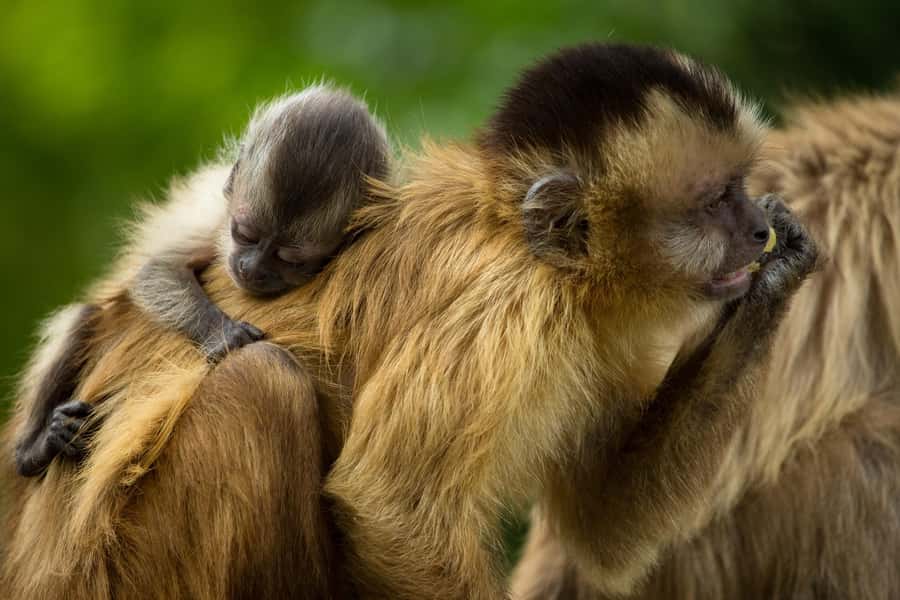
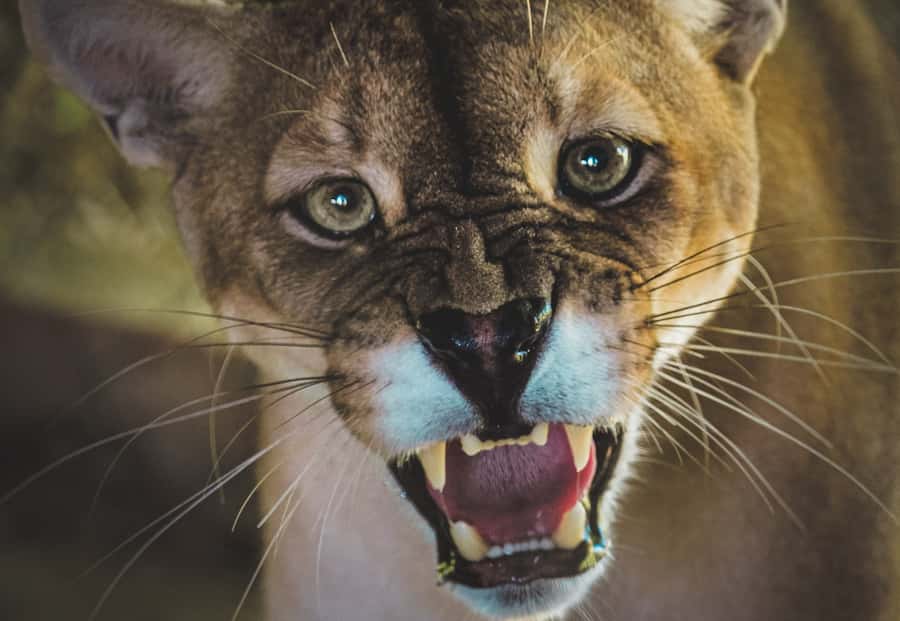
- Around 500 animals live at the sanctuary: Expect monkeys, pumas, coatis, martens, wild pigs, foxes, macaws, toucans, and land turtles.
- The sanctuary walk lasts about 90 minutes: Guides explain where the animals came from and how AFASI cares for them.
- Two nature walks add up to 2–3 hours: The route passes swamps, lagoons, and plant life linked to the Gran Chaco, Amazon, and Amboró area.
- The day feels personal rather than polished: This is a working animal-care foundation with a rustic, hands-on atmosphere, not a large commercial zoo.
- Lunch is part of the experience: You eat a typical Bolivian meal at the foundation’s homely restaurant, with a vegetarian option.
- Bring water and insect repellent: Long pants, closed shoes, and weather-ready clothing are essential, especially after rain.
The one-hour ride from Santa Cruz to AFASI
Your day starts with pickup directly at your accommodation in Santa Cruz. The drive to the AFASI Foundation takes about an hour, so this is not a quick city-side attraction. It is a full outing into the tropical countryside.
The transfer is included in the price, which matters because arranging your own transport to a rural animal sanctuary could be awkward. The ride also gives you a chance to see more of the area outside Santa Cruz. One driver, Omar, has been praised for safe driving and for explaining places along the way.
Still, I would check the vehicle before setting off. An air-conditioned taxi with seatbelts has been used, but another departure involved a taxi without seatbelts. That inconsistency is worth noting, especially if you are uncomfortable on rural roads or are traveling with children.
The exact departure time depends on availability. The return to Santa Cruz is scheduled for no later than 3 p.m., making this a daytime activity rather than an evening excursion. If you have a late-afternoon flight, confirm the timing carefully and leave a generous buffer.
On arrival, you receive a fruit juice before the walking begins. It is a small touch, but welcome in a hot climate after the drive.
You can also read our reviews of more tours and experiences in Santa Cruz De La Sierra.


Around 500 animals in a 90-minute sanctuary visit
The first major part of the day takes place inside AFASI’s wildlife sanctuary. The stated population is about 500 wild animals, and the range is impressive for a small, rural foundation.
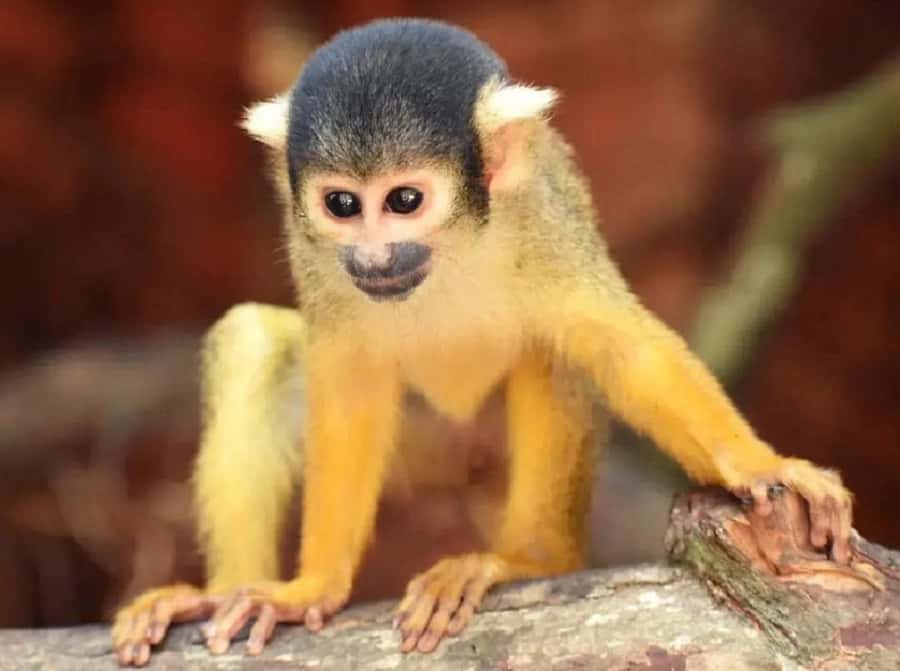
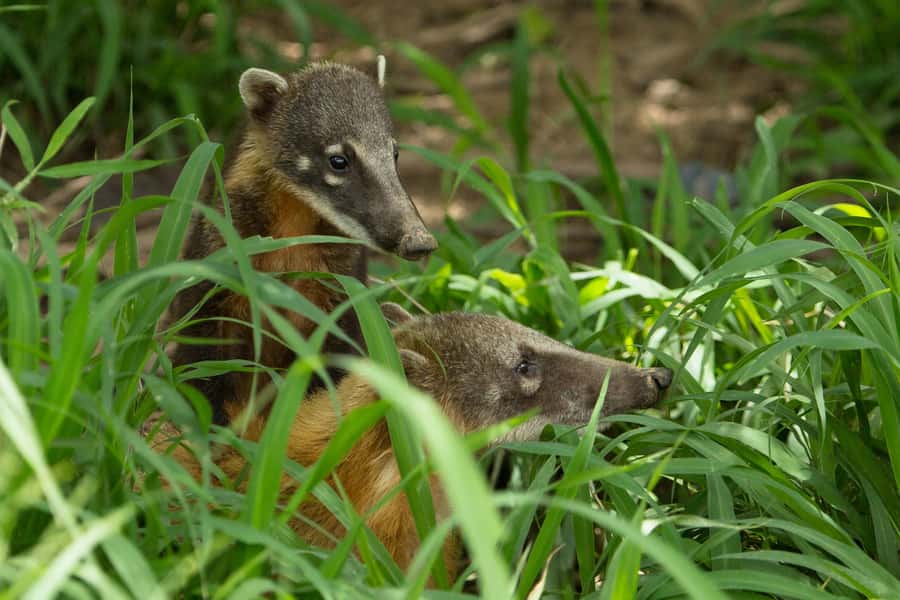
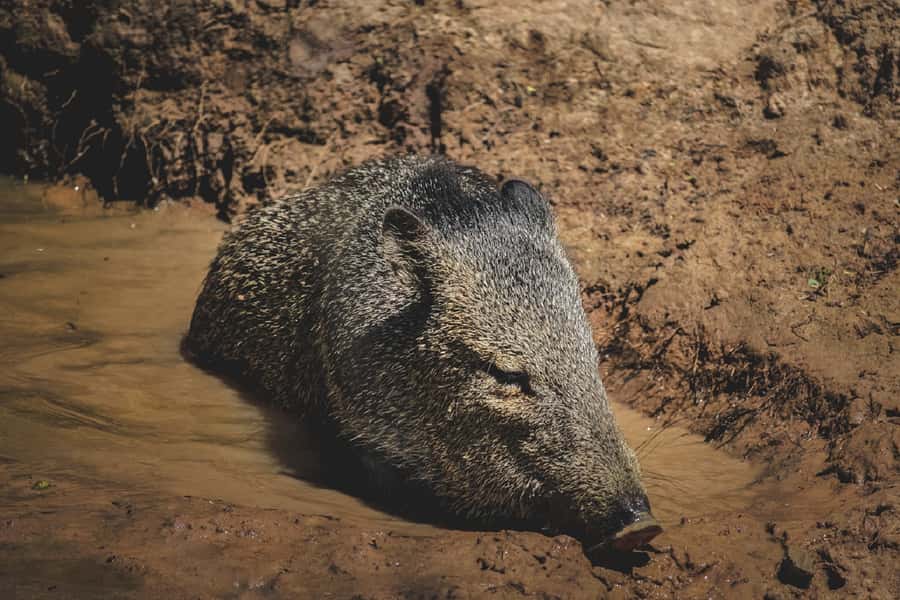
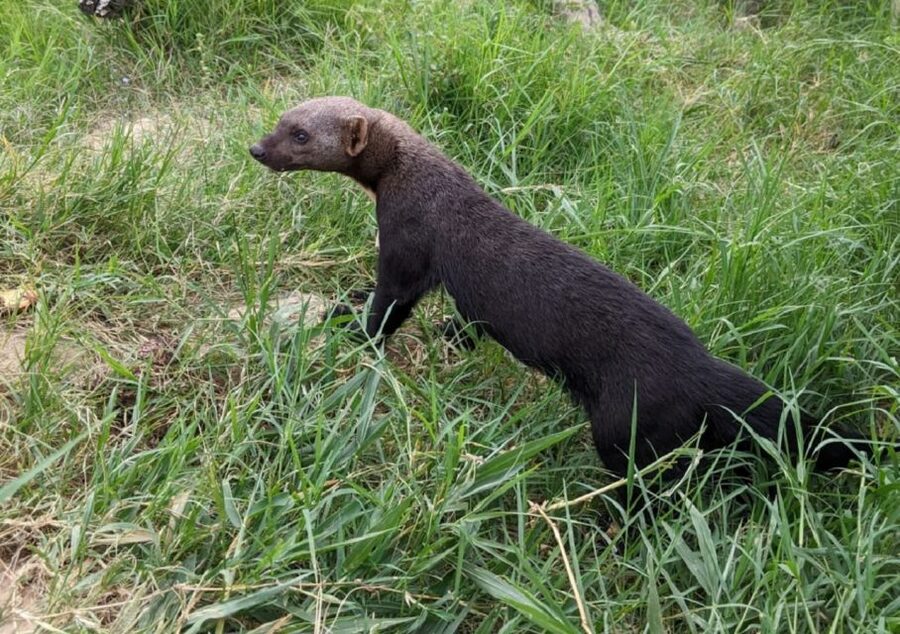
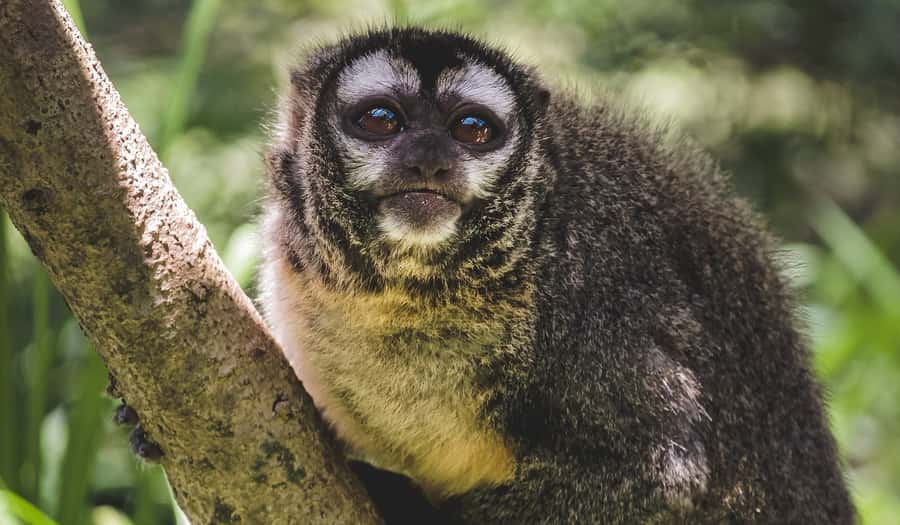
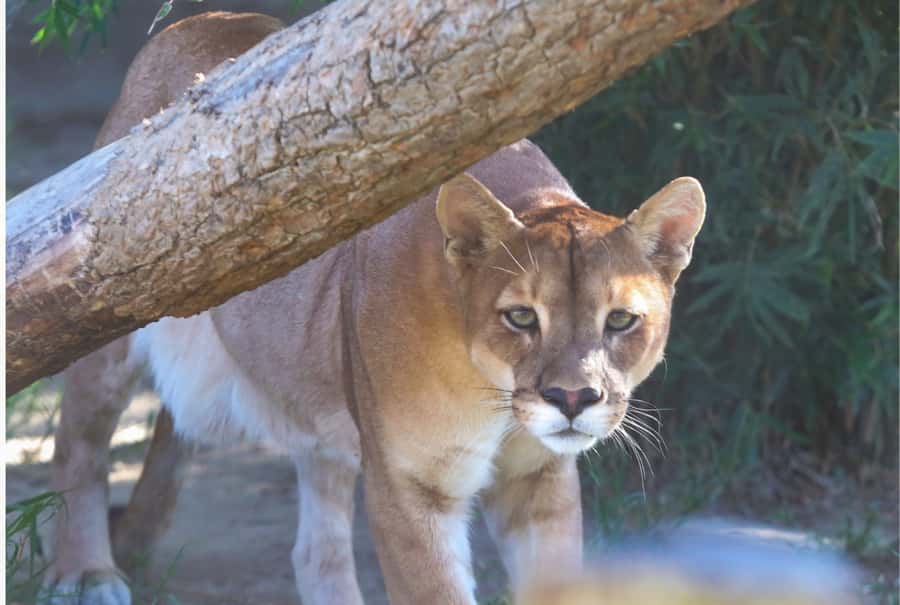
You may see five different species of monkeys, along with pumas, coatis, martens, wild pigs, foxes, toucans, macaws, and land turtles. The guides explain the habits and special traits of the animals rather than simply pointing out names. That makes this section feel more like a personal introduction to the creatures than a quick walk past cages.
The strongest part of the visit is the human connection. Urs Butchler is closely associated with the foundation and often plays a major role in welcoming and guiding people. His passion for the animals is a clear part of the experience. The setting has a personal, almost family-run character, and the staff spend time explaining the work involved in giving these animals a safe place to live.
You may also visit the area called the kindergarten, where young monkeys are cared for. Depending on each animal’s health and condition, limited contact may be possible. Do not arrive expecting to hold or pet the animals, though. The rule is to avoid feeding animals and making noise, and any contact is controlled by the staff.
That point matters. The best experience here is not forced contact, but watching the animals behave and hearing why they are at the sanctuary. The close views can be memorable, yet you should respect the restrictions that protect both animals and people.
The sanctuary is rustic. You will not find the polished paths, large signs, or formal exhibits of a major city zoo. For me, that is part of the appeal, but it also means the outing may feel less predictable and less physically finished than a conventional attraction.
Swamps, lagoons, and plants from three climate zones
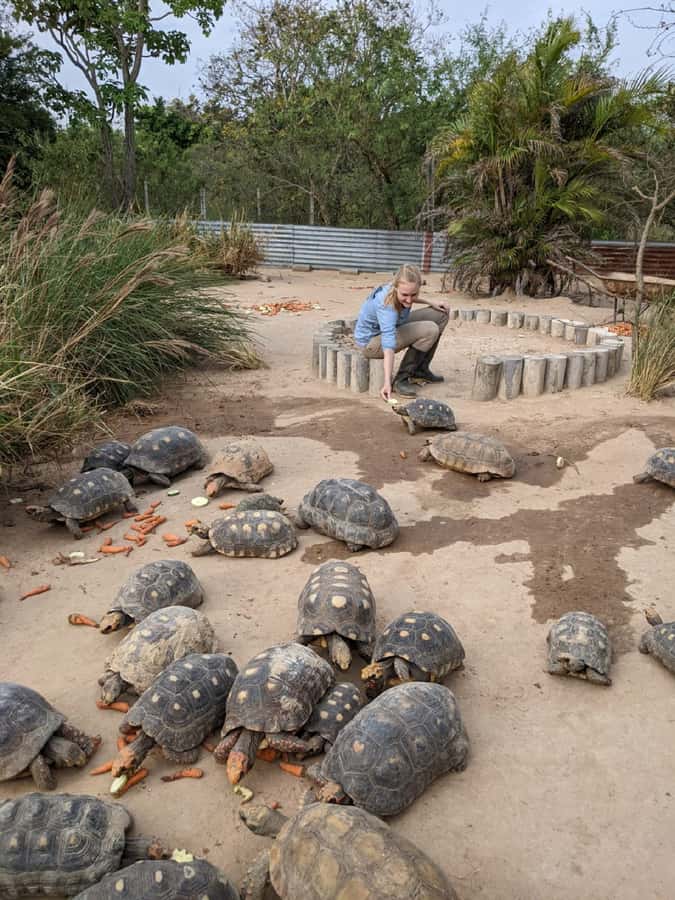
After a short break, the day moves into the preservation park for the second guided walk. The combined nature walks last about two to three hours, and the length can be adjusted according to your wishes.
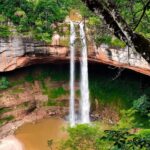
The route passes through swamps and along picturesque lagoons. Caimans may appear, especially when conditions are favorable, while water turtles are considered a more reliable sight. Frogs and other reptiles depend on the weather, so you should treat these as possibilities rather than promises.
This part of the day gives you a better sense of tropical Bolivia beyond the rescued animals. The park contains plants connected with three different climate zones: the Gran Chaco, the Amazon, and the influence of nearby Amboró National Park. That combination gives the walk unusual variety.
I like this structure because it puts the sanctuary into a wider setting. First you learn about animals living under human care. Then you walk through the types of habitat and plant life that help explain the region they come from.
With luck, you might spot sloths, wild monkeys, and different birds. A free-living sloth has been seen on one walk, and vultures have also been observed around a nearby canyon. Those sightings are never guaranteed, but the possibility adds a welcome sense of alertness to the walk.
Do not confuse this excursion with a trek into the Amazon. One past description fairly called it a good glimpse of the surroundings of Santa Cruz rather than a full rainforest expedition. That is the right way to think about it: you receive a manageable introduction to local flora and fauna, with the added benefit of sanctuary animals.
The route can become muddy. Closed-toe shoes are required, and I would wear shoes you do not mind getting dirty. Long pants protect you from brush and insects, while a light, weather-appropriate layer helps if conditions change.
Lunch while monkeys watch from nearby
Lunch is served at the foundation’s homely restaurant after the walks. It is a typical Bolivian meal, and a vegetarian option is available.
This is more than a practical pause between activities. The meal gives you time to talk with the team and ask about the foundation’s work. The relaxed setting is one reason the day feels more personal than a standard group excursion.
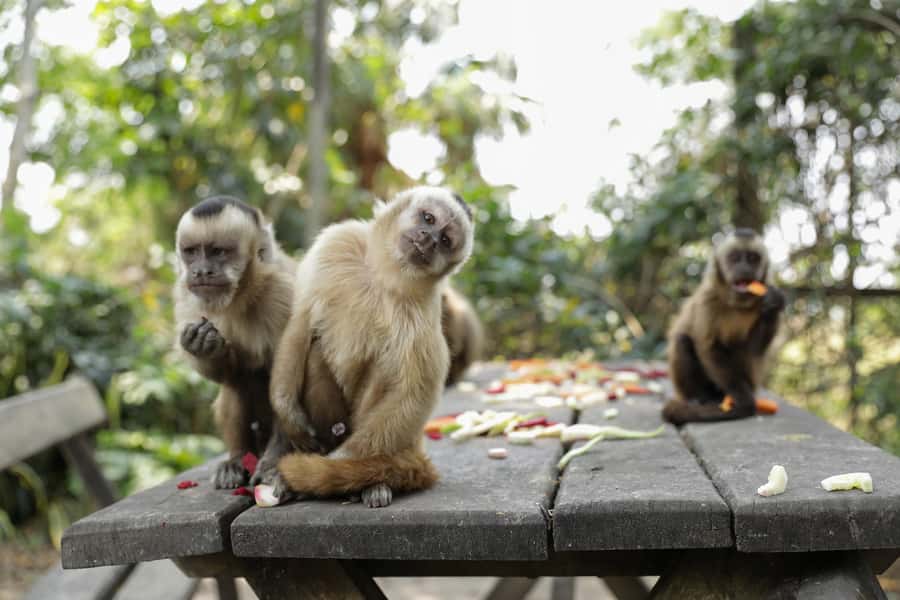
Wild monkeys may watch from nearby while you eat, which is an entertaining detail but also a reminder to follow the rules. Keep food to yourself, do not feed animals, and avoid making noise to attract them. The foundation specifically prohibits bringing food and touching plants as well.
The lunch has received particularly strong praise, and that makes sense within the rhythm of the day. After several hours outside in warm conditions, a proper meal is useful. The welcome drink is included, but I would still carry plenty of water because water is not listed among the inclusions.
What $85 includes — and where the value lies
At $85 per person, this is not the cheapest way to spend a day outside Santa Cruz. The price becomes easier to justify once you add up what is covered: direct accommodation pickup, the roughly one-hour transfer each way, entrance to the park, a small-group guided visit, the welcome fruit juice, and a typical lunch.
You are also paying for access to a foundation that requires daily care for a large number of animals. The value is not just the number of species you might see. It comes from having people explain the animals, show you the plant life, and make the day feel connected to a real local project.
The 4.7 out of 5 rating from 73 ratings reflects the strongest parts of the experience: the team’s warmth, the animal care, the guides’ explanations, and the meal. The people who may shape your day include Urs, Monica, Jorge, Benji, and Julio, depending on the departure and each person’s role.
Small groups are another point in the tour’s favor. One departure had only four people, which made it easier to hear the guide and ask questions. The group size is not fixed in the supplied details, so I would not count on a private tour, but the experience is presented as a small-group activity.
There are also practical savings. You do not have to arrange a separate taxi, find the entrance, or organize lunch. If you value an easy day with a clear plan, that convenience strengthens the price.

Language, walking pace, and the right kind of visitor
The activity information names Spanish as the live-guide language, while the broader description says tours may be available in Spanish, English, and German. If you need English or German, confirm the language before booking rather than assuming it will be available on your date.
You should be comfortable walking for several hours in warm, outdoor conditions. The total guided walking time is about two to three hours, though the second walk can be adjusted. Mud, insects, and uneven ground are possible, so this is not the best choice if you want a fully paved, climate-controlled attraction.
I think the tour suits you best if you care about animals and want to support a personal, small-scale project. It also works well if you have already seen the main sights in Santa Cruz and want a full day in a more natural setting.
Families may enjoy the monkeys, turtles, macaws, and other animals, but adults should make sure children understand the rules. No feeding, loud noises, pets, food, sandals, or touching plants are allowed. The restrictions are simple, and following them helps keep the sanctuary calm.
You may find this less satisfying if your main goal is to see large animals in the wild. The sanctuary section involves animals living under care, while sightings on the preservation walk depend on weather and luck.
Clothing, insects, and small rules that matter
Wear long pants and closed-toe shoes. Sandals and flip-flops are not allowed, and shoes that can handle mud will make the day easier.
Weather-appropriate clothing is important because much of the visit takes place outdoors. Bring water and insect repellent; insect spray was specifically useful on past departures. A hat or sun protection may also be sensible, though the formal instructions only require weather-ready clothing.
The rules are worth reading before you arrive:
- Do not make noise to attract animals.
- Do not feed the animals.
- Do not bring pets.
- Do not wear sandals or flip-flops.
- Do not touch plants.
- Do not bring food.
The sanctuary may allow limited contact with young monkeys depending on their condition, but that is an exception controlled by the team. The general approach is observation, not hands-on handling.
Free cancellation is available up to 24 hours before the activity for a full refund. You can also reserve now and pay later, which helps if you are still arranging your Santa Cruz schedule.
Should you book the AFASI day trip?
I would book this tour if you want a personal animal-care experience, a taste of tropical nature, and a simple all-day plan from Santa Cruz. The strongest reasons are the range of animals, the passionate team, the plant-and-wetland walk, and the included Bolivian lunch.
I would pause if you need guaranteed English or German guiding, a perfectly standardized vehicle, or a polished zoo-style setting. Confirm the guide language and check the taxi’s seatbelts before leaving.
For most animal lovers, the $85 price is fair because it includes transport, admission, guiding, food, and a full day of access to a place you could not easily reach on your own. Pack water, bug spray, long trousers, and shoes that can get muddy, then go with realistic expectations: this is a rustic working sanctuary with heart, not a wilderness safari.
FAQ
How much does the Santa Cruz wildlife sanctuary tour cost?
The tour costs $85 per person. The price includes transportation from your accommodation, park admission, a guided small-group tour, a welcome fruit juice, and a typical Bolivian lunch.
How long does the tour last?
It is a full-day activity. The sanctuary tour lasts about 90 minutes, the two guided nature walks total about two to three hours, and the return journey to Santa Cruz is scheduled for no later than 3 p.m.
What animals can I see?
The sanctuary has about 500 wild animals, including five species of monkeys, pumas, coatis, martens, wild pigs, foxes, toucans, macaws, and land turtles. On the nature walk, you might see caimans, sloths, wild monkeys, birds, frogs, and other reptiles.
Is transportation included?
Yes. A driver picks you up directly at your accommodation in Santa Cruz. The drive to the AFASI Foundation takes about one hour, followed by transportation back to Santa Cruz later in the day.
What language is the tour in?
The activity details specifically identify Spanish as the live-guide language. The wider description also lists Spanish, English, and German as available tour languages, so confirm your preferred language before booking.
What should I bring?
Bring long pants, closed-toe shoes, weather-appropriate clothing, plenty of water, and insect repellent. Sandals and flip-flops are not allowed, and you must not bring food or pets.
More Tours in Santa Cruz De La Sierra
More Tour Reviews in Santa Cruz De La Sierra
Not for you? Here's more nearby things to do in Santa Cruz De La Sierra we have reviewed
Santa Cruz Tours, compared
 ★ 4.8Walking tour – A journey through the History of Santa CruzFrom $1161 reviews
 ★ 4.7Santa Cruz: Lomas de Arena SandboardFrom $3934 reviews
 ★ 4.6Lomas de Arena Sandboarding TourFrom $4925 reviews
 ★ 4.3Day Tour / Amboro National Park (north side)From $13917 reviews
Browse the lists this tour appears in