
Reviewed · UYUNI
3-Day Tour to Salt Flats and Lagoons
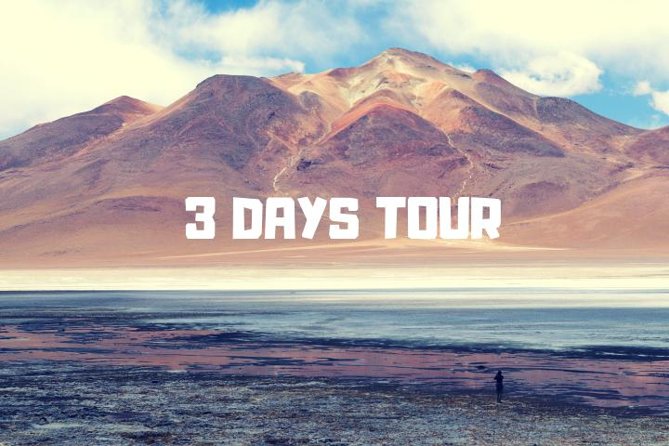
The real draw here is the change of scenery: one day you’re crossing the blinding white Salar de Uyuni, and the next you’re threading through a high desert of volcanoes, flamingos and colored lagoons. This is not a quick salt-flat photo stop. It’s a three-day 4×4 journey into Bolivia’s remote southwest.
I like that the route pairs the famous salt expanse with places many people would otherwise miss, including cactus-covered Incahuasi Island and the hot springs. I also like that the price includes two nights’ lodging and six meals, with a guide and driver handling the long stretches between sights.
The trade-off is comfort. Lodging is basic, temperatures can be cold, and the roads are rough enough to make this a poor fit if you have a bad back or need a soft landing at day’s end. Plan for an adventure, not a hotel holiday.
At a glance
- Three days, two very different worlds: Start on the salt flat, then head into the dry Andean highlands.
- A small-group 4×4 trip: The listed maximum is six participants, though the operator’s notes also describe guides coordinating between two vehicles.
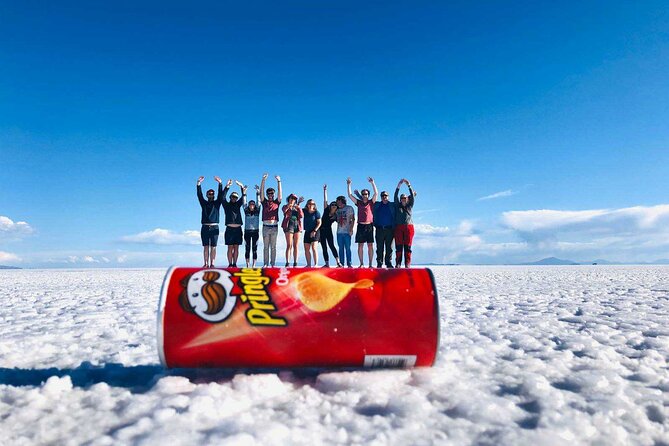
- Famous photo stops: Expect the Train Cemetery, the salt-made Playa Blanca, the Dakar Statue and perspective photos on the flat.
- A proper high-desert day: Day two brings volcanoes, wildlife, Laguna Colorada and a volcanic crater.
- Meals and lodging are included: Breakfast, lunch and dinner are provided across the trip, along with two nights’ accommodation.
- Budget extra for entrance fees: Incahuasi Island costs 30 bolivianos and Eduardo Avaroa National Park costs 150 bolivianos.
In This Review
- The salt flat is only the beginning
- Day one: locomotives, salt and cactus island
- Day two: flamingos, volcanoes and a hot soak
- Day three: Dali Desert, Green Lake and the route home
- Guides, vehicles and what the journey feels like
- Pack for cold nights and a simple room
- Is this the right three-day tour for you?
- FAQ
- How long is the tour, and when does it start?
- What is included in the $370 price?
- Which entrance fees are not included?
- Where does the tour end?
- How large is the group?
- Are meals and vegetarian food available?
- What should I bring for the weather and accommodation?
- Can I cancel for a full refund?
The salt flat is only the beginning
At $370 per person, this tour covers a lot of ground. You get three days of transport in a Toyota Land Cruiser, a professional guide, two nights’ accommodation and six meals. Fuel and hotel pickup are included, too. The price does not include the two stated entrance fees, so add 180 bolivianos to your trip budget.
The value lies in reaching places that are far apart and not easy to stitch together on your own. You move from Uyuni’s railway history to the world’s great salt flat, then onward to high-altitude lakes and desert country. The vehicle, driver and route planning are part of what you’re paying for, not just the stops themselves.
Expect the conditions to be basic. The accommodation is described as rustic, and some people have found it cold, with no heating and shared bathrooms. The second night is near the hot springs, which can be a welcome reward after a long day, but it doesn’t turn this into a comfort-focused trip.
The tour is listed as a maximum of six participants. The operator also notes that one guide may be shared between two cars, with up to 12 people. Since those details don’t line up neatly, ask how your departure will be arranged if group size matters to you. Company vehicles have radios for communication.
Day one: locomotives, salt and cactus island
Meet at Red Planet Expeditions on Avenida Ferroviaria in Uyuni for an 11:00 a.m. departure. The first stop is the Train Cemetery, where old locomotives recall Bolivia’s early railway era. It’s an unusual opening scene: rusting engines against the open, dry outskirts of town. Allow about two hours for the stop and the onward visit to Colchani.
Colchani is a small settlement beside the salt flat. Here, you visit salt-processing workshops and a handicraft market before lunch. It’s a useful pause between town and the vast white expanse ahead, and a chance to see how local businesses work with the salt rather than simply treating it as scenery.
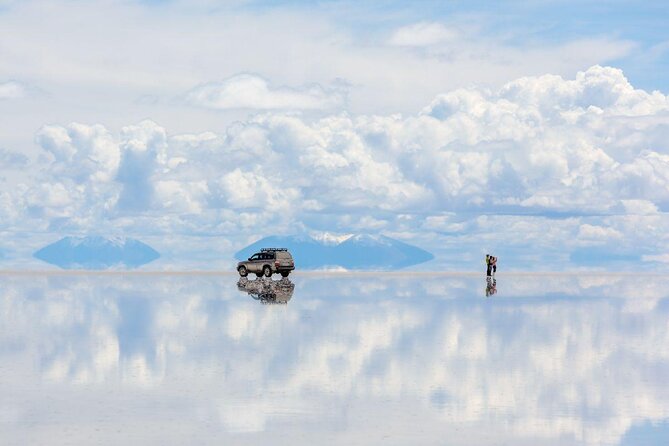
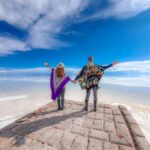
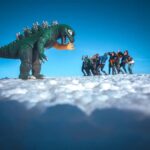
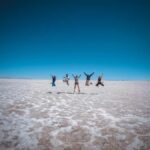
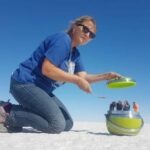
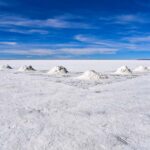
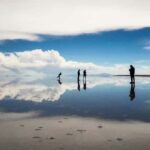
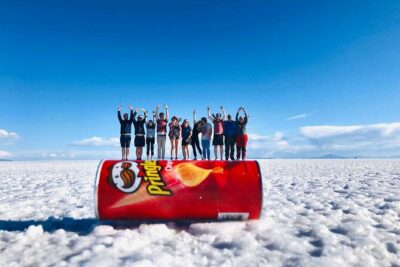
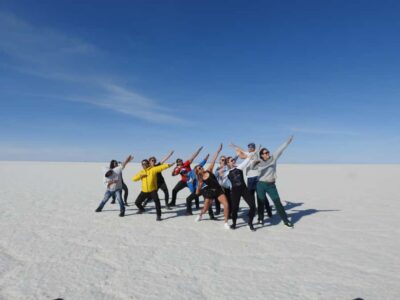
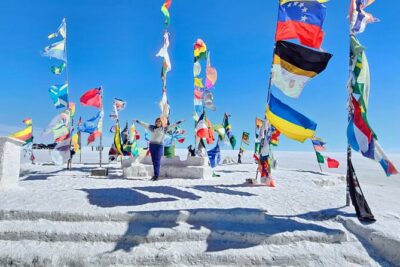
After lunch, the route heads onto the Salar de Uyuni. Playa Blanca, the salt-built hotel, is a notable stop, with salt sculptures, flags and the Dakar Statue nearby. The route description calls it the only hotel allowed inside the salt flat. You then continue toward the center, where the enormous, open surface makes scale difficult to judge. Guides help set up perspective photos, the playful shots that make people look tiny, huge or oddly placed in the distance.
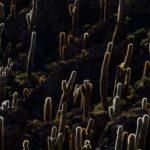
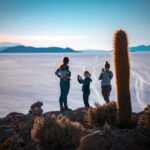
The next major stop is Incahuasi Island, also called Cactus Island. Its giant cacti and coral-like rock formations break up the flat’s smooth horizon. A loop hike of about an hour climbs to a high point with a 360-degree view. That’s a modest walk, but the elevation and dry air can make even a short climb feel more demanding than expected. The 30-boliviano entrance fee is extra.
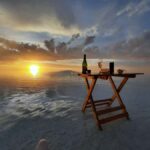
The day ends with a sunset at the edge of the salt flat, followed by the drive to Villa Candelaria for the first night. Hot coffee or chocolate, cookies and snacks are served on arrival, with dinner later. It’s a full day, and the sunset is a fine last look at the salt before the route turns toward the desert.
You can also read our reviews of more tours and experiences in Uyuni.

Day two: flamingos, volcanoes and a hot soak
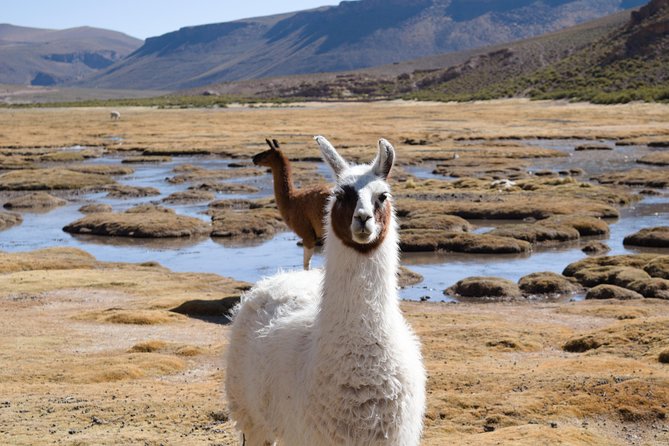
Day two starts around 6:30 a.m. and lasts roughly ten hours. The long drive is the point: you leave the salt flat behind and enter the high, dry Andean region, where dormant volcanoes and lagoons shape the view. The terrain and colors change as you go, so this is less about one single stop than the unfolding journey.
Keep an eye out for llamas, vicuñas, viscachas, Andean foxes and flamingos. Eduardo Avaroa National Park covers a vast area, and wildlife sightings are part of what makes this day different from the salt-flat portion. The park entrance fee is 150 bolivianos, not included in the tour price.
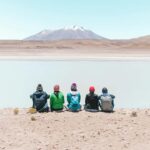
Laguna Colorada is the headline stop. Its striking color gives the lake its name, and flamingos add movement to the scene. The precise appearance of a lagoon can vary with conditions, so don’t expect a painted backdrop on demand. Still, the combination of water, birds and high desert is a striking contrast to day one’s white expanse.
The route also visits a volcanic crater where geological activity can be seen. The day then continues to the accommodation and hot springs. The chance to soak after hours on bumpy roads is a genuine highlight, especially if the air is cold. Bring a swimsuit if you want to use the pool; the tour information specifically mentions the hot springs, though it does not specify what facilities or changing arrangements are available.
Breakfast, lunch and dinner are included across the trip, but food preferences are worth discussing before you go. Vegetarian meals can be arranged if you advise the operator in advance. Some people find the food wholesome and adequate, while breakfast in particular may not suit everyone’s taste. Traditional Bolivian dishes are not guaranteed.
Day three: Dali Desert, Green Lake and the route home
The final day begins around 6:30 a.m. with breakfast. Pancakes, yogurt, milk and corn flakes are among the listed options. The first stop is the Salvador Dalí Desert, a broad, bare stretch of high country whose unusual formations bring to mind the spare shapes in the artist’s work.
Next comes Green Lake, near the Chilean border. From there, you can be dropped at the immigration office. If you’re returning to Uyuni instead, the group heads north by a different route, stopping along the way for breaks, toilets and lunch. The expected arrival back at the Uyuni office is about 5 p.m.
Those are two different endings, so decide which one suits your onward plans before departure. The tour description includes a drop-off at the border immigration office, but it does not describe transport onward into Chile. If you’re returning to Uyuni, expect another long stretch in the vehicle rather than a short transfer.
Guides, vehicles and what the journey feels like
The people running the trip can shape the experience as much as the scenery. Guide assignments vary, and guides named on this operation include Peter, Hector, Ivan and Juan. Drivers are also an important part of the trip: you spend many hours in the vehicle, and the route crosses rough, remote ground. The company says its cars carry radios so crews can communicate.
There is a practical detail to understand about the guide arrangement. The operator says one guide may move between two cars, with a maximum of 12 people across them, while the tour is also described as having no more than six participants. Confirm the group setup when booking rather than assuming your guide will sit in your vehicle for every mile.
The roads can be very bumpy and rocky. Flat tires have happened on the route, so delays are possible, and the ride can be hard on anyone with back problems. That roughness is part of reaching the remote sights, but it is still worth weighing honestly before committing to three days in a 4×4.
Altitude is another serious consideration. The route reaches high country, and altitude sickness has disrupted at least one trip. If you start feeling unwell, tell the guide promptly and be clear about what you can manage. The tour information does not promise a particular medical response or a return transfer at no extra cost, so ask the operator about its plan for altitude illness before you set off.
Pack for cold nights and a simple room
Cold is not a minor detail here. The trip takes place in high, exposed country, and people have found the hotels chilly, with no heat. Bring warm layers for evenings and early starts, including clothes you can add or remove as the temperature changes. A sleeping bag is provided according to one account of the trip, but confirm that directly if you’re relying on it.
Accommodation is functional, not polished. Rooms may have shared bathrooms, and the tour data does not promise private facilities or heating. The hot springs help make the second evening memorable, but they shouldn’t set expectations for the standard of the lodging.
Meals are included, which keeps the practical side simple during a route where there are few opportunities to arrange your own food. Let the operator know about dietary needs when booking; vegetarian options are available by advance request. Alcohol is not included, though it can be purchased.
The stated physical requirement is moderate fitness, and children must be accompanied by an adult. This is a better match for people who can handle long drives, basic rooms and a short uphill walk than for anyone seeking a gentle, low-effort sightseeing break.
Is this the right three-day tour for you?
I’d choose this trip if you want to see more than the salt flat and are comfortable trading convenience for reach. The combination of Salar de Uyuni, Incahuasi Island, Laguna Colorada, wildlife, volcanic scenery and hot springs gives you a much broader sense of Bolivia’s southwest than a single-day outing can offer.
At $370, the included transport, meals, guide and lodging make the price reasonable for a three-day route through remote terrain, provided you budget separately for the 180 bolivianos in entrance fees. The real cost is not only money: it’s cold nights, bumpy roads and long hours in the car.
Book it if the scenery and shared adventure matter more to you than a soft bed and predictable comfort. If you have a bad back, serious altitude concerns or a strong need for private facilities, ask detailed questions before paying. The tour offers a memorable cross-section of the region, but it works best when you arrive prepared for its rough edges.
FAQ

How long is the tour, and when does it start?
It lasts about three days and starts at 11:00 a.m. at Red Planet Expeditions in Uyuni. The expected return to the office on day three is around 5:00 p.m. if you choose the return route.
What is included in the $370 price?
The price includes two nights’ accommodation, fuel surcharge, afternoon tea, a professional guide, a professional photographer guide, hotel pickup, two breakfasts, two lunches and two dinners.
Which entrance fees are not included?
The Incahuasi Island entrance fee is 30 bolivianos, and the Eduardo Avaroa National Park fee is 150 bolivianos.
Where does the tour end?
You can return to the Uyuni office, with an expected arrival around 5:00 p.m., or be dropped at the immigration office near the Chilean border. The onward journey into Chile is not specified.
How large is the group?
The tour is described as having a maximum of six participants. The operator also notes that one guide may be shared between two cars, with up to 12 people, so confirm the arrangement for your departure.
Are meals and vegetarian food available?
Breakfast, lunch and dinner are included for the two nights and three days. A vegetarian option is available if you advise the operator when booking, and you should also share any other dietary requirements in advance.
What should I bring for the weather and accommodation?
Dress for mostly cold temperatures and bring warm clothing. The accommodation is basic, and reports describe rooms without heat and sometimes shared bathrooms.
Can I cancel for a full refund?
You can cancel at least 24 hours before the start time for a full refund. Cancellations or changes made less than 24 hours before the start time are not accepted for a refund or change. If poor weather cancels the experience, you’ll be offered another date or a full refund.
More Tour Reviews in Uyuni
Not for you? Here's more nearby things to do in Uyuni we have reviewed
Uyuni, compared
 ★ 4.0Day Trip to Uyuni Salt FlatsFrom $130602 reviews
 ★ 4.8From Uyuni: Salt Flats Highlights Jeep Tour with LunchFrom $80133 reviews
 ★ 4.3Uyuni: Uyuni Salt Flats and San Pedro de Atacama 3-Day TourFrom $399122 reviews
 ★ 4.0Uyuni Salt Flats 3 Days/ 2 Nights with English Speaking GuideFrom $38091 reviews
Browse the lists this tour appears in