
Reviewed · UYUNI
3-Day Uyuni Salt Flat Tour with Sunset and Red Lagoons
Uyuni’s salt flat is so vast that the horizon can seem to vanish beneath a white plain. This three-day route takes you from abandoned locomotives to giant cacti, flamingo lagoons, geysers and a red lake, then heads toward the Chilean border.
I like that the tour pairs the famous salt flat with the less-visited sights of South Lipez, and that the group is capped at six, which leaves more room for photo stops and conversation. I also like the range of terrain: this is not three days spent looking at salt.
One consideration is altitude. The route reaches more than 4,800 meters at Sol de la Mañana, and the second and third days cover high, remote country. The schedule is also packed, and the park fee, plus a bus ticket to San Pedro de Atacama if you continue there, is extra.
In This Review
- What to know before you book
- From Uyuni’s train graveyard to the salt plain
- Day two: volcanoes, flamingos and Laguna Colorada
- Day three: steam, hot water and a green lagoon
- What the $300 price covers, and what it does not
- Who will get the most from this trip
- Practical details worth sorting out
- Should you book this Uyuni tour?
- FAQ
- How long is the tour?
- What is included in the $300 price?
- How many people are in the group?
- Is the Eduardo Avaroa National Reserve fee included?
- Can I continue to San Pedro de Atacama?
- Is Incahuasi Island open during the rainy season?
- What happens if bad weather cancels the tour?
What to know before you book
- Incahuasi’s cactus-covered summit gives you a high view across the salt flat, but the island is closed to visitors during the rainy season.
- The flamingo lagoons bring wildlife and color to the route, especially at Laguna Cañapa and Laguna Colorada.
- Sol de la Mañana sits above 4,800 meters, so altitude is a serious practical consideration, not a minor footnote.
- Two nights of lodging and six meals are included, with a shared bathroom at the accommodation.
- The group is limited to six people, and the tour starts at 10:00 a.m. in Uyuni.
- San Pedro de Atacama is a possible onward destination, but the $25 bus ticket and 150 Bs national park fee are not included.
From Uyuni’s train graveyard to the salt plain
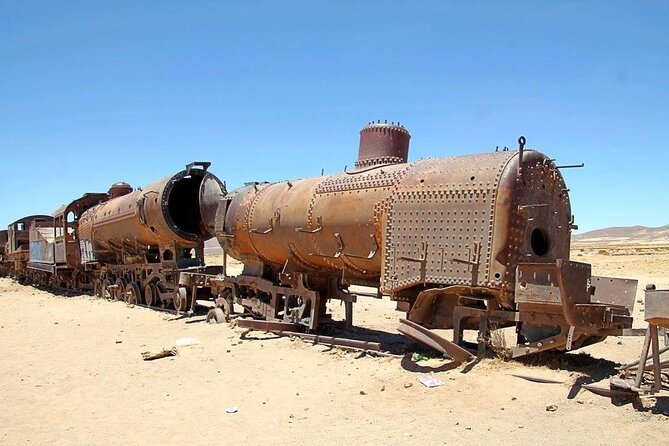
The tour starts at 10:00 a.m. and first heads to the Train Cemetery, where around 100 old locomotives lie abandoned. A 20-minute stop is enough to walk around and take photos, though this is a quick introduction rather than an in-depth history visit.
Next is Colchani, a craft town where residents make salt crafts and woven goods. The stop is brief, so treat it as a chance to browse and get a first look at how local materials shape the community’s wares, rather than a long shopping visit.
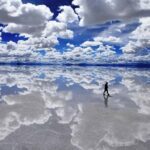
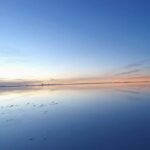
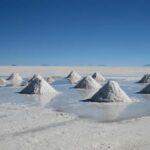
Then comes the Salar de Uyuni, the main event for many people. At more than 12,000 square kilometers, it is the world’s largest salt flat and a major lithium reserve. The salt crust formed after Lake Minchin covered the area around 40,000 years ago, leaving the flat’s familiar polygonal patterns.
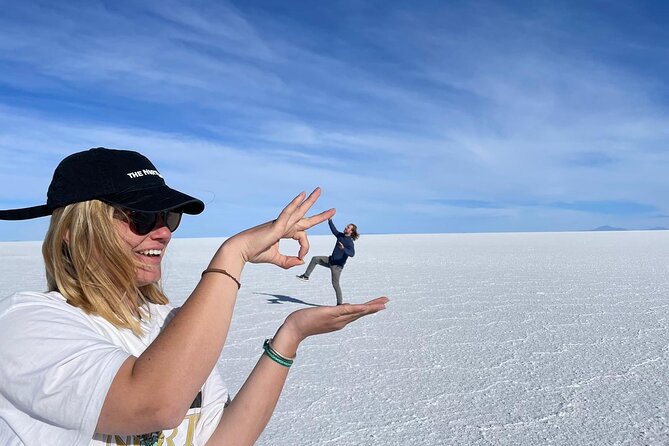
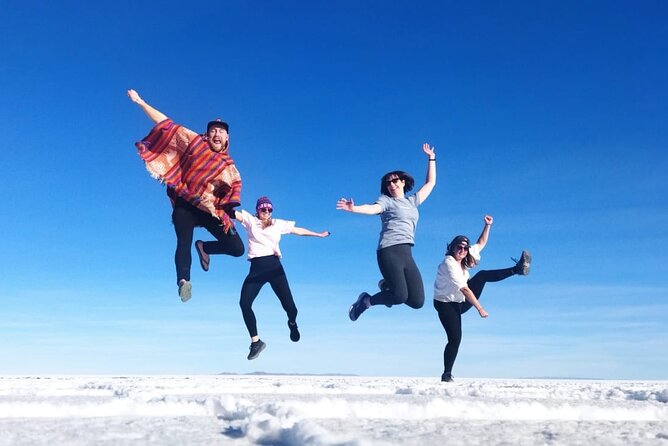
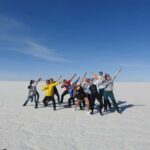
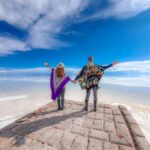
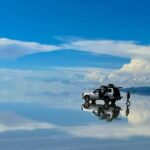
You’ll make several stops across the salt, including at salt eyes, the Dakar Rally monument, the former Playa Blanca hotel and the flags square. These breaks matter: the scale can be hard to grasp from a moving vehicle, while getting out lets you see the crust up close and take photographs across the open white expanse.
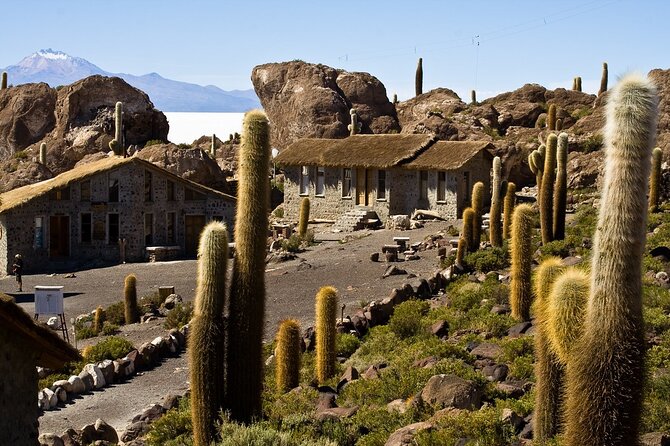
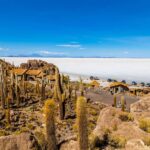
The tour allows about three hours for the salt flat portion before reaching Incahuasi Island. Its giant cacti make a striking contrast with the bare salt around it. If conditions allow, you can hike toward the top for a broad view over the flat. The listed visit is about 45 minutes, so expect a short walk, not a long trek.
Rain changes this stop. During the rainy season, Incahuasi is not open to visitors. If walking the island is a priority, check the season and conditions before booking rather than assuming it will be part of your day.
You can also read our reviews of more tours and experiences in Uyuni.

Day two: volcanoes, flamingos and Laguna Colorada
Day two shifts from the salt flat to the volcanic highlands of South Lipez. The route passes through intervolcanic terrain toward a viewpoint of Ollagüe, a semi-active volcano on the Bolivia-Chile border. The stop lasts around 20 minutes, enough for a look and photographs.
At Laguna Cañapa, you may see three flamingo species: James’s, Andean and Chilean. The visit is scheduled for 30 minutes. This is one of the stops where patience and a little luck matter: wildlife is part of the appeal, but it is not something a tour can guarantee on cue.
The route continues across the Siloli Desert, described as one of the most arid deserts in the world. A short stop gives you time to take in its spare, wind-shaped terrain before reaching the Arbol de Piedra, or Stone Tree. This seven-meter rock formation has been shaped by wind erosion and rises among other volcanic rocks. It is a natural photo stop, with about 20 minutes to look around.
You’ll then enter the Eduardo Avaroa National Reserve of Andean Fauna. The park fee is 150 Bs and is not included in the tour price, so keep that extra cost in mind when working out your budget.
Laguna Colorada is a highlight of the reserve. The lake covers about 60 square kilometers, and its red tones come from algae and plankton. White mineral deposits add contrast, while pink flamingos feed in the water. A 40-minute visit at the viewpoint gives you time to take in the color and look for birds.
The red can vary with light and conditions, so do not expect a perfectly uniform scarlet lake. Its changing shades, the mineral edges and the flamingos are what make the stop rewarding. It is one of the tour’s strongest reasons to travel beyond the salt flat.
Day three: steam, hot water and a green lagoon
The final day begins at Sol de la Mañana, a geothermal area more than 4,800 meters above sea level. The stop lasts around 20 minutes. You can see steam columns and sulfur fumaroles rising from the volcanic ground, with boiling activity giving the place a raw, otherworldly feel.
This is the tour’s highest listed stop. If you are concerned about altitude, take that into account before booking and pay attention to how you feel during the journey. One guide, Armando, has been noted for checking on the group and making stops, and Luis Cuadras has also led tours. Guide assignments can vary, but attentive driving and guiding matter on a route with this much elevation.
Next, the Polques hot springs offer a chance to get into water reported at 37°C. The visit is scheduled for 40 minutes, so bring what you need for a swim and be ready for a short stop rather than a leisurely spa session. After several days of cold, high-altitude scenery, a warm soak can be a welcome change of pace.
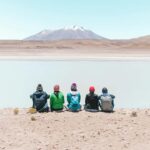
The route ends at Laguna Verde, known for its emerald color, which comes from copper and arsenic in the surrounding geology. From here, you can also see Licancabur Volcano and the White Lagoon. The stop and transfer section is listed at two hours; if you are continuing to San Pedro de Atacama, the journey includes a minivan transfer to the border and arrival around noon.
The onward bus ticket to San Pedro costs $25 and is not included. Confirm your onward plans and budget for that fare before setting out. If you are returning to Uyuni instead, clarify the final arrangements with the operator when booking, since the described route specifically details the transfer toward Chile.
What the $300 price covers, and what it does not

At $300 per person, the price covers a substantial three-day route, transport in an air-conditioned vehicle, two nights in rooms with shared bathrooms, and two breakfasts, two lunches and two dinners. That is useful value if you want to see both the salt flat and the distant lagoons without arranging separate transport and lodging yourself.
The small group limit is another point in the price’s favor. With no more than six people, the vehicle is not a large coach, and there is a better chance to ask the guide questions or pause for photographs. The schedule still moves quickly, but the group size suits a route built around frequent scenic stops.
Budget separately for the 150 Bs national park admission. The $25 bus to San Pedro is also extra if you take that onward route. Incahuasi Island’s admission is listed as not included, but no amount is specified, so ask the operator what it costs under the conditions for your travel dates.
The package includes meals, but no menu or dietary details are provided. If you have food requirements, ask in advance rather than assuming the included meals can be adapted.
Who will get the most from this trip
This tour suits you if you want to cover Uyuni’s most famous sights and South Lipez in one compact trip, especially if you value scenery over long stays at each stop. You get salt formations, desert rock, volcanic activity, hot water and several lagoons in three days, with lodging and meals arranged along the way.
It is also a practical fit if you are traveling with a small group and want to continue to San Pedro de Atacama. The border transfer is part of the described final day, though the onward bus fare is separate.
It may be less suitable if you need a slow pace, dislike long travel days, or are uneasy about high altitude. The itinerary has many stops, but most are short, and the third day reaches exceptionally high ground. This is a broad survey of a remarkable region, not a stay-put retreat.


Practical details worth sorting out
The tour is offered with pickup and a mobile ticket, and booking confirmation is provided at the time of booking. Most people can participate, but the altitude is worth considering for anyone who may be affected by high elevations. Children occupy the same space as an adult, so factor that into your group’s seating needs.
Weather can affect the experience. If poor weather forces a cancellation, you are offered another date or a full refund. You can cancel for a full refund up to 24 hours before the start time; cancellations or changes made within 24 hours are not accepted for a refund.
Should you book this Uyuni tour?
I would consider this tour if you want a compact, well-rounded route from the train graveyard and salt flat to the red and green lagoons, with meals and two nights’ lodging included. The small group cap and the chance to finish near San Pedro add practical value.
Book it with clear expectations: the national park fee and possible bus fare are extra, Incahuasi may close in the rainy season, and the high altitude can make the final days demanding. If that trade-off suits you, the route brings together a remarkable range of Bolivia’s high-altitude sights in three days.
FAQ
How long is the tour?
The tour lasts approximately three days. It starts at 10:00 a.m. in Uyuni.
What is included in the $300 price?
The price includes an air-conditioned vehicle, rooms with shared bathrooms for both nights, two breakfasts, two lunches and two dinners.
How many people are in the group?
The tour has a maximum of six travelers.
Is the Eduardo Avaroa National Reserve fee included?
No. The national park fee is 150 Bs and is paid separately.
Can I continue to San Pedro de Atacama?
Yes. The route includes a minivan transfer to the Chilean border and is expected to reach San Pedro around noon. The $25 bus ticket to San Pedro is not included.
Is Incahuasi Island open during the rainy season?
No. The island is not accessible to visitors during the rainy season.
What happens if bad weather cancels the tour?
You will be offered a different date or a full refund if poor weather causes the tour to be canceled.
More Tour Reviews in Uyuni
Not for you? Here's more nearby things to do in Uyuni we have reviewed
Uyuni, compared
 ★ 4.0Day Trip to Uyuni Salt FlatsFrom $130602 reviews
 ★ 4.53-Day Tour to Salt Flats and LagoonsFrom $370168 reviews
 ★ 4.8From Uyuni: Salt Flats Highlights Jeep Tour with LunchFrom $80133 reviews
 ★ 4.3Uyuni: Uyuni Salt Flats and San Pedro de Atacama 3-Day TourFrom $399122 reviews
Browse the lists this tour appears in