
Reviewed · UYUNI SALT FLATS TOURS
Uyuni: Uyuni Salt Flats and San Pedro de Atacama 3-Day Tour
White salt, red water, smoking earth await. I like this trip because it packs the Uyuni Salt Flats, high desert lagoons, geysers, hot springs, and the Chilean border crossing into three demanding but memorable days. The salt-made hotel and museum add a quirky human touch, while flamingos at Cañapa, Hedionda, and Chiarcota bring a flash of life to the stark scenery.
I also like the small 4WD groups, the fun perspective photos, and the chance to watch sunset over the flats with a glass of wine. The trade-off is real: shared six-bed rooms, shared toilets, no Wi-Fi, rough dirt roads, cold nights, and a 5:00 a.m. start on the final day.
In This Review
- Key Things to Know Before You Go
- What the $399 Price Really Covers
- Day 1: Trains, Salt Craft, and Sunset on the Flats
- Day 2: Flamingos, Ollagüe Volcano, and the Red Lagoon
- Day 3: Geysers at 5,000 Meters and a Warm Finish
- The 4WD Ride and Group Size
- Sleeping, Eating, and Staying Warm
- Altitude, Health, and Border Preparation
- Should You Book This Uyuni-to-Chile Tour?
- FAQ
- How long does the tour last?
- What is included in the $399 price?
- What extra fees should I budget for?
- Is Isla Incahuasi included?
- What kind of accommodation is provided?
- What time does pickup take place?
- Do I need a visa for the Chilean border crossing?
- Who should not take this tour?
Key Things to Know Before You Go
- The salt flats are only the beginning: You also visit volcanic deserts, three lagoons, geysers, hot springs, and the green and white lagoons below Licancabur Volcano.
- The first night is basic but manageable: You sleep in a shared six-bed room at Atulcha Salt Hostel, with shared toilets and no Wi-Fi.
- The second day reaches serious altitude: The Sol de Mañana Geyser sits at about 5,000 meters, so cold and thin air are part of the experience.
- The tour ends in Chile: Your guide helps with the Bolivia-to-Chile crossing, but you must arrange any required Chilean visa yourself.
- Budget extra cash: Entry fees, toilet stops, hot springs, and optional equipment are not included in the $399 price.
What the $399 Price Really Covers
At $399 per person, this is not a luxury trip. It is a practical way to cover a huge amount of remote territory without arranging separate vehicles, lodging, meals, and border transport yourself.
The price includes a 4WD vehicle with a rooftop luggage rack, a guide, two nights of shared accommodation, two breakfasts, two lunches, and two dinners. You also get help finishing in San Pedro de Atacama rather than having to return to Uyuni.
That matters because the route is long, rough, and remote. A private vehicle would cost much more, and public transport cannot reach most of the desert stops in this order. I consider the tour a fair value if you are comfortable with basic lodging and want an efficient connection between Bolivia and northern Chile.
You should carry Bolivianos in cash. The Eduardo Avaroa National Reserve costs 150 BOB, and Isla Incahuasi costs 30 BOB if you choose to visit it. The hot springs cost 6 or 7 BOB depending on the stated fee, while toilet stops cost 20 BOB. A sleeping bag is available for 50 BOB and rain boots for 20 BOB.
A few more Uyuni tours and experiences worth a look
Day 1: Trains, Salt Craft, and Sunset on the Flats
You meet your guide in Uyuni around 10:30 a.m., with departure scheduled for 10:40. Hotel pickups usually take place between 10:15 and 10:30, so wait in the lobby rather than outside on the street.
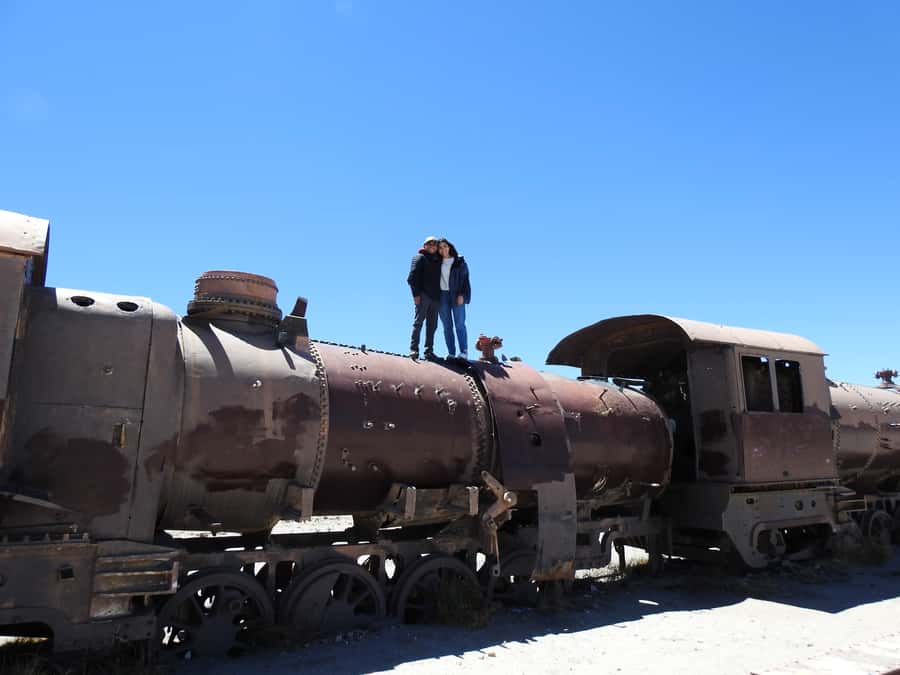
The first stop is the Train Graveyard, a collection of abandoned locomotives sitting in the dry open country. Rusted metal, empty carriages, and old wheels make this an easy place to explore and photograph. It is a short, unusual introduction to the region’s former mining economy.
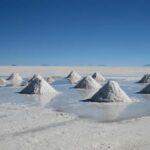
From there, you continue to Colchani, a small settlement once connected with salt mining. This is where you can buy salt handicrafts, along with textile work made from llama and alpaca fiber. The crafts give you a chance to spend a little money locally rather than treating the flats as a purely scenic stop.
The salt hotel and museum is another memorable pause. Tables, chairs, walls, and other features are made from salt, giving you a close look at how local material has been turned into something practical and playful. It is not a polished museum complex, and that is part of its appeal.
You can also stop at the Flags of the World. Bring your own national flag if you want to add it to the display. The Monument to Dakar racing provides another photo stop, connecting the salt flats with the famous off-road race that once crossed this part of South America.
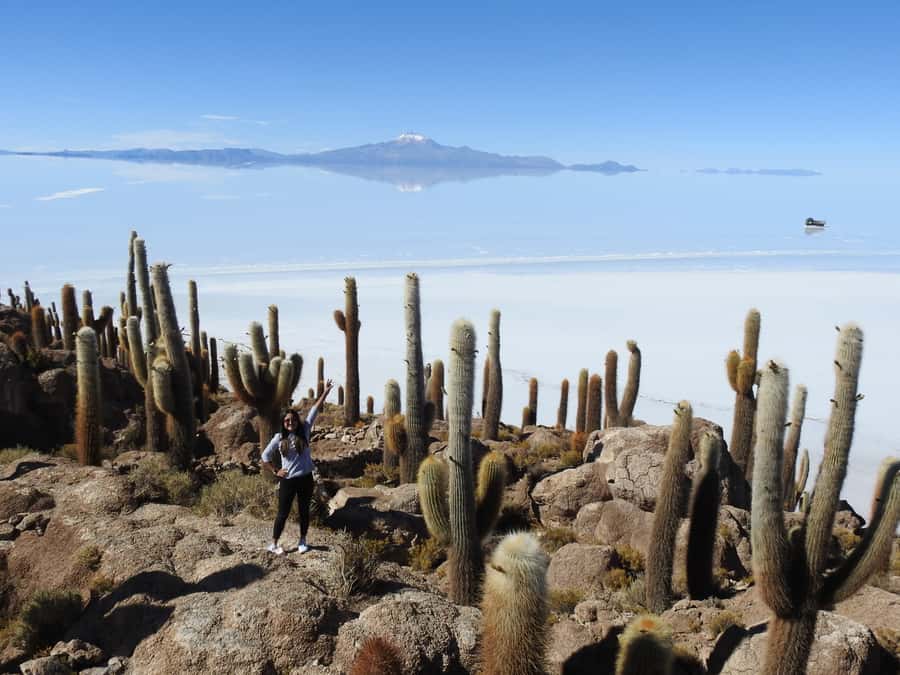
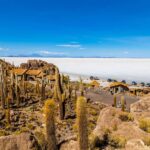
Isla Incahuasi is optional and costs 30 BOB. This former island rises from the middle of the salt flats and is known for its giant cactus formations. You need to decide if the extra fee and stop fit your interests, since the salt surface itself is the main event.
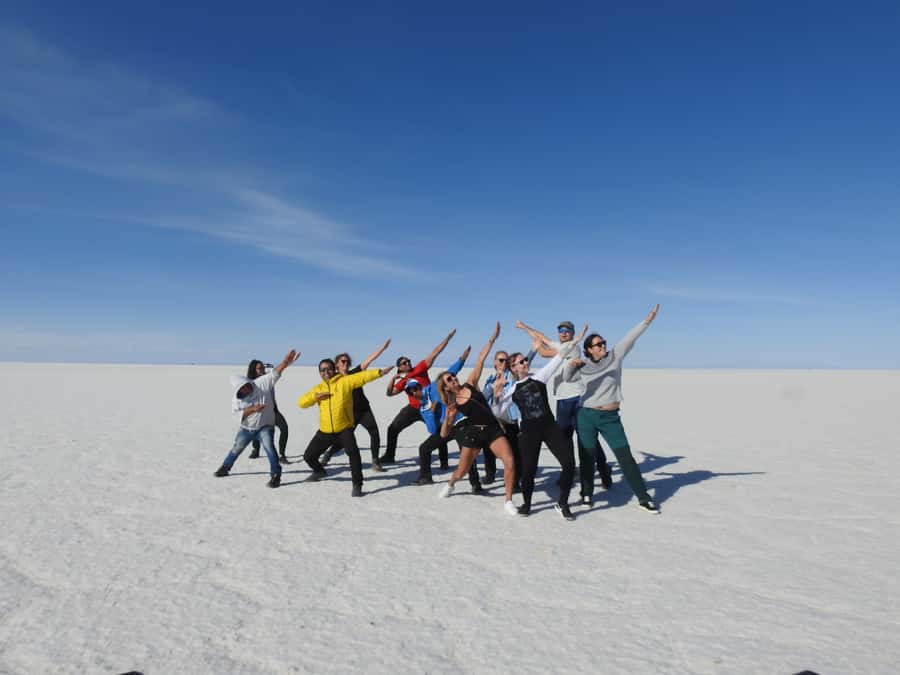
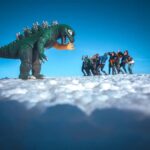
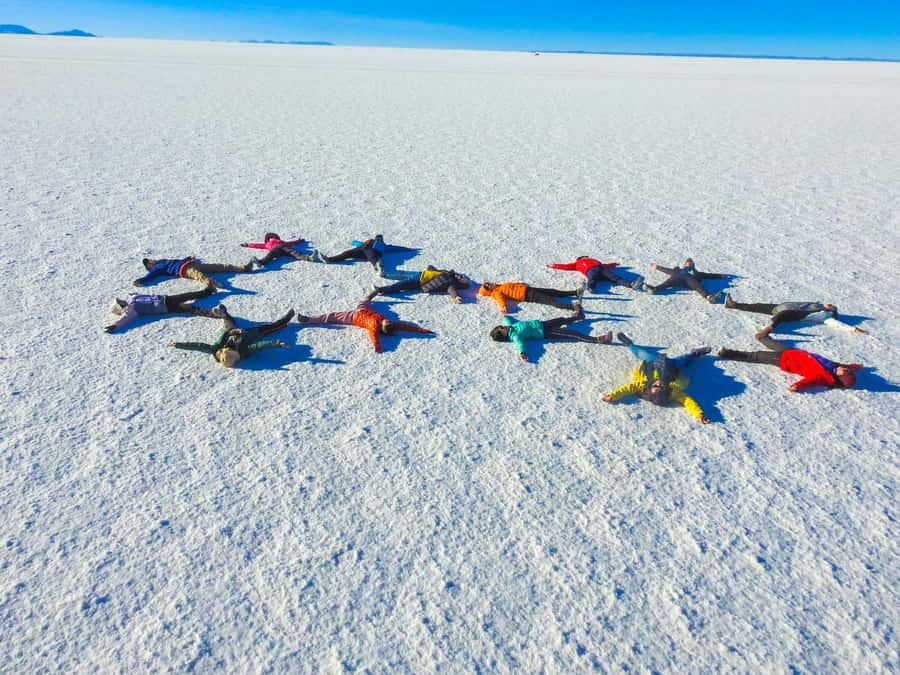
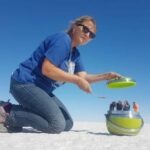
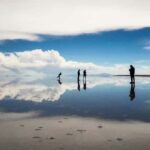
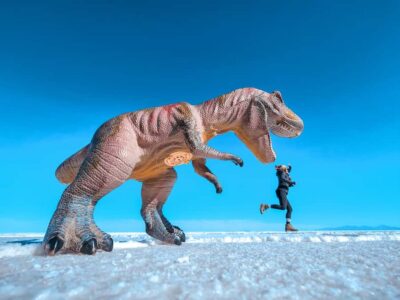
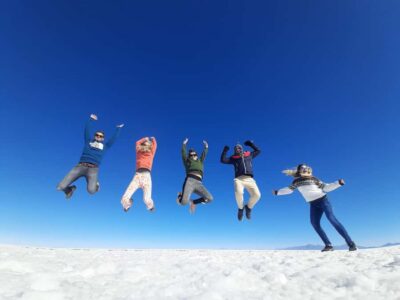
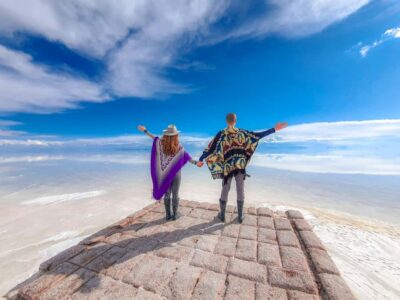
The perspective photos are great fun here. The perfectly flat white surface lets you play with size and distance, so you can appear to hold a friend in your hand or tower over the vehicle. Bring a small prop if you enjoy photography, though the guide will likely help with the basic poses.
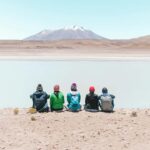
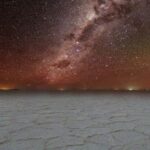
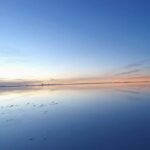
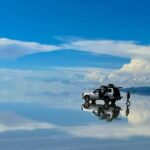
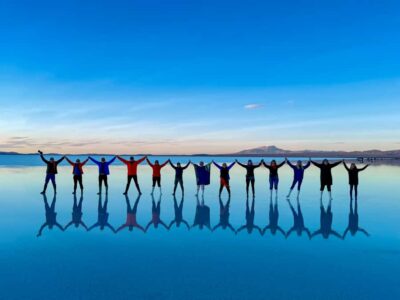
The day ends with sunset across the flats. The white surface catches the changing color, and the open space gives the scene a quiet, almost unreal quality. A glass of wine makes this a particularly pleasant finish, though carry your warm layers because the temperature drops quickly.
Day 2: Flamingos, Ollagüe Volcano, and the Red Lagoon
Day two begins with breakfast before the 4WD heads toward the Chiguana Desert. The route becomes rougher, with long stretches over dirt and rock. A bandana or face covering is useful because dust can enter the vehicle during the drive.
You travel through a wide, stark area surrounded by volcanoes and look toward Ollagüe, an active volcano. The setting feels far removed from towns and roads, with open ground in every direction and very little sign of ordinary life.
The drive continues along the rocky route known as El Pasito Tuntun. The name may sound gentle, but the road can be hard on your back. If you have back problems, this is one of the reasons the tour is not recommended for you.
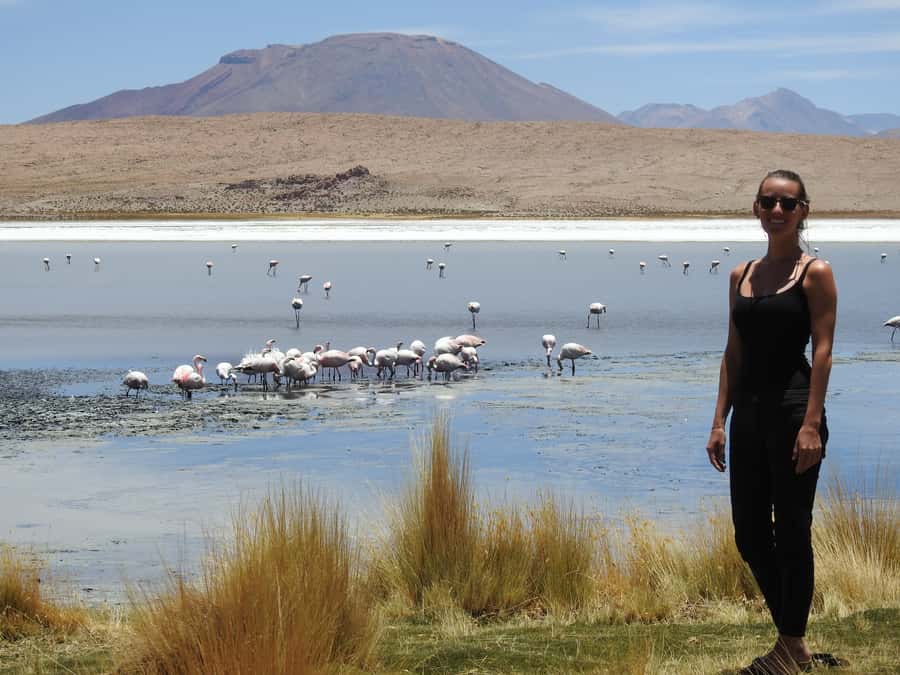
The lagoons of Cañapa, Hedionda, and Chiarcota bring welcome color to the day. Flamingos gather in the water, creating one of the tour’s most rewarding sights. You may see them feeding or standing in the shallow lagoons, with volcanoes and dry desert around them.
After lunch, you enter the Eduardo Avaroa National Reserve. The 150 BOB entry fee is not included, so keep cash ready. This protected area contains several of the route’s most remarkable natural sights, but the roads remain rough and the facilities are limited.
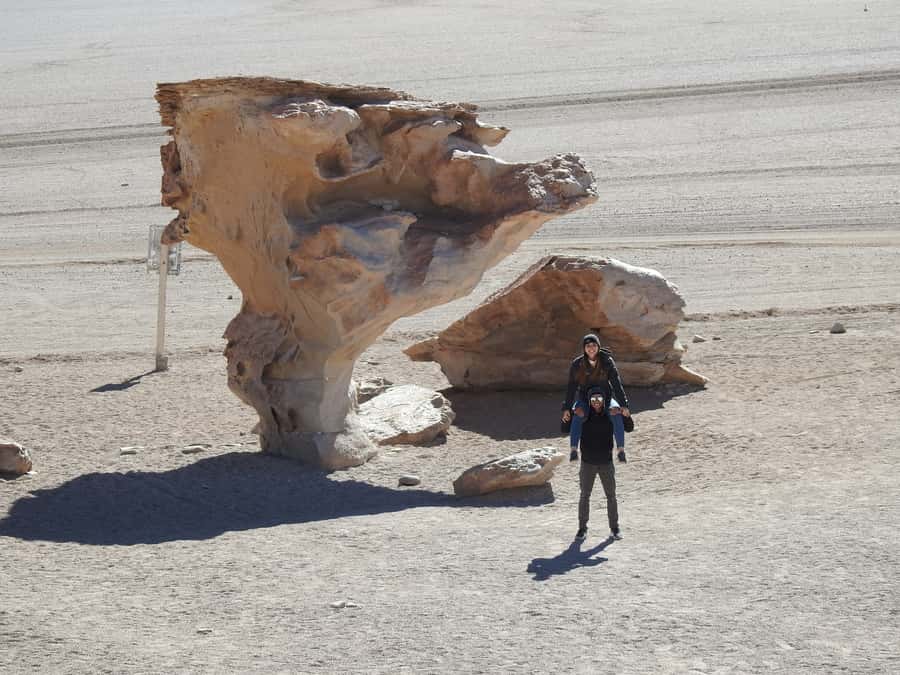
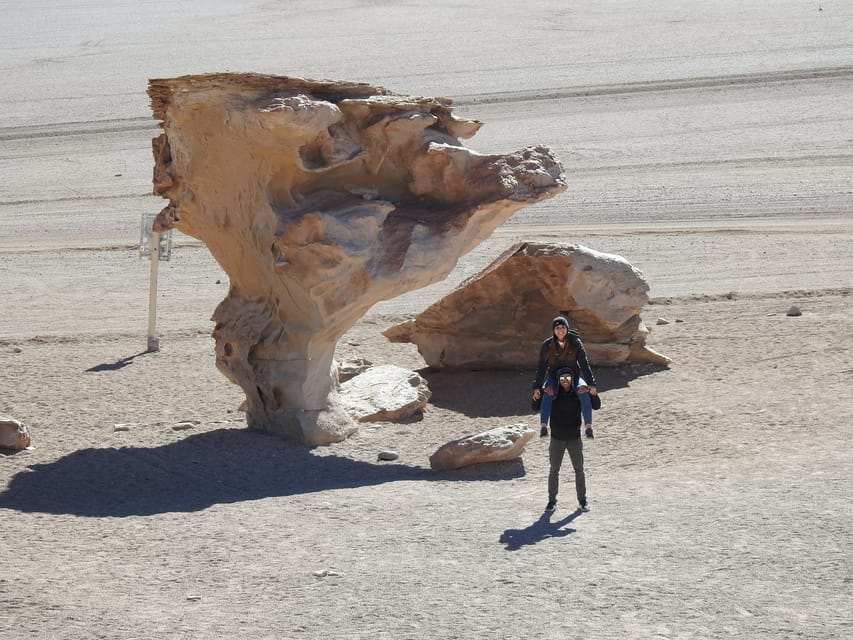
At the Siloli Desert, you see the Rock Tree, a lava formation shaped by erosion. It is a small feature in a huge setting, but its unusual outline makes it an excellent photo stop. The contrast between dark volcanic rock and pale sand gives this section a different character from the salt flats.
The day finishes at the Red Lagoon overlook. The lake’s intense color comes from minerals and algae, while flamingos often rest in or beside the water. You reach Huayllajara for the second night, staying in another shared six-bed room with shared toilets and no Wi-Fi.
Day 3: Geysers at 5,000 Meters and a Warm Finish
The final morning begins around 5:00 a.m. You head to the Sol de Mañana Geyser field, located at approximately 5,000 meters above sea level. This early start is necessary for the best conditions, but it is also the hardest part of the trip for many people.
You walk near fumaroles, steaming craters, and boiling mud pots with temperatures of about 150 to 200 degrees Celsius. Keep a safe distance and follow the guide carefully. The ground is volcanic and the steam can be intense, so this is not a place for wandering off to get a better photograph.
After the cold geyser stop, the open-air hot springs are a welcome change. The water is about 35 degrees Celsius, warm enough to loosen sore muscles after two days in a bouncing vehicle. The entry fee is small, but bring a towel and a dry change of clothes because the route continues afterward.
Next comes the Dali Desert, named for its strange, surreal rock shapes. The setting has broad sandy stretches and isolated formations that look almost arranged for a painting. You do not need to be an art expert to enjoy it; the appeal is simply the oddness of the shapes and the emptiness around them.
The final major stops are the Green Lagoon and White Lagoon at the foot of Licancabur Volcano. Their colors come from mineral-rich and toxic copper water, so admire them from the shore rather than entering. Licancabur gives the view a strong vertical finish after the flat openness of the salt desert.
The tour then heads toward San Pedro de Atacama in Chile. The guide helps you through the Bolivian border process and leaves you at San Pedro’s main square. The schedule notes a transfer around 10:30 a.m. and an arrival at the spa area around 1:30 p.m., but border formalities and road conditions can affect the exact timing.
The 4WD Ride and Group Size
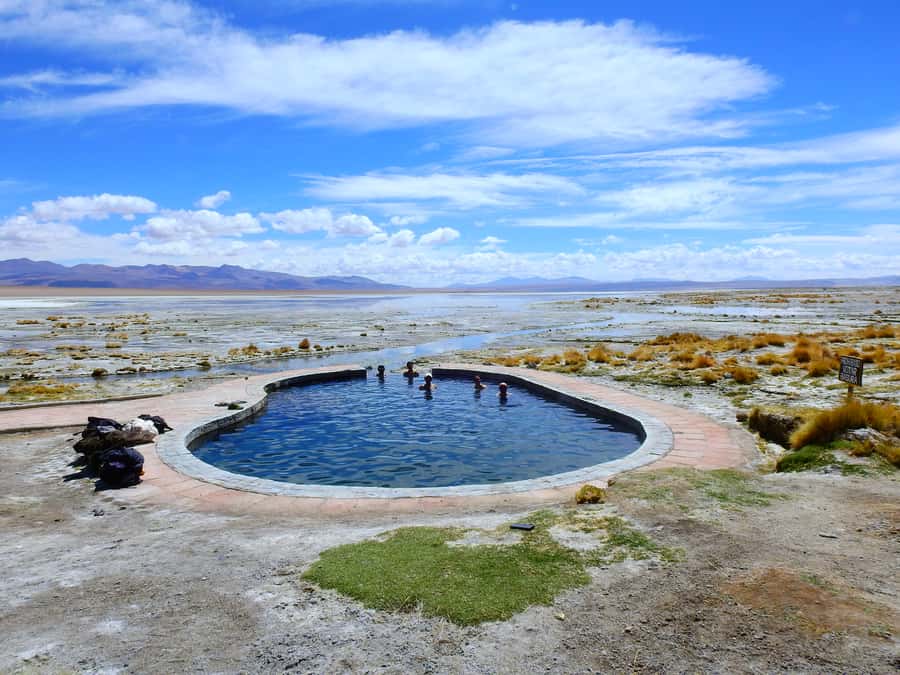
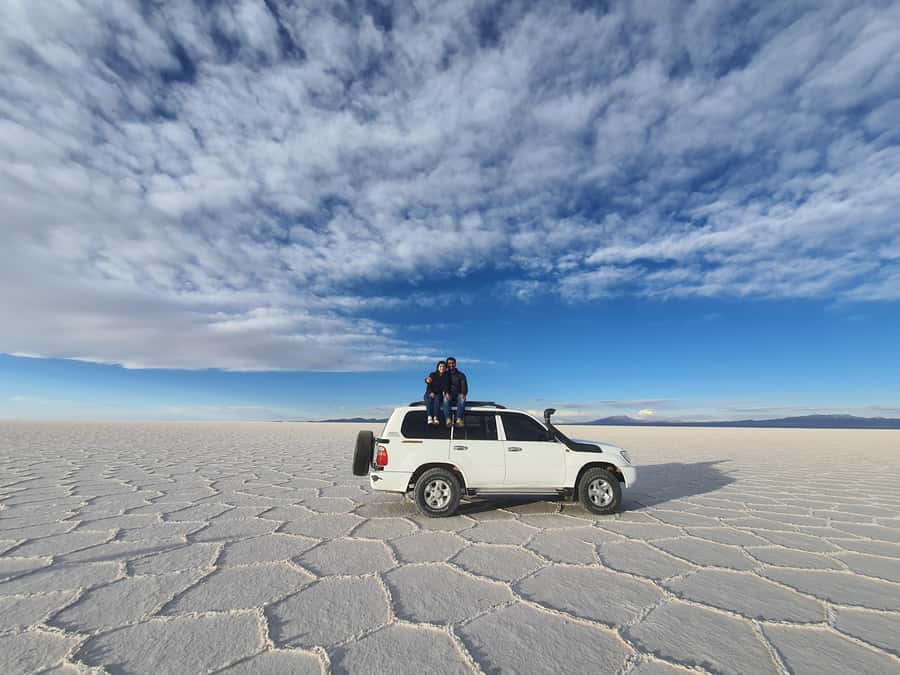
The vehicle is a 4WD with a rooftop luggage rack, and groups are limited to 11 participants. One departure had 10 people, one guide, and two drivers, which is a comfortable size for a vehicle-based trip but not spacious.
You spend many hours on dirt roads, so do not expect smooth sightseeing from one stop to the next. The scenery makes the ride worthwhile, but dust, bumps, and fatigue are unavoidable. Pack small essentials inside the passenger area and protect anything on the roof from dust and weather.
The drivers are an important part of the experience. José was singled out as a helpful driver on one departure, and the route demands careful driving. Guide quality can vary more than the scenery: Gus, Rene, Marcia, Lucio, and José have all been associated with especially warm, helpful service, while other departures had guides described as average or uninterested.
If explanations and local context matter greatly to you, ask who will guide your departure. The trip is still possible as a scenic transport experience, but a good guide adds humor, timing, and confidence during the border crossing.

Sleeping, Eating, and Staying Warm
The accommodation is functional, not comfortable by normal hotel standards. Atulcha Salt Hostel and Huayllajara Hostel use shared six-bed rooms for people in the same jeep group, with shared toilets and no Wi-Fi.
The second night is more basic, with electricity available only during limited evening hours on at least some departures. A nearby bar can provide a warm place to sit, but you should not count on long showers, charging access, or internet.
Bring serious cold-weather clothing. One final morning reached -3 Celsius, and the temperature may remain low until you reach the hot springs. Pack thermal layers, gloves, a wool hat, sunglasses, sunscreen, and sturdy shoes.
The included food is meant to keep you going rather than provide a culinary experience. Portions have been described as good and plentiful on some departures, while another account found the food poor. If you need vegetarian meals, confirm this before setting out; vegetarian food was available on one departure but should not be assumed without notice.
Altitude, Health, and Border Preparation
This trip reaches high elevation and includes rapid changes in temperature. The geyser field sits near 5,000 meters, and the route is not suitable for people with altitude sickness, respiratory issues, high blood pressure, back problems, or pregnancy.
You should carry water, warm clothing, sunscreen, sunglasses, and a hat. A passport or identity card is required, and you need a visa for Chile if your nationality requires one. The guide can assist at the crossing, but you are responsible for securing the correct visa before the tour begins.
If your hotel is not listed for pickup, meet at the operator’s office at Colon Street and Camacho Corner at 10:00 a.m. Airport pickup must be arranged by sharing your arrival time and airline name through WhatsApp. The tour also allows cancellation up to 24 hours ahead for a full refund and offers reserve-now, pay-later booking.
Should You Book This Uyuni-to-Chile Tour?
I would book this tour if you want the full Uyuni route and need to continue to San Pedro de Atacama. The strongest parts are the variety of scenery, the flamingos, the sunset on the salt, the hot springs, and the simple border transfer.
I would not book it if you need private rooms, reliable Wi-Fi, smooth roads, or a relaxed schedule. For everyone else, $399 is reasonable for three days of transport, meals, lodging, guiding, and a cross-border finish.
Bring warm clothes, cash, water, a dust mask, and patience. If you can accept the rough edges, this is a powerful way to see Bolivia’s high desert without arranging every difficult connection yourself.
FAQ
How long does the tour last?
The experience lasts three days. It begins in Uyuni, Bolivia, and ends in San Pedro de Atacama, Chile.
What is included in the $399 price?
The price includes 4WD transportation with a rooftop luggage rack, a guide, two nights of shared accommodation, two breakfasts, two lunches, and two dinners.
What extra fees should I budget for?
The Eduardo Avaroa National Reserve costs 150 BOB, and Isla Incahuasi costs 30 BOB if you choose to visit. Toilet stops cost 20 BOB, and the hot springs cost 6 or 7 BOB depending on the stated fee. A sleeping bag costs 50 BOB and rain boots cost 20 BOB if needed.
Is Isla Incahuasi included?
No. Isla Incahuasi is an optional stop with a 30 BOB entry fee.
What kind of accommodation is provided?
Both nights use shared six-bed rooms with the jeep group. Toilets are shared, and Wi-Fi is not available.
What time does pickup take place?
Hotel pickups are normally between 10:15 and 10:30 a.m., with departure at 10:40 a.m. If your hotel is not listed, meet at the office at Colon Street and Camacho Corner at 10:00 a.m.
Do I need a visa for the Chilean border crossing?
You need a Chilean visa if your nationality requires one. You must arrange it before the tour, while the guide helps with the border crossing itself.
Who should not take this tour?
The tour is not suitable for pregnant women or people with back problems, respiratory issues, altitude sickness, or high blood pressure.
More 3-Day Experiences in Uyuni
More Tours in Uyuni
More Tour Reviews in Uyuni
Not for you? Here's more nearby things to do in Uyuni we have reviewed
Uyuni Salt Flats Tours, compared
 ★ 4.5From La Paz: Uyuni Salt Flat Tour & Overnight Roundtrip BusFrom $275327 reviews
 ★ 4.5Uyuni tour express from La Paz by busFrom $269172 reviews
 ★ 4.4From Uyuni: Red Lagoon & Uyuni Salt Flats 3-Day Guided TourFrom $354160 reviews
 ★ 4.3La Paz: 5-Day Uyuni Salt Flats by BusFrom $486153 reviews
Browse the lists this tour appears in