
Reviewed · FOOD & WINE EXPERIENCES
Evening Foodie Tour of La Paz
Come hungry; La Paz serves a full evening. This three-hour food walk costs $32 and links street stalls, market vendors, and local restaurants with stories about Bolivian food culture. I like the wide range of stops and the way the guide connects each taste to daily life. I also like that the tour includes a local drink, not just food. The main drawback is clear: there are only a few vegetarian choices, and the meal can feel heavy before the final stop.
You meet at 6:25 p.m. in San Francisco Square, then follow a bilingual Spanish- and English-speaking guide through central La Paz. Guides such as Matt, Daniel, and Max have been praised for their humor, warmth, and clear explanations. Still, the value depends on your appetite and expectations: $32 is reasonable for a full guided evening, but some of what you eat comes from inexpensive street vendors.
In This Review
- Key Points Before You Book
- Five Stops Through La Paz’s Evening Food Scene
- Street Stalls and Markets Are the Real Draw
- The Five Speciality Dishes Come Fast
- The Guide Shapes the Whole Night
- Local Drinks, High Altitude, and a Sensible Pace
- Is $32 Good Value for La Paz?
- What to Bring for the 6:25 p.m. Start
- Who Will Enjoy This Food Tour Most?
- Should You Book the Evening Foodie Tour of La Paz?
- FAQ
- What time does the tour start?
- Where is the meeting point?
- What food and drinks are included?
- Are vegetarian options available?
- What should I bring?
- Is transportation included?
- Can I cancel the booking?
Key Points Before You Book

- Five speciality dishes: Expect a generous tasting menu spread across street food, market food, and restaurants.
- Api may appear on the menu: This local drink was one of the most memorable tastes on one evening, though the exact selection can vary.
- A guide-led look at La Paz: Food is tied to family life, work, local produce, drinking customs, and the city’s daily rhythm.
- Limited walking, but wear good shoes: The route passes markets, monuments, and central sights without requiring a long hike.
- Not ideal for strict vegetarians: Dietary restrictions should be given when booking, but only a few vegetarian options are available.
- Bring cash and a jacket: You may want money for extra drinks, tips, and a taxi after the tour.
Five Stops Through La Paz’s Evening Food Scene
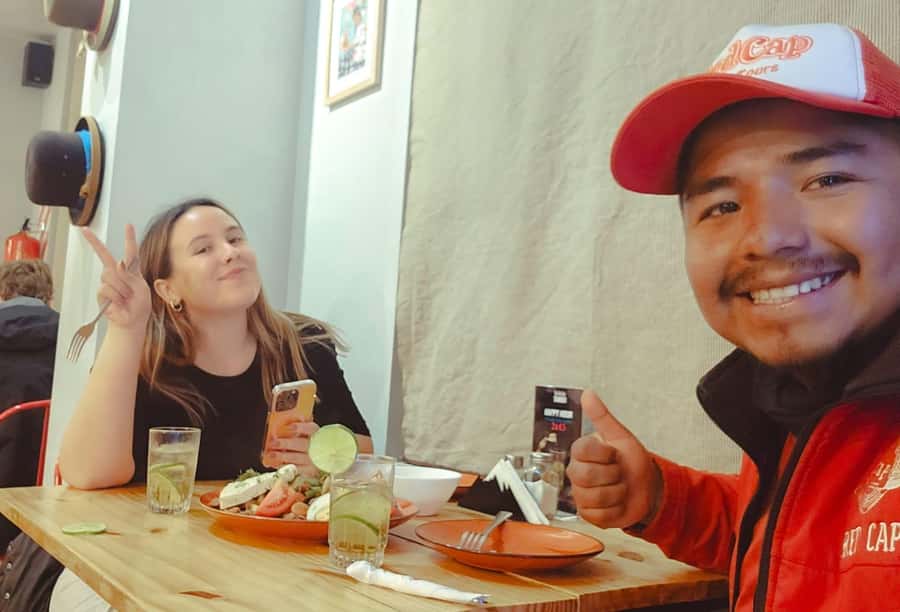
The tour begins at San Francisco Square, a useful central meeting place for an evening in La Paz. Look for the guide wearing a red cap at the large church doors. This detail matters because map information may point toward the church office rather than the actual meeting spot.
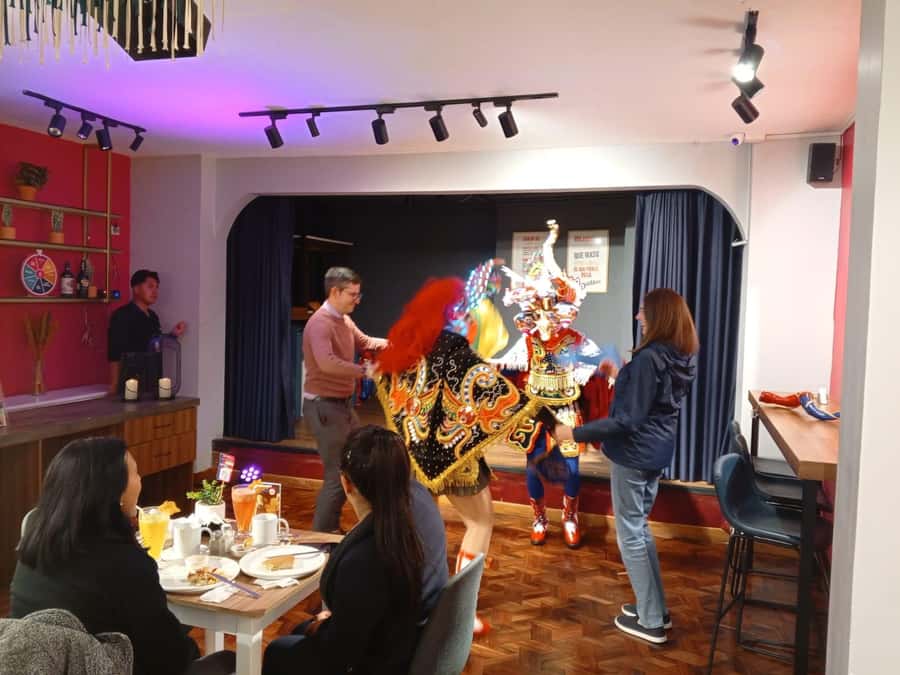
From there, the route moves through parts of the city that are easy to pass without knowing what to order. You may walk by markets, monuments, and other central sights as the guide explains how food fits into local routines. The emphasis is not on grand restaurant dining. It is on the places where people stop for a quick bite, meet family, or share a drink after the day’s work.
The food is served in stages. Several stops are street-food or market-style venues, followed by local restaurants. One evening was described as three street-food stops and two restaurant stops, while another included six different tastes instead of five. That suggests a little variation in the route or serving plan, so you should not expect a fixed menu with named dishes guaranteed in advance.
This setup works well for you if you like sampling rather than ordering one large meal. You get to compare different settings and notice how food changes from a market counter to a sit-down restaurant. It also takes the guesswork out of choosing unfamiliar places on your own.
A few more La Paz tours and experiences worth a look
Street Stalls and Markets Are the Real Draw
The first part of the evening is likely to be the most distinctive. Street vendors and market sellers are not always easy for a first-time visitor to approach, especially when you do not know what the food is called or how it is normally eaten.
A guide makes that first step much easier. You can ask what an item is, how it fits into Bolivian life, and what to expect before taking a bite. This is especially useful if you are cautious about unfamiliar food or unsure how much to order.
The food is described as traditional, filling, and varied rather than delicate or highly polished. That is part of the point. Bolivian food culture here is presented as practical and social: food gives people a place to pause, talk, and spend time together.
The market stops also give the evening a local feel that a standard restaurant meal cannot provide. You are not simply being shown a plate. You are seeing where ingredients and ready-to-eat food appear in the city, then hearing the stories connected with them.
There is one practical concern. Street food may be the reason you book this experience, but it can also make the $32 price harder to judge. If you are mainly paying for large restaurant portions, you may feel the cost is high. If you are paying for access, translation, food safety guidance, and cultural background, the price makes more sense.
The Five Speciality Dishes Come Fast
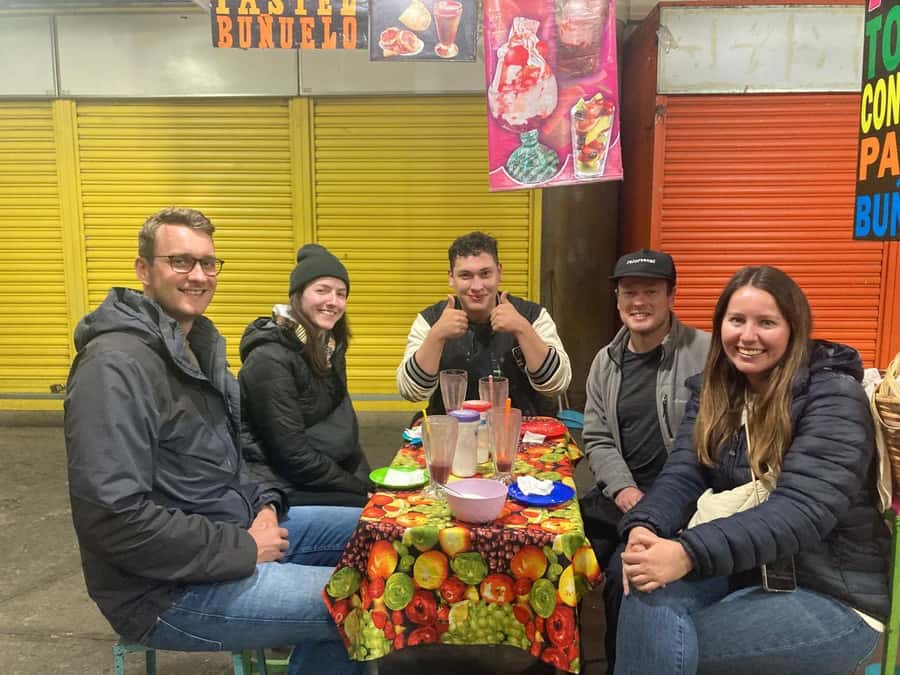
The tour includes five speciality dishes, with all food and the specified drinks covered in the price. That sounds manageable on paper. In practice, the portions add up quickly.
Several people found themselves completely full before the end. My advice is simple: do not eat a full meal beforehand. Have a light snack only if you need one, then pace yourself at each stop. You do not have to finish every serving to enjoy the experience.
One evening included six different items, and Api was singled out as a favorite. The precise dishes are not listed in advance, so you should treat the menu as a guided introduction rather than a restaurant menu you can study ahead of time.
The variety is useful because you are not asked to judge Bolivian food from one plate. You get several textures, flavors, and styles across the evening. The guide can point out local produce and explain the background of each item, giving you a better basis for deciding what you might order later.
The final restaurant stop is meant to close the evening with a drink and relaxed conversation. This gives the group a chance to talk about the food instead of rushing from one bite to the next. It also makes the tour feel like a social night out, not just a list of tastings.
Still, not every stop will appeal equally to every person. A past route included a small, nearly empty restaurant where the food was less successful than at the market and street-food stops. That sort of unevenness is worth accepting if you want variety. A polished food tour with every course carefully matched to your tastes is a different kind of experience.
The Guide Shapes the Whole Night
The guide is the main reason this tour receives such strong praise. Food alone can fill three hours, but the explanations turn separate tastings into a picture of Bolivia.
Matt has been described as attentive, funny, and easy to understand in English. Daniel has been praised for explaining both the food and the history of La Paz and Bolivia. Max is known for friendly conversation and stories, while Denise, Marisol, David, Chris, Roberto, and Mari have also led well-received tours.
Guide assignments can change, so you should not assume a particular person will lead your group. If a booking service allows guide requests, Matt, Daniel, or Max are names worth asking about based on the strong impressions they have made.
The best part of the guiding is the link between food and people. You learn about the individuals behind the ingredients and about the customs surrounding meals and drinks. The explanation of drinking culture was especially interesting because it focused on community rather than simply alcohol.
This makes the tour useful early in a La Paz visit. You get a quick sense of how the city works, where local eating places are, and what kinds of food you might want to seek out later. One person enjoyed the stops so much that they returned to some of the same places afterward.
Local Drinks, High Altitude, and a Sensible Pace
A local cocktail or local beer is included, depending on the evening’s arrangements. Extra drinks are not included, so carry cash if you want to order more.
Alcohol deserves a little care in La Paz. One past participant found that drinks and the city’s high altitude did not mix well. You know your own limits, but it is wise to go slowly, drink water when possible, and remember that this is also a food tour. You do not need to accept every alcoholic serving to enjoy the evening.
The drink at the final restaurant is part of the social finish. Conversation becomes easier once everyone has tried several foods and has a few questions for the guide. If you prefer not to drink, check what nonalcoholic choice is available when the tour begins, since the details only promise a local cocktail or beer rather than a full beverage list.
You can also read our reviews of more evening experiences in La Paz

Is $32 Good Value for La Paz?
At $32 per person, the tour sits in a reasonable middle ground. You receive five speciality dishes, a local drink, and three hours with a bilingual guide. You also get someone to choose the stops, explain the food, and help you navigate places you might otherwise ignore.
The price is strongest if you value discovery and cultural context. You are paying for a full evening of small meals plus the convenience of a planned route. The tour can also serve as dinner, provided you arrive hungry and do not mind eating in several different settings.
The value is less convincing if you see the food only as cheap street snacks. Some stops are vendors or market sellers, and the route may include a restaurant that feels ordinary. You may spend less by exploring alone, but you would also need to find the venues, decide what to order, and work out the cultural context yourself.
For a solo visitor, the social side adds value. The pace is relaxed, and the guide makes it easier to join conversations with the group. Couples and first-time visitors can also use the evening to get a feel for central La Paz before choosing restaurants independently.
What to Bring for the 6:25 p.m. Start
Wear comfortable shoes and bring a jacket. The walk is limited, but you will be out for about three hours and may move between markets, food stalls, and restaurants.
Bring your passport or ID card, along with cash. You may need money for extra drinks, tips, and the taxi home. Transport to the meeting point and transport afterward are not included.
Arrive at San Francisco Square before 6:25 p.m. and go to the church’s large front doors. The guide wears a red cap. Do not rely only on the door number shown on a map, since it refers to the church office rather than the meeting location.
Tell the operator about dietary restrictions when you book. This is particularly important for vegetarians, since only a few vegetarian choices are available. The tour is built around tasting local food, so it is not the best choice if you need a broad meat-free menu.
The booking terms are traveler-friendly: you can reserve now and pay later, and cancellation up to 24 hours before the start time brings a full refund. That flexibility is useful when your La Paz plans depend on weather, altitude, or changes in your wider Bolivia itinerary.
Who Will Enjoy This Food Tour Most?
I would choose this tour for someone who wants an easy introduction to Bolivian food without spending the first few days guessing what to order. It suits curious eaters, solo visitors, couples, and anyone who likes a meal with stories attached.
It is also a good choice if you want to see a different side of La Paz after the main sightseeing hours. The markets, monuments, and food stops give you a practical sense of the central city, while the guide supplies background that is hard to get from a menu.
You should think twice if you prefer quiet, formal dining or a carefully controlled tasting menu. The evening moves between street food and restaurants, and the quality or atmosphere may vary from stop to stop.
I would also skip it if you are a strict vegetarian, have several dietary restrictions, or dislike large portions. The tour gives you a lot to eat, and the combination of food and alcohol can be too much if you are still adjusting to La Paz.
Should You Book the Evening Foodie Tour of La Paz?
Book it if you want a social introduction to local food, a bilingual guide, and several places you would probably miss on your own. The strongest element is the guiding: Matt, Daniel, Max, and the other local guides make the food easier to understand and the evening more relaxed.
Skip it if you want a refined restaurant experience or if $32 feels high for a route that includes street vendors. For most curious eaters, though, the tour works well as both dinner and orientation. Arrive hungry, pace yourself, carry cash, and save room for the final drink.
FAQ
What time does the tour start?
The tour starts at 6:25 p.m. and lasts three hours.
Where is the meeting point?
Meet at San Francisco Square, at the large doors of the church. Look for the guide wearing a red cap. Map details may show the church office door, but the group meets at the church doors.
What food and drinks are included?
The price includes five speciality dishes and all food and drinks specified for the tour. A local cocktail or local beer may be included, depending on the arrangement.
Are vegetarian options available?
Only a few vegetarian options are available. You should advise the operator about dietary restrictions when booking.
What should I bring?
Bring your passport or ID card, comfortable shoes, a jacket, and cash for extra drinks, tips, and a taxi afterward.
Is transportation included?
No. Transport to and from the meeting point is not included.
Can I cancel the booking?
Yes. You can cancel up to 24 hours in advance for a full refund. Reserve-now, pay-later booking is also available.
More Food Experiences in La Paz
More Tours in La Paz




More Tour Reviews in La Paz

Not for you? Here's more nearby things to do in La Paz we have reviewed
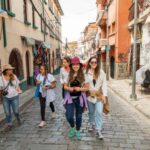


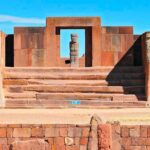


Food & Wine Experiences, compared
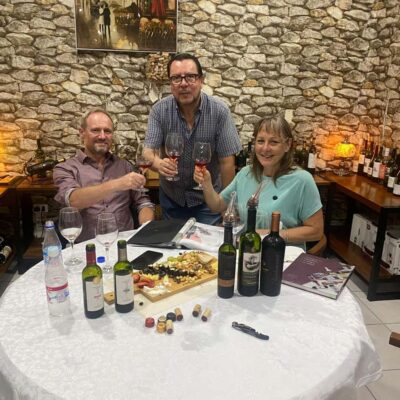 ★ 5.0Bolivia: Bolivian Wine Tasting with Charcuterie BoardFrom $4910 reviews
Local street Market Walking TourFrom $1110 reviews
★ 5.0Bolivia: Bolivian Wine Tasting with Charcuterie BoardFrom $4910 reviews
Local street Market Walking TourFrom $1110 reviews
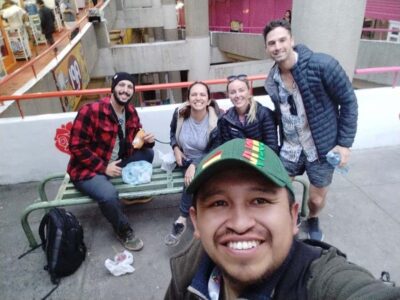 ★ 3.3La Paz: Street Food Walking TourFrom $196 reviews
 ★ 4.2La Paz: Cable Car Ride Tour with Food TastingFrom $885 reviews
Browse the lists this tour appears in