
Reviewed · SUCRE TOURS
Sucre: 1-Day Trek in the Crater of Maragua and Inca Trails
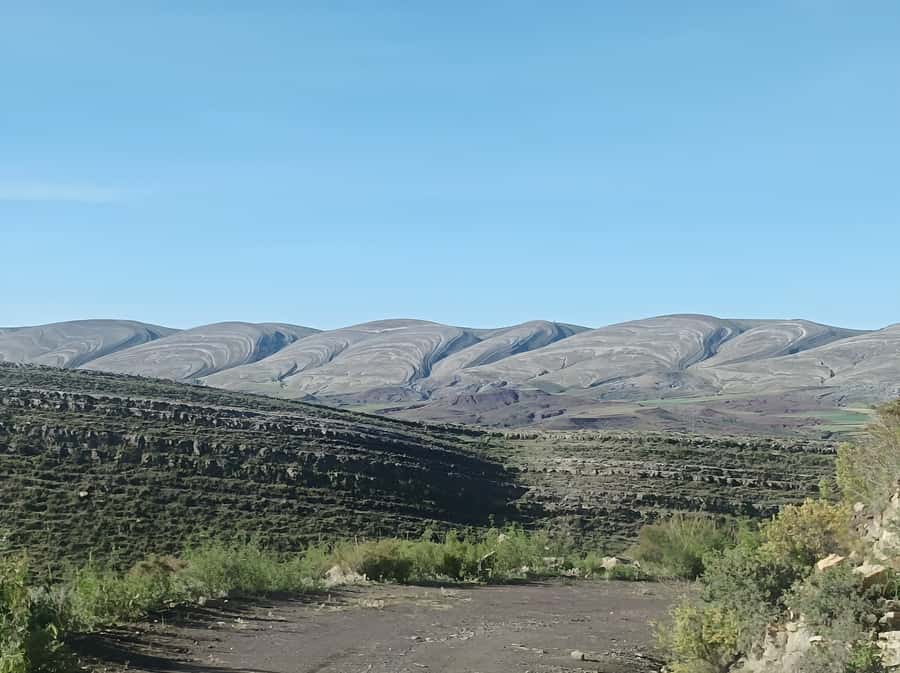
Colorful stone folds hide a full day near Sucre. This $94 outing pairs a 12th-century Incan trail with the Maragua Crater, a Jalq’a village, La Garganta del Diablo, and dinosaur footprints, so you get far more than a single viewpoint. I like the downhill hiking route, which provides good exercise without feeling punishing, and I like the cultural side of the day, where guides explain local life instead of rushing you from stop to stop.
The trade-off is the road time. You spend roughly three hours and 40 minutes in a jeep or SUV, and some sections can be bumpy; one departure used an older vehicle. Add an altitude of 2,800 to 3,000 meters, possible rain, and about five hours on foot, and this is an active day rather than an easy sightseeing ride.
- A 12th-century Inca trail: Begin at the colonial chapel of Chataquilla and walk an ancient route for roughly two to two and a half hours.
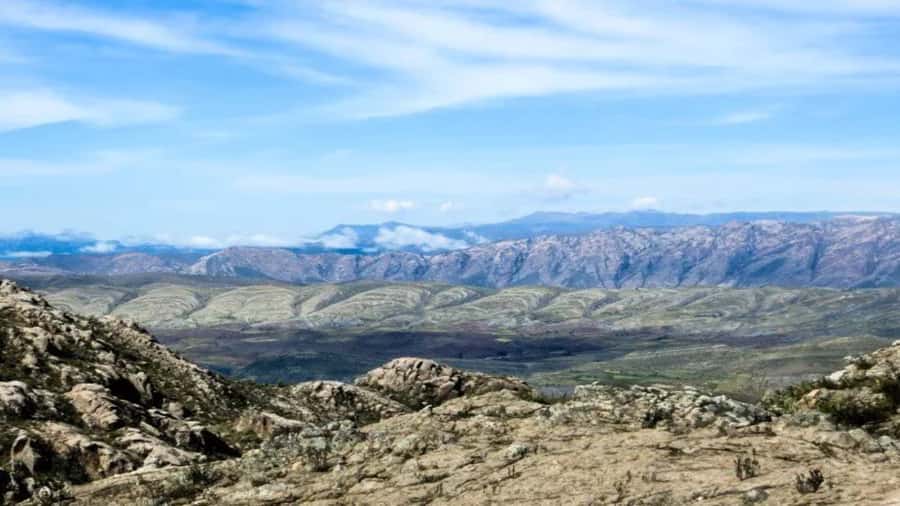
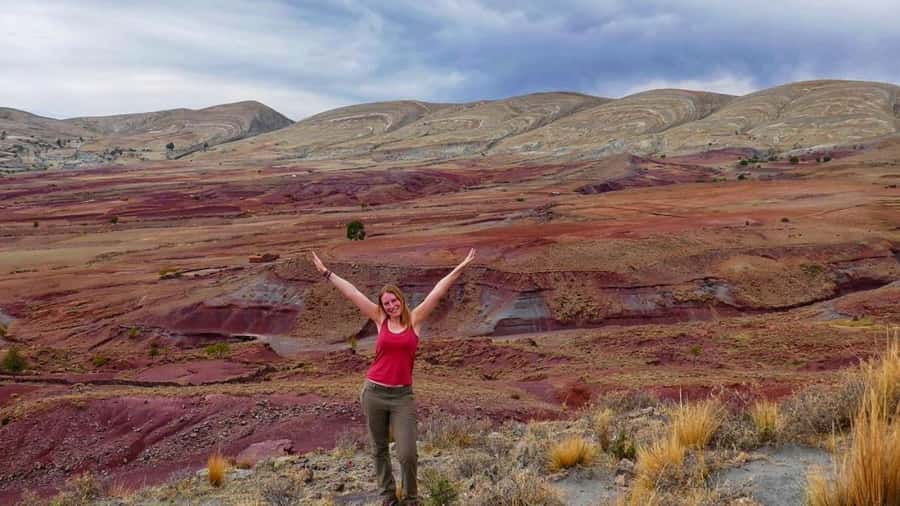
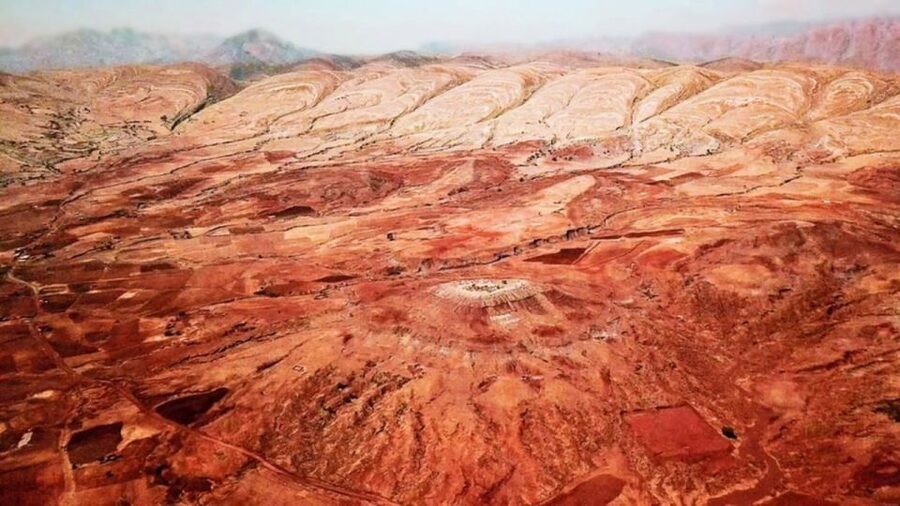
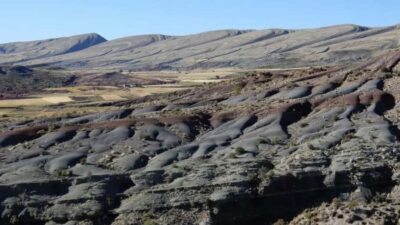
- Colorful mountains around Maragua: The crater area brings dramatic, folded rock formations and views that are among the day’s biggest rewards.
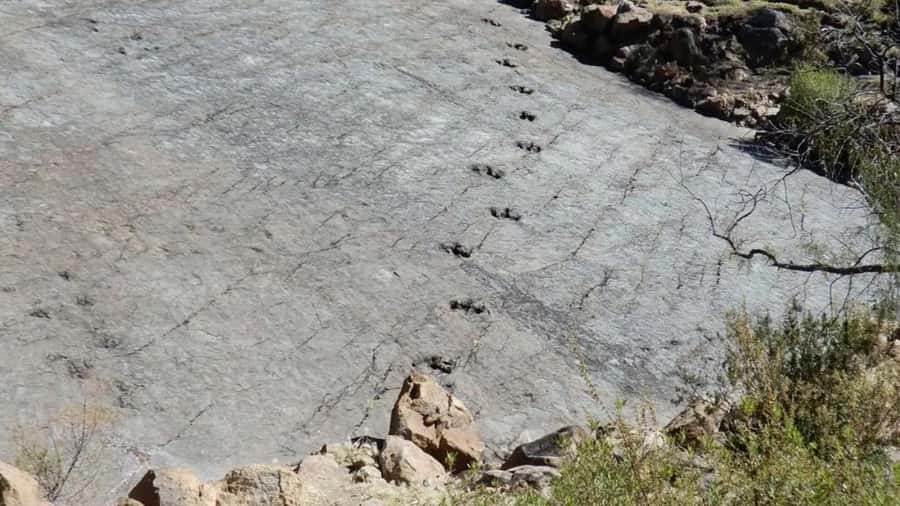
- Dinosaur footprints in the open air: Set aside two hours for a site where you can see tracks connected with the area’s ancient past.
- Jalq’a culture in local villages: A guide can explain traditional village life, and an available weaver may demonstrate Jalq’a textile art.
- Strong value at $94: The price covers private transport, hotel transfers, guide services, lunch, entrance fees, and a first-aid kit.
In This Review
- Why this 10-hour trip works from Sucre
- Chataquilla begins the day with history and altitude
- Walking the 12th-century Incan trail
- Chaunaca adds a short village pause
- Lunch and La Garganta del Diablo at Maragua
- Two hours with dinosaur footprints
- Jalq’a culture gives the route a human side
- Is $94 a fair price?
- What to bring for the 2,800-meter route
- My verdict on the Maragua Crater day trip
- FAQ
- What time does the tour begin?
- How long is the tour?
- How much walking is involved?
- What does the price include?
- What should I bring?
- Can I cancel or pay later?
Why this 10-hour trip works from Sucre
I see this as one of the better ways to reach the countryside around Sucre when you have only one free day. The route joins several different experiences: colonial heritage at Chataquilla, Inca-era paths, mountain scenery, local culture, a dramatic rock formation, and dinosaur tracks.
That mix matters. If you book a trip only for dinosaur footprints, you might be surprised by how much time is spent hiking and learning about the area. If you want a gentle drive with one photo stop, this is probably too active. You should expect a proper walking day, though the hiking is broken up by vehicle transfers and guided stops.
The timing is full but sensible. Pickup begins around 8:30 in the morning, and you return to Sucre after a two-hour drive from the footprint site. The departure time can shift because of weather, so I would avoid scheduling an important evening connection immediately afterward.
Chataquilla begins the day with history and altitude
Your hotel pickup starts the outing. You are asked to wait in the lobby five minutes before the scheduled time, and the first drive takes about one hour in a private jeep or SUV.
Chataquilla is the opening stop: a colonial chapel used as the starting point for the walk. You get about 30 minutes for a visit, photographs, and an introduction from the guide before setting off along the Inca trail.
This short stop gives the hike a useful sense of place. You are not simply dropped beside a trail with no explanation. The chapel marks the transition from Sucre’s urban setting to a route tied to older Andean movement and settlement.
You should also take the altitude seriously from the start. Much of the day takes place between 2,800 and 3,000 meters, so even a downhill route can feel harder than its distance suggests. I would keep your pace steady, drink water early, and avoid treating the first hour as a race.
You can also read our reviews of more tours and experiences in Sucre.


Walking the 12th-century Incan trail
The main hike lasts roughly two to two and a half hours, depending on how the day is paced. Descriptions of the route present it as mostly downhill and not excessively difficult, making it a good choice if you want real exercise without signing up for a strenuous mountain expedition.
The reward is the setting. The trail leads through open country and colorful rock formations, with the guide explaining what you are seeing along the way. The scenery is not a background detail here; the walk is the central part of the morning.
I especially like that the route is given time. Guides on this experience have been described as taking a relaxed pace rather than hurrying people toward the next stop. That makes a difference when you want to take photographs, catch your breath, or listen to the explanation instead of walking with your head down.
Still, bring proper footwear. Hiking shoes are specifically recommended, and I would not choose smooth-soled city shoes for this outing. The tour runs in rain or shine, so a waterproof bag is useful for protecting your phone, passport copy, and other small items.
Chaunaca adds a short village pause
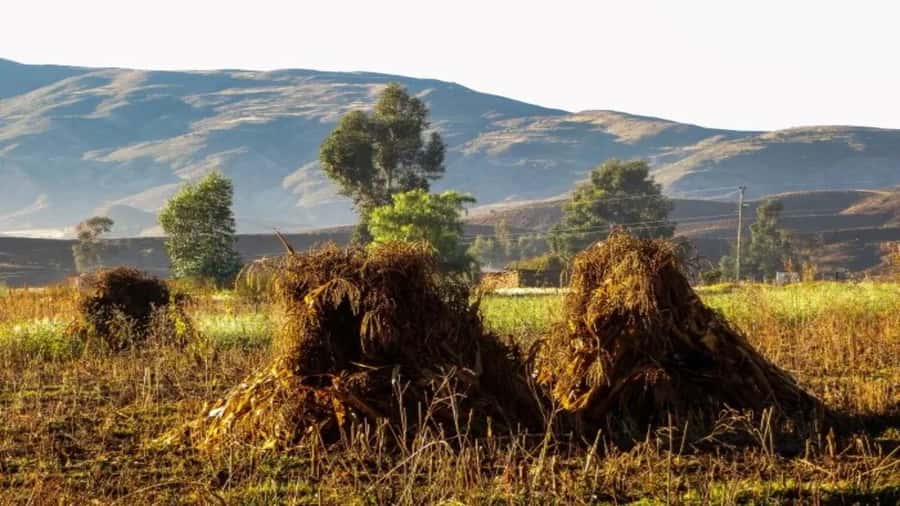
After the trail, you stop at Chaunaca for about 15 minutes with a guide. It is a brief visit, but it breaks up the route before another vehicle transfer of roughly 40 minutes toward the Maragua area.
Do not expect a long village tour at this point. The value is in seeing another part of the region and hearing about the traditional communities connected with the route. The Jalq’a cultural focus becomes more important later, particularly if a local weaver is available.
The guide’s role can make this short stop more meaningful. The best guides connect the road, villages, plants, animals, local history, and indigenous life rather than offering only dates and place names. English and Spanish guiding are available, and guide assignments vary. Names associated with this experience include Walter, Lizandro, Dinelsa, Lee, and Pablo; Pablo has also guided in French.
Lunch and La Garganta del Diablo at Maragua
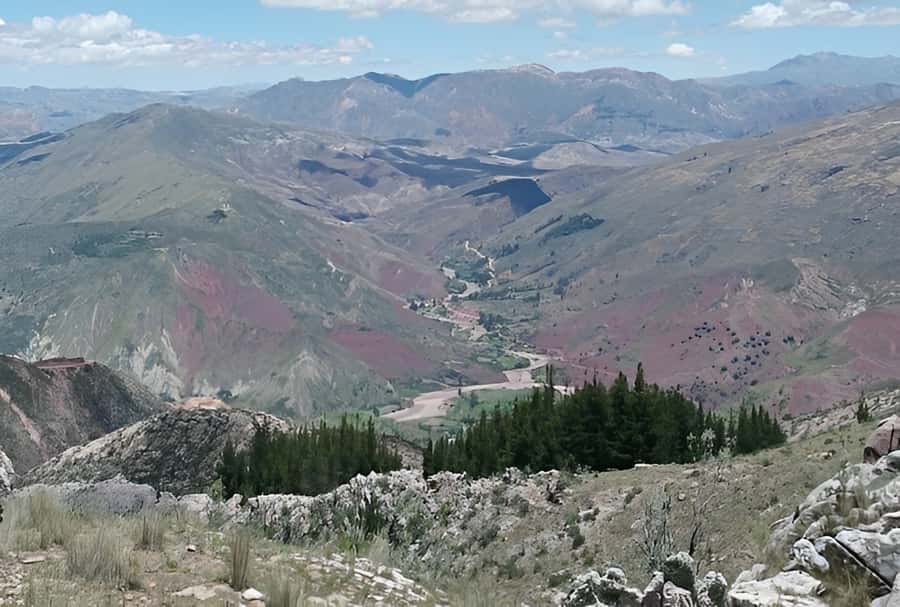
The Maragua Crater area is the visual center of the day. Its colorful, folded mountains give the place a strong sense of drama, and the stop allows time for both a meal and a walk.
Lunch is included and vegetarian. It is served in the Maragua area, with descriptions of the meal ranging from a tasty vegetarian lunch to a Bolivian-style picnic. I would treat this as a welcome midday pause rather than a quick sandwich eaten beside the vehicle.
The visit to Maragua lasts about 45 minutes in the detailed schedule, with around 30 minutes devoted to La Garganta del Diablo, or the Devil’s Throat. This rock formation gives you a specific goal within the wider crater area and a chance to stretch your legs after the drive.
The schedule here is not generous, so use the time well. Take your photographs, listen to the explanation, and enjoy the view before the afternoon’s longer stop. If you want a leisurely meal and a long independent walk around the crater, the fixed schedule may feel short.
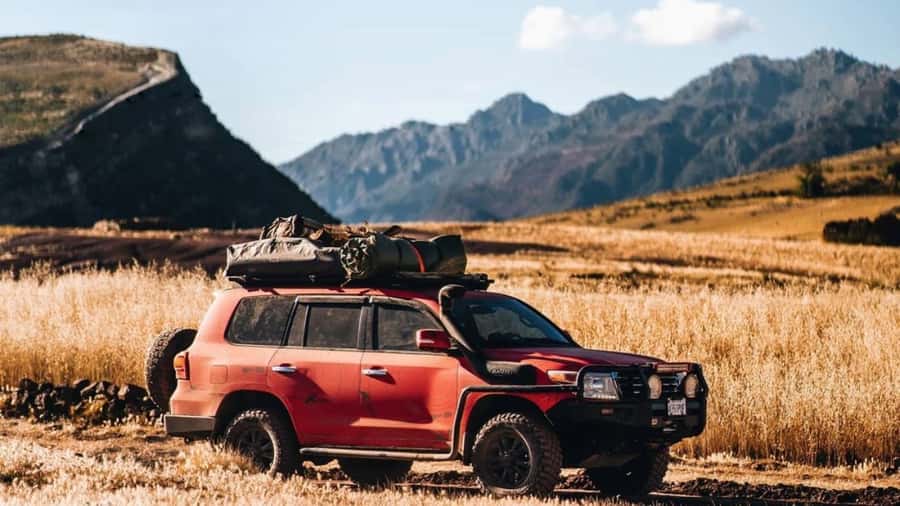
The road is part of the price you pay for reaching this scenery. Private transport is a major convenience, but the vehicle may be old and some roads are rough. I would value the flexibility of having a private jeep, while also accepting that comfort will not match a modern coach.
Two hours with dinosaur footprints
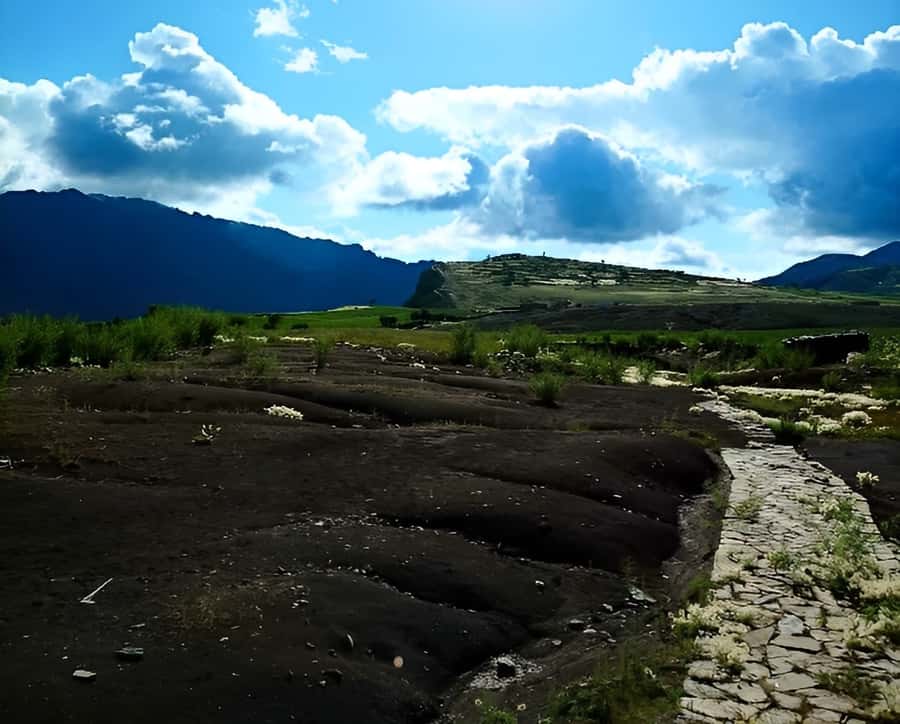
The afternoon visit to the dinosaur footprints lasts about two hours. This is more than a quick roadside photograph, and it gives the day a second clear focus after the Inca trail.
The tracks are connected with ancient pathways once used by dinosaurs, which makes the setting especially memorable. You are looking at evidence in the rock itself rather than only reading about prehistoric life in a museum.
The footprint stop also helps explain why the tour feels varied. In the morning, you walk a route associated with human history and Andean travel. In the afternoon, the subject shifts far further back in time. That contrast gives the day more substance than a standard mountain viewpoint excursion.
Bring the flashlight listed in the packing advice. The tour specifically asks for one, and it is better to carry it than to discover you need extra light after leaving Sucre. Sunscreen is also important because much of the day is spent outdoors at altitude.
After the footprint visit, you return to Sucre by vehicle for about two hours. That final drive can feel long after a full day on foot, so keep some water and a small snack within reach. Snacks and water are not included.
Jalq’a culture gives the route a human side
The Jalq’a connection is one of the more valuable parts of the outing. You learn about traditional villages and the local culture linked to the area, rather than seeing the crater as an empty scenic stop.
If a weaver is available, she can explain the art of the Jalq’a culture. This opportunity is conditional, so you should not book the trip expecting a guaranteed textile demonstration. When it happens, it adds a direct human element to a day otherwise centered on trails, rock, and fossils.
A good guide can broaden this part of the visit. Past guide assignments have included explanations of local plants, animals, indigenous life, and regional history. Pablo, Walter, Lizandro, Dinelsa, Lee, and others have been associated with the operation at different times, but you should expect the exact guide to vary.
The pace also matters here. A considerate guide can make the difference between a quick checklist of sites and a day that gives you time to understand where you are. Several departures have been described as friendly, informative, and unhurried, which is exactly what I would want on a route with this many subjects.
Is $94 a fair price?
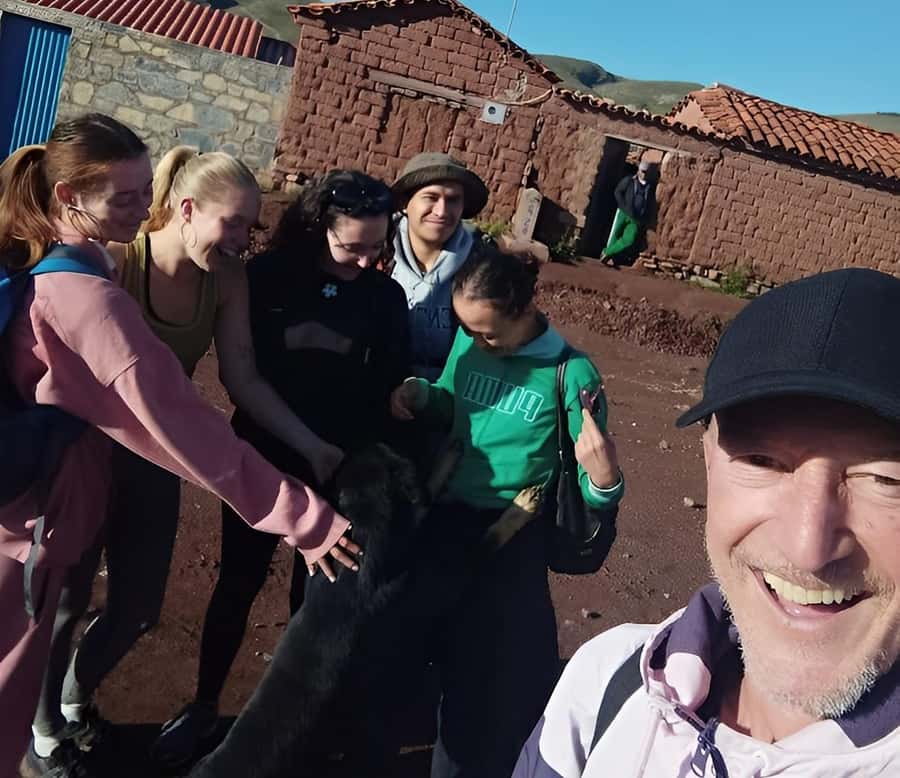
At $94 per person, I consider the tour fairly priced for what it includes. You receive hotel pickup and drop-off, private transportation for the long route, an English- or Spanish-speaking guide, lunch, a first-aid kit, and entrance fees worth $10.
The private transport is especially important. Reaching Chataquilla, Chaunaca, Maragua, and the footprint site independently would require organizing several road transfers, and the schedule would be much harder to manage. The guide also gives the sites context that you would miss if you were simply dropped off for photographs.
The exclusions are modest but worth planning for. Water, breakfast, and snacks are not included. I would eat before pickup, carry more water than you think you need, and pack something small for the afternoon.
You can cancel up to 24 hours in advance for a full refund, and the reserve-now, pay-later option keeps your plans flexible. Those terms are useful if the weather forecast looks uncertain, though the tour itself operates rain or shine.
What to bring for the 2,800-meter route
I would pack light but prepare for a long day outside:
- Hiking shoes with good grip
- Sunscreen
- Water
- Snacks
- A passport or accepted copy
- Flashlight
- Waterproof bag
- Extra protection from rain
Your passport copy is accepted, which is convenient, but keep it protected from moisture. Since the departure time may change with weather, check your pickup details before bed and keep your day flexible.
The route is not suitable for children under nine, pregnant women, wheelchair users, or people with mobility impairments. About five hours are spent walking, although the exact amount depends on how the stops are counted and paced.
I would choose this trip if you enjoy walking, outdoor scenery, cultural explanation, and unusual historical sites. I would skip it if you want a short outing, dislike rough vehicle roads, or need a completely accessible route.
My verdict on the Maragua Crater day trip
I would book this tour if I had one open day in Sucre and wanted to see beyond the city. The combination of a 12th-century trail, colorful Maragua rock, Jalq’a culture, La Garganta del Diablo, and dinosaur footprints gives you a full picture of the region in one demanding but manageable day.
The best reason to choose it is the range of experiences. The strongest practical warning is the transport and altitude: this is not a polished coach excursion, and the two-hour return drive can test your patience.
For an active visitor with good walking shoes, water, and realistic expectations about rough roads, $94 buys a memorable day with strong cultural and natural appeal. If you have only a few hours or cannot comfortably walk at altitude, choose a shorter Sucre outing instead.
FAQ
What time does the tour begin?
Hotel pickup starts around 8:30 in the morning, though the departure time may vary depending on the weather. You should wait in your hotel lobby five minutes before the scheduled pickup.
How long is the tour?
The experience lasts about 10 hours, including the drives between Sucre, Chataquilla, Chaunaca, Maragua, the dinosaur footprints, and Sucre.
How much walking is involved?
The day includes approximately five hours of walking in total, with the main Inca trail hike lasting about two to two and a half hours. Much of the route is between 2,800 and 3,000 meters above sea level.
What does the price include?
The $94 price includes hotel pickup and drop-off, private transportation, an English- or Spanish-speaking guide, lunch, a first-aid kit, and entrance fees to the Inca trail, Maragua, and the dinosaur footprints.
What should I bring?
Bring hiking shoes, sunscreen, water, snacks, a passport or copy, a flashlight, and a waterproof bag. Breakfast, water, and snacks are not included.
Can I cancel or pay later?
You can cancel up to 24 hours before departure for a full refund. The reserve-now, pay-later option lets you book without paying immediately.
More Tour Reviews in Sucre
Not for you? Here's more nearby things to do in Sucre we have reviewed
Sucre Tours, compared
 ★ 4.8Walking tour in Sucre: History, Culture & Amazing ViewsFrom $1379 reviews
 ★ 4.8Sucre: Free Walking tour (History, culture and traditions)From $047 reviews
 ★ 4.9Sucre: Sunrise, the Crater de Maragua and old Cave PaintingsFrom $10513 reviews
 ★ 4.9Sucre: 2 days trek in Inca Trails and the Crater de MaraguaFrom $12411 reviews
Browse the lists this tour appears in