
Reviewed · SUCRE TOURS
Sucre: A Day Spent Exploring the Historic Area of the City
Sucre tells Bolivia’s story in whitewashed stone. This seven-hour walk links the city’s cemetery, oldest university, central plaza, independence museum, Indigenous textile traditions, and hilltop views in one well-planned day. I like the unusual opening at the General Cemetery, especially with time for a traditional Bolivian breakfast nearby. I also like the way the tour joins grand political history with living craft at the ASUR Indigenous Art Museum. The main drawback is the pace: you cover a lot of ground, use a public bus, and spend much of the day on foot.
At $40 per person, the tour offers good value because it includes four major admissions, breakfast, public transportation, and a small group capped at 10 people. Guide Gari receives especially strong praise for spending nearly the full day with his group and explaining Bolivia and Indigenous culture in Spanish. Still, check your language needs before booking, since English and Spanish are offered but at least one recent tour with Gari was conducted in Spanish.
In This Review
- Key points at a glance
- Start at Plaza Oruro beside the General Cemetery
- Ride a public bus to the University of Charcas
- Read Sucre’s story around Plaza 25 de Mayo
- Enter Casa de la Libertad, where independence was signed
- Pause at Plaza Pedro de Anzúrez
- See Indigenous weaving at the ASUR Museum
- Visit the Guereo Mansion and Calle de los Gatos
- Finish above the city at San Felipe Neri
- What $40 includes and where the value lies
- Pace, language, and practical details
- Who should book this Sucre walking tour?
- Should you book it?
- FAQ
- How much does the Sucre tour cost?
- How long does the tour last?
- Where does the tour begin?
- When will I know the guide’s name?
- What languages are available?
- What is included in the price?
- Is breakfast included?
- Is lunch included?
- Is the tour suitable for wheelchair users?
Key points at a glance
- A cemetery begins the morning: You get a guided look at Sucre’s General Cemetery, followed by a traditional breakfast at a nearby local eatery.
- 1624 university visit: The Universidad de San Francisco Xavier, founded as the University of Charcas, brings Sucre’s intellectual past into view.
- Bolivia’s independence comes alive: Casa de la Libertad marks the place where the Declaration of Independence was signed on August 6, 1825.
- ASUR adds living culture: You see Indigenous textiles and clothing from pre-colonial, colonial, and republican periods, with traditional weaving demonstrations.
- Hilltop views finish the day: San Felipe Neri and the Mirador area offer arches, courtyards, terraces, and wide views over Sucre.
- A full day for active walkers: The route lasts seven hours and is not suitable for wheelchair users or people with mobility impairments.
Start at Plaza Oruro beside the General Cemetery
Your morning begins at Plaza Oruro, directly in front of Sucre’s old cemetery. The guide’s name is sent by email or WhatsApp one day before the tour, so check your messages before leaving your hotel.
The first stop lasts about 75 minutes and combines a cemetery visit with breakfast. This is a thoughtful way to begin. The General Cemetery is not treated as a quick photo stop or a place to hurry through. Its calm setting offers a look at Sucre’s religious customs and cultural traditions, while your guide explains why the cemetery matters to the city.
The breakfast is described as a traditional Bolivian meal at a local eatery near the cemetery. The inclusions list says breakfast is covered, although the description also calls it optional. If the meal matters to your plans, ask Jalq’a Tours to clarify exactly how it works before you go.
Bring water, sunscreen, and a hat for this first stretch. Inside the cemetery, quiet behavior is expected, and smoking is not allowed in the buildings visited during the day. Your camera is welcome, but respect should come before photographs.
You can also read our reviews of more tours and experiences in Sucre.

Ride a public bus to the University of Charcas
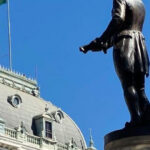
After the cemetery, you take public transportation for about 15 minutes. This is not a private vehicle transfer, so the ride gives you a small look at ordinary city movement while keeping the tour’s price down.
The destination is the Universidad Mayor, Real y Pontificia de San Francisco Xavier de Chuquisaca, usually shortened to USFX. Founded in 1624 and historically known as the University of Charcas, it is one of the oldest universities in the Americas. The tour focuses on the old law school and its grand architecture.
You have about 30 minutes here. That makes the stop a focused introduction rather than a broad campus tour. The value comes from understanding Sucre as more than a pretty colonial city: its university helped shape the intellectual and political life of the region. For anyone interested in law, independence movements, or the history of education, this short visit carries real weight.
Admission to the university is included. Since the schedule is tight, listen closely to the guide rather than trying to explore every corner on your own.
Read Sucre’s story around Plaza 25 de Mayo
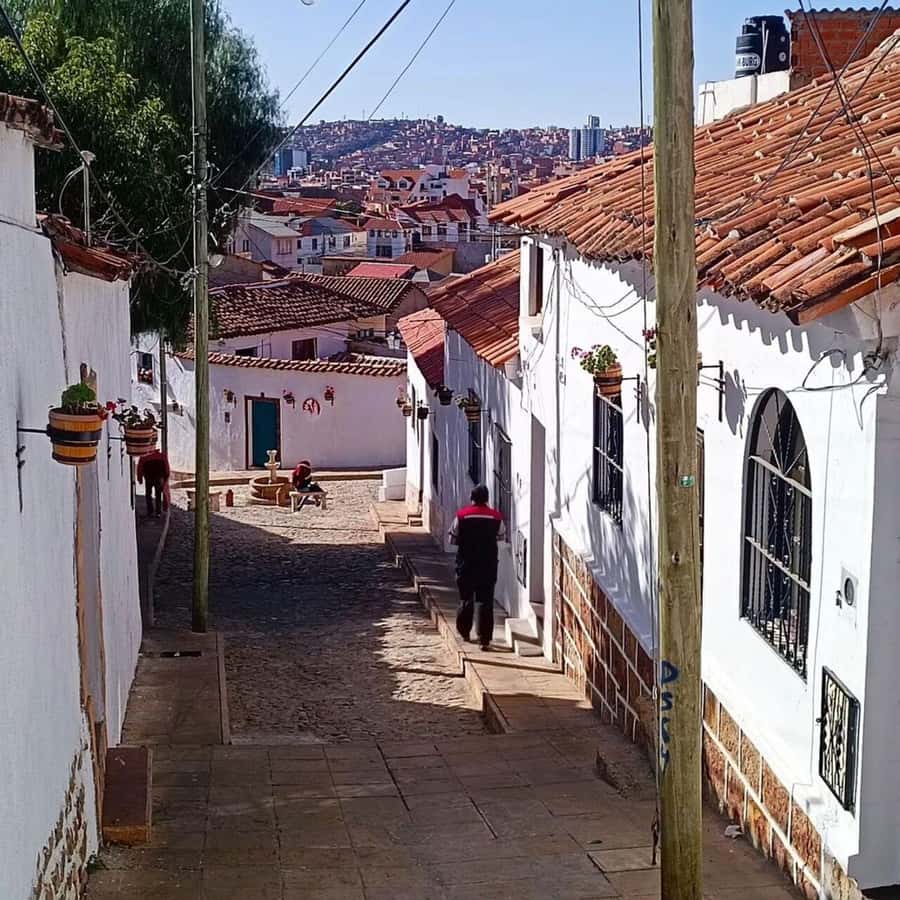
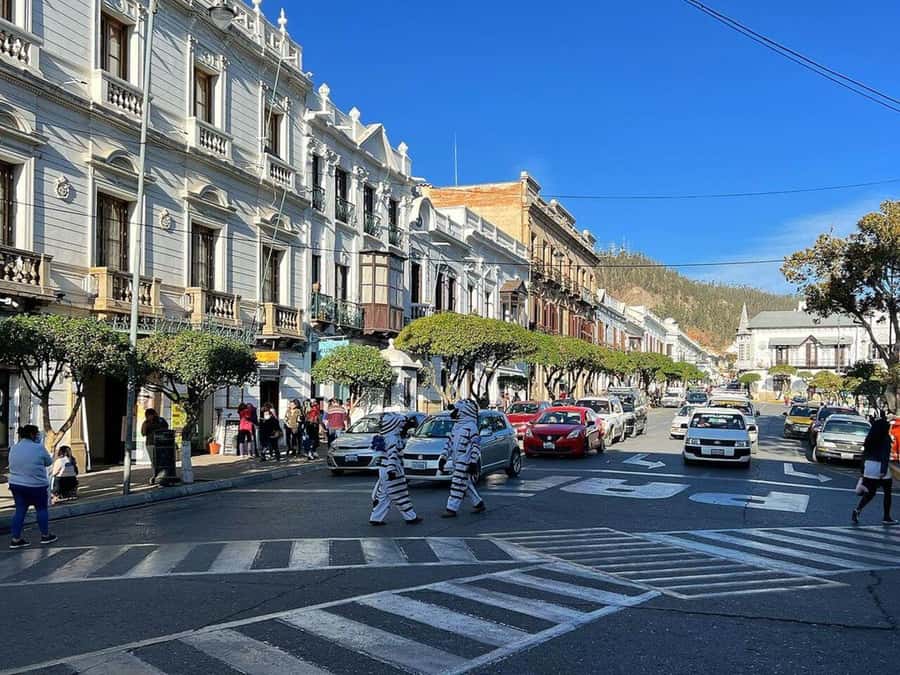
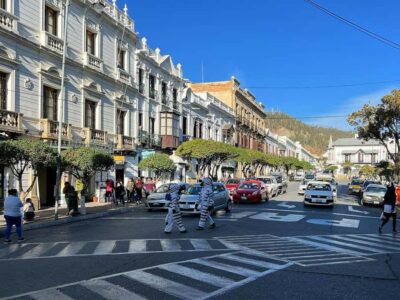
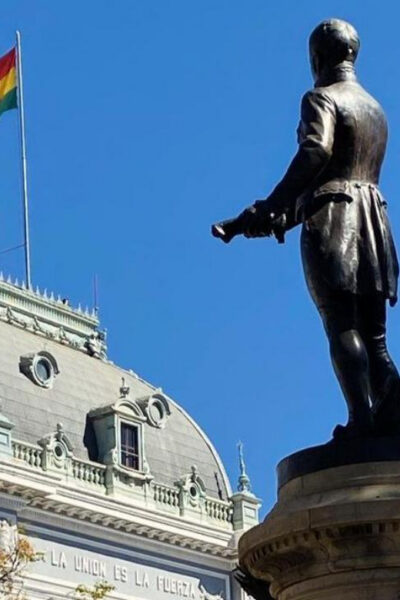
The route then moves into the center of Sucre at Plaza 25 de Mayo. You spend about 30 minutes here, surrounded by historic buildings and the city’s main civic meeting place.
This is the point where the separate pieces of the morning begin to connect. The university represents ideas and political education. The plaza shows where public life takes place. Your guide can help you read the buildings around the square and explain Sucre’s colonial role, instead of leaving you with only a collection of attractive façades.
The plaza is also a useful place to get your bearings. The tour eventually finishes near here, so you will recognize the area when the day ends. Keep your belongings close in any busy public space, and use the stop to refill your water if needed.
Enter Casa de la Libertad, where independence was signed
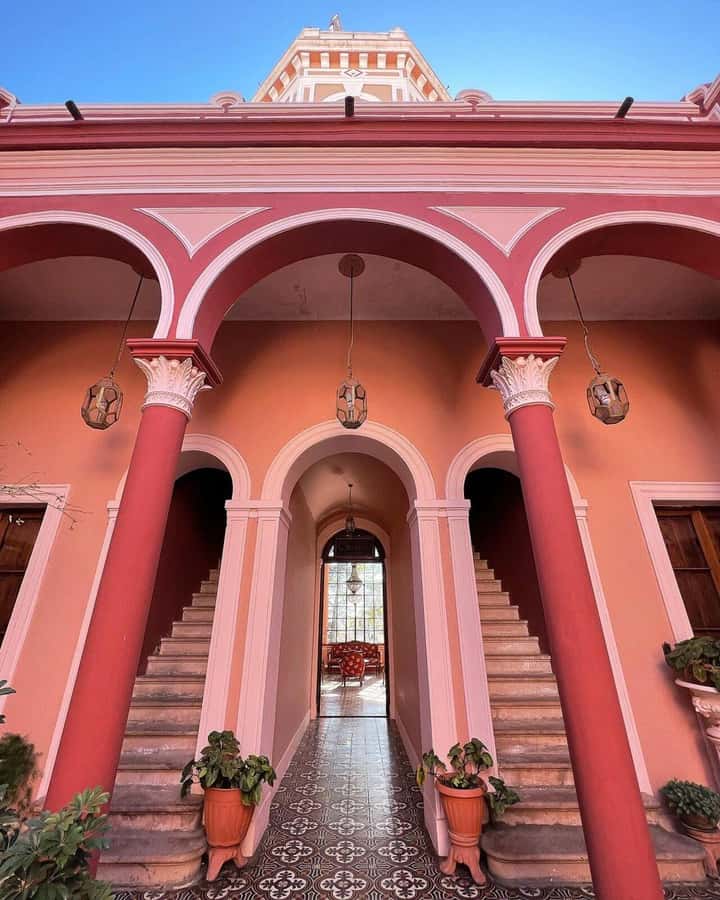
Casa de la Libertad is the most important historical stop on the morning route. The Declaration of Independence of Bolivia was signed here on August 6, 1825.
Today, the building operates as a museum with artifacts and displays linked to Bolivia’s struggle for independence. The tour allows about 30 minutes inside, and admission is included in the $40 price.
I would pay close attention here. The museum gives the day a clear national story: Sucre was not simply a colonial administrative center but a place tied directly to the creation of modern Bolivia. The guide’s explanations are especially useful because the building’s importance can be easy to miss if you visit without context.
Thirty minutes is enough for a guided introduction, but it is not a long museum session. If you prefer to read every label slowly, you may wish you had more time. The advantage is that the tour keeps moving and gives you several different sides of Sucre rather than spending the whole day in one museum.
Pause at Plaza Pedro de Anzúrez
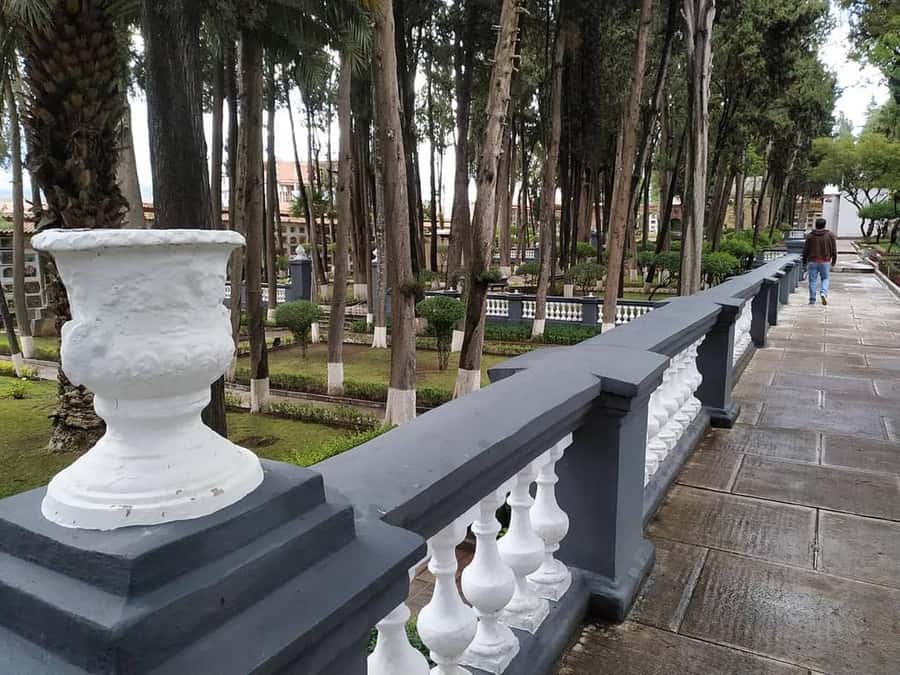
A visit to Plaza Pedro de Anzúrez follows Casa de la Libertad and lasts about 30 minutes. This stop gives the walking route some breathing room between the major indoor sites.
Your guide uses the city’s public spaces to build a picture of old Sucre, pointing out connections between the colonial center, public buildings, and the city’s political past. The plaza is less about one major admission and more about seeing how Sucre’s historic center fits together on foot.
That distinction matters. This is not a tour made only of ticketed attractions. You also get time in streets and squares where the city’s character comes through without a museum label attached.
See Indigenous weaving at the ASUR Museum
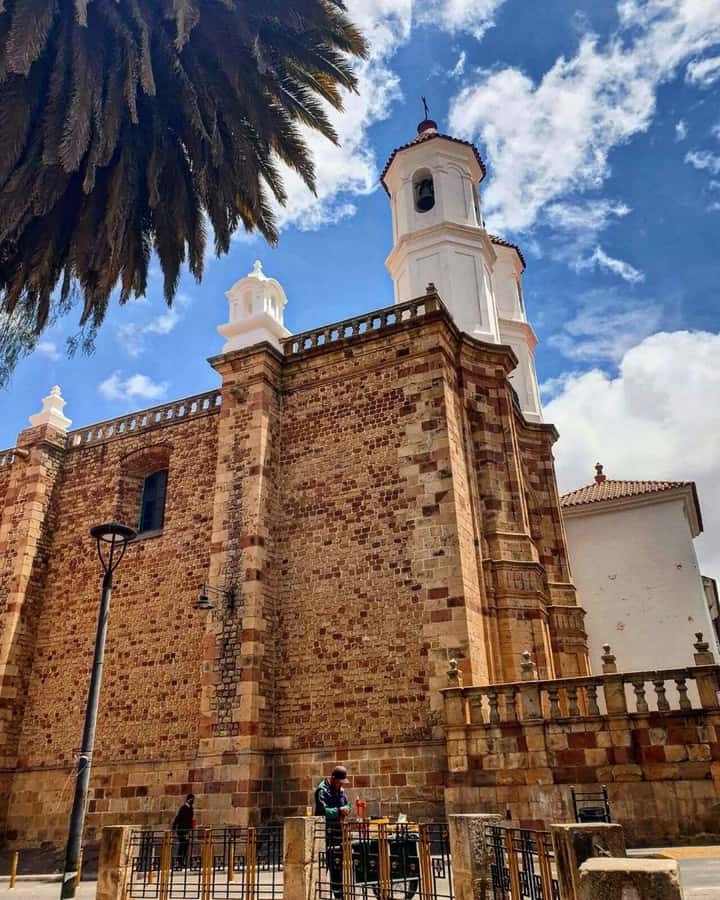
The afternoon’s strongest cultural stop is the ASUR Indigenous Art Museum. You spend about 45 minutes here with a guided visit.
The museum occupies a carefully preserved building and presents Indigenous textiles and clothing from three periods: pre-colonial, colonial, and republican. That timeline lets you see how designs and clothing traditions continued, changed, and adapted over time.
The most useful part is the gallery where traditional weavers demonstrate their techniques. You are not just looking at finished cloth behind glass. You can watch the work being done and see how much skill goes into the patterns and designs.
For me, this stop gives the tour balance. Casa de la Libertad explains national political history; ASUR brings attention to the Indigenous cultures that remain central to Bolivia’s identity. The museum is also a good reason to bring a camera, although you should follow any photography instructions given inside.
Visit the Guereo Mansion and Calle de los Gatos
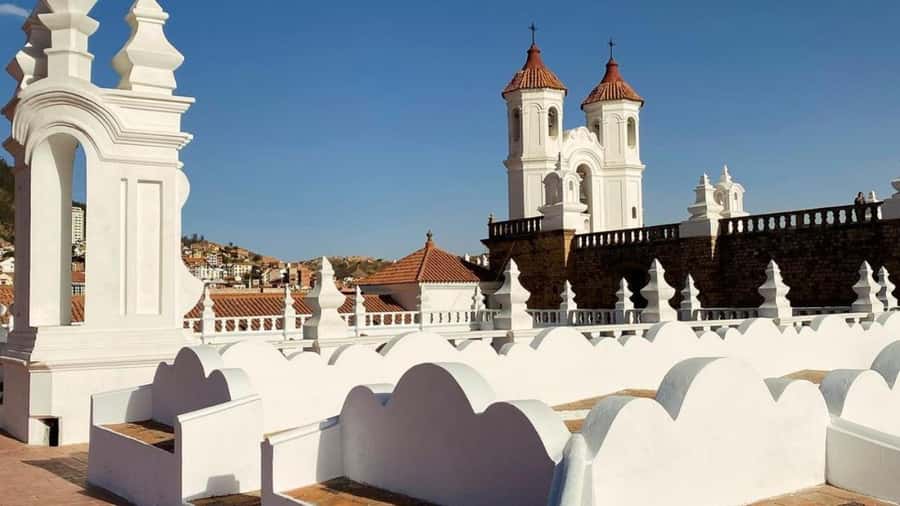
Next comes the Palacete del Guereo, also called the Guereo Mansion. The guided visit lasts about 45 minutes and focuses on the elegant colonial architecture of this former palace.
The building offers a change of scale after the museum visits. Instead of a national story or textile collection, you get a closer look at how colonial-era architecture shaped Sucre’s visual character. The tour description highlights the palace’s graceful style, making it a worthwhile stop for anyone who enjoys courtyards, old façades, and carefully preserved interiors.
Nearby, you visit Gato Negro, identified in the tour description as Calle de los Gatos. This brief 15-minute stop is a chance to see one of the quaint streets associated with old Sucre.
Do not expect a long independent wander here. Fifteen minutes is enough for a look and a few photographs, but the schedule keeps you moving toward the final viewpoint.
Finish above the city at San Felipe Neri
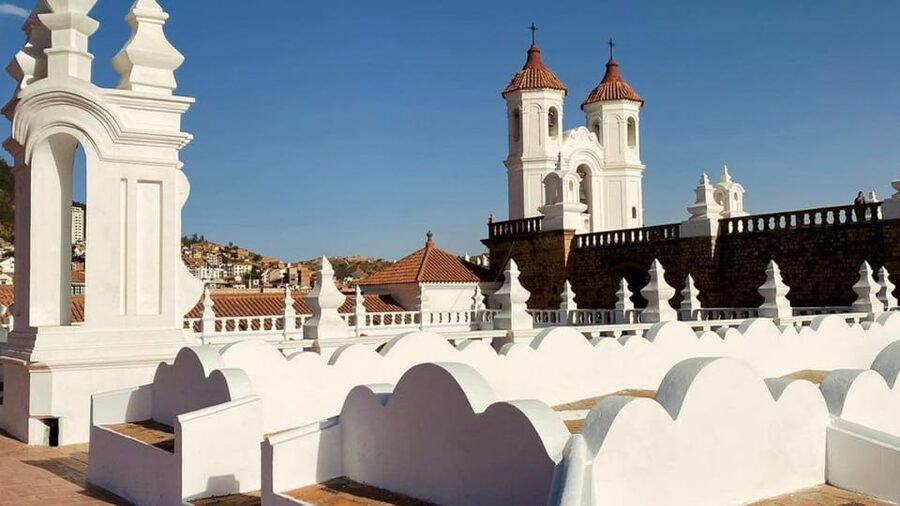
The final stop lasts about one hour at Iglesia de San Felipe Neri, described as the Convento de San Felipe Neri. This is where the day reaches its best visual payoff.
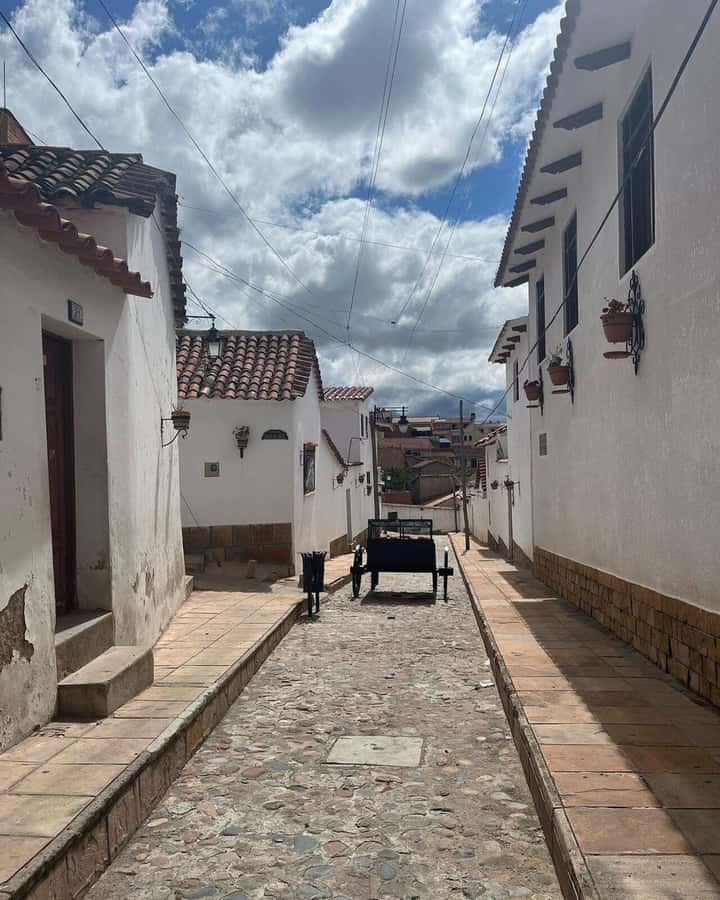
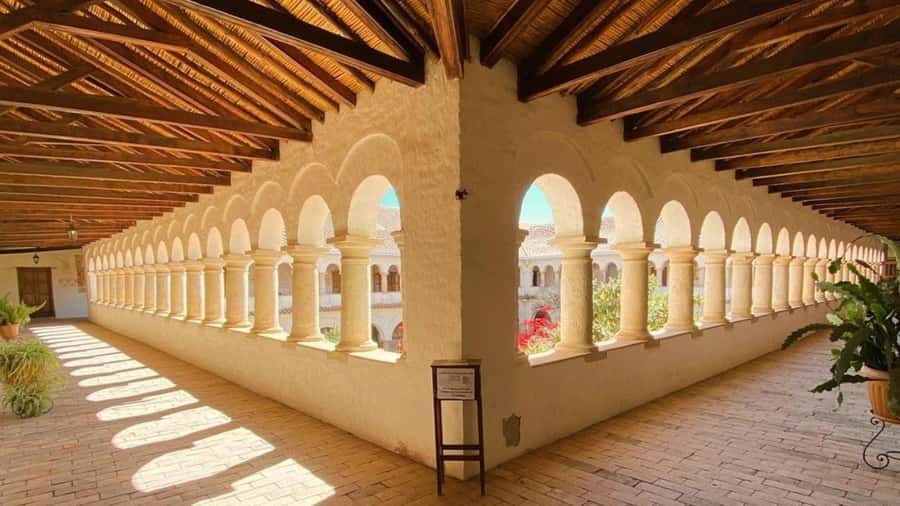
The complex includes arches, courtyards, and colonial-style buildings, along with terraces that look across Sucre. The elevated position gives you a broad view of the city and a chance to see how the white historic center fits together from above.
The timing places this stop in the afternoon, when the light may begin to soften. The description presents it as a good place for photographs as the day winds down, but exact sunset conditions depend on the season and tour start time.
This final hour also gives the itinerary a calmer finish. After the cemetery, bus ride, plazas, museums, and palace, you can slow down and let the city’s architecture and views sink in. The tour ends back at Plaza 25 de Mayo, making it easy to continue exploring the center afterward.
What $40 includes and where the value lies
The $40 price covers:
- Guided walking tour
- Entrance to Universidad de San Francisco Xavier
- Entrance to Casa de la Libertad
- Entrance to the ASUR Museum
- Entrance to San Felipe Neri
- Traditional Bolivian breakfast
- Public-bus transportation
Lunch and personal expenses are not included. Plan to eat after the tour or carry money for food during the day, since the schedule does not include a midday meal.
For seven hours, the price is fair. You are paying for a guide, several admission tickets, breakfast, and transport rather than only a walk through public streets. The small group limit of 10 matters too: it should be easier to hear explanations in museums and ask questions than on a large coach tour.
The value is strongest if you want context. You could visit Plaza 25 de Mayo and some viewpoints independently, but the university, Casa de la Libertad, cemetery, and ASUR Museum mean more when someone explains their place in Sucre’s story.
Pace, language, and practical details
This is an active day. You walk through the historic center, use a public bus, and visit buildings that may include uneven surfaces, steps, or terraces. The tour is specifically not suitable for wheelchair users or people with mobility impairments.
Wear comfortable walking shoes and weather-appropriate clothing. Sunscreen, water, a camera, and a hat are sensible choices. Alcohol and drugs are not allowed, and smoking is prohibited inside the buildings.
The group is limited to 10 people, and live guiding is offered in English and Spanish. Since Gari’s praised tour was conducted in Spanish, ask in advance which language your assigned guide will use if you are not comfortable switching between languages.
The morning meeting point is Plaza Oruro. The afternoon meeting point is different and will be explained by the guide at the end of the morning session. That is worth noting because you should not assume you will return to Plaza Oruro after lunch or the morning visits.
The activity allows free cancellation up to 24 hours before departure and offers reserve-now, pay-later booking. Starting times vary, so check availability before planning other activities around it.
Who should book this Sucre walking tour?
I recommend it most for first-time visitors who want a clear introduction to Sucre’s colonial buildings, independence story, university tradition, and Indigenous culture in one day. It also suits you if you prefer a guide who can connect places rather than simply point them out.
The tour is a good fit for history fans, photographers, architecture lovers, and anyone interested in Bolivian textile traditions. The praise for Gari also points to the guide’s cultural explanations as a major strength, particularly around Indigenous life and Bolivia’s wider story.
You may want a different plan if you have limited stamina, need wheelchair access, want a slow museum day, or prefer to choose your own restaurants and linger at each site. The route is full and structured, not a relaxed morning stroll.
Should you book it?
Book this tour if you want Sucre’s major historical stops arranged into one active, informative day. The combination of the cemetery, USFX, Casa de la Libertad, ASUR, Guereo Mansion, and San Felipe Neri gives you a broad picture of the city for $40, with the main admissions already covered.
Before paying, confirm the guide’s language and clarify the optional wording around breakfast. If those points work for you, this is a strong choice for seeing Sucre’s historic center with useful cultural context and excellent hilltop views.
FAQ
How much does the Sucre tour cost?
The tour costs $40 per person.
How long does the tour last?
The experience lasts seven hours.
Where does the tour begin?
The guide meets you at Plaza Oruro, in front of the old cemetery in Sucre.
When will I know the guide’s name?
You receive the guide’s name by email or WhatsApp one day before the tour.
What languages are available?
Live guiding is offered in English and Spanish.
What is included in the price?
The price includes the guided walking tour, entrance to Universidad de San Francisco Xavier, Casa de la Libertad, the ASUR Museum, San Felipe Neri, a traditional Bolivian breakfast, and public-bus transportation.
Is breakfast included?
Traditional Bolivian breakfast is listed among the inclusions, but the description also calls it optional. Confirm the details with Jalq’a Tours before booking if breakfast is important to you.
Is lunch included?
No. Lunch and personal expenses are not included.
Is the tour suitable for wheelchair users?
No. The tour is not suitable for wheelchair users or people with mobility impairments. Comfortable walking shoes are recommended.
More Historical Tours in Sucre
More Tour Reviews in Sucre
Not for you? Here's more nearby things to do in Sucre we have reviewed
Sucre Tours, compared
 ★ 4.8Walking tour in Sucre: History, Culture & Amazing ViewsFrom $1379 reviews
 ★ 4.8Sucre: 1-Day Trek in the Crater of Maragua and Inca TrailsFrom $9475 reviews
 ★ 4.8Sucre: Free Walking tour (History, culture and traditions)From $047 reviews
 ★ 4.9Sucre: Sunrise, the Crater de Maragua and old Cave PaintingsFrom $10513 reviews
Browse the lists this tour appears in