
Reviewed · TIWANAKU RUINS TOURS
Tiwanaku; Pre Incan Ruins Tours from La Paz
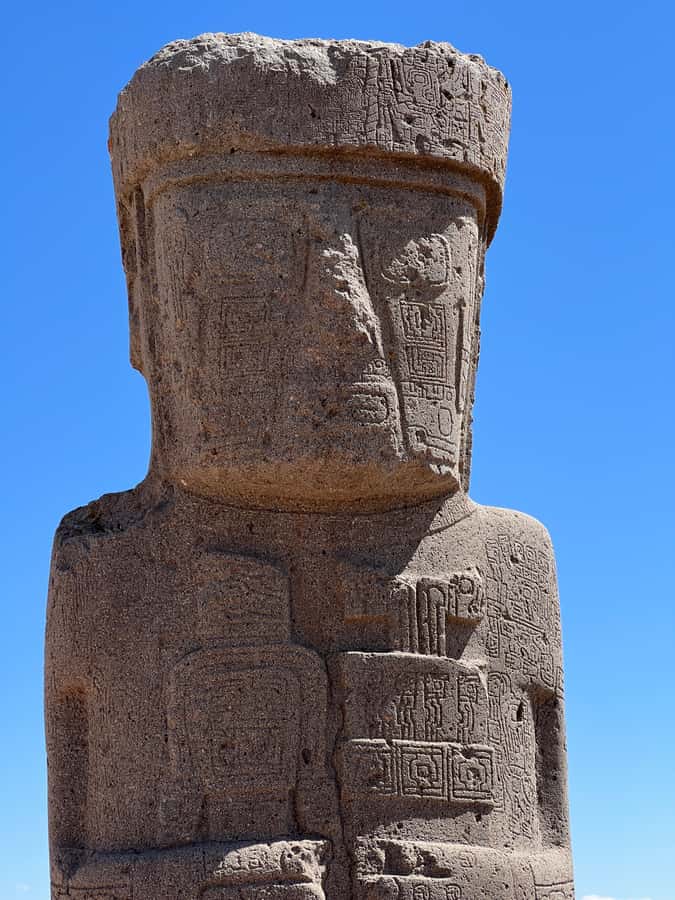
Ancient stone, modern logistics. Tiwanaku makes a memorable day trip because you get to see Kalasasaya, Pumapunku, and the Sun Gate in one organized outing rather than arranging transport to a remote archaeological site yourself. I like the way the tour combines major ruins with the Ceramic Museum and the Lithic Museum, where the famous Bennett Monolith is displayed.
I also like the price: $23 per person for shared transport, a bilingual English-Spanish guide, and visits to the ruins and museums is a useful deal if you want a straightforward day from La Paz. The main drawbacks are the extra entrance fee, the long bus ride, and a guide experience that may vary; one booking reported an early tip request and conspiracy-theory commentary.
In This Review
- Key Points To Know Before You Go
- Why Tiwanaku Deserves A Day From La Paz
- The Long Ride From Hotel Sagarnaga
- The Main Archaeological Site: Two And A Half Hours
- Pumapunku And The Puzzle Of Precise Stone
- Kalasasaya And Akapana: The Core Ceremonial Areas
- The Museums: Short Visits, Useful Context
- What The $23 Price Really Covers
- The Guide Can Shape The Whole Day
- Walking, Timing, And What To Pack
- Who Will Get The Most From This Tour?
- Should You Book The Tiwanaku Tour?
- FAQ
- Where does the Tiwanaku tour begin?
- Where does the tour finish?
- How long does the tour last?
- Is transportation included?
- Is a guide included?
- Is the entrance fee included?
- Are lunch, snacks, and drinks included?
- What should I bring?
Key Points To Know Before You Go
- Two hours each way: The road journey takes roughly four hours in total, with the full outing lasting 510 minutes.
- Pumapunku is the stonework highlight: Its carefully cut stones are the clearest reminder of Tiwanaku’s technical skill.
- The Bennett Monolith is indoors: The Lithic Museum gives you a closer look at one of the site’s best-known carved figures.
- The $23 price is not all-inclusive: Entrance fees, lunch, snacks, and drinks are extra.
- Expect plenty of outdoor walking: Wear comfortable shoes and carry your passport or ID card.
Why Tiwanaku Deserves A Day From La Paz
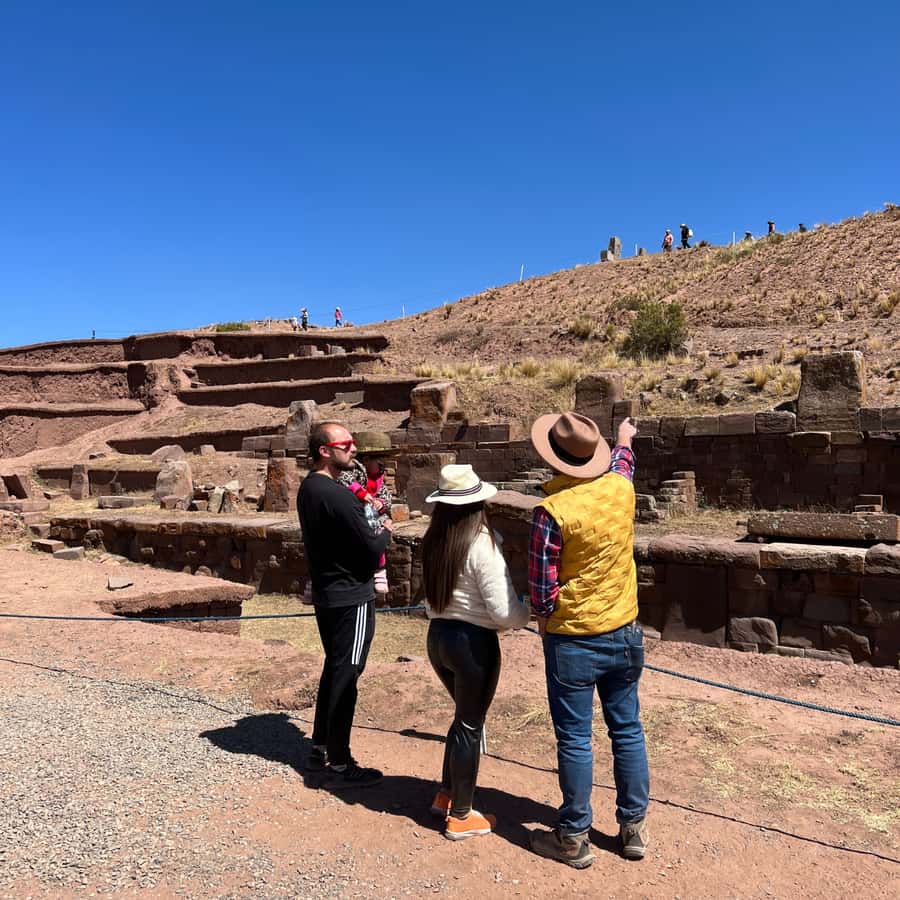
Tiwanaku is one of the most important pre-Incan archaeological sites in South America. It lies near the southeastern shore of Lake Titicaca, around two hours from La Paz, in the high Andean setting where an ancient society developed farming methods suited to difficult conditions.
That setting matters. The Tiwanaku culture used raised fields and terraces to grow crops in a high-altitude environment. Those farming methods helped support a large and influential society, and the culture’s artistic style spread into surrounding regions through carved stone and distinctive pottery.
You are not simply visiting a collection of old walls. You are looking at the remains of a society that solved practical problems with agriculture, organized large ceremonial spaces, and produced stonework that still draws close attention. The exact purpose of some structures, and the reasons for Tiwanaku’s decline, remain open to study.
A guide adds value here because the site covers several square kilometers. Without some explanation, the stones can blur together. With a good guide, the relationship between the ceremonial areas, carved gateways, monoliths, and nearby museums becomes easier to follow.
You can also read our reviews of more tours and experiences in La Paz.


The Long Ride From Hotel Sagarnaga
The day begins at the agency beside Hotel Sagarnaga in La Paz. The meeting directions use the spelling Sagaranga once, so I would confirm the precise office entrance before departure. You can wait at the agency or in the hotel lobby until the group leaves.
Shared transportation keeps the cost down, but it also means you should expect a group setting rather than a private archaeological outing. The coach ride takes about two hours in each direction. That is a significant part of a 510-minute day, yet it is the practical trade-off for reaching Tiwanaku without organizing your own vehicle.
The ride also gives you time to settle in before the walking begins. Bring comfortable shoes, your passport or ID card, and something to eat or drink because lunch, snacks, and beverages are not included. There is very little sitting time once you arrive at the ruins.
The tour finishes at the Basilica of Saint Francis rather than returning you to Hotel Sagarnaga. That ending can work well if you plan to spend more time in central La Paz afterward, but it is worth remembering if you need to collect luggage or return to a hotel elsewhere.
The Main Archaeological Site: Two And A Half Hours
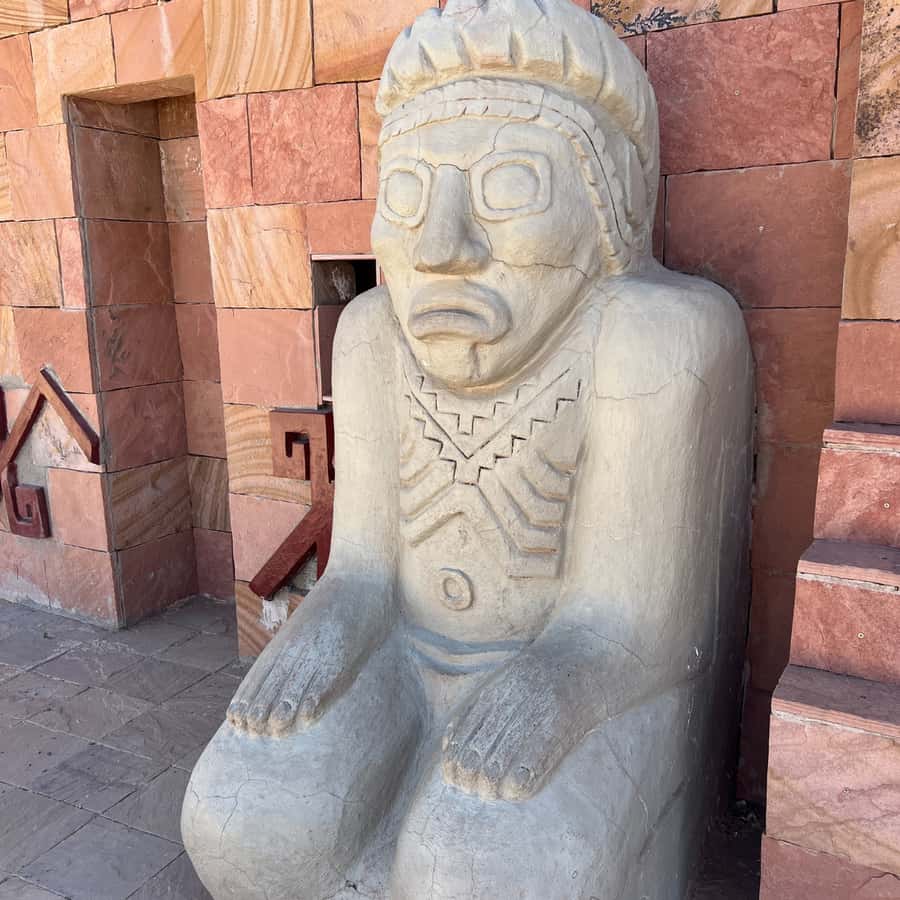
The principal visit to the Tiwanaku Archaeological Site lasts about two and a half hours. This is the heart of the day, and it gives you enough time to see the major areas without reducing the whole visit to a quick photo stop.
The site is spread out, so you will walk between structures and spend most of your time outdoors. The tour is not designed for sitting back and watching the ruins pass by. You should be ready for a steady visit across open archaeological grounds, with the guide explaining what you are seeing along the way.
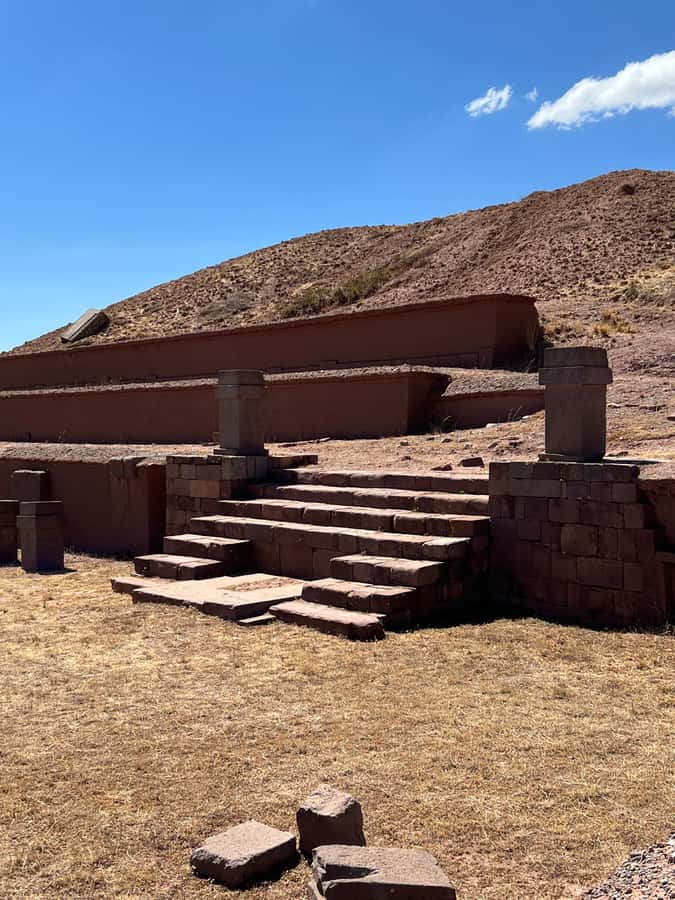
The order of the stops can vary, but the main sights include Kalasasaya, Pumapunku, the Sun Gate, and Akapana. Each has a different appeal:
- Kalasasaya is known as the Temple of the Standing Stones. Its name points directly to the upright stone construction that gives the area its character.
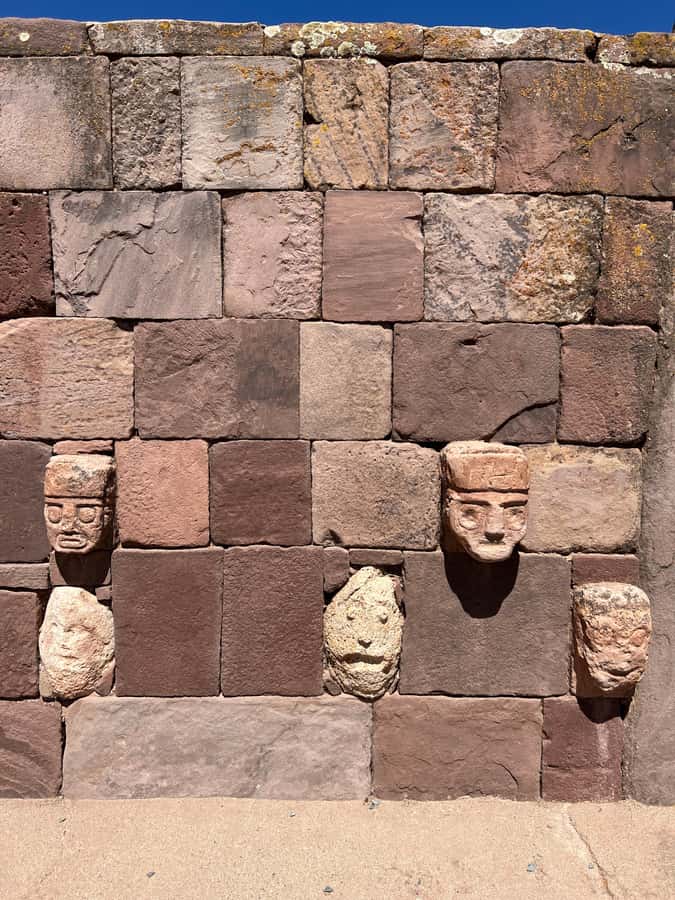
- Pumapunku is famous for its precision stone cuts. If you are interested in engineering, masonry, or ancient building methods, this is likely to be your favorite section.
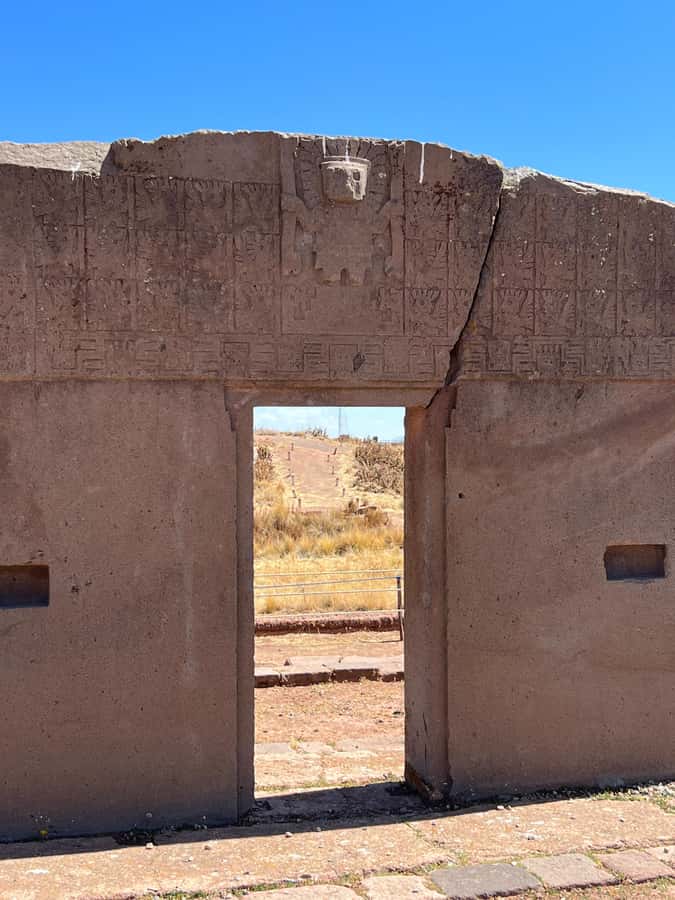
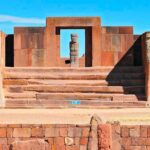
- The Sun Gate is an intricately carved stone gateway and one of the most recognizable features at Tiwanaku.
- Akapana adds another major structure to the visit and receives about 30 minutes of guided attention.
The value of a guide is especially clear at Pumapunku. It is easy to look at finely cut blocks and simply call them impressive. A guide can help place that workmanship within the wider Tiwanaku culture, whose influence reached beyond this one site.
The site visit may feel rushed if you want to examine every stone at length. Two and a half hours sounds generous, but the grounds cover several square kilometers and include multiple stops. I would focus on the main structures and listen closely during the explanations rather than trying to inspect every corner.
Pumapunku And The Puzzle Of Precise Stone
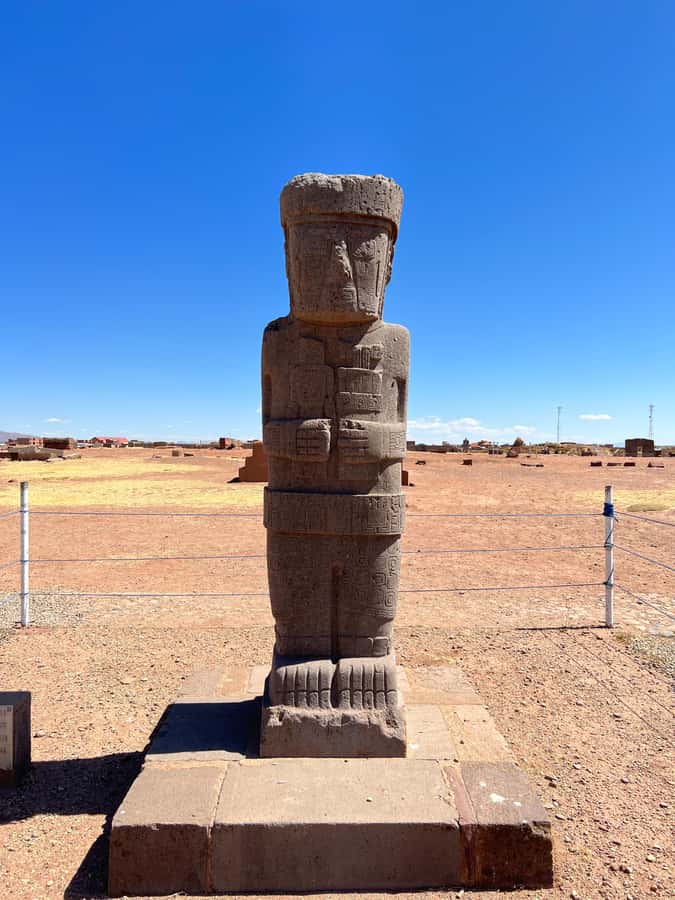
Pumapunku deserves extra attention because it gives the tour its strongest architectural focus. The site is known for stones cut with remarkable precision, and that detail turns the visit from a general history stop into a closer look at how Tiwanaku builders worked.
You will want to slow down here and study the joints, angles, and repeated shapes. The attraction is not only the size of the blocks but also the care visible in their shaping. This is the place to ask the guide how the stones fit into the wider Tiwanaku building tradition.
The available tour details do not specify exactly how long the group spends at Pumapunku, so the guide’s timing matters. If this is your main reason for booking, tell the guide early that you would appreciate time to look closely at the stonework.
The Sun Gate offers a different kind of interest. Rather than focusing on construction alone, it brings carved imagery into the visit. Its detailed surface shows the artistic side of Tiwanaku, complementing the practical and structural focus of Pumapunku.
Kalasasaya And Akapana: The Core Ceremonial Areas
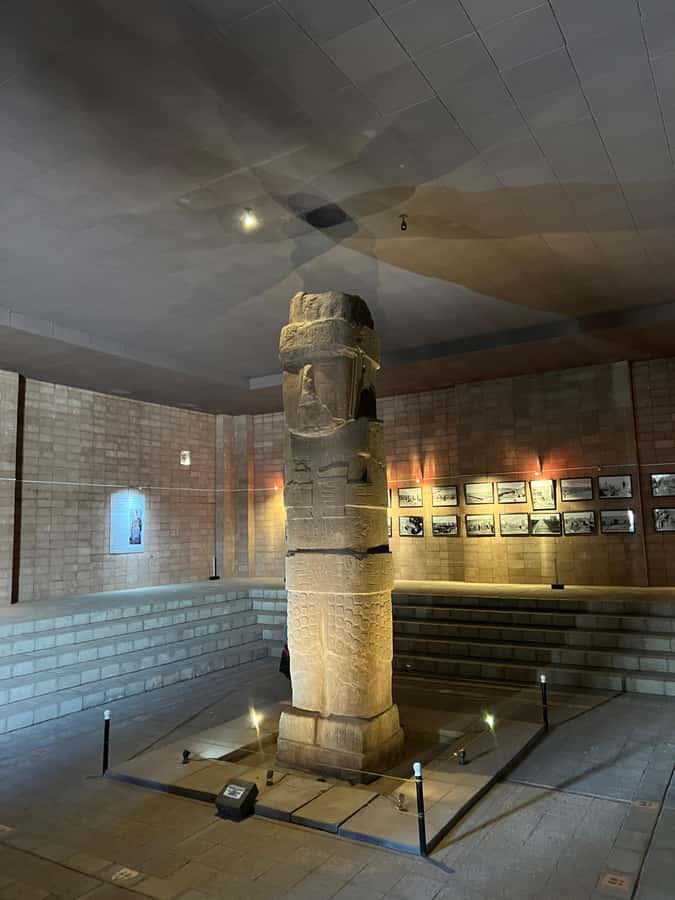
Kalasasaya, the Temple of the Standing Stones, is one of the tour’s essential stops. Its upright stones give the area a strong sense of order, and the name provides an easy way to remember what you are seeing.
I like that Kalasasaya is paired with Pumapunku. The two sites let you compare monumental arrangement with highly exact stone cutting. One helps you think about space and structure; the other draws your eyes toward individual blocks and their workmanship.
Akapana receives a guided visit of about 30 minutes. That is enough time for a focused explanation, though not enough for an unhurried study of every feature. Stay near the guide during this portion, since the site’s value comes from understanding how it fits into Tiwanaku’s larger ceremonial setting.
The schedule also includes another guided stop whose exact name is not specified in the available details. Ask about it at the beginning of the day so you know what remains on the schedule and can pace yourself.



The Museums: Short Visits, Useful Context
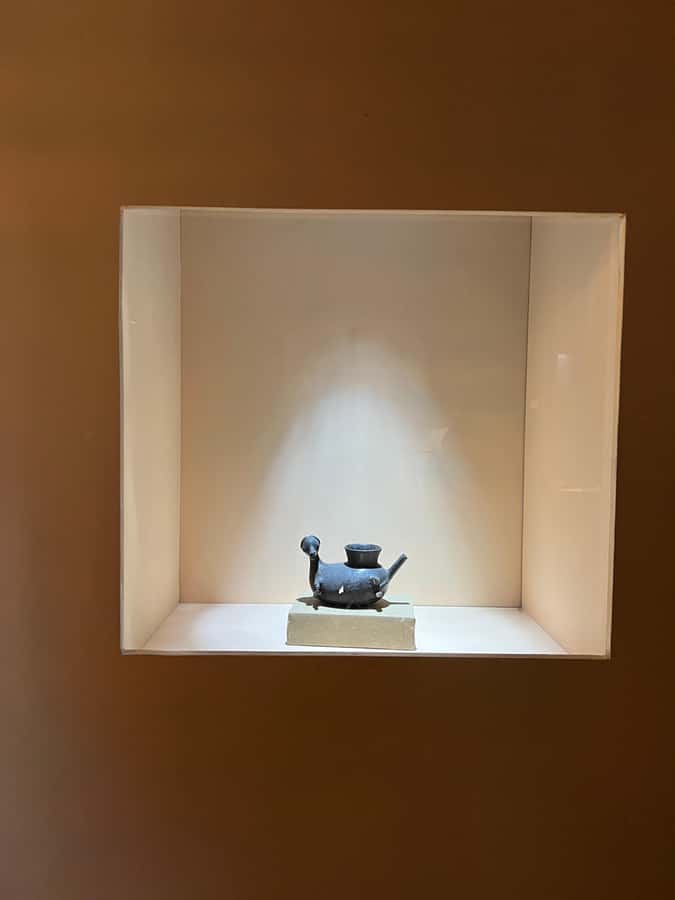
The museum portion is brief but worthwhile. The Ceramic Museum receives a guided visit of about 15 minutes, while the Museo del Sitio de Tiwanaku receives about 10 minutes.
Those are short appointments, so think of them as supporting stops rather than full museum visits. The ceramic displays connect the site’s architecture with the culture’s pottery tradition, giving you another way to recognize Tiwanaku’s artistic style.
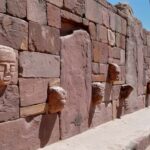
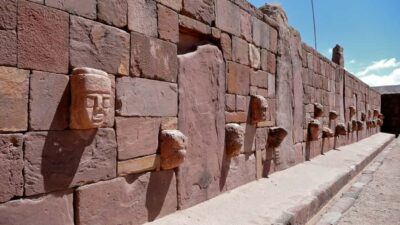
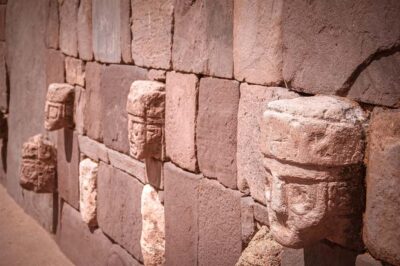
The Lithic Museum is especially important because it houses the Bennett Monolith. This famous carved stone figure gives you a chance to study Tiwanaku sculpture at close range, away from the open archaeological grounds.
I like having the museums included because they help fill gaps left by the outdoor visit. At the ruins, you get scale, placement, and stone architecture. Indoors, you get objects and carved details that can be harder to appreciate from a distance.
The museum timing may feel too short if you enjoy archaeology. Still, the combined visit is better than seeing only the ruins, particularly for anyone who wants to connect pottery, sculpture, and monumental stonework.
What The $23 Price Really Covers
At $23 per person, this is a low-cost way to reach Tiwanaku from La Paz. The price includes shared transportation, a shared bilingual guide in English and Spanish, and visits to the ruins and museums.
It does not include the entrance fee. Lunch, snacks, and beverages are also separate, so the advertised price should be treated as the basic tour cost rather than your full spending total.
One December 2024 booking reported additional fees of 140 Bs without a tip. The exact breakdown was not given, so I would ask the agency to confirm the current entrance charge and any other required payment before departure. That simple question can prevent an unpleasant surprise at the site.
The value is strongest if you want convenience. You are paying for the ride, a guide, and a planned route to a place that is about two hours from La Paz. If you already have private transport and prefer to explore slowly, the shared format may feel less appealing.
The price also received strong praise in one May 2025 booking, which described the cost-to-quality ratio as excellent. That assessment makes sense as long as you budget for the entrance fee and food separately.
You can reserve now and pay later, and cancellation is available up to 24 hours before departure for a full refund. Starting times depend on availability, so check the schedule before choosing your date.
The Guide Can Shape The Whole Day
The tour includes a live guide in English and Spanish, and the guide’s quality matters at Tiwanaku. The site has enough structures and unanswered questions that clear explanations can make the difference between a meaningful visit and a walk past stones.
The strongest comments praise the guide directly. A February 2026 Serbian group described its guide as perfect, which suggests that some departures offer warm and effective guidance.
There is also a clear caution. One April 2025 booking described a guide as promoting conspiracy theories and asking for a tip before the tour had even started. I would not treat that as proof that every departure has the same problem, but it is sensible to keep your expectations practical: tipping should be your decision, not a condition announced at the beginning.
If the guide’s approach does not suit you, stay focused on the site and ask specific questions about Kalasasaya, Pumapunku, the Sun Gate, Akapana, and the museums. Those questions can help keep the tour tied to the archaeology.
Walking, Timing, And What To Pack
This is a walking-heavy outing. Most of the day at Tiwanaku is outdoors, and there is little sitting time apart from the coach ride and lunch period.
Comfortable shoes are essential. The tour information specifically advises them, and you should take that seriously. You will be moving between several archaeological areas rather than remaining beside the bus.
Bring your passport or ID card as requested. Since food and drinks are not included, plan to buy or carry what you need, though the details do not specify where food stops occur.
The total duration is 510 minutes, or eight and a half hours. That makes this a full day rather than a quick side trip. The long schedule is useful because Tiwanaku deserves more than a brief stop, but you should avoid pairing it with another major excursion on the same day.
Who Will Get The Most From This Tour?
I would recommend this outing to you if you want an affordable, organized introduction to Tiwanaku and prefer not to arrange the long journey from La Paz yourself. It suits people who value a guide, want the major ruins and museums in one day, and are comfortable walking outdoors.
It is also a good fit if Pumapunku’s stonework, pre-Incan agriculture, carved stone, and Andean archaeology interest you. The bilingual format makes it practical for English- or Spanish-speaking visitors.
I would hesitate if you want a private pace, long museum visits, or certainty about every extra charge before paying. The shared coach, short museum stops, separate entrance fee, and mixed guide feedback are the main limits.
Should You Book The Tiwanaku Tour?
Book it if you want the easiest low-cost route from La Paz to the site’s major attractions. The combination of Kalasasaya, Pumapunku, the Sun Gate, Akapana, and the Bennett Monolith gives you a well-rounded day, not just a single ruin.
Before paying, confirm the entrance fee, the 140 Bs reported by one booking, the meeting point spelling, and whether the guide will conduct the tour in the language you prefer. With those details clear, $23 is a sensible starting price for a long but worthwhile archaeological day.
FAQ
Where does the Tiwanaku tour begin?
The stated meeting point is the travel agency beside Hotel Sagarnaga in La Paz. The directions also use the spelling Sagaranga once, so confirm the exact office location before departure.
Where does the tour finish?
The tour finishes at the Basilica of Saint Francis.
How long does the tour last?
The total duration is 510 minutes, or eight and a half hours. The bus ride takes about two hours each way.
Is transportation included?
Yes. Shared transportation by bus or coach is included.
Is a guide included?
Yes. The tour includes a shared bilingual live guide in English and Spanish.
Is the entrance fee included?
No. The entrance fee is not included in the $23 price.
Are lunch, snacks, and drinks included?
No. Lunch, snacks, and beverages are separate expenses.
What should I bring?
Bring comfortable shoes for the considerable walking and your passport or ID card. Most of the visit is outdoors.
More Tours in La Paz
More Tour Reviews in La Paz
Not for you? Here's more nearby things to do in La Paz we have reviewed







Tiwanaku Ruins Tours, compared
 ★ 4.2La Paz: Tiwanaku Archeological Site Full-Day TourFrom $8034 reviews
 ★ 4.7From La Paz: Tiwanaku and Lake Titicaca One-Day TourFrom $21217 reviews
 ★ 3.9La Paz: Tiwanaku Shared Tour with Lunch + Tour GuideFrom $9414 reviews
 ★ 4.5From La Paz: Tihuanacu & Titicaca Lake in one day with lunchFrom $2197 reviews
Browse the lists this tour appears in