
Reviewed · SUCRE TOURS
Sucre: Free Walking tour (History, culture and traditions)
Sucre rewards slow steps. I like this 2.5-hour walking tour because it connects grand squares with less obvious corners, including the Street of Cats, an old castle, and a viewpoint above the city. I also like the chance to see Sucre through local history, indigenous art, and everyday public life rather than only through its best-known buildings.
The main consideration is the amount of walking, plus a short local bus ride that costs 2 bolivianos. The route is not suitable for wheelchair users or people with mobility impairments, and Sunday and holiday departures may change when museums and historic sites have different opening hours. Guides named in the feedback include Manuel and Silvana; Manuel is especially praised for clear English, useful city advice, and his answers to questions.
In This Review
- Key Points About This Sucre Walking Tour
- Why 2.5 Hours Gives You a Useful First Look at Sucre
- Starting at Plaza Cochabamba and Reaching 25 de Mayo
- University Courtyards and the Obelisk at Plaza de la Libertad
- The Street of Cats, an Ancient Castle, and Indigenous Art
- The 2-Boliviano Ride to Mountain Views
- Ending at an Old Colonial Square
- What the $0.50 Price Really Buys
- Who Will Get the Most From This Walk
- Should You Book the Sucre Free Walking Tour?
- FAQ
- How long does the Sucre walking tour last?
- Where does the tour begin?
- What language is the tour conducted in?
- How much does the tour cost?
- What should I bring?
- Does the tour operate the same way on Sundays and holidays?
- Is the tour suitable for wheelchair users?
- Can I cancel or pay later?
Key Points About This Sucre Walking Tour
- The $0.50 price is unusually low: You get a guided introduction to Sucre for almost nothing, but you should carry extra cash for the 2-bs local bus ride.
- The route goes beyond the main square: You visit the old mayor’s office, castle gardens, the Street of Cats, university courtyards, and an old colonial square.
- Indigenous art is part of the story: The Museo de Arte Indígena adds a view of nearby communities and traditions that a standard city walk can miss.
- Manuel and Silvana are named guides: Manuel is praised for his English, historical explanations, and practical suggestions for making the most of a stay.
- The mountain viewpoint adds variety: After streets and courtyards, you get an open view toward the mountains near Sucre.
- Sunday planning matters: The route changes slightly on Sundays and holidays because some places may be closed or have shorter hours.
Why 2.5 Hours Gives You a Useful First Look at Sucre
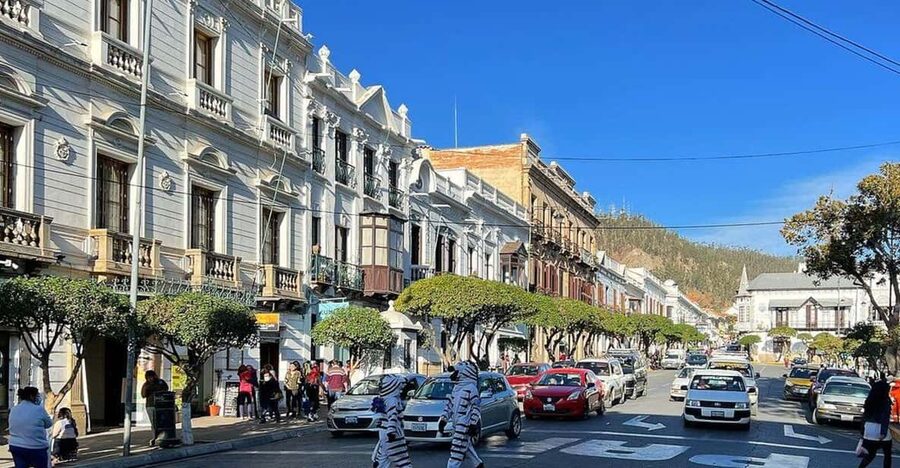
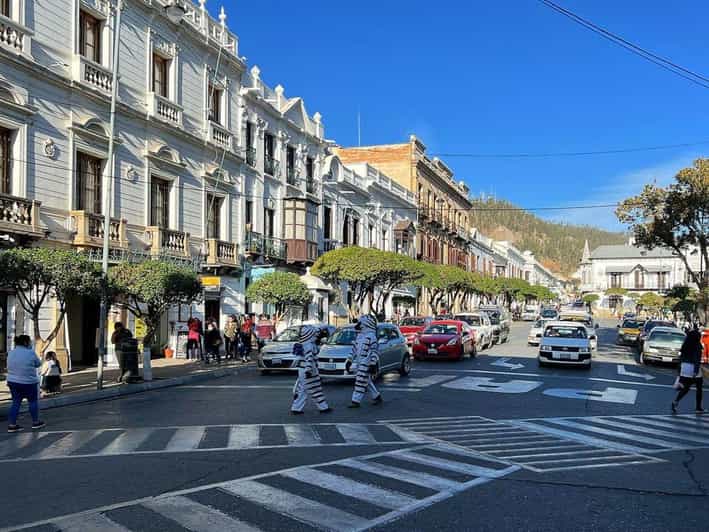
This is a good orientation walk for your first day in Sucre. Over two and a half hours, you move through central plazas, university grounds, a museum, older streets, and a viewpoint. That range helps you understand how the city’s public buildings, local traditions, and surrounding communities fit together.
I would not treat it as a complete tour of every major church or museum. It is more useful as a guided introduction that gives you a map in your head. Afterward, you can decide which places deserve a longer return visit.
The English-speaking guide is an important part of the experience. The strongest feedback focuses on clear explanations of Bolivian history, excellent English, patience with questions, and practical suggestions for the rest of your time in Sucre. Manuel is particularly praised for helping people get more from a short stay, while Silvana is described as a capable and well-prepared guide.
You can also read our reviews of more walking tours in Sucre

Starting at Plaza Cochabamba and Reaching 25 de Mayo
The meeting point is in the middle of Plaza Cochabamba. This central start makes sense: you begin in a public space and then walk into Sucre’s older core, where the city’s story is easier to read from its streets and buildings.
The first formal stop is Plaza de Armas 25 de Mayo, visited for about 20 minutes. This is where the guide explains Sucre’s political and cultural importance, giving you the basic background needed for the rest of the route.
A guided explanation matters here because a square can otherwise become a quick photo stop. With context, the buildings around you become part of a larger story about Bolivia, Sucre, and the customs that still shape city life. You should use this time to ask questions about the places you plan to see later in your trip.
The tour does not appear to linger for a long formal lecture. Instead, the guide uses the square as a starting point for understanding the city. That keeps the pace moving, but anyone hoping for an extended architectural study may want to arrange a separate museum or church visit.
University Courtyards and the Obelisk at Plaza de la Libertad
The next stop is the Universidad Mayor, Real y Pontificia de San Francisco Xavier de Chuquisaca, commonly known as USFX. You spend about 15 minutes there, including time in the courtyards of the old public university.
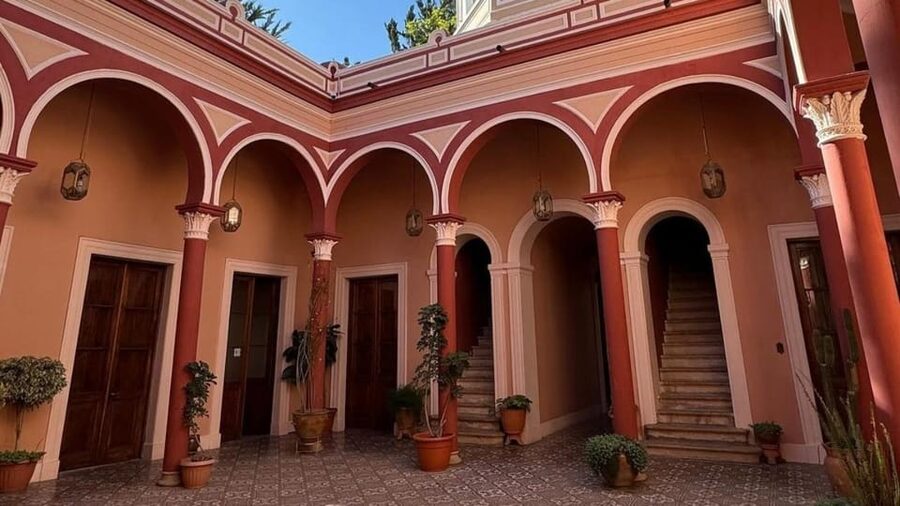
The university adds a different side of Sucre. The main square shows public life and national memory; the university points to education, institutions, and the city’s long intellectual role. Courtyards also offer a pleasant change from open plazas, with enclosed spaces that reward a slower look at the older architecture.
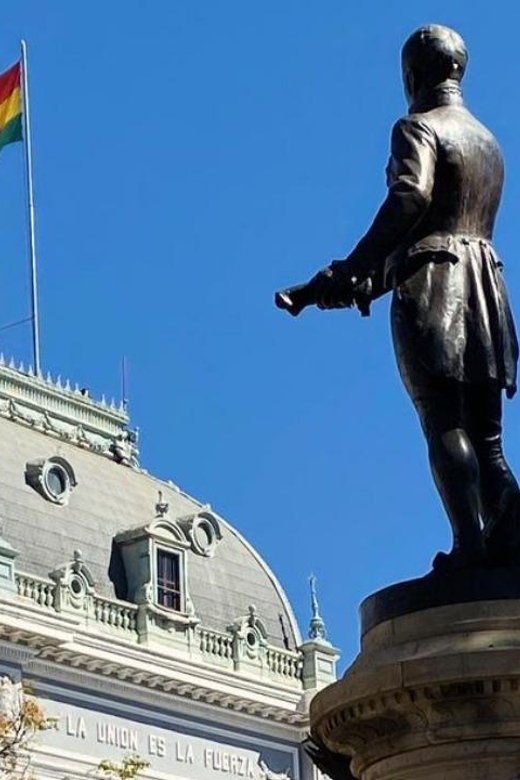
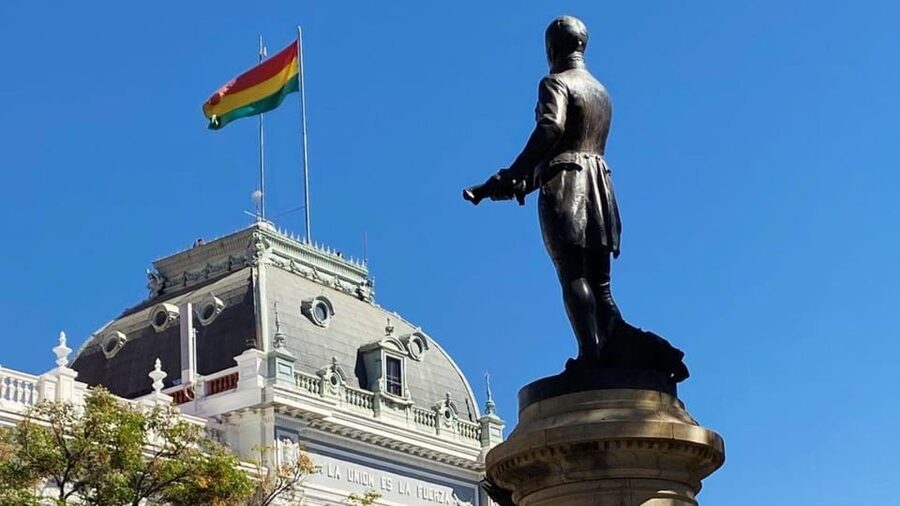
After the university, the group continues to Plaza de la Libertad and its obelisk for roughly 15 minutes. The obelisk gives the guide another fixed point for explaining local and national events. You will likely get a short account of its meaning rather than a long monument-by-monument tour.
The short stop times keep the outing within its 2.5-hour limit. I like that rhythm for a first visit, but you should expect brief visits rather than extended time inside each location. Keep your camera ready and listen closely when the guide begins explaining a site.
The Street of Cats, an Ancient Castle, and Indigenous Art
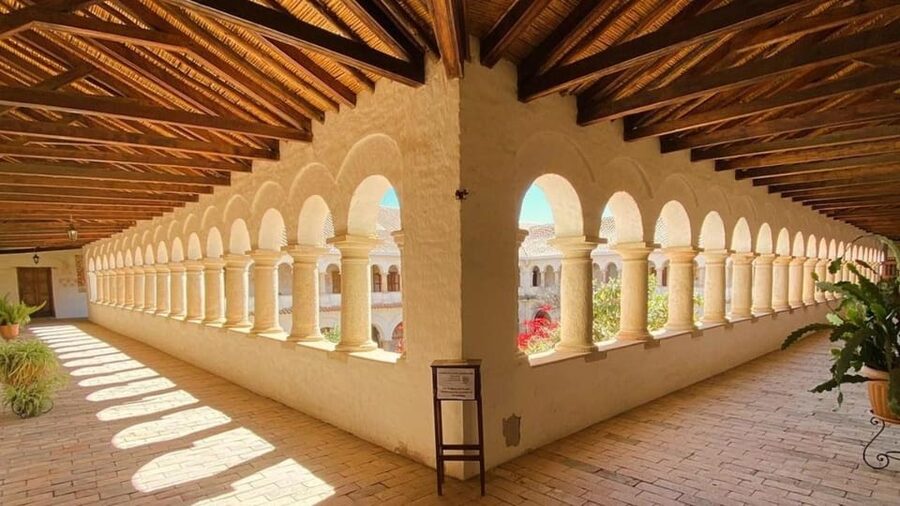
One of the more unusual parts of the walk is the Street of Cats, described as the place where Sucre was born. A street with that name is more memorable than another standard plaza, and the guide uses it to connect the city’s beginnings with its physical streets.
The route also enters an ancient castle. There, you visit the old office of the Mayor of Sucre and walk through the gardens. This is one of the tour’s strongest contrasts: you move from public squares into a historic site with a more personal and enclosed feel.
The mayor’s old office gives the castle visit a civic angle. The gardens provide a break from the pavement and a chance to see the setting rather than only hear about it. Since the exact opening schedule can change, especially on Sundays and holidays, do not assume every interior will be available at every departure.
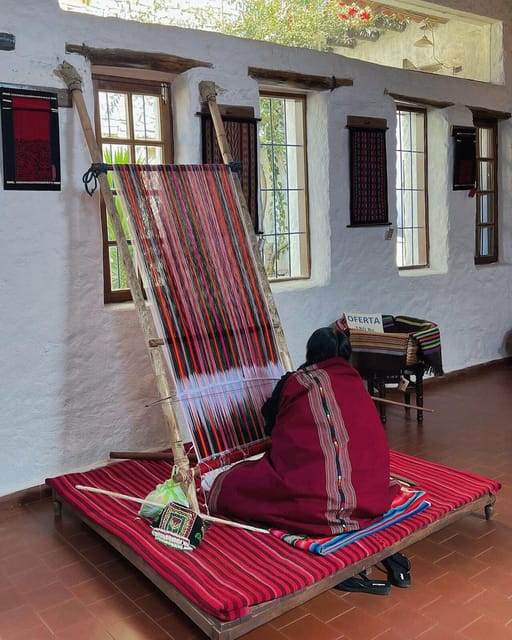
The Museo de Arte Indígena follows, with about 15 minutes set aside for the visit. Here you see indigenous art connected to communities living near Sucre. This matters because the city’s story is not limited to colonial buildings and official institutions; local art shows traditions that continue beyond the central streets.
Fifteen minutes is enough for a focused introduction, not a complete museum visit. I would listen for the guide’s explanation of the people and traditions behind the objects, then return later if a particular collection catches your attention. The museum is especially useful if you want your time in Sucre to include living cultural traditions, not just old architecture.
The 2-Boliviano Ride to Mountain Views
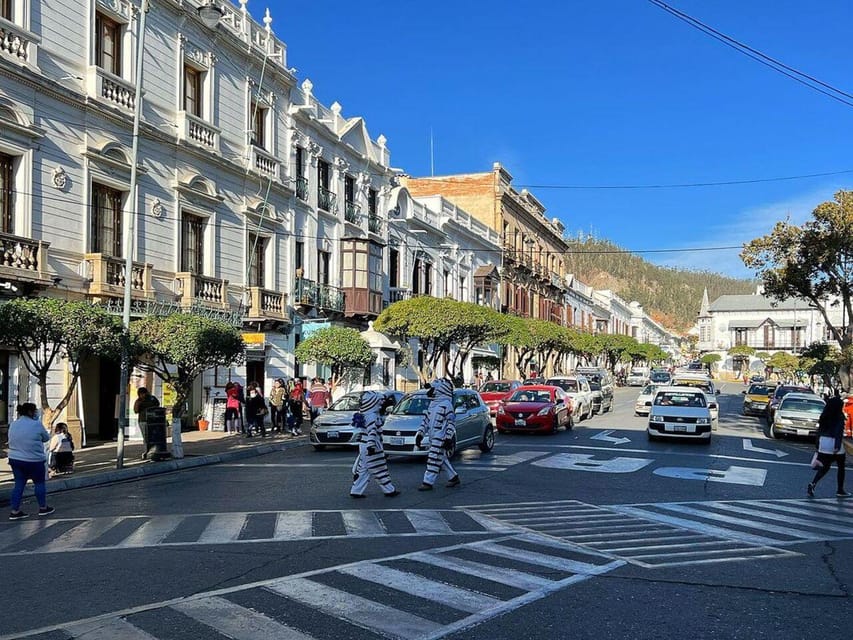
Transportation is not included, and the additional cost is listed as 2 bolivianos. The route includes a local bus or colectivo, which adds a small but useful piece of everyday Sucre to the outing.
For many people, this is one of the most practical parts of the walk. You may want to use local transport during your stay but feel unsure about where to go or how to pay. Riding with the guide gives you a simple introduction without turning the first attempt into a guessing game.
The bus takes you toward the older part of the city and a viewpoint with mountain views near Sucre. That open outlook changes the pace again. After the close quarters of courtyards, streets, and museum rooms, you can see how the city sits among the surrounding mountains.
Bring cash for the bus, as well as for any small personal expenses. The tour information specifically asks you to bring cash, and the 2-bs fare is not part of the listed tour price.
You can also read our reviews of more historical tours in Sucre
Ending at an Old Colonial Square
The walk finishes by exploring an old colonial square. From there, you get another view of Sucre, giving the tour a final photo stop and a last chance to place the central neighborhoods within the wider city.
The listed finish address is Suipacha 202, while the meeting information says the activity ends back at the meeting point. I would confirm the exact finishing spot with the guide at the start, especially if you have a timed reservation or need to meet a bus afterward.
This final square works well as a closing point because it brings together several themes from the walk: colonial buildings, public spaces, city views, and the older parts of Sucre. It also leaves you close enough to continue exploring on foot, depending on the exact end point that day.
What the $0.50 Price Really Buys
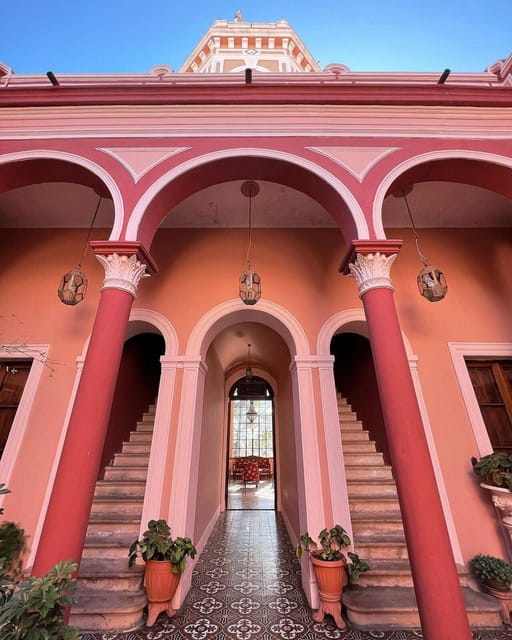
At $0.50 per person, this is exceptional value if the tour operates as described. You receive a live English-speaking guide, a structured route, access to several included stops, historical explanations, indigenous art, and a local transport experience for an almost symbolic price.
The low cost does not mean the day is effortless. You still pay 2 bolivianos for transportation, and the route is not designed for people with mobility impairments or wheelchair users. You should also allow flexibility around opening hours, since the program changes slightly on Sundays and public holidays.
The main value is not luxury or long time inside each attraction. It is the guide’s ability to connect separate places into one understandable picture. Manuel’s practical tips are particularly useful if you have only a few days in Sucre, and the English-language explanations make the tour accessible to people who do not speak Spanish.
You can reserve now and pay later, and cancellation is allowed up to 24 hours before the activity for a full refund. Those terms are useful if your Bolivia plans are still shifting, but the tour’s real advantage is its price and broad coverage.
Who Will Get the Most From This Walk
I would recommend this tour to a first-time visitor who wants quick orientation, local context, and a mix of famous and less familiar sites. It suits you especially well if you enjoy asking questions and prefer a guide who explains how places connect rather than simply naming buildings.
It is also a good fit if you want to try a local bus with some support. The 2-bs colectivo ride is a small detail, but it gives the outing a more everyday feel than a route limited to the historic center.
You should choose another activity if you need step-free access, use a wheelchair, or want to spend a long time inside museums and monuments. The walk covers plenty in 2.5 hours, so its strength is variety rather than depth at one single site.
Should You Book the Sucre Free Walking Tour?
Yes, I would book it if you want an inexpensive first look at Sucre and can manage a fairly active walking route. The combination of Plaza de Armas, the old university, the Street of Cats, castle gardens, indigenous art, mountain views, and a local bus ride gives you more range than the price suggests.
Book with realistic expectations: this is a compact introduction, not a full museum tour or a dedicated church visit. Carry cash, confirm the meeting and ending points, and check the schedule carefully for a Sunday or holiday departure. If Manuel or Silvana leads your walk, expect a guide who can add useful historical detail and practical advice to the route.
FAQ
How long does the Sucre walking tour last?
The tour lasts 2.5 hours. Check the available departure times when booking because the start time can vary.
Where does the tour begin?
The meeting point is in the middle of Plaza Cochabamba in Sucre.
What language is the tour conducted in?
The tour has a live English-speaking guide.
How much does the tour cost?
The listed price is $0.50 per person. Transportation is not included, and the local bus or colectivo costs 2 bolivianos.
What should I bring?
Bring cash, especially for the 2-bs transportation cost.
Does the tour operate the same way on Sundays and holidays?
No. The program changes slightly on Sundays and holidays because the opening hours of some stops may be different.
Is the tour suitable for wheelchair users?
No. The activity is listed as unsuitable for wheelchair users and people with mobility impairments.
Can I cancel or pay later?
You can cancel up to 24 hours in advance for a full refund. You can also reserve your place and pay later.
More Walking Tours in Sucre
More Tours in Sucre
More Tour Reviews in Sucre
Not for you? Here's more nearby things to do in Sucre we have reviewed
Sucre Tours, compared
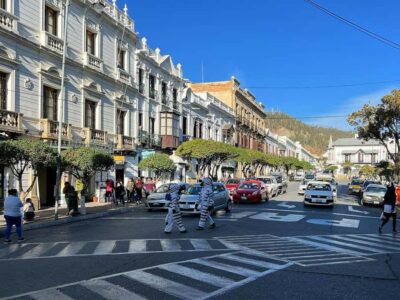 ★ 4.8Walking tour in Sucre: History, Culture & Amazing ViewsFrom $1379 reviews
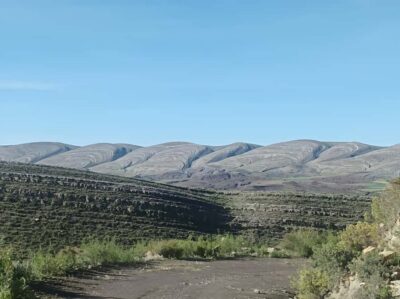 ★ 4.8Sucre: 1-Day Trek in the Crater of Maragua and Inca TrailsFrom $9475 reviews
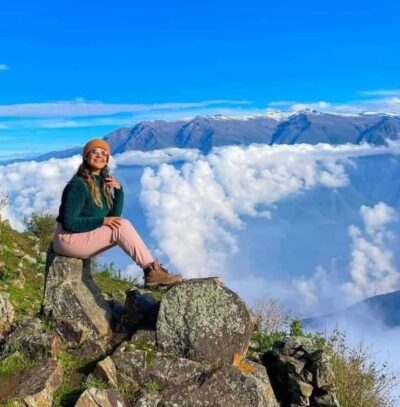 ★ 4.9Sucre: Sunrise, the Crater de Maragua and old Cave PaintingsFrom $10513 reviews
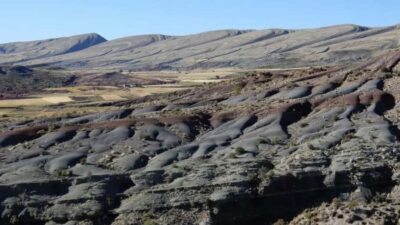 ★ 4.9Sucre: 2 days trek in Inca Trails and the Crater de MaraguaFrom $12411 reviews
Browse the lists this tour appears in