
Reviewed · SUCRE TOURS
Walking tour in Sucre: History, Culture & Amazing Views
Sucre reveals itself one old street at a time. This $13, three-hour walk links the city’s oldest lanes, colonial courtyards, Indigenous art, and mountain views, giving you more than a quick plaza circuit. I like the local-bus ride, which reaches beyond the center, and the small groups capped at 10, where the guide can keep the pace personal. The route also fits Guereo Mansion, Gato Negro, Recoleta, the university, and an old colonial tower into one outing.
The main catch is that this is not a gentle stroll for everyone. People with mobility impairments should choose another activity, and the tour runs rain or shine. Guide assignments vary; Carla, Henry, Claire, Manu, and Bryan have led departures, with Carla especially noted for adjusting the pace and helping less-active members keep up.
In This Review
- Five Things to Know Before You Go
- Why This Three-Hour Route Works in Sucre
- Starting at Plaza Cochabamba and Riding Beyond the Center
- Guereo Mansion: Gardens, Offices, and a Longer Visit
- Gato Negro and the Street Where Sucre Began
- Recoleta Viewpoint and Indigenous Art Near Sucre
- Plaza de Armas and Sucre’s Public Life
- University Courtyards and the Old Colonial Tower
- What the Guides Add to the Experience
- Practical Details: Shoes, Weather, and Tunnels
- Is $13 Good Value?
- Who Should Book This Walk?
- Should You Book It?
- FAQ
- How long does the walking tour in Sucre last?
- How much does the tour cost?
- Where does the tour start?
- Where does the tour finish?
- What languages are available?
- How large is the group?
- Is transportation included?
- What should I bring?
- Does the tour operate in bad weather?
- Can I cancel for a refund?
Five Things to Know Before You Go
- A local bus expands the route: This is partly a walking tour and partly a look at everyday city transport.
- Guereo Mansion gets the most time: You have about 45 minutes for the old castle, former mayor’s office, gardens, and photos.
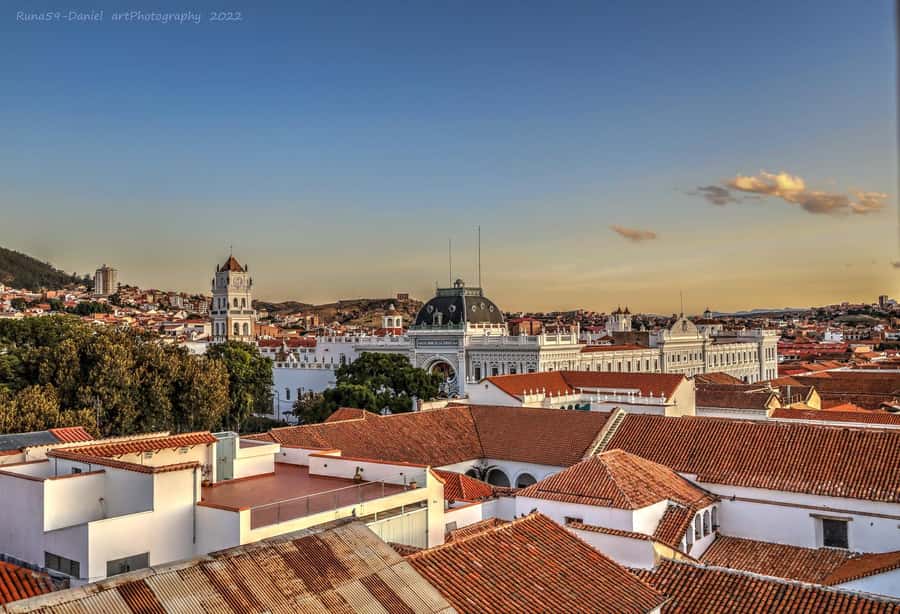
- Recoleta supplies the big view: The viewpoint looks across Sucre toward the surrounding mountains.
- Indigenous art adds local context: The museum focuses on art from communities living near Sucre.
- The tunnels are optional: Bring a small flashlight, though your phone light works too.
Why This Three-Hour Route Works in Sucre
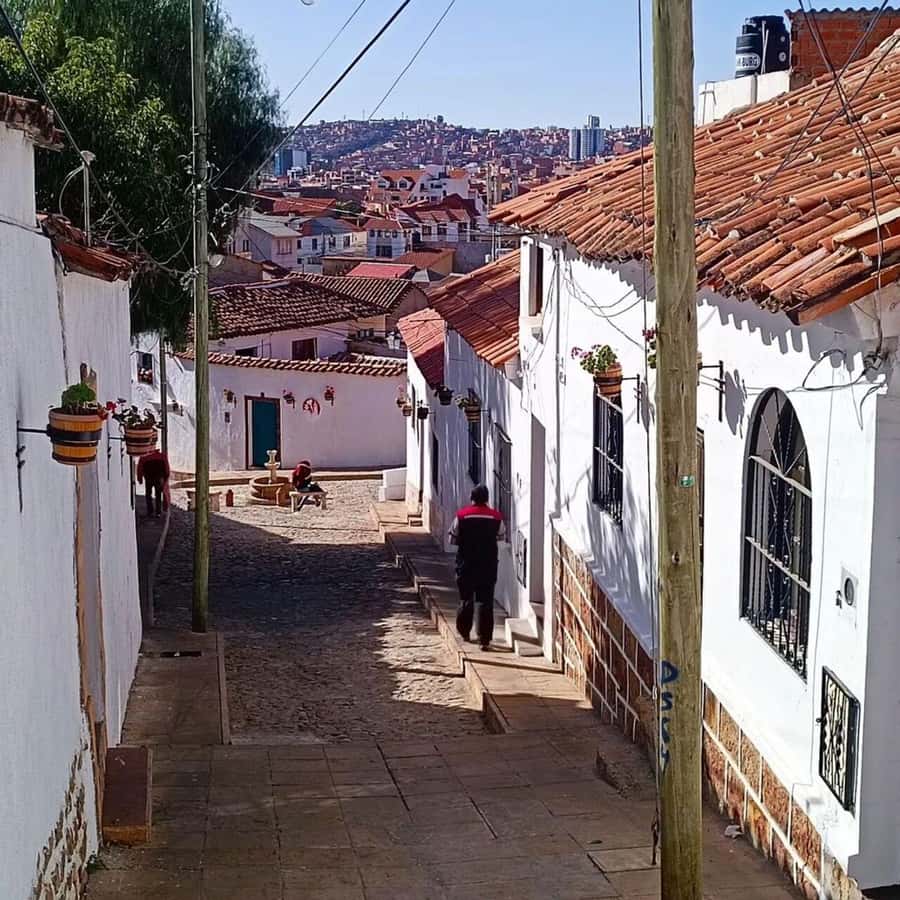
Sucre can feel confusing at first. Its white colonial center, steep streets, old institutions, viewpoints, and surrounding hills do not fit neatly into one simple sightseeing loop. This tour gives you a useful first map of the city while tying places together through stories about local customs, politics, and history.
I like the mix of famous and less-obvious stops. Plaza de Armas is an expected stop, but Gato Negro, Guereo Mansion, and the courtyards of the old university give the walk more character. You are not simply moving from one postcard view to the next. You are also seeing where the city grew, where public life took place, and how nearby Indigenous communities are represented.
The pace is fairly ambitious. Nine listed stops are packed into three hours, and some visits last only 20 minutes. That works well if you want an overview, but it leaves little time to linger, take long photographs, or study every display in detail.
The route can also change during holidays, weekends, or unexpected city events. If one place is closed or unavailable, another location is substituted. That flexibility protects the overall experience, but you should not treat every stop as guaranteed in exactly the same order.
You can also read our reviews of more walking tours in Sucre

Starting at Plaza Cochabamba and Riding Beyond the Center
The meeting point is Plaza Cochabamba on Nicolas Ortiz Street, near Azurduy Street, in front of San Felipe de Neri Church. Arrive with enough time to identify the church and square clearly, since the walk begins in a public city space rather than at a private tour office.
Transportation is included. The route uses public transport, and a local bus may carry you to a wider part of Sucre before the walking sections continue. I consider this a plus. You get a glimpse of how the city functions for residents, and the tour is not limited to the most polished central streets.
The bus also changes the rhythm of the outing. You will not spend all three hours walking from one attraction to the next, but you will need to stay with the group during the transfer. If you want a completely private, slow-paced walk with no public transport, this may not be your ideal choice.
The small-group limit helps here. With no more than 10 people, the guide can gather everyone before boarding, answer questions, and adjust the pace. One highly rated departure effectively became a private tour because only two people attended. That is not something you should expect every time, but a small group is still a useful feature.
Guereo Mansion: Gardens, Offices, and a Longer Visit
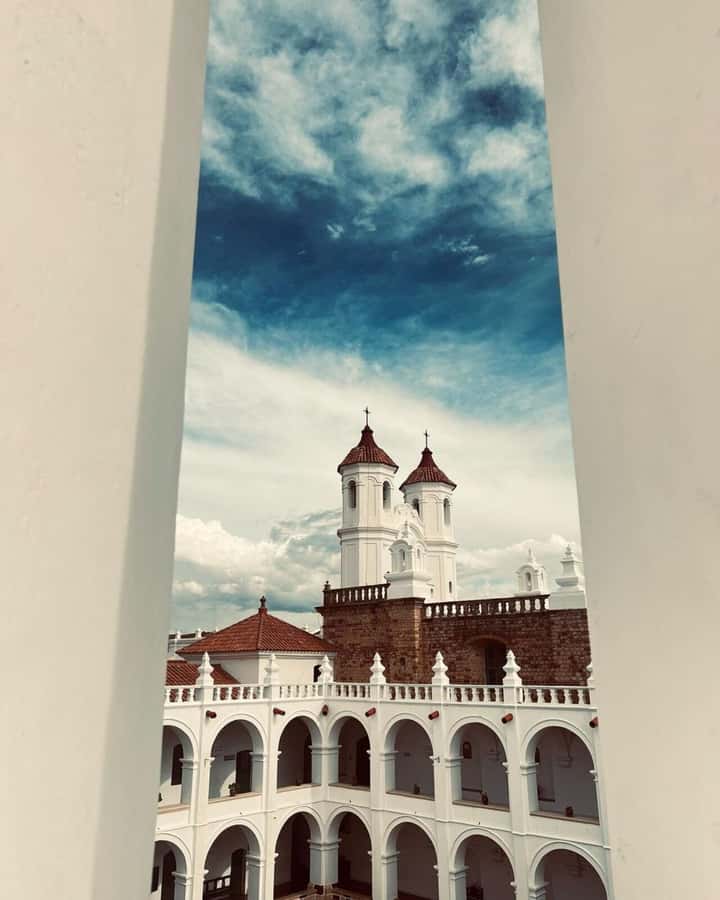
Guereo Mansion is the first major stop and receives about 45 minutes, making it the longest visit on the route. The property is described as an ancient castle, and the visit includes its gardens, a photo stop, and the old office of the Mayor of Sucre.
This is the place where the tour’s historical side gets room to breathe. Rather than seeing the outside of a colonial building and moving on, you have time for a guided visit and a walk through the grounds. The former mayor’s office also connects architecture to civic life, showing that Sucre’s old buildings were not only decorative backdrops.
The gardens offer a natural break after the opening streets and transport segment. Bring comfortable shoes rather than anything formal; the day includes repeated walking, courtyards, and older passages. The mansion is also a good early photography stop, before the tour becomes more focused on views, public squares, and museum displays.
The wording around the site calls it both a mansion and an old castle, so do not picture a huge European fortress. Think of it as a historic property with a strong architectural identity and a story tied to the city’s government.
Gato Negro and the Street Where Sucre Began
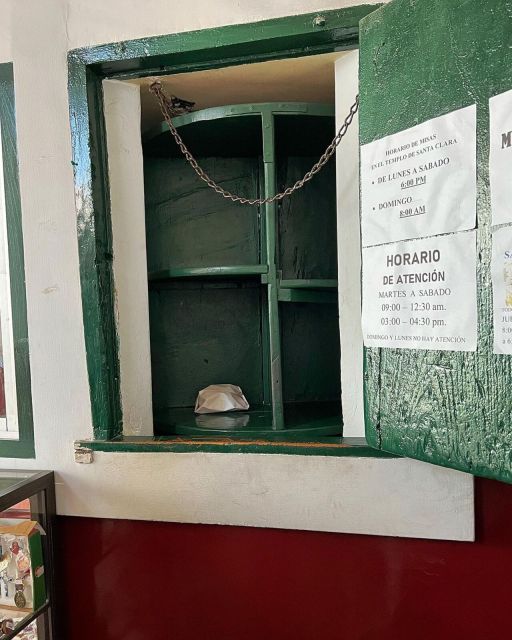
The stop called Gato Negro lasts about 20 minutes. It is associated with the Street of Cats, described as the place where the city was born.
This is a short visit, but it gives the guide a chance to explain Sucre’s beginnings through one specific street rather than presenting history as a list of dates. Place names can carry old stories, and Gato Negro appears to be one of those spots where the city’s early identity is tied to a particular lane.
Do not expect a long independent exploration here. The value comes from the explanation, so stay close to the bilingual guide and ask questions while the group is gathered. A short stop like this can be easy to overlook if you walk alone, yet it helps turn an old street into a meaningful part of the city’s story.
Recoleta Viewpoint and Indigenous Art Near Sucre
Mirador de La Recoleta is the scenic high point of the tour. You have around 20 minutes for the viewpoint and a guided explanation, with views across Sucre and toward the mountains.
This is the moment to pause and understand the city’s shape. From street level, Sucre’s old center can seem like a collection of plazas and white buildings. From Recoleta, you can see how the city sits among the hills. The view also gives your guide a natural setting for discussing the city and its surrounding communities.
The stop is brief, so have your camera ready before you arrive. If you want a long, quiet viewpoint session, you may find 20 minutes limiting. As part of a broad city introduction, though, it is enough to get your bearings and take in the main panorama.
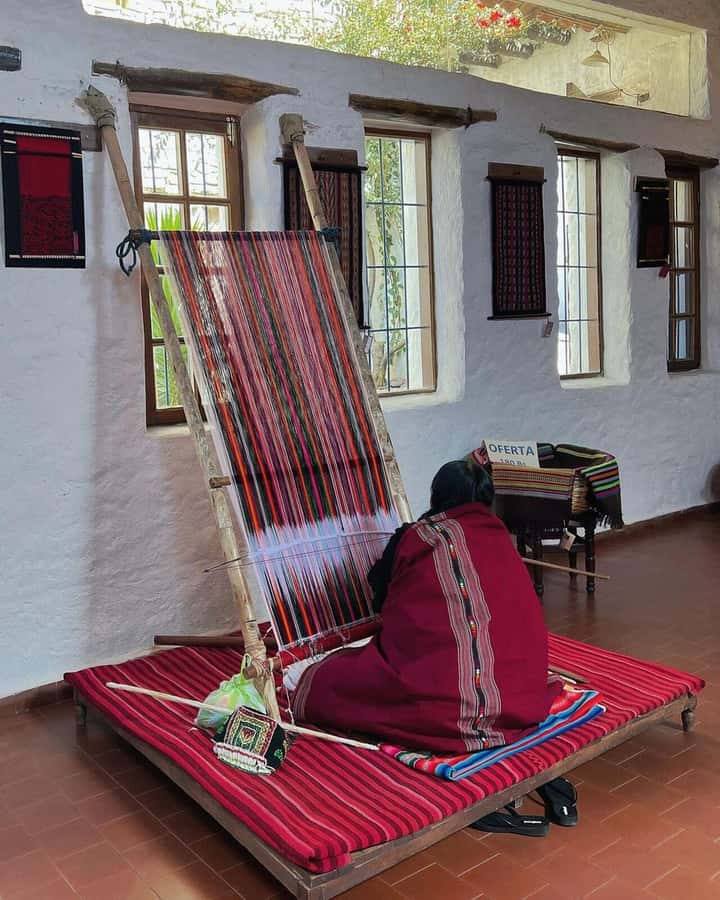
The Museo de Arte Indígena follows with another 20-minute guided visit. It focuses on Indigenous art from communities living near Sucre. This adds an important layer to the tour: the city is not presented only through colonial buildings and Spanish-era institutions.
I like this pairing. Recoleta shows you the wider setting, while the museum brings attention to nearby communities and their artistic traditions. The museum visit is short, so do not expect an exhaustive museum tour. Its role is to give you cultural context and point you toward parts of Bolivia’s identity that can be missed on a purely colonial sightseeing walk.
You can also read our reviews of more historical tours in Sucre
Plaza de Armas and Sucre’s Public Life
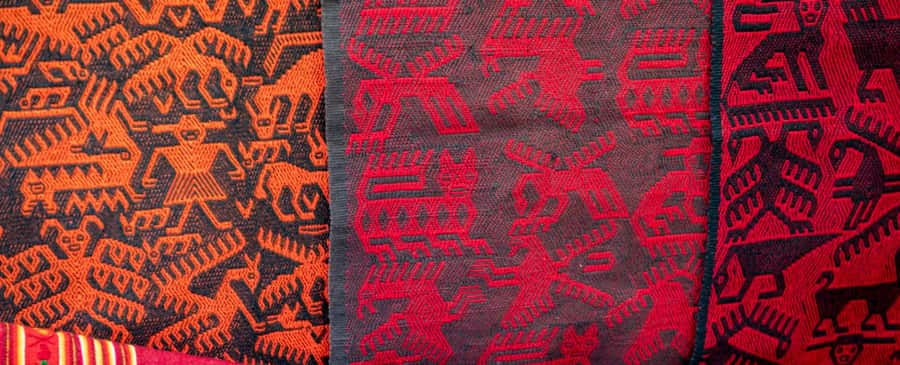
Plaza de Armas 25 de Mayo receives about 30 minutes, one of the longer central-city stops. Here, the guide discusses Sucre’s history, culture, and public cultural life.
A main square can become background scenery when you visit alone. With a guide, it becomes a place to connect the different threads of the tour: the old streets, government buildings, colonial traditions, Indigenous communities, and the modern city around them.
This is also where a good guide makes a real difference. Carla has been described as enthusiastic and well informed about Sucre, Bolivian history, and the country’s political life. Manu was praised for placing Sucre within the story of Bolivia as a whole, not just explaining isolated monuments.
The square is likely to feel more open and active than the mansion or museum. That makes it a useful place to ask practical questions about what you are seeing elsewhere in town. The schedule allows half an hour, so you get more than a quick photo but should still expect a guided overview rather than free time.
University Courtyards and the Old Colonial Tower
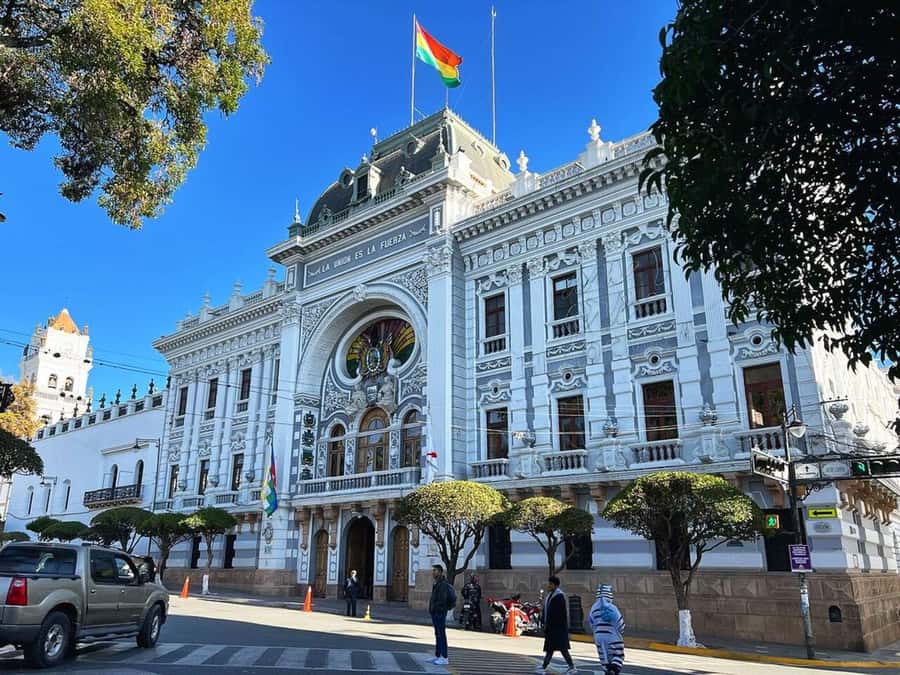
The tour then visits the courtyards of the Universidad Mayor, Real y Pontificia de San Francisco Xavier de Chuquisaca, commonly known as USFX. This is the old public university, and the visit lasts about 20 minutes.
Courtyards are easy to miss when you are walking through a historic city. From the street, an institution may look like another old façade. Inside, the courtyards reveal how older public buildings were organized and used. The university also gives the guide a way to discuss education and civic institutions alongside churches, mansions, and plazas.
The final part of the route explores an old colonial tower. From the tower, you are promised another attractive view of Sucre. This gives the tour a strong finish: Recoleta offers a wider mountain panorama earlier, while the tower provides a different angle back over the city.
The stated finishing address is Suipacha 202 in Sucre. Since the route can change around holidays and city events, listen for the guide’s instructions about the exact final stop. The tower is part of the planned experience, but the order or replacement sites may vary.
What the Guides Add to the Experience
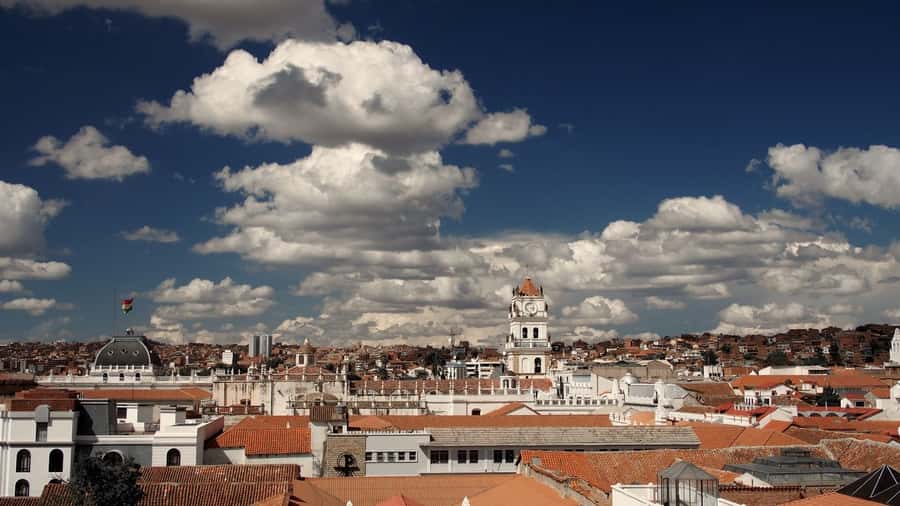
The strongest part of this tour is the guide’s interpretation. The walk covers architecture, local traditions, Indigenous art, political history, and city life in one morning or afternoon. Without explanation, several stops could seem like attractive old places. With a good guide, they connect.
The guide language options are English and Spanish. That matters in Sucre, where the value of the tour lies less in simply finding the locations and more in understanding what they mean.
The available guide names include Carla, Henry, Claire, Manu, and Bryan. Carla has been described as flexible when a participant became ill and as attentive to different walking speeds. Another departure praised her enthusiasm and her willingness to slow down for less-active members of the group. Claire was described as friendly and well informed, while Manu gave especially broad explanations about Bolivia and Sucre.
Your guide may be different, and the organizer may not always be the person leading the walk. Still, the overall rating of 4.8 out of 5 from 79 ratings suggests strong satisfaction with the guiding side of the experience.
Practical Details: Shoes, Weather, and Tunnels
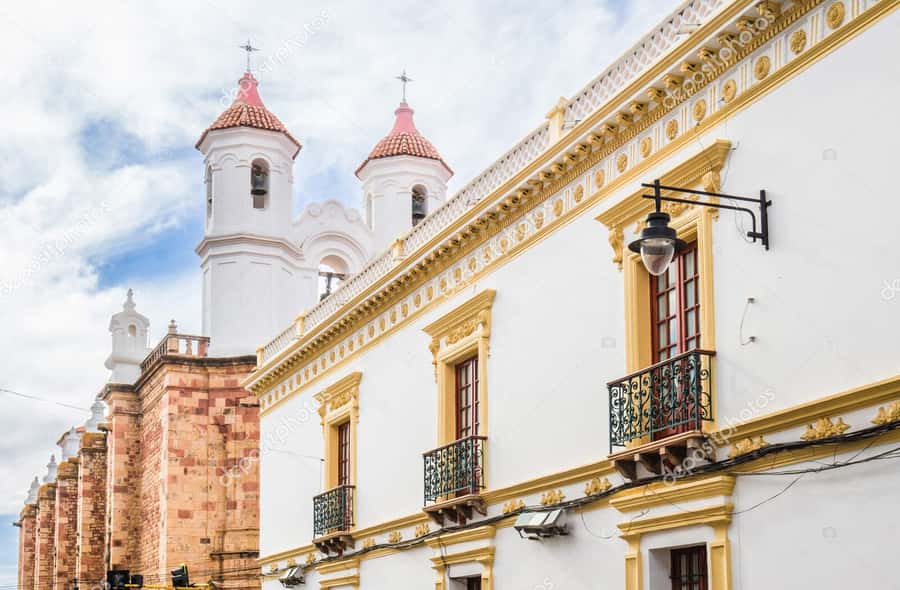
Wear comfortable shoes. This sounds obvious, but the route combines old streets, walking between stops, courtyards, viewpoints, and an optional tunnel visit. A three-hour city walk can feel longer when the route includes slopes and uneven older surfaces.
The tour operates rain or shine. Bring clothing suited to the forecast, since there is no promise of shelter during every transfer or walking section. A small flashlight is useful for the colonial tunnels. Entry into the tunnels is optional, and your cellphone light is acceptable if you do not have a separate flashlight.
The tour is not suitable for people with mobility impairments. The guide can adjust the pace for less-active members, but that is not the same as full accessibility. If stairs, slopes, or older passages are difficult for you, ask before booking.
The route is offered as a small group of up to 10 people. It lasts three hours, with starting times depending on availability. Free cancellation is available up to 24 hours before departure, and you can reserve now and pay later, which helps if your Sucre plans are still shifting.
Is $13 Good Value?
At $13 per person, this is a strong-value introduction to Sucre. The price covers the specialized bilingual guide and transportation, while the route includes a mansion, historic street, viewpoint, Indigenous art museum, main square, university courtyards, and colonial tower.
The main value is not the number of stops alone. It is the combination of city orientation and explanation. In three hours, you can learn how Sucre’s old center fits with its surrounding hills, public institutions, and nearby Indigenous communities.
There are limits. The short visits mean you will not study each attraction at length, and the exact route can change. The supplied details do not specify separate admission arrangements for individual sites, so confirm that point when booking if it matters to your budget.
Who Should Book This Walk?
I would choose this tour if you have limited time in Sucre, want a first look at the city, or prefer learning through stories rather than walking alone with a guidebook. It also suits people who appreciate a local-bus ride and a group small enough for questions.
It is particularly useful at the start of a stay. The main square, Recoleta viewpoint, older streets, and university help you understand the city’s layout, while the museum and guide’s explanations point you toward themes you can explore later.
I would skip it if you want a slow architectural study, a fully private tour, or a route designed for limited mobility. The three-hour schedule is active, and rain does not cancel the outing.
Should You Book It?
Book it if you want broad coverage for a low price, a bilingual guide, and views that reach beyond Sucre’s central plazas. The local bus and Indigenous art stop give it more range than a standard colonial-center walk.
Before paying, check the available start time, confirm the guide language, and be ready for weather and optional tunnels. If you can manage the walking and prefer a lively introduction over a slow museum day, this is an easy tour to recommend.
FAQ
How long does the walking tour in Sucre last?
The tour lasts three hours.
How much does the tour cost?
The price is $13 per person.
Where does the tour start?
It starts at Plaza Cochabamba on Nicolas Ortiz Street, near Azurduy Street, in front of San Felipe de Neri Church.
Where does the tour finish?
The stated finishing point is Suipacha 202 in Sucre, Bolivia.
What languages are available?
The live guide is available in English and Spanish.
How large is the group?
The tour is limited to 10 participants.
Is transportation included?
Yes. Transportation is included, and public transport is used during the route.
What should I bring?
Bring comfortable shoes and a flashlight. A cellphone light is also suitable for the optional colonial tunnels.
Does the tour operate in bad weather?
Yes. The tour takes place rain or shine.
Can I cancel for a refund?
You can cancel up to 24 hours in advance for a full refund. You can also reserve now and pay later.
More Walking Tours in Sucre
More Tours in Sucre
More Tour Reviews in Sucre
Not for you? Here's more nearby things to do in Sucre we have reviewed
Sucre Tours, compared
 ★ 4.8Sucre: 1-Day Trek in the Crater of Maragua and Inca TrailsFrom $9475 reviews
 ★ 4.8Sucre: Free Walking tour (History, culture and traditions)From $047 reviews
 ★ 4.9Sucre: Sunrise, the Crater de Maragua and old Cave PaintingsFrom $10513 reviews
 ★ 4.9Sucre: 2 days trek in Inca Trails and the Crater de MaraguaFrom $12411 reviews
Browse the lists this tour appears in