
Reviewed · UYUNI SALT FLATS TOURS
Uyuni: Full-day tour, Salt flats and Sunset experience
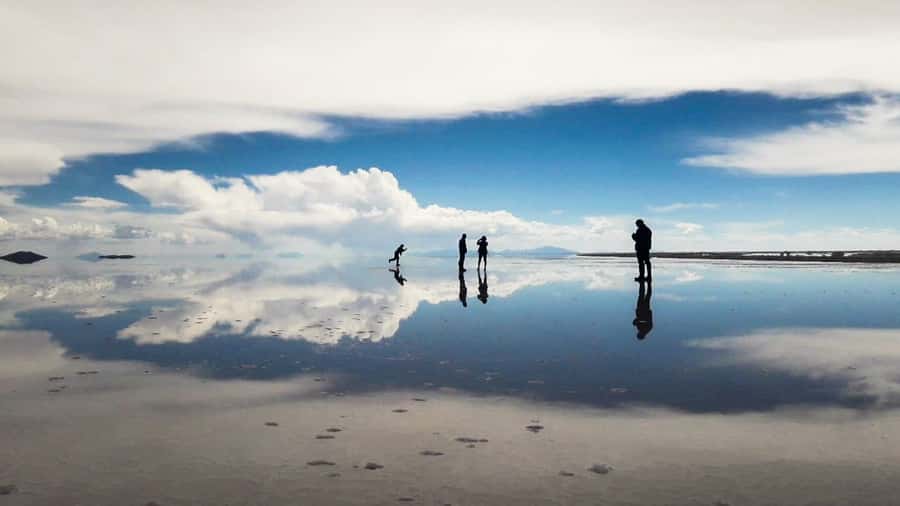
The horizon disappears beneath your feet. This nine-hour outing covers the world’s biggest salt flat, optical-illusion photo stops, local salt production, Isla Incahuasi, and a sunset that changes with the season. I like the mix of surreal scenery and ordinary local life, from salt factories to handicraft stalls.
I also like the small-group limit of six, which gives you a better chance to ask questions and get help with photos. The main caution is comfort: lunch and facilities can be basic, and you spend much of the day in a 4WD vehicle on open, exposed ground.
- The day starts around 10:30–10:45 AM for hotel pickup, making it a good choice after a night in Uyuni.
- Colchani adds local context, with salt production, small factories, and handicrafts beyond the famous white plain.
- The three-hour salt-flat stop includes lunch, optical-illusion photos, monuments, and time around the saltwater springs.
- Isla Incahuasi includes a 95-minute sightseeing and hiking stop, breaking up the long drive across the flats.
- Sunset is season-dependent: you may see reflections on shallow water or a vast white horizon.
- A 500ml bottle of water is included, but I would bring more because additional water is not included.
In This Review
- Why This Full-Day Route Works
- Train Cemetery: A Strange First Stop
- Colchani Shows the Working Side of Salt
- Dakar Monument and the First Salt-Flat Views
- Three Hours on the Uyuni Salt Flat
- Isla Incahuasi Adds a Short Hike
- Sunset Changes With the Season
- Guides, Group Size, and the 4WD Ride
- Is $108 a Fair Price?
- Who Should Book This Uyuni Day?
- Should You Book This Tour?
- FAQ
- How long does the Uyuni salt-flat tour last?
- What time is hotel pickup in Uyuni?
- Can I be picked up from the bus terminal?
- Is lunch included?
- Is water included?
- Are rubber boots provided?
- What should I bring for the tour?
Why This Full-Day Route Works
This is a good one-day introduction to Uyuni because it does not treat the salt flat as a single photo stop. You get a fuller picture: abandoned trains near town, salt-making in Colchani, monuments on the plain, a short hike, and a long finish at sunset.
The timing also makes sense if you spent the previous night in Uyuni. Pickup from a hotel is usually between 10:30 and 10:45 AM, rather than at dawn. If you arrive by bus on the same day, pickup from the terminal is available. When your bus arrives very early, you can have breakfast at a café or wait at the operator’s office before the tour begins.
The late start has one trade-off. You do not have the salt flat to yourself in the quiet morning, and the day can run into the evening. Still, the late finish is the point: the sunset is one of the strongest parts of the outing.
Transport is by 4WD vehicle, with a Spanish-speaking driver and a live guide in Spanish or English. The bilingual guide option is the one to choose if you want explanations in English. With no more than six people, this should feel more personal than a large coach outing, especially during photo stops.
Train Cemetery: A Strange First Stop
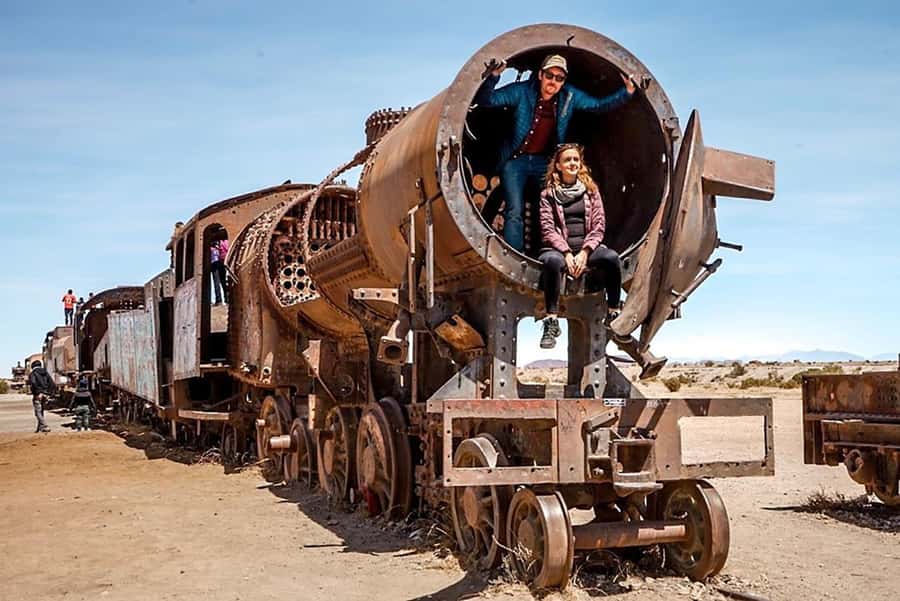
The first scheduled stop is the Train Cemetery, with about 35 minutes for photos and sightseeing. It is a short visit, but it gives the day an unusual opening before you reach the bright white salt.
You will have enough time to walk around, take pictures, and get your bearings. Do not expect a long museum-style visit. This is mainly an outdoor photo stop, so closed shoes and clothing suited to the weather matter.
The stop works best as a visual contrast. The dark, abandoned railway equipment against the open surroundings feels very different from the clean lines of the salt flat later in the day. If you prefer to reach the main attraction quickly, this is the easiest stop to view as optional. If you enjoy odd roadside sights and photography, the 35 minutes is useful.
You can also read our reviews of more evening experiences in Uyuni

Colchani Shows the Working Side of Salt
The tour then spends about 95 minutes in Colchani. This village is where the outing shifts from scenery to local work and shopping.
You can learn about salt factories and how salt is processed, then browse handicrafts. The stop is not essential if your only goal is the white expanse, but I think it adds value because it connects the famous natural setting with the people and businesses around it.
Allow time for browsing without feeling obliged to buy. Personal expenses are not included, and the tour does not specify prices or particular products. The practical benefit of the long stop is that you can look around at a reasonable pace rather than rushing through a few stalls.
A stop in Colchani also helps break up the drive. By the time you leave, you have seen more than a postcard version of Uyuni. You have seen a working salt economy, local goods, and a village that supports life beside the plain.
Dakar Monument and the First Salt-Flat Views
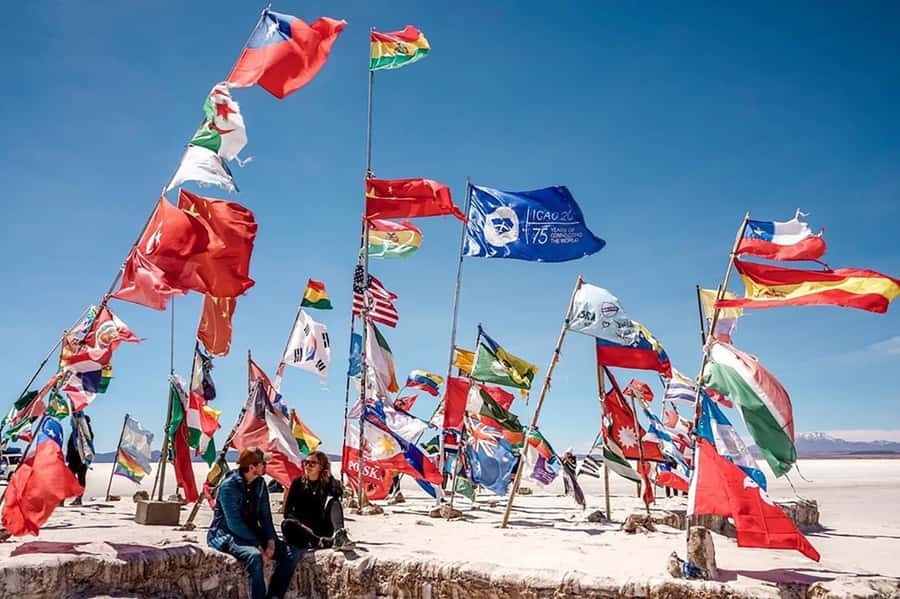
The Dakar Monument receives about 35 minutes for photos and sightseeing. It is a simple, recognizable marker on the route and another chance to use the wide-open setting for pictures.
This stop may feel less important than the salt flat itself. I would treat it as a short pause rather than a major sight. Its value comes from the way it helps build the day’s photo collection before the longer stop on the salt.
The guide can also help you plan your camera time. Ask early about the best places for optical illusions, group photos, and wide shots. The unusual lack of visual scale is what makes these pictures work, so a guide who is willing to help matters.
Three Hours on the Uyuni Salt Flat
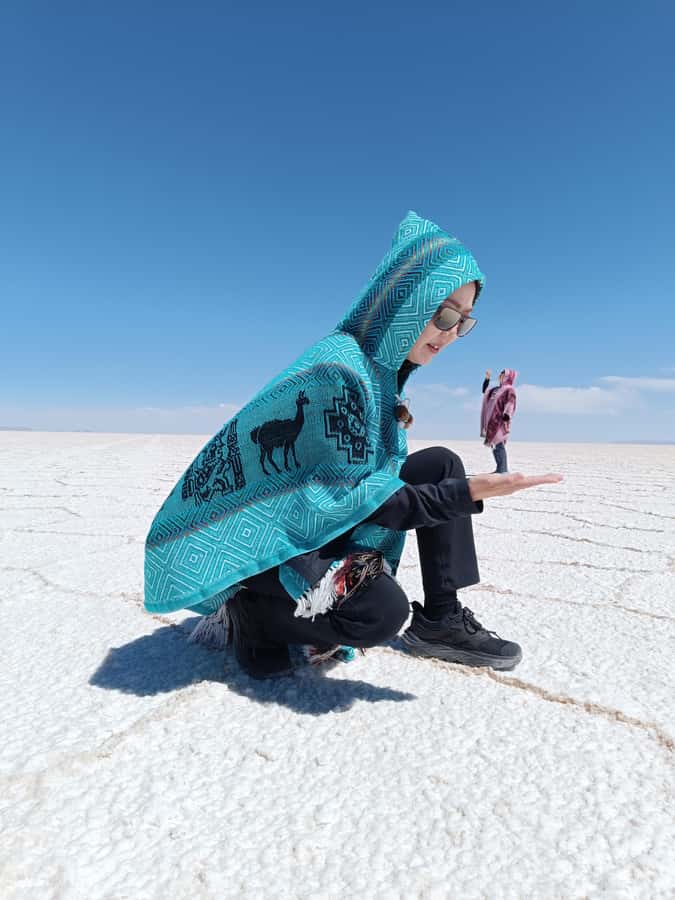
The main salt-flat visit lasts about three hours and includes lunch or brunch. This is the heart of the tour, and the generous block of time means you are not simply stepping out of the vehicle, taking one picture, and leaving.
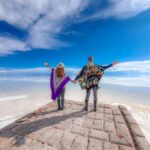
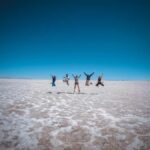
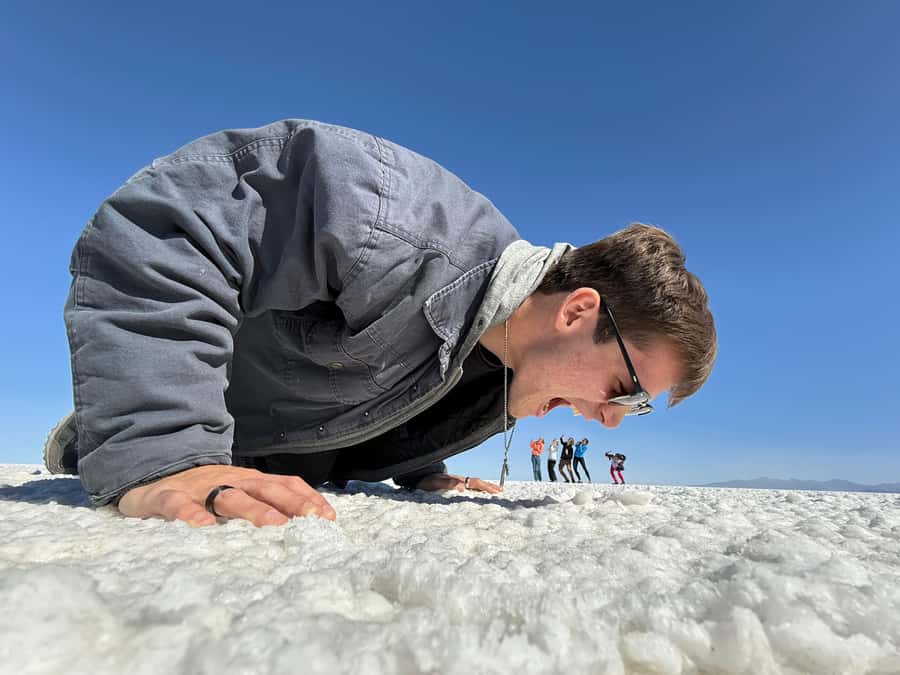
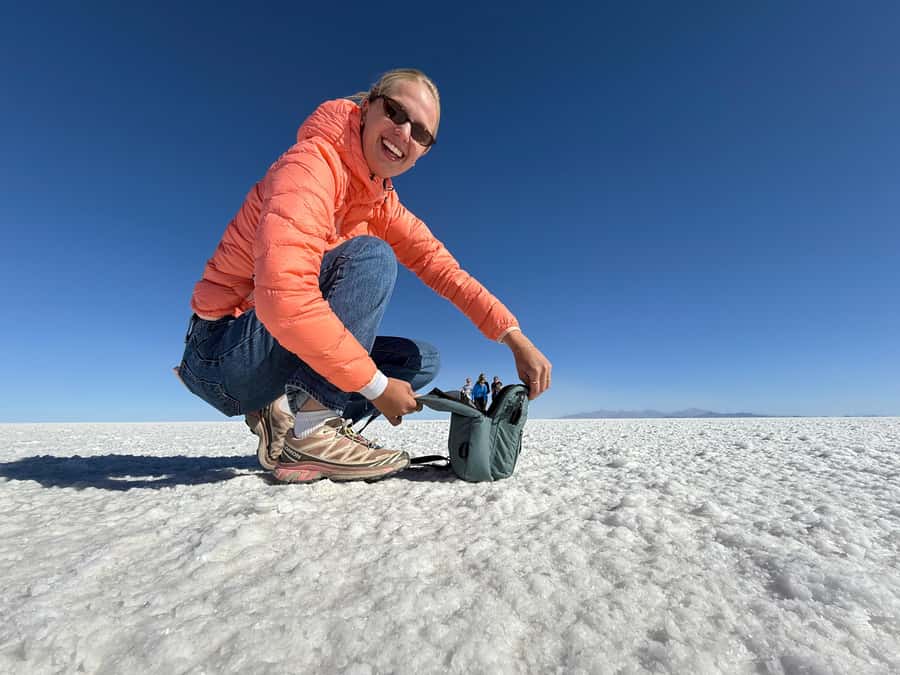
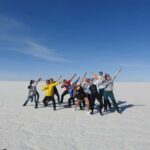
You can expect time for optical-illusion photos, sightseeing around the saltwater springs, and views across the broad white plain. The setting is so visually simple that a person standing a short distance away can appear enormous or tiny in a photograph. Your guide can help arrange these shots, which is useful when the ground gives you so few clues about distance.
Lunch is included with beverages, and a basic vegetarian option is available. One particularly good detail is that the meal has been Bolivian food rather than fast food on at least one departure. At the same time, I would keep expectations practical. The facilities and meal may feel plain, so this is not a dining tour.
The salt flat is also where the day can become tiring. You are exposed to sun, wind, and glare, with limited shelter mentioned in the tour details. Bring sunglasses, sunscreen, a hat, warm layers, and more water than the included 500ml bottle. The salt surface can look cool and bright while the air still feels cold, so pack for changing weather rather than relying on one heavy jacket.
Isla Incahuasi Adds a Short Hike
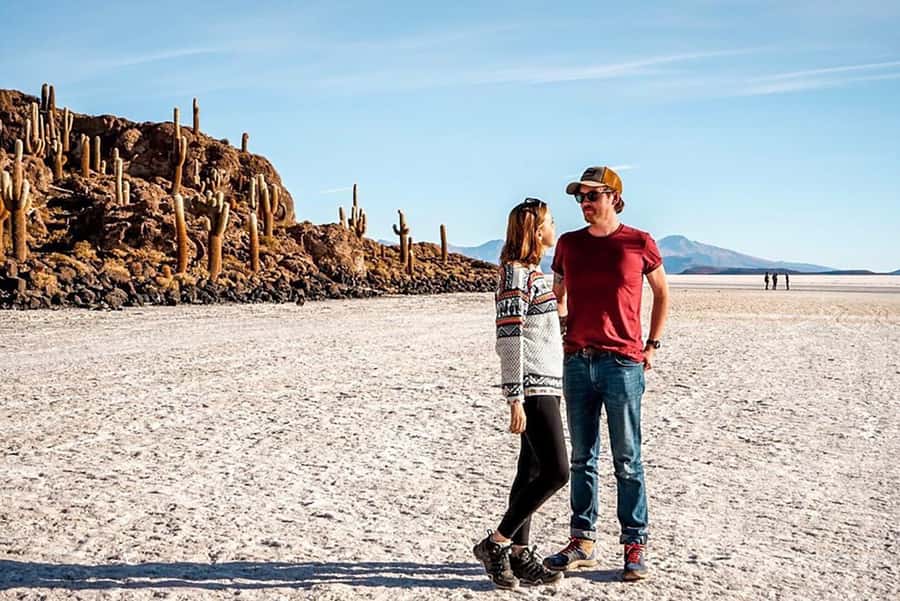
The visit to Isla Incahuasi lasts about 95 minutes and includes sightseeing and hiking. It is a welcome change after several hours of vehicle-based stops.
I would use this time to walk at an easy pace, take in the views, and stretch your legs. The tour does not promise a particular trail length or specific feature on the island, so you should think of it as a modest hike within a larger sightseeing day, not a dedicated trek.
Wear closed-toe shoes. Good footwear is useful both here and at the earlier stops, where the ground may be uneven. During the rainy season, from January through April, rubber boots are provided. Those boots can make a major difference when water covers parts of the salt flat.
A few more Uyuni tours and experiences worth a look
Sunset Changes With the Season
The final two-hour block returns to the salt flat for sunset. This is why the late starting time earns its place.
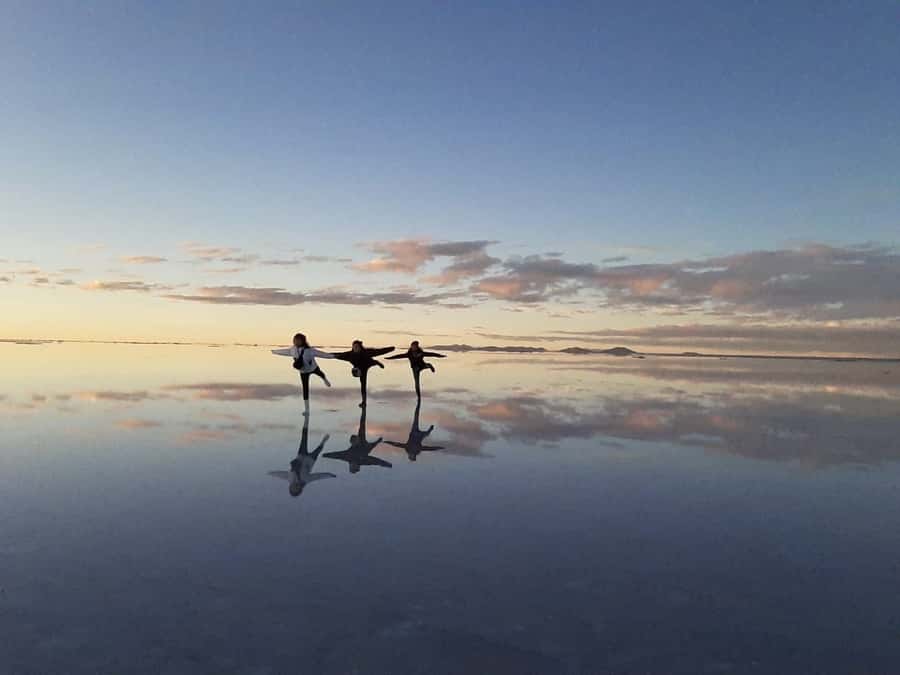
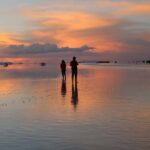
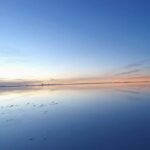
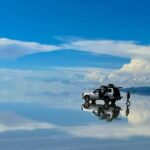
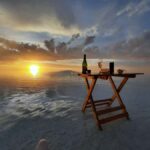
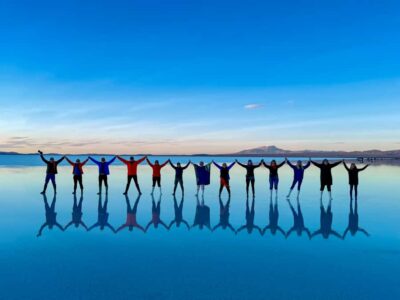
During the rainy season, you might see the sunset reflected in shallow water, creating a mirror-like view between sky and salt. In drier conditions, you are more likely to see the sun sink across an endless white horizon. Neither version is guaranteed, and the itinerary can change because of weather and other conditions, but both offer a strong finish.
Bring warm clothing even if the afternoon starts comfortably. Once the sun drops, the open plain can feel much colder. A hat and sunglasses remain useful earlier in the day, while an extra warm layer becomes important for the return.
One departure included wine at sunset, and a guide named Brian made an extra evening stop to help with star photographs on the way back to Uyuni. I would regard both as welcome extras, not fixed inclusions. The published inclusions specify lunch with beverages, not wine or a stargazing stop.
Guides, Group Size, and the 4WD Ride
The six-person limit is one of the strongest practical reasons to consider this tour. A small group makes it easier to coordinate photo ideas, hear the guide, and avoid losing time when someone needs a quick pause.
Guide quality also matters here. Guides named Brian and Isael have led departures, with Brian noted for answering many questions and Isael for thoughtful service. Your guide may be different, but you should expect local explanations in Spanish, with English available when the bilingual option is selected.
The driver is Spanish-speaking and handles the 4WD transport. The vehicle is described as reliable and comfortable, but you should still prepare for a long day on open roads and salt. This is not a short transfer between polished attractions. The vehicle is your base for much of the route.
Pickup is available from hotels, the bus terminal, and the airport in Uyuni, though hotel service is limited to the urban area. The day ends with drop-off in Uyuni, including the 3 Gigantes Expediciones location.
Is $108 a Fair Price?
At $108 per person, I consider this a fair price if you want the complete day rather than a quick salt-flat visit. The cost covers pickup, 4WD transport, a Spanish-speaking driver, the guide, lunch with beverages, and the main route from the Train Cemetery to sunset.
The small group improves the value. You are not only paying to reach the salt; you are paying for a full schedule with local stops, photo help, a meal, and transport across a place that is difficult to arrange independently.
Budget for an entrance charge of about 30 BOB per person, plus handicrafts and personal expenses. The information lists a 500ml bottle of water as included but also says water is not included, so I would interpret that as one bottle rather than a full supply. Bring extra water and do not count on buying it at every stop.
Free cancellation is available up to 24 hours before departure, and reserve-now-pay-later booking keeps your plans flexible. Those terms are useful if your route through Bolivia depends on bus schedules or weather.
Who Should Book This Uyuni Day?
I would recommend this tour to you if you have only one day in Uyuni and want the major sights, local culture, photography, and sunset in one outing. It also suits people who prefer a small group and want an English-speaking guide option.
It is less suitable if you want luxury meals, indoor facilities, or a relaxed schedule with long breaks. The day is active and exposed, with several hours on the salt and a hike at Isla Incahuasi.
The tour is not suitable for people with heart problems, respiratory issues, or pregnant women. If you are sensitive to cold, glare, or long vehicle days, pack carefully and ask about the exact start time before departure. Weather can change the route without notice, and final times are approximate.
Should You Book This Tour?
I would book it if your priority is seeing the salt flat at its most dramatic, especially at sunset, while still visiting Colchani and Isla Incahuasi. The strongest reasons are the small group, the broad route, and the chance to see either reflected water or a huge white horizon.
I would skip it only if the basic meal and simple facilities are likely to bother you. For most people with one day in Uyuni, $108 buys a well-filled day and removes the hard work of arranging a 4WD, guide, lunch, and sunset return yourself.
FAQ
How long does the Uyuni salt-flat tour last?
The tour lasts about nine hours. Final departure and return times are approximate and are coordinated with the guide or driver.
What time is hotel pickup in Uyuni?
If you are already staying in Uyuni, pickup is usually between 10:30 and 10:45 AM from your hotel lobby. Hotel pickup is available only within the urban area.
Can I be picked up from the bus terminal?
Yes. Pickup from the bus terminal is available if you arrive in Uyuni on the same day as the tour. If your bus arrives early, you can have breakfast at a café or wait at the operator’s office.
Is lunch included?
Yes. Lunch with beverages is included, along with a basic vegetarian option. Extra personal expenses are not included.
Is water included?
A 500ml bottle is included, but additional water is not. Bring extra water for the full day.
Are rubber boots provided?
Rubber boots are provided during the rainy season, which runs from January through April. Closed-toe shoes are still listed among the items to bring.
What should I bring for the tour?
Bring your passport, warm clothing, sunglasses, a hat, sunscreen, weather-appropriate clothing, and closed-toe shoes. The tour is not suitable for people with heart problems, respiratory issues, or pregnant women.
More Evening Experiences in Uyuni
More Tours in Uyuni
More Tour Reviews in Uyuni
Not for you? Here's more nearby things to do in Uyuni we have reviewed



Uyuni Salt Flats Tours, compared
 ★ 4.5From La Paz: Uyuni Salt Flat Tour & Overnight Roundtrip BusFrom $275327 reviews
 ★ 4.5Uyuni tour express from La Paz by busFrom $269172 reviews
 ★ 4.4From Uyuni: Red Lagoon & Uyuni Salt Flats 3-Day Guided TourFrom $354160 reviews
 ★ 4.3La Paz: 5-Day Uyuni Salt Flats by BusFrom $486153 reviews
Browse the lists this tour appears in