
Salt, sky, and a very long horizon. This 8.5-hour Uyuni day tour packs the salt flat’s main sights into one long outing, from the rusting Train Cemetery to Colchani, Incahuasi Island, and sunset on the white expanse. I like the small-group limit of six, and I like that breakfast, lunch, 4×4 transport, and major entry fees are covered.
The main catch is seasonal. During the rainy season, water may create the famous mirror effect, but Incahuasi Island cannot be reached. You should also carry a little cash for toilets, since restroom use may still cost extra in practice despite the stated inclusion.
In This Review
- Five details that shape your day
- Why the $108 price can make sense
- Starting at 10:30 with breakfast and a small 4×4
- Train Cemetery: rust before the white salt
- Colchani and the business of salt
- Six hours across the Uyuni Salt Flat
- Perspective photos and the rainy-season mirror effect
- Incahuasi Island and the view toward Tunupa
- Sunset on the salt, then back to Uyuni
- Practical drawbacks to consider before booking
- Who will get the most from this Uyuni tour?
- Final call: a strong one-day introduction with a seasonal catch
- FAQ
- Where does the tour start?
- What time does the tour leave?
- Is breakfast included?
- Is lunch included?
- Can I visit Incahuasi Island during the rainy season?
- Is transportation included?
- What languages are available?
- What should I bring?
Five details that shape your day
- Small group of six: A 4×4 with limited seating is more manageable than a large convoy.
- 10:30 AM start in Uyuni: Pickup is available from central hotels or the bus terminal.
- Incahuasi or mirror effect: You get the island in suitable conditions, but rainy-season water changes the route.
- Meals and admissions included: Breakfast, lunch, water during the meal, and Incahuasi entry are covered.
- Sunset is the finale: The day ends with orange and pink light across the world’s largest salt flat.
Why the $108 price can make sense
At $108 per person, this is not the cheapest way to see the Uyuni Salt Flat. But the price covers the parts that can quickly add up: a 4×4 vehicle, a live English- or Spanish-speaking guide, breakfast, lunch, water during the meal, pickup in Uyuni, and entry to Incahuasi Island.
You also get the advantage of a maximum six-person group. That matters on a day built around photo stops. You have less chance of being packed into a large vehicle, and the guide can spend more time helping the group move between the main sights.
The value is strongest if you are already in Uyuni and want one organized day that handles the major stops. It is also useful if you arrive by bus on the same day. Transfers from La Paz are not included, so you must arrange that part yourself.
Season affects the value. In rainy conditions, you may lose the Incahuasi Island visit even though its admission is included. The payoff is the mirror effect, which can be the most striking sight on the entire salt flat. Before booking for the wet season, ask what alternative stop is offered and if it costs extra.
Free cancellation is available up to 24 hours before the tour, and you can reserve now and pay later. That gives you some breathing room when bus schedules or weather are uncertain.
You can also read our reviews of more evening experiences in Colchani

Starting at 10:30 with breakfast and a small 4×4
If you are staying in Uyuni, pickup takes place in your hotel lobby between 10:30 and 10:45 AM. Pickup is limited to the urban area, so an outlying property may require a short taxi ride.
The provider also collects passengers from the bus terminal if they arrive in Uyuni on the same day. If your bus arrives early, you can be taken to a café for breakfast or wait at the local office until the group is ready.
The vehicle is a 4×4 Jeep or SUV, with about 15 minutes of driving before the Train Cemetery. That is a sensible choice for the salt flat, where the route covers broad open ground and conditions can change with the season.
An American breakfast in Uyuni is included. The timing may feel unusual because the tour leaves at 10:30, but it is useful if you have arrived by bus or have not eaten before pickup. Lunch is also included later in the day.
Bring water anyway. Water is supplied during the meal, but the packing guidance asks you to bring your own water as well. Sunglasses, sunscreen, a hat, warm clothing, and a scarf are especially practical for a wide, bright salt surface.
Train Cemetery: rust before the white salt
The first proper stop is the Train Cemetery, reached after the short vehicle transfer. You have about 20 minutes for a guided visit among old train cars from the Bolivian Railway Company.
This is a sharp visual change from what follows. Instead of white salt and open sky, you see weathered railway machinery set against the dry surroundings. The old cars make a strong photo stop, but the visit is brief, so you should not expect a long history talk or museum-style display.
I like the order of this stop. The rusted trains provide a sense of Bolivia’s industrial past before the day shifts toward salt production, remote geology, and wide-open views. If you want photos, have your camera or phone ready when you leave the vehicle.
The Train Cemetery is also a good reminder that this tour is not only about taking pictures on the salt. The stops build a simple story: railways helped move goods, Colchani still works with salt, and the flat remains a vast natural feature that draws people from around the world.
Colchani and the business of salt
Next comes Colchani, a small town tied to salt production. Here you learn a little about how salt is processed in Bolivia and can shop for souvenirs made from salt.
This stop adds local context that the salt flat itself cannot provide. The giant white surface may look untouched, but Colchani shows you the human side of the salt trade. It is a modest visit, not a full industrial tour, so keep your expectations in line with the short stop.
Salt-made souvenirs are the main shopping opportunity on the route. If you want something small and place-specific, this is the time to look. Personal expenses are not covered, so carry money for purchases.
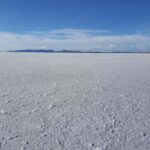
You then move toward the main flat, where the scale changes quickly. The route opens onto the world’s largest salt flat, with long sightlines and very few visual markers. That emptiness is the point, but it also means the sun can feel strong and the weather can shift quickly.
Six hours across the Uyuni Salt Flat
The salt flat section takes about six hours, making it the heart of the tour. The day is not a quick roadside photo stop. You spend much of the outing moving between the main sites, eating lunch, taking pictures, and waiting for the sunset.
One unusual feature mentioned along the route is the appearance of underground rivers as saltwater springs. These are not the sort of sight you encounter at every stop, and they give the flat a geological interest beyond its famous white surface.
The tour also visits the Dakar Rally monument. Its presence connects this remote natural setting with one of the world’s better-known endurance races. It is a quick, recognizable photo point rather than a long museum visit.
The World Flags Plaza is another planned stop. Flags from different countries create a human-made gathering point in a place that otherwise feels almost entirely open.
Nearby, you see the first hotel built entirely from salt. The salt hotel is one of the route’s most unusual pieces of construction, and it helps explain why the flat has become both a working area and a major sightseeing destination.
Lunch comes during the salt-flat portion of the day. Water is included with the meal, but the tour does not list personal snacks or other drinks, so bring anything extra you know you will want.


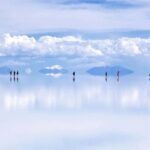
Perspective photos and the rainy-season mirror effect
Uyuni is famous for photos that bend your sense of distance. The flat surface lets you create perspective pictures, making people and objects appear unusually large, small, near, or far away.
The tour includes a stop chosen for these effects. A guide can help you find a suitable position, but you should still bring a charged smartphone or camera, along with a power bank. There are few chances to recharge during a long day outdoors.
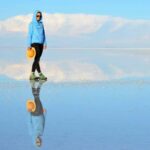
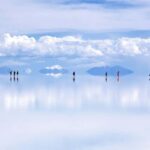
The mirror effect is different. It appears only during the rainy season, when a thin layer of water reflects the sky and makes the salt flat look like one huge natural mirror.
This seasonal feature changes the entire plan. When water covers the route, Incahuasi Island cannot be visited. You trade the island’s fossils, cacti, and high viewpoint for reflections across the flat.
That trade is not automatically a bad one. Incahuasi is a major stop, but the mirror effect can be the most unusual photo opportunity available. The important point is to book with the right expectation: you cannot count on both the island and the mirror water during the rainy season.
Rubber boots are supplied only during the rainy season and only if requested in advance. Ask for them before departure. The packing list also includes swimwear, a towel, and flip-flops, though the supplied information does not explain a specific use for those items.
Incahuasi Island and the view toward Tunupa
When conditions allow, the tour visits Incahuasi Island, described as the largest island in the salt flat. Entry is included in the price, which helps justify the cost of the excursion.
The island is known for ancient coral fossils and giant cacti. Those details make it feel very different from the flat surrounding it. Instead of endless white underfoot, you get a distinct landform with plant life and visible traces of an older geological story.
The island also provides a broad view toward Tunupa volcano. This is one of the best reasons to include Incahuasi in a full-day route: you are not only looking across the flat, but also back over it from a higher point.
Do note the access rule clearly. During the rainy season, the island is not available. An alternative may be offered, but any replacement should be confirmed before you leave because extra charges may apply.
The tour information says Incahuasi entry is included, but one practical account found that an alternative during the wet season had to be paid for separately. I would ask the guide or booking office two direct questions: what replaces the island, and who pays for it?
Sunset on the salt, then back to Uyuni
The final major stop is sunset on the salt flat. The day’s timing is built around this moment, so you are not rushed back after lunch or left with only a daytime visit.
As the light changes, the flat takes on orange and pink tones. The open surface gives you a clear view in every direction, and the sunset provides a calmer finish after the busier stops at Colchani, the flags, and the monument.
Bring warm clothing even if the afternoon begins mild. The recommended list includes outdoor clothing, comfortable shoes, a scarf, and warm layers. Sunglasses and sunscreen remain useful because the flat can be intensely bright during the day.
The exact return time is approximate and can change with conditions. Since the tour lasts about 8.5 hours, you should plan for an evening return to Uyuni rather than another daytime activity immediately afterward.
The final drive is part of the bargain with a sunset tour. You get the special light, but you also give up the chance to schedule a tight evening connection. Do not book an important bus or other fixed departure too close to the expected finish.
Practical drawbacks to consider before booking
The first concern is the toilet arrangement. Restrooms and showers are listed as included along the way, but toilet use may still be charged at some stops. Carry small cash so a minor fee does not become an annoying problem.
The second concern is comfort. You spend much of the day in a 4×4 and on an exposed salt surface. The small group helps, but this is still a long outdoor outing with several hours on the move.
The tour is not considered suitable for pregnant women, people with heart or respiratory problems, or people with recent surgeries. Walking frames and baby carriages are not allowed, and unaccompanied minors are excluded.
Smoking is not allowed in the vehicle or indoors, and alcohol and drugs are prohibited. The outing is designed as a small sightseeing group, not a party trip, so bachelor and bachelorette groups are not accepted.
The route can change without advance notice because of conditions beyond the provider’s control. Final times are approximate and coordinated with the guide or driver. That is normal for a salt-flat day, but it means you should leave room in your schedule.
Who will get the most from this Uyuni tour?
I would choose this tour if you have one full day in Uyuni and want the main sights handled in a single vehicle. The mix of the Train Cemetery, Colchani, the Dakar monument, Flags Plaza, the salt hotel, photography stops, and sunset gives you a broad introduction rather than one narrow attraction.
It suits you especially well if you value a small group and do not want to arrange separate admissions, meals, and transport. The included breakfast is useful for bus arrivals, while the terminal pickup removes one more piece of same-day planning.
You should pause if Incahuasi Island is the main reason you are booking. During the rainy season, it cannot be visited. If the mirror effect matters more to you than the island, the seasonal change may be a fair trade.
You should also pause if you need a highly predictable schedule. Weather, road conditions, and the sunset timing can affect the route. This is a full outdoor day, not a quick city tour with a fixed minute-by-minute finish.
Final call: a strong one-day introduction with a seasonal catch
I would book this tour for a first full day on the Uyuni Salt Flat, particularly when the small group and included meals make the $108 price fit your budget. The sunset, perspective photography, and chance to visit Incahuasi give the day real variety.
I would book only after confirming the rainy-season plan if you are visiting when water is present. Ask about the replacement for Incahuasi, possible extra fees, and toilet charges. If those details are clear, this is a practical way to see Uyuni’s signature sights without arranging each part yourself.
FAQ
Where does the tour start?
Pickup is available from accommodations within the urban area of Uyuni. If you arrive by bus on the same day, pickup from the bus terminal is also available.
What time does the tour leave?
The planned departure from Uyuni is 10:30 AM. Hotel pickup is generally between 10:30 and 10:45 AM, with final times coordinated by the guide or driver.
Is breakfast included?
Yes. An American breakfast in Uyuni city is included. If your bus arrives early, you can be taken to a café for breakfast or wait at the provider’s office.
Is lunch included?
Yes. Lunch is included, along with water during the meal. Personal expenses and additional items are not included.
Can I visit Incahuasi Island during the rainy season?
No. Access to Incahuasi Island is not possible during the rainy season. The benefit during that period is the chance to see the salt flat’s mirror effect.
Is transportation included?
Yes. The tour includes 4×4 transportation and pickup from a hotel in urban Uyuni or the bus terminal. Transfers to and from La Paz are not included.
What languages are available?
The live tour guide service is available in English and Spanish.
What should I bring?
Bring comfortable shoes and clothing, warm layers, sunglasses, a hat, sunscreen, water, a camera or charged smartphone, and a power bank. The recommended list also includes a towel, swimwear, flip-flops, and a scarf.
More Evening Experiences in Colchani
More Tour Reviews in Colchani
Not for you? Here's more nearby things to do in Colchani we have reviewed
Uyuni Salt Flats Tours, compared
 ★ 4.5From La Paz: Uyuni Salt Flat Tour & Overnight Roundtrip BusFrom $275327 reviews
 ★ 4.5Uyuni tour express from La Paz by busFrom $269172 reviews
 ★ 4.4From Uyuni: Red Lagoon & Uyuni Salt Flats 3-Day Guided TourFrom $354160 reviews
 ★ 4.3La Paz: 5-Day Uyuni Salt Flats by BusFrom $486153 reviews
Browse the lists this tour appears in