
Reviewed · UYUNI SALT FLATS TOURS
Bolivia: starlights and sunrise in Uyuni salt flat
Night begins where morning ends. This $60 outing from Uyuni combines star and constellation viewing with an early sunrise over the world’s great salt flat. I like that you get two very different views of Salar de Uyuni in one short trip: the dark sky above the salt and the first sunlight reflected below it. I also like the practical photo help, waterproof wellies, and small 4×4 format.
The main caution is reliability. Weather can block the stars or sunrise, and one recent departure reportedly had a Spanish-speaking driver with little English, returned at 6:10 rather than about 7:30, and missed the main sunrise stop. That appears to be a service problem rather than the intended plan, but it is worth confirming the guide language and schedule before you leave your hotel.
In This Review
- At a glance: five details that shape the morning
- Why a 3:30 a.m. departure is worth considering
- Stars and constellations on Salar de Uyuni
- Sunrise reflected in a thin layer of water
- The final hour is built for photographs
- What the six-person 4×4 means for your comfort
- Is $60 a fair price for four hours?
- What to wear when the sky is cold and the salt is bright
- Who should book this Uyuni sunrise outing?
- Flexible booking helps with uncertain weather
- My call: book it for the sky and the pictures
- FAQ
- What is the price of the Uyuni starlights and sunrise tour?
- How long does the experience last?
- Where does the tour begin?
- What languages are available for the guide?
- How many people can ride in the vehicle?
- Are entrance tickets included?
- Are waterproof boots provided?
- Can I see the mirror effect all year?
- Can I cancel the booking?
At a glance: five details that shape the morning
- The pickup is at 3:30 a.m. from Uyuni: You will spend the first part of the outing traveling into the salt flat before dawn.
- Stargazing comes before sunrise: A guide takes you to a suitable spot for stars and constellations, weather and moonlight permitting.
- The mirror effect depends on water: A thin layer of water can reflect the sky, but conditions vary, especially after the dry season.
- The 4×4 carries up to six people: This keeps the group fairly small and suits the rough, open setting better than a standard car.
- Photography is a major part of the morning: There is time for sunrise pictures, videos, and a final Instagram Moment in the white expanse.
Why a 3:30 a.m. departure is worth considering
This is not a leisurely morning tour. You will be collected from your hotel in Uyuni at about 3:30 a.m., then ride in a 4×4 all-terrain vehicle toward the salt flat. The early start is essential because the outing is built around the sky before dawn and the first light of day.
I like the structure. Instead of arriving after breakfast and seeing only the bright white surface, you get the salt flat in changing conditions. The darkness makes the stars the focus. Then the sky begins to brighten, and the same open setting takes on a completely different character.
The planned return is around 7:30 a.m., giving you a four-hour outing. That timing also makes this easy to fit around a later bus, another Uyuni activity, or a quiet morning at your hotel. Still, I would avoid scheduling anything that cannot be changed immediately afterward. A departure at 3:30 requires punctual pickup, and conditions on the salt flat can affect the pace.
One service issue deserves attention. A recent outing reportedly began at 3:40 and ended around 6:10, far shorter than planned, with the sunrise seen only during the return drive. I would confirm both the departure time and the expected return time when you book, especially if the sunrise is the main reason you are going.
You can also read our reviews of more tours and experiences in Colchani.
Stars and constellations on Salar de Uyuni
The first 90-minute portion is set aside for a starlight stop. Your guide takes you to an open part of the salt flat where the lack of nearby city lights allows the night sky to become the main attraction.
The appeal is simple: the white salt stretches out below, while stars and constellations fill the sky above. The guide’s role matters here. Rather than simply dropping you at a viewpoint, the plan is for the guide to identify stars and constellations and help you understand what you are seeing.
Keep your expectations tied to the weather. Clouds, haze, or poor visibility can weaken the starlight portion. A full moon can also make the sky too bright for the best star viewing. This is an important trade-off: a bright moon may create attractive light on the salt, but it reduces the contrast needed for seeing many stars.
You should also remember that the stargazing cannot be guaranteed just because the departure is scheduled before dawn. The experience takes place outdoors, and the sky decides how much it will give you. Check the weather before leaving and bring warm clothing even if the day ahead looks sunny.
The short stop is best for people who enjoy atmosphere and sky watching rather than a formal astronomy program. The supplied details promise an expert guide, but they do not specify telescopes, astronomy equipment, or a particular constellation lesson. Expect guided observation in a huge open setting, not a planetarium-style presentation.
Sunrise reflected in a thin layer of water
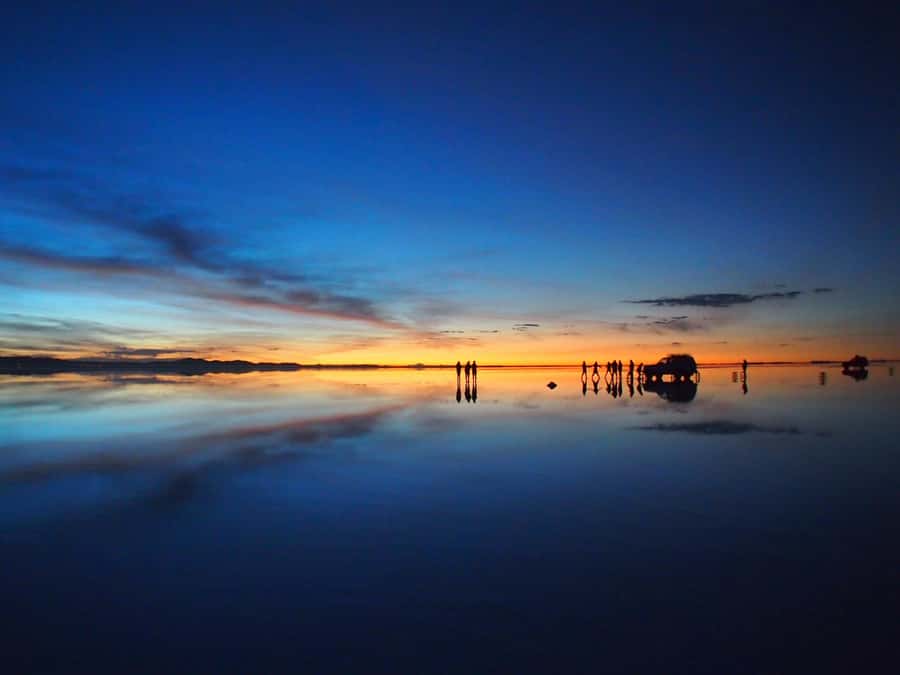
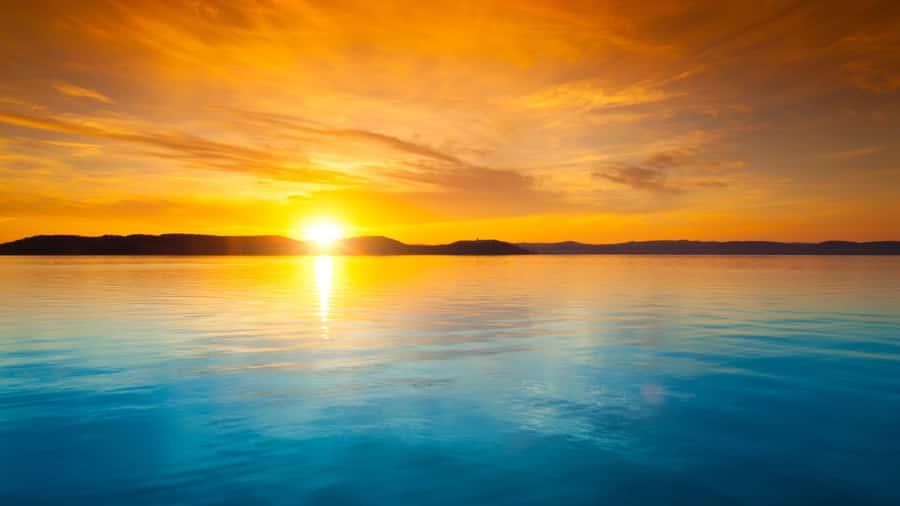
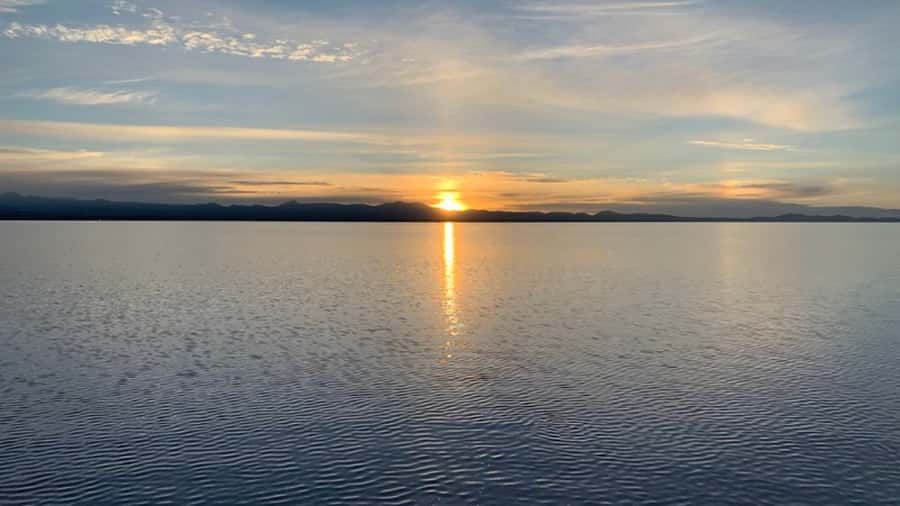
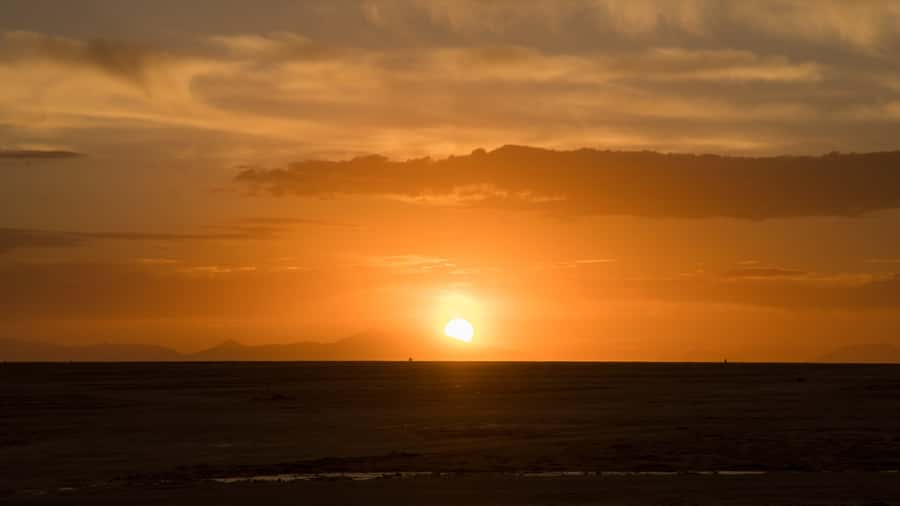
After stargazing, the outing shifts toward sunrise. The scheduled sunrise portion lasts about 90 minutes, giving you time to watch the sky change and take pictures as the first rays reach the salt.
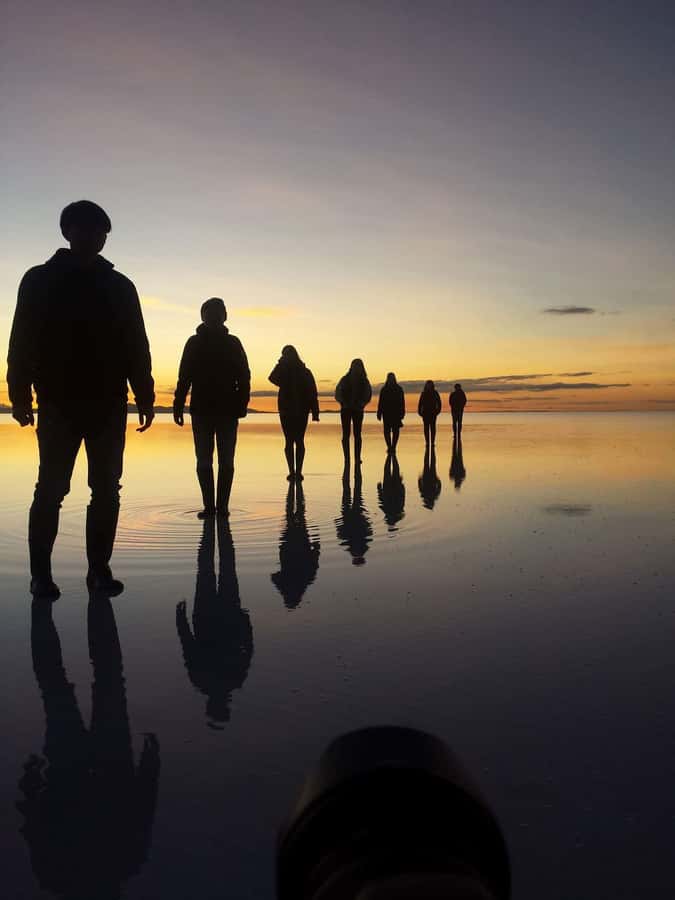
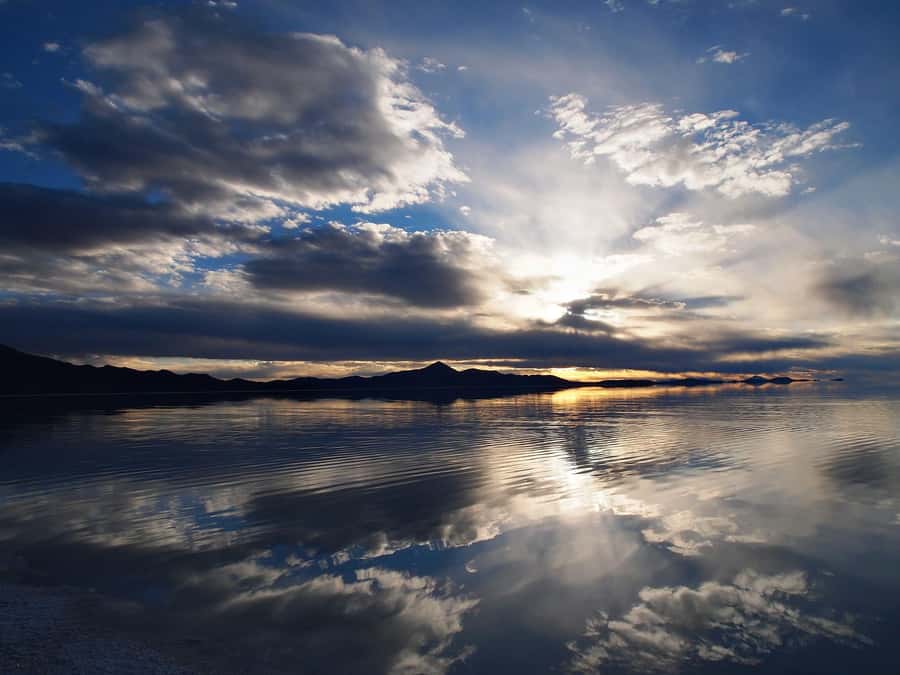
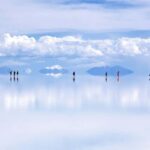
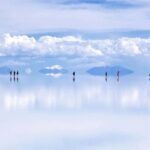
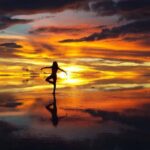
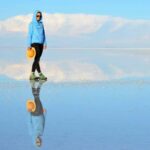
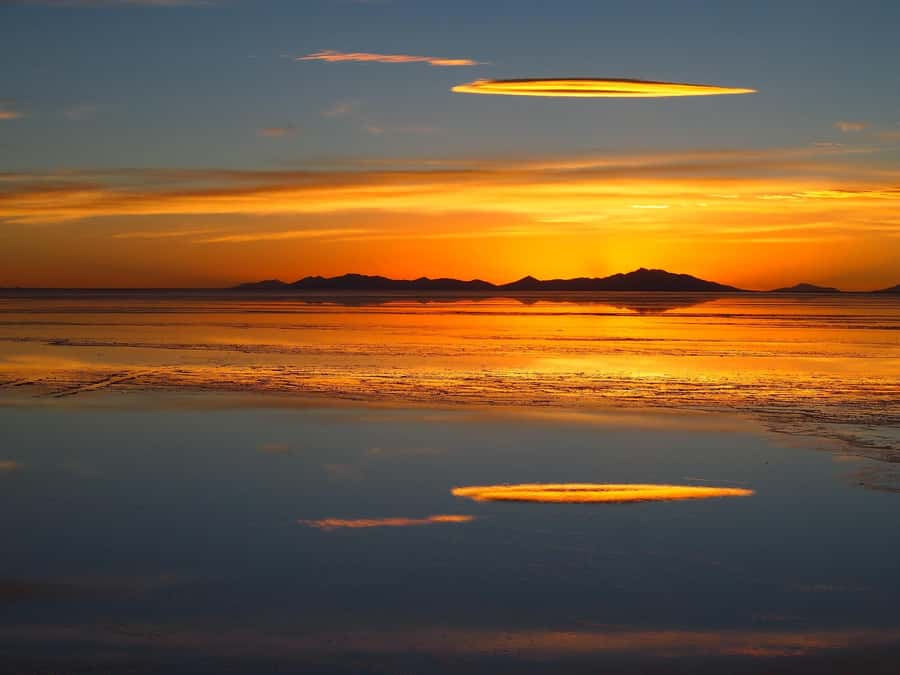
This is the visual heart of the morning. The sun brings out changing colors in the sky, and those colors can reflect across shallow water on the salt flat. When conditions are right, the horizon seems to stretch in every direction, and the reflection creates a near-symmetrical image of sky below and sky above.
The famous mirror effect is not present in exactly the same way every day. It can occur year-round when a thin layer of water covers the salt and smooths its surface. After the dry season, typically around September to November, water levels may be lower, depending on weather conditions.
That seasonal note matters if you are booking specifically for reflections. You may still see the salt flat in its stark white form when there is little water, but you should not assume that a perfect mirror will be waiting. Ask about recent conditions if the reflection is more important to you than the sunrise itself.
The sunrise stop also rewards patience. The most memorable colors are not necessarily limited to the moment the sun appears. The sky may shift gradually, and the salt can change from dark and cool to bright and reflective. Since the planned stop lasts 1.5 hours, you should have time to watch rather than rush in, take one picture, and climb straight back into the vehicle.
The final hour is built for photographs
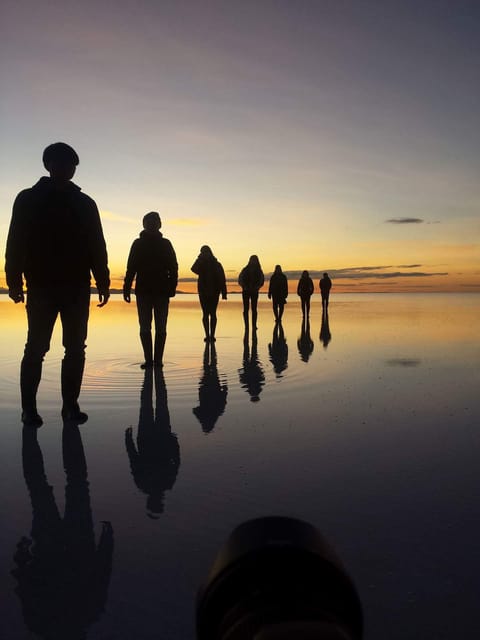
The last hour is a photo stop and free time in the extensive white salt flat. This is the part aimed most directly at people who want polished pictures and short videos.
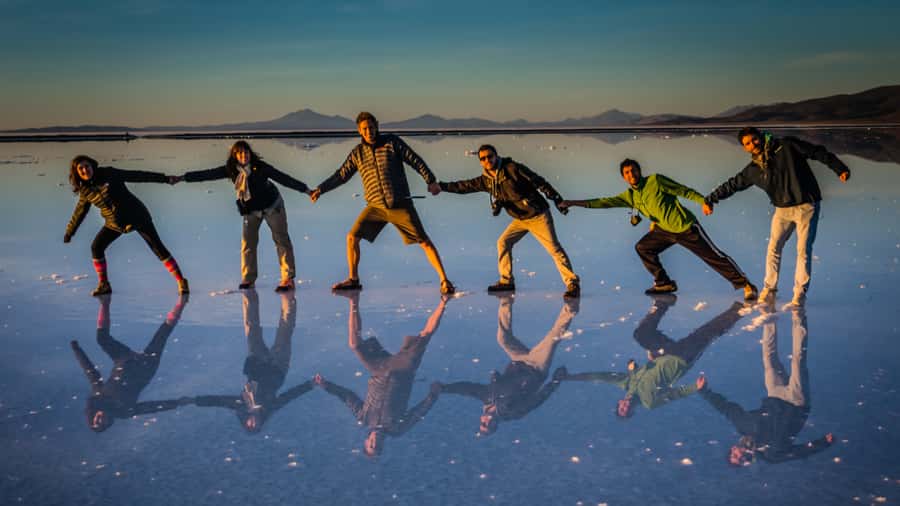
The open surface gives you plenty of room for creative compositions. The supplied activity details do not promise specific props or staged scenes, so you should expect to work with the salt, sky, water, and the people in your group. The simplest pictures often depend more on light and timing than on elaborate tricks.
Photo assistance is one of the strongest features here. A guide who takes an active role with pictures can save you from relying on a stranger or trying to set up a phone on unstable ground. A highly positive booking specifically praised the guide’s willingness to take many photographs, and that is useful information for anyone traveling alone or with a partner who wants to appear in the frame.
You will also have time for the designated Instagram Moment. That phrase signals the focus clearly: this is not only a nature outing but also a photo session. If you prefer quiet observation to repeated picture-taking, you may find the final hour a little long. If you want photographs of the sunrise and the mirror effect, the extra time is a real advantage.
Waterproof wellies are included when the salt is wet. They let you step into shallow water without soaking your regular shoes. Wear comfortable clothing beneath them, and follow the guide’s instructions about where to walk. The salt flat may look firm and simple, but wet conditions make footwear and footing more important.
What the six-person 4×4 means for your comfort
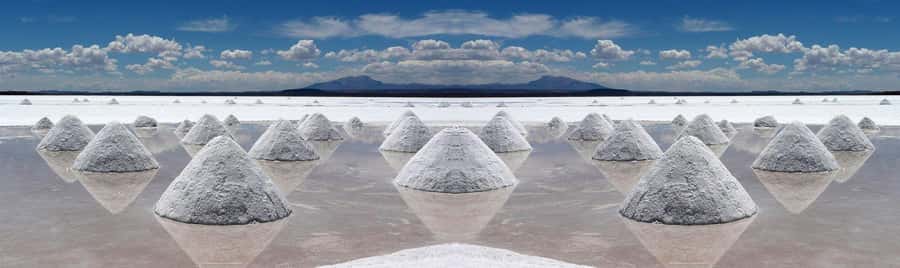
Transport is provided in a 4×4 vehicle for up to six people. That group size is small enough to feel more personal than a large coach, while still keeping the cost at $60 per person.
A 4×4 is also the sensible vehicle for this setting. The salt flat is broad and exposed, and the outing is not designed around paved-road sightseeing alone. You will spend much of the morning in a vehicle before stopping on the salt.
Private and small-group options are available. A private departure may be worth considering if you care strongly about the timing of photographs, want more control over stops, or need clear communication in English. The supplied information does not state the extra price for a private group, so ask before booking.
The guide languages are listed as Spanish and English. Because language quality can affect both stargazing and timing, I would confirm that an English-speaking guide—not only an English-language option on the booking page—is assigned to your departure. One reported mismatch between the promised language and the actual driver seriously reduced the value of the morning.
Is $60 a fair price for four hours?
At $60 per person, this is a reasonable price if the outing runs for the full four hours and the mirror conditions cooperate. You are paying for more than a ride to a viewpoint: hotel pickup in Uyuni, a local guide, a 4×4 vehicle, entrance tickets, wellies, first-aid supplies, and other logistical equipment are included.
The value is strongest for you if you would otherwise need to arrange a private vehicle, find the salt flat entrance process, and organize transport before dawn. The included footwear also matters when water is present. Buying or borrowing suitable boots at the last moment would be a nuisance.
The price does not include your bus or flight to Uyuni, and travel insurance is separate. You need to reach Uyuni before the early pickup, so treat this as one part of a larger Bolivia plan rather than a transfer from another city.
The score attached to the activity is 4.2 out of 5 from 20 ratings, which suggests a generally positive but not flawless record. The pattern in the available feedback is useful: photography and the fun of the outing receive strong praise, while weather, language, and a shortened schedule are the main risks.
What to wear when the sky is cold and the salt is bright
Pack for two conditions at once. Before sunrise, the open salt flat can feel cold, so bring warm layers, gloves, a hat, and outdoor clothing. The activity specifically advises dressing warmly, and that is not a suggestion to ignore.
Once the sun rises, glare becomes a problem. Bring sunglasses and a camera, along with comfortable shoes for walking. Even with wellies supplied, comfortable clothing and footwear make the photo stops easier.
A useful packing list is short:
- Warm layers and gloves
- Hat and outdoor clothing
- Sunglasses
- Comfortable shoes
- Camera or phone
- Clothing that can handle outdoor conditions
Check the weather before departure. Poor conditions can reduce both the star viewing and the sunrise colors, as one booking noted. Pets are not allowed, and the activity is not suitable for babies under one year.
Who should book this Uyuni sunrise outing?
I would recommend it most strongly to you if photographs are a major part of your Bolivia trip. The combination of stars, sunrise, shallow water, and a guide who may help with pictures gives you several chances for memorable images in one morning.
It also suits anyone with limited time in Uyuni. Four hours is short enough to fit into a busy schedule, yet it covers the main visual stages: pre-dawn sky, sunrise, and bright white salt. The return to the city around 7:30 a.m. leaves the rest of the day open.
You should think twice if you dislike very early starts or if you need a guaranteed astronomical view. The tour depends on weather, moonlight, and water levels. A full moon may limit the stars, while dry conditions may reduce the mirror effect.
English-speaking visitors should confirm the guide assignment. Spanish and English are offered, but one reported experience did not receive the expected English support. That single detail can make a major difference when the guide is supposed to explain constellations and help manage the schedule.
The activity is listed as wheelchair accessible, and private or small groups are available. Since the exact vehicle arrangement is not described, contact the operator ahead of time if you have specific mobility needs.
Flexible booking helps with uncertain weather
Free cancellation is available up to 24 hours before departure for a full refund. You can also reserve now and pay later, which is useful when your Bolivia route may change.
Those options do not remove the weather risk, but they give you some room to adjust your plans. If the mirror effect is your priority, check the latest conditions before the cancellation deadline rather than assuming the salt will be wet.
Nomadex Bolivia provides the outing. Before paying, confirm the pickup time, the guide language, the expected return, and whether the group will be private or shared. These are small questions, but they address the main practical weaknesses reported for this activity.
My call: book it for the sky and the pictures
I would book this tour if you want an efficient, photo-friendly morning and can accept that nature controls the final result. The star viewing, sunrise colors, and mirror effect offer three different reasons to go, while the $60 price includes the vehicle, guide, entry tickets, pickup, and wellies.
I would not book it blindly if your schedule is tight or if you are counting on perfect stars and reflections. Confirm the English-speaking guide and full four-hour timing first. With that check in place, this is a good-value way to see Salar de Uyuni before the daytime crowds and harsh glare take over.
FAQ
What is the price of the Uyuni starlights and sunrise tour?
The price is $60 per person.
How long does the experience last?
The planned duration is four hours, departing from Uyuni at 3:30 a.m. and returning around 7:30 a.m.
Where does the tour begin?
Pickup is provided from your hotel in Uyuni city.
What languages are available for the guide?
The available guide languages are Spanish and English.
How many people can ride in the vehicle?
Transportation is provided in a 4×4 all-terrain vehicle for up to six people.
Are entrance tickets included?
Yes, entrance tickets to the mentioned attractions are included.
Are waterproof boots provided?
Yes, waterproof wellies are included for wet areas and the mirror effect.
Can I see the mirror effect all year?
The mirror effect can appear year-round when a thin layer of water covers the salt. Water levels may decrease after the dry season, typically September to November, depending on weather conditions.
Can I cancel the booking?
You can cancel up to 24 hours before departure for a full refund. Reserve-now-pay-later booking is also available.
More Tour Reviews in Colchani
Not for you? Here's more nearby things to do in Colchani we have reviewed
Uyuni Salt Flats Tours, compared
 ★ 4.5From La Paz: Uyuni Salt Flat Tour & Overnight Roundtrip BusFrom $275327 reviews
 ★ 4.5Uyuni tour express from La Paz by busFrom $269172 reviews
 ★ 4.4From Uyuni: Red Lagoon & Uyuni Salt Flats 3-Day Guided TourFrom $354160 reviews
 ★ 4.3La Paz: 5-Day Uyuni Salt Flats by BusFrom $486153 reviews
Browse the lists this tour appears in