
Reviewed · UYUNI SALT FLATS TOURS
San Pedro de Atacama: 3 D. Tour Uyuni and Back to San Pedro
Salt, volcanoes, flamingos, and one hard first day. This three-day crossing from San Pedro de Atacama into Bolivia packs the Altiplano, colorful lagoons, desert wildlife, and the vast Uyuni Salt Flats into a very tight schedule. I love the route’s variety, especially the chance to see Laguna Colorada and Uyuni in one trip, and I like that the car carries no more than four people.
The guides are another major strength. Freddy has been praised for his explanations of Bolivian history, geology, wildlife, and local life, while drivers such as Isaac, Christian, Rolly, and Javier have handled the rough roads with care. The trade-off is clear: this is a rugged high-altitude journey, not a pampered holiday. Expect long drives, early starts, basic hotels, cold conditions, and a demanding first day.
In This Review
- The five things I would know before booking
- Why this route works in only three days
- Day 1: Hito Cajones, Green Lagoon, and Laguna Colorada
- Day 2: San Cristobal to the giant Uyuni Salt Flat
- Day 3: Train Cemetery, Lake Catal, and the return to Chile
- What the guides and drivers add
- Hotels, meals, and the real level of comfort
- Altitude, weather, and what to pack
- Is $750 a fair price?
- Who should book this San Pedro to Uyuni tour?
- Should you book it?
- FAQ
- How long is the tour?
- Where does the tour begin?
- Where do I cross into Bolivia?
- How many people travel in each car?
- What is included in the price?
- Is dinner included every night?
- What kind of accommodation is provided?
- What should I bring?
- Is the tour suitable for children?
- Is free cancellation available?
The five things I would know before booking
- A full border-to-border adventure: You leave San Pedro at 06:00, cross into Bolivia at Hito Cajones, and return to Chile on the third afternoon.
- The first day is the toughest: You reach areas around 4,500 meters, with long drives and possible altitude problems before settling into the route.
- Laguna Colorada is a wildlife stop: Red water, white salt deposits, flamingos, vicuñas, and other high-altitude animals make this more than a scenic drive.
- Uyuni is the big payoff: The salt flat covers about 10,000 square kilometers, with Incahuasi Island, giant cacti, fossils, and wide-open photo space.
- Comfort is basic but useful: Both listed hotels have heating and hot water, yet the trip still suits people who value scenery over luxury.
- The small-car setup matters: The overall group can reach 12 people, but each four-wheel-drive car holds no more than four.
Why this route works in only three days
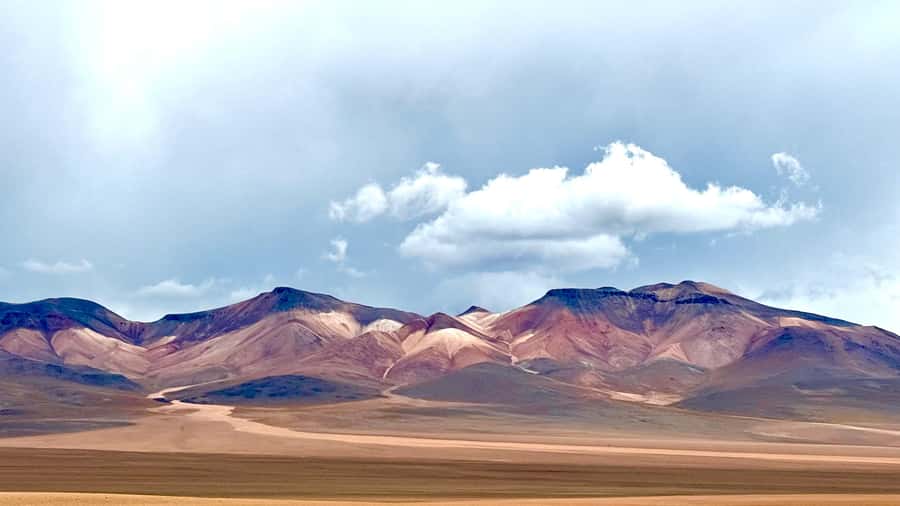
Most people picture Uyuni as a salt-flat excursion, but the salt is only part of the story here. From San Pedro, you first cross a high desert of volcanoes, wind-carved rocks, geysers, hot springs, and unusual lagoons. The salt flat arrives on the second day, after the route has already delivered some of Bolivia’s finest scenery.
That makes the trip a good choice if you have limited time. You see southern Bolivia without arranging a separate visit to Uyuni City or committing to a longer round trip. The cost is high at $750 per person, but the price includes border transfers, a private 4WD vehicle, an English-speaking guide, two nights of accommodation, meals, and entrance fees for the national park and Incahuasi Island.
You are paying for logistics as much as sightseeing. This is remote country, and the route involves border formalities, rough tracks, high altitude, and long distances. If you tried to piece it together independently, you would need to solve each of those problems yourself.
You can also read our reviews of more tours and experiences in San Pedro De Atacama.
Day 1: Hito Cajones, Green Lagoon, and Laguna Colorada
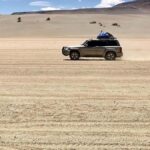
Your day begins with hotel pickup at 06:00. A shared van takes you from San Pedro de Atacama to the Bolivian border at Hito Cajones, a drive of about one hour. After immigration, you change into the Bolivian 4WD vehicle and begin climbing into the Andean desert.
The change is immediate. San Pedro’s dusty streets give way to enormous volcanoes, empty plains, and rock formations shaped by wind. The views from around 4,500 meters are magnificent, but the altitude is not a side issue. The first day combines elevation, cold, long stretches in the car, and several stops, so you need to pace yourself.
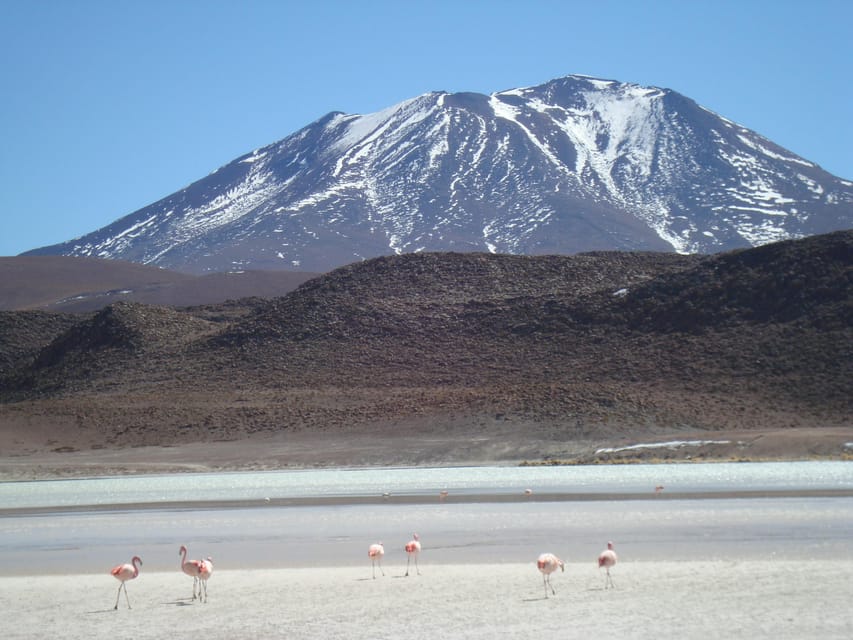
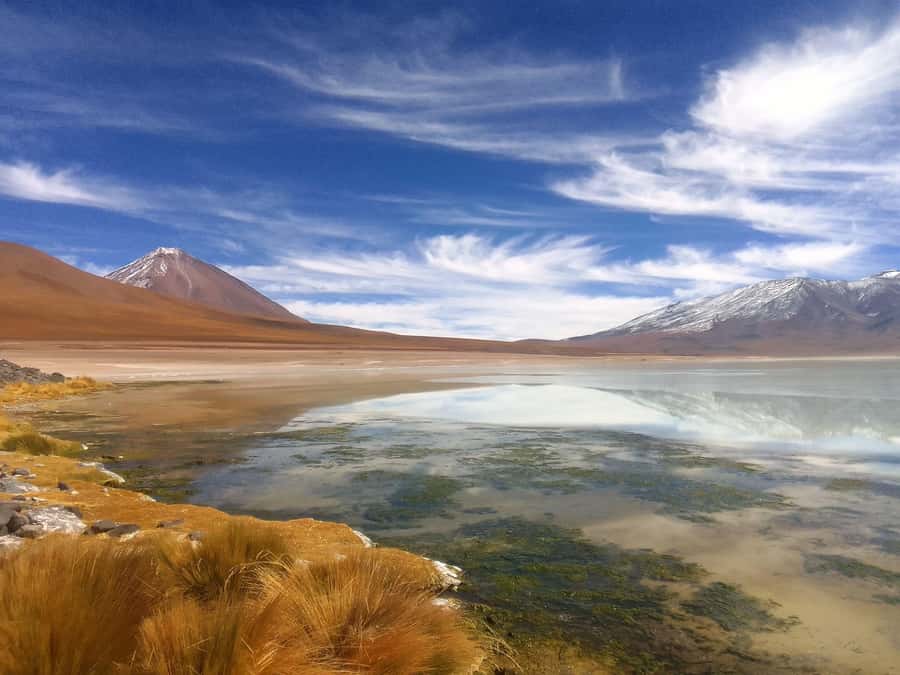
The Green Lagoon is one of the early visual highlights. Its color contrasts sharply with the brown and rust-colored desert around it, while nearby volcanoes give the scene a grand scale. You may also encounter geysers and hot springs along this portion of the route. Pack your swimwear and towel in an easy-to-reach place rather than burying them at the bottom of your bag.
The route then passes the Rocks of Dali, a group of wind-sculpted formations named for their resemblance to the strange shapes in Salvador Dalí’s paintings. The name is memorable, but the formations do not need much explanation. They look improbable enough on their own.
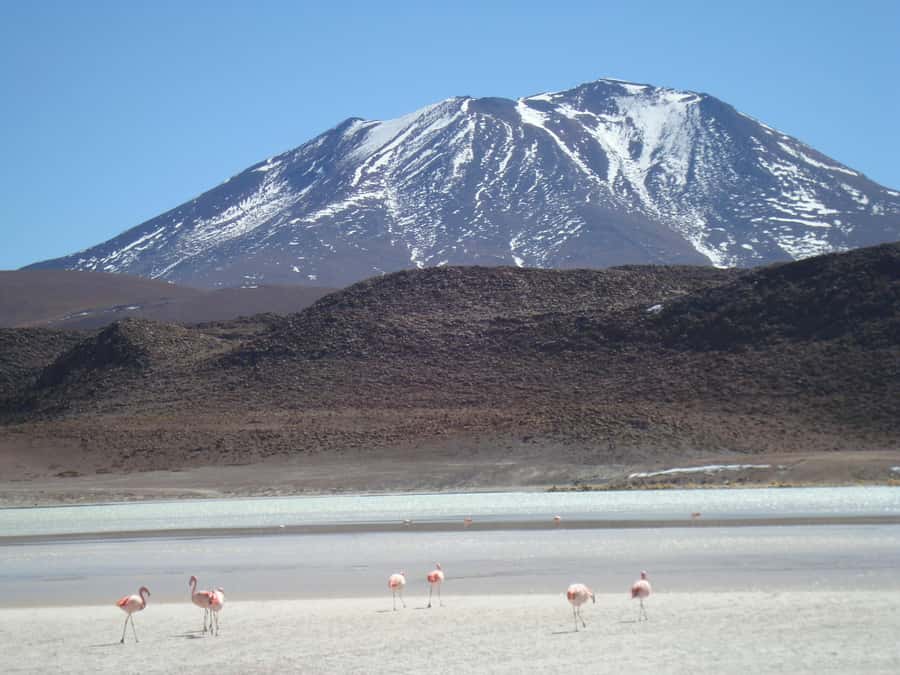
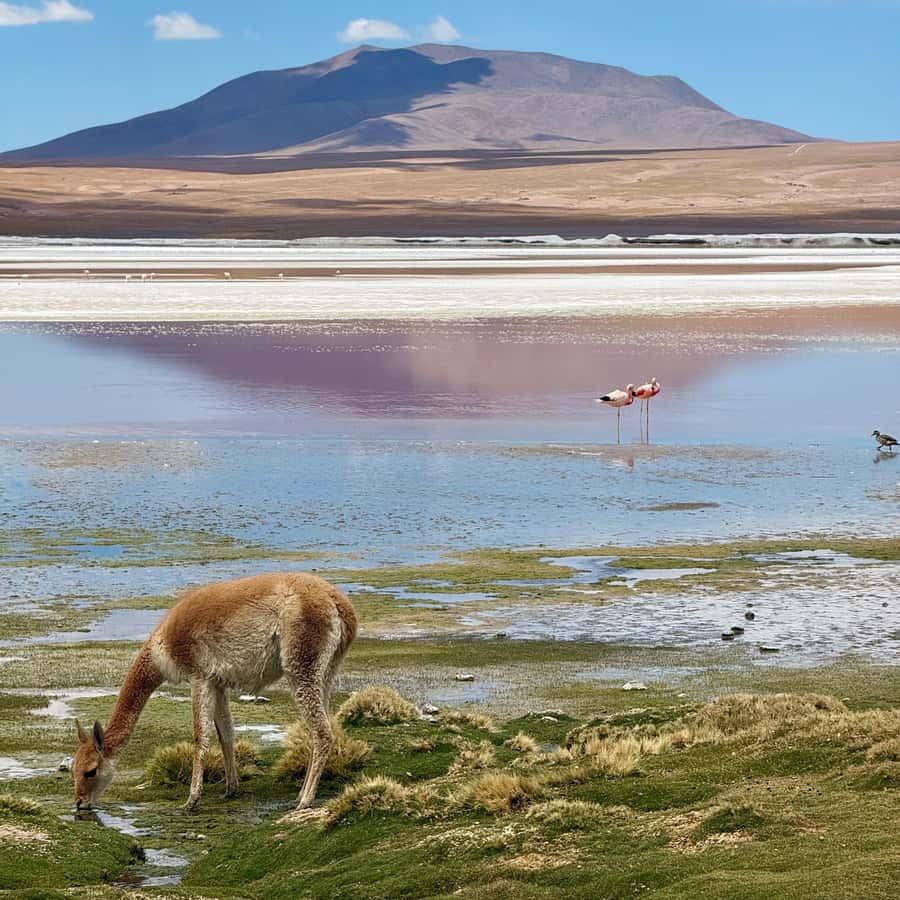
The day’s most famous stop is Laguna Colorada. Its red tone comes from algae and the lake’s high mineral and ocher content. Hundreds of flamingos gather here, and the lake also supports other bird species. The sight is especially striking because the birds are set against a nearly treeless desert with distant volcanic peaks.
Keep your eyes open between the main stops. The route can reveal vicuñas, llamas, foxes, viscachas, and other animals adapted to the thin air. Guides and drivers have also helped identify chinchillas, hawks, guanacos, armadillos, and even more elusive wildlife. You will have more time for these sightings when the driver is willing to stop safely, so the skill of the person behind the wheel matters.
The first night is at Hotel Kachi Wasi. Heating and hot water make a real difference after a day in the cold, but you should still think of this as practical mountain accommodation rather than a luxury hotel. You get dinner, and the main goal is simple: eat, warm up, and rest.
Day 2: San Cristobal to the giant Uyuni Salt Flat
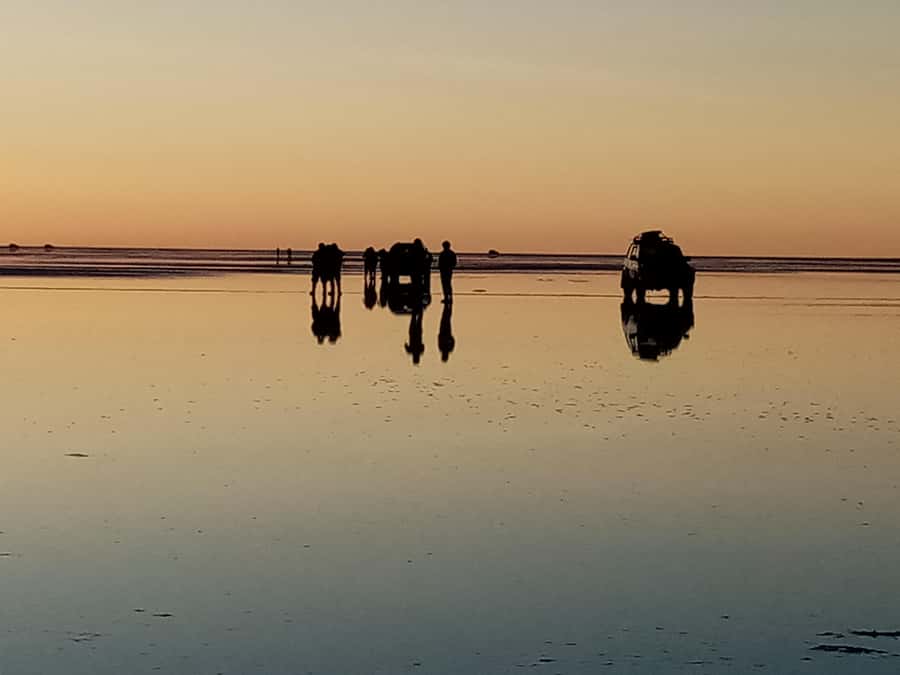
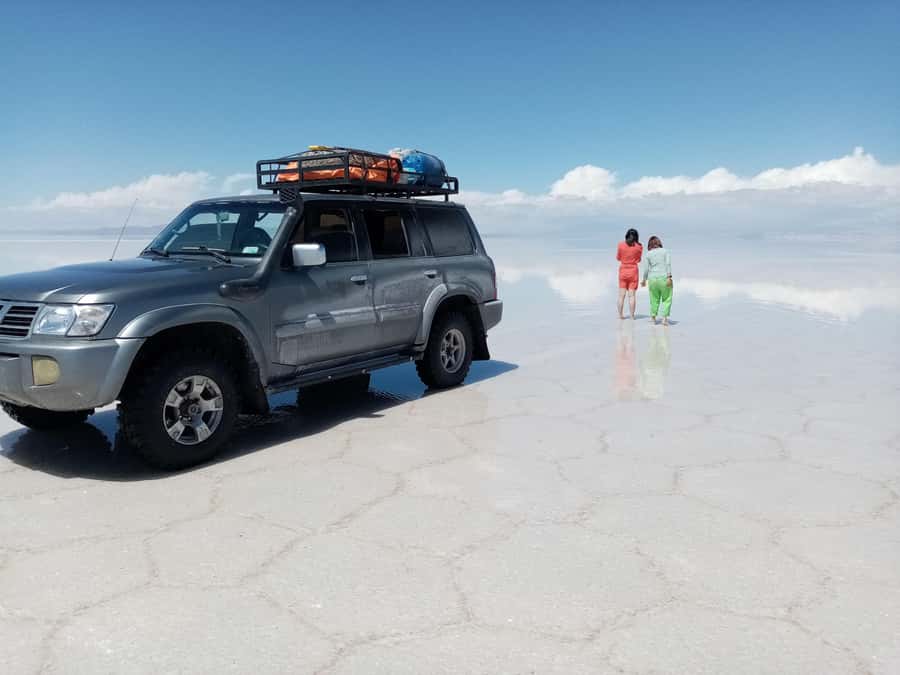
The second day moves from colored lagoons and desert rock to one enormous field of white salt. Uyuni sits at about 3,600 meters above sea level and covers roughly 10,000 square kilometers, making it the largest salt flat in the world.
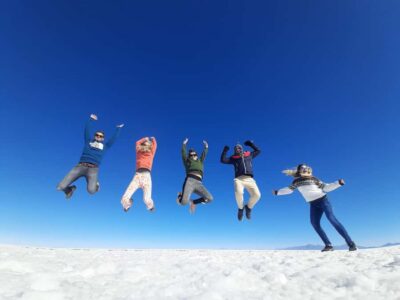
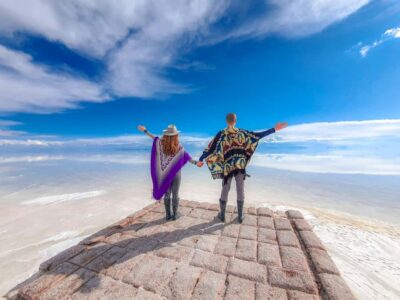
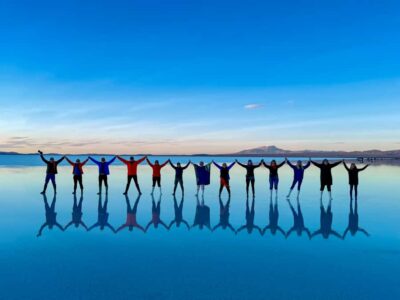
The scale is difficult to grasp from photographs. On the ground, the horizon can seem to run forever, and the flat surface creates unusual effects for pictures. Your guide and driver can help with the playful perspective images that make people appear tiny or enormous. The open space also gives you a chance to slow down after the hard first day.
Incahuasi Island is the principal stop in the salt flat. It is not a tropical island but a rocky outcrop covered with giant cacti. Some reach seven or eight meters in height, rising above the white salt like green towers. Viscachas, lizards, insects, and small hummingbirds survive in this harsh place, though you should not expect wildlife to appear on command.
The island also contains coral fossils. They are a reminder that this high plateau was once covered by an ancient sea. That small geological detail adds meaning to the view: the salt is not just a striking photo setting but part of a much older story about water, uplift, and mineral deposits.
You should wear comfortable shoes for the walk around Incahuasi. The thin air can make even a modest uphill section feel harder than expected. Take your time, breathe slowly, and do not feel obliged to match someone else’s pace.
Lunch is provided as a box lunch on this day, and a second hotel night follows at Hotel Toñito. The accommodation includes heating and hot water, but comfort remains basic. One useful detail to clarify before departure is the exact lodging arrangement: the program names Kachi Wasi for the first night and Toñito for the second, while also noting a night in Uyuni City and excluding dinner there. Ask the operator exactly where you will sleep and plan to pay separately for that evening meal if needed.
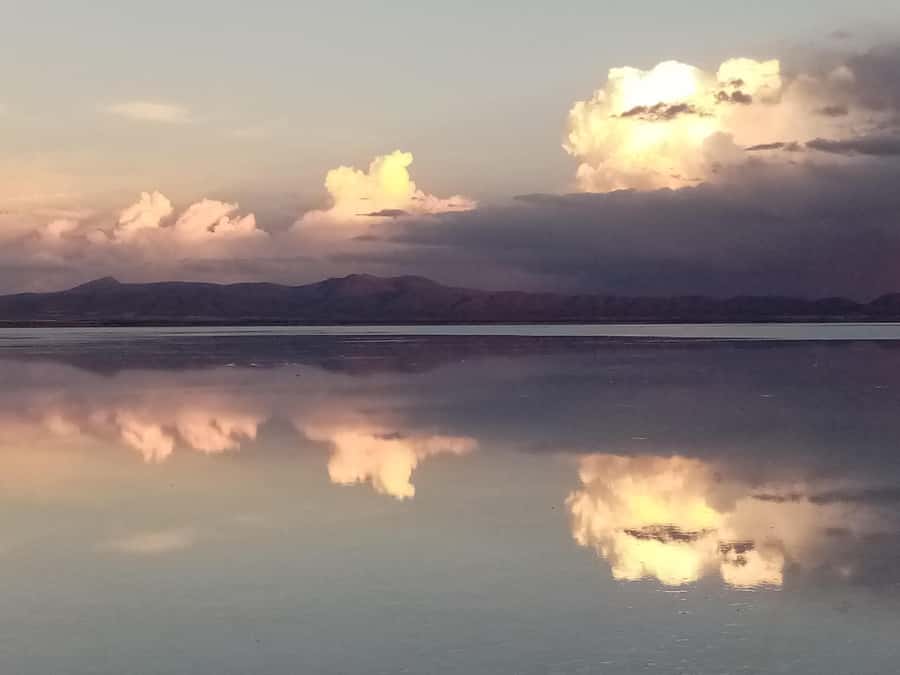
The sunset is the emotional high point for many people. You cross the salt flat toward the shore and watch the light change across the white surface. Salt, sky, and distant mountains take on different colors as the sun drops. Bring a warm jacket even if the afternoon feels pleasant; temperatures fall quickly in exposed high country.
Day 3: Train Cemetery, Lake Catal, and the return to Chile
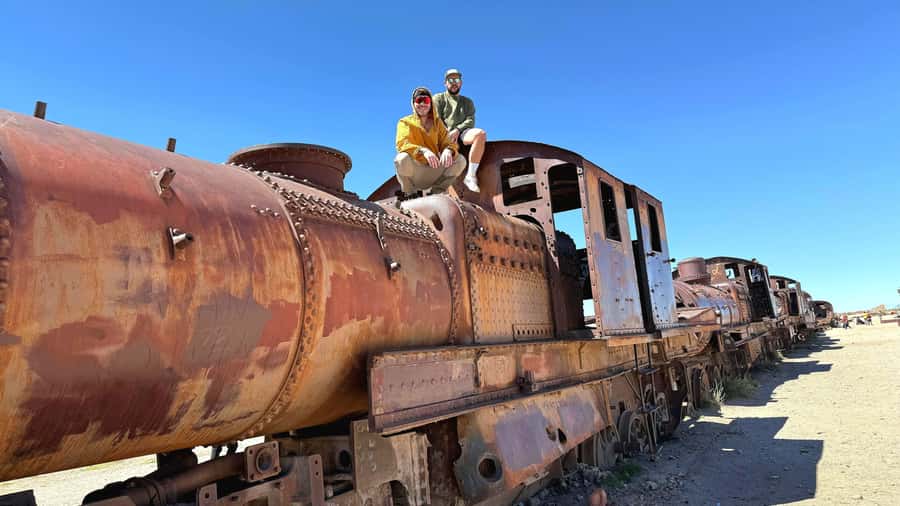
Day three starts early again. You first visit the train cemetery near Uyuni, where old railway cars sit in the desert. It is a short, unusual stop that shows a more industrial side of the region before you return to open country.
The route then continues by 4WD toward Lake Catal, with about three hours of driving before the hike. Lake Catal is surrounded by volcanoes and is also a place to see llamas. The walk gives you a chance to leave the car and experience the quiet of the Altiplano directly, though the altitude and cold can still make exertion tiring.
From there, you cross the high plateau along the main line of volcanoes and return toward Hito Cajones. A private transfer takes you from the Bolivian border back to San Pedro de Atacama, with arrival at your hotel around 15:30.
The final day is not a gentle wind-down. It remains a substantial travel day, and the early start means you may be tired by the time you reach Chile. Still, the return schedule is useful if you need the afternoon or evening in San Pedro.
What the guides and drivers add
Freddy has been singled out for his English, humor, and ability to explain more than the view in front of you. His talks cover Bolivian history, geology, flora, fauna, culture, economics, and politics. That kind of context is valuable in a place where the scenery can otherwise blur into a long series of colorful lakes and volcanic ridges.
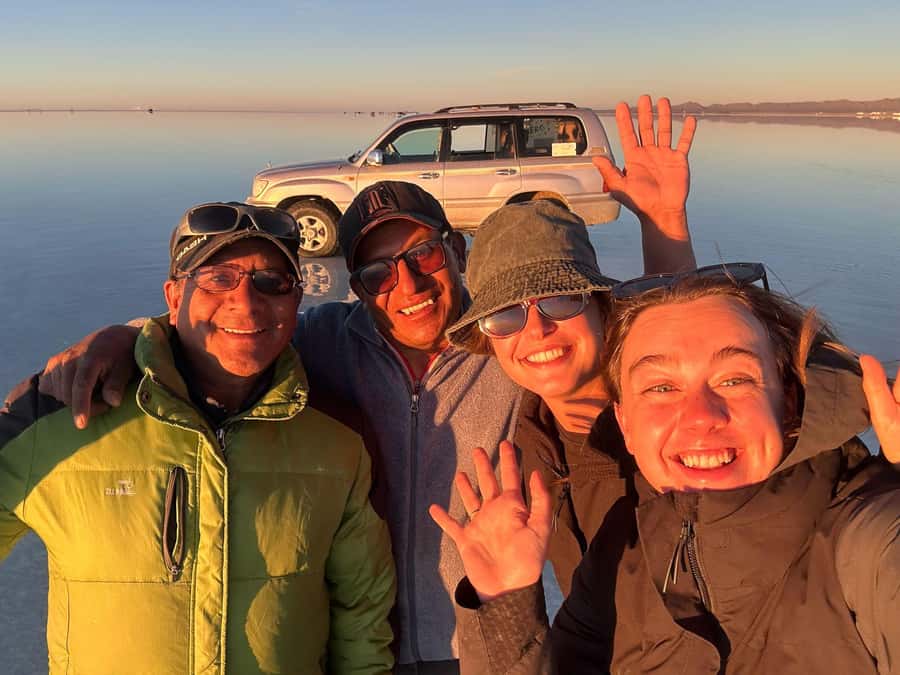
Drivers are just as important. Isaac, Christian, Rolly, Javier, and other drivers have been praised for safe handling on rough desert roads and for spotting wildlife. On this route, good driving is not a minor convenience. It affects how secure you feel, how smoothly you travel, and how often the vehicle can stop for animals or photographs.
The overall group limit is 12, but the important number is four: no more than four people share a 4WD car. That gives you more room than a crowded vehicle and makes it easier to hear the guide, manage camera equipment, and ask for a short stop. Groups of six have been split between two cars, so the exact arrangement can vary.
Hotels, meals, and the real level of comfort
You receive two breakfasts, three box lunches, and one dinner. Bolivian food has been well received, and vegetarian meals have been accommodated on some departures. Still, you should not expect a broad restaurant menu or a choice of dining venues in the desert.
The hotels provide the basics that matter most here: hot water and heating. That is good news after hours in an exposed, cold region. It does not mean polished rooms, spa facilities, or five-star service. One honest description is comfortable enough to recover between long drives.
The excluded dinner is worth noting. The program says the second night’s dinner in Uyuni City is not included, so budget for that meal. You should also carry snacks, especially if you are particular about what you eat or need food between scheduled stops. Gatorade or a similar drink has been recommended for the long, high-altitude days.
Altitude, weather, and what to pack
Altitude is the biggest practical concern. The route reaches about 4,500 meters near the Bolivian border, and the first day has been difficult for people affected by altitude sickness. The tour is not suitable for anyone with altitude sickness, children under 10, or people over 70.
Pack warm layers rather than relying on one heavy coat. You will want comfortable clothes, a jacket, sturdy comfortable shoes, swimwear, a towel, and a change of clothes. The hot springs make the swimwear useful, while the jacket is essential for early mornings and sunset.
I would also keep personal medication, snacks, and any drink for hydration in your day bag. The guides have been described as keeping oxygen available, but that should not replace sensible preparation or a medical discussion if altitude has caused you problems before.
The route is not suitable for anyone seeking luxury, pampering, or consistently comfortable temperatures. Roads can be rough, the days are long, and you spend many hours in the vehicle. The reward is access to places that feel remote and little changed for roughly 25 million years.
Is $750 a fair price?
At $750 per person, this is a major expense for a three-day trip. I would not call it a bargain in the simple sense. The value comes from what is bundled into the price and from the difficulty of arranging the route across an international border.
You receive the shared transfer from San Pedro to Hito Cajones, a private return transfer, a 4WD vehicle with driver, an English-speaking guide, two hotel nights, meals, and national park and Incahuasi entrance fees. The small-car arrangement also gives you a more personal trip than a large vehicle convoy.
The price makes the most sense if you have only three days, want to return to San Pedro, and care about guide quality and safety. It is less attractive if you are happy with very basic transport, do not need an English-speaking guide, or want to spend more time in Uyuni City.
Before paying, confirm the dinner exclusion, exact hotel plan, border paperwork, and pickup details. Bolivia’s immigration requirements must be in order, and you should send the operator your hotel information and keep your email and WhatsApp contact available.
Who should book this San Pedro to Uyuni tour?
I would choose this trip if you want maximum scenery in minimum time. It suits adults who enjoy wildlife, photography, geology, long road journeys, and remote places more than comfort.
You should also be comfortable with uncertainty. Weather, road conditions, border procedures, altitude, and the pace of a three-day crossing can affect the day. A guide may adjust stops for safety, and you should not expect every hour to run like a city sightseeing tour.
I would skip it if you need easy access, mild temperatures, a soft bed every night, or a relaxed schedule. I would also avoid it if you have a history of altitude sickness and have not received medical advice about high-altitude travel.
Should you book it?
I would book this tour for the route and the people running it, not for the hotels. Freddy’s detailed explanations and the drivers’ care help turn a difficult crossing into a trip with real depth. The combination of Laguna Colorada, flamingos, Incahuasi Island, giant cacti, wildlife, and a Uyuni sunset is hard to match in three days.
Book it if you accept the rough roads, early mornings, altitude, and $750 price. If you do, arrive prepared, confirm the dinner and accommodation details, and keep your first day deliberately slow. The salt flat is spectacular, but the entire route from San Pedro to Bolivia’s high desert is what makes this journey worthwhile.
FAQ
How long is the tour?
The tour lasts three days, beginning with a 06:00 pickup from your hotel in San Pedro de Atacama and ending with arrival back at your San Pedro hotel at about 15:30 on day three.
Where does the tour begin?
Pickup begins at your hotel in San Pedro de Atacama. A shared van takes you to the Bolivian border at Hito Cajones.
Where do I cross into Bolivia?
You cross at Hito Cajones, where immigration procedures take place before you continue in the Bolivian 4WD vehicle.
How many people travel in each car?
The 4WD car carries no more than four people. The total small-group limit is 12 participants, so a larger group may be divided between several cars.
What is included in the price?
The $750 price includes the shared transfer to Hito Cajones, a private return transfer to San Pedro, a 4WD car and driver, two nights of accommodation, two breakfasts, three box lunches, one dinner, entrance fees, and an English-speaking guide.
Is dinner included every night?
No. One dinner is included, but dinner on the second night in Uyuni City is not included.
What kind of accommodation is provided?
The listed hotels are Hotel Kachi Wasi and Hotel Toñito. Both are described as having hot water and heating, but the tour is not intended as a luxury stay.
What should I bring?
Bring comfortable shoes, swimwear, a towel, a change of clothes, a jacket, and comfortable clothing. Snacks and a drink such as Gatorade can also be useful during the long high-altitude days.
Is the tour suitable for children?
The tour is not suitable for children under 10 years old.
Is free cancellation available?
You can cancel up to 24 hours in advance for a full refund. You can also reserve now and pay later, subject to availability and booking conditions.
More Tour Reviews in San Pedro De Atacama
Not for you? Here's more nearby things to do in San Pedro De Atacama we have reviewed
Uyuni Salt Flats Tours, compared
 ★ 4.5From La Paz: Uyuni Salt Flat Tour & Overnight Roundtrip BusFrom $275327 reviews
 ★ 4.5Uyuni tour express from La Paz by busFrom $269172 reviews
 ★ 4.4From Uyuni: Red Lagoon & Uyuni Salt Flats 3-Day Guided TourFrom $354160 reviews
 ★ 4.3La Paz: 5-Day Uyuni Salt Flats by BusFrom $486153 reviews
Browse the lists this tour appears in