
Reviewed · UYUNI SALT FLATS TOURS
Uyuni: Isla Incahuasi & Uyuni Salt Flats Full-Day Jeep Tour
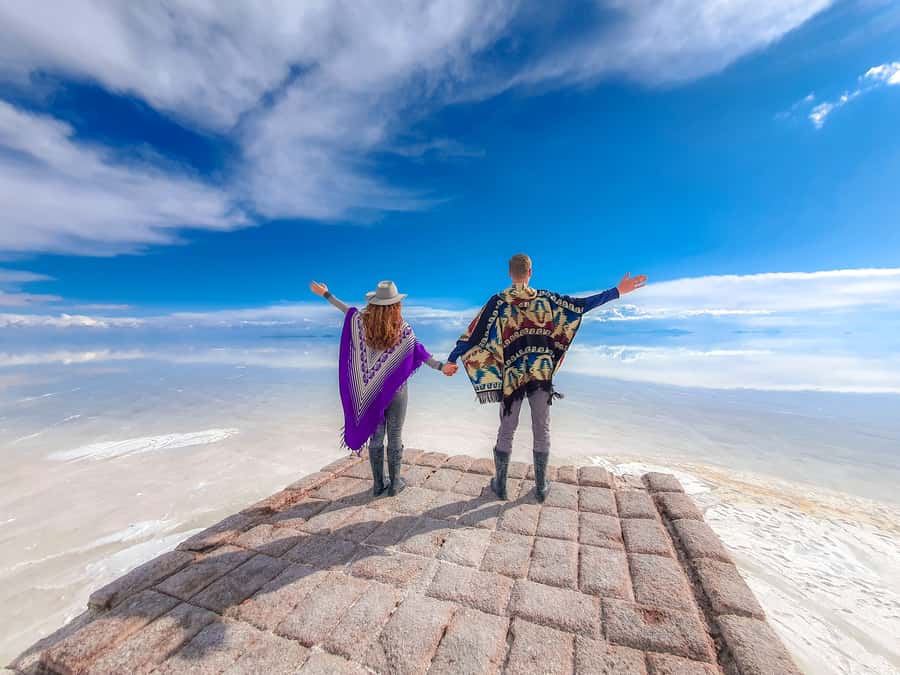
White salt, giant cacti, and a glass of wine. This full-day Uyuni outing pairs the vast Salar de Uyuni with Incahuasi Island, then saves sunset for a toast in the middle of the flats. I like the clear mix of sights: the Train Graveyard and Colchani give the day some human history, while the island and perspective photos deliver the odd, playful moments. I also like that lunch, 4WD transport, and an English-speaking guide are included; Wilson, John, and Stefanie are among the team members singled out for warm, helpful service. The main catch is the long day in hard sun, plus small but real extras for the island, toilets, drinks, and optional rain boots.
At $139 per person, I see this as a sensible choice if you want the classic Uyuni sights in one organized day rather than arranging separate rides. The schedule is full, and the drive back reaches Uyuni around 7:15 p.m., but you get a local driver, a certified English-speaking guide, lunch, and a sunset glass of wine. I would choose it for a first visit, especially if you want both the strange old trains and the giant cacti of Incahuasi without spending several days on the road.
In This Review
- Key points at a glance
- Starting from Uyuni between 9:45 and 10:40
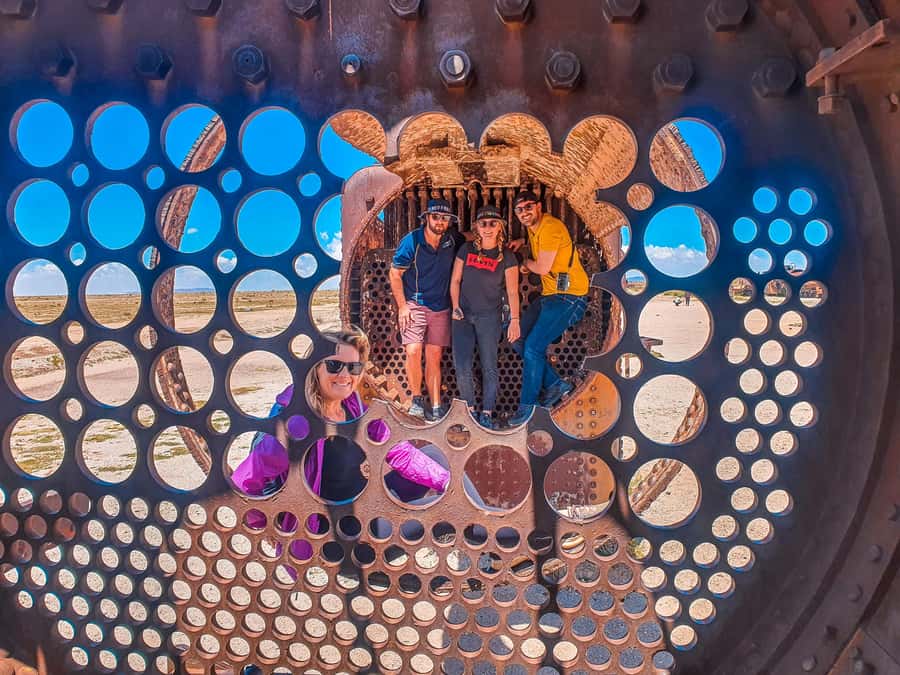
- The Train Graveyard: rusty steel on the desert edge
- Colchani and the salt-mining workshops
- Flags, salt eyes, and the first white miles
- Incahuasi Island and lunch beside giant cacti
- Making the famous proportion photos work
- Sunset wine in the middle of the Salar
- What the $139 price really covers
- The guide and driver make a real difference
- What to bring for the white salt and cool evening
- Who should book this day trip?
- Should you book the Uyuni Jeep Tour?
- FAQ
- How much does the Uyuni Salt Flats and Isla Incahuasi tour cost?
- How long does the tour last?
- What is included in the tour?
- Is an English-speaking guide available?
- How much is the entrance fee for Isla Incahuasi?
- Do I need to pay for toilets or rain boots?
- Where can I be picked up?
- What should I bring?
- Can I cancel or pay later?
Key points at a glance
- Train Graveyard begins the story: Rusting locomotives on Uyuni’s edge make an unusual first stop and a strong photo setting.
- Colchani adds local detail: Salt-miner workshops sell salt crafts and llama and alpaca textiles.
- Incahuasi changes the scene: Giant cacti and petrified-coral rock formations rise from the white salt plain.
- Perspective photos need teamwork: The guide gives you time to arrange your group and play with scale.
- Sunset includes one glass of wine: The day ends in an open area on the salt flats before the one-hour return drive.
- Small costs are easy to plan: Isla Incahuasi costs 30 BOB, toilets cost 20 BOB, and rain boots are optional at 50 BOB.
Starting from Uyuni between 9:45 and 10:40
The morning has a slightly spread-out timing window. Hotel pickups take place between 9:45 and 10:00 a.m., so you should wait in your hotel lobby rather than outside on the street. The stated departure time is 10:40 a.m., while the tour description places the start of the drive at about 10:30. I would treat the morning as a 9:45-to-10:40 pickup period and confirm the exact time when booking.
Pickup is available from 16 listed locations, including Le Ciel d’Uyuni, Hotel Casa de Sal, Hotel Jardines de Uyuni, Las Tholas Hotel, Hotel Cristales de Sal, and Onkel Inn Wagon Sleepbox Uyuni. Airport pickup can also be arranged when you arrive in Uyuni. If your accommodation is not on the list, the meeting point is the operator’s office in Uyuni City at 10:00 a.m.
The vehicle is a 4WD with a rooftop luggage rack, driven by a local driver. The exact group size is not stated, so I would not book this expecting a private jeep unless that is confirmed separately. The English-speaking guide travels with you, and Spanish is also available.
A few more Uyuni tours and experiences worth a look
The Train Graveyard: rusty steel on the desert edge
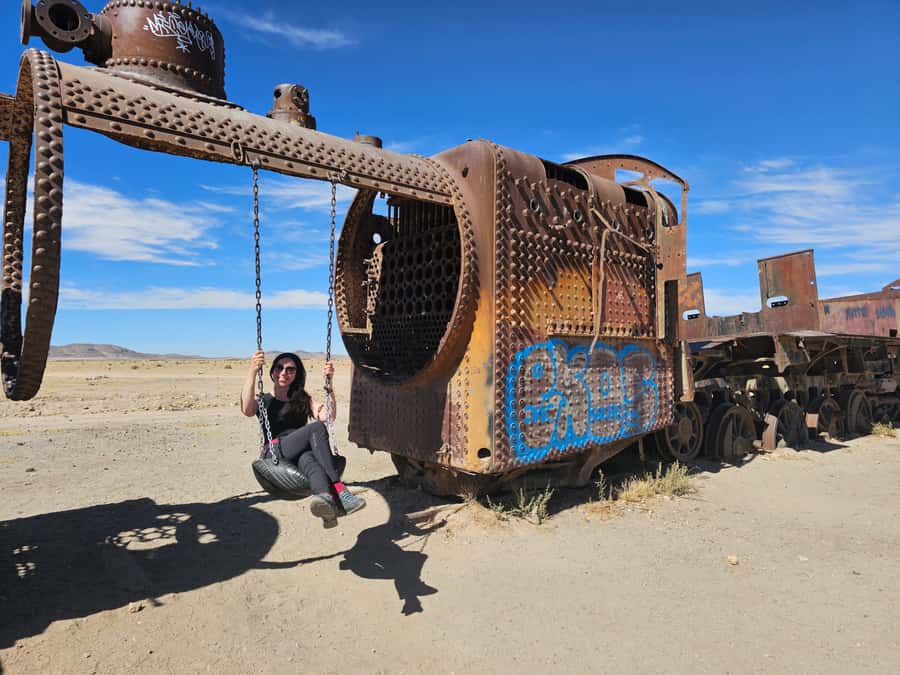
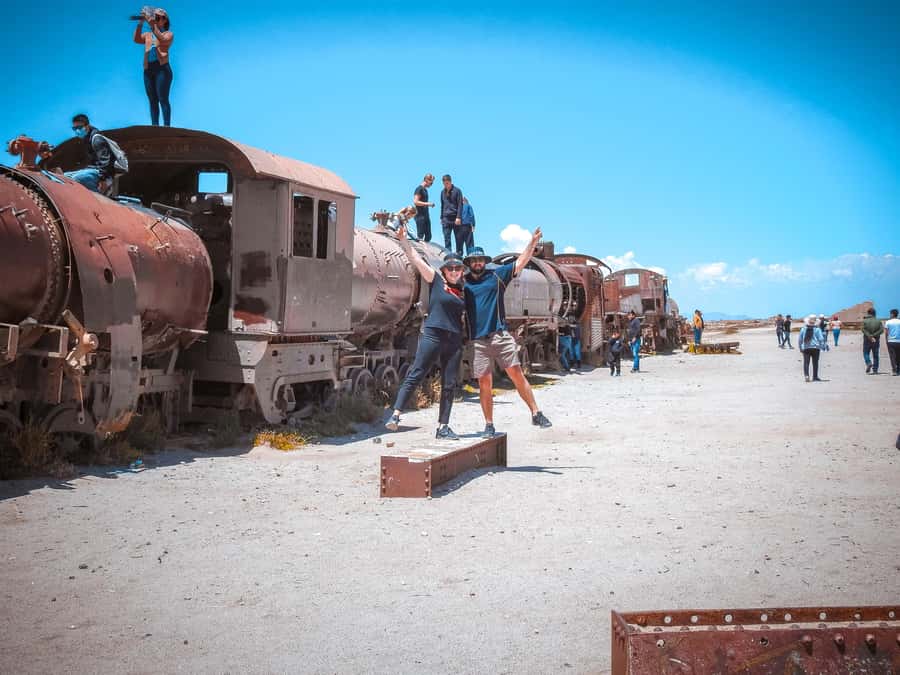
The first stop comes after a short drive of about five minutes. The Train Graveyard sits outside Uyuni, where old locomotives have been left to corrode in the dry, salty air.
These were among Bolivia’s first locomotives and once helped connect major cities. Now, salt winds and time have stripped them down to rusted frames, wheels, and boilers. The place has an eerie look without needing much decoration. You can climb around the machinery for photographs, though you should use care on old metal surfaces.
This stop is brief, but it earns its place. It gives the morning a human-made counterpoint before the salt flats take over. If you have already seen several abandoned industrial sites, you may find it less memorable than Incahuasi or sunset. For a first visit to Uyuni, though, it is a useful and atmospheric opening.
Colchani and the salt-mining workshops
After roughly 30 minutes in the jeep, you reach Colchani, a small settlement beside the salt flats. This is where local salt miners operate workshops and where you can look at handicrafts made from salt.
You will also find textile work made from llama and alpaca wool. These are more connected to the area than generic airport souvenirs, and the stop gives you a chance to buy something small before the day moves into the open salt plain. Prices and payment details are not specified, so bring some local currency if you want to shop.
Colchani is not a large cultural visit. It is a short stop with workshops, crafts, and a look at the local salt trade. I like it because it prevents the day from becoming only a string of photo stops. Still, anyone hoping for a long village visit should keep expectations modest.
Flags, salt eyes, and the first white miles
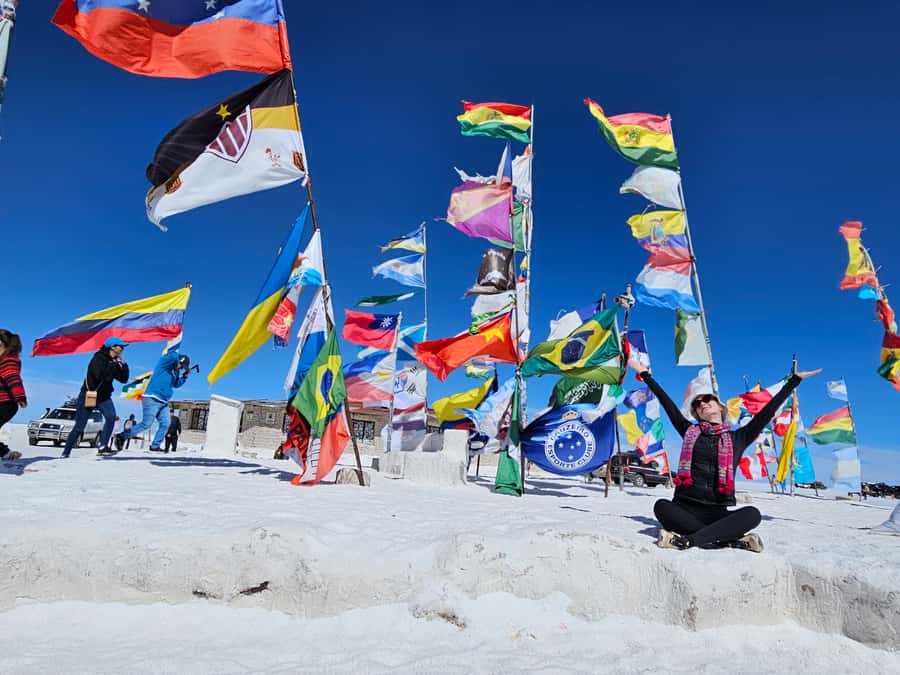
A short drive of about ten minutes brings you to Plaza de las Banderas Uyuni. Here, you can photograph the international flags and learn about the site from the guide. You may also bring your own flag and place it there free of charge.
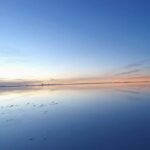
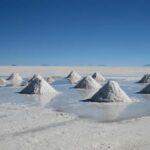
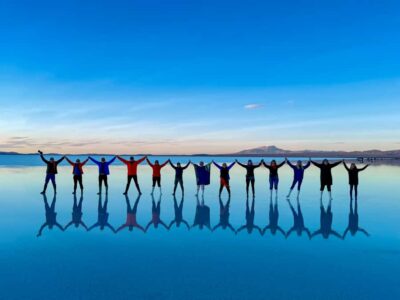
The route then moves onto the Salar de Uyuni itself. The surface spreads out in every direction, and the bright white ground makes sunglasses and a sun hat more than fashionable extras. The salt can be dazzling, so sunscreen, water, and a long-sleeved shirt are sensible choices.
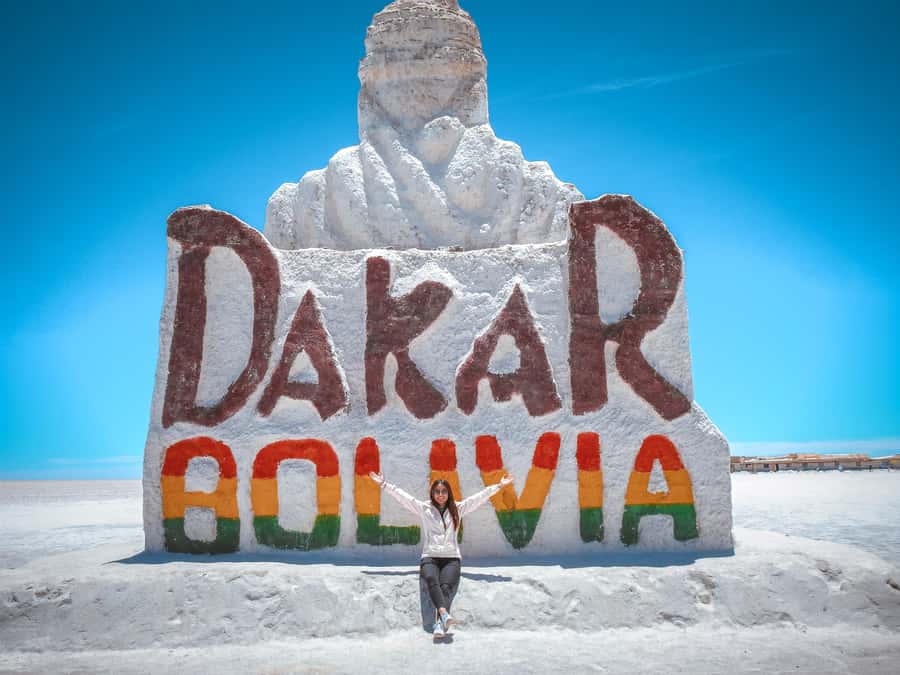
The day includes a visit to Ojos de Agua Salada, or salt-water eyes. These are openings in the salt plain where water appears below the surface. You will also see a former salt hotel that now operates as a museum, along with a monument connected to Dakar racing.
These stops help explain how people have used and marked the salt flats. They are not all grand attractions, but together they add context to the empty-looking expanse. The guide’s role matters here: without some explanation, a salt museum, flags, and a racing monument could feel like disconnected roadside stops.
Incahuasi Island and lunch beside giant cacti
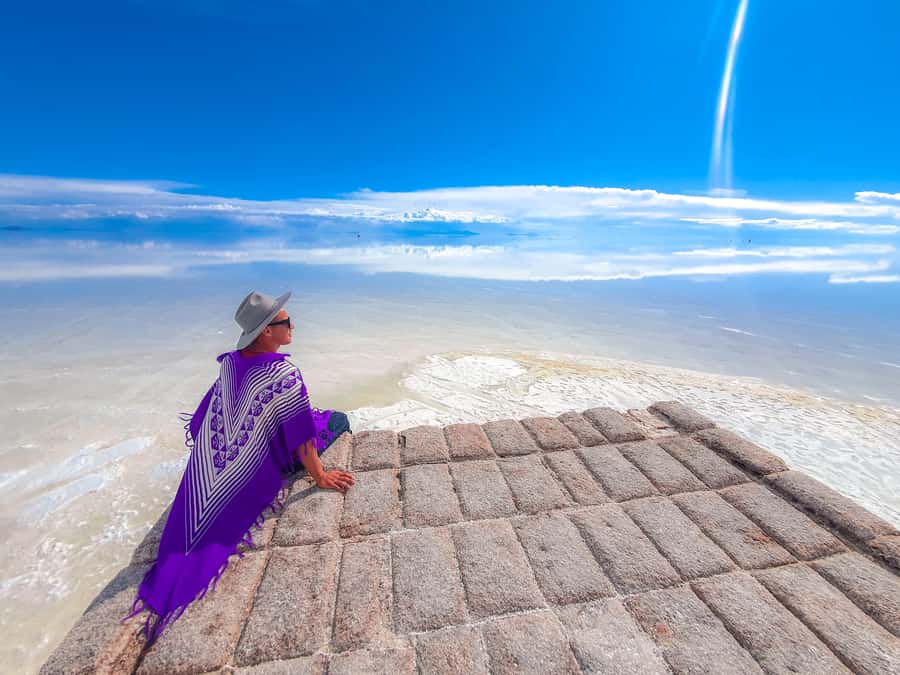
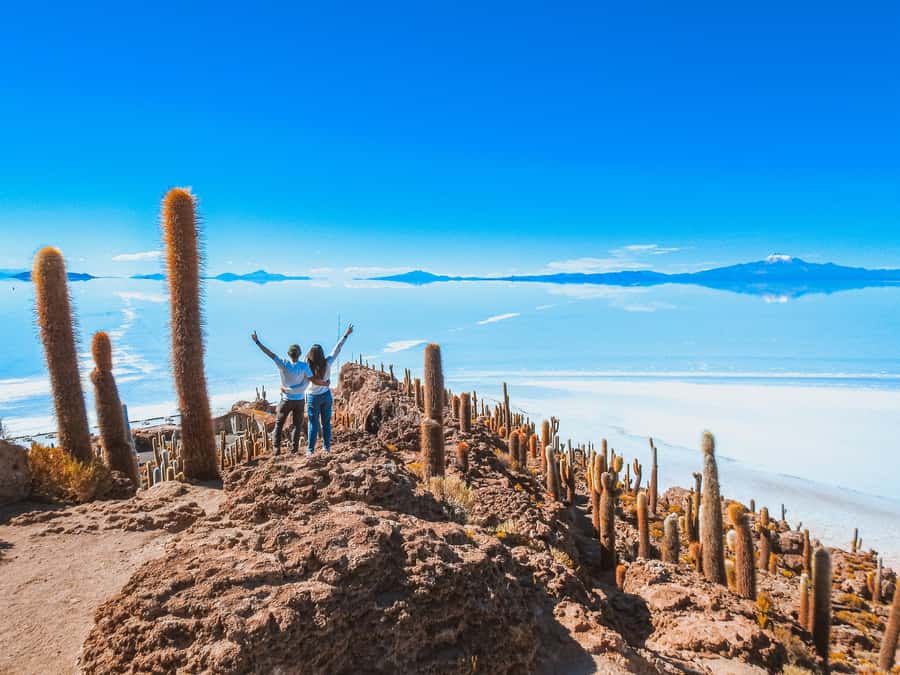
After about 45 minutes in the jeep, you reach Isla Incahuasi, also called Fish Island. The island is not surrounded by a normal lake or sea. It rises from the salt plain as a rocky island-like formation, making the sudden change in scenery memorable.
Lunch is served near Incahuasi and is included in the tour price. One direct comment about the food calls it delicious, which is useful reassurance on a day when there are limited meal stops. Drinks are not included, so carry water and plan to pay separately for anything beyond lunch.
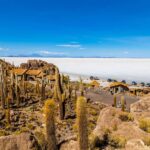
You then have time to walk toward the top of the island. The main draw is the giant cacti, paired with rock formations made of petrified coral. This is the part of the day that gives you height and texture after hours of flat white ground.
The entrance fee is 30 BOB and is not included. Bring cash for it. The tour information does not give a precise walking time or difficulty level, but you should wear comfortable shoes and expect a walk rather than a simple roadside photograph. People with back or heart problems should note that the activity is specifically listed as unsuitable for them, along with pregnant women, wheelchair users, and children under six.
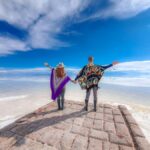
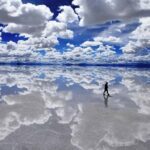
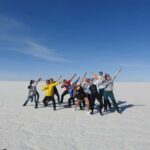

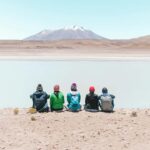
Making the famous proportion photos work
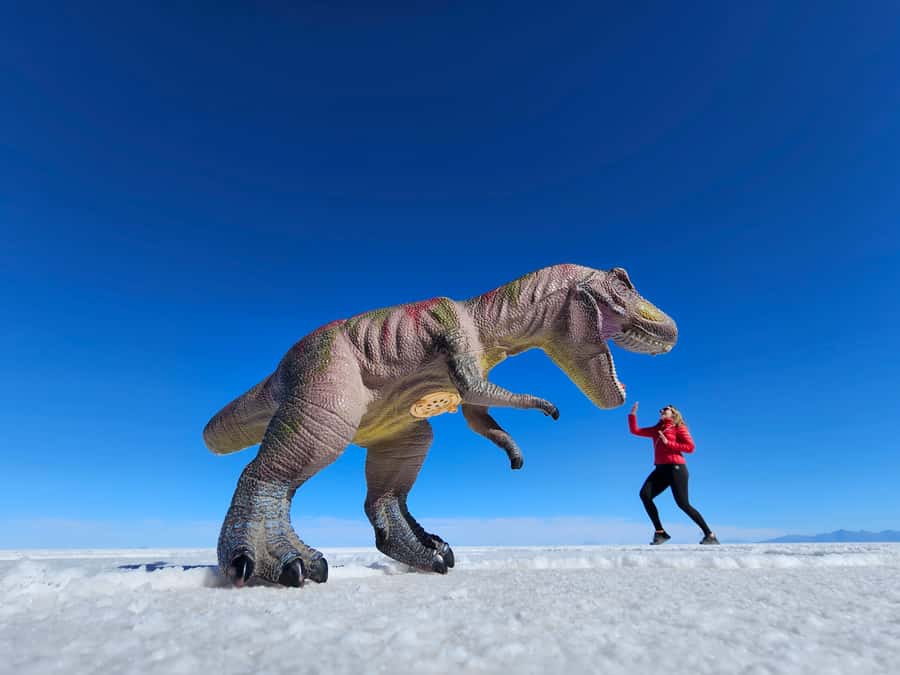
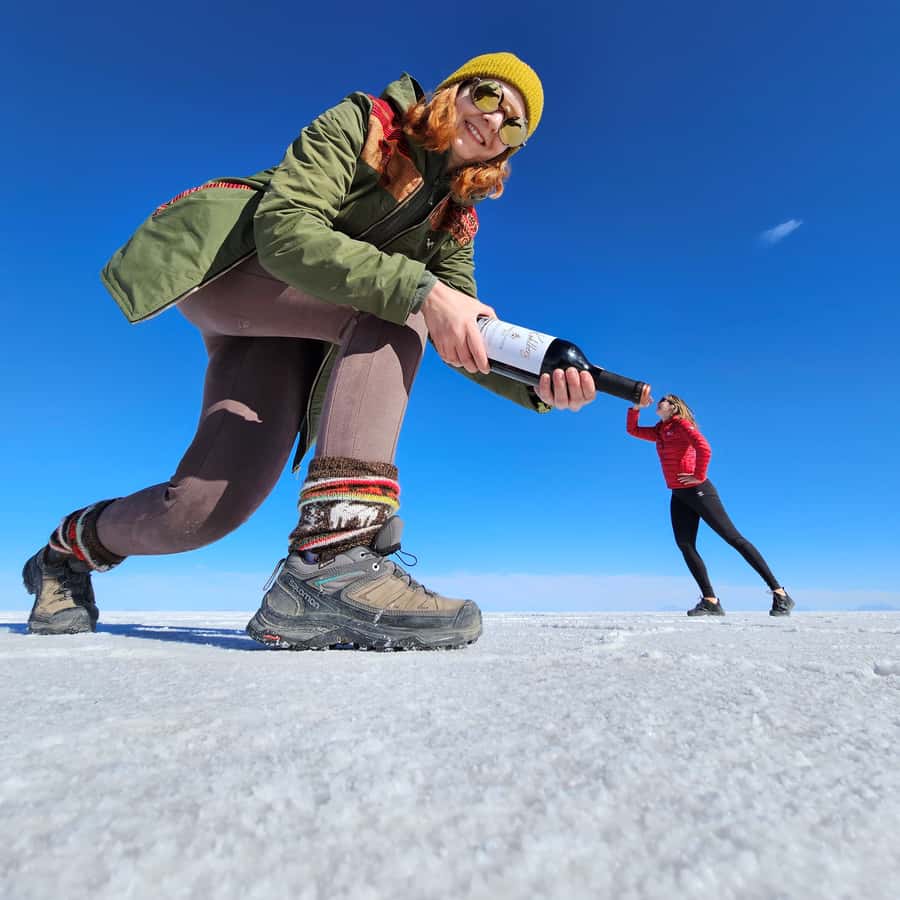
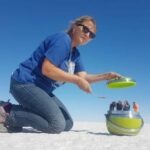
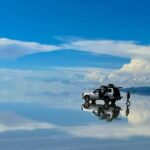
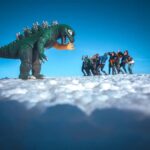
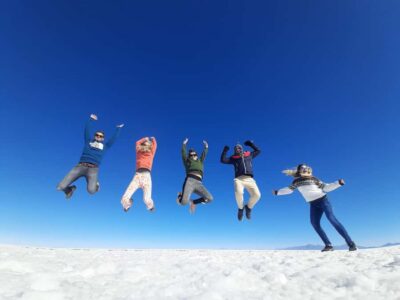
After Incahuasi, a short 15-minute drive returns you to the salt flats for the playful photo session. This is where a jeep, bottle, shoe, person, or other object can appear huge or tiny against the flat white surface, depending on how you arrange the camera.
The important word is arrange. These photographs work best when one person controls the camera while the others move into position. The guide allows time for your group to organize the scene, so you are not expected to rush through one quick snapshot.
I like this part because it breaks up the sightseeing with something silly. You are not just looking at the salt flats; you are using their lack of visual depth to create a small visual trick. The limitation is that the quality of the final photograph depends on cooperation, patience, and camera position. If your group wants only quiet scenery, this section may feel less appealing. If you enjoy taking pictures with friends or family, it is likely to be one of the most memorable parts.
Sunset wine in the middle of the Salar
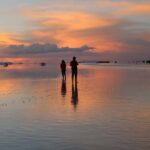
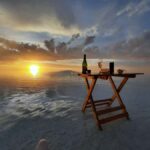
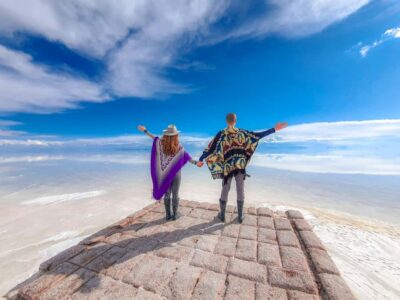
The last major stop takes you to a spacious area for sunset. Instead of ending near town, the jeep pauses on the salt flats while the colors spread across the white surface. You receive one glass of wine, included in the tour.
This is a good choice of ending. The morning has industrial ruins, workshops, monuments, cacti, and playful photographs. Sunset brings the pace down and gives you a final still moment before the return drive.
Do not assume the wine replaces dinner. Only one lunch is included, and snacks, drinks, and other food are not. Carry water throughout the day and bring a snack if you know you will want something after lunch.
The return drive lasts about one hour, with arrival in Uyuni listed at approximately 7:15 p.m. The final location is also given as Fer de Lipez, so I would confirm the exact drop-off point if you have an evening bus, flight, or hotel transfer to catch.
What the $139 price really covers
The $139 price makes the most sense when you value a full day of transport and coordination. The fee includes a 4WD vehicle, rooftop luggage rack, local driver, certified English-speaking guide, lunch, and one glass of wine at sunset.
You are paying for access to a spread-out area where the main sights are too far apart to connect easily on foot. The price also removes the need to arrange separate transport to the Train Graveyard, Colchani, Incahuasi, and the sunset site.
The extras are limited but should be part of your budget. Isla Incahuasi costs 30 BOB. Toilets along the way cost 20 BOB, drinks and snacks are extra, and rain boots can be hired for 50 BOB if needed. The tour does not state that rain boots are essential, so treat them as an optional purchase rather than a required cost.
For a one-day introduction, the combination of included lunch, guide, driver, and sunset makes the price fair. It is less attractive if you already have a vehicle and guide arranged or if you prefer a very slow day with long periods at each stop.
The guide and driver make a real difference
The most warmly praised part of this experience is the staff. Wilson is named alongside driver John for exceptional service, while Stefanie is praised with her driver for making the day run well. Other direct comments describe the team as friendly, helpful, and competent.
That matters on the salt flats. You need a driver who can handle a long day between scattered stops and a guide who can explain the sights, help with the group photographs, and keep the schedule moving. The guide speaks English and Spanish, with the English guide included in the price.
The guide is also useful at smaller sites such as the flags, salt-water eyes, and Dakar monument. These places are easy to photograph quickly, but explanation gives them a reason to be there.
What to bring for the white salt and cool evening
The packing list is simple, but each item has a job. Bring your passport or ID card, comfortable shoes, warm clothing, sunglasses, a sun hat, sunscreen, water, comfortable clothes, and a long-sleeved shirt.
The bright salt surface makes eye protection especially important. Warm clothing also matters because the tour runs into the evening, and the provided information specifically advises bringing it. You should not rely on the included lunch for all food and drink needs, since snacks and drinks are extra.
If you want to walk on Incahuasi, comfortable shoes are more useful than stylish ones. Rain boots are available for 50 BOB, but the tour does not say they are mandatory. Ask the guide about current conditions before renting them.
Who should book this day trip?
I would recommend this tour to a first-time visitor who wants the main Uyuni sights in one day. It suits people who enjoy photography, unusual historic sites, open scenery, short guided visits, and a clear beginning and end.
It also works well if you have limited time in Uyuni. The route covers the Train Graveyard, Colchani, the flags, salt-water eyes, the former salt hotel museum, the Dakar monument, Incahuasi Island, perspective photos, and sunset without requiring an overnight trip.
The tour is not suitable for children under six, pregnant women, people with back problems, people with heart problems, or wheelchair users. The long day, jeep travel, walking at Incahuasi, and uneven natural setting make those restrictions important rather than minor fine print.
I would also think twice if you dislike early pickups, long vehicle rides, group photography, or a packed schedule. You see many places, but you do not get unlimited time at each one.
Should you book the Uyuni Jeep Tour?
Book it if you want a well-rounded first day on the Salar de Uyuni, with the major sights, lunch, English guidance, and a sunset finish handled for you. The strongest reasons are the varied route, the helpful staff associated with names such as Wilson, John, and Stefanie, and the chance to combine Incahuasi’s cacti with the famous proportion photos.
Skip it if you need wheelchair access, have the listed health restrictions, or want a private and unhurried experience. Also confirm your pickup and drop-off details, carry cash for the 30 BOB island fee and 20 BOB toilet charge, and plan for extra drinks or snacks. For most first-time visitors with one free day, $139 is a practical price for this much ground covered by 4WD.
FAQ
How much does the Uyuni Salt Flats and Isla Incahuasi tour cost?
The tour costs $139 per person.
How long does the tour last?
It is a full-day tour. Hotel pickups take place between 9:45 and 10:00 a.m., departure is listed at about 10:40 a.m., and return to Uyuni is scheduled for approximately 7:15 p.m.
What is included in the tour?
The price includes transportation in a 4WD vehicle with a rooftop luggage rack, a local driver, an English-speaking guide, one lunch, and one glass of wine during sunset.
Is an English-speaking guide available?
Yes. A certified English-speaking guide is included. Spanish is also available.
How much is the entrance fee for Isla Incahuasi?
The entrance fee is 30 BOB and is not included in the tour price.
Do I need to pay for toilets or rain boots?
Toilets along the route cost 20 BOB. Rain boots are optional and cost 50 BOB. Drinks and snacks are also not included.
Where can I be picked up?
Pickup is available from 16 listed hotels and hostels in Uyuni. Airport pickup can be arranged for arriving passengers. If your hotel is not listed, you should meet at the operator’s office in Uyuni City at 10:00 a.m.
What should I bring?
Bring your passport or ID card, comfortable shoes, warm clothing, sunglasses, a sun hat, sunscreen, water, comfortable clothes, and a long-sleeved shirt.
Can I cancel or pay later?
You can cancel up to 24 hours in advance for a full refund. The reserve-now-and-pay-later option lets you hold a place without paying on the day of booking.
More Full-Day in Uyuni
More Tours in Uyuni
More Tour Reviews in Uyuni
Not for you? Here's more nearby things to do in Uyuni we have reviewed
Uyuni Salt Flats Tours, compared
 ★ 4.5From La Paz: Uyuni Salt Flat Tour & Overnight Roundtrip BusFrom $275327 reviews
 ★ 4.5Uyuni tour express from La Paz by busFrom $269172 reviews
 ★ 4.4From Uyuni: Red Lagoon & Uyuni Salt Flats 3-Day Guided TourFrom $354160 reviews
 ★ 4.3La Paz: 5-Day Uyuni Salt Flats by BusFrom $486153 reviews
Browse the lists this tour appears in