
Reviewed · LA PAZ
La Paz: Bolivian Cooking Class
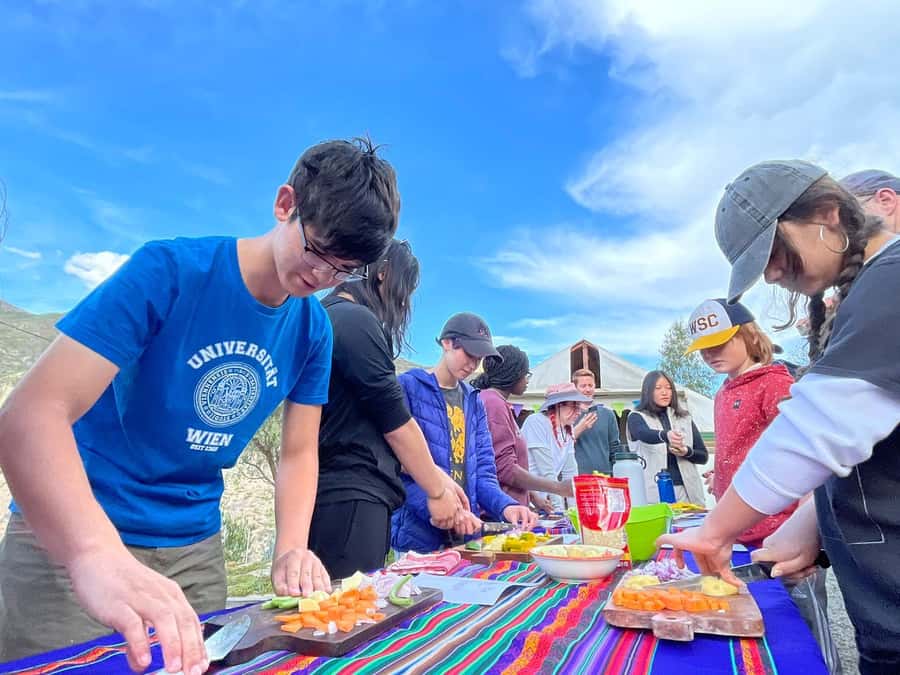
The appealing twist here is the setting: you cook a traditional Bolivian meal in an outdoor kitchen in Jupapina, then sit down to eat with views over La Paz. It is a short, hands-on way to get beyond restaurant menus and learn how a couple of familiar local dishes come together.
I like two things in particular: the class includes fresh ingredients and printed recipes, so you can follow along and keep a useful reminder of what you made; and the meal is part of the experience, served in the same picturesque setting. The main consideration is language: the chef speaks Spanish, though the recipes are available in English.
In This Review
- Key points to know
- A Bolivian meal, prepared from scratch
- Cooking outdoors in Jupapina
- What happens during the 90 minutes
- The Spanish-language class and English recipes
- Getting to Colibri Camping from La Paz
- Is $30 good value?
- Who will enjoy this class most
- Should you book the Bolivian cooking class?
- FAQ
- How long is the cooking class?
- What food will I prepare?
- Are vegetarian options available?
- What is included in the price?
- What language does the chef speak?
- Where is the meeting point?
- How do I find Colibri Camping from Calle 4?
- Which buses go to Jupapina?
- Is the activity wheelchair accessible?
- Can I cancel for a refund?
Key points to know
- You make two traditional dishes: a common Bolivian soup and a typical main course.
- The kitchen is outdoors: cooking and eating take place amid the views around Jupapina.
- Vegetarian options are available: mention your preference when arranging your place.
- The class lasts 90 minutes: a compact activity, though reaching the meeting point takes planning.
- The chef teaches in Spanish: printed recipes are available in English.
- The meeting point is Colibri Camping: find it on Calle 4 in Jupapina, near the road toward the river.
A Bolivian meal, prepared from scratch
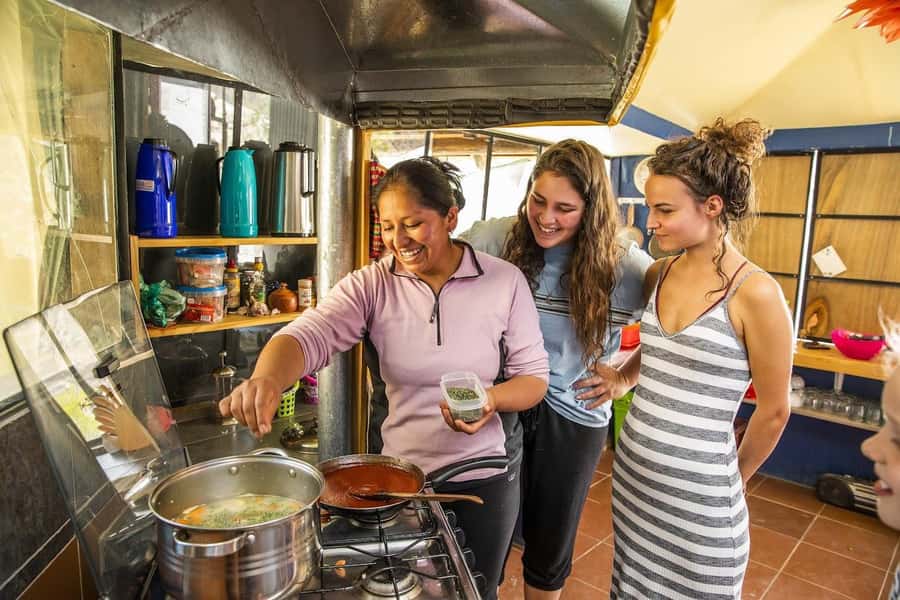
This class gives you more than a plate of food. You take part in making a soup and a main course, two central parts of a traditional meal, with a local chef guiding the cooking. The ingredients and recipes are provided, so you can focus on the preparation rather than shopping or working out what to bring.
The exact dishes and ingredients are not specified in advance. That means you should not book expecting a particular soup or named specialty. Instead, think of the class as a chance to learn the shape of a Bolivian meal and work with fresh local ingredients under the chef’s direction.
For me, that is a practical kind of cultural experience. You leave with a meal in your memory, but also with printed recipes that can help you revisit the dishes later. They are written in English, which is useful if you want to follow the steps again after returning home.
The class is only 90 minutes, so expect a focused session rather than a long cooking course. You will prepare the dishes, then eat what you have made. If you want a full day of culinary instruction or a detailed tour of Bolivian food traditions, this may be too brief. If you want a concise, participatory introduction, the length makes it easy to fit into a broader stay.
You can also read our reviews of more tours and experiences in La Paz.
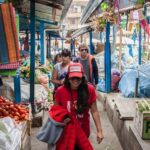
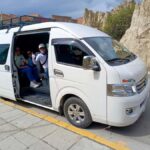
Cooking outdoors in Jupapina
The setting is a big part of the appeal. The kitchen is outdoors, and the meal is served with views of La Paz. That changes the feel of the experience: instead of spending the class in a closed room, you cook and eat in an open-air setting outside the city center.
The meeting point is Colibri Camping, on Calle 4 in the village of Jupapina. The directions refer to a mural with an orange flower; from there, turn left and follow the road toward the river, watching for signs. That visual clue is more useful than relying on a street address alone, so keep it in mind as you approach.
The exact view can depend on conditions on the day, and no specific viewpoint or city panorama is promised beyond the stated views of La Paz. Still, the outdoor location is a clear difference from a standard restaurant class. You get the setting as part of the meal, not as a separate excursion.
The site is marked wheelchair accessible. Because the directions include a road leading toward the river, it is sensible to check directly with the provider about the route from the drop-off point and any access details you need. The available information does not describe surfaces or distances at the site.
What happens during the 90 minutes
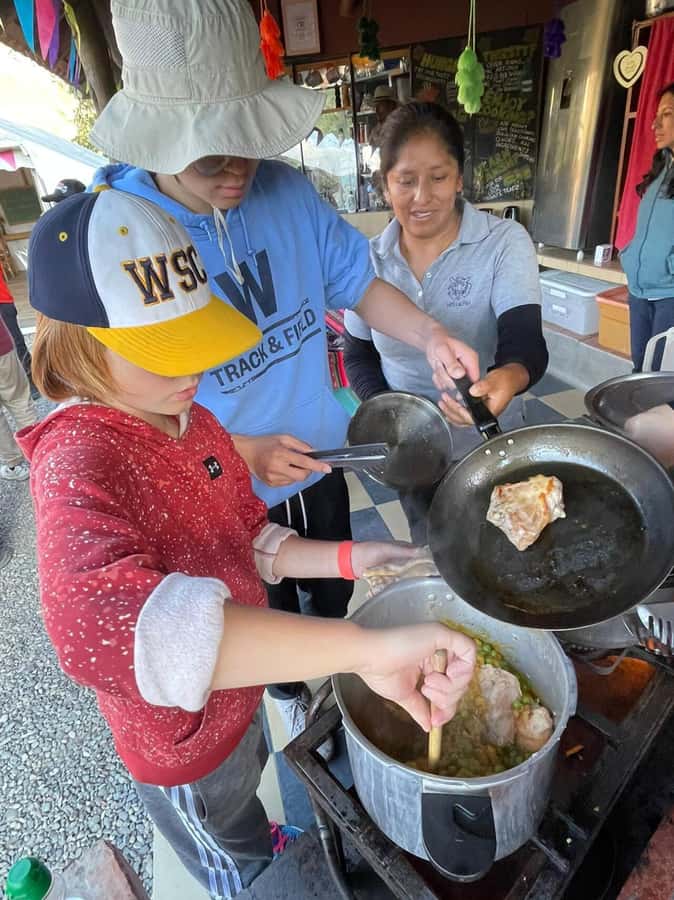
The experience begins with the chef and the ingredients. You work together to prepare a traditional soup and a typical main course, following the chef’s guidance and the recipes provided. The class is designed around doing the cooking, not just watching a demonstration.
You then eat the food you have prepared. That shared meal is a useful finish: you can taste the dishes while the process is still fresh in your mind, and the view gives you time to enjoy the location before the short visit ends.
Because the session is 90 minutes, there is not much room for a lengthy introduction or a sprawling menu. The advantage is that the activity is straightforward and time-efficient. The trade-off is that the experience is likely to focus on the two dishes rather than a wide range of regional recipes.
Vegetarian options are available. If you follow a vegetarian diet, make that clear when booking or before the class so the provider can plan accordingly. No specific vegetarian dishes are listed, so it is best not to assume which recipes will be offered.
The Spanish-language class and English recipes
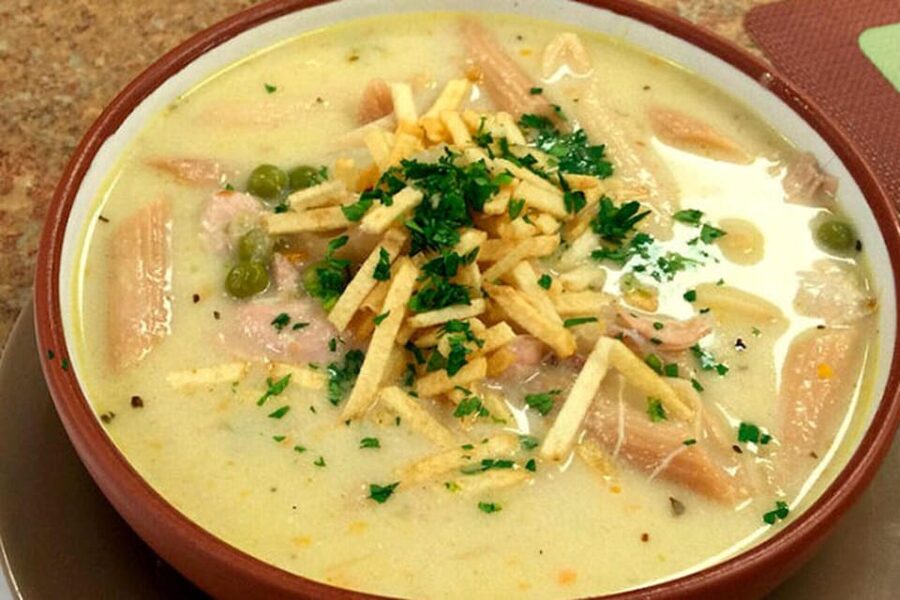
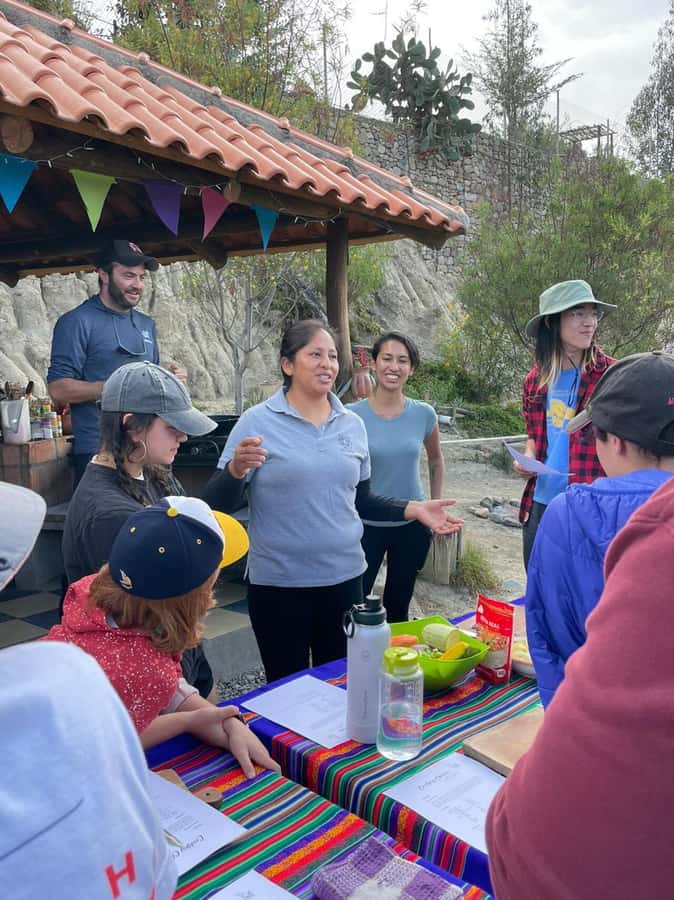
The chef speaks Spanish. For English-speaking participants, printed recipes are provided in English, and the class is intended to work even when there is a language difference. Cooking gives you a shared task to follow, which can make a language gap less of a barrier than it would be in a talk-heavy tour.
Still, recipes are not the same as live translation. If you need detailed verbal explanations or have questions about technique, you may find the Spanish instruction limiting. I would treat this as a hands-on class where demonstration and participation matter, rather than expect an English-language lecture.
The written recipes are a useful extra, especially for anyone who likes to cook at home. They give you a record of the dishes and their instructions, though the information does not specify whether measurements are adapted for kitchens outside Bolivia. You can always ask the chef about steps or ingredients while you are there.
Getting to Colibri Camping from La Paz
Jupapina is outside the central part of La Paz, so getting to Calle 4 is part of the planning. A taxi can take you to Calle 4 in the village. From there, turn left at the orange-flower mural and follow the road toward the river, following the signs to Colibri Camping.
There are also public transport routes. Bus 253 leaves from Plaza Belzu, passes through Mallasa, and continues to Jupapina. The stop is at the start of the route down to Jupapina, near a line of buses beneath a large sign reading VETERINARIA CAMPEON.
Another option is bus 231 from Avenida Buenos Aires. Ask the driver to stop at Calle 4 in Jupapina. If you are starting along El Prado, take a bus heading to Calacoto and get off at Calacoto Calle 8 or Plaza Humboldt. From there, buses to Jupapina pass by, and local Mallasa and Servivalle taxis from the plaza can take you to the door.
These directions offer several choices, but they do not include journey times or fares. Check locally before you set out, and allow enough time to find the meeting point. The class itself is short, so arriving flustered after a complicated trip would be an avoidable start.

Is $30 good value?
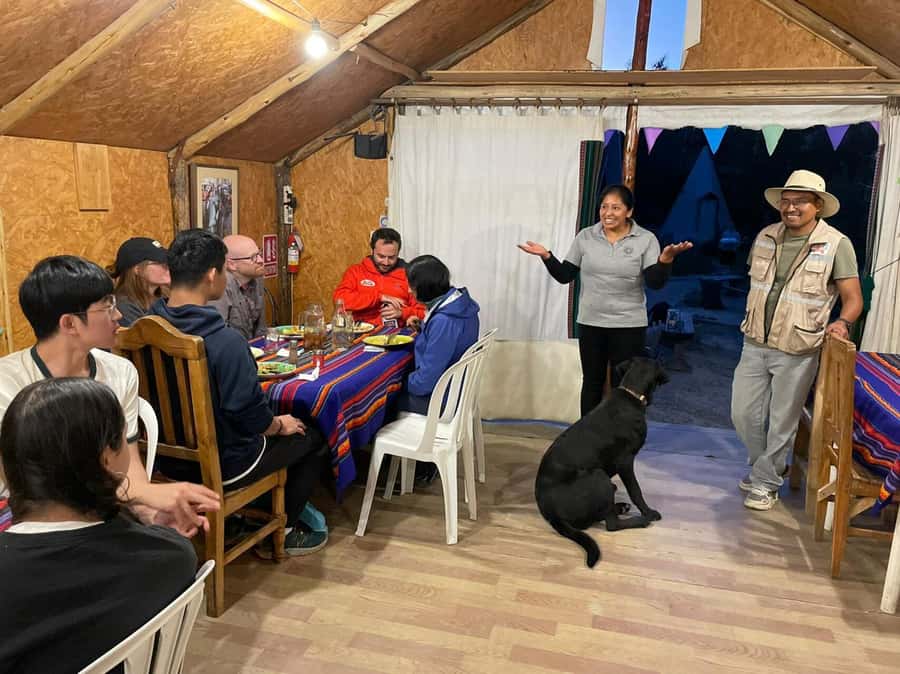
At $30 per person, the price covers an experienced local chef, cooking ingredients, and printed recipes. You also prepare two dishes and eat the meal you have made, with the outdoor setting and views adding something beyond the kitchen lesson itself.
The value depends on what you want from a cooking class. If you are mainly looking for a low-cost meal, you may find a restaurant is simpler. Here, part of what you pay for is participation: learning how to prepare the food, having the ingredients ready, and leaving with recipes to use again.
The 90-minute duration keeps the commitment modest, but the trip to Jupapina takes extra effort compared with an activity in central La Paz. Factor in the journey when weighing the price. If you enjoy cooking and want an activity that combines food with a change of setting, $30 buys more than lunch.
Who will enjoy this class most
This is a good fit if you like practical activities and want an introduction to Bolivian cooking without giving up half a day. The format suits curious cooks, couples, friends, and solo participants who are comfortable joining a small-group-style activity, though the group size is not specified.
It is also a sensible choice for vegetarians, since vegetarian options are available. If you have other dietary needs or allergies, the information does not say what can be accommodated, so ask the provider before booking rather than assume.
The language setup matters. English-language recipes help, but the chef’s instruction is in Spanish. You may still enjoy the shared work and food, but if English explanations are essential for you, check with Up Close Bolivia first.
Should you book the Bolivian cooking class?
Book it if you want to cook, not simply watch, and you are interested in making a traditional soup and main course with fresh local ingredients. The outdoor kitchen, meal with views of La Paz, and take-home recipes give this short class a clear purpose.
Think twice if reaching Jupapina feels like too much effort for a 90-minute activity, or if you need full English-language instruction. For a hands-on taste of Bolivian food in a setting beyond the city center, it is a useful and distinctive way to spend part of your day.
FAQ
How long is the cooking class?
The class lasts 90 minutes.
What food will I prepare?
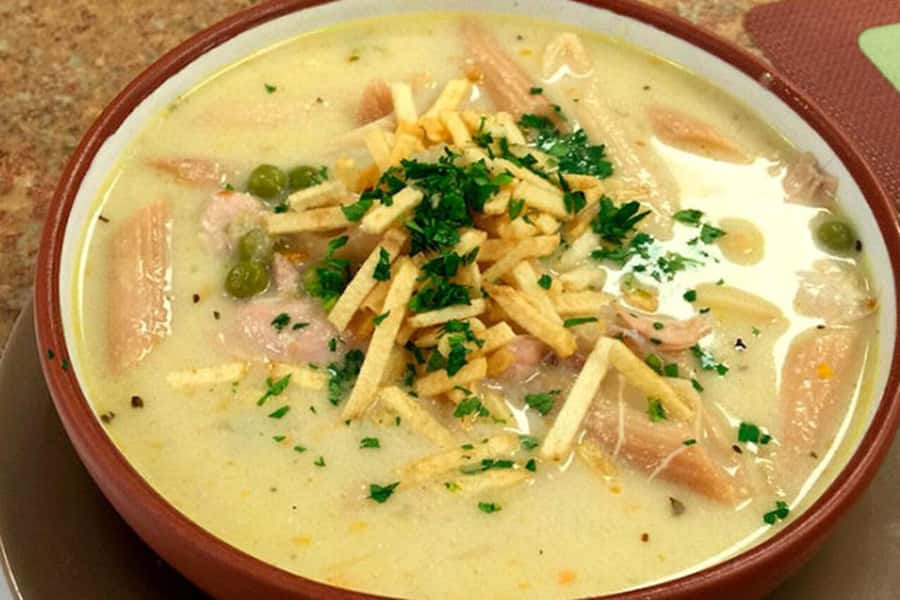
You will prepare one of the country’s common traditional soups and a typical main course. Specific dish names are not provided.
Are vegetarian options available?
Yes. Vegetarian options are available.
What is included in the price?
The experience includes an experienced local chef, cooking ingredients, and printed recipes.
What language does the chef speak?
The chef speaks Spanish. Printed recipes are available in English.
Where is the meeting point?
The meeting point is Colibri Camping, Calle 4, in the village of Jupapina.
How do I find Colibri Camping from Calle 4?
Turn left at the mural with the orange flower and follow the road toward the river, following the signs.
Which buses go to Jupapina?
Bus 253 from Plaza Belzu and bus 231 from Avenida Buenos Aires go to Jupapina. You can also travel toward Calacoto from El Prado, then connect with buses or local taxis at Calacoto Calle 8 or Plaza Humboldt.
Is the activity wheelchair accessible?
Yes. The activity is listed as wheelchair accessible.
Can I cancel for a refund?
Yes. You can cancel up to 24 hours in advance for a full refund.
More Tour Reviews in La Paz
Not for you? Here's more nearby things to do in La Paz we have reviewed



La Paz, compared
 ★ 4.8La Paz and El Alto: Cable Car Rides and Walking TourFrom $10790 reviews
 ★ 4.8La Paz Half-Day Walking TourFrom $3591 reviews
 ★ 4.9La Paz: Private City Tour with Cable Car & Moon Valley VisitFrom $43508 reviews
 ★ 4.5La Paz: Full Day Trip to Copacabana and Isla del SolFrom $59400 reviews
Browse the lists this tour appears in