
Reviewed · CABLE CAR TOURS
La Paz and El Alto: Cable Car Rides and Walking Tour
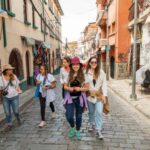
See La Paz from the sky. This 150-minute tour pairs the city’s remarkable cable-car system with walks through the Witches’ Market, San Pedro Square, Jaén Street, and Plaza Murillo. I especially like the sweeping views from above and the way guides connect ordinary streets with Bolivia’s history and daily life. The main consideration is the altitude, plus a few steep hills and cable-car sections that may unsettle people afraid of heights.
At $10 per person, the tour is easy to recommend if you want a quick orientation to La Paz and El Alto. I also like that the price includes the cable-car tickets, while guides such as Carolina, Luis, Fernando, Nickey, Marcia, and Fabian have been praised for clear English, patience, local tips, and strong knowledge of the city.
In This Review
- Five things to know before you go
- Why the cable cars change the way you see La Paz
- Meeting at San Francisco Church and entering the Witches’ Market
- San Pedro Square and the prison story
- Taking the first cable car toward El Alto
- El Alto’s Witches’ Market and a different city view
- Returning through Jaén Street and Plaza Murillo
- What guides add to the afternoon
- Is $10 good value for two and a half hours?
- What to bring and how hard the walk feels
- Who should book this La Paz tour?
- Should you book it?
- FAQ
- How long does the tour last?
- How much does the tour cost?
- Where do I meet the guide?
- Is hotel pickup included?
- Which languages are available?
- What should I bring?
Five things to know before you go
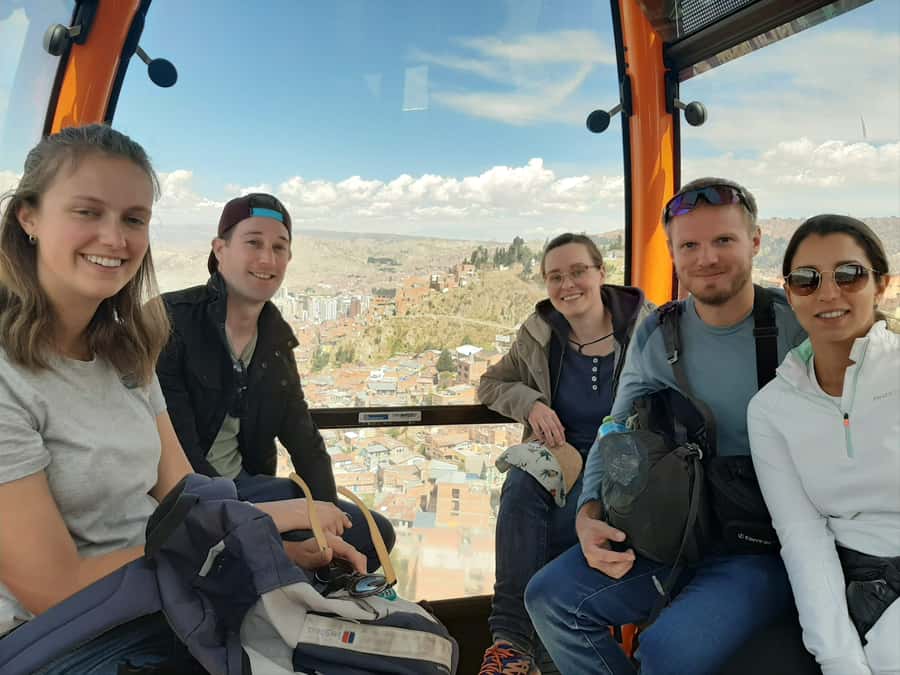
- The cable cars are the star: You may ride several lines, with some tours covering four, and see La Paz from well above its traffic.
- El Alto adds a different side of Bolivia: The tour crosses into the neighboring city and visits its Witches’ Market, where you may see a ritual taking place.
- The route mixes famous sights with city orientation: You visit San Francisco Church, San Pedro Square, Jaén Street, Plaza Murillo, markets, and shops.
- Your guide makes the difference: Guides explain culture, politics, safety, food, and history in English or Spanish.
- The tour is a good first-day choice: You get a useful sense of the city’s layout, though altitude and walking ability matter.
- Pack light: Large bags are not allowed, and the tour runs rain or shine.
Why the cable cars change the way you see La Paz
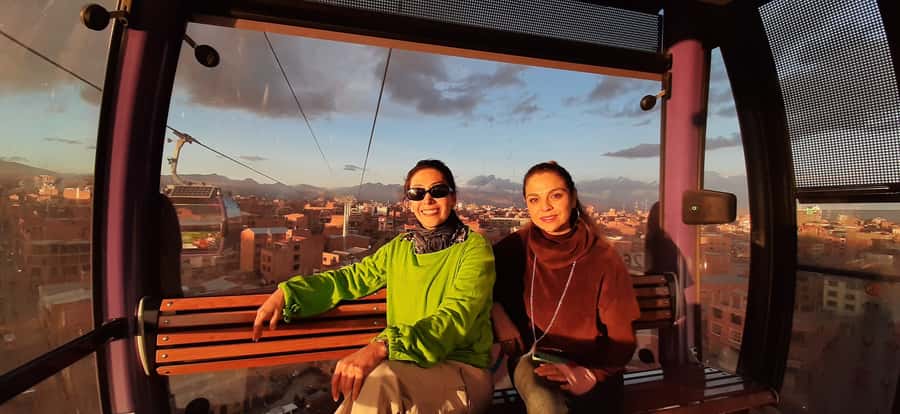
La Paz is best understood from two levels: on foot in the old streets and from a cable-car cabin floating above the city. This tour gives you both views in a short space of time.
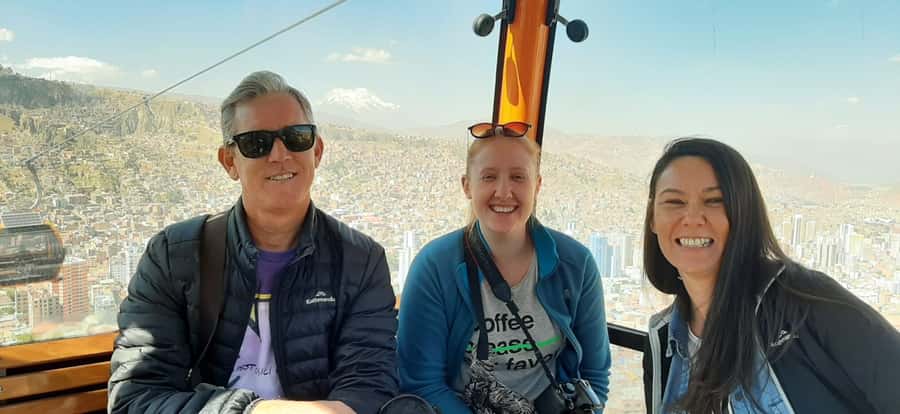
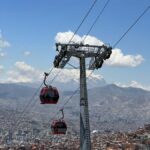
From the ground, you see narrow streets, market stalls, churches, government buildings, and the daily rush of the city. From the cable car, you can take in the larger picture — the steep spread of La Paz, the neighboring city of El Alto, and the roads and neighborhoods that are hard to understand from street level.
I like this mix because the cable car is not treated as a quick amusement ride. It is part of local transport, so you get a practical look at how people move around a city where traffic can be difficult. Several people have found the cable-car rides the best part of the afternoon, especially because the cabins offer a broad view without the noise and congestion below.
The route can include four different cable-car lines, though the exact sequence may depend on the day and operating conditions. You should expect transfers and time spent at stations, not one long ride from start to finish.
You can also read our reviews of more walking tours in La Paz

Meeting at San Francisco Church and entering the Witches’ Market
The tour begins at the main door of San Francisco Church. Look for the guide wearing a beige vest with orange pockets and the Hanaqpacha Travel logo on the back. This clear meeting-point detail matters in central La Paz, where streets and plazas can feel crowded and confusing at first.
From the church, you walk toward the Witches’ Market. The name sounds theatrical, but the market is tied to local beliefs, traditional practices, and items used in rituals. Your guide helps explain what you are seeing rather than leaving you to guess from a row of unusual stalls.
This is one of the places where a guide earns the modest tour price. You can walk through a market alone, but you may not understand the meaning behind the objects or know which details are worth noticing. Guides have explained the witchcraft process in a clear and respectful way, giving the stop more context than a quick souvenir hunt.
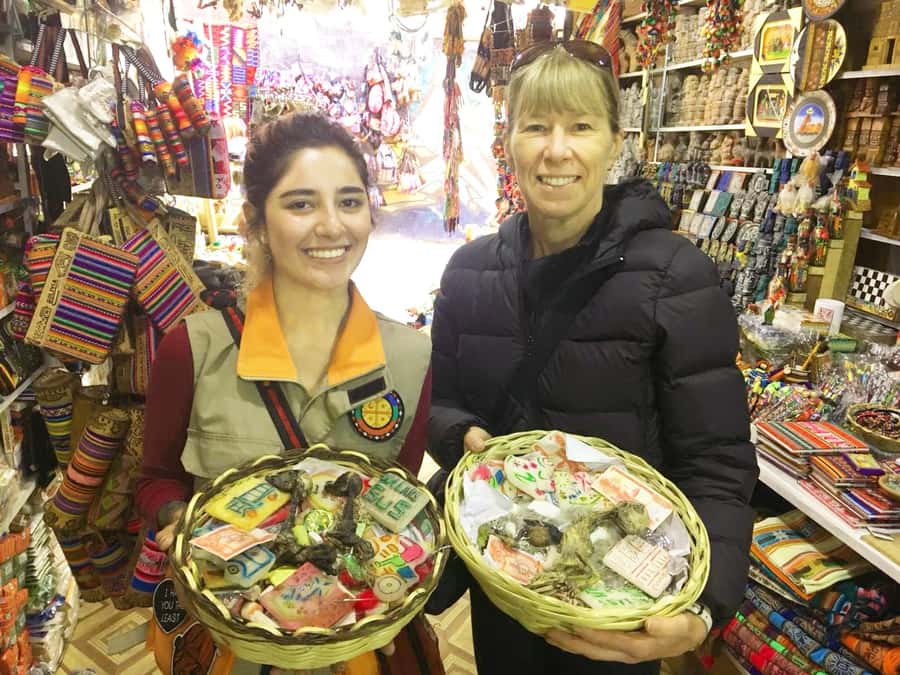
You will also have some room to look around and buy souvenirs. One guide, Urvashi’s guide, even helped with photographs and purchases, which can be useful when you are trying to manage a camera, money, and unfamiliar market customs at once.
The market is not a quiet museum. It is a working commercial area, and the experience can feel more interesting for some people than others. If you want a long shopping session, this tour will move too quickly. If you want an introduction before exploring on your own, the timing is useful.
San Pedro Square and the prison story
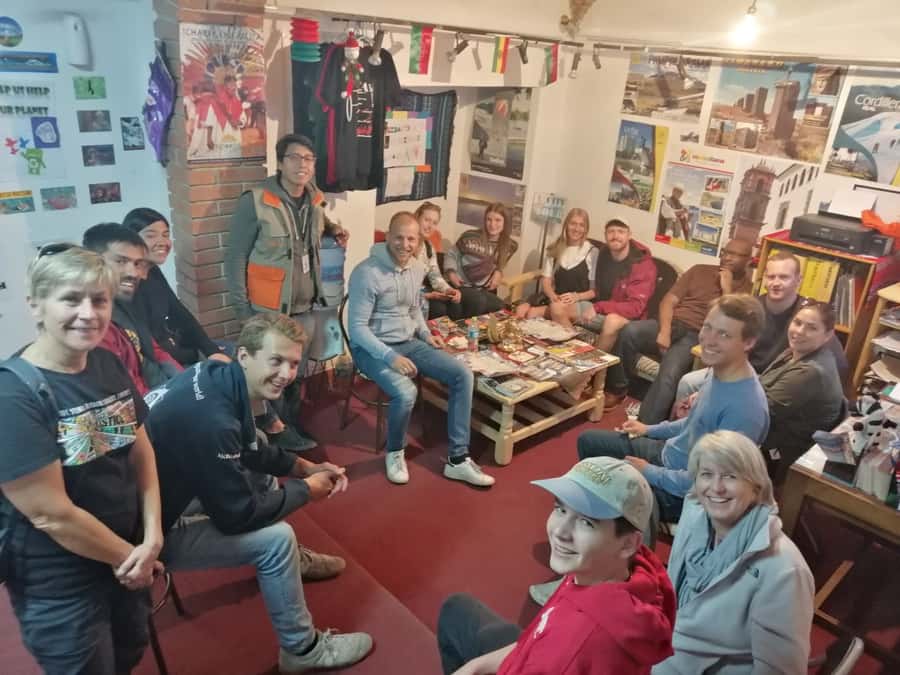
The next stop is San Pedro Square, where the guide discusses the infamous history connected with San Pedro Prison. The value here is less about a grand sight and more about the story attached to an ordinary-looking part of the city.
I like this kind of stop because it breaks up the usual church-and-plaza sightseeing. You are not simply collecting photographs. You are hearing about a place that has shaped La Paz’s reputation and learning how local history can sit right beside normal city life.
The information provided does not promise an interior visit to the prison, so you should expect an explanation from outside rather than entry. That makes this a short stop, but it adds a darker and more unusual note to the route.
Your guide may also answer questions about Bolivia’s political and social life. Guides such as Luis and Valeria have been praised for bringing those subjects into the tour without losing the relaxed pace. That is helpful if you want more than dates and building names.
Taking the first cable car toward El Alto
After the central walking stops, you head to a cable-car station. This is the moment when the tour changes pace. You leave street level, rise above the city, and begin to see how La Paz fits together.
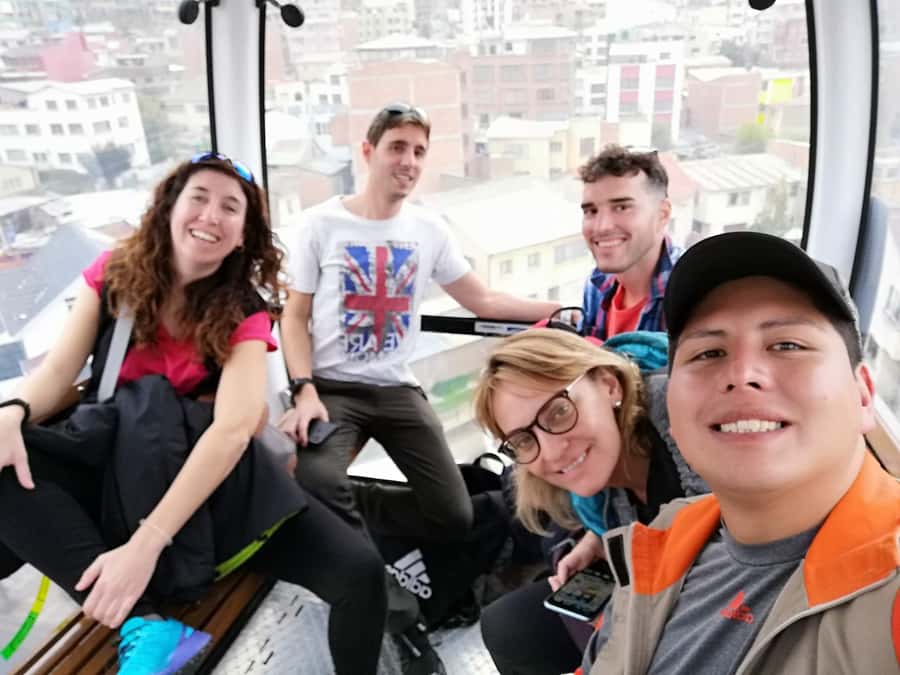
The sensation is genuinely different from riding a bus or taxi. The cabin moves quietly, and the view opens as you climb. You can look across rooftops, roads, hills, and neighborhoods while your guide points out what you are passing.
Bring your camera, but do not spend the whole ride looking through it. The best part is taking a few minutes to watch the city directly. On a clear day, the high viewpoint gives you the kind of broad orientation that is hard to gain while walking through winding streets.
You will need to stand or move around the station during transfers, and you may share the cabin with other passengers. People with claustrophobia or a strong fear of heights should think twice before booking. The cabins are enclosed, and the views come with a real sense of height.
El Alto’s Witches’ Market and a different city view
The cable car takes you to El Alto, La Paz’s neighboring city. This is an important part of the tour because it shows you a place that many short city visits would miss.
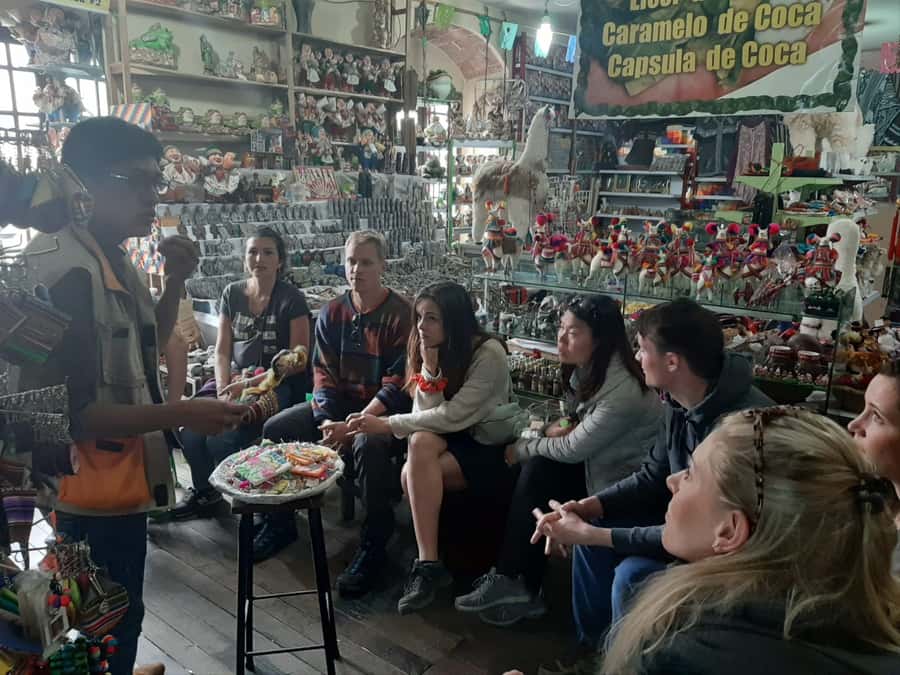
The El Alto Witches’ Market is described as different from the market in central La Paz. Depending on the timing, you may see a witch doctor performing a ritual. That possibility makes the stop feel less like a display arranged for tourists and more like a glimpse of a living practice.
Your guide’s role is especially important here. Rituals and religious customs can be easy to misunderstand, so listen carefully and ask questions with respect. The tour gives you a brief introduction, not a full study of local belief, but it can help you see how traditional practices remain part of everyday culture.
El Alto also gives the cable-car ride a useful purpose. You are not only looking down on La Paz; you are seeing the connection between two cities that occupy different parts of the same urban area. The route helps you understand that the view from above is also a view of movement, work, and housing.
Do not expect a long free period in El Alto. The tour continues to another cable-car station for the return to La Paz. If you want to spend extra time shopping or exploring El Alto, plan a separate visit.



Returning through Jaén Street and Plaza Murillo
The return route brings you back toward La Paz and continues on foot. Jaén Street is one of the prettiest parts of the walk, with colonial architecture and a more contained feel than the busy market streets.
This section gives the tour a welcome change of mood. After cable cars and market activity, you get time to walk at street level and look closely at façades, doorways, and the shape of the old city. Guides can also point out places to visit later, including museums and places to eat.
The walk continues to Plaza Murillo, the main square and Kilometer 0 of La Paz. Here you can see the cathedral and government buildings, then watch the city carry on around the square.
Plaza Murillo works well near the end of the tour because it ties together the city’s history and present-day importance. You are seeing a formal civic center after visiting markets and working neighborhoods. That contrast is one of the strongest features of the route.
The final section passes through open-air markets and shops before returning to San Francisco Church. You finish where you began, which makes it simple to continue exploring or find your way back to your hotel.
What guides add to the afternoon
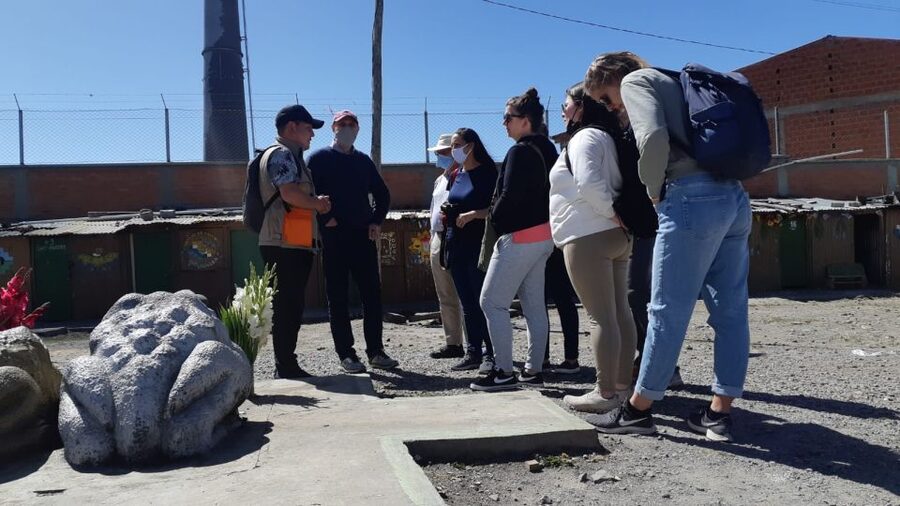
The strongest part of this tour is the human explanation. Guides have been praised for fluent English, patience, humor, and the ability to answer questions as the group moves between stops.
Carolina has been singled out for clear explanations and a warm manner. Luis has helped people understand city history, Bolivian culture, political issues, food, and safety. Fernando has been praised for fluent English and a lively way of presenting the city, while Nickey has continued answering questions after the tour ended.
You should not expect the same guide every day, so those names are examples rather than a promise. The consistent pattern is a guide who can explain more than the basic route and help you make sense of La Paz beyond the main sights.
A few guides have also offered practical advice about where to eat, which areas to avoid, and which parts of the city are worth visiting later. That kind of advice is valuable early in a Bolivia trip, when you are still learning how La Paz works.
Families can manage the pace, too. One family with children aged 10, 13, and 15 found the destinations interesting and the walking manageable, although you should still be ready for hills and altitude.
Is $10 good value for two and a half hours?
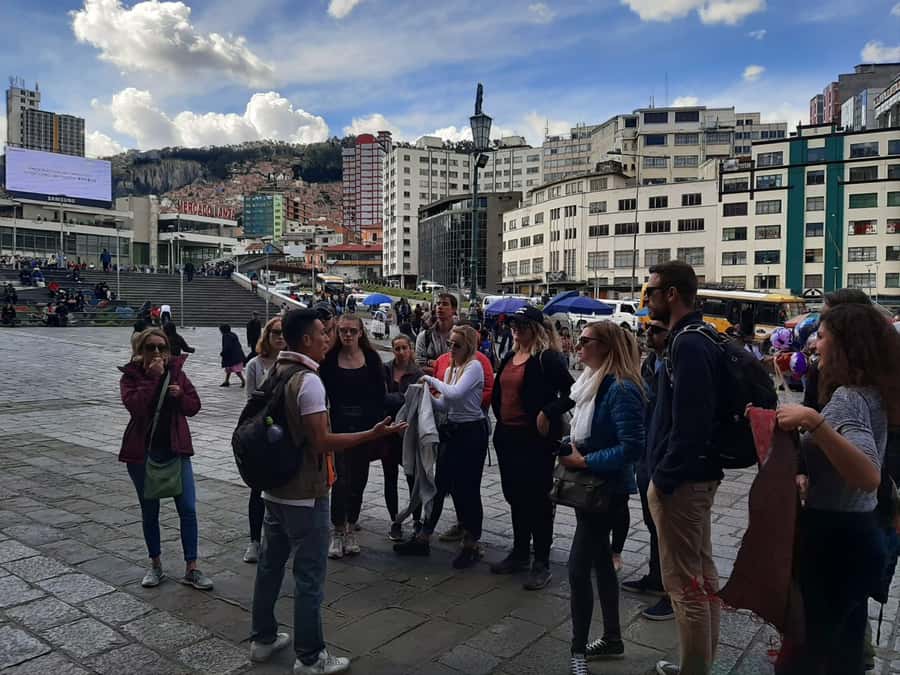
Yes, if you want an introduction rather than a slow, specialist tour. The $10 price includes both the guide and the cable-car tickets, so you are paying for transport, interpretation, and a planned route through several parts of the city.
The value is strongest for first-time visitors. You get the major central sights, two different markets, a trip to El Alto, and several elevated views without having to work out the cable-car system alone.
The tour is less useful if you already know La Paz well or want extended time at each market. At 150 minutes, the schedule has to keep moving. Some people have found a few of the non-cable-car sections less interesting than the Witches’ Market and the rides themselves.
You can reserve now and pay later, and cancellation is available up to 24 hours before the start for a full refund. Hotel pickup and drop-off are not included, so you must reach San Francisco Church yourself.
What to bring and how hard the walk feels
Wear comfortable shoes. The route includes walking through streets, markets, squares, and stations, with a couple of steep hills breaking up the otherwise manageable pace.
Pack sunglasses and a sun hat, along with comfortable clothes. The tour runs rain or shine, so a wet-weather layer is sensible even though no special equipment is supplied.
Large bags and luggage are not allowed. Food and drinks are also not allowed in the vehicle, so keep your belongings small and follow the guide’s instructions during the cable-car rides.
Altitude is the biggest physical issue. People with altitude sickness should not book this tour, and anyone who has just arrived in La Paz should judge their energy carefully. The walk is not described as strenuous, but high altitude can make ordinary hills feel tougher than expected.
Who should book this La Paz tour?
I would choose this tour if I had limited time in La Paz and wanted to understand the city quickly. It gives you a strong first look at local markets, central history, El Alto, and the cable-car network.
It suits solo visitors, couples, and families with older children who can manage walking and heights. It is also a good choice for anyone who wants help with the city’s layout, food suggestions, and basic safety advice.
I would skip it if you are uncomfortable in enclosed cabins, afraid of heights, dealing with altitude sickness, or carrying heavy luggage. I would also choose a slower walking tour if your main goal is detailed time inside museums or long market shopping.
Should you book it?
Book it for the cable cars, the trip to El Alto, and the guide’s local explanation. At $10, it is a strong-value orientation that covers more ground than a standard central walking route.
Just keep your expectations in the right place. This is a fast introduction, not a deep look at every neighborhood. Wear good shoes, bring sun protection, arrive at San Francisco Church with a small bag, and be ready for hills, stations, markets, and a few hours of sharp city views.
FAQ
How long does the tour last?
The tour lasts 150 minutes, or two and a half hours. Starting times vary, so you need to check availability when booking.
How much does the tour cost?
The price is $10 per person. The tour guide and cable-car tickets are included.
Where do I meet the guide?
Meet by the main door of San Francisco Church. The guide wears a beige vest with orange pockets and the Hanaqpacha Travel logo on the back.
Is hotel pickup included?
No. Hotel pickup and drop-off are not included, so you need to make your own way to San Francisco Church.
Which languages are available?
The tour is offered with a live guide in English or Spanish.
What should I bring?
Bring comfortable shoes, sunglasses, a sun hat, and comfortable clothes. Large bags and luggage are not allowed, and food and drinks are not allowed in the vehicle.
More Walking Tours in La Paz
More Tours in La Paz

More Tour Reviews in La Paz
Not for you? Here's more nearby things to do in La Paz we have reviewed




Cable Car Tours, compared
 ★ 4.9La Paz: Private City Tour with Cable Car & Moon Valley VisitFrom $43508 reviews
 ★ 4.7La Paz: Cable Car, Cemetery, Shaman, and El Alto TourFrom $20218 reviews
 ★ 4.2La Paz: Cable Car Ride Tour with Food TastingFrom $885 reviews
La Paz: City Tour Classic + Telefericos + Moon Valley Half DayFrom $653 reviews
★ 4.2La Paz: Cable Car Ride Tour with Food TastingFrom $885 reviews
La Paz: City Tour Classic + Telefericos + Moon Valley Half DayFrom $653 reviews
Browse the lists this tour appears in