

Reviewed · WALKING TOURS
La Paz Half-Day Walking Tour
La Paz reveals itself through sharp, local stories. I like that this 150-minute walk explains everyday clues—the women’s hats, masked shoe shiners, and street zebras—instead of simply pointing at buildings. I also love the pairing of Plaza Murillo and the Witches’ Market; my main caution is that the route can still feel demanding at altitude, even when the pace is gentle.
The guiding is the real strength. Denise, Max, Daniel, Rem and Remberto, Matt, Juan, Amara, and Maru are among the guides who have led this walk, and the best comments focus on their humor, clear English, local knowledge, and personal pride in La Paz. At $3 per person, it is an unusually inexpensive introduction, though I would carry cash for a tip if your guide gives you the same lively service.
In This Review
- Key Details Before You Go
- Starting at Plaza San Pedro With a Local Guide
- Why La Paz’s Everyday Details Matter
- The Witches’ Market: Potions, Talismans, and Andean Beliefs
- Plaza Murillo and La Paz’s Civic Center
- Two to Two and a Half Hours on Foot
- What the Guides Do Best
- Is $3 Good Value?
- Who Should Book This Walking Tour?
- Practical Tips for a Better Walk
- Should You Book the La Paz Half-Day Walking Tour?
- FAQ
- How long does the La Paz walking tour last?
- How much does the tour cost?
- What language is the tour offered in?
- Where is the meeting point?
- How will I identify the guide?
- What is included in the price?
- Are meals and drinks included?
- Can I cancel the booking?
- Can I reserve now and pay later?
- What should I bring, and is the tour suitable for everyone?
Key Details Before You Go
- A $3 introduction to La Paz: The price covers a local, English-speaking guide and makes this an easy first activity in the city.
- Plaza Murillo’s major monuments: You see the Presidential Palace, National Congress of Bolivia, Cathedral of La Paz, and other historic buildings.
- The Witches’ Market with context: The guide explains the Andean beliefs behind the lotions, potions, and talismans.
- Local customs made understandable: Learn why some women wear distinctive hats, why zebras appear on city streets, and why shoe shiners cover their faces.
- A route shaped for high altitude: The walk is described as slow and as flat as possible, but comfortable shoes and sensible pacing still matter.
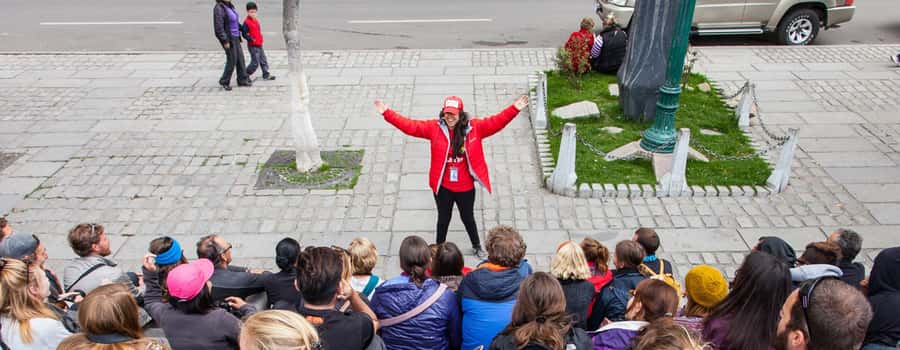
- An easy meeting point: Meet near the statue in the center of Plaza San Pedro, also called Plaza Sucre, and look for a red cap and I heart La Paz t-shirt.
Starting at Plaza San Pedro With a Local Guide
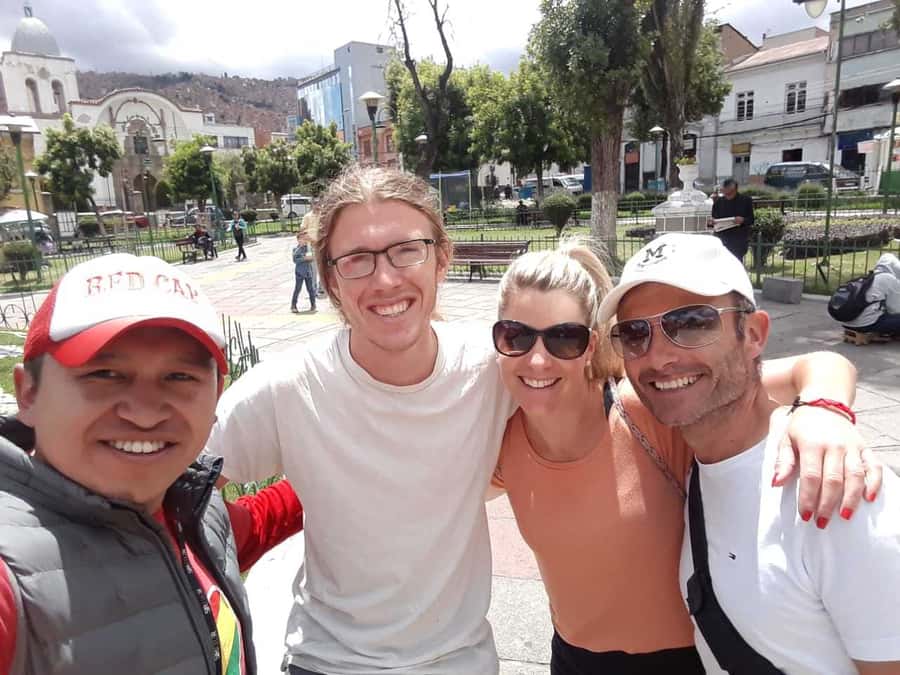
The walk begins in the center of Plaza San Pedro, also known as Plaza Sucre, near the statue on Cañada Strongest. This is a useful meeting point because you are not being asked to find a hotel lobby or a hard-to-spot side street. Look for the guide in a red cap and I heart La Paz t-shirt.
Your guide sets the tone from the start. This is not designed as a silent march from one landmark to another. The aim is to help you read La Paz: its customs, politics, street life, and religious beliefs.
That approach matters here. La Paz can feel confusing at first, with steep streets, crowded commercial areas, formal civic buildings, and strong Indigenous traditions all close together. A local guide gives you a basic map for understanding what you see.
The tour is offered in English, and the strongest guides make complex subjects easy to follow. Denise is often praised for her energy and humor, while Max is noted for his passion for the city. Daniel, Remberto, Matt, Juan, Amara, and Maru have also led highly praised departures.
Guide assignment can change, so you should not book on the assumption that one particular person will lead your walk. The useful point is that the tour has several guides who bring their own stories and style rather than delivering a dry script.
You can also read our reviews of more walking tours in La Paz

Why La Paz’s Everyday Details Matter
Some of the most memorable parts of the walk are not grand monuments. They are the small details you might otherwise pass without understanding.
Your guide explains why some Bolivian women wear such striking hats. The hat is not just a photo opportunity or a costume detail; it is part of the visual identity you will notice around La Paz. Learning the background gives you a better way to observe the city without reducing local dress to decoration.
The street zebras are another surprise. You learn why people in zebra costumes appear in traffic and public spaces, turning an odd sight into a piece of La Paz’s civic life. That kind of explanation is useful because it answers the question you would otherwise keep asking yourself all day.
The tour also discusses shoe shiners who wear masks. You will hear why they cover their faces, a detail that raises social and cultural questions the moment you see it. This is exactly the sort of subject that benefits from a local guide who can add context without making the walk feel like a classroom lecture.
The guides also address Bolivia’s political turmoil and explain why La Paz has seen so much unrest over the years. You should not expect a full political course in two hours, but you do get a clearer sense of why the city’s public spaces and monuments carry political weight.
The Witches’ Market: Potions, Talismans, and Andean Beliefs
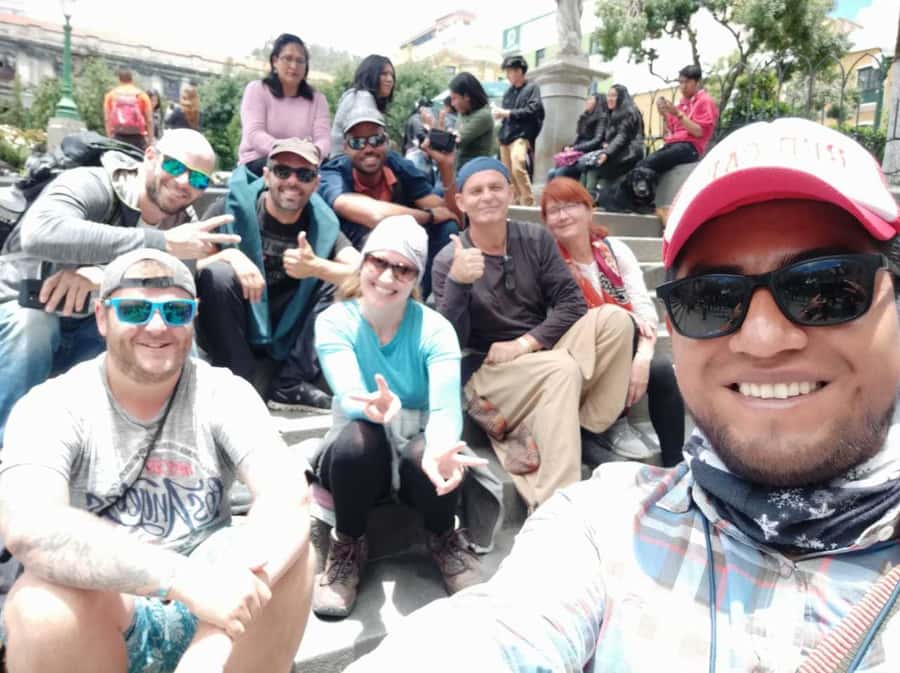
The Witches’ Market is the tour’s most unusual stop. It is a place to look closely, ask questions, and listen before deciding what any object means to you.
You will see curious lotions, talismans, and other items associated with local beliefs. The guide explains what kinds of potions people might buy and how Andean traditions shape the market. That explanation is important because a quick, unguided visit can turn the place into a display of strange objects with little meaning.
I like this stop because it treats belief as part of daily culture rather than as a sideshow. The guide helps you understand why people visit the market and what these objects represent within Andean traditions.
You should keep your expectations sensible. The stop is about explanation and observation, not a long shopping session or a formal demonstration. If you want to purchase something, bring cash, but the tour does not include meals, drinks, or personal purchases.
The market also gives the walk some welcome variety. After hearing about politics and city customs, you get a look at a more personal side of La Paz—one tied to protection, luck, ritual, and family tradition.
Plaza Murillo and La Paz’s Civic Center
Plaza Murillo supplies the grand architectural counterpoint to the market. Here, the tour focuses on the Presidential Palace, the National Congress of Bolivia, the Cathedral of La Paz, and other historic monuments.
This is where the earlier discussion of politics becomes easier to place. The buildings are not simply attractive backdrops; they sit at the center of Bolivia’s public life. A guide can point out what each building represents and explain how the square connects to the country’s political story.
The Cathedral of La Paz brings a different tone, while the Presidential Palace and National Congress underline the city’s national importance. You get a useful introduction to the central district without spending half a day inside one museum or monument.
The trade-off is coverage. This is not a full architectural tour, and you should not expect to enter every building. One useful assessment described the walk as covering relatively few sights, but said the stories attached to each one were excellent. That is a fair way to understand the format.
I would choose this tour if you prefer a handful of meaningful stops over a long checklist. If your goal is to photograph every major landmark in central La Paz, you may want extra time afterward to explore on your own.
Two to Two and a Half Hours on Foot
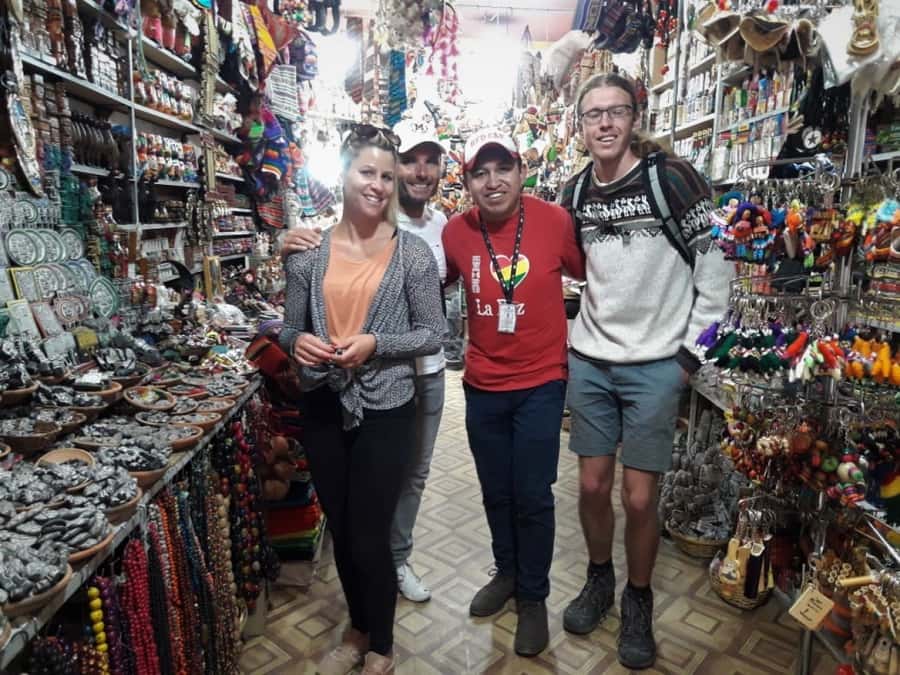
The stated duration is 150 minutes, while the description places the walk at roughly two to two and a half hours. I would plan your schedule around the longer figure so you are not rushing to another activity.
The distance is not presented as a race, and the route is described as being paced slowly with an effort to keep the walk as flat as possible. That is a real benefit in La Paz, where altitude can make an ordinary uphill stretch feel much harder than expected.
Still, slow does not mean effortless. The tour is not suitable for people with mobility impairments or wheelchair users, and one person specifically appreciated the guide noticing the difficulty of walking uphill at high altitude. If you have just arrived in the city, give yourself time to adjust before setting out.
Wear comfortable shoes. Pack a sun hat, sunscreen, rain gear, and cash. Those items may sound basic, but they suit a walk where you are exposed to the city rather than moving between enclosed attractions.
The weather and pace can affect how you feel during the afternoon or morning. If you start tired or short of breath, tell the guide early. The walk is more useful when you can listen to the stories instead of concentrating only on the next block.



What the Guides Do Best
The most praised part of this experience is the human side. Denise is described as funny, warm, energetic, and deeply fond of her city. Max receives similar praise for his enthusiasm and ability to make La Paz feel personal rather than distant.
Daniel’s strength is keeping information fun and easy to understand. Matt is praised for interesting facts and stories, while Juan is noted for patience and for allowing a little time to look around independently. These details suggest that the guide’s personality can shape the tour as much as the route.
You will hear history, culture, politics, and traditions, but the information is delivered through stories and questions. That makes the walk especially useful if you want an overview before choosing which parts of La Paz to revisit alone.
English ability is another important factor, and the available comments repeatedly describe the guides as clear English speakers. That does not mean every guide will use the same style or vocabulary, but the activity is specifically offered with an English-speaking live guide.
Group size can vary. One departure had only four people, while another was described as a large group that was still easy to follow. A small group may offer more time for questions, while a larger one can feel less personal. You should treat the group size as changeable rather than guaranteed.
Is $3 Good Value?
At $3 per person, the value is unusually strong. You receive a guided orientation to central La Paz, explanations of local customs, a visit to the Witches’ Market, and a look at Plaza Murillo’s major monuments.
The price is best understood as a low-cost introduction, not a private tour. You are paying for the guide’s time and interpretation, but not for food, drinks, transport, entry tickets, or a guaranteed small group.
Several people felt that the service deserved a tip, particularly because the fee is so low. Tipping is not listed as part of the tour, so bring cash if you want to thank the guide directly. I would consider that when comparing the price with a more expensive private walk.
The low cost also makes it a sensible choice for a first day in La Paz. You can learn the shape of the central area, ask questions, and then decide where you want to return. One person valued seeing key parts of the city with a guide before feeling ready to explore alone.
Who Should Book This Walking Tour?
I would recommend it most strongly to first-time visitors, people with a short stay, and anyone who wants cultural context rather than a simple list of buildings. It also suits you if you enjoy asking why a city looks and behaves the way it does.
The tour works well for curious walkers who want a compact introduction. You will hear about women’s hats, zebras, masked shoe shiners, political conflict, Andean beliefs, and central monuments in one outing.
It is less suitable if you want a private itinerary, a slow photography session, or a museum-heavy tour. It is also a poor fit if walking uphill at altitude is difficult for you, even though the guide may keep the route slow and as level as possible.
I would also avoid treating the Witches’ Market as a standalone shopping trip. Its value comes from the explanation around the objects, so listen to the guide and allow the cultural side of the stop to lead the visit.
Practical Tips for a Better Walk
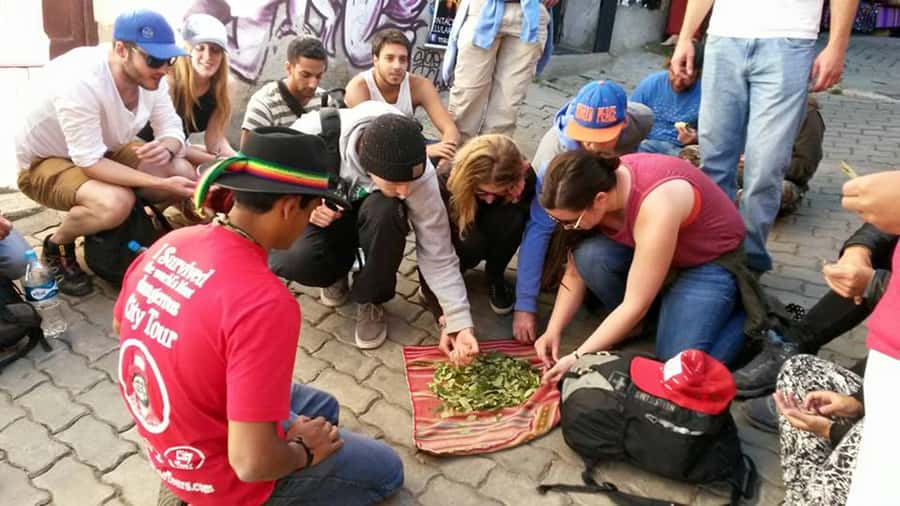
Arrive at the center of Plaza San Pedro early enough to identify the red cap and I heart La Paz t-shirt without stress. The guide is meant to be easy to spot near the statue, but a busy square can still take a moment to read.
Bring cash. It is useful for a possible tip and for any personal spending at the market, though purchases are not part of the tour.
Wear shoes you trust on city streets and carry both sun and rain protection. The packing advice specifically calls for comfortable shoes, a sun hat, sunscreen, and rain gear, so this is not the day for flimsy footwear or an empty day pack.
Keep the rest of your schedule flexible. The walk lasts about 150 minutes, but the description allows up to two and a half hours, and questions or group pace can affect the finish.
Free cancellation is available up to 24 hours before the start for a full refund. You can also reserve and pay later, which helps if your plans in La Paz are still changing.
Should You Book the La Paz Half-Day Walking Tour?
Yes, if you want a low-cost, story-led introduction to La Paz. The combination of Plaza Murillo, the Witches’ Market, local customs, and political background gives you more than a basic landmark walk.
I would book it early in your stay, then use what you learn to plan the rest of your time. Go in expecting a compact overview rather than a complete city tour, wear proper shoes, and remember that the $3 price makes a tip a thoughtful addition when the guide earns it.
Skip it only if altitude makes walking uncomfortable, you need wheelchair access, or you want a private and highly detailed route. For most independent visitors who want to understand La Paz before exploring further, Red Cap Walking Tours offers a lot of useful context for very little money.
FAQ
How long does the La Paz walking tour last?
The tour lasts 150 minutes, or about two to two and a half hours.
How much does the tour cost?
The price is $3 per person.
What language is the tour offered in?
The tour is offered in English with a live, English-speaking local guide.
Where is the meeting point?
Meet in the center of Plaza San Pedro, also called Plaza Sucre, near the statue on Cañada Strongest in La Paz.
How will I identify the guide?
Look for a guide wearing a red cap and an I heart La Paz t-shirt.
What is included in the price?
A local, English-speaking guide is included.
Are meals and drinks included?
No. Meals and drinks are not included.
Can I cancel the booking?
Yes. You can cancel up to 24 hours in advance for a full refund.
Can I reserve now and pay later?
Yes. The reserve-now, pay-later option lets you book without paying immediately.
What should I bring, and is the tour suitable for everyone?
Bring comfortable shoes, a sun hat, sunscreen, rain gear, and cash. The tour is not suitable for people with mobility impairments or wheelchair users.
More Walking Tours in La Paz
More Tours in La Paz


More Tour Reviews in La Paz
Not for you? Here's more nearby things to do in La Paz we have reviewed






Walking Tours, compared
 ★ 4.8La Paz and El Alto: Cable Car Rides and Walking TourFrom $10790 reviews
 ★ 4.8Walking tour in Sucre: History, Culture & Amazing ViewsFrom $1379 reviews
 ★ 4.8Walking tour – A journey through the History of Santa CruzFrom $1161 reviews
 ★ 4.8Sucre: Free Walking tour (History, culture and traditions)From $047 reviews
Browse the lists this tour appears in