
Reviewed · COLCHANI
From Uyuni: 3-Day Salt Flats and Lagoons Tour to San Pedro
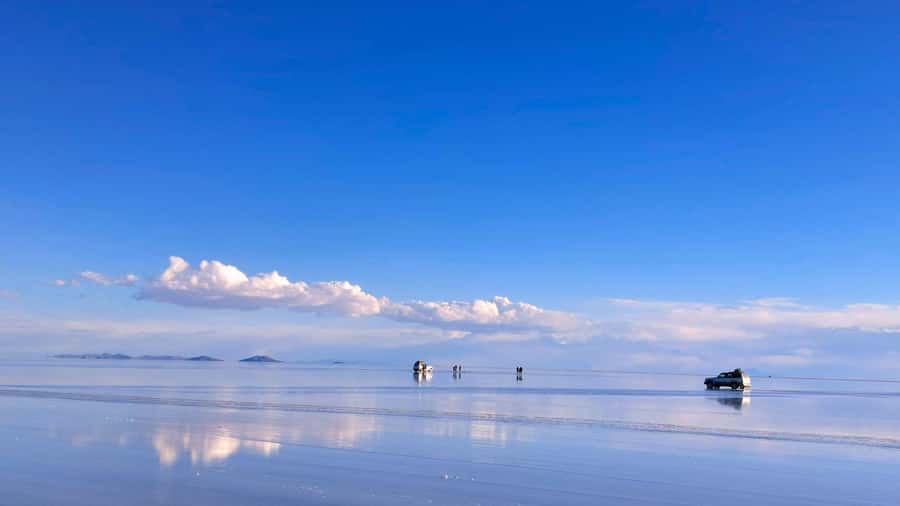
The draw here is the sheer change of scenery: one day you’re crossing the blinding white Salar de Uyuni, and two mornings later you’re watching steam rise from geysers nearly 4,900 meters above sea level. This is not a quick look at the salt flats. It’s a three-day overland trip that ends across the Chilean border in San Pedro de Atacama.
I like the range of stops, from the rusting locomotives at the Train Cemetery to flamingo-filled lagoons and Incahuasi Island’s giant cacti. I also like that the route includes meals and two hostel nights, so you can focus on the long drive and remarkable scenery instead of arranging each leg yourself.
The main drawback is comfort: you’ll spend much of the trip in a shared 4×4, sleep in basic hostels and face serious cold and altitude. One piece of feedback praises kind, attentive service, while another describes a guide as quiet. If lively narration matters to you, set modest expectations.
In This Review
- The trip at a glance
- From Uyuni’s trains to the white salt plain
- Day two: volcano views and lagoon country
- Day three: geysers before dawn, then Chile
- What the $555 price covers, and what it doesn’t
- Guide, vehicle and the realities of a high-altitude trip
- Who will get the most from this route?
- Should you book this Uyuni-to-San-Pedro tour?
- FAQ
- Where does the tour start and end?
- How long is the tour?
- What meals are included?
- How much extra cash should I bring?
- What should I bring for the cold and altitude?
- Do I need a passport to cross into Chile?
The trip at a glance
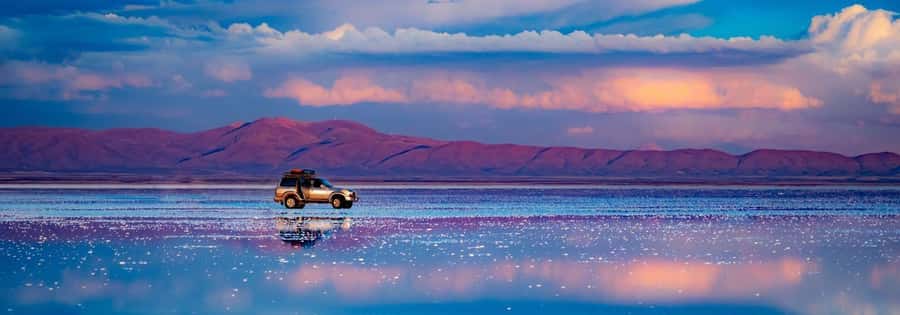
- Three days, one international crossing: Start in Uyuni and finish in central San Pedro de Atacama or at its bus terminal.
- A full first day on the salt: See the Train Cemetery, Colchani, salt formations and Incahuasi Island.
- High-altitude wildlife stops: Look for flamingos and vicuñas around lagoons including Cañapa, Chiarcota, Turquiri and Colorada.
- A very early final morning: Leave at 5:00 AM for the geysers, thermal pools and border crossing.
- Shared transport and simple stays: The Bolivian portion uses a 4×4 shared by six people, with hostel nights in San Juan and Huayllajara.
- Budget beyond the tour price: Allow another Bs. 300 to Bs. 450 for fees, bathrooms, water and other personal costs.
From Uyuni’s trains to the white salt plain
The tour begins with hotel pickup in Uyuni and a stop at the Train Cemetery. Old steam locomotives sit out in the open, a reminder of the coal-era railway. It’s an unusual start to a trip famous for natural sights, and a useful chance to stretch your legs before the driving takes over.
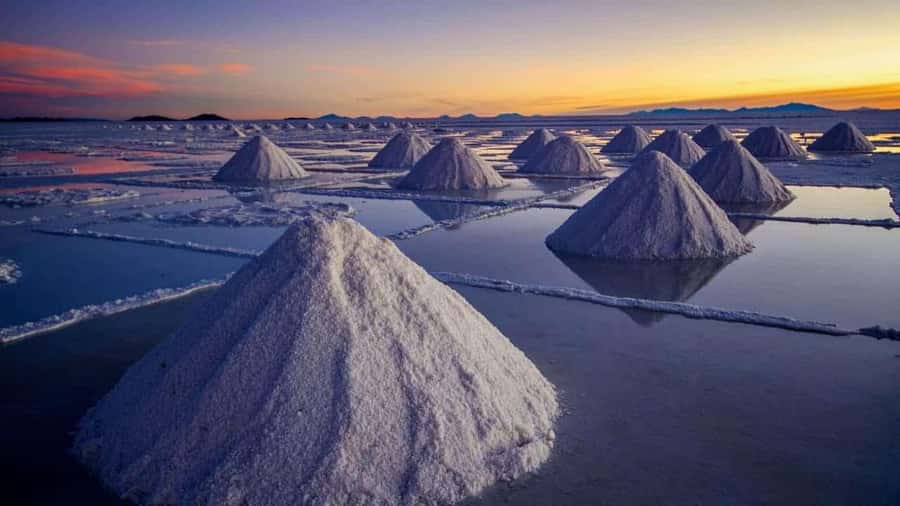
Next comes Colchani, where you can visit a salt-processing plant, browse local crafts and see the Salt Museum. This stop gives the enormous salt flat a human scale: salt is not only a striking surface for photographs, but also a local resource that people process and sell. Keep some cash handy if you want a small souvenir.
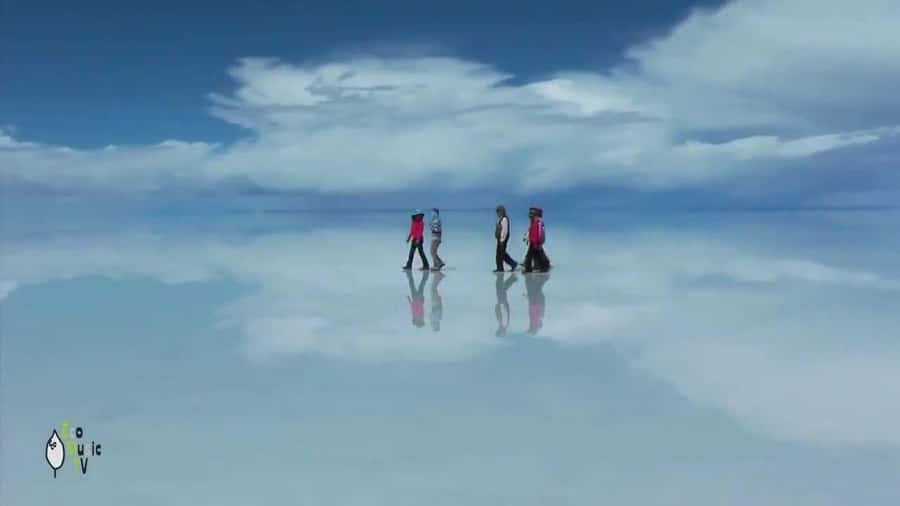
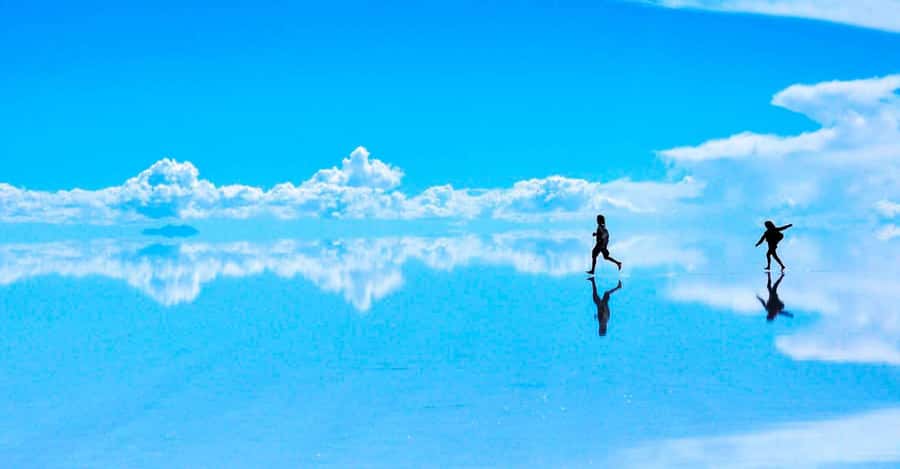
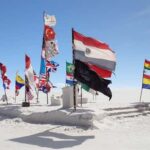
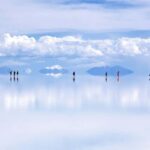
Then the 4×4 enters the Salar de Uyuni, the world’s largest salt flat. The day’s stops include salt mounds, areas of salt extraction and salt eyes, where water wells up through the crust. You’ll also see the White Beach Salt Hotel and continue to Incahuasi Island.
Incahuasi is known for giant cacti and coral-like stones set against the pale salt. It breaks up the immense, open plain with a distinct island form, and makes for a memorable stop on a day when the horizon can seem to go on forever. Bring your camera, but don’t forget sunscreen and water: the sun can feel strong across the open salt, and shade is limited.
The day ends in San Juan, where you stay in a salt hostel. The description also refers to a comfortable hostel and a hotel in the salt flats, but gives only San Juan and Huayllajara as the overnight locations. I’d plan for simple hostel accommodation rather than assume hotel-style amenities. Meals are listed as included, though extra food and drinks are not, so check what is covered and bring cash for anything beyond the provided meals.
You can also read our reviews of more tours and experiences in Colchani.

Day two: volcano views and lagoon country
Day two starts at 8:30 AM and trades the salt plain for a route through more varied terrain. You visit the Salar de Chiguana and stop at a viewpoint facing Ollague Volcano. The appeal here is the sense of distance: the route crosses remote, high ground, with volcanic sights and lagoons becoming the day’s main events.
The tour continues to the high-altitude lagoons of Cañapa, Chiarcota and Turquiri. Flamingos and vicuñas may be among the wildlife you see. These stops are a good reason to keep your camera ready, but wildlife sightings are never something I’d treat as guaranteed. Give the animals space, don’t feed them, and follow the rules against touching plants or leaving litter.
Later, the route crosses the Siloli Desert, where erosion has shaped the Stone Tree, a distinctive rock formation. It is a brief, striking stop rather than a long walk or an elaborate visit. The day ends at Laguna Colorada, where flamingos and vicuñas are also found, followed by an overnight stay at a hostel in Huayllajara.
Day two asks a lot of the vehicle and its passengers: you’re covering remote distances and stopping at high elevations. A shared 4×4 for six people in Bolivia keeps the group compact, but you should still expect close quarters and a long day on the road. The advertised group limit is 10 participants, so ask how transport is arranged for your departure if you want to know exactly how many people will share your vehicle.
Day three: geysers before dawn, then Chile
The final day begins at 5:00 AM. That early start gets you to the Sol de Mañana Geysers, at about 4,900 meters, where fumaroles and boiling mud or water reach reported temperatures of 90°C. This is a stark, dramatic stop, but the altitude and pre-dawn cold make it a demanding one. Dress in layers and keep warm clothing within easy reach, not buried under your luggage.
After the geysers, you stop at the Polques thermal pools. The chance to relax in warm water is welcome after a cold morning, but the tour lists non-swimmers among those for whom the activity is not suitable. If you plan to use the pools, take that warning seriously and be cautious.
The route then passes through the Dali Desert and continues to the Green and White Lagoons at the foot of Licancabur Volcano. These are the final Bolivian stops before the Hito Cajon border crossing, scheduled for around 10:30 AM. From there, a bus or van carries you to San Pedro de Atacama, with arrival around 1:00 PM. Drop-off is in the town center or at the bus terminal.
This finish makes the tour especially useful if you’re traveling onward in Chile. It links Uyuni and San Pedro in one booked route rather than requiring you to piece together separate transport. Still, leave breathing room in your plans after the stated arrival time. The tour crosses an international border, and your passport is required.
What the $555 price covers, and what it doesn’t
At $555 per person, this is a substantial purchase, but the price covers more than a day trip to the salt flats. You get three days of shared transport, a driver, listed meals and the cross-border transfer to San Pedro de Atacama. It also includes two hostel nights, one in San Juan and one in Huayllajara.
The practical value depends on what you want. If you’re trying to see the Uyuni salt flat, several lagoons, the geysers and the Chilean border in one continuous route, having transport and the basic itinerary arranged is useful. If you prefer private transport, more control over stops or hotel comforts, the shared 4×4 and hostel stays may feel like compromises.
Budget an additional Bs. 300 to Bs. 450 for expenses not included in the tour. That allowance covers items such as entrance fees, taxes, bathrooms, water and souvenirs. The inclusion notes list breakfast, lunch and dinner, while also saying meals and drinks are not included. To avoid a surprise, treat the scheduled meals as covered but plan to pay for extra food and drinks yourself, and confirm the exact meal arrangement before departure.
There is no need to spend heavily on souvenirs, but cash matters. ATMs may not be available along the route, so bring enough Bolivianos for fees and small purchases. A personal sleeping bag is recommended in cold months, especially June, July and August, when temperatures can fall to 20°C below zero.
Guide, vehicle and the realities of a high-altitude trip
The tour is described as having a Spanish-speaking live guide and an English-speaking driver. That distinction matters if you’re booking because you want commentary in English: the driver is listed as English-speaking, but the guide language is Spanish. No individual guide names are provided, so you can’t request a particular person based on the available details.
One piece of feedback praises the team’s kindness and attentiveness. Another calls the places magical but says the guide was not very talkative. Taken together, that suggests you should value the trip chiefly for its route and scenery, rather than count on continuous, detailed interpretation. If you want to learn more at each stop, consider preparing a few questions in advance.
The compact 4×4 is a practical way to cover remote parts of Bolivia, but it is still a shared vehicle. Pack with limited space and long stretches of driving in mind. Comfortable shoes, warm clothing, a hat, sunscreen, water, snacks and a camera all make sense here. A sleeping bag is recommended for cold months, and your passport or a copy is listed as something to bring. Since a valid passport is required to cross into Chile, bring the original rather than relying on a copy.
Altitude is a serious consideration, not a fine-print detail. The itinerary reaches nearly 4,900 meters, and the tour advises you to acclimatize before setting out. If you have respiratory, heart or back problems, are pregnant, or are under 8, this trip is listed as unsuitable. Non-swimmers and people prone to seasickness are also included in that warning. Travel insurance is recommended.
Who will get the most from this route?
I’d consider this tour if you want the major Uyuni sights and a direct onward connection to San Pedro, and you’re comfortable with early starts, basic lodging and shared transport. It packs a lot into three days, with salt-flat sights on day one, lagoons and desert formations on day two, and geysers and border scenery on day three.
It’s less suitable if you need a relaxed pace, have trouble sleeping in cold conditions or prefer a private guide who talks through every stop. The 5:00 AM departure on the final day and high altitude make this a physically demanding itinerary even though the main activity is vehicle-based. Take the acclimatization advice seriously and be honest with yourself about how you handle cold and altitude.
The tour offers free cancellation up to 24 hours in advance and lets you reserve now and pay later. Those terms can help if your plans are still settling, but they don’t change the need to prepare well: bring cash, warm layers and a valid passport, and check what meals and entry costs are covered before you go.
Should you book this Uyuni-to-San-Pedro tour?
Book it if your priority is seeing the salt flats, lagoons, geysers and border region in a single three-day route, with transport and basic accommodation arranged. The strongest points are the variety of stops, the included meals and the convenient finish in San Pedro. The service feedback is encouraging about attentive staff, though you should not expect a guide who narrates constantly.
Think twice if you need comfort, English-language guiding throughout, or more time at each stop. The $555 fare is best judged alongside the extra Bs. 300 to Bs. 450, the cold-weather gear you may need and your tolerance for altitude. If those trade-offs work for you, this is a practical way to connect Bolivia’s great salt plain with the high country on the Chilean side.
FAQ
Where does the tour start and end?
It starts with pickup from a hotel in Uyuni and ends in San Pedro de Atacama, with drop-off in the town center or at the bus terminal.
How long is the tour?
The tour lasts three days. On the final day, it is scheduled to reach San Pedro at about 1:00 PM.
What meals are included?
Breakfast, lunch and dinner are listed as included. Extra meals and drinks are not included, so confirm the meal details and bring money for anything additional.
How much extra cash should I bring?
Plan for Bs. 300 to Bs. 450 for costs such as entrance fees, taxes, bathrooms, water and souvenirs. ATMs may not be available along the route.
What should I bring for the cold and altitude?
Bring warm clothing, comfortable shoes, a hat, sunscreen, water, snacks and a camera. A sleeping bag is recommended in cold months, and you should acclimatize before the trip.
Do I need a passport to cross into Chile?
Yes. A valid passport is required for the border crossing into Chile.
More Tour Reviews in Colchani
Not for you? Here's more nearby things to do in Colchani we have reviewed

Colchani, compared
 ★ 4.2Bolivia: starlights and sunrise in Uyuni salt flatFrom $6020 reviews
 ★ 3.7San Pedro de Atacama: 4-Day Uyuni Salt Flats TourFrom $3328 reviews
 ★ 4.2From La Paz: Uyuni Salt Flats & Lagoons 5-Day TourFrom $3656 reviews
Uyuni Full-Day Adventure with sunset: All IncludedFrom $1085 reviews
★ 4.2From La Paz: Uyuni Salt Flats & Lagoons 5-Day TourFrom $3656 reviews
Uyuni Full-Day Adventure with sunset: All IncludedFrom $1085 reviews
Browse the lists this tour appears in