
Reviewed · UYUNI SALT FLATS TOURS
Uyuni: 2-day tour to the salt flat and altiplanic lagoons
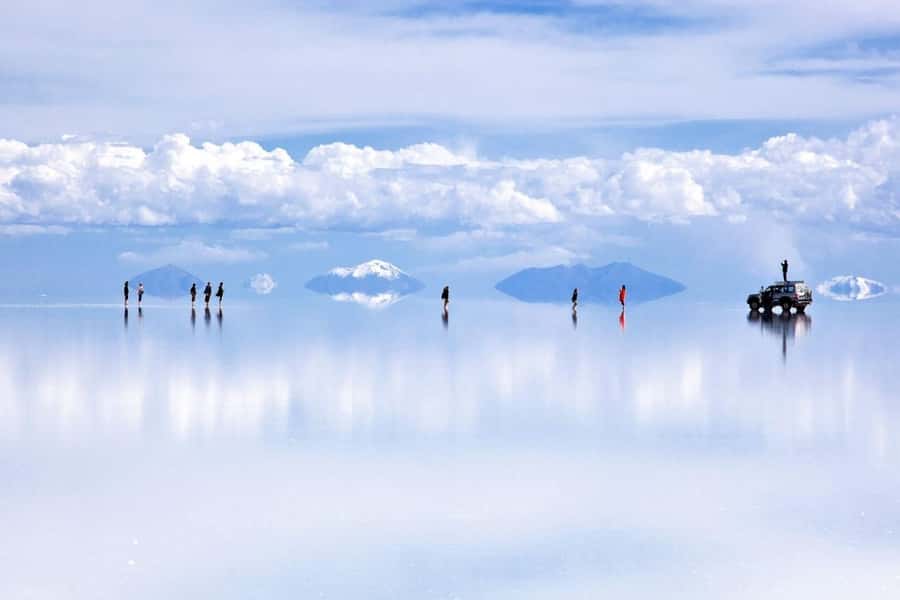
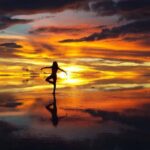
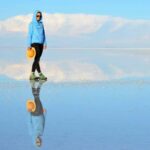
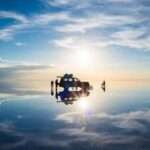
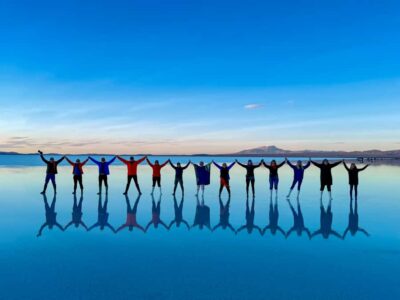
Salt turns the horizon into a giant mirror. This two-day route combines the famous Uyuni Salt Flat with giant cacti on Gran Isla Incahuasi, a sunset over the salt, volcanic rock formations, hot springs, and two altiplanic lagoons. I especially like the creative photo time on the salt flat and the chance to sleep in a basic salt lodge in Colchani rather than rushing back to Uyuni after one long day.
The main tradeoff is the second day’s broad itinerary. You cover a lot of ground in a 4×4, but the schedule can feel stretched, and one reported departure involved confused pickup instructions, an unexpected $50 accommodation charge, and several stops being removed. I would confirm every inclusion with Nativo Trip by WhatsApp before paying.
In This Review
- Five details to know before booking
- A $200 route through Uyuni and the Potosi Department
- The Train Cemetery gives the morning a rusty beginning
- Colchani explains how salt becomes a livelihood
- Ojos del Salar and the Salt Museum mark the flat’s first big stretch
- Gran Isla Incahuasi brings giant cacti to the salt
- A basic salt lodge makes the overnight more than a day trip
- Pulacayo and the Valley of Rocks change the scenery completely
- The bofedal and hot springs provide a welcome pause
- Two altiplanic lagoons end the scenic circuit
- What the 4×4 and group size mean on the road
- What to pack for two days on the salt
- Who should book this Uyuni tour?
- Should you book this two-day Uyuni tour?
- FAQ
- How much does the two-day Uyuni tour cost?
- What time does the tour start and finish?
- What transportation is used?
- What meals are included?
- Where do I sleep?
- Is the tour guided in English?
- What entrance fees must I pay separately?
- Is an airport transfer included?
- Can I cancel or reserve without paying immediately?
Five details to know before booking
- 10:30 a.m. departure: The first day begins with Uyuni’s Train Cemetery, followed by Colchani and the salt flat.
- Six people per 4×4: The vehicle can carry up to six, while the total group may reach 18 participants.
- One night in Colchani: Accommodation is a basic salt hostel or lodge, with one dinner and breakfast included.
- Extra cash is essential: Incahuasi Island costs 30 Bs, the listed Mummies Cemetery fee is 15 Bs, and restrooms cost about 10 Bs.
- Spanish-language guiding: You should be comfortable receiving the tour in Spanish or arrange key questions in advance.
- WhatsApp contact matters: Enter your full country code and keep WhatsApp active so the operator can reach you about pickup details.
A $200 route through Uyuni and the Potosi Department
At $200 per person, this tour is priced as a shared two-day expedition rather than a quick salt-flat outing. The price covers a 4×4, a guide, three meals, breakfast, and one night in basic accommodation, so the value depends heavily on the operator delivering the promised route and lodging without surprise charges.
I see the price as reasonable if you want more than the standard one-day salt-flat circuit. You get the salt desert, Incahuasi Island, an overnight stay, colonial Tomave, volcanic rock formations, a bofedal, hot springs, and two lagoons. That is a lot of territory in two days.
Still, the advertised price is not your complete budget. You need money for the Incahuasi entrance, the listed Mummies Cemetery fee, toilets, drinks, snacks, and personal expenses. Airport transfers and travel insurance are also outside the price.
One booking account reported being asked for an additional $50 because of a price increase and because accommodation would only be arranged after payment. That may not apply to every departure, but it is serious enough to justify a written confirmation of the final price, room arrangement, pickup point, and included meals before you go.
You can also read our reviews of more tours and experiences in Colchani.

The Train Cemetery gives the morning a rusty beginning
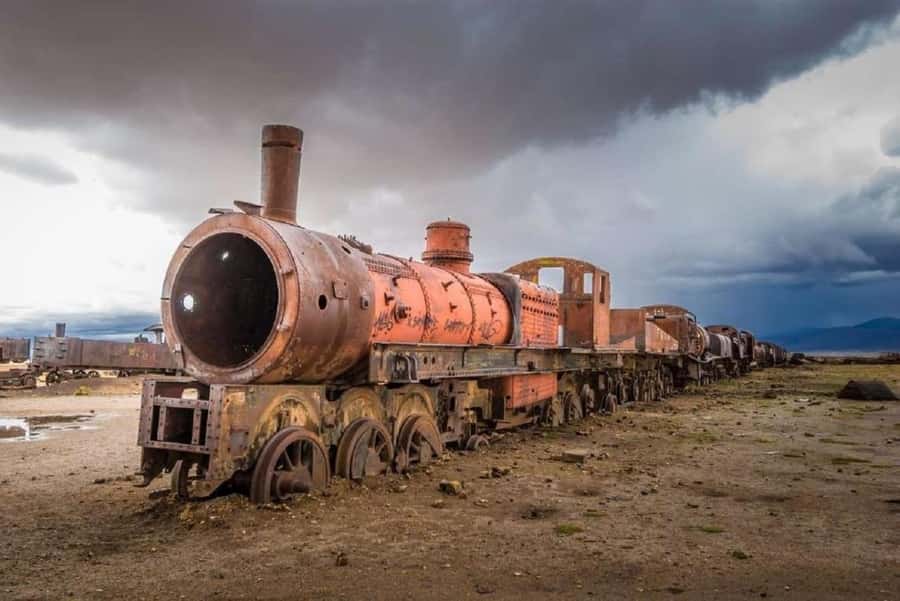
The first stop is Uyuni’s Train Cemetery at about 10:30 a.m. Old locomotives recall the railway period of Bolivia, and the rusted machinery makes a sharp contrast with the white salt ahead.
This stop works well as an opening because it is close to Uyuni and does not require a long drive before the main attraction. You can see the remains of a railway past that helped connect the region, then move on toward the salt economy of Colchani.
Do not expect a polished museum visit. The appeal is visual and historical: old engines, open space, weathered metal, and a distinctly unusual setting. If you like industrial remains and unusual photographs, I would be happy to spend time here. If you want a detailed railway presentation, the Spanish-only guide and short stop may feel limited.
Colchani explains how salt becomes a livelihood
The route continues to Colchani, a small settlement known for salt handicrafts and salt extraction. This is more than a souvenir stop. It helps you see how the salt flat supports local work through both raw salt and handmade products.
You can expect displays of salt crafts and an explanation of the extraction process. The stop gives the vast white plain a human connection before you enter the Salar itself. I like that progression: railway history first, local salt work next, then the huge natural setting.
The visit may also tempt you to buy something. Keep personal spending separate from the tour budget, since souvenirs are not included. You should also carry water and snacks because additional drinks and food are specifically excluded.
Ojos del Salar and the Salt Museum mark the flat’s first big stretch
Once you enter the Gran Salar de Uyuni, the scale changes. The itinerary includes the Ojos del Salar, natural openings or water-filled features in the salt, along with the Salt Museum.
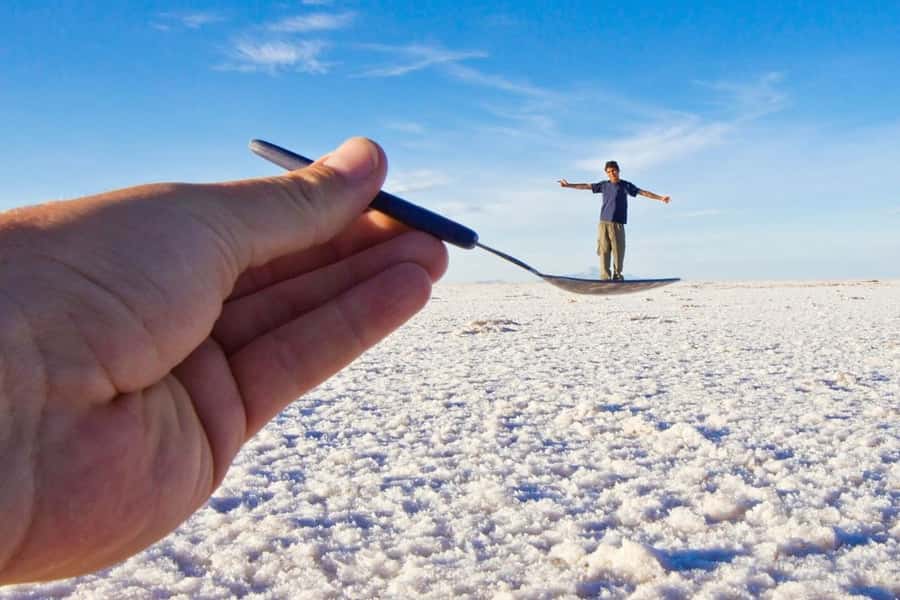
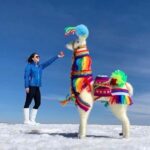
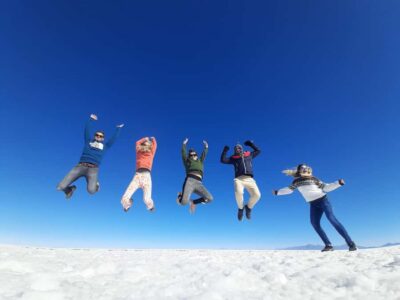
The salt flat is the part of the day where you want your camera ready, but it is also where timing matters most. The tour includes time for creative photographs, so you can use the open surface for perspective shots and playful compositions. I like that the schedule does not treat the Salar as a quick roadside photo stop.
Your guide will be working with the conditions of the day and the route. Exact photo locations and time on the salt may vary, so it is sensible to ask how long you will have before departure. Sunglasses and sunscreen are not optional luxuries here; both are on the recommended packing list, along with water.
The Salt Museum adds context after the immense openness of the flat. It is a useful stop for understanding salt as a material and a local resource rather than simply a bright surface for photographs.
Gran Isla Incahuasi brings giant cacti to the salt
Gran Isla Incahuasi is one of the most memorable stops because the island breaks up the flat with giant cacti and petrified coral formations. The contrast is striking: bright salt below, rough fossil-like rock, and tall cactus silhouettes above it.
The entrance fee is not included. The listed cost is 30 Bs, though prices can change without notice, so bring Bolivian currency. Since the tour also lists a Mummies Cemetery entrance fee of 15 Bs, I would carry enough cash for both charges and for restroom use.
Incahuasi gives you a chance to walk around rather than remain seated in the 4×4. That matters on a two-day road trip, though the tour is not suitable for people with mobility impairments, wheelchair users, or people with visual impairments. The operator also excludes people with pre-existing medical conditions, recent surgeries, and those over 95 years old.
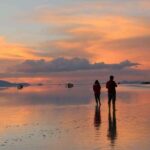
The first day ends with a sunset over the salt flat. The plan is strong: you see the salt in changing light, then stay nearby instead of making a late return to Uyuni. The exact quality of the sunset depends on conditions, but the location gives the day a natural finish.
A basic salt lodge makes the overnight more than a day trip
You spend the night in a basic hostel or lodge in salt, listed in Colchani. This is not a luxury hotel, and the phrase basic should guide your expectations. The appeal is the setting and the simple novelty of sleeping in salt accommodation, not polished facilities.
Dinner is included on the first evening, and breakfast is provided the next morning. The listing does not give room types or detailed facilities, so confirm whether rooms are shared, what bedding is provided, and how the accommodation charge is handled.
This is also the point where the reported $50 issue matters most. Before departure, ask Nativo Trip in writing whether the quoted $200 includes the overnight stay and whether any seasonal or last-minute supplement applies. Save the WhatsApp reply.
Pulacayo and the Valley of Rocks change the scenery completely
After breakfast, the second day moves away from the salt flat toward Pulacayo Village. Old locomotives are found there too, giving the route a second railway connection after the Train Cemetery.
The two stops are not identical in purpose. Uyuni’s Train Cemetery is a well-known visual introduction, while Pulacayo gives you another look at the area’s railway past within a village setting. If you enjoy old machinery and local history, this makes the second day feel more connected to the first.
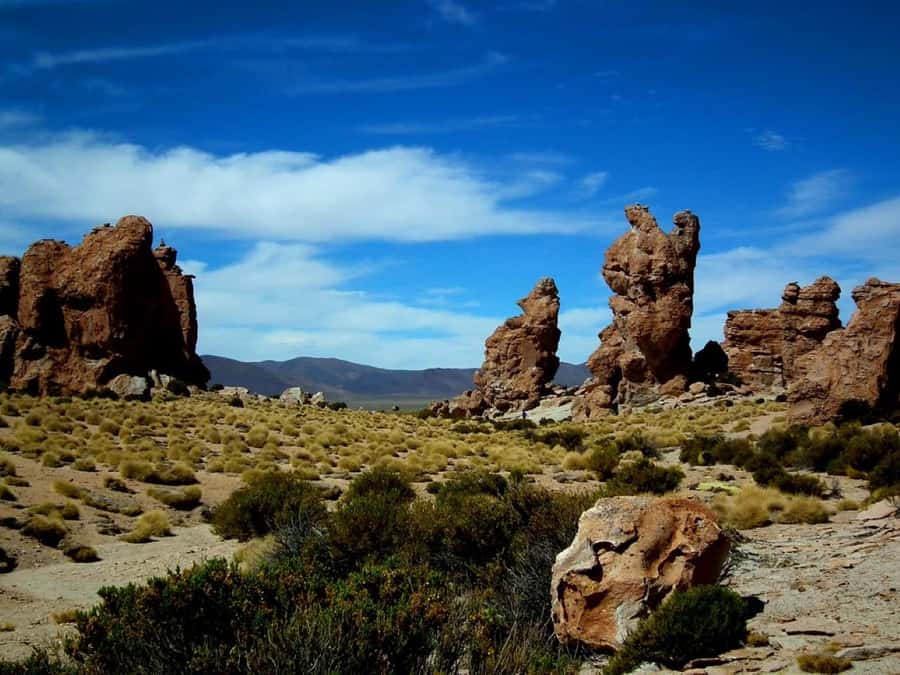
The route then reaches the Valley of Rocks, known for volcanic formations. This is a useful contrast with the smooth salt. Instead of a flat white horizon, you get dark, irregular shapes formed by volcanic activity.
The stop is especially worthwhile for anyone who likes geology and unusual natural forms. At the same time, the drive between locations is part of the experience, and you should be ready for long periods in the 4×4. The itinerary does not provide exact driving times, so do not plan other activities for the second evening before the tour ends.
Tomave follows, with a restored colonial church. It is a smaller cultural stop than the salt flat, but that is part of its value. You get a glimpse of village life and colonial-era architecture rather than another large scenic viewpoint.
The bofedal and hot springs provide a welcome pause
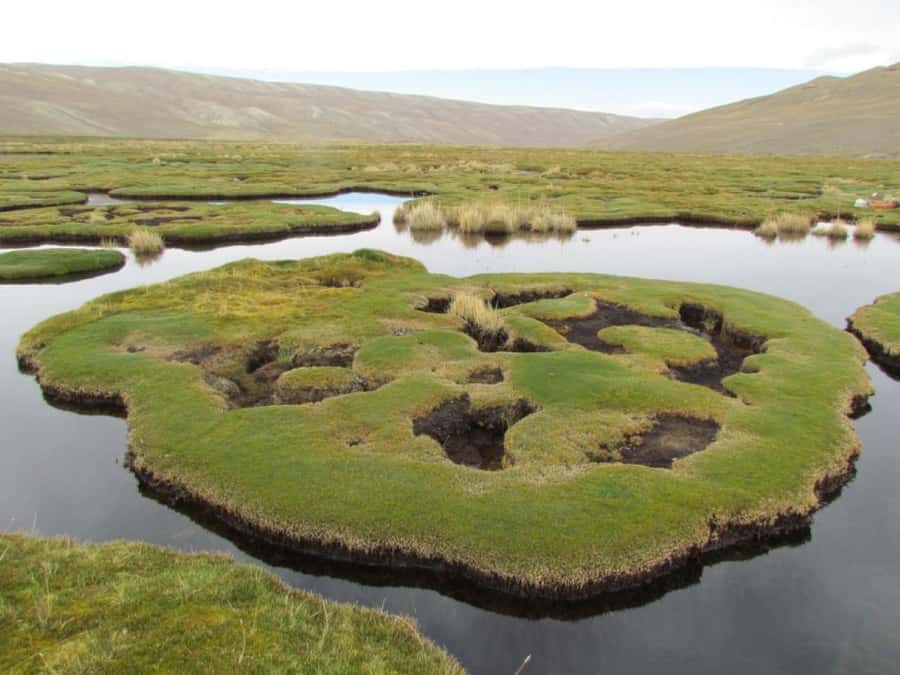
The route continues to a bofedal, where you can observe local plants and animals. The word refers to a wetland area in the altiplano, and this stop adds living nature to a route otherwise dominated by salt, stone, and open plains.
The information provided does not name the species you will see, so I would keep expectations flexible. You may find the stop rewarding if you enjoy observing small details and local ecology. If you prefer headline sights, it may feel quieter than Incahuasi or the Valley of Rocks.
Lunch is included on the second day, followed by hot springs. The hot springs are a practical break in a packed route, giving you time to relax after hours in the vehicle. Bring suitable personal items if you plan to use them, but the tour information does not specify changing facilities or towel availability, so ask before departure.
Restrooms during the tour cost about 10 Bs. Carry cash for these small charges because facilities and payment arrangements can vary along the route.
Two altiplanic lagoons end the scenic circuit
In the afternoon, you visit two altiplanic lagoons. The tour promises broad views, but it does not name the lagoons or provide exact distances and stop lengths. That makes it difficult to predict the day in detail, so I would ask for the names and planned route before booking.
The lagoons are meant to round out the region’s scenery after the rock formations and wetland. You move from salt to volcanic stone, then to water and open high-country views. I like the variety, but I would not book this trip solely for a particular lagoon unless Nativo Trip confirms it is included.
One reported departure had scenic stops removed and replaced with time in a small town, a hot spring, and two smaller lakes. That suggests you should confirm the actual second-day route close to departure, especially if a particular stop is the reason you are booking.
The return to Uyuni crosses quinoa pampas and finishes at the Mirador de Uyuni. The tour ends around 6:00 p.m. after this final viewpoint, so arrange your onward plans with care. Airport transfers are not included.
What the 4×4 and group size mean on the road
Transport is by 4×4, with up to six people in each vehicle. The overall group is limited to 18 participants, so this is a small-group tour by ordinary coach standards but not a private trip.
I would ask whether the guide rides in your vehicle and how groups are organized if more than one 4×4 is used. The answer matters when you want explanations at each stop or need help with pickup changes.
A shared vehicle keeps the price below a private tour, but it also means less control over photo time, seat choice, and the order of stops. For me, that is a fair compromise if the group is managed well and the route is delivered as described.
The live guiding is in Spanish. If you speak Spanish, you can get more from the cultural and geological stops. If you do not, arrange key practical details in writing and make sure you understand pickup time, lodging, meals, entrance fees, and the day-two route.
What to pack for two days on the salt
The required packing list is short but sensible:
- Passport or ID card
- Warm clothing
- Sunglasses
- Sunscreen
- Water
- Cash
Warm clothing matters because the tour includes a sunset stop and an overnight stay, but no temperatures are provided, so I would not assume conditions will remain mild after dark. Water is especially important because bottles are not included.
Do not bring alcohol or drugs, and do not litter. You should also budget for extra snacks, drinks, restroom fees, entrance tickets, and personal purchases.
The operator asks you to provide a phone number with your country code and have WhatsApp. This is more than a formality: pickup confusion was reported on one departure, with the actual arrangement differing from the stated meeting-point information. I would keep your phone charged and request the pickup details in writing.
Who should book this Uyuni tour?
I would recommend it to you if you want the salt flat plus a wider sample of the Potosi Department in only two days. It suits people who enjoy long 4×4 journeys, basic accommodation, Spanish-language guiding, unusual geology, village stops, and flexible outdoor plans.
It is less suitable if you need a private vehicle, guaranteed timing, comfortable lodging, English guidance, or a fully fixed sightseeing schedule. It is also explicitly unsuitable for people with mobility impairments, wheelchair users, visual impairments, pre-existing medical conditions, recent surgeries, and people over 95.
The free cancellation policy allows cancellation up to 24 hours in advance for a full refund, and you can reserve now and pay later. For a last-minute booking, check availability with the supplier by email before paying.
Should you book this two-day Uyuni tour?
I would book this tour only after confirming the details directly with Nativo Trip. The route itself is appealing: the Train Cemetery, Colchani, Ojos del Salar, Salt Museum, Incahuasi, sunset, Pulacayo, Tomave, the Valley of Rocks, hot springs, and two lagoons give you a broad two-day picture of the region.
The $200 price can be good value when the 4×4, meals, and salt-lodge night are all delivered as promised. My hesitation comes from the reported pickup confusion, unexpected $50 accommodation charge, and changes to the second-day stops.
Send a WhatsApp message asking for the final total, pickup location, accommodation confirmation, included stops, guide language, and entrance fees. If the answer is clear, you are getting an efficient and varied introduction to Uyuni. If the answer is vague, choose a provider that can put the full arrangement in writing.
FAQ
How much does the two-day Uyuni tour cost?
The listed price is $200 per person. Entrance fees, restrooms, snacks, water bottles, airport transfers, personal expenses, and travel insurance are not included.
What time does the tour start and finish?
Day one starts at approximately 10:30 a.m. The tour finishes around 6:00 p.m. on day two after returning toward Uyuni and stopping at the Mirador de Uyuni.
What transportation is used?
Transportation is provided in a 4×4 vehicle. Each vehicle can carry up to six people, and the total group may include up to 18 participants.
What meals are included?
The tour includes one breakfast, two lunches, and one dinner.
Where do I sleep?
You spend one night in a basic hostel or salt lodge in Colchani. Confirm the specific accommodation and whether any additional charge applies before departure.
Is the tour guided in English?
No. The live tour guide language listed is Spanish.
What entrance fees must I pay separately?
The listed fees are 30 Bs for Incahuasi Island and 15 Bs for the Mummies Cemetery. These prices may change without notice.
Is an airport transfer included?
No. Transfers to the airport are not included.
Can I cancel or reserve without paying immediately?
You can cancel up to 24 hours in advance for a full refund. The reserve-now-and-pay-later option allows you to book without paying on the day of reservation.
More Tours in Colchani
More Tour Reviews in Colchani
Not for you? Here's more nearby things to do in Colchani we have reviewed
Uyuni Salt Flats Tours, compared
 ★ 4.5From La Paz: Uyuni Salt Flat Tour & Overnight Roundtrip BusFrom $275327 reviews
 ★ 4.5Uyuni tour express from La Paz by busFrom $269172 reviews
 ★ 4.3La Paz: 5-Day Uyuni Salt Flats by BusFrom $486153 reviews
 ★ 4.1La Paz: Uyuni Salt Flats & San Pedro de Atacama 3-Day TourFrom $469145 reviews
Browse the lists this tour appears in