
Reviewed · COLCHANI
PROGRAM 3D/2N SAN PEDRO DE ATACAMA – UYUNI SHARED SERVICE
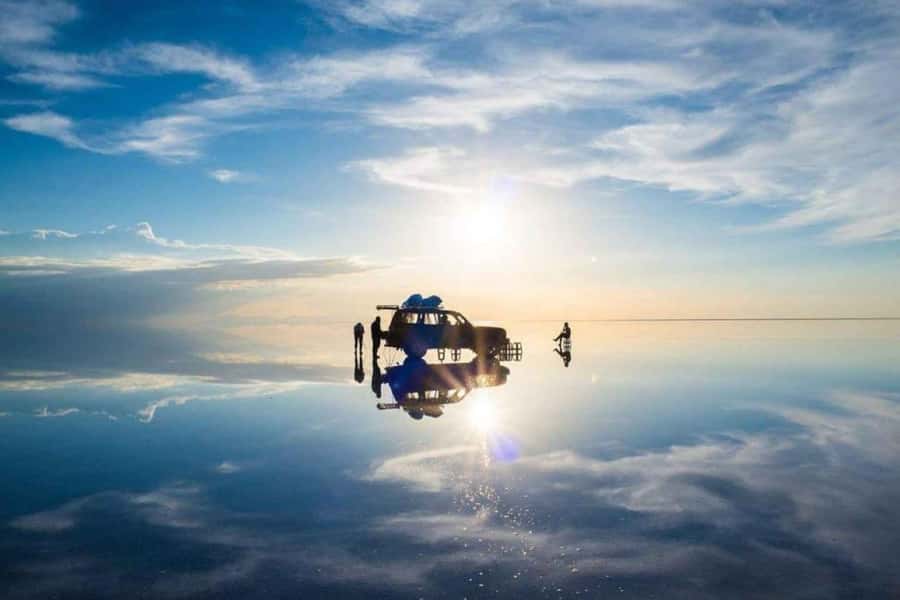
The best part of this three-day journey is its changing scenery: one morning you’re beside highland lagoons and steaming geysers, and the next you’re watching sunrise spread across the white Salar de Uyuni. It’s a rare overland route that links San Pedro de Atacama and Uyuni while giving you time at several stops along the way.
I like two things in particular: the variety, from Laguna Colorada and its flamingos to the cactus-topped rock of Incahuasi Island, and the practical value of having transport, meals and two nights’ lodging included for $370 per person. The trade-off is comfort: the first night is in a basic Villamar hostel, and one account specifically noted that it had no heating.
In This Review
- At a glance
- A three-day crossing, not just a salt-flat visit
- Day 1: From the border to Laguna Colorada
- Day 2: Volcanic forms and highland wildlife
- Day 3: Sunrise on the Salar and the road to Uyuni
- What $370 covers, and what it doesn’t tell you
- Who will get the most from this route
- Should you book it?
- FAQ
- Where does the tour start and finish?
- How long is the tour?
- What language is the tour in?
- How many people are in the group?
- What transportation is included?
- Are meals included?
- Where do you stay overnight?
- Can I cancel or reserve without paying now?
At a glance
- Start in San Pedro, finish in Uyuni: The tour begins at 07:00 on Day 1 and ends in central Uyuni at about 15:00 on Day 3.
- Cross the border, then change vehicles: A minibus takes you from San Pedro to the Chile-Bolivia border. In Bolivia, you continue in a shared 4×4 for six people.
- See a wide mix of highland sights: Stops include Laguna Blanca, Laguna Verde, the Salvador Dalí desert, Polques hot springs, Sol de Mañana geysers and Laguna Colorada.
- Sleep in two different types of basic lodging: The first night is in a Villamar hostel; the second is in a salt hotel in Colcha K.
- Reach the Salar before the day gets going: Day 3 includes sunrise on the salt flat, a walk on Incahuasi Island, Colchani and the train cemetery.
- Expect Spanish: The tour has a Spanish-speaking driver and is described as a small group, with up to 15 participants.
A three-day crossing, not just a salt-flat visit
This is a point-to-point trip through Bolivia, starting in San Pedro de Atacama and ending in Uyuni. That makes it useful if you want to see the highlands on the way rather than simply get from one town to the other. The route moves from border formalities and lagoons to geysers, volcanic rock and, finally, the great white expanse of the Salar.
The pace is full. You’ll make several stops each day, spend hours moving between them, and change vehicles after the border. In return, you get a broad sample of the Bolivian highlands without arranging each transfer and overnight stay yourself. If you prefer slow mornings or long stretches in one place, this is not that kind of trip.
The experience is shared, with up to 15 participants, while the Bolivian 4×4 is specified as a vehicle for six people. The exact vehicle arrangements for the full group are not detailed, so ask how the group is divided before booking if that matters to you. The driver speaks Spanish, which is worth considering if you’re hoping for detailed commentary in another language.
You can also read our reviews of more tours and experiences in Colchani.

Day 1: From the border to Laguna Colorada
The day starts at 07:00 with pickup in San Pedro de Atacama. You travel by minibus to the Chile-Bolivia border, complete the required procedures, then switch to a 4×4 for the Bolivian portion. Allow for the fact that this is not one uninterrupted ride: the border crossing and vehicle change are part of the day’s rhythm.
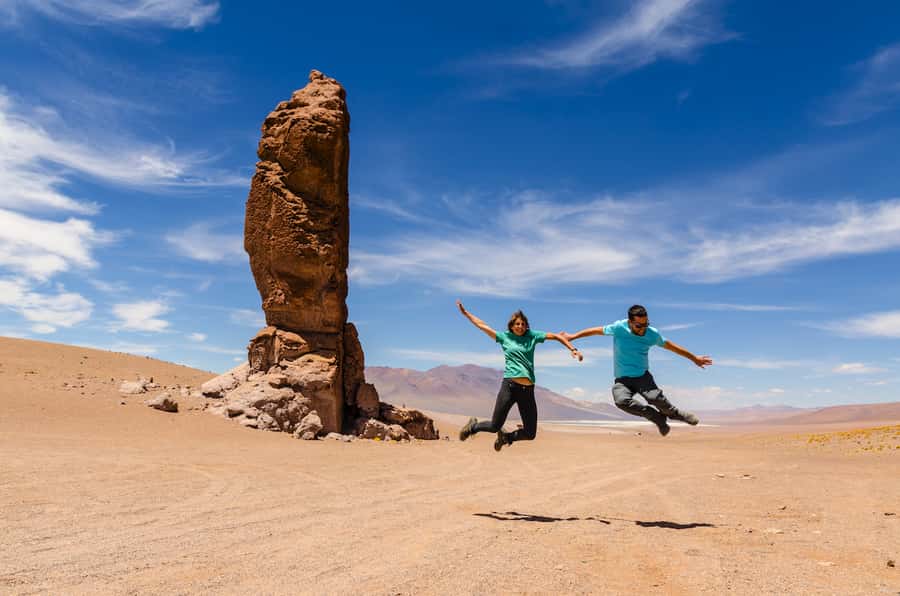
The first stops are Laguna Blanca and Laguna Verde, at the foot of Licancabur volcano. Their appeal is the contrast between water, mineral color and the stark highland setting. You then continue to the Salvador Dalí desert, a name that hints at the unusual shapes and open, spare scenery that make this stretch feel different from the lagoons.
At Polques hot springs, you’ll have time for a bath. That is a welcome chance to pause rather than simply step out for a photograph. If you want to take advantage of the stop, plan accordingly; the tour description confirms bathing time, but does not specify facilities or how long you’ll have.
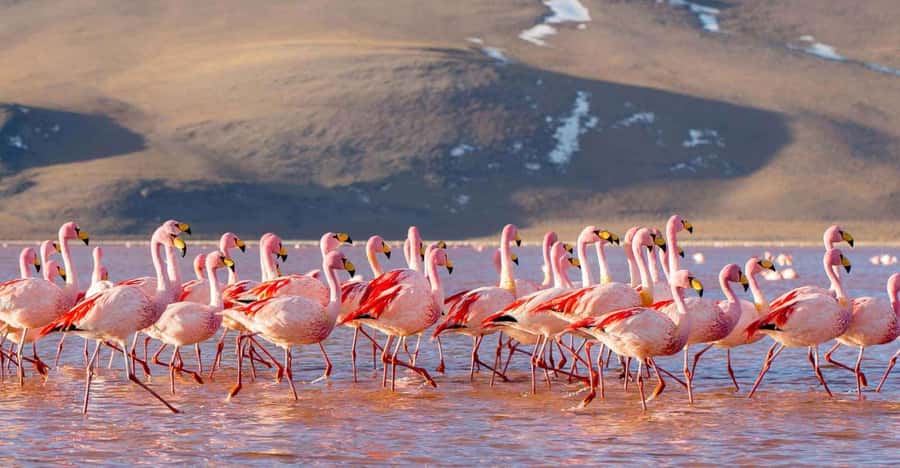
Sol de Mañana brings a different kind of spectacle: intermittent water sources that spring at about 90°C. Keep a sensible distance from the hot water and follow the driver’s directions. The route then reaches Laguna Colorada, a nesting center for more than 30,000 flamingos. This is one of the day’s headline stops, and it gives the route a wildlife dimension alongside its volcanic scenery.
You sleep in a hostel in Villamar. Treat this as functional lodging, not a hotel stay designed for comfort. One traveler noted that the first hostel was very basic and had no heating. That is a useful warning if warmth and a comfortable room are central to your plans.
Day 2: Volcanic forms and highland wildlife
Day 2 trades the lagoons and geysers for striking rock formations. You visit Valle de Rocas, World Cup and Lost Italy, where volcanic rock has formed shapes that resemble an abandoned city. The names add a little fun to a day spent among stone forms that can look almost architectural.
The route also includes Camello and Sora, where you can see animals from the area. The itinerary does not name the species, so think of this as a chance to look for local wildlife rather than a guaranteed close-up encounter with a particular animal.
At Laguna Misteriosa, also called Laguna Catal, there’s time to walk and see plants and animals typical of the Bolivian Altiplano. Laguna Vinto and a viewpoint follow, along with Anaconda Canyon. These stops broaden the day beyond the more famous salt-flat sights. You’ll see different features of the highlands, but the number of places covered means visits are necessarily brief.
The second night is at the Salt Hotel in Colcha K. It’s a change from the Villamar hostel and puts you closer to the next morning’s salt-flat visit. The accommodation is described as basic; no further details about room type or facilities are provided, so check those directly if you need to know what to expect.
Day 3: Sunrise on the Salar and the road to Uyuni
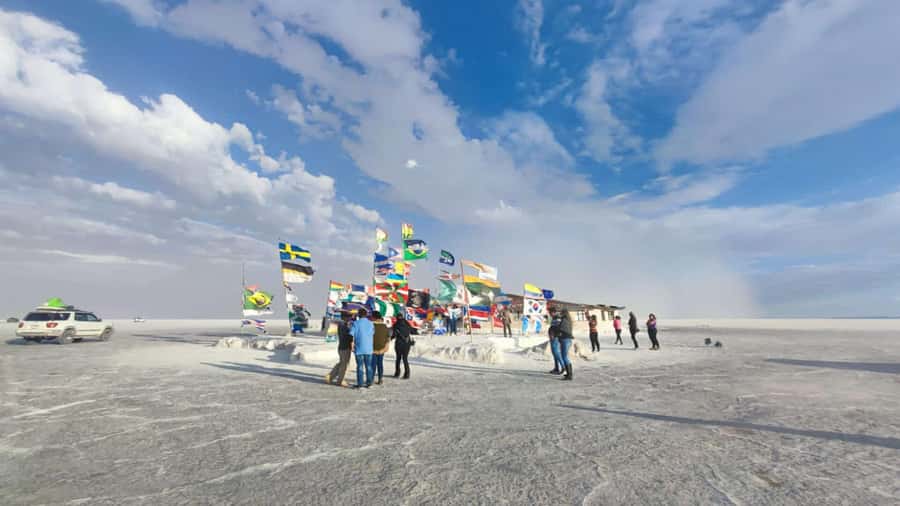
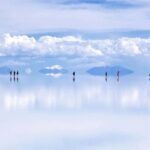
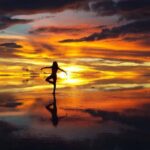
The final day begins early, with a drive onto the Salar de Uyuni for sunrise. The white surface turns the horizon into a strikingly open scene, and dawn is the tour’s signature moment. The timing also means you’ll be up before a leisurely breakfast, so this is a day to start ready for an early departure.
After sunrise, you visit Incahuasi Island, a limestone formation rising from the salt flat. There’s a short walk among giant cacti, with a broad view over the Salar from the island. It’s a useful contrast to the flat, seemingly endless surface around it: from higher ground, you can take in the scale of the salt plain.
The journey then passes a Salt Museum and exits the Salar through Colchani, where there’s a stop to buy handicrafts. The last scheduled photo stop is the train cemetery before arrival in Uyuni, around 15:00. You’re dropped off in the center or at the bus terminal, which is handy if you’re continuing your journey from town.
This is a satisfying final run of stops, though it makes Day 3 more than just a sunrise visit. Keep your onward plans flexible enough to account for the stated arrival time and the possibility that the day’s pace depends on the group and road conditions. No extra transfer beyond the listed drop-off is included.
What $370 covers, and what it doesn’t tell you
At $370 per person, the price includes the main pieces that make this cross-border route possible: pickup in San Pedro, shared transport in Chile and Bolivia, drop-off in Uyuni, breakfast, lunch and dinner, plus two nights of basic accommodation. For a three-day trip with a border crossing and many stops, bundling those basics can make planning much simpler.
The transportation is shared rather than private. You’ll ride a minibus in Chile, then a 4×4 designed for six people in Bolivia. That setup keeps the experience communal and the cost lower than a private transfer, but it also means you have less control over the schedule and how long the group spends at each stop.
The Spanish-speaking driver is the listed guide arrangement. If you need explanations in another language, confirm what support is available before you book. The tour is described as a small group of up to 15, but that does not necessarily mean everyone rides in a single 4×4.
Some costs are not spelled out in the included items. Entry fees, if any, are not listed, and details such as accommodation facilities are limited. Before paying, ask the operator to clarify any charges you consider essential and what the basic rooms provide. The tour offers free cancellation up to 24 hours in advance and a reserve-now, pay-later option, which adds flexibility if your plans are still taking shape.
Who will get the most from this route
I’d consider this trip if you want to travel between San Pedro and Uyuni while seeing much more than the road between them. It suits you if a busy schedule, shared transport and simple lodging are acceptable trade-offs for seeing lagoons, geysers, highland rock formations and the Salar in one organized journey.
It’s also a good fit if you value variety. Each day has a different focus, and the route combines natural features, wildlife viewing, a hot-spring stop and a short walk on Incahuasi Island. The high point for many people will be sunrise on the salt flat, but the days before it are what make this more than a quick Salar visit.
You may want another option if you need heated accommodation, a private vehicle or guiding in a language other than Spanish. The first night’s lack of heating is a concrete comfort concern, not a small footnote. And with up to 15 participants, this is not a private or especially flexible outing.
Should you book it?
Book this tour if you want an efficient, shared crossing with a strong range of highland stops and a sunrise visit to the Salar, and you’re comfortable with basic lodging. The scenery is the clear draw, and the included meals, transfers and two nights’ accommodation give the $370 price practical value.
Before you commit, confirm what is not specified, especially any additional fees, lodging facilities and how the group is arranged across the six-person 4x4s. If those details suit you, this is a useful way to connect San Pedro and Uyuni without reducing the journey to a long transfer.
FAQ
Where does the tour start and finish?
It starts in San Pedro de Atacama at 07:00 on Day 1 and ends in Uyuni at about 15:00 on Day 3. Drop-off is in the center of Uyuni or at the bus terminal.
How long is the tour?
The tour lasts three days and two nights.
What language is the tour in?
The listed live guide language is Spanish, and the driver speaks Spanish.
How many people are in the group?
The tour is described as a small group with up to 15 participants. The Bolivian 4×4 is for six people.
What transportation is included?
Shared transportation is included. You travel by minibus from San Pedro de Atacama to the border, then continue in a 4×4 in Bolivia.
Are meals included?
Yes. Breakfast, lunch and dinner are included.
Where do you stay overnight?
The first night is in a hostel in Villamar. The second night is at the Salt Hotel in Colcha K.
Can I cancel or reserve without paying now?
You can cancel up to 24 hours in advance for a full refund. A reserve-now, pay-later option is also available.
More Tour Reviews in Colchani
Not for you? Here's more nearby things to do in Colchani we have reviewed
Colchani, compared
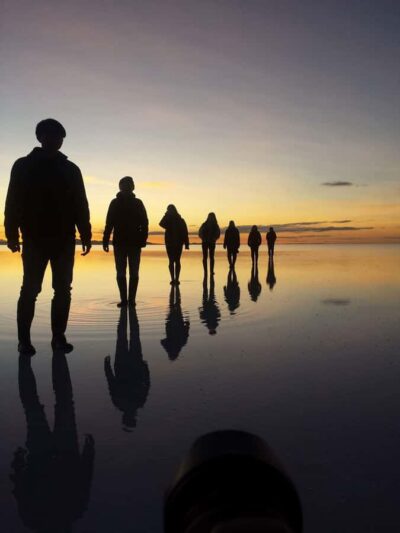 ★ 4.2Bolivia: starlights and sunrise in Uyuni salt flatFrom $6020 reviews
 ★ 3.7San Pedro de Atacama: 4-Day Uyuni Salt Flats TourFrom $3328 reviews
 ★ 4.2From La Paz: Uyuni Salt Flats & Lagoons 5-Day TourFrom $3656 reviews
Uyuni Full-Day Adventure with sunset: All IncludedFrom $1085 reviews
★ 4.2From La Paz: Uyuni Salt Flats & Lagoons 5-Day TourFrom $3656 reviews
Uyuni Full-Day Adventure with sunset: All IncludedFrom $1085 reviews
Browse the lists this tour appears in