
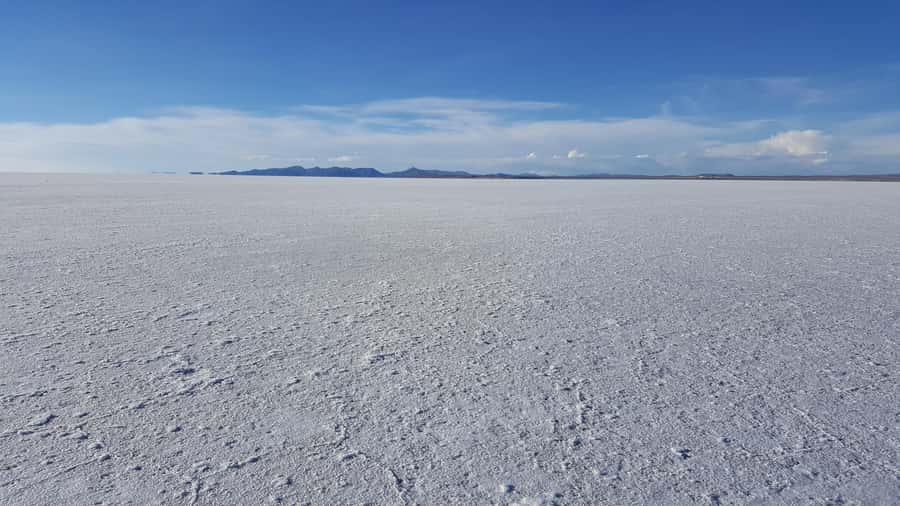
Reviewed · UYUNI SALT FLATS TOURS
From La Paz: Uyuni Salt Flats & Lagoons 5-Day Tour
The salt flats are only the beginning. This five-day trip from La Paz combines two overnight buses with three full days across Bolivia’s salt flats, lagoons, deserts, geysers, and volcano country. I like that the transport from La Paz is built into the plan, and I like the wide range of stops, from the Train Graveyard to Red Lagoon.
The English-speaking guide and dedicated driver are important strengths, especially on rough roads where careful driving matters. The main drawback is comfort: you’ll spend two nights in basic shared hostels, face very early starts, and may encounter an older 4WD that lets in wind and sand.
In This Review
- Five details that shape the experience
- The overnight bus from La Paz to Uyuni
- Day 2: From the Train Graveyard to sunset on the salt
- Day 3: Flamingo lagoons and the Eduardo Avaroa reserve
- Day 4: Geysers, hot springs, and a long ride back
- What the 4WD ride is really like
- Accommodation, meals, and the cost of comfort
- Who should book this Uyuni route
- Should you book it?
- FAQ
- How long does the tour last?
- Where does the tour start and end?
- What time does the bus leave La Paz?
- What is included in the price?
- Are entrance fees included?
- How much cash should I bring?
- Can Incahuasi Island be visited during the rainy season?
- What are the hostel rooms like?
- What languages are available, and how large is the group?
Five details that shape the experience
- Two overnight buses save daytime hours: You leave La Paz at 9:30 p.m. and return from Uyuni at the same time on Day 4, with each ride lasting about 10 hours.
- The three-day 4WD route covers far more than the salt flats: You visit Incahuasi Island, Red Lagoon, flamingo lagoons, geysers, hot springs, and the Eduardo Avaroa National Reserve.
- The group is limited to 11 people: That keeps the vehicle smaller than a large coach tour, though the 4WD still involves long hours on rough roads.
- Accommodation is basic and shared: Agencha Hostel offers shared three- to six-bed rooms, while Huayllajara Hostel uses shared six-bed rooms with no hot water.
- Cash in Bolivianos is essential: Entrance fees, toilets, hot springs, snacks, and personal purchases are not included, and cards and US dollars are not accepted during the route.
The overnight bus from La Paz to Uyuni
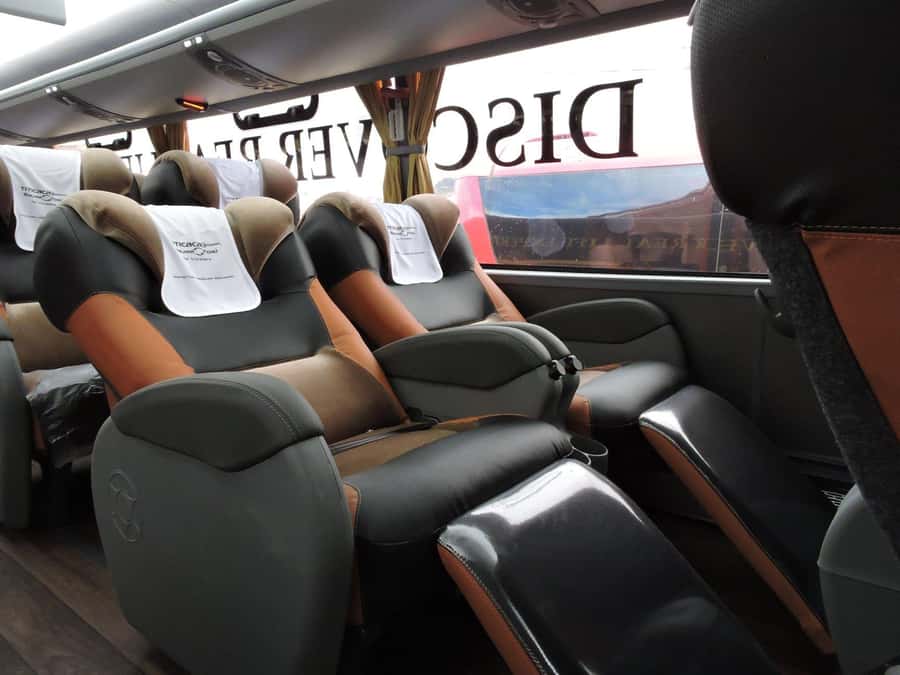
Your first day begins at La Paz Bus Station, not at a hotel. Check in at Office #16, near the next gate, B, inside the bus station at 9:00 p.m. The bus leaves at 9:30 p.m. and takes roughly 10 hours.
The bus has comfortable seats and an onboard toilet. That matters, since you arrive in Uyuni around 7:00 a.m., well before the 10:30 a.m. tour departure. You’ll have several hours to get coffee, buy snacks, and stock up on water before heading to the local office at 10:00 a.m.
This timing is practical but not luxurious. You lose a night of sleep on the road, then spend the first morning waiting for the 4WD departure. I’d treat those hours as useful recovery time rather than wasted time. Eat something, organize your day bag, and keep warm.
The same arrangement happens in reverse. On Day 4, you return to Uyuni between about 5:45 and 6:45 p.m., check in at the Uyuni Bus Station at 9:00 p.m., and leave at 9:30 p.m. You arrive at La Paz main bus station between 6:00 and 6:45 a.m. on Day 5.
You can also read our reviews of more tours and experiences in Colchani.

Day 2: From the Train Graveyard to sunset on the salt
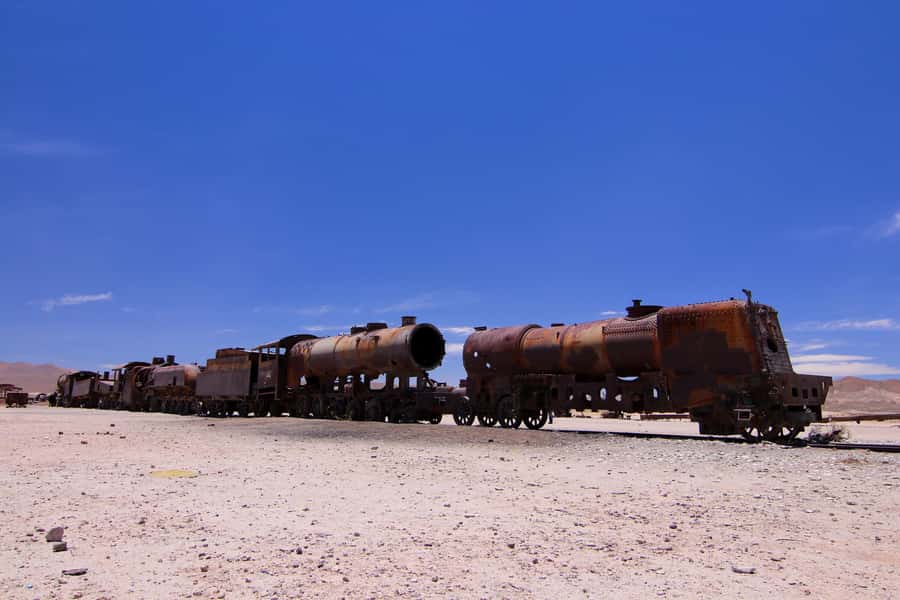
The 4WD tour begins at 10:30 a.m. with the Train Graveyard. It’s a striking first stop and a sharp change from La Paz’s high-altitude city streets. Rusting railway remains sit in the open desert, giving you a short, atmospheric introduction to the empty terrain ahead.
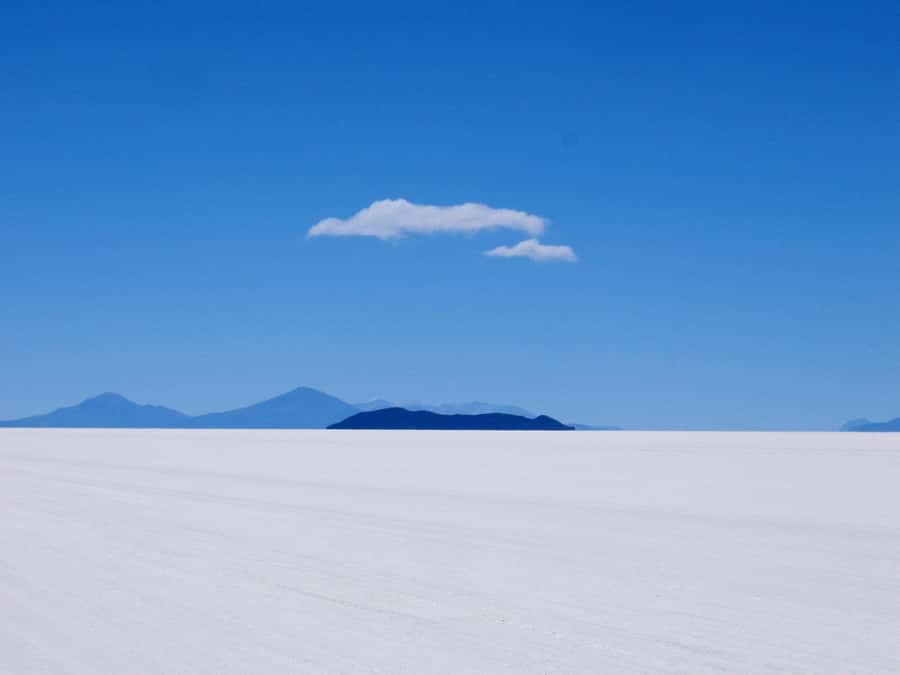
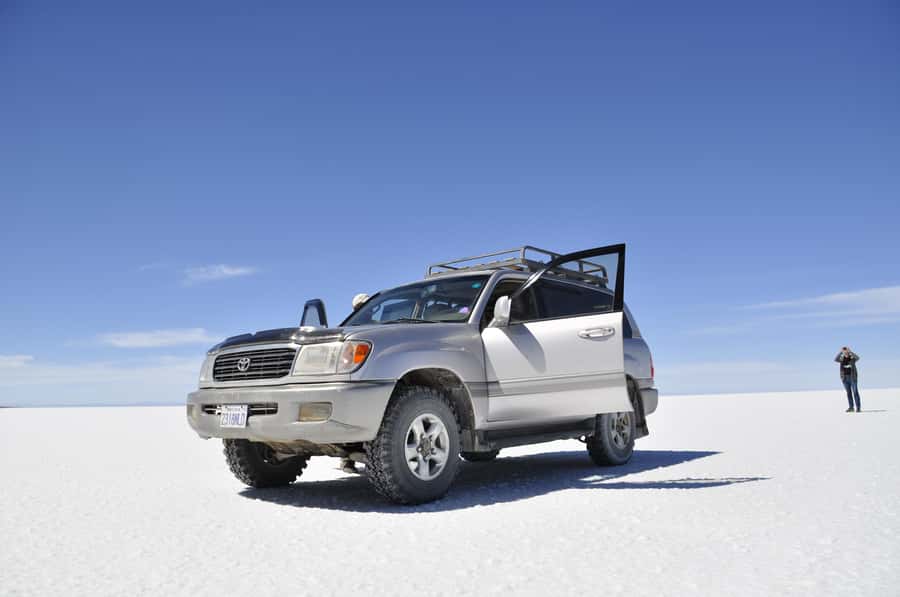
Next comes Colchani, followed by the main Uyuni Salt Flats. The route includes the saltwater eyes, the salt hotel-museum, the Flags of the World display, and the Dakar Monument. These stops break up the enormous white expanse with a series of recognizable points, so you’re not simply driving across a featureless surface.
Incahuasi Island is also scheduled for this day. Its inclusion gives the route a different character before sunset, and it is one of the main reasons to travel beyond a quick half-day visit to the flats. During the rainy season, from January through April, water may cover the route to the island, making the stop impossible.
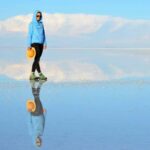
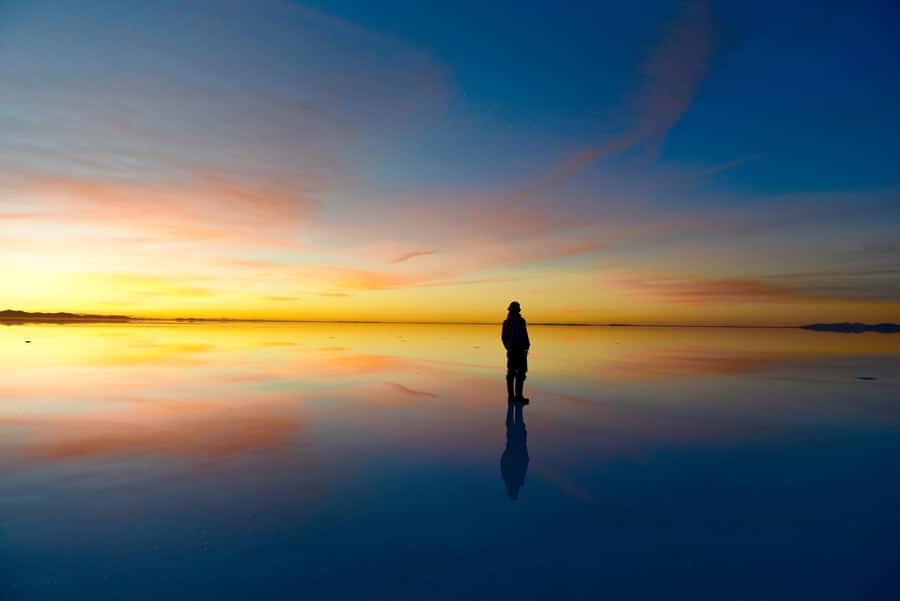
That seasonal change is not a bad trade. When Incahuasi cannot be reached, the water can turn the salt surface into a giant mirror. If you’re visiting during those months, the tour’s main attraction may become the reflective surface itself rather than the island.
Lunch and dinner are included. After sunset, you spend the night at Agencha Hostel. Rooms are shared, with three-, four-, five-, or six-bed arrangements, and toilets are shared. There is no Wi-Fi.
Day 3: Flamingo lagoons and the Eduardo Avaroa reserve

Breakfast comes at 6:30 a.m., followed by a 7:30 a.m. departure. This is the longest-feeling day of the route, with a steady series of remote stops and long stretches in the 4WD.
The first major sights include Chiguana Desert and an Ollagüe lookout point. The setting becomes more rugged and open as the route continues toward Cañapa, Hedionda, and Chiarcota lagoons. Flamingoes are included at these lagoon stops, making this one of the most distinctive parts of the tour.
You then enter the Eduardo Avaroa National Reserve. The entrance fee is not included, so keep 150 Bolivianos ready. The reserve adds more than scenery to the day: it also brings stricter practical conditions, including a basic overnight stay and limited water.
The route continues through the Desert of Siloli, with a stop at the Rock Tree, before reaching Red Lagoon and its flamingoes. Red Lagoon is one of the day’s major rewards because the color of the water, the surrounding desert, and the birds create a scene unlike the bright salt flats from Day 2.
The night is at Huayllajara Hostel in a shared six-bed room. Toilets are shared, there is no Wi-Fi, and there is no hot water for showers. The lack of hot water is intended to reduce pollution inside the national reserve, but it still means you need to prepare for a cold, simple night.
One posted account describes the rooms as extremely cold and without heating. I would take that warning seriously. Pack thermal layers, a warm hat, and socks in your small day bag rather than leaving them buried with larger luggage on the rooftop rack.
Breakfast, lunch, and dinner are included on this day. You still need cash for toilets along the route. The stated allowance for toilets is 30 Bolivianos, and you should also carry extra money for water and snacks.
Day 4: Geysers, hot springs, and a long ride back
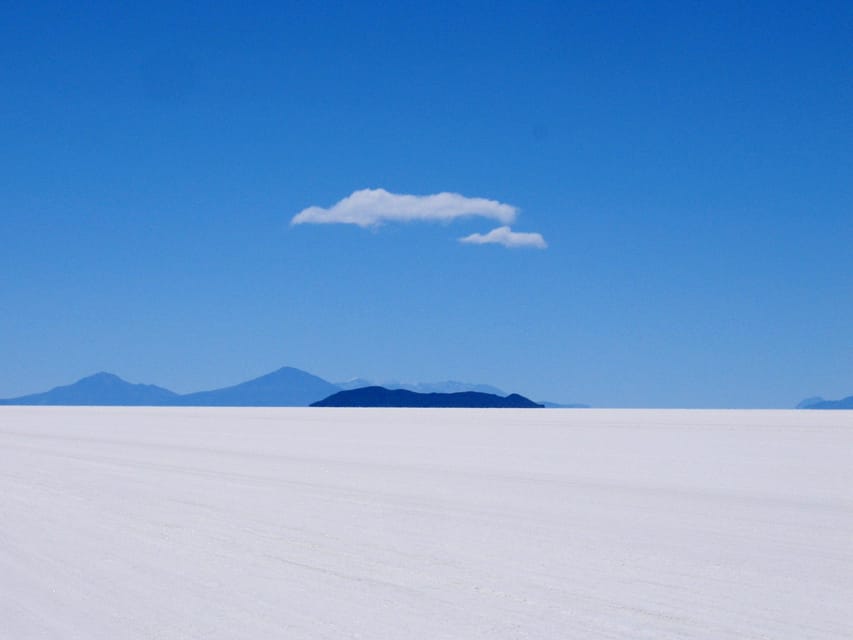
The final touring day starts early. Breakfast is at 5:00 a.m., with departure at 5:30 a.m. That timing gets you to Sol de Mañana Geyser early, when the chilly air makes the steam and geothermal activity feel especially dramatic.
Next comes a natural hot spring with water at about 35 degrees Celsius. The entrance fee is 6 Bolivianos. After two nights without hot showers, this stop is more than a scenic pause; it is a welcome chance to warm up.
The route then continues through Dali Desert, Green and White Lagoon, Rock Valley, and San Cristobal Village. The color changes are the pleasure here. You move from steaming ground to warm water, pale desert, colored lagoons, and exposed rock formations before heading back toward Uyuni.
A picnic lunch is included rather than a sit-down meal. That fits the day’s early start and remote route, but you should carry water and a few snacks of your own. The tour reaches Uyuni between 5:45 and 6:45 p.m., leaving enough time before the 9:30 p.m. bus, though not enough for a relaxed hotel stay or a full evening out.
What the 4WD ride is really like
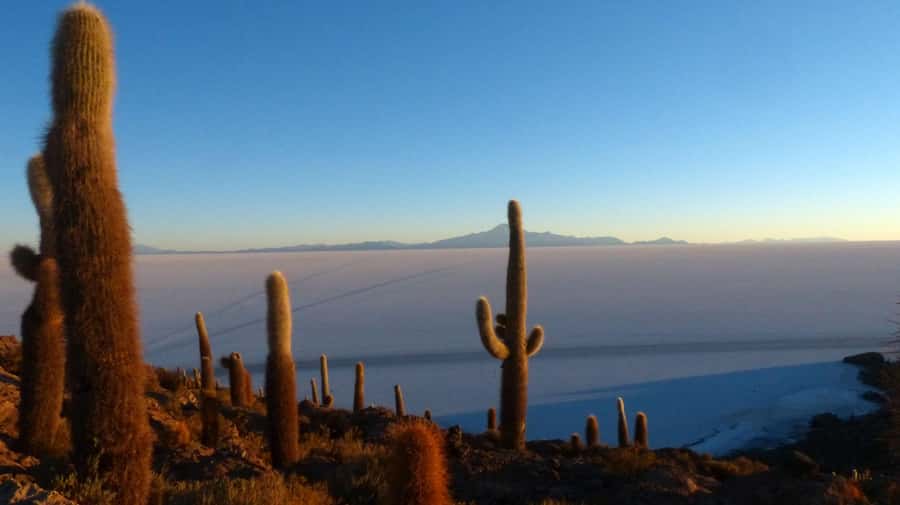
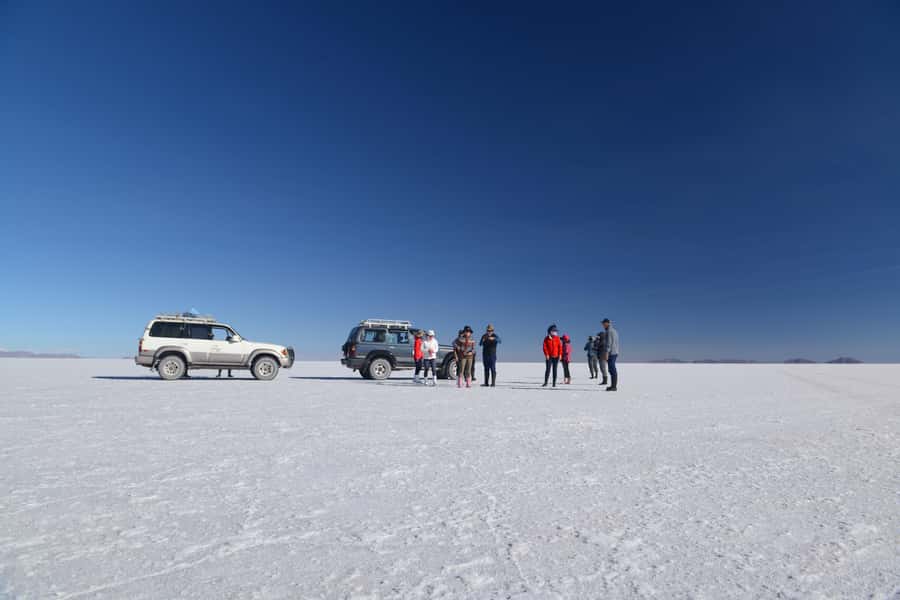
Transportation during the three-day circuit is by 4WD with a rooftop luggage rack and a local driver. The small group is limited to 11 participants, and the English-speaking guide is listed alongside Spanish-language support.
The guide’s serious introduction is a positive sign. One account specifically praised the guide’s careful approach and described the driver as dedicated and responsible. Those qualities matter here because the roads during the second and third days can be rugged and difficult.
You should also know about the main comfort concern. One account describes the vehicle as somewhat old, with poor sealing that allowed wind and sand into the cabin. That may not define every departure, but it is a useful warning. Bring sunglasses, a face covering or scarf, and a warm outer layer that you can reach quickly.
This is not a polished road journey. The route’s value comes from reaching remote places that are difficult to connect by ordinary transport. If you need smooth roads, quiet cabins, and plenty of legroom, you may find the vehicle tiring. If you accept rough travel as part of reaching the salt flats and reserve, the 4WD format is practical.

Accommodation, meals, and the cost of comfort
The $365 price per person covers the two-way La Paz–Uyuni bus, the three-day 4WD tour, an English-speaking guide, local driver, two hostel nights, and seven meals: two breakfasts, three lunches, and two dinners.
That is a useful package because arranging the bus, remote transport, meals, and reserve route separately would require more planning. The price is not all-inclusive, though. You need Bolivianos for the bus station tax of 2.50 per person, Incahuasi Island at 30, the Eduardo Avaroa reserve at 150, hot springs at 6, and toilets along the way at 30.
The suggested personal-expense budget is another 150 Bolivianos per person for water, snacks, handicrafts, and similar purchases. Since cards and US dollars are not accepted during the tour, bring cash before leaving Uyuni.
You can also pay extra for an accommodation upgrade covering both hostel nights. The upgrade includes a private room, private toilet, toilet paper, and a towel. If you dislike shared rooms or are worried about the cold, this option may be worth considering, but check the final price before booking.
The included meals make the tour easier and help control costs. Still, I’d carry small snacks for the long drives and keep water with you. The information provided does not promise Wi-Fi at either hostel, so plan to be offline for those nights.
Who should book this Uyuni route
I’d choose this tour if you want the major sights in one organized trip from La Paz and don’t want to arrange separate buses, a local 4WD, a guide, meals, and reserve accommodation.
It suits you best if you can handle two overnight bus rides, shared rooms, early breakfasts, limited shower facilities, and rough roads. The small group and English-speaking guide help, while the driver’s careful reputation is reassuring on the most difficult sections.
I’d be cautious if private accommodation, heating, hot showers, or a newer vehicle are essential to your trip. You can pay for the private-room upgrade, but it does not change the long bus rides or the demanding road conditions.
Pack comfortable shoes, warm clothing, sunglasses, a sun hat, sunscreen, water, and comfortable clothes. Give the operator a real WhatsApp number for coordination. The activity begins and ends at the La Paz bus station, so plan your onward arrangements around an early-morning arrival rather than assuming you’ll be back at a hotel.
Should you book it?
Book this tour if value means covering a lot of Bolivia with one coordinated plan. For $365, you get the major Uyuni route, round-trip buses from La Paz, remote reserve access, meals, a guide, and two nights of lodging.
Skip it if you want a gentle holiday or dependable comfort. The old-vehicle warning, cold shared hostels, no Wi-Fi, and long road days are real considerations. For most independent-minded visitors who want the full salt-flat-and-lagoon circuit without organizing every piece themselves, the route offers a strong range of sights for the money.
FAQ
How long does the tour last?
The full activity lasts five days and four nights. Three days are spent on the Uyuni 4WD circuit, while the first and fourth nights are spent on buses between La Paz and Uyuni.
Where does the tour start and end?
It starts and ends at the main bus station in La Paz City. Check-in is at Office #16 near the next Gate B inside the bus station.
What time does the bus leave La Paz?
You check in at 9:00 p.m., and the bus departs La Paz at 9:30 p.m. The ride to Uyuni takes approximately 10 hours.
What is included in the price?
The price includes the La Paz–Uyuni–La Paz bus, the three-day Uyuni tour, an English-speaking guide, Spanish-language support, 4WD transportation, a local driver, seven meals, and two nights of hostel accommodation.
Are entrance fees included?
No. You must pay separately for Incahuasi Island, the Eduardo Avaroa Protected Area, the natural hot springs, and toilets along the route.
How much cash should I bring?
Bring cash in Bolivianos. The listed costs include 2.50 Bolivianos for the bus station tax, 30 for Incahuasi Island, 150 for the protected area, 6 for the hot springs, 30 for toilets, and about 150 for personal expenses.
Can Incahuasi Island be visited during the rainy season?
From January through April, Incahuasi Island may not be accessible. During that period, the water on the salt flats can create a mirror effect across the surface instead.
What are the hostel rooms like?
Agencha Hostel has shared three-, four-, five-, and six-bed rooms with shared toilets and no Wi-Fi. Huayllajara Hostel has shared six-bed rooms, shared toilets, no hot water for showers, and no Wi-Fi.
What languages are available, and how large is the group?
The tour is available in English and Spanish. It is a small-group activity limited to 11 participants.
More Tours in Colchani
More Tour Reviews in Colchani
Not for you? Here's more nearby things to do in Colchani we have reviewed
Uyuni Salt Flats Tours, compared
 ★ 4.5From La Paz: Uyuni Salt Flat Tour & Overnight Roundtrip BusFrom $275327 reviews
 ★ 4.5Uyuni tour express from La Paz by busFrom $269172 reviews
 ★ 4.4From Uyuni: Red Lagoon & Uyuni Salt Flats 3-Day Guided TourFrom $354160 reviews
 ★ 4.3La Paz: 5-Day Uyuni Salt Flats by BusFrom $486153 reviews
Browse the lists this tour appears in