
Reviewed · UYUNI SALT FLATS TOURS
Salt Flat Uyuni from Uyuni
Salt turns the horizon white. This eight-hour Uyuni day trip packs the Train Cemetery, Colchani, Incahuasi Island, and the salt flats into one $100 outing. I like the mix of railway history, local crafts, and huge open views, and I especially like that 4×4 transport and lunch are included. The main drawback is that English is described as basic, and pickup details need careful confirmation.
Expect a high-altitude day with long drives, strong sun, possible rain, and a short but active walk on Incahuasi Island. The tour works best if you want to see the main sights around Uyuni in one day, enjoy taking unusual photos, and do not have altitude sickness.
In This Review
- Five Useful Details Before You Book
- What the $100 Price Covers in a Full Day
- Setting Up Pickup at Plaza Aniceto Arce or the Bus Terminal
- Train Cemetery: Thirty Minutes With Uyuni’s Railway Past
- Colchani: Salt Crafts and a Short Market Stop
- The Long Drive Toward Incahuasi Island
- Salar de Uyuni: White Space, Salt Piles, and Photo Tricks
- Lunch, Weather, and the Rhythm of Eight Hours
- English, Guides, and Communication on the Road
- Who Will Get the Most From This Uyuni Tour?
- FAQ
- Where does the tour depart from?
- Where does the tour finish?
- How long does the experience last?
- Is transportation included?
- Is lunch included?
- How much is the Incahuasi Island entrance fee?
- What languages does the guide speak?
- Can I be picked up from my hotel?
- What should I bring?
- Is the tour suitable for someone with altitude sickness?
- Should You Book This Salt Flat Day Trip?
Five Useful Details Before You Book
- The tour starts and ends in Uyuni: Pickup and drop-off are available at Plaza Principal Aniceto Arce or the bus terminal.
- Incahuasi Island costs extra: Bring cash for the Bs30 entrance fee, which is not included in the $100 price.
- Photography is part of the fun: The guide offers ideas for perspective photos, and one outing included excellent sunset pictures and rainy-season effects.
- Lunch and a 4×4 are included: You do not need to arrange separate transport across the salt flat.
- Pickup communication matters: If you arrive by bus, give the company your bus operator. If you arrive by plane or train, go to the stated meeting point unless a different arrangement is confirmed.
What the $100 Price Covers in a Full Day
At $100 per person, this is not simply a quick drive onto the salt. The price covers bus station pickup and drop-off, a 4×4 vehicle, a Spanish- and English-speaking driver-guide, lunch, and a route that includes several different sights.
That matters because the salt flat is enormous. Salar de Uyuni covers 10,582 square kilometers and sits at 3,650 meters above sea level. Moving between the railway remains, Colchani, Incahuasi Island, and the open salt requires a proper vehicle and a driver who knows the route.
The extra cost is the entrance fee for Incahuasi Island: Bs30 per person. Breakfast and dinner are also not included, so you should eat before departure and carry something for later. Snacks are a good idea, especially because the day combines drives with walking.
I consider the price fair if you want the main Uyuni sights in a single day and value having transport and lunch handled for you. It is less attractive if you only want a short visit to the flat itself or dislike paying extra for an island stop after booking.
The group size is not specified, so do not book expecting a private vehicle unless that is confirmed separately. The transport is described as a Jeep or SUV, with 4×4 access across the salt.
You can also read our reviews of more tours and experiences in Colchani.

Setting Up Pickup at Plaza Aniceto Arce or the Bus Terminal
You have two listed pickup points: Plaza Principal Aniceto Arce and the Terminal de Buses. The same two places are used for drop-off, which is useful if you are connecting with an overnight bus.
If you arrive by bus, send the operator’s name in advance so the company can identify your arrival. If you arrive by plane or train, the instructions say to go to the meeting point rather than assume a vehicle will meet you at the airport or station.
This is the part I would handle most carefully. Airport pickup has caused confusion, including a case in which no driver was waiting. Confirm the exact meeting point, time, and contact method before departure. If you are already staying in Uyuni, provide your hotel name and ask if it is close enough for pickup.
The route itself departs from Uyuni, not from Potosí city. The tour is located in Potosí Department, but Uyuni is the practical base for this outing.
Train Cemetery: Thirty Minutes With Uyuni’s Railway Past
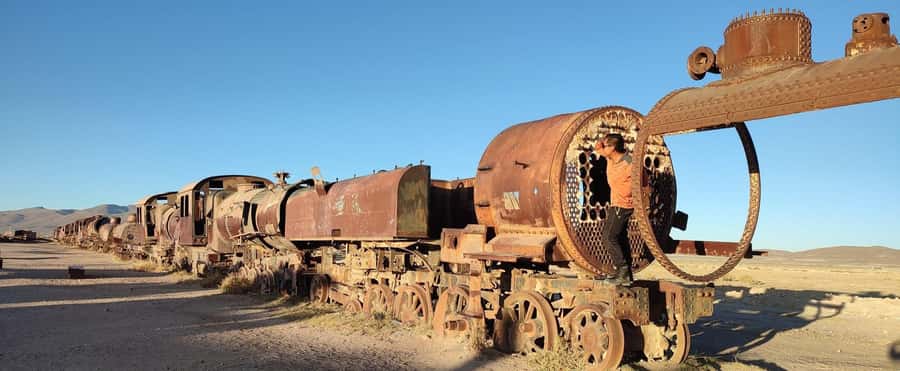
The first major stop is the Train Cemetery, reached after about 15 minutes in the Jeep or SUV. You get roughly 30 minutes to walk among the old locomotives and take photographs.
These machines connect the salt-flat area to a period when Uyuni was tied to mineral exports. A railway was ordered in 1872 to reach Antofagasta in Chile, helping move copper, tin, silver, gold, sodium nitrate, and other raw materials. When the local industry collapsed in the 1940s, the trains were abandoned.
Today, the rusting engines make a striking contrast with the clean white salt you will see later. You can climb up and around parts of the remains for photographs, but the stop is short. I would focus on a few good angles rather than trying to inspect every locomotive.
This is not a formal railway museum with a long indoor visit. It is an open-air stop where the objects, the empty setting, and the industrial story do most of the work.
Colchani: Salt Crafts and a Short Market Stop
From the Train Cemetery, the drive to Colchani takes about 30 minutes. The stop lasts around half an hour and gives you time to walk through the local arts and crafts market.
Colchani is closely tied to salt production. Local people make salt crafts, textiles suited to the cold, and other handmade items. You may find this a useful place to buy a small souvenir before entering the open salt, particularly if you want something made in the area rather than a generic shop item.
There is also a small museum where you can learn more about making salt edible. That visit is optional, so ask the guide how much time it will take and if an entrance payment applies. The tour information does not give a separate museum fee.
The stop also includes shopping, so the pace changes from ruins and photographs to local commerce. If you dislike market visits, keep your expectations modest: Colchani is brief, but it gives the day a human connection before the route reaches the wide salt plain.
The Long Drive Toward Incahuasi Island
After Colchani, expect about an hour and a half in the 4×4 before reaching Incahuasi Island. This is one of the longer stretches of the day, so use the time to rest, eat a snack, and keep warm.
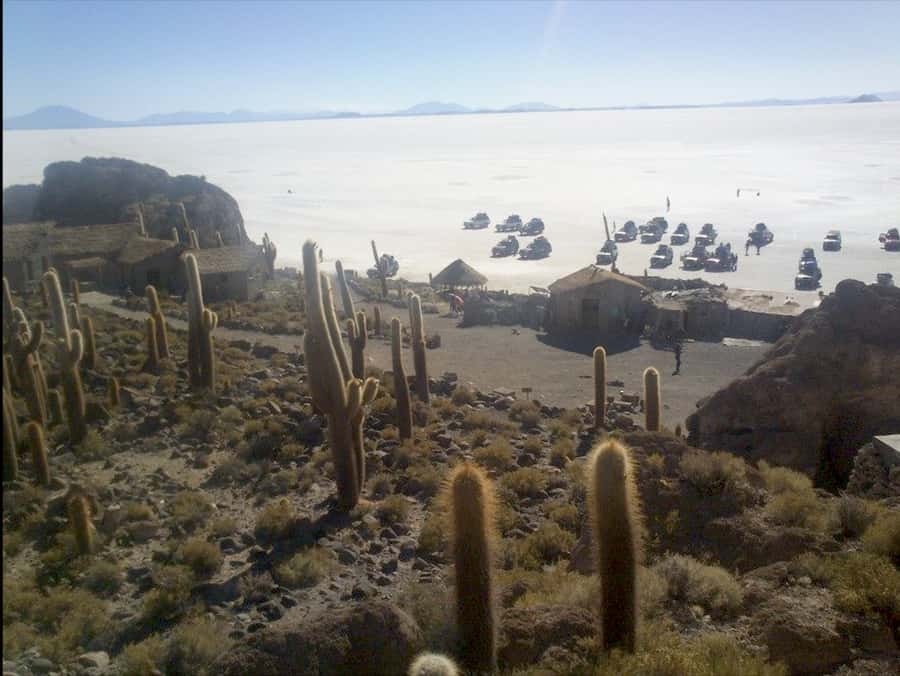
Salar de Uyuni is more than a flat white surface. It holds islands that connect with the region’s earlier Tiwanaku and Inca cultures, and Incahuasi is the best-known stop on this route. The island’s giant cacti are the main visual surprise.
You get about two hours here for a visit, photographs, scenic views, and a picnic lunch. The walk around the island takes approximately 45 minutes, with a small museum at the end. This is not a stop where you simply step out, take one picture, and return to the vehicle. You should be ready to walk in sun, wind, or cold.
The Bs30 entrance fee is separate from the tour price. Bring cash, because the instructions specifically list cash among the items to carry and do not say that card payment is available.
At 3,650 meters, the height can make even a moderate walk feel demanding. The tour is not suitable for people with altitude sickness. If you already know that high elevations affect you, this is not a good place to test your limits.
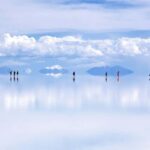
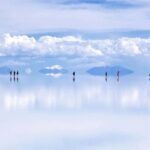

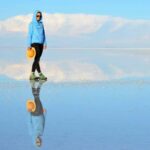
Salar de Uyuni: White Space, Salt Piles, and Photo Tricks
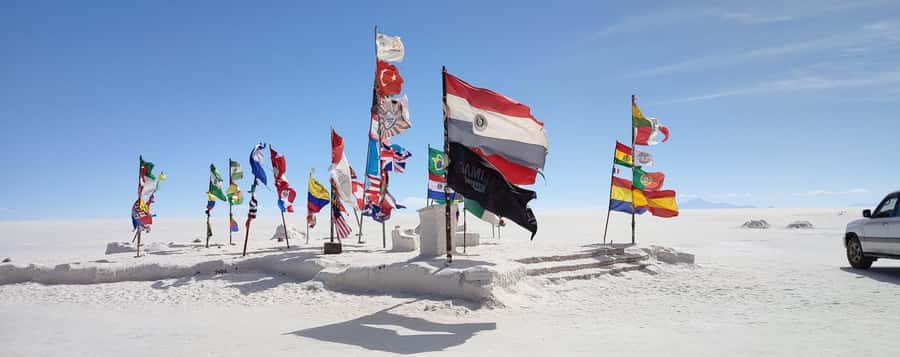
After Incahuasi Island, the route continues into the main salt flat. The drive may include piles of salt, salt sculptures, and a former salt hotel that now operates as a museum.
The salt hotel is a reminder that the material beneath you is not just scenery. Salt is gathered, shaped, used for local crafts, and built into structures. The former hotel makes a good visual stop, though the information provided does not specify a separate entrance fee or how long you stay inside.
The itinerary gives about 30 minutes for the main salt-flat visit, including walking, scenic driving, and free time. That sounds brief, but the total route is planned as an eight-hour outing, and exact timing can shift with road conditions, the season, and the day’s pickup schedule.
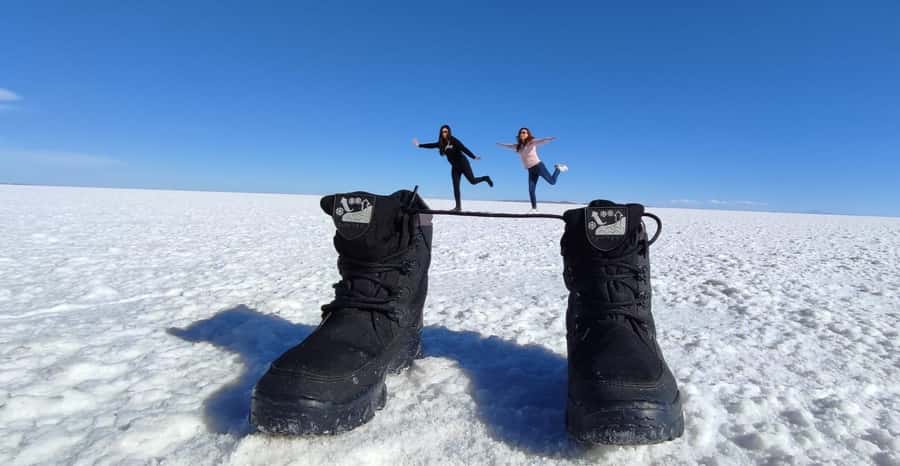
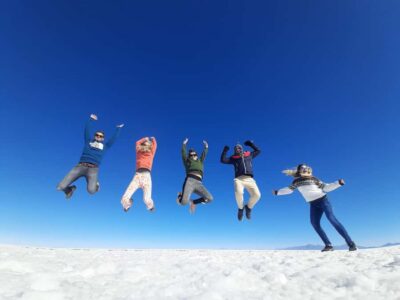
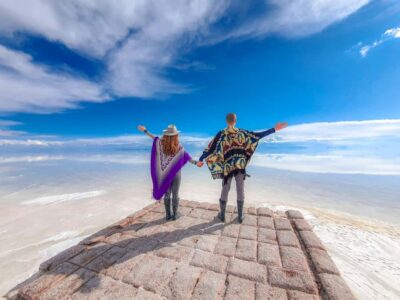
Photography is one of the tour’s strongest points. The guide is expected to suggest ideas for unusual perspective pictures, using the flat surface to make people and objects appear larger or smaller. You will get more from this if you arrive with a charged phone or camera and are willing to try several positions.
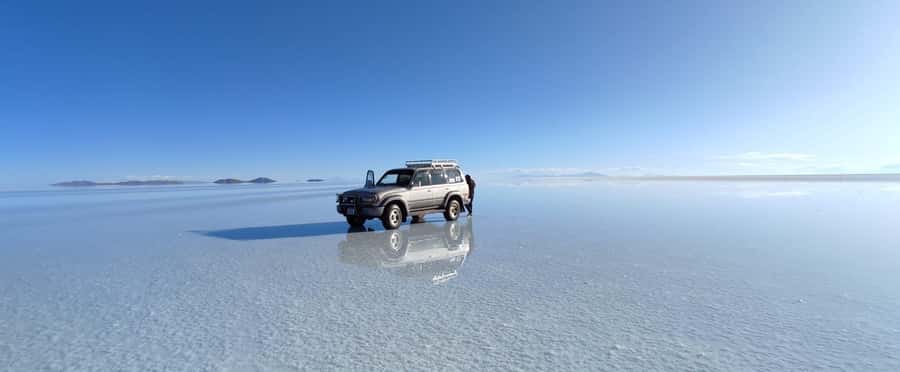
One outing produced especially good sunset pictures, with the guide acting like a professional photographer. Rainy-season water on the salt can also create striking effects with reflections and shadows. Those conditions cannot be guaranteed, but they are a good reason to carry a camera even if you usually take only a few holiday pictures.
The white surface reflects strong light, so sunglasses are not optional in my view. A sun hat, headscarf, sunscreen if you use it, and long sleeves will make the open sections more comfortable.
Lunch, Weather, and the Rhythm of Eight Hours
Lunch is included and is served as a picnic during the Incahuasi Island portion of the route. One booking specifically praised the food and red wine, though the exact menu and drinks are not provided, so do not plan around a particular meal.
Breakfast and dinner are not included. Eat before the pickup or carry a simple breakfast, and keep snacks in your day bag. The tour can feel intense because it combines early transport, several stops, a long drive, a high-altitude walk, and time outside with little shade.
The weather can change. You are advised to expect rain and temperatures that may be colder than expected, even though the salt can look like a hot, bright desert. Pack layers rather than relying on one heavy item.
Useful clothing and equipment include:
- Warm clothing and a jacket
- Comfortable or hiking shoes
- Waterproof shoes or rain gear
- Long pants and comfortable outdoor clothing
- Sunglasses and a sun hat
- A change of clothes
- A charged smartphone or camera
- Cash for Incahuasi Island and purchases
- Snacks for the drives
The long list may seem excessive, but the route crosses an exposed area. You want protection from sun, wind, cold, and sudden rain in the same day.
English, Guides, and Communication on the Road
The service is offered in Spanish and English, but the English level is described as basic. That is important if you want detailed explanations about Tiwanaku, the Incas, railway history, or local salt production.
Carlos guided one highly praised outing, while Christopher made a strong effort to communicate despite not speaking fluent English. Those examples suggest that guide quality can be good, but fluency may vary. One booking was made with the expectation of an English-speaking guide and did not receive that level of service.
I would keep your questions simple and confirm important arrangements in writing. A translation app may help with pickup details, meal questions, or requests for more time at a photo stop. The tour is still workable for an English speaker who mainly wants transport, sightseeing, and basic explanations, but it may disappoint you if fluent guiding is a top priority.
The overall rating is 4 out of 5 from four bookings. That fits the experience described here: the salt flat and photography can be excellent, while communication and pickup need more care.
Who Will Get the Most From This Uyuni Tour?
I would recommend this tour to you if you have only one day in Uyuni and want the principal nearby sights in one organized circuit. It suits people who enjoy wide-open scenery, unusual industrial remains, local handicrafts, and photography.
It is also useful if you are arriving by bus and want pickup and drop-off at the terminal. The included 4×4 and lunch remove two practical tasks from a place where distances are large and services can be limited.
The tour may not suit you if you need a fluent English guide, have altitude sickness, or want a slow and quiet day with long unstructured stops. The route is full, and the 30-minute stops at the Train Cemetery, Colchani, and the salt flat itself leave limited room for delays.
You should also think twice if your transport arrives by plane and you have not received clear pickup instructions. The experience can begin badly if you are standing at the wrong meeting point with no driver in sight.
Free cancellation is available up to 24 hours before departure for a full refund, and you can reserve now and pay later. Those policies give you some flexibility, but they do not replace the need to confirm transport arrangements.
FAQ
Where does the tour depart from?
You can arrange pickup at Plaza Principal Aniceto Arce or the Terminal de Buses in Uyuni.
Where does the tour finish?
Drop-off is available at Plaza Principal Aniceto Arce or the Terminal de Buses.
How long does the experience last?
The tour lasts approximately eight hours. The listed driving and stop times are estimates and may vary.
Is transportation included?
Yes. The price includes bus station pickup and drop-off and transport in a 4×4 vehicle.
Is lunch included?
Yes, lunch is included. Breakfast and dinner are not included.
How much is the Incahuasi Island entrance fee?
The entrance fee is Bs30 per person and is not included in the tour price.
What languages does the guide speak?
The tour is offered in Spanish and English. English is described as basic, and the level of fluency may vary by guide.
Can I be picked up from my hotel?
You can provide your hotel name and ask if pickup is possible. Pickup depends on whether the hotel is close to Uyuni.
What should I bring?
Bring comfortable or hiking shoes, warm clothing, sunglasses, a sun hat, a jacket, rain gear, snacks, cash, and a charged phone or camera. A change of clothes and waterproof shoes are also recommended.
Is the tour suitable for someone with altitude sickness?
No. The tour is not suitable for people with altitude sickness. Salar de Uyuni sits at 3,650 meters above sea level.
Should You Book This Salt Flat Day Trip?
Book it if you want a full Uyuni circuit with the Train Cemetery, Colchani, Incahuasi Island, and the salt flat in one day. The strongest reasons are the included 4×4, lunch, and photography help, plus the chance to see giant cacti, old locomotives, salt sculptures, and rain or sunset effects in one outing.
Before paying, confirm your pickup point and ask what level of English your guide will provide. If you can handle the altitude, dress for cold and rain, carry Bs30 for Incahuasi, and accept a busy schedule, this is a solid way to see the main sights without arranging several separate trips.
More Tour Reviews in Colchani
Not for you? Here's more nearby things to do in Colchani we have reviewed
Uyuni Salt Flats Tours, compared
 ★ 4.5From La Paz: Uyuni Salt Flat Tour & Overnight Roundtrip BusFrom $275327 reviews
 ★ 4.5Uyuni tour express from La Paz by busFrom $269172 reviews
 ★ 4.4From Uyuni: Red Lagoon & Uyuni Salt Flats 3-Day Guided TourFrom $354160 reviews
 ★ 4.3La Paz: 5-Day Uyuni Salt Flats by BusFrom $486153 reviews
Browse the lists this tour appears in