
Reviewed · COLCHANI
From San Pedro de Atacama: 3-Day Uyuni Salt Flats Tour
The most memorable part of this three-day crossing is the change in scenery: one day you are beside steaming geysers and red lagoons, and the next you are watching sunrise spread across the white Salar de Uyuni. I like that the route also includes smaller, unusual stops, from pre-Inca rock paintings to volcanic formations that resemble a deserted town.
I also like that the $320 price includes shared transport, meals and two nights of accommodation, which takes care of several major costs on a cross-border trip. The trade-off is pace: there are many stops to fit in, and you may wish you had more time at some of them. Expect basic lodging, a Spanish-language tour and extra fees along the way.
In This Review
- At a glance: the route from Atacama to Uyuni
- Day 1: crossing the border into Bolivia’s high country
- Day 2: rock art, volcanic forms and canyon country
- Day 3: sunrise on the Salar and a final stop in Uyuni
- What the $320 price covers, and what it does not
- Pace, language and what to pack
- Who should book this three-day crossing?
- FAQ
- Where does the tour start and end?
- What transport is used?
- Are meals and accommodation included?
- Which fees are not included?
- What should I bring?
- What language is the tour guided in?
At a glance: the route from Atacama to Uyuni
- Watch sunrise on the Salar: Reach the salt flat early on Day 3, then walk among the limestone formations on Incahuasi Island.
- See two very different lagoons: Laguna Verde and Laguna Blanca sit below Licancabur volcano, while Laguna Colorada is known for its flamingos.
- Stand near active geothermal features: Sol de Mañana’s hot springs reach a reported 90°C. Keep to the safe viewing areas and follow your guide’s directions.
- Look for traces of earlier life: Tomas Lakha has pre-Inca rock paintings, while Lost Italy is a striking formation of volcanic rock.
- Plan for simple nights and extra fees: Two hostel stays and meals are included, but admission charges, water and a sleeping bag are not.
Day 1: crossing the border into Bolivia’s high country
Your tour starts with pickup at your hotel in San Pedro de Atacama, then a drive to the Chile-Bolivia border. Bring your passport for the crossing. After the required procedures, you change vehicles: the Chilean leg uses a minibus, while the Bolivian portion is in a 4×4 built for six people.
That change matters. The Bolivian route visits remote places, and a 4×4 is suited to the journey across the Altiplano. The overall group can include up to 15 people, so the tour is small-group travel, but you should still expect to share your vehicle and coordinate stops with others.
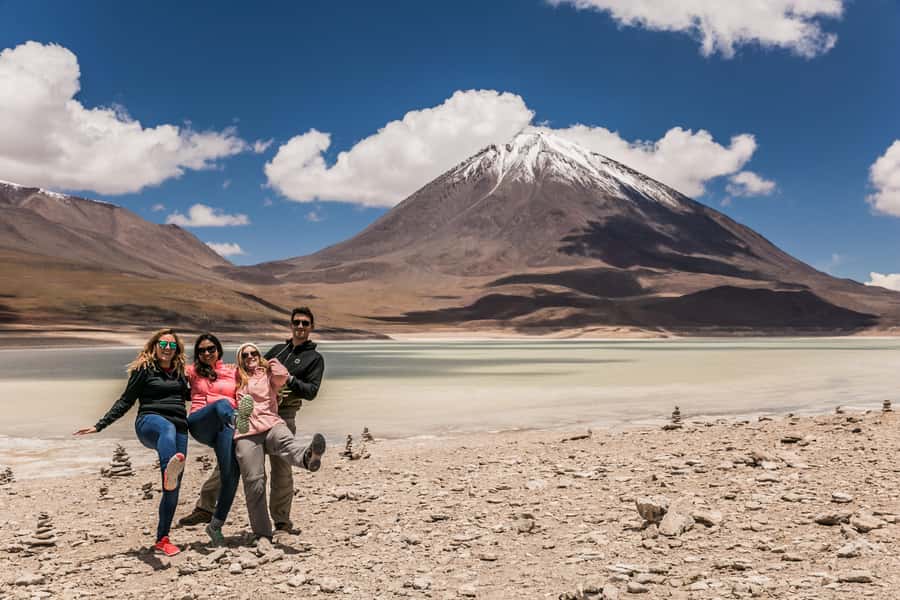
The first major sights are Laguna Blanca and Laguna Verde, at the foot of Licancabur volcano. Their setting gives you a strong first impression of the open, high-altitude country. Take your camera, but also take a moment to look beyond the frame: the lakes, volcano and wide stretches of ground make this stop about scale as much as color.
Next comes the Salvador Dalí Desert, followed by Polques Hot Springs. The tour includes time at the springs, but their entrance fee is extra. Pack swimwear only if you want to use the hot springs; the information provided does not specify what facilities are available, so keep your expectations simple.
Sol de Mañana brings the day’s most dramatic geothermal stop. Its hot springs reach 90°C, a reminder that this is not a place to wander wherever you please. Stay with the group and follow instructions around the geysers.
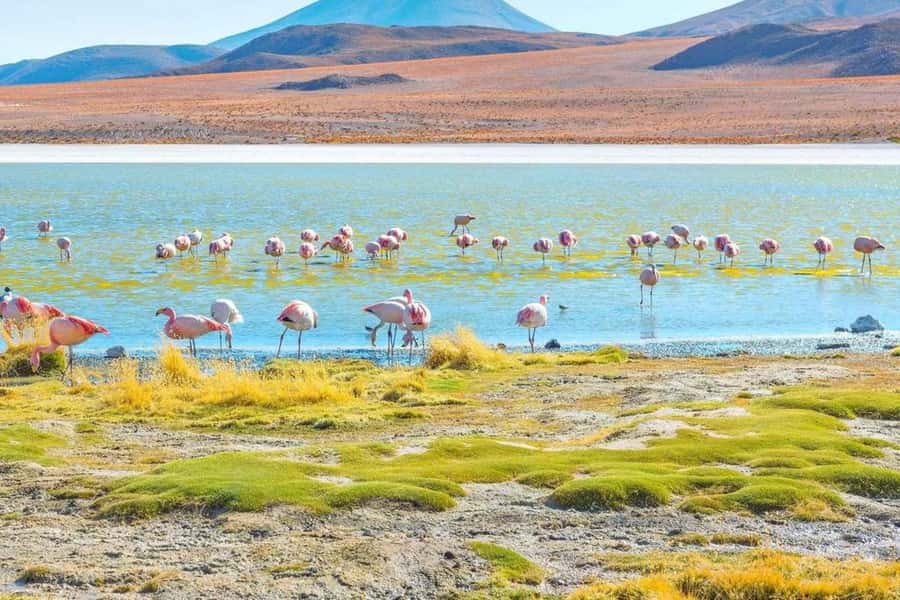
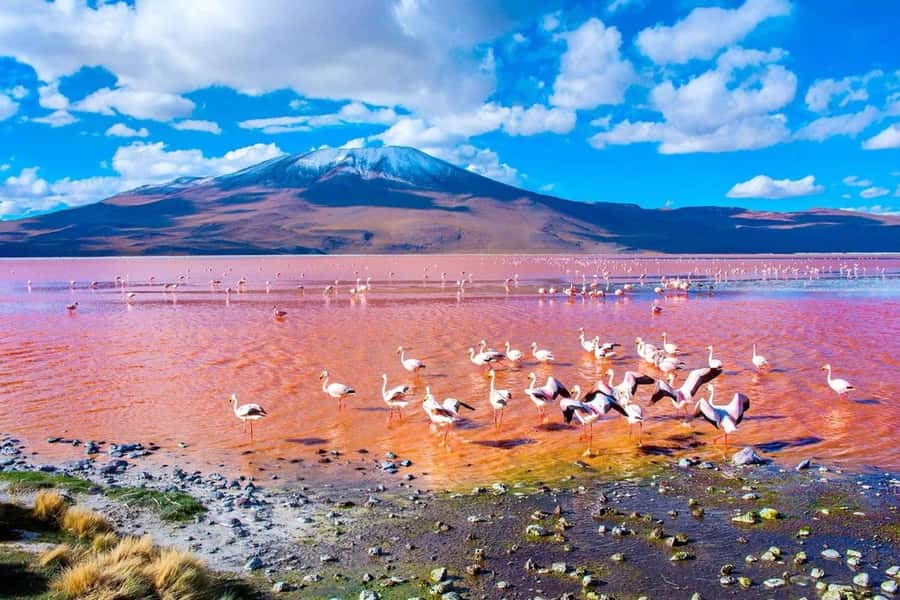
The final listed stop is Laguna Colorada, where you may see flamingos. It is a fine place to pause and watch the birds, though the schedule is full. A recent assessment specifically wished for more time at each stop, so keep your photo routine quick and be ready to move when the group does.
You spend the first night at a hostel in Villamar, subject to availability. Accommodation is described as basic, though the quality of the two overnight stays has received a positive note. Dinner is included, but bring a sleeping bag if you need one: it is not supplied.
You can also read our reviews of more tours and experiences in Colchani.

Day 2: rock art, volcanic forms and canyon country
After breakfast, you head to Tomas Lakha to see pre-Inca rock paintings. This is a welcome change from the broad, striking views of Day 1. The paintings offer a glimpse of people who lived in the region long before the modern border crossing and tour route existed.
The next stop, Lost Italy, is a group of volcanic rocks whose shapes have been likened to an abandoned city. It is an unusual place to walk around and look closely at the forms. There is no need to rush into taking the same wide photo as everyone else; the shapes are the point, and a few minutes spent moving around the formations may reveal more than one quick snapshot.
You continue to the Vinto and Catal lagoons, where the tour highlights typical Altiplano wildlife. Then come Anaconda Canyon and Sora Canyon. The itinerary names these stops but does not give details about walking distance or time on site, so bring comfortable shoes and be prepared to follow the guide’s directions rather than plan a long independent hike.
The day ends at a hostel in Colcha K, again subject to availability. Breakfast, lunch and dinner are included across the tour, which is useful in a route where you are moving between remote stops. Still, drinking water is not included. Bring enough water for yourself, and remember that bathroom access along the way costs extra.
Day 2 is a good reminder that this is not simply a three-day visit to one salt flat. You see rock paintings, volcanic formations, lagoons and canyons before reaching the salt flats. If you prefer a slow visit with long breaks at each site, the packed schedule may test your patience. If you like variety and want to cover a broad route in a short time, that same schedule is the reason this tour works.
Day 3: sunrise on the Salar and a final stop in Uyuni
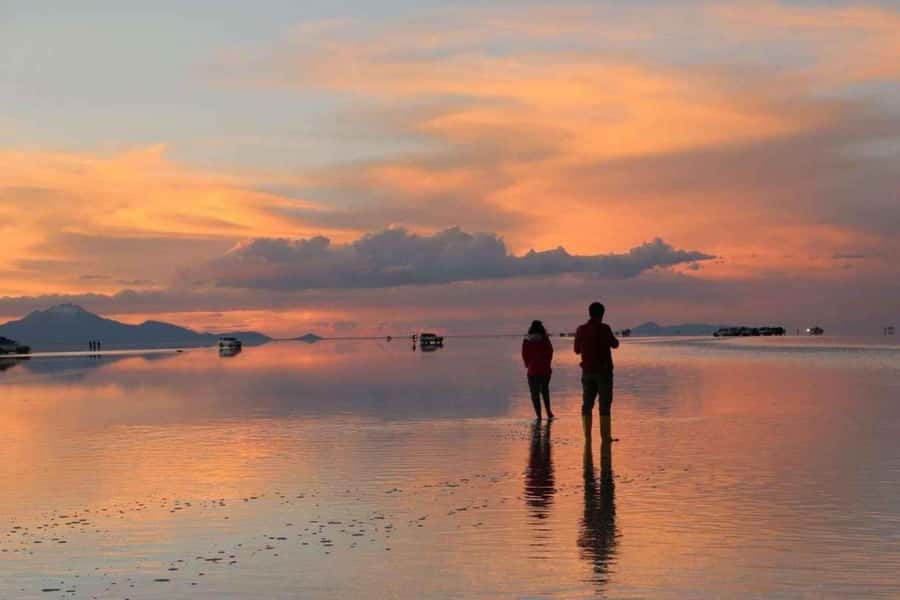
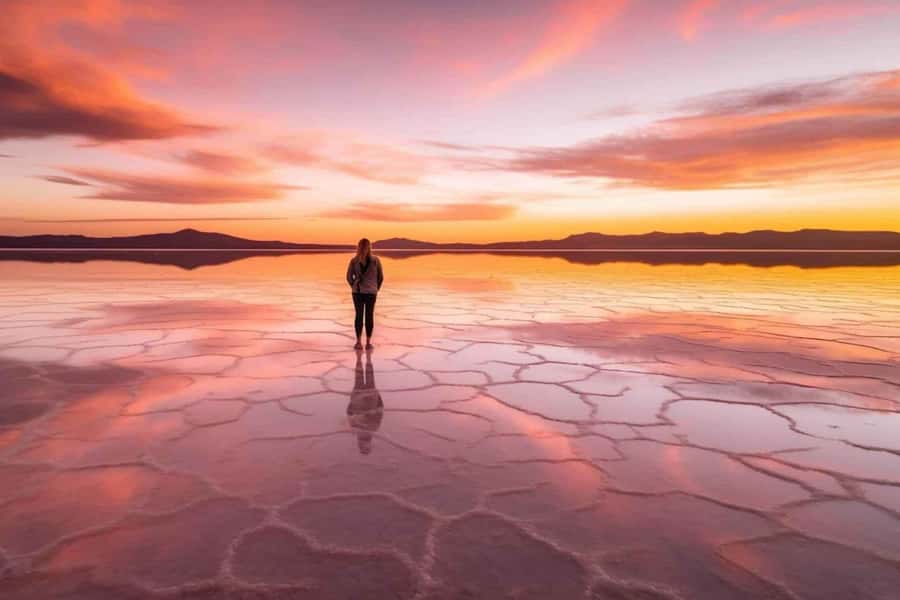
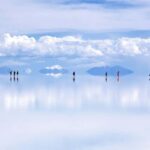
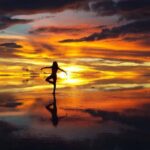
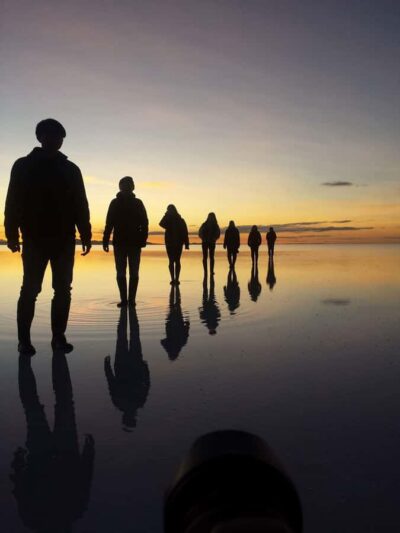
The third day starts early, with a drive to the Salar de Uyuni to watch sunrise. The early start is part of the deal: you trade a comfortable morning for the chance to see light spread across the salt flat. Bring warm clothing, since temperatures can vary, and keep your camera ready before you arrive.
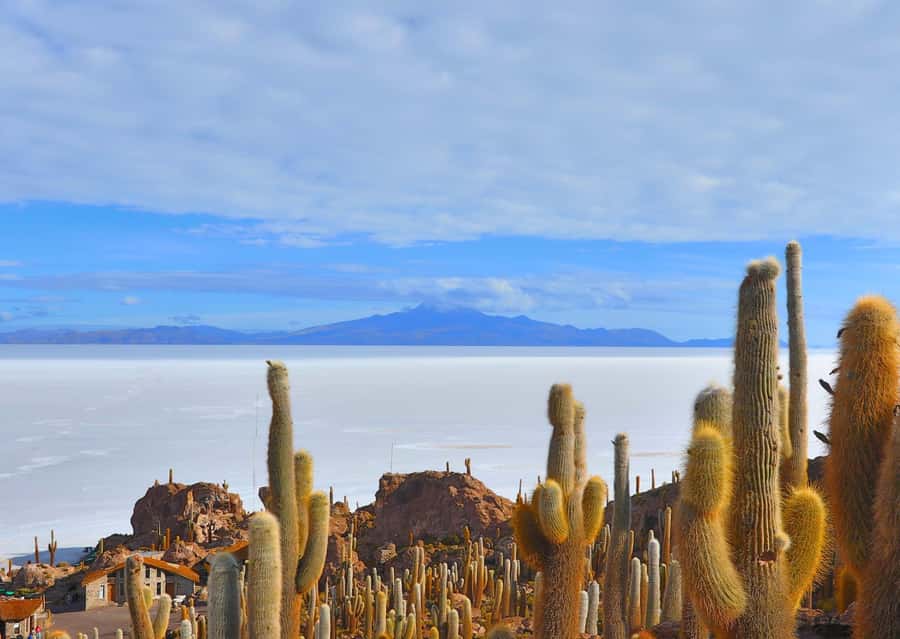
After sunrise, you visit Incahuasi Island. Its limestone rock formations make a striking contrast with the broad, white salt flat around them. You can walk among the formations and take in the view from the island. The entrance fee is not included, so budget for it separately.
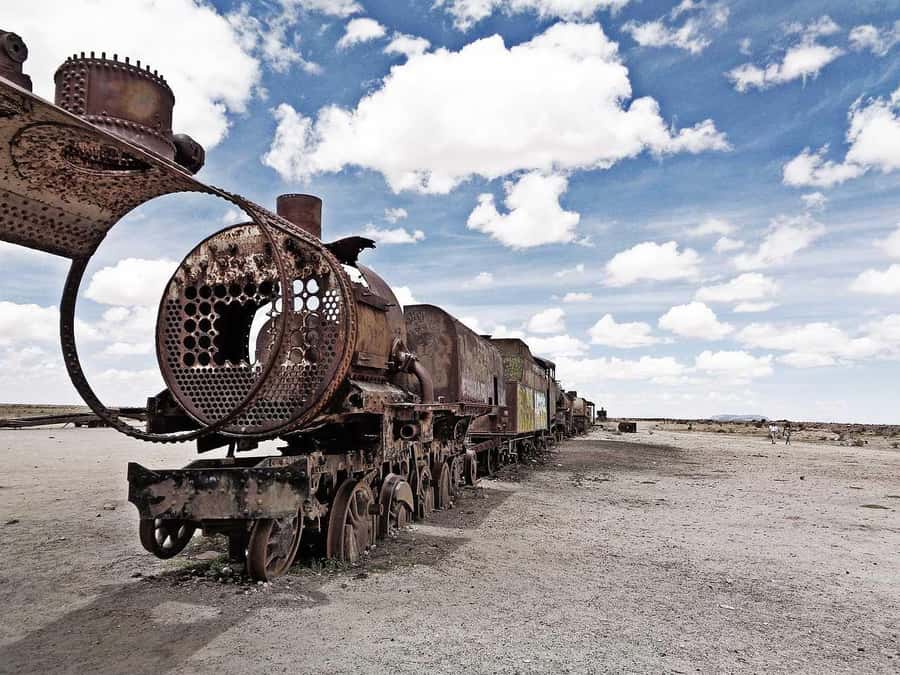
The route then takes you to the Salt Museum and through Colchani, where you can stop to buy crafts. Treat this as a chance to look around and make a small purchase if something appeals to you, rather than assuming there will be a long shopping break. The final photo stop is the train cemetery, before the tour drops you in central Uyuni.
This finish is practical if you are continuing your trip from Uyuni. It is not a return transfer to San Pedro de Atacama: the tour runs one way, from San Pedro to Uyuni. You will need to arrange your own onward plans from there.
What the $320 price covers, and what it does not
At $320 per person, the price includes shared transport, pickup at the meeting point in San Pedro de Atacama, drop-off in central Uyuni, meals and two hostel nights. For a three-day, cross-border route with a minibus in Chile and a six-person 4×4 in Bolivia, those inclusions cover the main parts of the experience.
The lodging is basic and subject to availability, so book this for the route, not for hotel comforts. The positive note about the accommodation is encouraging, but it does not change the stated standard: expect hostels, and bring a sleeping bag if you want one.
Admission costs add up. The listed fees are Bs. 186 for parks, Bs. 150 for the Eduardo Avaroa Andean Fauna National Reserve, Bs. 6 for Polques Hot Springs and Bs. 30 for Incahuasi Island. Together, those listed charges total Bs. 372 per person, before bathroom use, possible rubber boot rental or personal extras. Bathrooms cost approximately Bs. 6 each way, and boots rent for Bs. 20 if rain makes them necessary.
Water, medical insurance and a sleeping bag are also excluded. The practical move is to carry cash for fees and bathrooms, pack your own water, and check that you have suitable insurance before setting off. The tour information recommends preparing for altitude sickness; take that seriously and plan ahead, especially if you know you are sensitive to altitude.
Pace, language and what to pack
The tour is guided in Spanish. If you are comfortable following directions in Spanish, that may be all you need. If you rely on detailed explanations in another language, this is worth considering before you book. No guide names are provided.
A group of up to 15 participants is small enough to keep the trip organized, but the individual stops may feel short because the itinerary covers so much ground. The best approach is to decide what you most want from each stop: a quick photo, a closer look at the rock formations, or a few quiet minutes beside a lagoon. You may not have time to do all three at every location.
Pack comfortable shoes, warm layers, sunscreen, a camera and water. The temperature can change, so layers are more useful than relying on one heavy coat. Bring your passport for the border crossing, and wear shoes that can handle uneven ground.
Rubber boots are required in case of rain, with rental available for Bs. 20 per person. Smoking, alcohol and drugs are not allowed, and littering is prohibited. The tour is not suitable for children under 8, pregnant women or people with back problems.
Who should book this three-day crossing?
I would consider this tour if you want to travel from San Pedro de Atacama to Uyuni while seeing far more than the salt flats. The route strings together lagoons, geysers, canyons, rock art and volcanic formations, then finishes with sunrise on the Salar. The included meals and two nights of lodging also make the $320 fare easier to assess against the cost of arranging a multi-day trip yourself.
It is less suitable if you need comfort, long unhurried visits or a guide who speaks a language other than Spanish. The basic hostels, extra fees and busy schedule are not minor details. You should also be comfortable with a border crossing, variable temperatures and a route where the tour ends in a different country from where it begins.
If that fits your plans, this is a practical way to cross the Altiplano and reach Uyuni with a broad set of memorable stops along the way. If your priority is spending as much time as possible at the Salar itself, look for an option with a slower schedule or more time on the salt flat.
FAQ
Where does the tour start and end?
It starts with pickup at your hotel in San Pedro de Atacama and ends with drop-off in central Uyuni. It is a one-way tour.
What transport is used?
The Chilean portion uses a minibus. In Bolivia, the tour uses shared 4×4 vehicles that hold six people.
Are meals and accommodation included?
Yes. Breakfast, lunch and dinner are included, along with two basic hostel nights: one in Villamar and one in Colcha K. The hostels are subject to availability.
Which fees are not included?
The listed extra fees are Bs. 186 for parks, Bs. 150 for the Eduardo Avaroa Andean Fauna National Reserve, Bs. 6 for Polques Hot Springs and Bs. 30 for Incahuasi Island. Bathroom use and any rubber boot rental also cost extra.
What should I bring?
Bring your passport, comfortable shoes, warm clothing, sunscreen, a camera and water. A sleeping bag is not included, and rubber boots may be needed if it rains.
What language is the tour guided in?
The live tour guide speaks Spanish. No other guide language is specified.
More Tour Reviews in Colchani
Not for you? Here's more nearby things to do in Colchani we have reviewed
Colchani, compared
 ★ 4.2Bolivia: starlights and sunrise in Uyuni salt flatFrom $6020 reviews
 ★ 3.7San Pedro de Atacama: 4-Day Uyuni Salt Flats TourFrom $3328 reviews
 ★ 4.2From La Paz: Uyuni Salt Flats & Lagoons 5-Day TourFrom $3656 reviews
Uyuni Full-Day Adventure with sunset: All IncludedFrom $1085 reviews
★ 4.2From La Paz: Uyuni Salt Flats & Lagoons 5-Day TourFrom $3656 reviews
Uyuni Full-Day Adventure with sunset: All IncludedFrom $1085 reviews
Browse the lists this tour appears in