
Reviewed · LA PAZ CITY TOURS
Walking city tour La Paz
Start high, walk slowly, look closely. This three-hour walk introduces you to Murillo Square, La Paz’s political center, and the city’s unusual cultural character. I like the focus on local life and Paceña culture, and I also like that the route includes Jaén Street, one of the city’s named historical areas rather than only broad sightseeing stops.
My main concern is reliability. The tour costs just $2.50 per person, but several recent bookings ended with a very late cancellation or no guide at all, and one booking raised confusion about an additional payment or tip. You should confirm the meeting details before setting out and recognize the guide by the green umbrella.
In This Review
- Five things to know before you go
- Why La Paz works well on foot
- Meeting beneath the green umbrella
- Murillo Square and the political heart of La Paz
- Jaén Street and a smaller-scale look at the city
- The unnamed unusual places
- Three hours, altitude, and the walking pace
- What the $2.50 price really buys
- The service record deserves attention
- Who should book this La Paz walk?
- Should you book it?
- FAQ
- How long is the Walking City Tour La Paz?
- How much does the tour cost?
- What language is the tour in?
- Where do I meet the guide?
- What is included in the price?
- Are snacks included?
- Can I cancel the tour for a refund?
- Can I reserve now and pay later?
- Which places does the tour visit?
Five things to know before you go
- The tour lasts three hours at about 3,600 meters: The altitude makes this a real walking outing, not a casual stroll.
- Murillo Square gives the tour a political and cultural center: La Paz is important because Bolivia’s government power is based here.
- Jaén Street adds a more intimate historical stop: You move beyond a single central plaza and into a named old street.
- The English guide is included: Snacks and other personal expenses are not.
- The green umbrella is your meeting-point clue: Look for it carefully, and allow extra time in case communication is difficult.
- The price is unusually low but service has been uneven: A 3.9 rating from 25 ratings reflects both enjoyable walks and serious meeting problems.
Why La Paz works well on foot
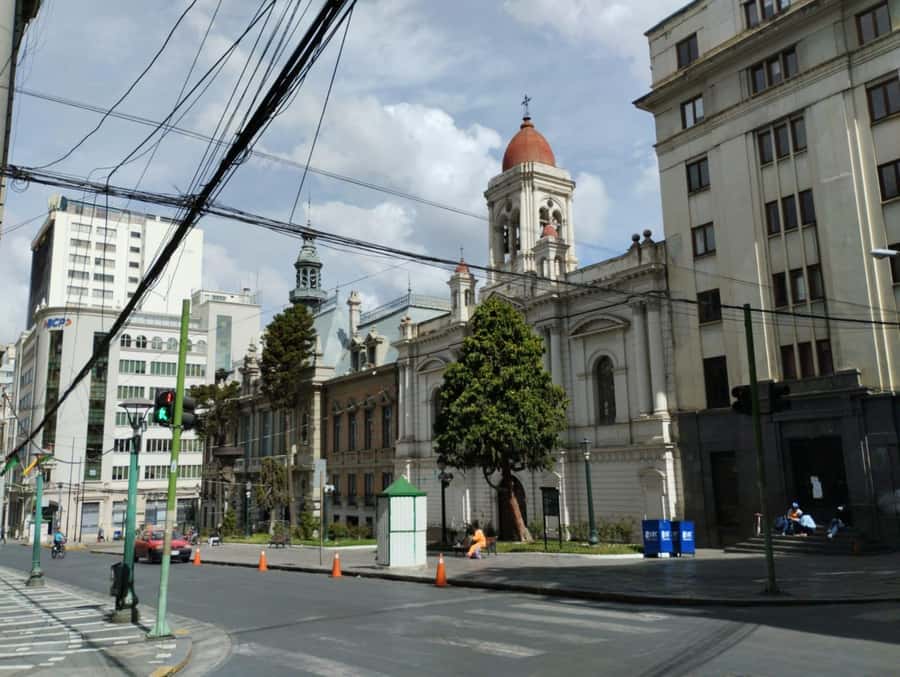
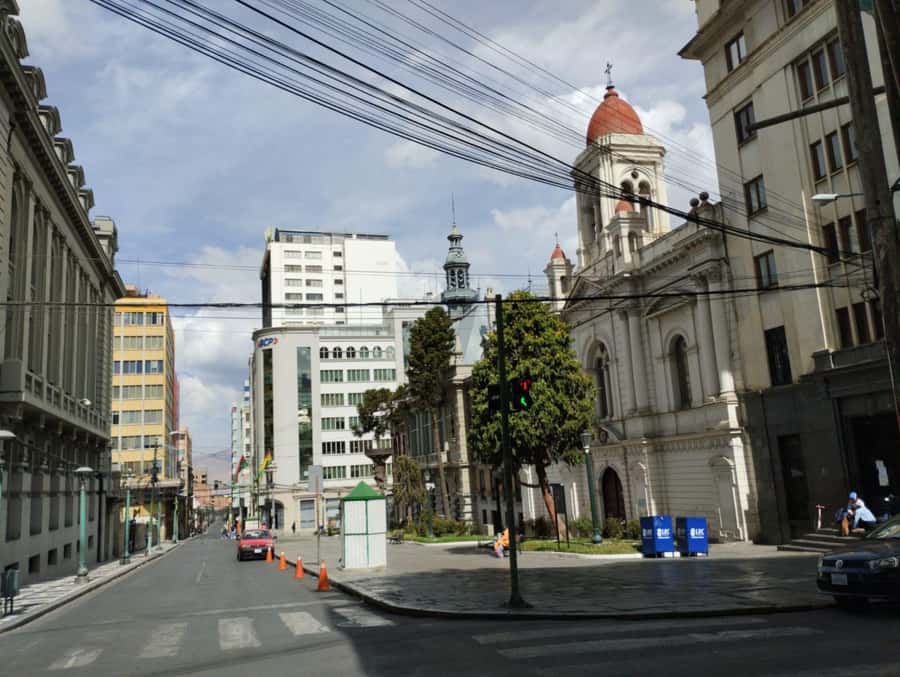
La Paz is a city that rewards a slower introduction. At roughly 3,600 meters above sea level, it is high enough that a three-hour walk can feel demanding, especially if you have just arrived or are still adjusting to the altitude.
I like the idea of beginning with the city’s broader purpose. La Paz is not simply a scenic stop in Bolivia; it is also an important seat of government power. That gives the walk a useful frame: you are not only looking at streets and squares, but also learning how the city functions as a political and cultural center.
The tour is designed to help you understand daily life and Paceña culture. Those are broad promises, but they point in the right direction for a first visit. You are likely to get more from the walk if you want context and conversation rather than a checklist of famous buildings.
The exact route beyond Murillo Square and Jaén Street is not spelled out. That uncertainty can be a drawback if you want a precise list of monuments, but it also leaves room for the guide to shape the walk around the group and the city’s less obvious corners.
You can also read our reviews of more walking tours in La Paz



Meeting beneath the green umbrella
The meeting instruction is simple: find the guide with the green umbrella. Since no more precise landmark is supplied here, I would not leave this until the last minute. Make sure you know the meeting-point details shown when you book, and keep the tour contact information available on your phone.
The guide is listed as live and English-speaking. That matters because the tour’s value depends heavily on explanation. Murillo Square, Jaén Street, and the surrounding streets can be seen without a guide, but the purpose of this activity is to connect them with culture, politics, and local life.
The umbrella is also important because the tour has had some serious meeting problems. One booking in October 2025 reported no guide at the meeting point and no response through the app. Another person waited 45 minutes after arriving on time and said the listed number did not respond.
That does not mean your walk will fail, but it does mean I would build in a little patience and avoid scheduling an important departure immediately afterward. The low price is attractive; the need for a backup plan is less attractive.
Murillo Square and the political heart of La Paz
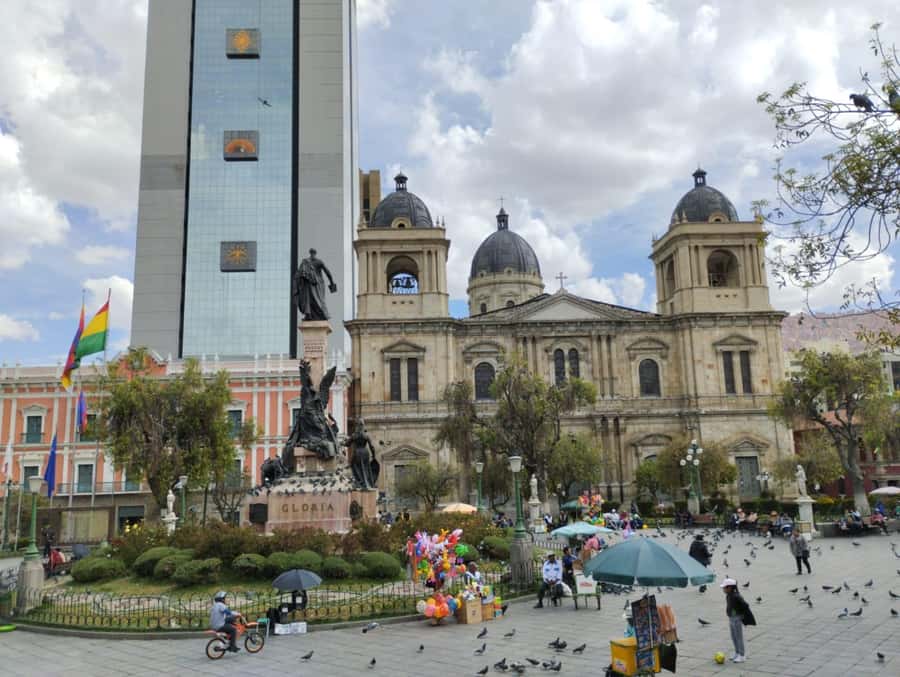
Murillo Square is the clearest anchor for the experience. The tour describes it as a place to learn more about the city’s mystical culture, while La Paz’s government importance gives the square a second role as a political reference point.
I would listen closely here for the guide’s explanation of how public power and local identity meet. The supplied information does not name individual buildings, monuments, or events, so you should not expect a fixed lecture on specific landmarks. Instead, think of the square as a starting point for understanding the city.
This is where the English guide can add real value. A plaza may look like an open urban space, but the stories attached to it are what explain why it matters. If the guide connects the square to Bolivia’s government, Paceña culture, and the city’s mystical side, you will gain a much better sense of La Paz than you would from photographs alone.
The square also gives you a chance to judge the tour early. If the guide provides clear context and welcomes questions, the rest of the walk should feel useful. If the explanation remains vague, the broad wording about culture and unusual places may feel less satisfying.
Jaén Street and a smaller-scale look at the city
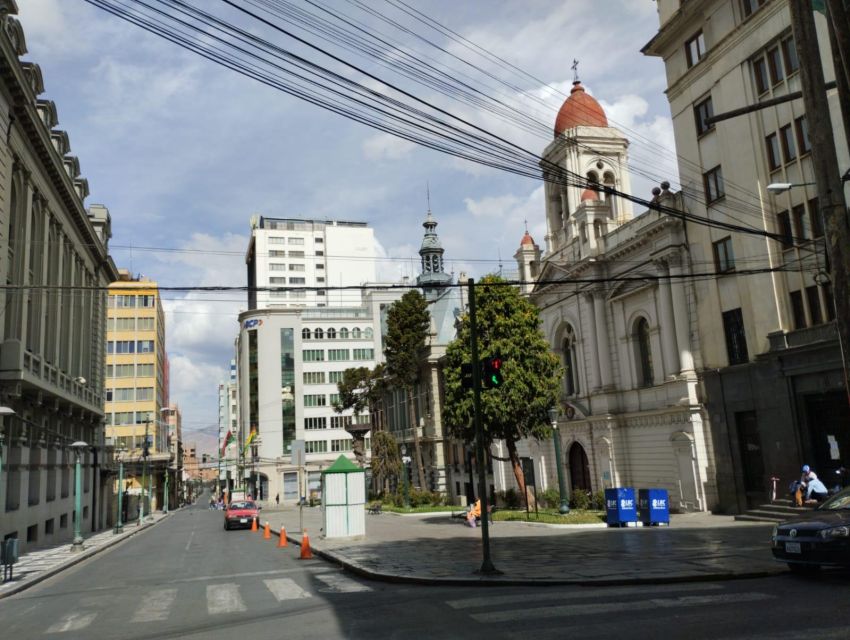
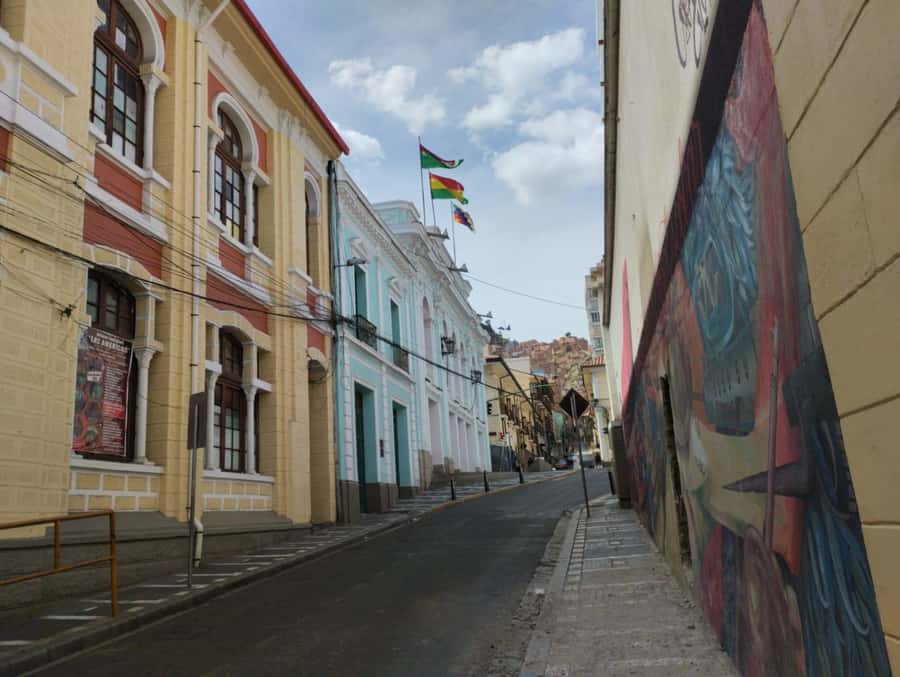
The move to Jaén Street is one of the tour’s strongest features. It suggests a change from a major public square to a more focused historical setting, giving the three-hour walk some variety.
The information provided does not identify which buildings or sites you will enter, and there is no indication that museum admissions are included. I would therefore expect to walk along the street and hear about its place in La Paz rather than count on an indoor visit.
That limitation is worth keeping in mind. If you want a detailed architectural tour or several museum stops, you may need a more specialized activity. If you want to see how the city’s character shifts from a government-centered square to a historical street, Jaén Street should fit well.
One especially useful detail from the individual experience reports is that a small private group received an adapted tour after changing the date. The walk then focused on colorful streets and stories about the country. That suggests the guide may be able to adjust the emphasis when the group is tiny, though you should not assume a private tour is guaranteed.
The unnamed unusual places
The tour promises unique places with an intriguing character, but it does not provide a full stop-by-stop route. This is both its appeal and its weak point.
I like the possibility of seeing more than the standard central sights. A walking tour can be most useful when it shows you how different streets feel and helps you notice details you might otherwise pass without a second thought. The reference to colorful streets and national stories gives you a sense of the kind of material that may appear.
Still, you should book with realistic expectations. There is no confirmed list of specific alleys, markets, churches, museums, viewpoints, or food stops. You may find unusual corners and local stories, but the exact selection depends on the guide and the day.
The phrase mystical culture is also open-ended. It may lead to an engaging conversation about local beliefs and identity, but the supplied details do not explain precisely what will be discussed. I would treat it as an invitation to ask questions, not as a promise of a particular ritual or performance.
You can also read our reviews of more city tours in La Paz



Three hours, altitude, and the walking pace
Three hours is long enough to get a meaningful introduction but short enough to fit into a busy La Paz schedule. You can use it near the start of your stay to get your bearings, then return to the places that interest you most.
At 3,600 meters, I would not underestimate the physical side. The activity is specifically a walking city tour, and no transport is included. The information does not give the distance, number of hills, rest stops, or accessibility details, so you should be ready for some uncertainty about the pace.
A sensible approach is to begin slowly. Give yourself time to look around, listen, and ask questions rather than trying to hurry from one stop to the next. If you are sensitive to altitude, the duration is a reason to plan carefully, even though the route details are not specific enough to judge its exact difficulty.
The tour does not include snacks. That is a small but practical point during a three-hour outing. Bring what you need for the walk, and budget separately for any extra expenses.
What the $2.50 price really buys
At $2.50 per person, this is one of the cheapest guided introductions you can book in La Paz. The price makes sense if your main goal is a basic English-language orientation with a guide and a few central cultural stops.
The included service is the tour guide. Snacks, drinks, admissions, and other extra expenses are not included. Since no entrance visits are specifically promised, you should not assume that the low price covers indoor attractions.
There is also some ambiguity around payment. One person who booked the activity described it as a free tour but said the guide requested a payment or offer before the walk. That may simply reflect a tip-based model, but the advertised $2.50 and the possibility of an additional request are not perfectly clear.
I would ask for the payment expectations before the tour begins. A guide’s tip may be customary or appreciated, but you deserve to know whether it is optional and how it relates to the booking price. Even with that caveat, the cost remains low if the walk operates as planned.
The service record deserves attention
The overall rating is 3.9 out of 5 from 25 ratings. That is neither a clear endorsement nor a warning to avoid the activity outright. It points to a mixed service experience.
There are positive signs. One small group successfully changed its date and received an adapted walk focused on La Paz’s colorful streets and the country’s stories. Another five-star account described the walk as providing what you would expect from a city walking tour.
The problems are more serious than minor lateness. In September 2025, a booking was confirmed, but no guide appeared; the people involved waited 45 minutes and received no response. In October, another person reported the same basic issue.
A separate booking in May 2025 had the tour cancelled only five minutes before the start. That is especially frustrating if you are leaving La Paz the next day, because a late cancellation may leave no time to arrange another activity.
The free-cancellation policy allows you to cancel up to 24 hours ahead for a full refund, and the reserve-now-pay-later option lets you hold a place without paying immediately. Those terms reduce financial risk, but they do not solve the problem of a last-minute operational failure. If the walk is important to your schedule, confirm it as close to departure as practical and keep another plan in mind.
Who should book this La Paz walk?
I would recommend it most to a budget-minded visitor who wants a first look at La Paz’s central culture and political importance. It is a good match if you enjoy asking questions, walking through historical areas, and letting the guide add meaning to places you could otherwise pass quickly.
It may also suit you if you are interested in local identity rather than only major sights. Murillo Square, Jaén Street, the city’s daily life, and the reference to Paceña culture give the walk a more local focus than a simple photo stop.
I would be more cautious if you have a tight departure schedule, need dependable communication, or want a carefully documented route. The recent no-show and cancellation reports are too serious to ignore.
It is also not the right pick if you expect food, transport, museum admissions, or a fixed list of named attractions. The experience includes a guide and a three-hour walk; the rest should be treated as uncertain unless confirmed directly.
Should you book it?
Book this tour if the $2.50 price, English guide, Murillo Square, Jaén Street, and flexible cultural focus appeal to you. The low cost makes it a reasonable gamble for a first orientation, especially if you can keep your schedule flexible.
I would not make it your only plan for a short stay in La Paz. Confirm the green-umbrella meeting arrangement, clarify any requested payment or tip, and avoid placing an essential connection right after the tour. If the guide arrives and the explanations are good, the walk could be excellent value; if reliability matters more than price, choose a better-established option.
FAQ
How long is the Walking City Tour La Paz?
The tour lasts three hours. Starting times depend on availability when you book.
How much does the tour cost?
The listed price is $2.50 per person.
What language is the tour in?
The live tour guide speaks English.
Where do I meet the guide?
Look for the guide carrying a green umbrella. The specific meeting-point details should be checked when you book.
What is included in the price?
The tour guide is included.
Are snacks included?
No. Snacks and other extra expenses are not included.
Can I cancel the tour for a refund?
Yes. You can cancel up to 24 hours in advance for a full refund.
Can I reserve now and pay later?
Yes. The reserve-now-and-pay-later option allows you to hold your travel plans without paying at the time of booking.
Which places does the tour visit?
The tour highlights Murillo Square and Jaén Street, along with other unusual places connected to La Paz’s culture and daily life. The full route is not specified.
More Walking Tours in La Paz
More Tours in La Paz



More Tour Reviews in La Paz



Not for you? Here's more nearby things to do in La Paz we have reviewed







La Paz City Tours, compared
 ★ 4.9La Paz: Private City Tour with Cable Car & Moon Valley VisitFrom $43508 reviews
 ★ 4.2La Paz City Tour and Moon ValleyFrom $4038 reviews
 ★ 4.9La Paz: Private Vehicle & Guide. City Tour + Moon ValleyFrom $3516 reviews
 ★ 4.5Private City Tour of La PazFrom $1505 reviews
Browse the lists this tour appears in