
Reviewed · ANDES CLIMBING & TREKKING
From La Paz: Austria Peak One-Day Climbing Trip
High altitude makes every step count. I like this trip for its huge Cordillera Real and Lake Titicaca views, and for the chance to walk close to glaciers and the striking Condoriri lakes in one day. I also like that the $188 price includes transport, a guide, lunch, and useful cold-weather gear. The catch is simple: this is a hard, high-altitude day, and even fit people can feel sick before the summit.
The route reaches 17,388 feet, so this is not a casual mountain walk. You need several days of acclimatization, a strong level of fitness, and the good sense to turn around if your body objects. The reward is a quiet first high peak, often used as preparation for a Huayna Potosí climb a few days later.
In This Review
- Key points before you book
- What Austria Peak offers that Huayna Potosí does not
- Leaving La Paz through El Alto and Palcoco
- Laguna Chira Khota begins the real work
- The 17,388-foot push to Austria Peak
- The descent can be tougher than the climb
- Acclimatization is the real entry ticket
- What the $188 price covers
- Lunch, clothing, and what to carry
- Who will enjoy this one-day climb
- Should you book Austria Peak?
- FAQ
- How high is Austria Peak?
- How long does the trip take?
- How much acclimatization do I need?
- Is technical climbing experience required?
- What is included in the price?
- What happens if the weather is bad or I cannot continue?
Key points before you book
- A 17,388-foot summit in one long day: The climb includes a 2- to 3-hour drive each way and roughly 6 to 8 hours on foot.
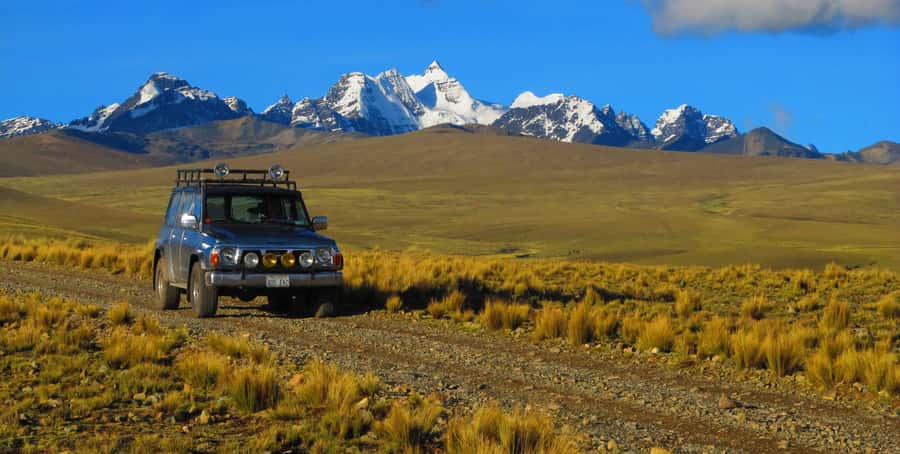
- Condoriri begins with a scenic road journey: You pass El Alto, Palcoco, dirt roads, high lakes, llamas, sheep, and the Cordillera Real.
- Equipment is part of the deal: Jackets, trousers, and trekking poles are available if needed, which helps if you are not carrying a full climbing kit.
- Acclimatization matters more than bravado: Two to three days between 9,840 and 16,400 feet is listed as sufficient preparation, but altitude affects people differently.
- The guide sets the rhythm: Patricia is noted for a steady pace, while Andrés is remembered for patience and calm when the going became tough.
- The mountain may be quiet, but the day is not easy: The route can take nine hours on foot for some people, followed by a long ride back to La Paz.
What Austria Peak offers that Huayna Potosí does not
This outing takes you to Austria Peak in the Condoriri range, rather than to the summit of Huayna Potosí itself. That distinction matters. Huayna Potosí is often the bigger goal, while Austria Peak works well as a high-altitude test and a first step toward harder mountain trekking.
You get a serious summit without needing technical climbing skills. The route still reaches more than 17,000 feet, but the activity information says no technical skill is required. That does not make it easy. It means you are dealing mainly with altitude, cold, stamina, and steep walking rather than ropes or specialist climbing techniques.
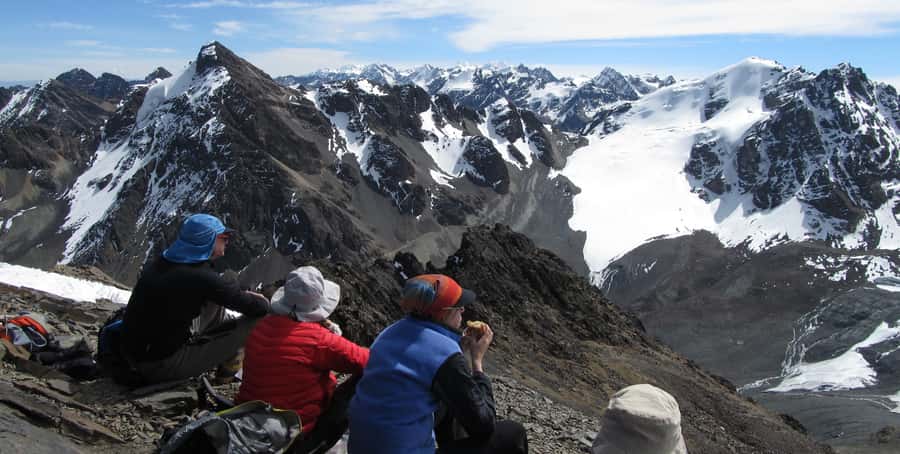
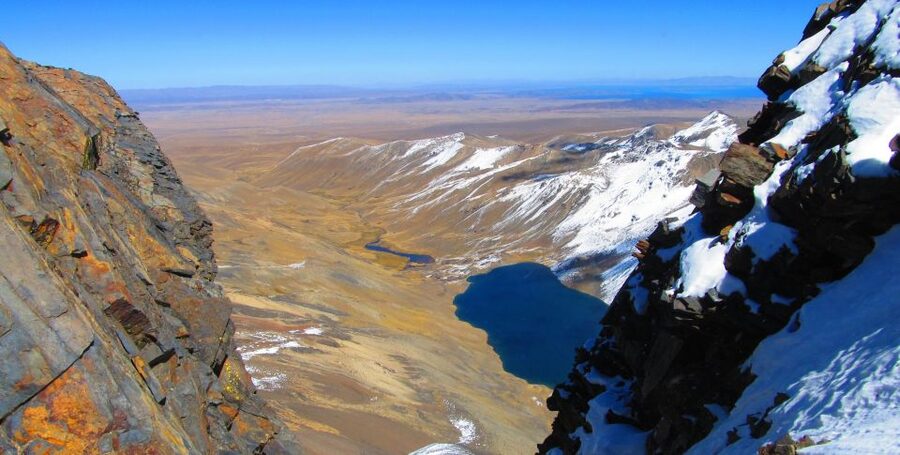
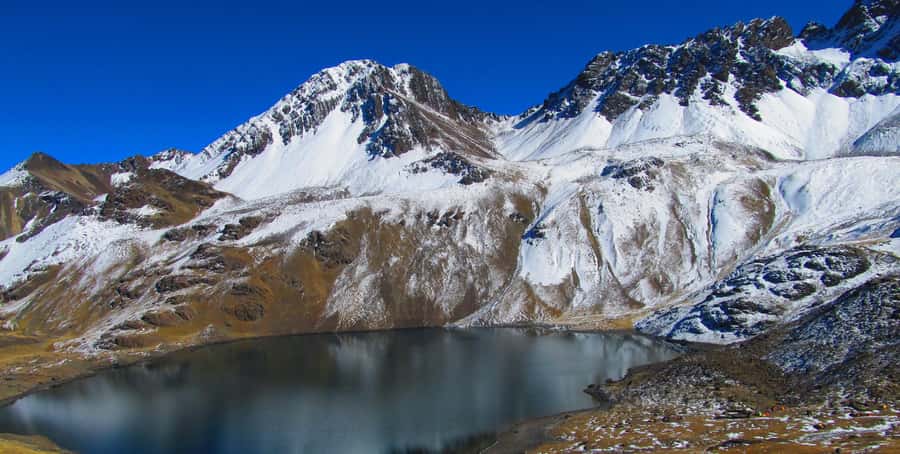
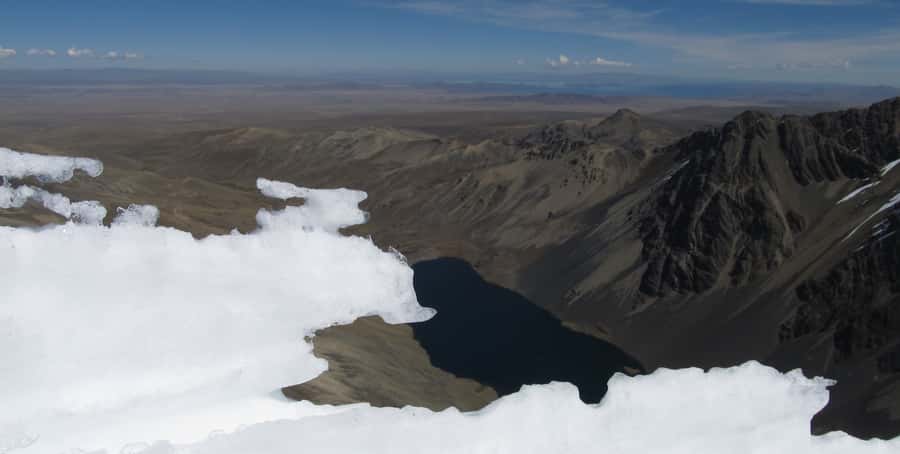
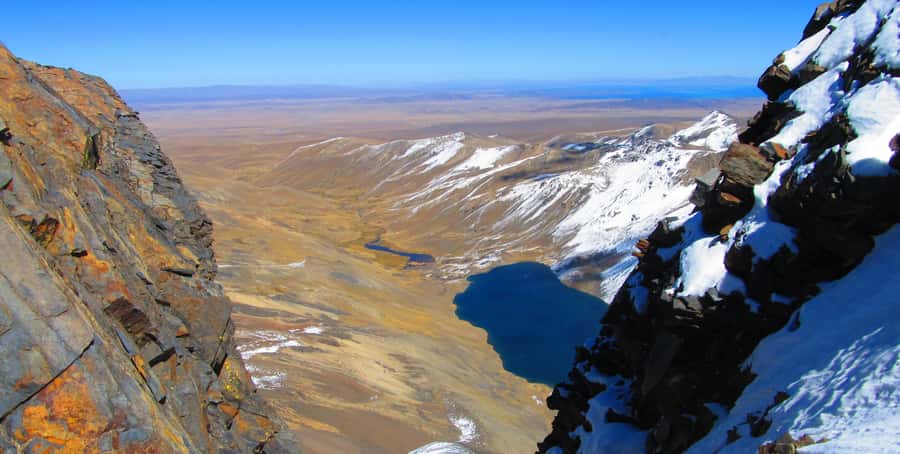
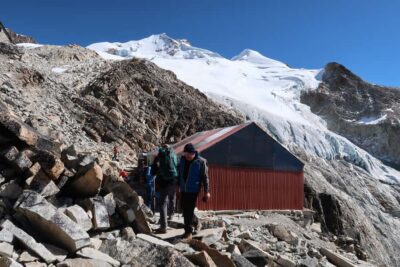
I particularly like the setting. The Condoriri mountains are known here through a chain of high lakes and sharp peaks, with glaciers visible up close. From the summit, you can look across the Cordillera Real and toward Lake Titicaca, giving the day a much wider payoff than a simple up-and-down hike.
You can also read our reviews of more tours and experiences in La Paz.


Leaving La Paz through El Alto and Palcoco
The day begins with pickup from your hotel in or near central La Paz. You should wait in the lobby about 10 minutes before the scheduled time. The listed meeting point is Av. Felipe Reque L 127, so check your exact pickup arrangement before the morning begins.
The drive takes about two to three hours. It is not wasted time. The road passes through El Alto, described as the fastest-growing city in South America, where new construction seems to be appearing everywhere. The half-finished brick buildings and raw concrete give you a useful look at the city’s rapid growth, even if this part of the drive is not conventionally pretty.
After El Alto, the views change. The Cordillera Real comes into sight, and the journey continues toward Palcoco. From the village, the vehicle leaves the main road and follows dirt tracks up the valley toward Condoriri.
This road section is part of the adventure, but it also adds to the fatigue of an already long day. You are not simply walking from a nearby trailhead. The long ride helps you reach the high valley, yet it means you should keep the evening after the trip free for rest.
Laguna Chira Khota begins the real work
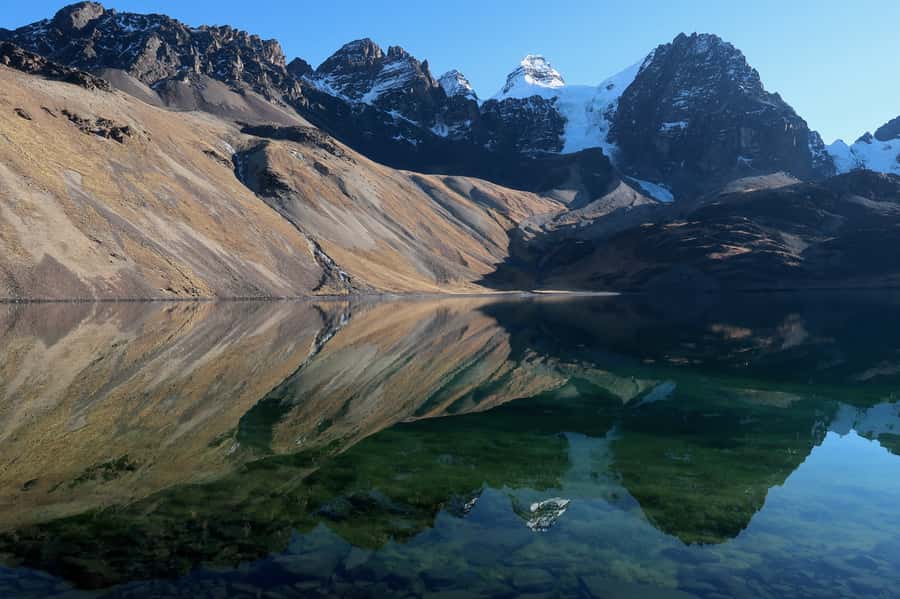
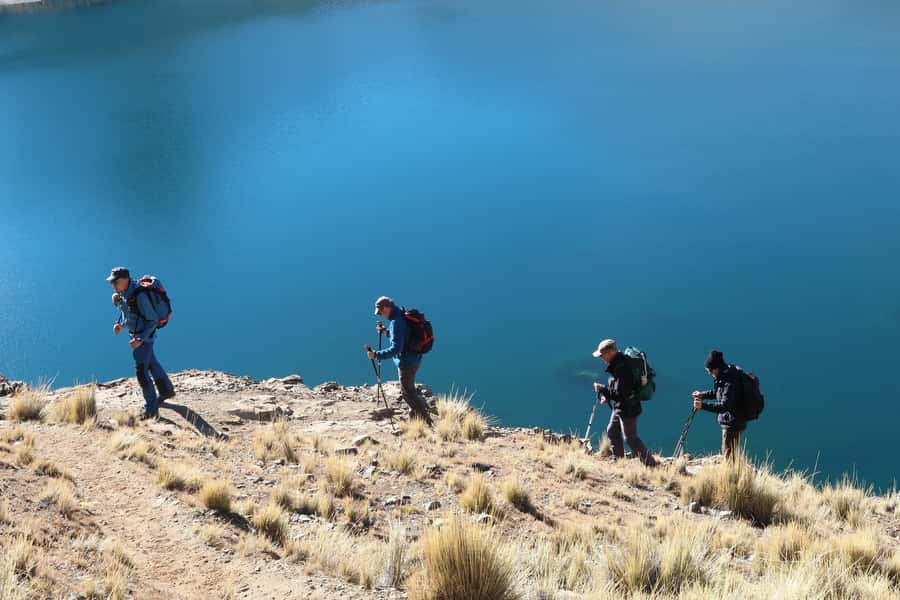
The walking route starts at Laguna Chira Khota. At the lake, you turn left and follow a trail upward toward Austria Peak. This is where the day changes from scenic transport to sustained physical effort.
The lake gives you an immediate sense of the altitude. You are already high before the main climb begins, and the thin air can make an ordinary incline feel surprisingly slow. Go at the pace your guide sets rather than trying to prove something in the first hour.
The Condoriri area is one of the strongest parts of the experience. You can see high lakes change color with the weather, along with ice-covered peaks, small waterfalls, llamas, and sheep. Those details make the walk feel like a journey through a real mountain region, not just a summit exercise.
There is no promise that you will reach the top. That is not a flaw in the mountain; it is a fact of climbing at this height. One fit couple, after five nights between 11,800 and 13,450 feet, still found the move toward 16,400 feet too much because of nausea. Their day continued with a lower walk near the lake, which shows why flexibility is important.
The 17,388-foot push to Austria Peak
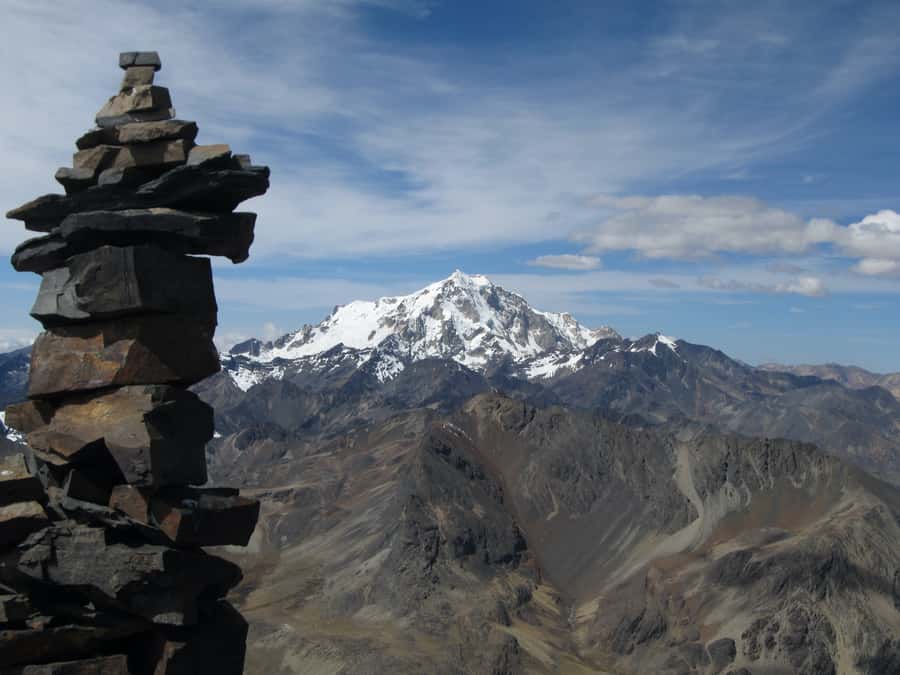
The final climb is the main event. At 17,388 feet, Austria Peak is high enough to feel like a genuine mountaineering achievement, even though the route does not require technical climbing.
Your guide’s pacing can make or break the experience. Patricia is noted for setting a good rhythm, while Andrés helped one climber continue with patience and a calm manner. Those qualities matter more than a fast start. At this height, a slow, even pace usually makes more sense than burning your energy early.
Expect cold, thin air, and a demanding ascent. A good level of physical fitness is required, and the full outing may involve six to eight hours of walking. One account described nine continuous hours on foot, with the descent feeling harder than the climb after most of the strength had already been spent.
At the summit, the effort pays off with broad views across the surrounding mountains. You can look back over the Condoriri range, see glaciers at close range, and take in the Cordillera Real and Lake Titicaca. These are not brief roadside views; they are the reward for reaching a high point under your own power.
Still, do not make the summit the only measure of success. At altitude, a sensible retreat is a successful decision. A headache, nausea, unusual weakness, or trouble continuing should be taken seriously. The mountain will still be there, and forcing the final section can turn a proud day into a miserable one.
The descent can be tougher than the climb
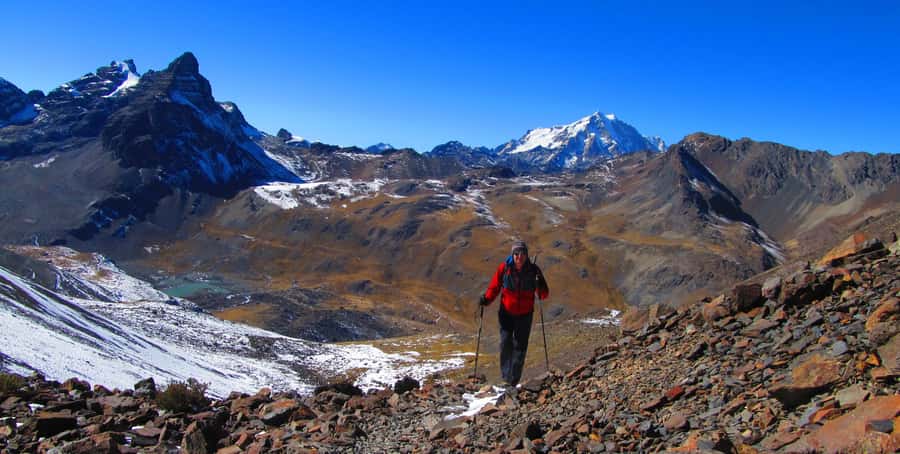
After the summit, you return down the valley to the vehicle. Many people picture the descent as the easy half. At this altitude, after hours of climbing, it can be just as demanding.
The downhill section puts tired legs to work and requires care on uneven ground. One climber reached the top but found the return especially hard, with a strong headache and very little energy left. Plan for this possibility and do not spend every reserve before the summit.
The vehicle then returns you to La Paz for hotel drop-off. With the drive, the walk, and the time needed for stops, this is a full-day commitment. The schedule may say one day, but in practical terms it is a very long day, not a short excursion that fits neatly between other plans.

Acclimatization is the real entry ticket
The activity recommends two to three days between 9,840 and 16,400 feet before the climb. Take that advice seriously. Sleeping at altitude is part of the preparation, and arriving in La Paz only shortly before the trip is a poor setup for a 17,388-foot summit.
This hike can be useful if you plan to climb Huayna Potosí three days later. It gives you a chance to judge how your body responds to greater height before committing to a larger climb. It is not a guarantee that you will be ready for Huayna Potosí, but it can provide valuable information.
Acetazolamide, also called Diamox, is mentioned as an option at 125 milligrams in the morning and 125 milligrams in the evening. Medication decisions belong with your doctor or another qualified medical professional, especially if you have existing health concerns.
The trip is not suitable for pregnant women, people with heart problems, people with high blood pressure, or people with mobility impairments. You also need to be honest about your fitness. The lack of technical climbing does not remove the need for strong legs and good endurance.
What the $188 price covers
At $188 per person, the price is reasonable if you need a supported high-altitude day rather than just a trail transfer. It includes a professional guide, all transport, hotel pickup and drop-off in or near the city center, a boxed lunch with drinks, and a first-aid kit.
The clothing allowance adds real value. A jacket, trousers, and trekking poles can be provided if needed. That is useful for people who are traveling through Bolivia with ordinary hiking clothes rather than carrying a complete cold-weather wardrobe.
A backpack is not included, though you can rent one as an add-on. Personal insurance, services not listed in the program, and pickups outside the city center are also extra or excluded. Add those costs before deciding that the headline price is your final price.
Private and small-group options are available. A smaller group should make it easier to keep a sensible pace and discuss how you are feeling with the guide, though the exact group arrangement should be confirmed when booking.
Lunch, clothing, and what to carry
A boxed lunch and drinks are included, which removes one practical task from a long day. Even so, carry any personal snacks you know you can eat at altitude. The supplied information does not specify the lunch menu, so do not book this expecting a particular dietary arrangement unless you confirm it in advance.
The clothing provision is helpful, but you should still arrive prepared for a cold mountain. Bring your passport or identity card, and bring a visa if Bolivia requires one for your nationality. Pets are not allowed.
Your own day pack is not included. If you do not rent one, you need to confirm how your personal items will be carried. Keep your load sensible: the route is hard enough without unnecessary weight.
Who will enjoy this one-day climb
I would choose this trip if you want a serious altitude challenge without technical climbing. It suits fit hikers who have already spent several days acclimatizing and who want glacier views, high lakes, and a summit experience close to La Paz.
It is also a smart option for people preparing for higher mountain trekking. The quiet setting, the long ascent, and the exposure to 17,000-plus feet give you a useful test of your pacing and altitude response.
I would not choose it as your first activity after landing in Bolivia. Nor would I recommend it if you want a relaxed sightseeing day with a little walking. The drive is long, the trail is demanding, and the return can leave you exhausted.
The high rating of 4.8 out of 5 from eight completed bookings reflects the trip’s strongest points: professional guiding, good pacing, excellent views, and careful support. The same experience can still feel brutally hard if the altitude catches you. Both facts belong in your decision.
Should you book Austria Peak?
Book it if you have already acclimatized, enjoy strenuous hiking, and want a high summit with Condoriri lakes, glaciers, and Cordillera Real views in one day. The included transport, lunch, guide, clothing, and poles make $188 a fair price for a supported outing.
Skip it, or choose a lower walk, if you are short on acclimatization time, have relevant heart or blood-pressure problems, or are hoping for an easy mountain introduction. Also remember that no refund is issued because of bad weather, and the booking terms allow free cancellation only up to 24 hours beforehand.
My practical advice is to leave the next evening empty, build in several acclimatization days, and treat the summit as a goal rather than a command. If your body says stop, the Condoriri lakes still offer a beautiful day.
FAQ
How high is Austria Peak?
Austria Peak reaches 17,388 feet. The high elevation is the main challenge, even though no technical climbing skill is required.
How long does the trip take?
The experience lasts one day. Allow two to three hours for the drive, six to eight hours for the trek, and enough extra time for the return to your hotel. Some outings may involve about nine hours of walking.
How much acclimatization do I need?
The activity recommends two to three days between 9,840 and 16,400 feet before attempting the climb. Individual responses to altitude vary, so preparation does not guarantee that you will reach the summit.
Is technical climbing experience required?
No technical skill is required, but you need a good level of physical fitness. The route is still demanding because of the altitude, cold, long ascent, and tiring descent.
What is included in the price?
The $188 price includes a professional guide, transport, hotel pickup and drop-off in or near the city center, a boxed lunch with drinks, a first-aid kit, and clothing such as a jacket, trousers, and trekking poles if needed.
What happens if the weather is bad or I cannot continue?
No refund is issued in the case of bad weather. If altitude makes the summit unsafe, a lower walk around the lake may be possible, but you should not assume that an alternative route is guaranteed.
More Tour Reviews in La Paz
Not for you? Here's more nearby things to do in La Paz we have reviewed


Andes Climbing & Trekking, compared
 ★ 4.7La Paz: Charquini Mountain Guided HikeFrom $39287 reviews
 ★ 4.4From La Paz: Day Trip to Chacaltaya and Moon ValleyFrom $4065 reviews
 ★ 4.9From La Paz: Huayna Potosí Mountain 3-Day Ice-Climbing TripFrom $34421 reviews
 ★ 4.7From La Paz: Huayna Potosí 2-Day Climbing TripFrom $31910 reviews
Browse the lists this tour appears in