
Reviewed · ANDES CLIMBING & TREKKING
From La Paz: Huayna Potosí Mountain 3-Day Ice-Climbing Trip
Six thousand meters demands respect. This three-day climb gives you hands-on ice-climbing practice before the summit push, which makes it a sensible first step into serious Andean mountaineering. I like the gradual plan: you train on day one, walk to high camp on day two, and save the summit attempt for day three. I also like the views from the Cordillera Real, especially the chance to see glaciers up close and look across to Illimani and Illampu. The drawback is plain enough: summit day can last 9 to 13 hours at extreme altitude, and strong fitness and prior acclimatization are essential.
The guiding receives the strongest praise. Francesco, Andrés, Francisco, Silver, and Macario are all singled out for encouragement, safety, cooking, or clear explanations. I would still inspect the supplied boots, crampons, jackets, and packs carefully before leaving, since one account described worn equipment and a broken crampon strap. At this altitude, a small equipment problem can become a very large one.
In This Review
- At a Glance: What Matters Most
- Why Huayna Potosí Makes a Good First 6,000-Meter Goal
- Day 1: Paso Zongo and the Lower Glacier Lesson
- Day 2: The Rock Path to High Camp
- Day 3: The 1 AM Glacier Push
- The Guides Are the Trip’s Biggest Strength
- Equipment: Generous Coverage, Uneven Reports
- Fitness, Acclimatization, and Safety
- What $344 Really Buys You
- How to Prepare Without Carrying Too Much
- Should You Book This Climb?
- FAQ
- How long is the Huayna Potosí climbing trip?
- Where is the meeting point in La Paz?
- Is hotel pickup included?
- What languages do the guides speak?
- What equipment is included?
- What should I bring myself?
- Is acclimatization required?
- What happens if the weather is bad?
At a Glance: What Matters Most
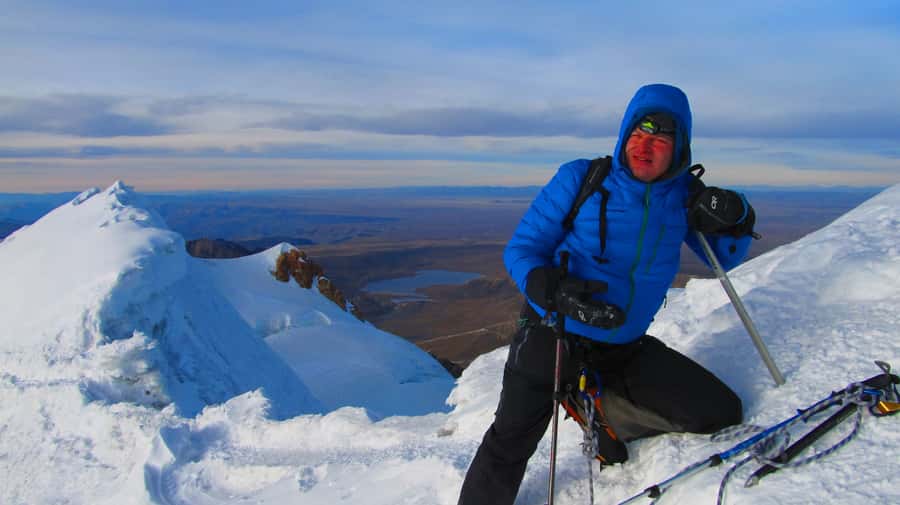
- The first day is real training: You spend 3 to 4 hours at the lower glacier learning crampon use, ice-axe technique, rope safety, and basic climbing on small ice walls.
- The summit start is around 1 AM: You climb through the darkness and cold to reach the summit before descending the same day.
- You reach a 6,000-meter peak: Huayna Potosí offers a serious high-altitude goal without requiring a long expedition.
- Guides are a major strength: Francesco, Andrés, Francisco, Silver, and Macario are praised for motivation, English, cooking, and careful support.
- $344 covers a lot, but not everything: Transport, meals, two refuge nights, guides, and mountain equipment are included; insurance, a sleeping bag, backpack, and porter cost extra.
- Gear deserves a careful check: Bring your own thermal layers, liner gloves, socks, sun protection, snacks, and batteries for the headlamp.
Why Huayna Potosí Makes a Good First 6,000-Meter Goal
Huayna Potosí sits in Bolivia’s Cordillera Real, northeast of La Paz. The mountain reaches about 6,000 meters, making this far more than a scenic walk with a bit of snow. You are dealing with thin air, cold, glacier travel, steep sections, and a very long summit day.
Still, the three-day structure is well judged. You do not begin with the summit attempt. The first day gives you a practical introduction to ice climbing and mountaineering, while the second day lets you move higher at a steadier pace. That progression matters because altitude is not impressed by enthusiasm.
I like the balance between instruction and ambition. You get to practice with an ice axe, crampons, harness, rope, helmet, and other equipment before the serious climb. You also sleep two nights in refuges rather than carrying a full camping setup.
At $344 per person, the cost is reasonable for what is included. You receive a professional mountain guide, private transport, camp meals and drinks, two nights in a refuge, a cook, technical equipment, ropes, protection, a first-aid kit, emergency oxygen, and a commemorative T-shirt. You still need to budget for insurance, a backpack, sleeping bag, snacks, and possibly a porter.
A few more La Paz tours and experiences worth a look
Day 1: Paso Zongo and the Lower Glacier Lesson
The first morning begins with a 1.5-hour drive from La Paz to Paso Zongo. The meeting point is outside the Pachamama Gallery at Linares 940, where you should look for the Climbing South America flag.
There is a practical wrinkle here. Hotel pickup and drop-off are listed as not included, even though the day description refers to pickup from your hotel. I would confirm the exact meeting arrangement before booking and avoid assuming that transport begins at your accommodation.
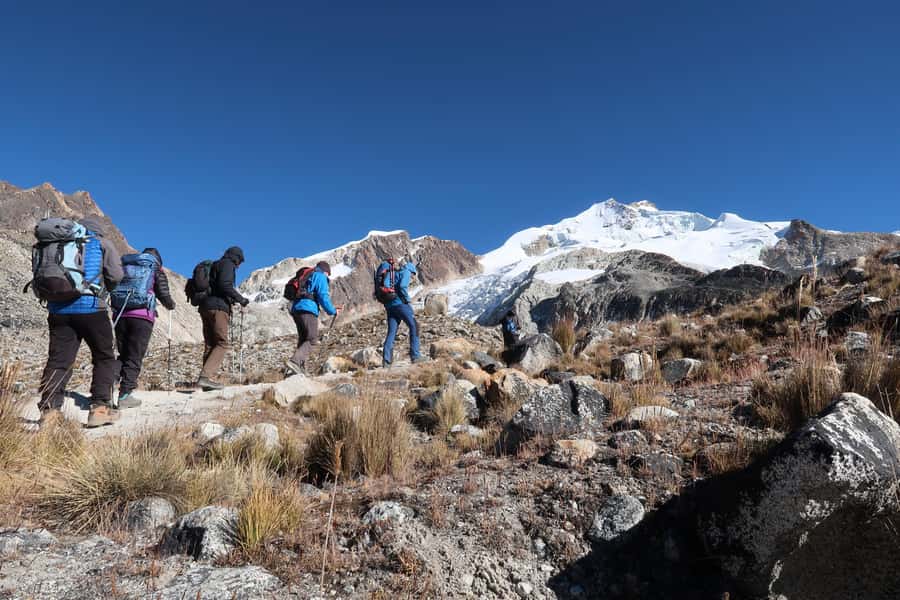
At Paso Zongo, you leave some gear in a hut and eat lunch before walking toward the lower glacier. The approach takes about an hour. It is not merely a warm-up stroll: the supplied boots are double mountaineering boots, and one account described them as heavy and uncomfortable on the rocky uphill path. Wear the socks and liner gloves you plan to use, and take your time.
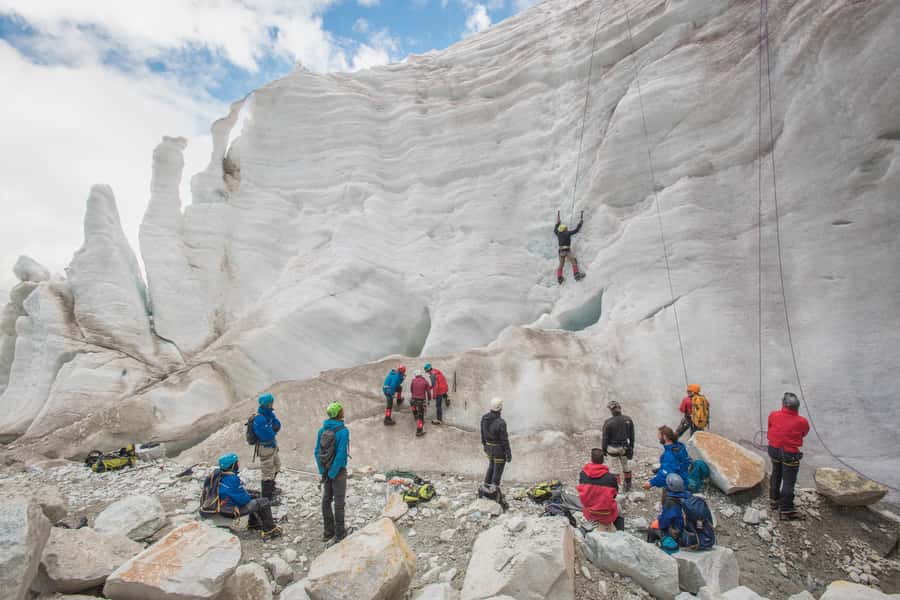
At the glacier, your guide explains the basics of crampon technique, ice-axe use, rope travel, and mountaineering safety. You practice for 3 to 4 hours, then try small ice walls with safety ropes in place. This is one of the best parts of the program because you learn how the equipment feels before tackling the real route.
The instruction is especially useful if you have climbed indoors or hiked at altitude but have never used crampons. You learn to place your feet, handle the axe, and move while attached to a rope. Do not expect a gentle photo stop. The equipment is heavy, the ice work is tiring, and your body is already adjusting to the altitude.
After training, you walk for about an hour back to base camp. You sleep in a refuge, and the guide or cook prepares dinner. Lunch and dinner are included on this first day.
One route detail is worth checking. The training session takes place on day one, but the exact amount of technical climbing on summit day may depend on the route your group uses. Ask the company which route is planned so you know what kind of climbing to expect.
Day 2: The Rock Path to High Camp
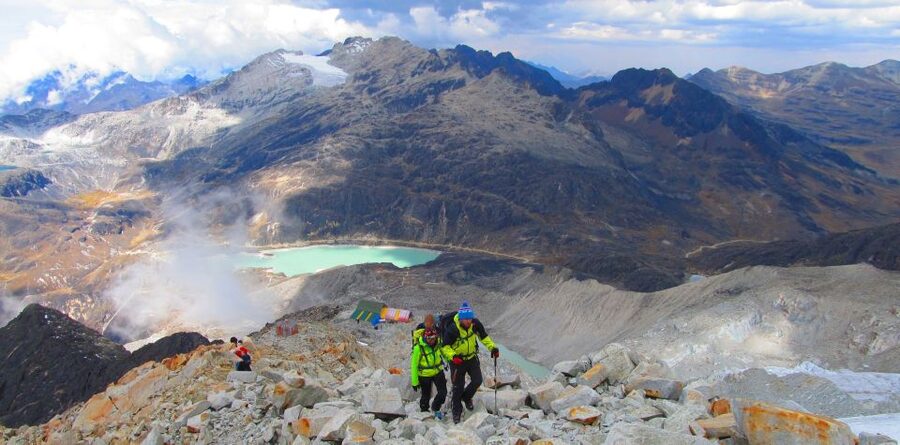
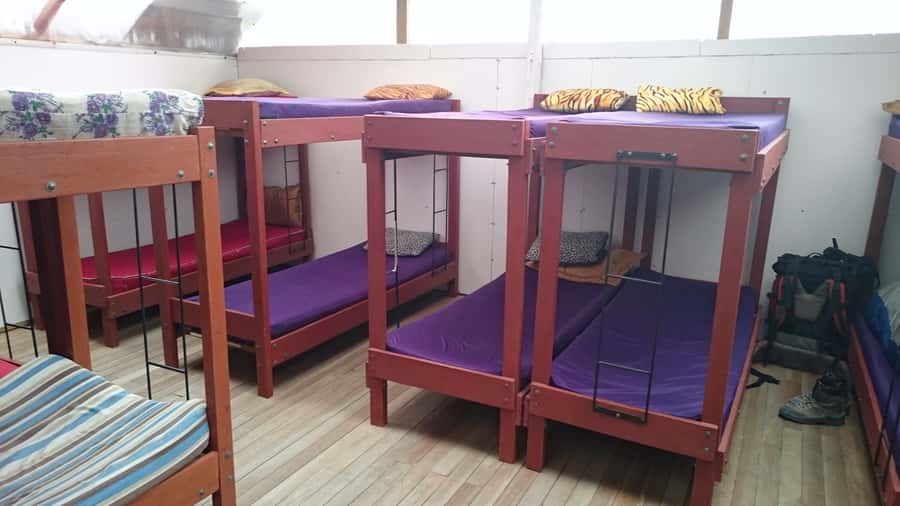
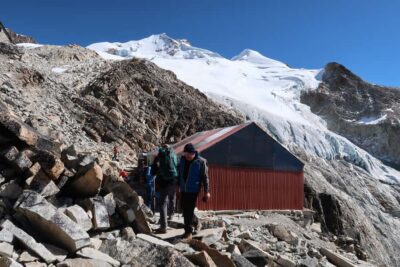
After breakfast, you hike for 3 to 4 hours to high camp. This section follows a well-used rock path to a refuge on a rock buttress at the foot of the glacier.
Compared with summit day, the walk is described as relatively easy. That does not mean effortless. You are moving higher, carrying personal equipment, and trying to conserve energy for a night start. The best strategy is slow movement, regular drinking, and an early dinner.
High camp is where the trip changes character. You prepare the equipment for the summit, sort your clothing, and make sure your headlamp works. Since batteries are not supplied, bring spares. You should also keep your warmest layers easy to reach rather than burying them at the bottom of your pack.
Breakfast, lunch, and dinner are included on day two. A cook is part of the service, and Andrés and Francesco are praised for combining guiding with good meals. That may sound like a small detail, but hot food and a clear evening briefing matter when you are cold, tired, and facing a 1 AM start.
You spend the night in the high-camp refuge. Rest may be difficult at altitude, so do not judge your entire climb by how well you sleep. The important test is how you feel when you begin moving.
Day 3: The 1 AM Glacier Push
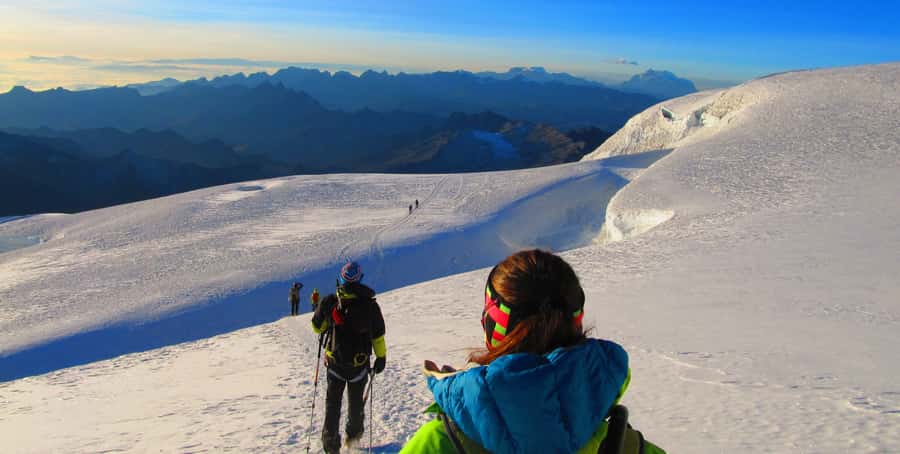
Summit day starts at about 1 AM. Dress warmer than you think necessary. The early hours are cold, and you will spend much of the climb on a glacier wearing crampons and carrying mountaineering equipment.
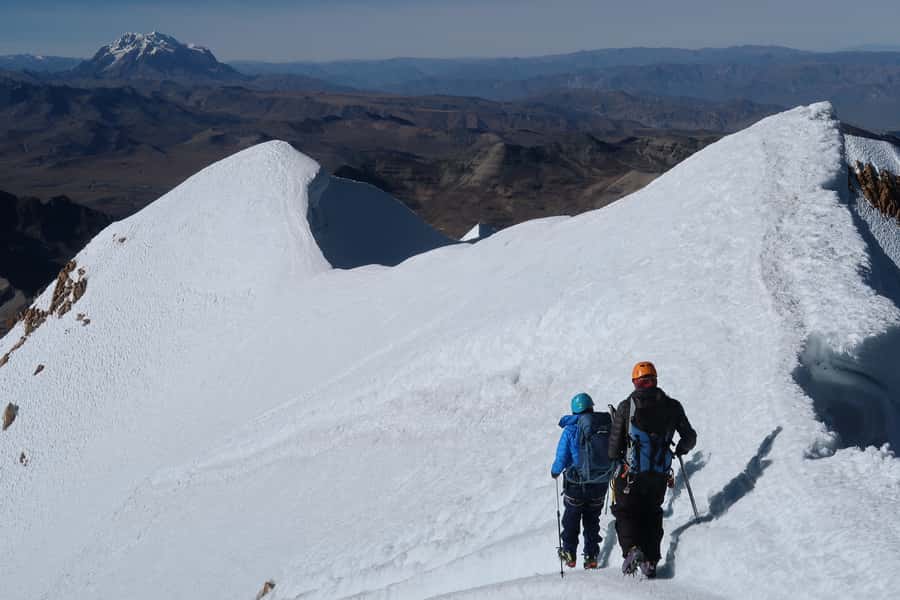
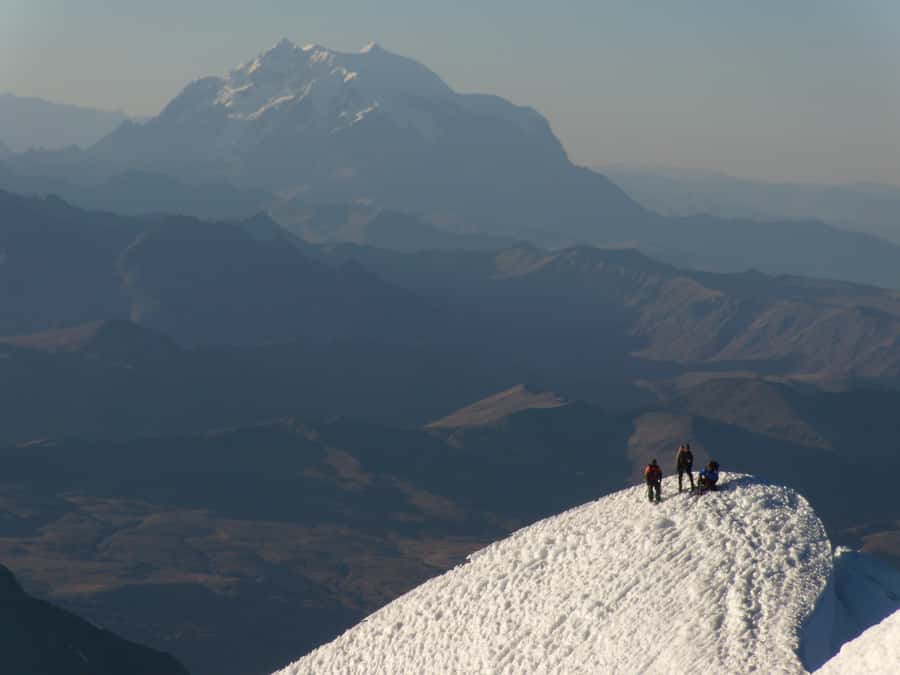
You remain tied to a rope for safety throughout the climb. The route mostly follows a glacier trail, but it includes two steep sections. One is Pala Chica, at roughly 18,400 feet, where the route passes through a snow and ice wall about 33 feet high.
That wall is the point where the trip feels properly technical. You are no longer just walking uphill in snow. You are using the skills practiced on day one, following the guide’s instructions, and moving carefully with the rope system.
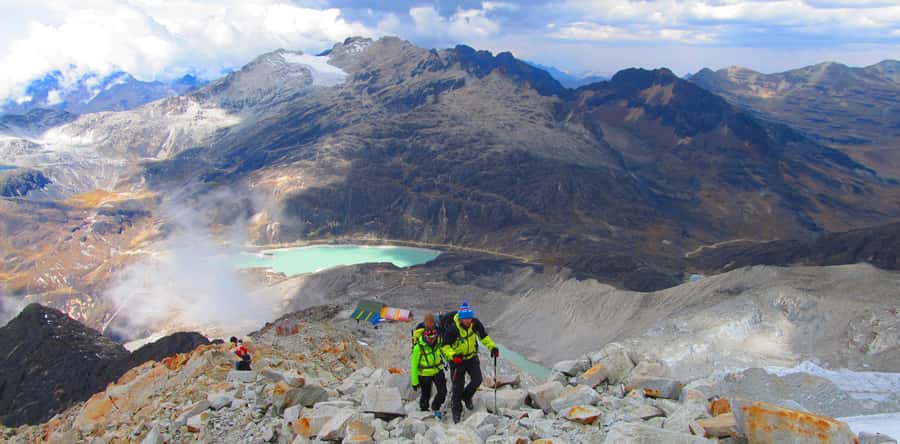
Above this section, you continue across the glacier to about 20,000 feet. From there, you can see the summit above. The final section follows an exposed ridge, described as excellent climbing, before you reach the top.
The summit reward is not just the number on your altimeter. You get wide views toward Illimani, about 21,100 feet, and Illampu, about 20,900 feet. You also see the Cordillera Real from a rare high position, with glaciers close at hand rather than far below in a valley.
Take your photographs, enjoy the moment, and do not linger longer than your guide recommends. The descent is still ahead, and going down on tired legs can be just as demanding as going up.
You return by the same route to high camp, rest briefly, and pack your gear. Then you descend to base camp to meet the transport back to La Paz. The complete day takes 9 to 13 hours, so you should treat this as a full mountaineering day, not a morning excursion with a leisurely afternoon.
The Guides Are the Trip’s Biggest Strength
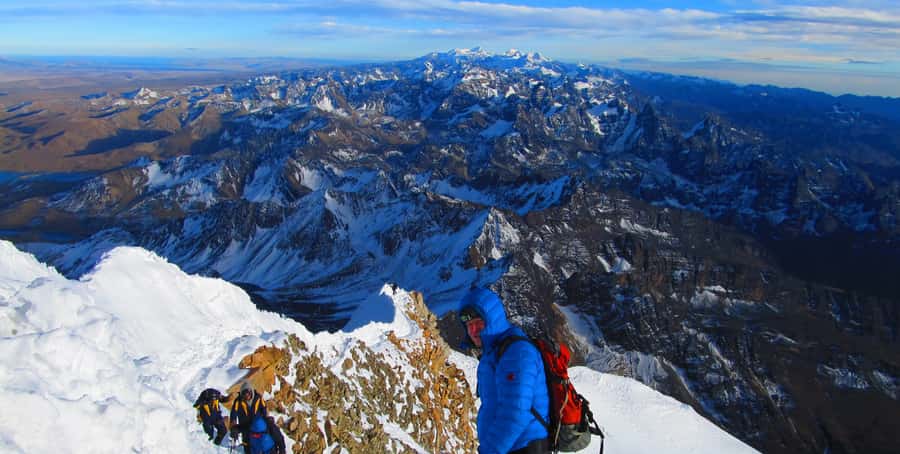
The guide team receives unusually warm praise for encouragement and personal care. Francesco is praised for good English and cooking, while Andrés is described as both an excellent guide and cook. Macario is remembered for pushing a climber to continue when the effort became hard.
Francisco, Silver, and Andrés are also praised for motivation and for explaining the next day’s plan in detail each evening. That kind of communication is valuable here. You need to know when you are leaving, what clothing to wear, how much to carry, and what the next section involves.
I would pay attention to the language options when booking. Instruction is available in English and Spanish. If you need detailed technical explanations in English, confirm that your assigned guide is comfortable with it.
A private group is available. That can be useful for a first high-altitude climb, since the pace and encouragement may feel more personal. The supplied information does not specify a standard group size, so ask before paying if group composition matters to you.


Equipment: Generous Coverage, Uneven Reports
The equipment package is extensive. It includes:
- Double mountaineering boots
- Ice axe and crampons
- Harness, helmet, ropes, and protection
- Extra cold-weather jackets and pants
- Thick gloves, balaclava, and gaiters
- Headlamp, though batteries are not included
- First-aid kit and emergency oxygen
You must bring thermal underwear for your upper and lower body, thin liner gloves, two pairs of socks, sunglasses, sunblock, snacks, and a backpack. A backpack of about 50 liters can be rented, and a sleeping bag is also available as an add-on. Porters can carry personal equipment one way, up to 20 kilograms, for an additional fee.
Inspect everything before setting off. Check that crampon straps work, jacket zippers close, gloves are usable, and boots fit with your intended socks. One poor equipment report described old jackets, damaged bags, heavy boots, and a broken crampon strap. Other accounts describe successful climbs with the supplied gear, so the sensible approach is not panic but inspection.
Do not overpack. A heavy bag makes every uphill section harder, especially on day two and during the long summit push. If you hire a porter, clarify exactly what they carry and in which direction.
Fitness, Acclimatization, and Safety
You need good fitness for this trip. The program specifically says some acclimatization is necessary before the climb, and that is not a box to tick casually. At 6,000 meters, a strong hiker at sea level may still struggle.
The tour information mentions acetazolamide, also known as Diamox, at 125 milligrams in the morning and 125 milligrams in the evening. Medication decisions belong with your doctor, so discuss it before you arrive rather than treating the stated dose as personal medical advice.
The guide team uses ropes on the glacier, supplies a first-aid kit, and carries oxygen for emergencies only. Oxygen is not used as part of the normal climb. You should also understand the weather policy: there is no refund in case of bad weather, so check your insurance and the conditions of your booking carefully.
This trip is not suitable for pregnant women, people with heart problems, high blood pressure, or mobility impairments. If you are unsure about your fitness or altitude history, speak with a medical professional before committing.
What $344 Really Buys You
The price works because it combines several costly parts of a mountain trip: private transport, a professional guide, two refuge nights, three days of meals, cooking support, technical equipment, rope systems, safety gear, and emergency oxygen.
You are not paying only for a walk to a viewpoint. You are paying for instruction, logistics, equipment, food, and support during a high-risk summit attempt. That makes $344 a fair package price, provided the gear is in usable condition and you already have the required personal items.
The extras can add up. Insurance is not included, and you may want to rent a backpack and sleeping bag or pay for a porter. Hotel transport is also not included, so allow time and money to reach the Linares 940 meeting point.
Free cancellation is available up to 24 hours before the activity for a full refund, and you can reserve while paying later. Bad weather is the important exception, since the stated policy offers no refund in that situation.
How to Prepare Without Carrying Too Much
Bring your passport or ID card and a visa if your nationality requires one. Pack thermal underwear, liner gloves, two pairs of socks, sunblock, sunglasses, snacks, and a suitable backpack.
Your clothing system matters more than fashionable mountain gear. You need layers that can be adjusted as you move, with a warm outer layer for the summit hours. Keep your head and hands protected, and do not forget that snow glare can be severe even on a cold day.
Use the first day to learn, not to prove anything. Ask your guide to check your crampons and harness, practice the rope commands, and make sure your boots do not create hot spots. Small problems are easier to fix at base camp than at 20,000 feet.
Should You Book This Climb?
You should book Huayna Potosí if you want a demanding first 6,000-meter climb, can prepare properly for altitude, and accept a 9-to-13-hour summit day. The gradual training, glacier practice, strong guide support, included meals, and broad equipment package give you a useful structure for a serious first attempt.
I would not book it as a casual add-on to a short La Paz visit, and I would not ignore the equipment concerns. Confirm the meeting point, route, guide language, gear condition, sleeping bag arrangements, and weather policy before you pay.
For a fit, acclimatized climber who wants a genuine Andean challenge without a long expedition, the $344 price is attractive. For anyone uncertain about altitude, heart health, or cold-weather endurance, choose a gentler mountain plan instead.
FAQ
How long is the Huayna Potosí climbing trip?
The activity lasts three days. Day one includes glacier training, day two reaches high camp, and day three includes the summit climb and descent.
Where is the meeting point in La Paz?
Meet outside the Pachamama Gallery at Linares 940 in La Paz. Look for the Climbing South America flag.
Is hotel pickup included?
Hotel pickup and drop-off are listed as not included. The day-one description refers to pickup, so confirm the exact transport arrangement before the trip.
What languages do the guides speak?
Guiding is available in English and Spanish.
What equipment is included?
The package includes double mountaineering boots, an ice axe, crampons, harness, helmet, gaiters, thick gloves, balaclava, extra cold-weather clothing, ropes, protection, and a headlamp if needed. Headlamp batteries are not included.
What should I bring myself?
Bring your passport or ID card, visa if required, thermal underwear, thin liner gloves, two pairs of socks, a backpack, sleeping bag, sunblock, sunglasses, and snacks.
Is acclimatization required?
Yes. Some acclimatization is necessary, and the trip requires a good fitness level. The first day includes practice and helps you adjust before the higher camps and summit attempt.
What happens if the weather is bad?
There is no refund in case of bad weather. The activity does offer free cancellation up to 24 hours in advance for a full refund under the stated cancellation terms.
More 3-Day Experiences in La Paz
More Tour Reviews in La Paz
Not for you? Here's more nearby things to do in La Paz we have reviewed

Andes Climbing & Trekking, compared
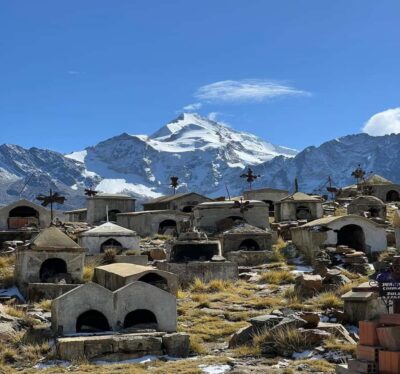 ★ 4.7La Paz: Charquini Mountain Guided HikeFrom $39287 reviews
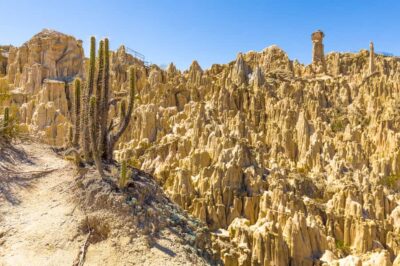 ★ 4.4From La Paz: Day Trip to Chacaltaya and Moon ValleyFrom $4065 reviews
 ★ 4.7From La Paz: Huayna Potosí 2-Day Climbing TripFrom $31910 reviews
 ★ 4.8From La Paz: Austria Peak One-Day Climbing TripFrom $1888 reviews
Browse the lists this tour appears in