
Reviewed · TIWANAKU RUINS TOURS
La Paz: Tiwanaku Archeological Site Full-Day Tour
Ancient stone makes a fine escape from La Paz. Tiwanaku, Bolivia’s most important archaeological site, gives you temples, carved gates, symbolic stonework, and a clear look at the pre-Incan culture that shaped the Andes. I love having an English- or Spanish-speaking guide explain what you are seeing instead of wandering among the ruins without context. I also like that admission, shared transport, and a traditional lunch are included in the $80 price.
The main drawback is the morning pickup. It is shared transport, not a private car, and collecting people around La Paz can take time. You also return to the Church of San Francisco rather than to your hotel, so the tour is best for you if that central drop-off works with your plans.
In This Review
- Five things to know before booking
- Why Tiwanaku deserves a full day from La Paz
- Starting at 7:30 AM in central La Paz
- Entering Tiwanaku’s temples and carved stone
- Puma Punku and the museum visits
- A traditional lunch near the ruins
- What $80 buys you
- Returning to La Paz at the Church of San Francisco
- Who will enjoy this Tiwanaku tour most?
- Pack for sun, walking, and a long day
- My call: book it for context and convenience
- FAQ
- Where does pickup take place?
- What time does the tour begin?
- How long does the tour last?
- What does the $80 price include?
- Is a vegetarian lunch available?
- Where will I be dropped off?
- What should I bring?
Five things to know before booking
- 7:30 AM central pickup: Pickup is available from hotels in central La Paz, with a taxi or public transportation used depending on your accommodation.
- Pre-Incan history: Tiwanaku was the capital of a powerful Andean civilization that flourished between about AD 500 and 900.
- Puma Punku and museums: The day can include the main archaeological site, Puma Punku, and museum visits, not just a quick walk around one ruin.
- Traditional lunch included: Lunch is served at a local restaurant near Tiwanaku, and a vegetarian meal is available if you request it when booking.
- Fixed return point: Your day ends at the Church of San Francisco in La Paz. Hotel drop-off is not included.
Why Tiwanaku deserves a full day from La Paz
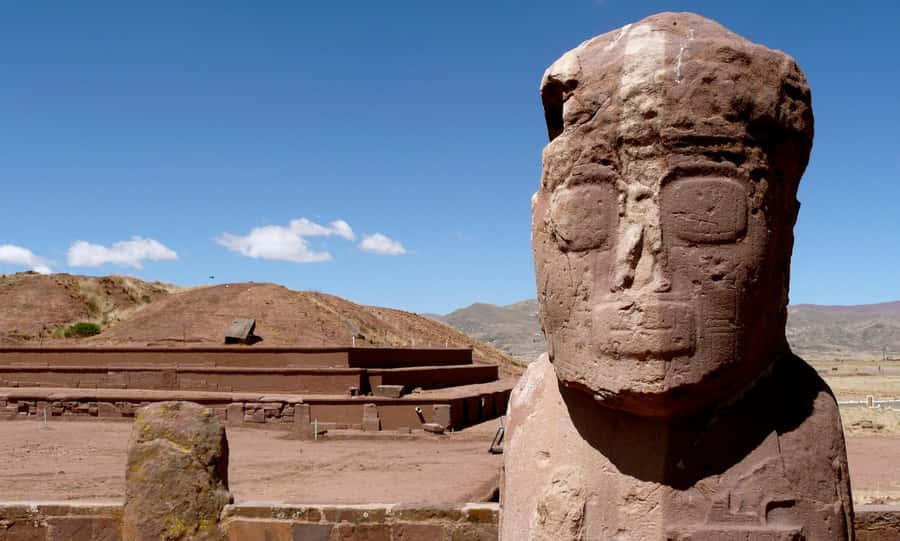
Tiwanaku is more than a scattering of old stones. It was the capital of a major pre-Incan civilization that held influence across the Andean region from roughly AD 500 to AD 900. That gives the site real scale and purpose: you are looking at the remains of a political and religious center, not simply an isolated temple.
The ruins lie near the southern shore of Lake Titicaca in Bolivia’s La Paz Department. The location matters because Tiwanaku’s culture was tied to the high Andean world around the lake, long before the Incas came to power.
The Incas later regarded Tiwanaku as the place where their god Viracocha rose from the depths of Lake Titicaca. Your guide can help connect that later Inca belief with the much older civilization that built the city.
I find that context especially useful here. At first, the site can look like a collection of walls, gates, and broken stone. Once you understand that the pieces belonged to a planned ceremonial center, the visit becomes easier to follow.
A few more La Paz tours and experiences worth a look

Starting at 7:30 AM in central La Paz
The day begins at around 7:30 AM with pickup from your hotel in central La Paz. If you stay outside the central pickup zone, you need to contact the local provider after booking and arrange the closest meeting point.
The pickup system is practical but not always tidy. A taxi or public transportation may be used to bring you to the departure point, and the main ride is a shared bus or minibus. In a city known for crowded streets, collecting several people can add delays before you even leave La Paz.
One morning had a confusing pickup sequence, with the vehicle traveling out of the city before turning back for another person. Another account described a much fuller van during the city collection than expected. The advertised group size is limited to 14 participants, but I would still confirm the meeting point and transport details after booking.
This matters because the tour lasts eight hours. Time spent circling La Paz reduces the time available at Tiwanaku, Puma Punku, or the museums. The pickup has generally been described as friendly and successful, but you should not expect the precision of a private transfer.
For a smoother start, be ready before 7:30 AM, keep your phone available, and make sure the provider has your correct hotel details. If you are staying outside central La Paz, arrange the meeting point before the morning of the tour.
Entering Tiwanaku’s temples and carved stone
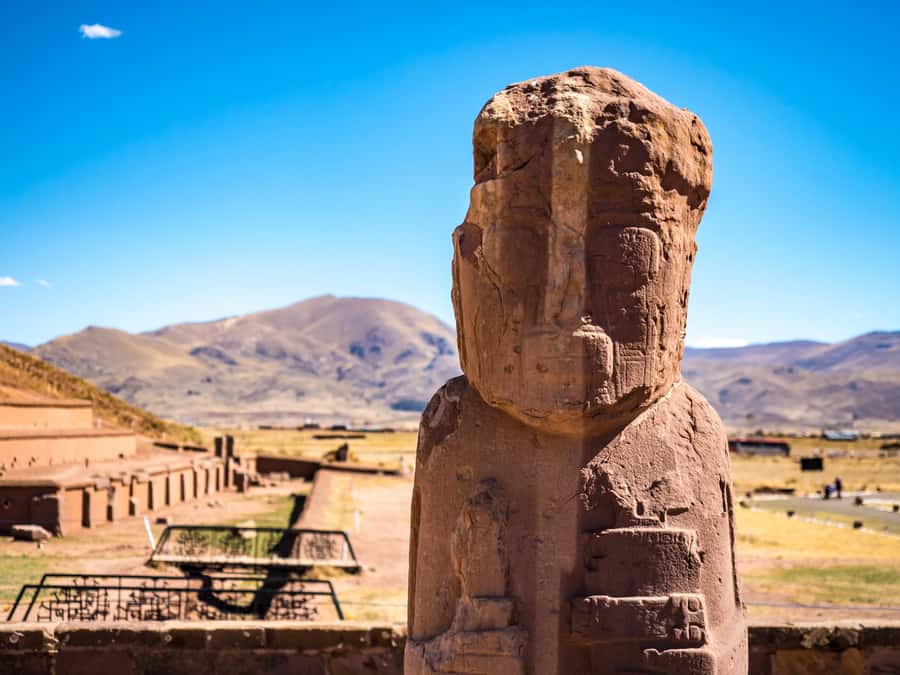
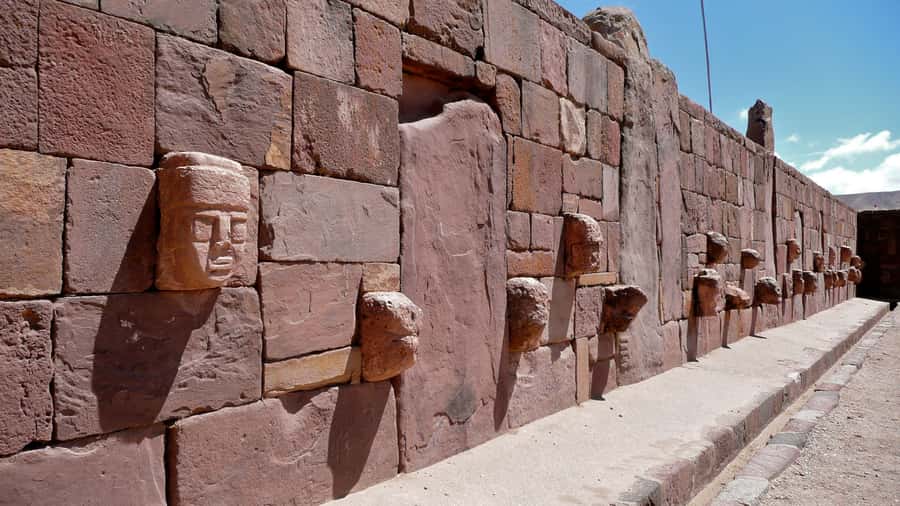
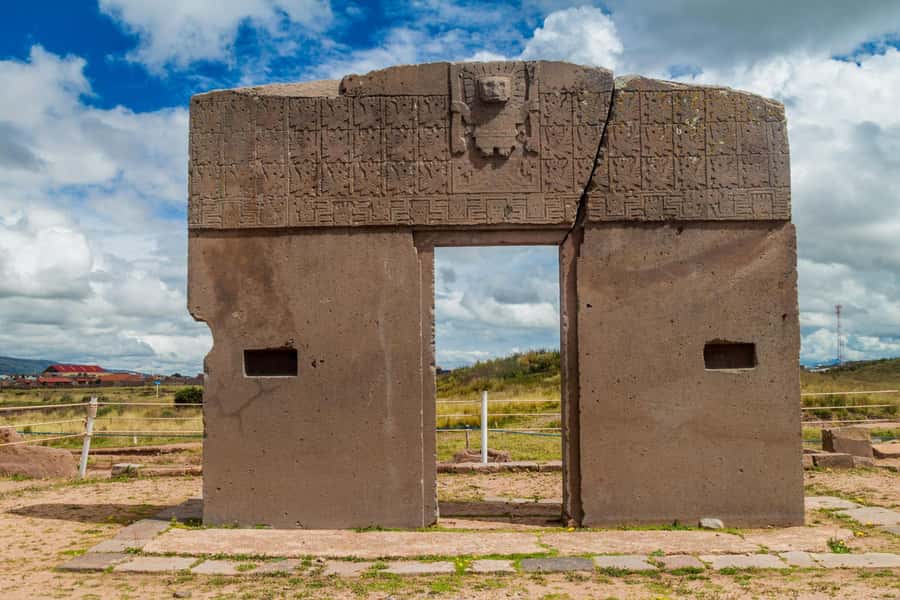
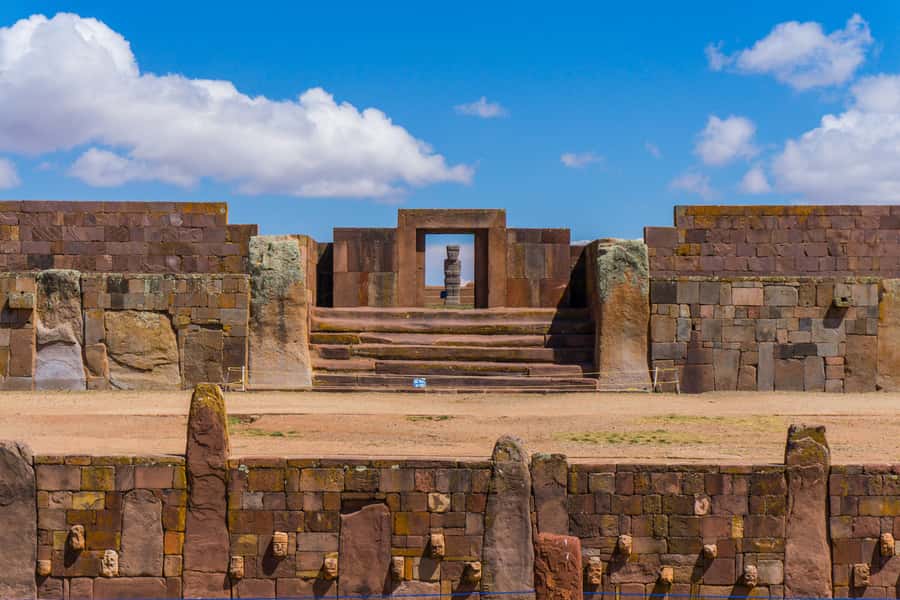
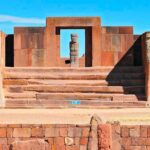
At the archaeological site, your guide leads you through the main ceremonial remains. The program includes several temples, a pyramid, symbolic gates, and carved stonework that can be hard to interpret at a glance.
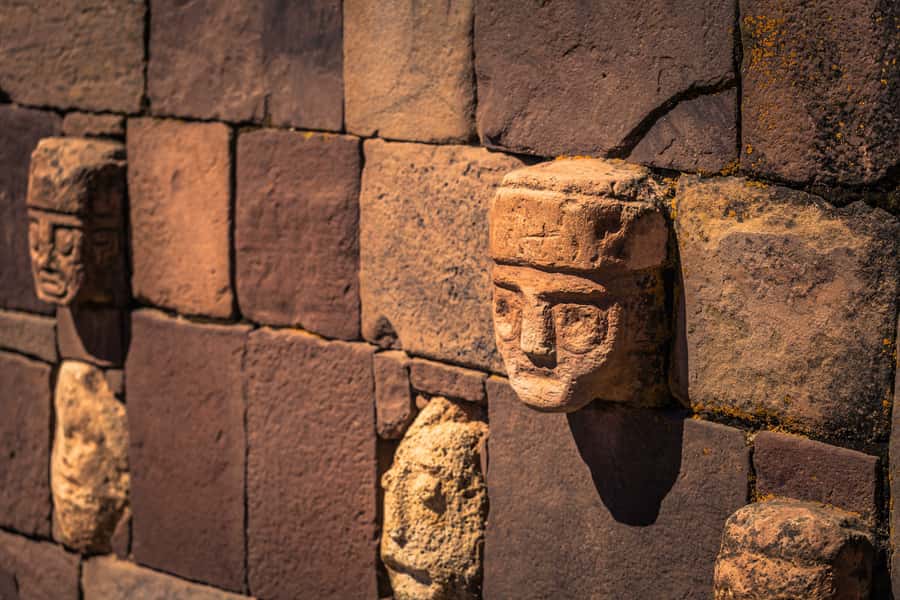
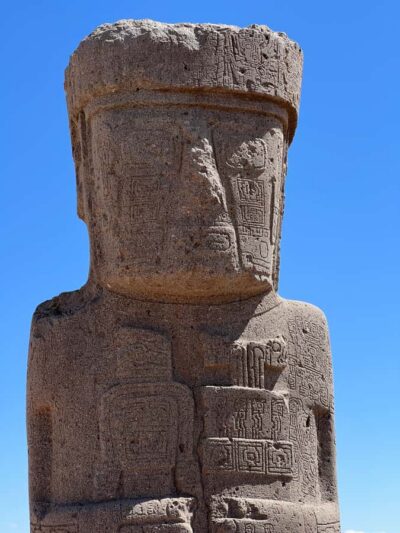
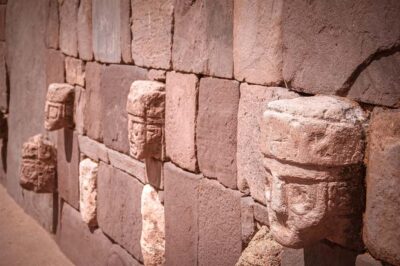
The carvings of strange, almost alien-looking faces are among the most memorable details. The unusual shapes invite plenty of wild theories, but the useful part of the visit is hearing how the guide places them within Tiwanaku’s religious and artistic world.
This is where the bilingual guide adds real value. The site does not hand you a simple story at every wall, and the meaning of a gate or carved figure is not always obvious. A guide can point out what deserves your attention and explain why a particular stone matters.
Several guides have received strong praise for their explanations. If Álvaro leads your outing, you may also find him helpful with photographs; one previous passenger specifically appreciated his assistance in taking good pictures. Guides can vary, but the strongest part of this tour is the live explanation in English or Spanish.
Wear comfortable shoes. The day involves walking around outdoor ruins, and comfortable clothes, sunscreen, water, snacks, and weather-appropriate layers belong in your day bag. Bring your passport or ID card as well.
Puma Punku and the museum visits
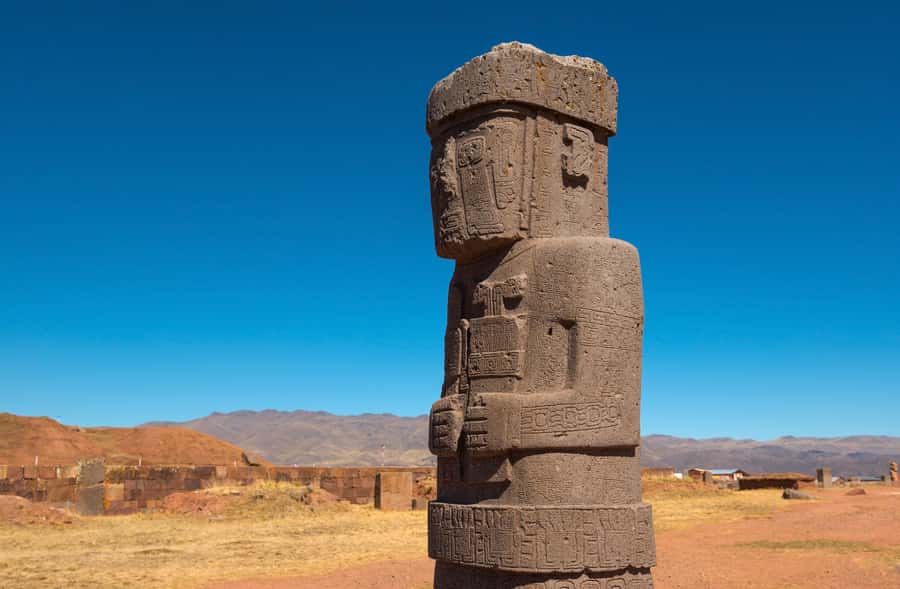
The day has included a walking visit to Puma Punku, the museums, the main Tiwanaku site, and lunch. The exact order can depend on the guide and the day’s timing, but you should expect more than one stop connected with Tiwanaku.
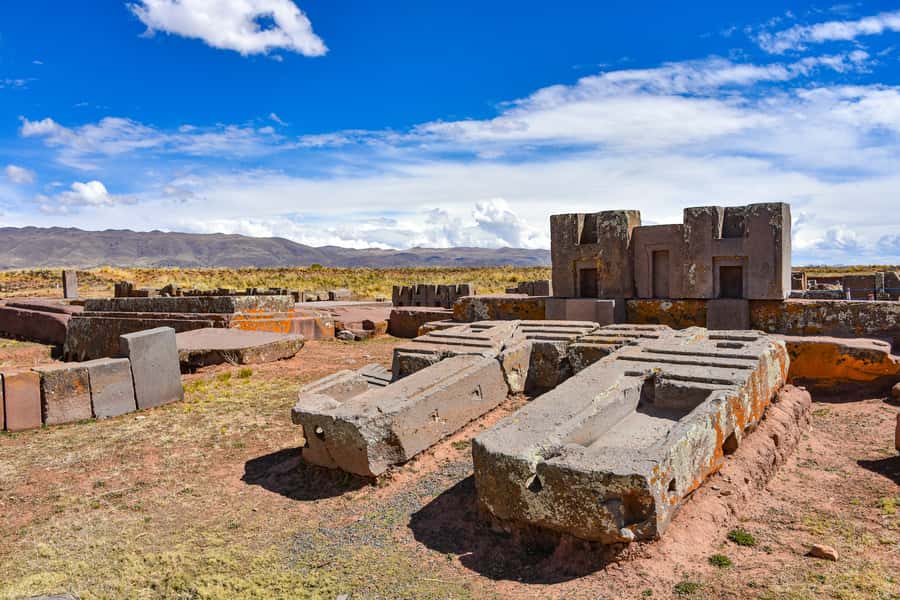
Puma Punku gives the visit another set of monumental stones and carved architectural pieces. It is useful to see it alongside the main site because you can compare different parts of the same cultural center rather than treating Tiwanaku as one isolated ruin.
The museums help fill in details that are difficult to understand outdoors. Objects and displays can make the architecture easier to place, especially if you are new to pre-Incan South American history.
The trade-off is time. Some people find the museums merely fine and feel the day could be shorter. Another common wish is for more free time to browse local vendors or make a quick stop in town. If your top priority is extended time at the main ruins, the full program may feel slightly drawn out.
That said, the extra stops are useful for a first visit. You get several forms of information: monumental architecture outdoors, smaller objects indoors, and a guide to connect the pieces. I would prefer this broad introduction over seeing only the central ruins without explanation.
A traditional lunch near the ruins
Lunch is included and is served at a local restaurant near Tiwanaku. The meal has been described as traditional, tasty, and clean, which is a welcome detail on a long day away from La Paz.
You do need to buy your own drinks. Carrying water is sensible, and snacks help if you are hungry before the group reaches the restaurant. A vegetarian option is available, but you must request it when booking.
The lunch is not just a cost-saving extra. It keeps you from having to find a restaurant on your own during a tightly arranged day, and it gives you a chance to eat a local meal near the archaeological site. For an $80 excursion, an included lunch of this quality improves the overall value.




What $80 buys you
The price includes hotel pickup in central La Paz, shared transportation, admission to Tiwanaku, a bilingual guide, lunch, and drop-off at the Church of San Francisco. Drinks and hotel drop-off are not included.
I consider $80 a fair price for a first-time visit if you value structure and explanation. You avoid arranging transport to a remote archaeological site, buying admission separately, finding lunch, and working out how to return to La Paz.
The value is strongest for solo visitors and anyone who wants an organized day without hiring a private guide. A solo passenger may even find the group small enough to feel personal, though transport conditions can vary.
The price is less attractive if you mainly want long, quiet hours among the stones. The shared minibus, multiple pickups, museums, and fixed schedule make this a guided introduction rather than a slow archaeological study day.
You can reserve now and pay later, which helps if your La Paz schedule is still changing. Free cancellation is available up to 24 hours before departure for a full refund. Those policies do not change the experience itself, but they make the booking less risky.
Returning to La Paz at the Church of San Francisco
The tour ends with drop-off at the Church of San Francisco in central La Paz. This is a practical location if you are continuing into the city, but it is not a hotel return.
Plan your evening around that detail. If you have luggage, an evening reservation, or a hotel outside the center, allow time to get from San Francisco to your next stop. The drop-off has generally been on time and in the agreed central area, but you should not assume the vehicle will take you back to your accommodation.
The fixed drop-off also gives you a useful chance to continue exploring La Paz on foot or arrange your own transport from the center. Just make sure you know where your hotel is before the tour begins, since one passenger found the directions after drop-off insufficient.
Who will enjoy this Tiwanaku tour most?
I would recommend this outing if you want a clear introduction to Bolivia’s pre-Incan past and prefer having a guide explain the site as you go. It works especially well for solo visitors, first-time visitors to La Paz, and people who want transport, admission, lunch, and interpretation handled in one package.
It also suits you if you are interested in ancient architecture. The temples, pyramid, symbolic gates, and carvings give the day plenty to look at, while Puma Punku and the museums add variety.
You may want another arrangement if you dislike shared transport or need hotel-to-hotel service. The pickup can be untidy, and the return to the Church of San Francisco means you must handle the final leg yourself.
I would also think twice if you want a very short excursion. At eight hours, the day includes travel, several stops, and lunch. That is sensible for seeing the main Tiwanaku area, but it can feel long if museums are not your priority.
Pack for sun, walking, and a long day
Bring your passport or ID card, comfortable shoes, sunscreen, water, snacks, and clothes suited to the weather. The tour is outdoors for much of the day, so practical clothing matters more than looking polished.
Do not forget that drinks are excluded from the lunch. If you need a vegetarian meal, request it at the time of booking rather than hoping the restaurant can adjust the meal at the last minute.
The live guide is available in English and Spanish. The small-group format is limited to 14 participants, though the vehicle used for pickup may be shared during the city collection.
My call: book it for context and convenience
I would book this tour if you want Tiwanaku explained properly and prefer an organized day from La Paz. The ancient temples, unusual carvings, Puma Punku, museum stops, and included traditional lunch make the $80 price reasonable.
Book with realistic expectations about transport. Confirm your pickup point, allow for a shared minibus, and plan your own route from the Church of San Francisco after the tour. If you can accept those small hassles, this is a worthwhile and well-rounded introduction to one of Bolivia’s key archaeological sites.
FAQ
Where does pickup take place?
Pickup is available from hotels in central La Paz. Depending on where you stay, a taxi or public transportation may be used to reach the departure point. If you are outside the central area, contact the local provider after booking to arrange the closest meeting point.
What time does the tour begin?
Pickup is scheduled for around 7:30 AM. Starting times can vary, so check availability for the date you want to book.
How long does the tour last?
The full experience lasts about eight hours.
What does the $80 price include?
The price includes central La Paz hotel pickup, shared transportation to the site, an English- and Spanish-speaking guide, lunch, admission to Tiwanaku, and drop-off at the Church of San Francisco.
Is a vegetarian lunch available?
Yes. A vegetarian option is available, but you should request it when booking.
Where will I be dropped off?
Drop-off is at the Church of San Francisco in La Paz. Hotel drop-off is not included.
What should I bring?
Bring your passport or ID card, comfortable shoes, snacks, sunscreen, water, comfortable clothes, and clothing suited to the weather. Drinks are not included with lunch.
More Full-Day in La Paz
More Tours in La Paz
More Tour Reviews in La Paz
Not for you? Here's more nearby things to do in La Paz we have reviewed





Tiwanaku Ruins Tours, compared
 ★ 4.7From La Paz: Tiwanaku and Lake Titicaca One-Day TourFrom $21217 reviews
 ★ 4.1Tiwanaku; Pre Incan Ruins Tours from La PazFrom $2316 reviews
 ★ 3.9La Paz: Tiwanaku Shared Tour with Lunch + Tour GuideFrom $9414 reviews
 ★ 4.5From La Paz: Tihuanacu & Titicaca Lake in one day with lunchFrom $2197 reviews
Browse the lists this tour appears in