
Reviewed · LA PAZ CITY TOURS
La Paz: The Feminist Tour
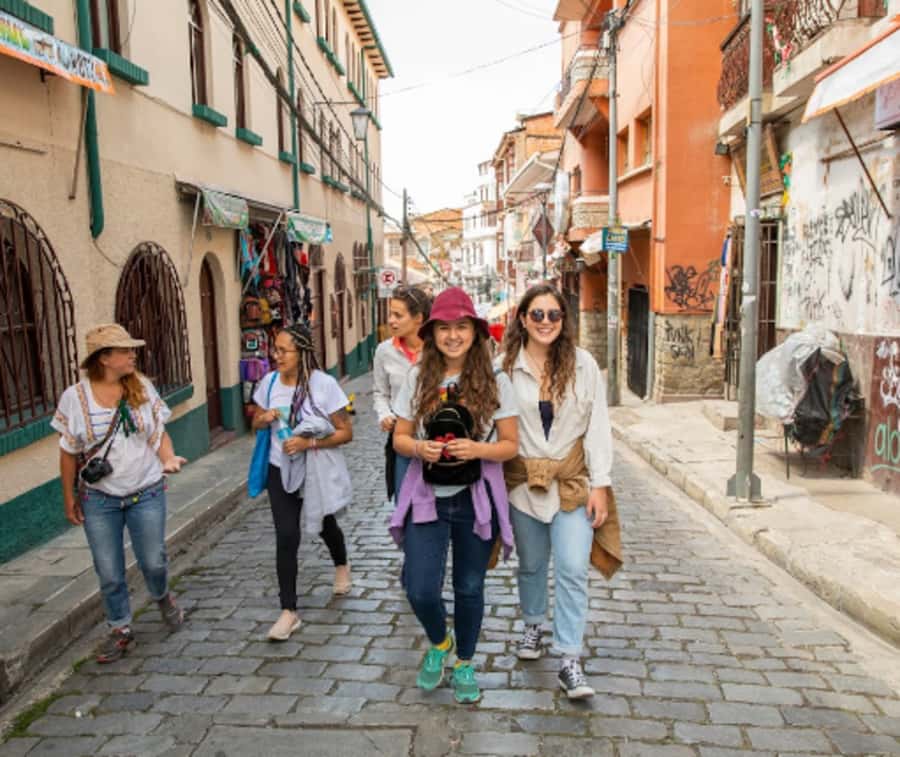
Women tell a city’s story. This 150-minute walking tour gives you La Paz through the lives of Indigenous women, students, immigrants, mothers, merchants, businesswomen, and activists. I like its focus on daily life, not just famous sights, and I like that guides bring their own specialties, from folklore and dance to rituals and spiritualism.
The main consideration is the high-altitude walking. You need comfortable clothes, water, sun protection, and enough energy for two and a half hours on foot. The tour is also not suitable for wheelchair users, and English is the only listed language.
In This Review
- Five Things to Know Before You Go
- Starting at Saint Francis Basilica
- Seven Lives, Not One Story
- Education, Bodies, and Public Voices
- Guides Bring Their Own Specialty
- Two and a Half Hours at High Altitude
- Why a Group of Ten Is a Good Fit
- Is $25 a Fair Price?
- Who Should Book This Experience?
- My Booking Advice for La Paz
- FAQ
- How much does La Paz: The Feminist Tour cost?
- How long does the tour last?
- Where is the meeting point?
- How will I recognize the guide?
- What language is the tour in?
- How many people can join the group?
- What is included in the price?
- Are food and drinks included?
- What should I bring?
- Can I cancel or pay later?
Five Things to Know Before You Go

- A women-centered view of La Paz: The tour asks what life is like for women in different social and cultural situations.
- A serious cultural conversation: Expect discussion of education, bodily autonomy, gender inequality, and women’s political voices.
- Small groups of up to 10: The format should give you more room to ask questions than a large city tour.
- Guide-led rather than attraction-led: The value comes from interpretation and conversation, not entrance tickets or meals.
- A high-altitude walk: Bring water, a hat, sunglasses, sunscreen, and comfortable clothing.
Starting at Saint Francis Basilica
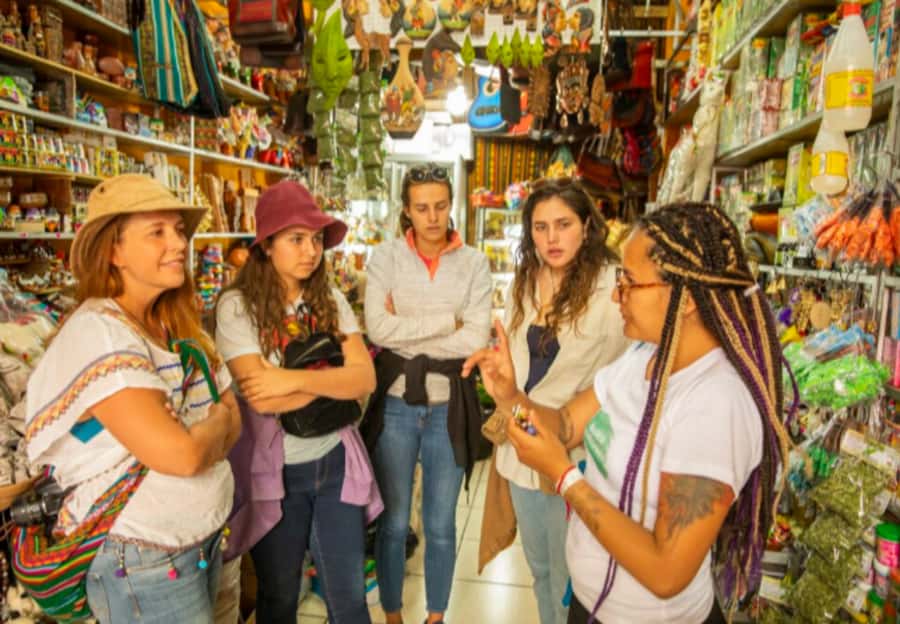
The tour meets in front of the Basilica of Saint Francis, with your guide wearing a pink jacket. That detail matters in a busy meeting area, so look for the jacket rather than trying to spot a particular sign or bus.
The basilica is more than a practical meeting point. It places you in a part of La Paz where public life, commerce, religion, and movement come together. From there, the tour’s attention turns away from a standard monument checklist and toward the people who make the city work.
You should arrive ready to walk and listen. There is no food, drink, or transport included, and the guide is the only included service. Bring your own water before you meet the group.
The opening conversation is built around a simple but useful question: what is La Paz like for a woman? The answer changes depending on her background, work, family life, and access to education or public power.
You can also read our reviews of more tours and experiences in La Paz.



Seven Lives, Not One Story
One of the tour’s strongest features is its refusal to treat women in Bolivia as a single group. You will hear about Indigenous women, students, immigrants, mothers, merchants, businesswomen, and activists.
Each category points to a different set of pressures and opportunities. A student may face barriers to education. A mother may have responsibilities that shape her control over time and work. A merchant may be highly visible in public life while still facing gender-based limits.
The tour also makes room for women who organize and speak publicly. Activists and businesswomen offer a picture of women not simply dealing with inequality, but proposing changes and building influence.
I find this approach more useful than a tour that gives you one broad statement about women’s rights and moves on. You are encouraged to think about how gender interacts with class, ethnicity, migration, work, and family duties.
The guide may not cover every group in the same depth. The exact balance depends on the person leading your walk and the questions raised by your small group. That variation is part of the format rather than a flaw.
Education, Bodies, and Public Voices
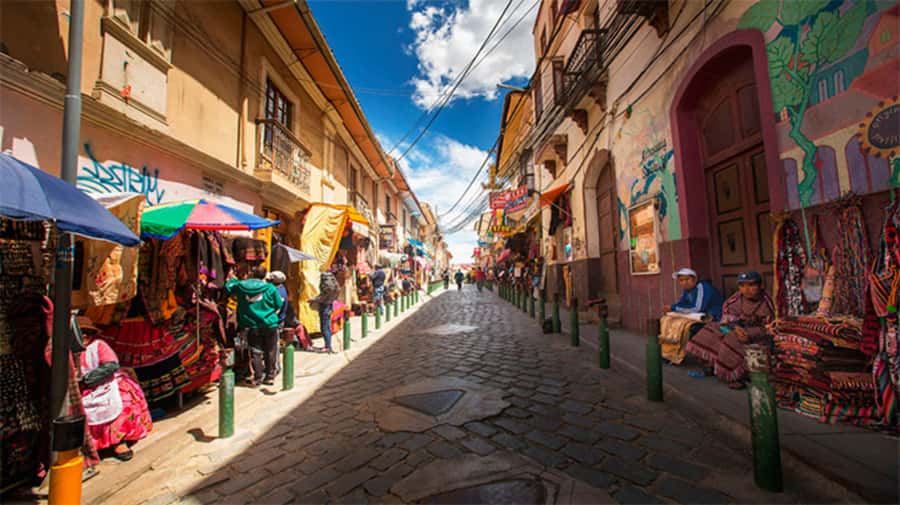
The central themes are serious. Your guide explains how women pursue education, seek control over their bodies, and work to have their voices and proposals heard.
These subjects give the walk a clear purpose. You are not simply hearing about past achievements; you are also looking at ongoing gender inequalities. The tour connects historical struggles with the choices and limits women face in present-day Bolivia.
The focus on education is especially important because it shows how empowerment often begins with access: the chance to study, gain skills, and make decisions about your own future. The discussion of bodily control brings the subject closer to personal freedom and public policy.
The emphasis on voices and proposals adds another layer. Women are presented as participants in civic life, not just as people affected by decisions made by others. That makes the tour a useful counterpoint to sightseeing that leaves local residents in the background.
You should expect an honest discussion rather than a cheerful walk with occasional social commentary. If you prefer tours that stay light and avoid political or personal topics, this may feel demanding. If you want a clearer understanding of how social issues shape daily life, that seriousness is the point.
Guides Bring Their Own Specialty
The guides are the heart of this experience. Anita has been especially associated with a strong feminist perspective, broad subject expertise, warmth, and an inspiring way of presenting the material.
Emma Radar Villaroel has also led a private version of the tour. The standard activity is a small group of up to 10 people, but the presence of a private format suggests that the experience can sometimes take a more personal shape.
Each guide has a different area of interest. One may bring a background in folklore and dance, while another may focus on rituals and spiritualism. This means the same general tour can have a different feel depending on who leads it.
That variety is a real strength. Folklore and dance can show how women participate in public culture, while rituals and spiritualism can open a different conversation about identity and belief. You should not assume that every guide will give exactly the same talk.
When booking, check the guide information if names are available. Anita is a particularly appealing choice if you want a forceful feminist interpretation delivered with warmth. If a different guide leads your walk, ask about their area of specialty at the start.
Two and a Half Hours at High Altitude
The tour lasts 150 minutes, long enough to develop its themes without taking your entire day. Still, this is a walking tour at high altitude, so the physical side deserves real attention.
You will be outdoors for a substantial stretch of time. Wear comfortable clothes and bring water, sunglasses, a hat, and sunscreen. The practical advice is simple: do not schedule this immediately after a tiring arrival day if you know altitude affects you.
The high-altitude setting can be a bigger issue than the duration. Even a moderate walking pace may feel harder than expected, especially if you have just arrived in La Paz. Walk at your own pace and tell the guide if you need a moment.
Large bags and luggage are not allowed. Leave suitcases at your accommodation, and carry only what you need for the walk. Smoking, alcohol, and drugs are also not allowed, and audio recording is prohibited.
The tour is not suitable for wheelchair users. No special accessibility arrangement is listed, so you should contact the provider before booking if you have mobility concerns.


Why a Group of Ten Is a Good Fit
The group limit of 10 is one of the better details here. A discussion about gender, identity, and social change works better when you can hear the guide clearly and ask questions without competing with a crowd.
A smaller group may also make it easier to explain your own interests. You might want to ask about Indigenous women, migration, political activism, folklore, or family life. The format gives the guide more chance to respond than a large coach tour would.
There is a trade-off. A small group does not guarantee a private conversation, and other participants may shape the discussion. If you want the guide’s full attention, the private version led by Emma Radar Villaroel may be worth investigating, though the standard arrangement is limited to 10 people.
The English-language format is useful for visitors who want to discuss complex subjects without relying on translation. It also narrows the audience, since no other language is listed.
Is $25 a Fair Price?
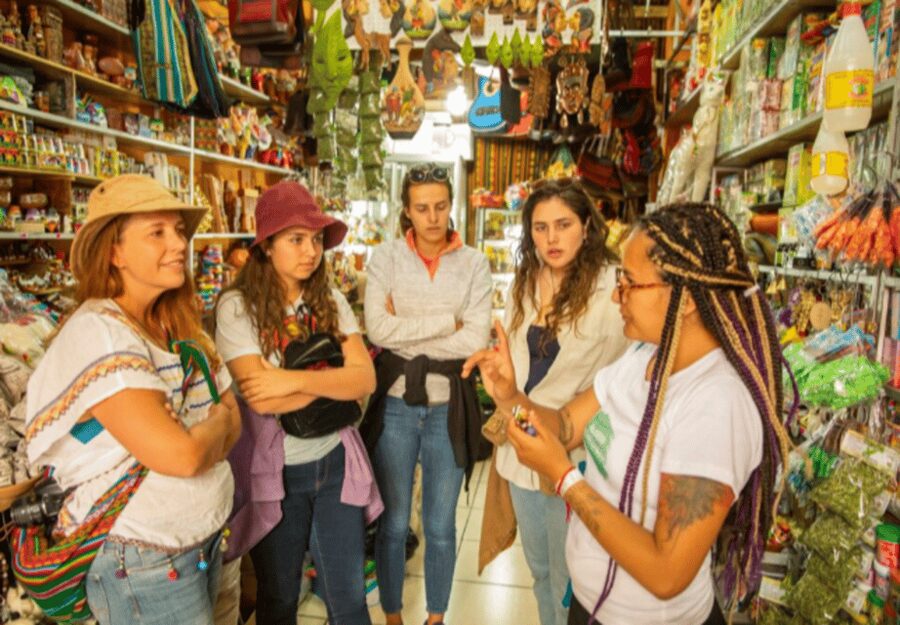
At $25 per person, the tour is reasonably priced for a 150-minute English walking experience with a local guide and a group capped at 10.
You are not paying for meals, drinks, transport, or entrance tickets. The value is in the guide’s interpretation, the focused subject matter, and the chance to connect social history with everyday life in La Paz.
I would consider that good value if you already enjoy cultural and political walking tours. The content is specialized, and the guides’ individual strengths add something you will not get from a standard city overview.
If you are mainly looking for architecture, viewpoints, or a quick introduction to La Paz, another city tour may serve you better. This tour works best as a companion to general sightseeing, giving you a different way to understand the city after you have seen its main sights.
Food and drinks are not included, so budget for your own water and any meal before or after the walk. Tips for the guide are optional.
Who Should Book This Experience?

I would recommend this tour to you if you want more than surface-level sightseeing. It suits visitors interested in women’s rights, Bolivian society, Indigenous identity, migration, activism, or the link between culture and public life.
It is also a strong choice if you prefer a small group and a guide who can discuss ideas rather than simply recite dates. The different guide specialties make it appealing to repeat visitors who want another angle on La Paz.
You may want to skip it if you dislike walking at altitude, need wheelchair access, or want a relaxed tour with little serious discussion. It is also not the best match for anyone expecting food, entertainment, or a long series of named attractions.
The tour is open to adults and is not suitable for unaccompanied minors. Since audio recording is not allowed, take notes afterward if you want to remember key points.
My Booking Advice for La Paz
Reserve this tour when you have enough energy for a high-altitude walk and when you are ready to discuss difficult subjects with an open mind. The free-cancellation policy gives you flexibility: you can cancel up to 24 hours before the start for a full refund.
The reserve-now-and-pay-later option is also useful if you are still arranging your Bolivia plans. Check the available starting times, meet in front of Saint Francis Basilica, and look for the pink jacket.
I would book it for the guide-led conversation, the focus on many kinds of women, and the chance to understand La Paz from a perspective most standard sightseeing tours leave out. I would not book it as a replacement for every other city visit; use it to add social context and a more personal sense of place.
FAQ
How much does La Paz: The Feminist Tour cost?
The price is $25 per person.
How long does the tour last?
The tour lasts 150 minutes, or two and a half hours.
Where is the meeting point?
Meet in front of the Basilica of Saint Francis in La Paz.
How will I recognize the guide?
Your guide will be wearing a pink jacket.
What language is the tour in?
The live tour guide speaks English.
How many people can join the group?
The tour is limited to 10 participants.
What is included in the price?
The price includes a local experienced guide.
Are food and drinks included?
No. Food and drinks are not included, so bring water and plan to purchase anything else separately.
What should I bring?
Bring sunglasses, a hat, sunscreen, water, and comfortable clothes.
Can I cancel or pay later?
You can cancel up to 24 hours in advance for a full refund. You can also reserve now and pay later.
More Tours in La Paz
More Tour Reviews in La Paz
Not for you? Here's more nearby things to do in La Paz we have reviewed



La Paz City Tours, compared
 ★ 4.9La Paz: Private City Tour with Cable Car & Moon Valley VisitFrom $43508 reviews
 ★ 4.2La Paz City Tour and Moon ValleyFrom $4038 reviews
 ★ 3.9Walking city tour La PazFrom $225 reviews
 ★ 4.9La Paz: Private Vehicle & Guide. City Tour + Moon ValleyFrom $3516 reviews
Browse the lists this tour appears in