
Reviewed · LAKE TITICACA & COPACABANA
From La Paz: Tihuanacu & Titicaca Lake in one day with lunch
Two ancient worlds fit into one demanding day. This private trip pairs the southern shores of Lake Titicaca with Tiwanaku’s remarkable stonework, so you cover two of Bolivia’s major sights without arranging separate transport. I like the hotel pickup, private car, and English-speaking guide, which make a long day easier to manage.
I also like the human side of the lake visit: you meet totora raft builders, see ceramic and textile museums in Huatajata, and learn about Aymara traditions. The main drawback is the pace. About four hours are spent driving, and the listed entrance fees and optional reed-boat ride cost extra. If Camilo is your guide and Johnny your driver, expect clear explanations and careful service; both are singled out for making the day comfortable and memorable.
In This Review
- Key points at a glance
- Why this day trip works from La Paz
- The 9 a.m. drive toward Lake Titicaca
- Huatajata and the totora raft builders
- Crossing the Andes toward Tiwanaku
- Two hours among Tiwanaku’s stone constructions
- What $219 includes and what it does not
- Comfort, timing, and what to bring
- Who should book this private day?
- Should you book this Lake Titicaca and Tiwanaku tour?
- FAQ
- What time does the tour begin?
- How long does the experience last?
- Is hotel transportation included?
- Which languages are available?
- Is the Tiwanaku entrance fee included?
- Is the reed-boat ride included?
- Is lunch included, and what else is provided?
Key points at a glance
- Two major sights in one day: Combine Lake Titicaca and the Tiwanaku archaeological site from La Paz.
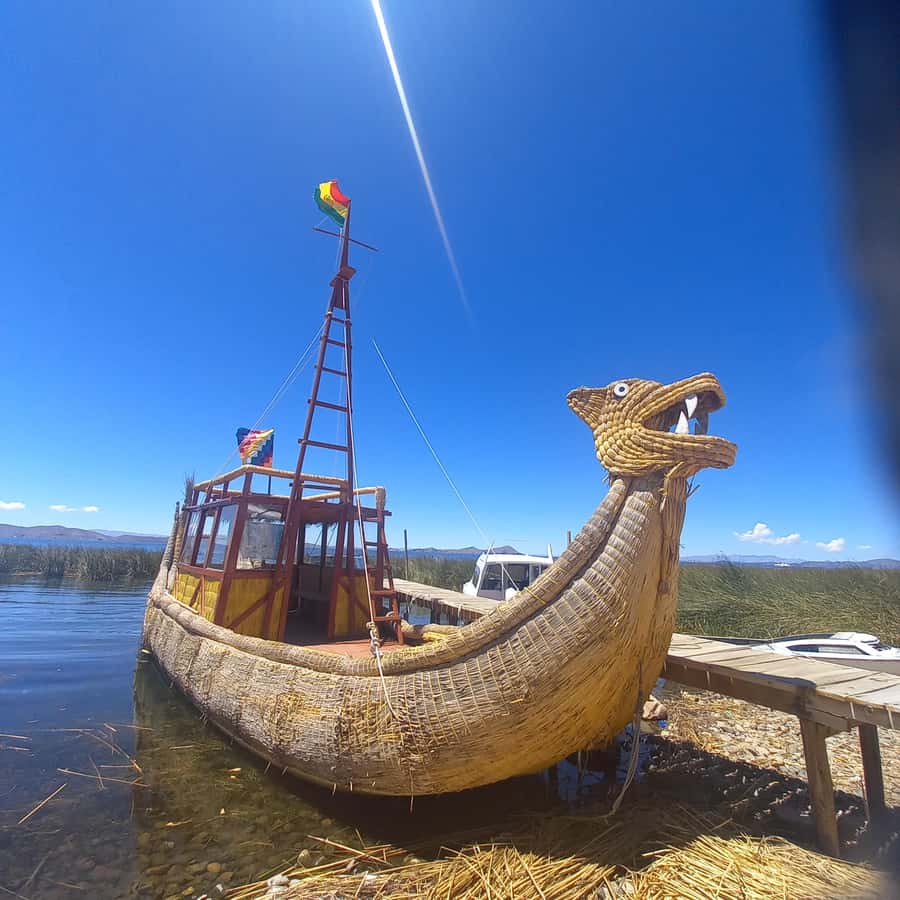
- Aymara life by the lake: Visit Huatajata, meet totora raft builders, and see ceramic and textile museums.
- Private transport: Travel in a private car with hotel pickup and drop-off rather than joining a large shared group.
- Tiwanaku’s stonework: See Puma Punku, stone staircases, and the lithic museum during a two-hour guided visit.
- Lunch and useful support: Bolivian lunch, bottled water, and an oxygen bottle onboard are included.
- Extra costs to plan for: The Tiwanaku entrance fee is BOB 100 per person, and a reed-boat ride is BOB 50.
Why this day trip works from La Paz

The appeal is simple: you can see Lake Titicaca and Tiwanaku in one outing without piecing together buses, taxis, guides, and entrance arrangements. The tour begins with pickup at your La Paz hotel at 9 a.m. and ends with drop-off at the same door.
That convenience matters because the route covers a lot of ground. The schedule allows about two hours in a private Jeep or SUV to reach the lake area, 1.5 hours at Lake Titicaca, another two hours across the Andes, and two hours at Tiwanaku. Add lunch and short transitions, and the eight-hour estimate makes sense.
I would choose this tour if you have only one spare day and want both culture and archaeology. I would not choose it if you prefer a slow day at one site. The driving is part of the experience, but it also limits how much time you have at each stop.
The private format is a real advantage. You can ask questions as they come up, keep the outing limited to your own group, and avoid waiting for a large coach to load and unload. The guide speaks English or Spanish, and the driver handles the long road sections while you take in the high Andean views.
A few more La Paz tours and experiences worth a look
The 9 a.m. drive toward Lake Titicaca
The morning begins at your hotel in La Paz. From there, the road heads through the Bolivian Andes toward the southern part of Lake Titicaca, with the route passing mountain scenery and open areas where you may see llamas and vicuñas.
The drive takes about two hours, so bring sunglasses, sunscreen, and water. Bottled water is provided, but it is still wise to use the stop at the lake as a chance to stretch your legs.
A private car makes this opening section less tiring than public transport. You can sit back, speak with the guide, and ask for context about the areas you pass. The tour includes an oxygen bottle onboard, which is a thoughtful precaution for a day spent in Bolivia’s high country, though it should not be treated as a substitute for personal medical preparation.
The schedule is fixed enough to keep the day moving, but a private group gives the outing a more personal feel. If you are traveling with family or friends, this arrangement can be worth more than a lower-cost shared excursion.
Huatajata and the totora raft builders
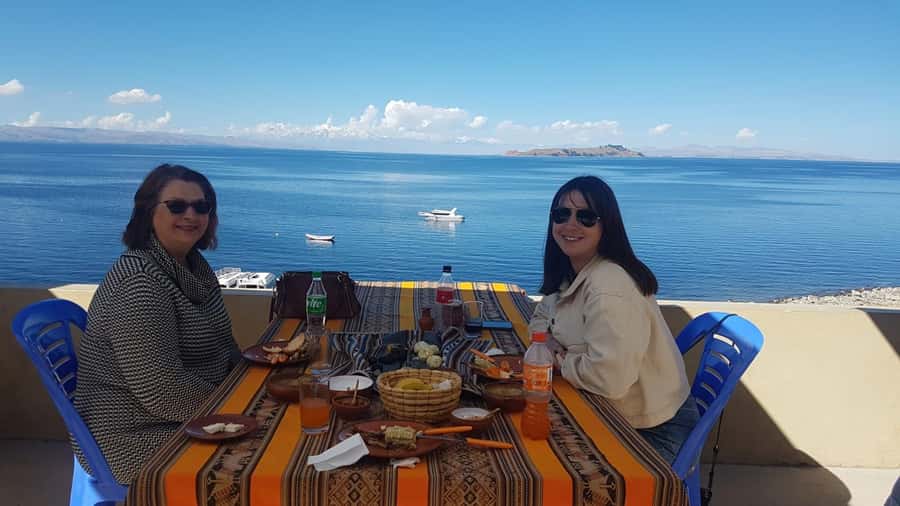
The Lake Titicaca portion centers on the southern Bolivian side, not a full lake cruise or a visit to one of the lake’s islands. You visit the town of Huatajata and meet people who build traditional rafts from totora reeds.
This is one of the most distinctive parts of the day. Instead of seeing the lake only from a viewpoint, you get a look at a local craft tied to life along the shore. The builders show how the rafts are made and share elements of their traditional way of living.
An optional reed-boat ride is available for BOB 50 per person, but it is not included in the tour price. I would ask your guide about the timing and exact details before paying, since the basic visit and the boat ride are separate parts of the outing.
Huatajata also includes ceramic and textile museums. These stops give the lake visit more shape than a quick photo break. You can connect the reed work with other local forms of making, while the guide explains the Aymara culture that remains central to the area.
The lake stop lasts about 1.5 hours. That is enough for the raft builders, museums, and a little time near the water, but it is not a leisurely half-day visit. Keep your expectations in line: you are getting a focused introduction to the Bolivian side of Lake Titicaca rather than an extended lake holiday.
Crossing the Andes toward Tiwanaku
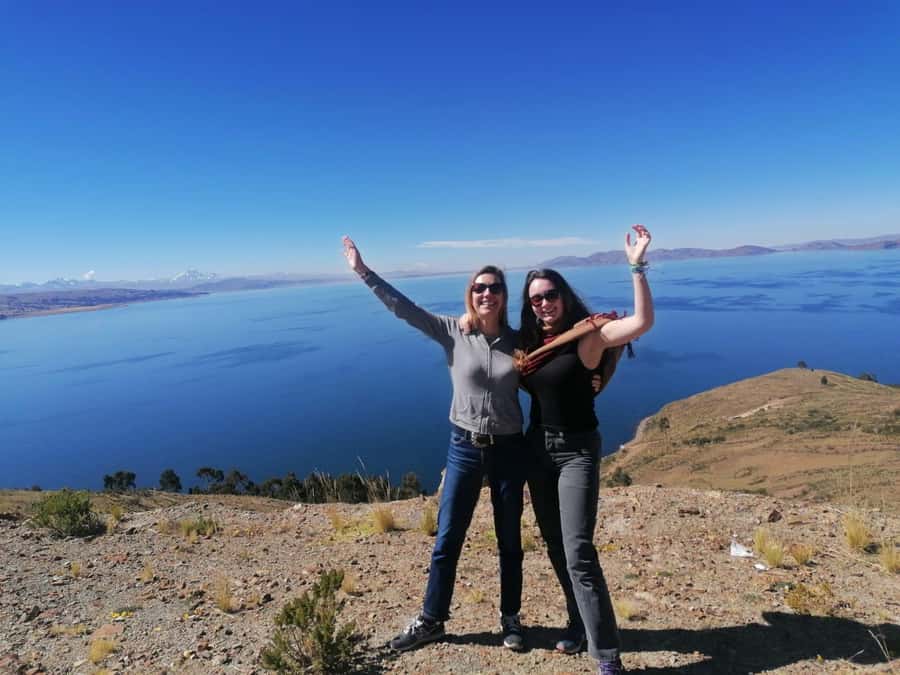
After Huatajata, the vehicle continues for about two hours toward the town of Tiwanaku. This road section is long, but it links the lake visit to the archaeological site without requiring another day in your schedule.
You may see herds of llamas and vicuñas along the way. Those sightings are not guaranteed, so I would treat them as a welcome bonus rather than a promised part of the program.
The changing scenery helps break up the drive, and the private vehicle gives you a comfortable base between stops. Still, you should bring patience. The trip covers a large area, and the combination of long roads and scheduled visits leaves little room for extended stops along the route.
Lunch is included and consists of local Bolivian food. The meal has received especially warm praise, with one recent assessment calling it excellent and another describing it as typical and good. That makes lunch more than a practical refueling stop: it gives you a chance to sample local cooking without having to search for a restaurant during a tightly timed day.
Two hours among Tiwanaku’s stone constructions
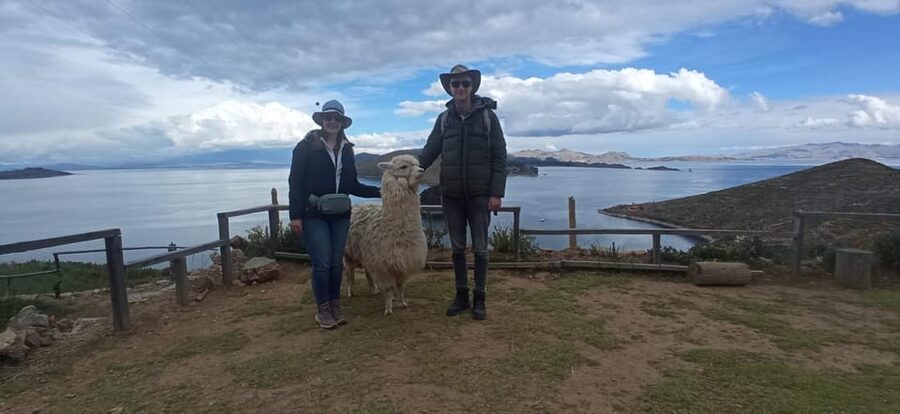
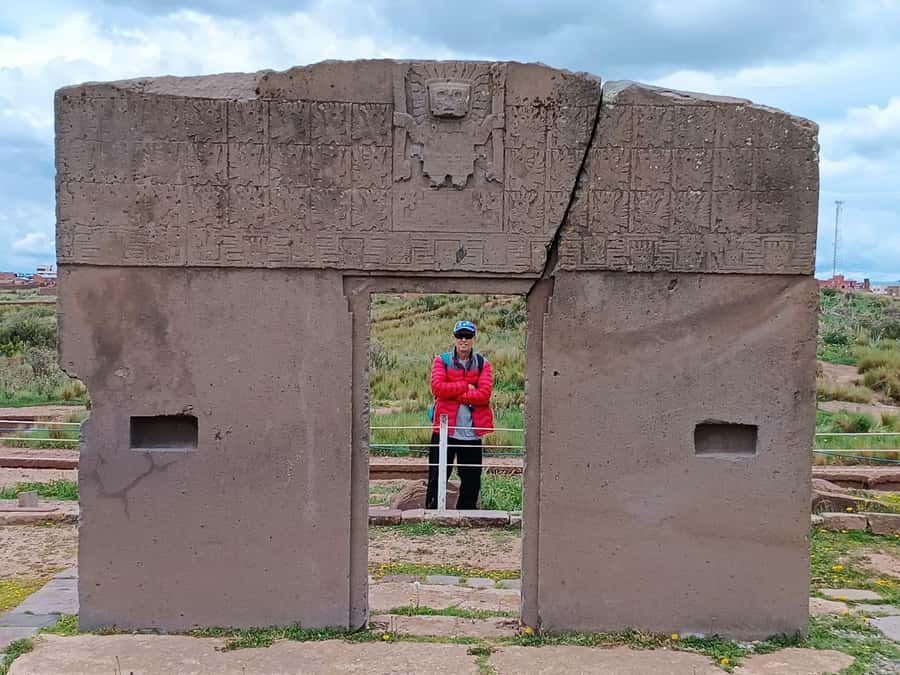
The archaeological visit lasts about two hours and includes a guided tour of the Tiwanaku ruins. The site’s most striking feature is its large stone construction, with carefully shaped blocks, staircases, and ceremonial remains that show the scale and skill behind the ancient settlement.
Puma Punku is a central stop. Its stone blocks are among the most memorable features of the visit, and the guide’s explanations help you look past the sheer size of the rocks. I find guided interpretation especially valuable here because the site can otherwise become a series of impressive but disconnected stones.
You also visit the lithic museum. This adds objects and carved stonework to the outdoor ruins, giving the site visit more detail and helping you understand how the pieces fit into the wider Tiwanaku setting.
The tour description refers to the ruins as Inca archaeological remains, but Tiwanaku is best understood on its own terms as an important pre-Columbian archaeological site. Your guide can provide the historical framing, and this is a good place to ask questions about the difference between Tiwanaku and later Andean cultures.
Two hours is enough for a useful introduction, especially with a guide who explains what you are seeing. It is not enough for an unhurried study of every structure. If archaeological sites are your main interest, you may want a dedicated Tiwanaku visit on another day instead of combining it with the lake.
A few more La Paz tours and experiences worth a look

What $219 includes and what it does not
The cost is $219 per person. That is not a budget day trip, but the price includes several services that can be costly or difficult to arrange separately: hotel pickup and drop-off, private transport, an English- or Spanish-speaking guide, lunch, bottled water, and the two main visits.
The private car is the biggest value factor. You are not simply paying for entry to two places; you are paying for a driver, a guide, and an organized route between La Paz, Lake Titicaca, Huatajata, and Tiwanaku. For a small private group that values comfort and direct attention, the price can make sense.
You should add BOB 100 per person for the Tiwanaku entrance fee. The optional reed-boat ride costs another BOB 50 per person. Those fees are not hidden in the advertised price, but they should be part of your day-trip budget.
The tour also includes skip-the-ticket-line access, which can save time at the archaeological site. The value is strongest when you have limited time in Bolivia and want a single, managed day rather than separate transport arrangements.
You can reserve now and pay later, and cancellation is allowed up to 24 hours before departure for a full refund. Those terms are useful if your La Paz schedule depends on flights, weather, or changing plans.
Comfort, timing, and what to bring
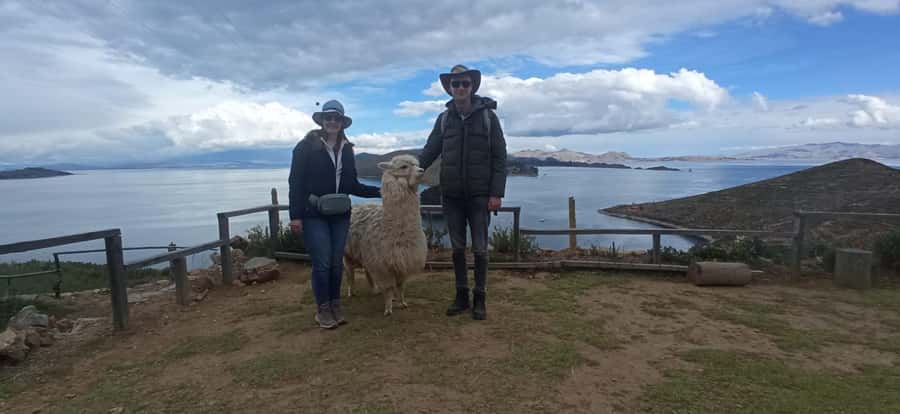
Wear comfortable shoes. The day includes walking around the lake area, museums, and the archaeological site, and the ground at an outdoor ruin is not the place for delicate footwear.
Sunglasses and sunscreen are also listed as essentials. The route spends substantial time outdoors, so these are practical rather than decorative items. A light layer may also be useful, but the supplied details do not specify temperatures or clothing requirements.
The tour is not suitable for pregnant women, and pets are not allowed. If either point affects your plans, confirm the restrictions before reserving.
Camilo is the guide most closely associated with the strongest service comments. His explanations are praised as clear, and his care for passenger comfort is a repeated theme. Johnny, the named driver, is also praised for his driving. Staff can change, so ask who will lead your departure if having a particular guide matters to you.
The tour is available in English and Spanish. For English speakers, the positive comments about clear communication are encouraging, especially at Tiwanaku, where a guide can make the stonework and museum displays much easier to understand.
Who should book this private day?
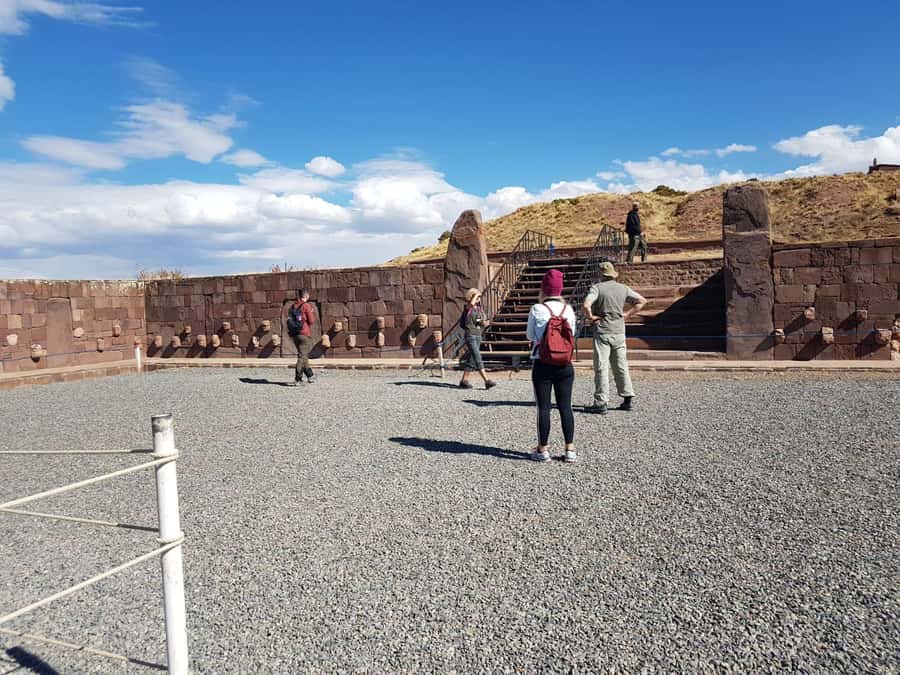
I would recommend this experience to you if you want a broad introduction to two important Bolivian sights and have only one open day from La Paz. It suits people who value door-to-door transport, a private group, and a guide who can explain local culture and archaeology in one continuous outing.
It is also a good fit if you want more than a scenic lake stop. Meeting the totora raft builders and visiting Huatajata’s ceramic and textile museums gives the Titicaca section a local focus.
I would be more cautious if you dislike long drives or want plenty of free time. The plan is efficient, but it is not relaxed. You will spend about four hours in the vehicle and receive roughly 1.5 hours at the lake and two hours at Tiwanaku.
If the optional boat ride is important to you, remember that it is not included. Likewise, the BOB 100 archaeological entrance fee is separate. Those costs are modest beside the total tour price, but they should not surprise you at the site.
Should you book this Lake Titicaca and Tiwanaku tour?
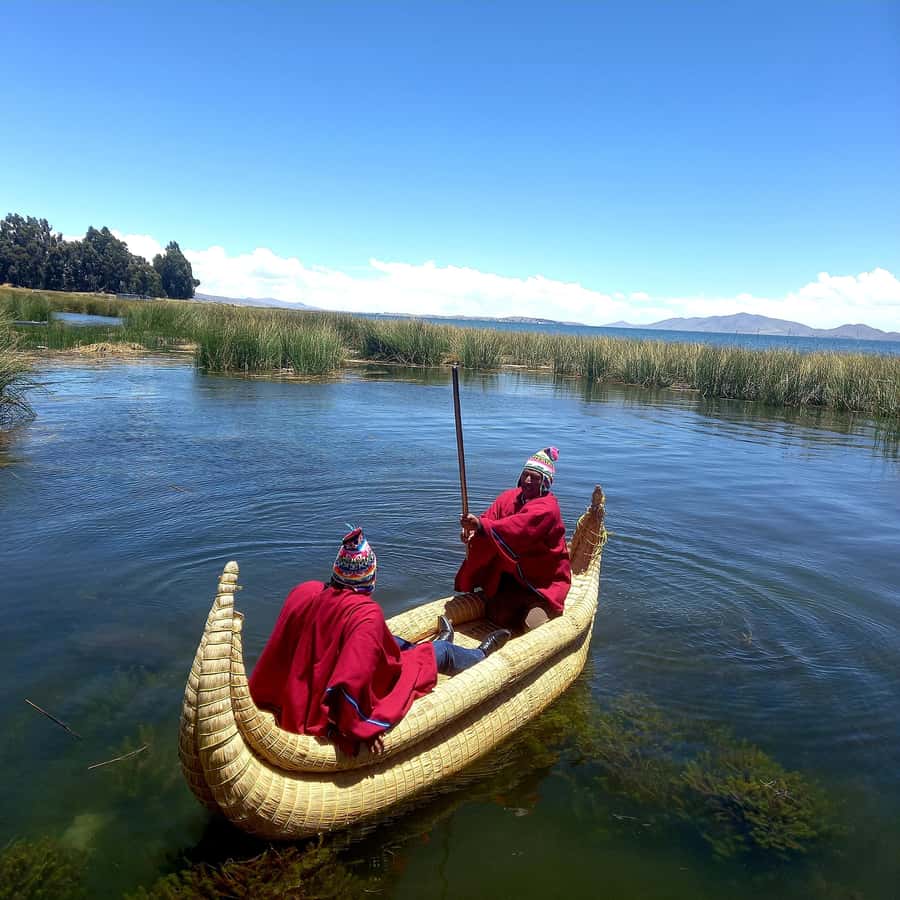
Book it if your priority is convenience and coverage. For $219 per person, you get private transport, hotel service, a guide, lunch, water, and a carefully arranged route to both Lake Titicaca and Tiwanaku.
Skip it if you want a slow archaeological day or a longer lake visit. The tour is best viewed as a well-organized introduction: two meaningful stops, strong guide support, and a lot of road in between. If Camilo and Johnny are assigned to your group, their clear explanations and thoughtful service could make the demanding schedule feel much easier.
FAQ
What time does the tour begin?
Pickup begins at 9 a.m. at your hotel in La Paz.
How long does the experience last?
The tour lasts about eight hours, including transport, the Lake Titicaca visit, the Tiwanaku tour, lunch, and the return to La Paz.
Is hotel transportation included?
Yes. Pickup from your La Paz hotel and drop-off at the door of your hotel are included.
Which languages are available?
The live guide service is available in English and Spanish.
Is the Tiwanaku entrance fee included?
No. Entrance to the Tiwanaku ruins costs BOB 100 per person and is paid separately.
Is the reed-boat ride included?
No. The optional reed-boat ride costs BOB 50 per person.
Is lunch included, and what else is provided?
Yes. A local Bolivian lunch, bottled water, a private car, an English or Spanish guide, and an oxygen bottle onboard are included.
More 1-Day Tours in La Paz
More Lunch Experiences in La Paz
More Tour Reviews in La Paz



Not for you? Here's more nearby things to do in La Paz we have reviewed



Lake Titicaca & Copacabana, compared
 ★ 4.5La Paz: Full Day Trip to Copacabana and Isla del SolFrom $59400 reviews
 ★ 4.2From La Paz: Titicaca, Copacabana, and Isla del Sol Day-TripFrom $100119 reviews
 ★ 4.3From La Paz: 2-Day Tour to Isla del Sol & Lake TiticacaFrom $6954 reviews
 ★ 4.5Day Trip from Puno: Explore Sun Island and CopacabanaFrom $10321 reviews
Browse the lists this tour appears in