
Reviewed · UYUNI SALT FLATS TOURS
From Uyuni:Uyuni Salt Flats with Incahuasi Island |Full day|
Salt turns the sky into a mirror. This full-day trip from Uyuni combines the Train Cemetery and Colchani with the huge white expanse of the Uyuni Salt Flat, giving you a good mix of local life, old machinery, salt works, and wide-open views. I especially like the 1:30 p.m. lunch served in the middle of the salt flat and the sunset snack with wine at the end. The main drawback is the long day: you leave at 10:30 a.m. and return around 8:00 p.m., with several hours in a 4×4.
At $120 per person, the value is strongest if you want transportation, lunch, a guide, and a planned sunset all handled in one booking. The small group limit of 10 is another plus, though you should budget an extra 30 BS for Incahuasi Island in the dry season or 20 BS for the sculptures during the rainy season.
In This Review
- Five things to know before you book
- Starting at 10:30 a.m. in Uyuni
- The Train Cemetery and Uyuni’s railway past
- Colchani: craft shops and salt processing
- Entering the Salar through the Ojos del Salar
- Salt Hotel, Dakar Monument, and Plaza de las Banderas
- Lunch at 1:30 p.m. on the salt flat
- Dry season or rainy season: two different experiences
- Sunset, snack, wine, and the ride back
- What the $120 price really covers
- Altitude, packing, and suitability
- Is this Uyuni Salt Flats tour worth booking?
- FAQ
- What time does the tour depart?
- What time does the tour return to Uyuni?
- What is included in the $120 price?
- Are the Incahuasi Island and sculpture entrance fees included?
- What happens during the dry and rainy seasons?
- What languages are available, and how large is the group?
- What should I bring, and who should not join?
Five things to know before you book
- A 10:30 a.m. start leaves room for a relaxed morning: Hotel pickup begins the day without forcing you out before sunrise.
- The itinerary mixes Uyuni’s past with its strangest scenery: You see abandoned locomotives, salt production, underground springs, monuments, and the giant white flat.
- The final stop changes with the season: Dry-season departures visit Incahuasi Island, while rainy-season departures focus on salt sculptures and labyrinths.
- Lunch and sunset refreshments are included: You get lunch on the salt flat plus a snack and wine at sunset.
- Expect a small-group 4×4 day: Transportation is by Jeep, with a maximum of 10 participants and hotel pickup and drop-off.
Starting at 10:30 a.m. in Uyuni

Your day begins with pickup from your hotel in Uyuni at about 10:30 a.m. The guide is expected to write or call around 15 minutes before pickup, and you should wait in the hotel lobby for roughly 10 minutes before heading outside.
That timing is useful if you have arrived in Uyuni recently or want a slower morning. This is not a sunrise departure, so you can eat breakfast, gather your passport or ID card, and prepare for a full day outdoors.
Transportation is provided in a 4×4 Jeep. The group is limited to 10 people, which should make the day easier to manage than a large coach excursion. You still need to be ready for a vehicle-based trip with several stops rather than a walking tour.
The tour is operated by Chullos Travel Peru. The activity information lists Spanish and English as available guide languages, while the included guide is described as Spanish-speaking. If you need English throughout the day, confirm that point when booking.
A few more Uyuni tours and experiences worth a look
The Train Cemetery and Uyuni’s railway past
The first stop is the Train Cemetery, where old locomotives sit outside Uyuni. These rusted machines provide a sharp contrast to the spotless salt surface you see later in the day.
I like this opening because it gives the excursion some local context before you reach the main attraction. You are not simply driven straight to the salt flat, take a few photos, and leave. The locomotives are tied to Uyuni’s past and help show how this remote town developed around rail transport.
Give yourself time to look closely at the metalwork and the shapes of the engines. The stop is brief compared with the salt flat portion, but it adds character to the day. It also gives you an early chance to take photographs before the brightest part of the afternoon.
Colchani: craft shops and salt processing
From the Train Cemetery, you continue to Colchani. This town is associated with salt production, and the visit includes local craft shops and a salt processing plant.
The craft shops offer a chance to see the kinds of salt-related goods sold in the area. You do not have to buy anything, but the stop gives you a more direct connection to the people and work connected with the flat.
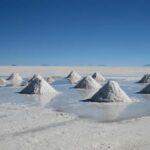
The salt processing plant is also useful because it shows that the Salar de Uyuni is not only a place for dramatic photographs. Salt is collected and processed here, and Colchani provides a practical look at that side of the region.
I would treat this as a cultural and working stop rather than a major sightseeing attraction. If you prefer nonstop scenery, the shops may feel like a pause. If you want to understand how the salt flat supports local activity, the stop earns its place.
Entering the Salar through the Ojos del Salar
The route then reaches the Uyuni Salt Flat, where you visit the Ojos del Salar, or Eyes of the Salt Flat. These are underground springs that come up through the salt surface.
This is one of the more unusual parts of the route. Instead of seeing only a smooth white plain, you get a reminder that water and movement continue below the crust. The springs give the flat a physical presence beyond its famous reflective appearance.
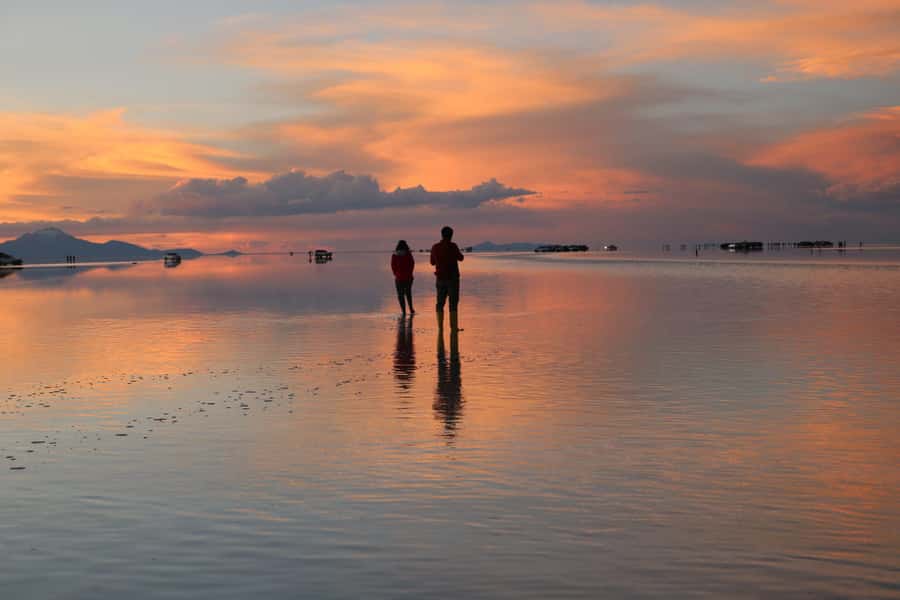
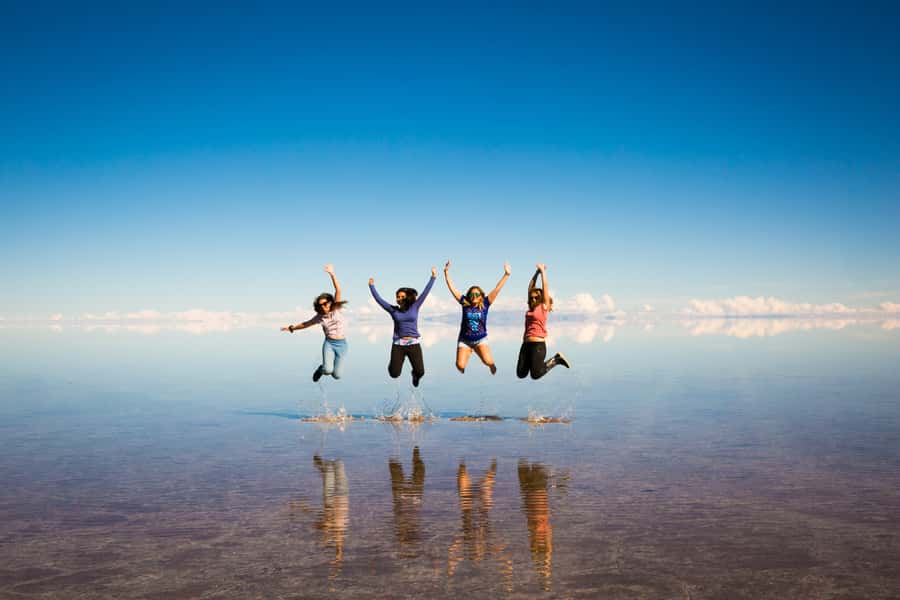
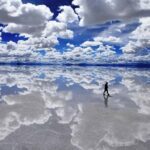
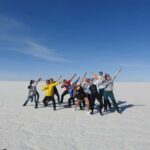
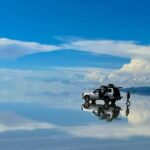
The salt flat is often described as the world’s largest mirror because of the way sky and ground can appear to blend together. The exact effect depends on conditions, but the tour is designed to give you time to take in the huge open views and record photographs and videos after lunch.
Bring sunglasses. The white surface can be hard on your eyes, and a sun hat is also sensible. Comfortable shoes are listed among the recommended items; during the rainy season, one pair of boots is provided.
Salt Hotel, Dakar Monument, and Plaza de las Banderas
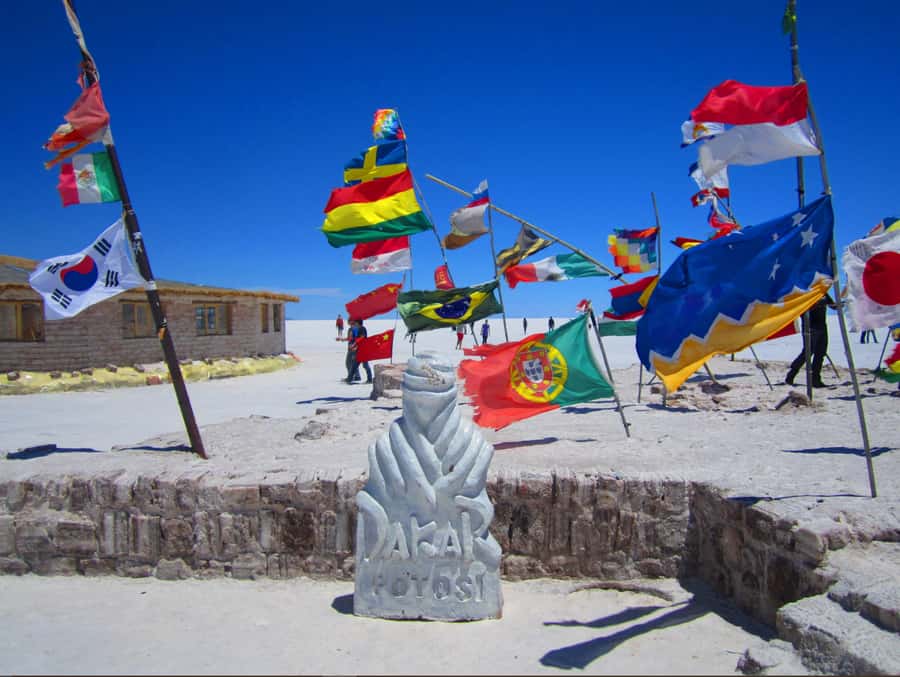
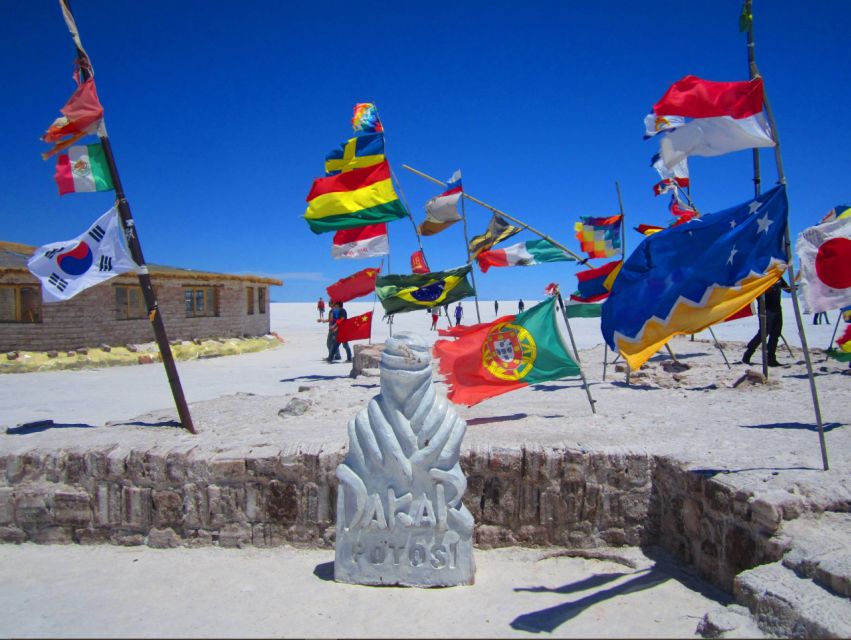
The next stops bring you to several well-known features within the salt flat: the first Salt Hotel, the Dakar Monument, and the Plaza de las Banderas, or Plaza of the Flags.
These stops break up the open drive and give you clear points of interest in an area that can otherwise feel almost limitless. The Salt Hotel reflects the use of salt as a building material, while the Dakar Monument and flags add human-made symbols to the stark white setting.
You should expect photo stops rather than long guided visits. The appeal comes from the setting: geometric salt, open sky, and isolated structures that look almost theatrical against the flat surface.
The Dakar Monument and Plaza of the Flags may be more interesting to some people than others. If you enjoy recognizable landmarks and unusual photo backgrounds, you will appreciate them. If you came only for untouched salt, these additions may feel less important.
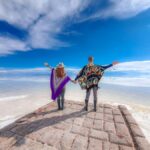

Lunch at 1:30 p.m. on the salt flat
Lunch is scheduled for about 1:30 p.m., and it is served in the middle of the Uyuni Salt Flat. The meal is included, but no menu is provided, so you should not book this expecting a particular dish.
The setting is the real attraction. Eating on the salt flat gives you a pause from the vehicle and a chance to take in the scale of the place without rushing from one photo stop to the next.
This timing also matters because the day continues well into the afternoon. You will need the break before the photography session and the final seasonal stop. I would carry water and any small personal snacks you prefer, since the included meal details are not specified.
Dry season or rainy season: two different experiences
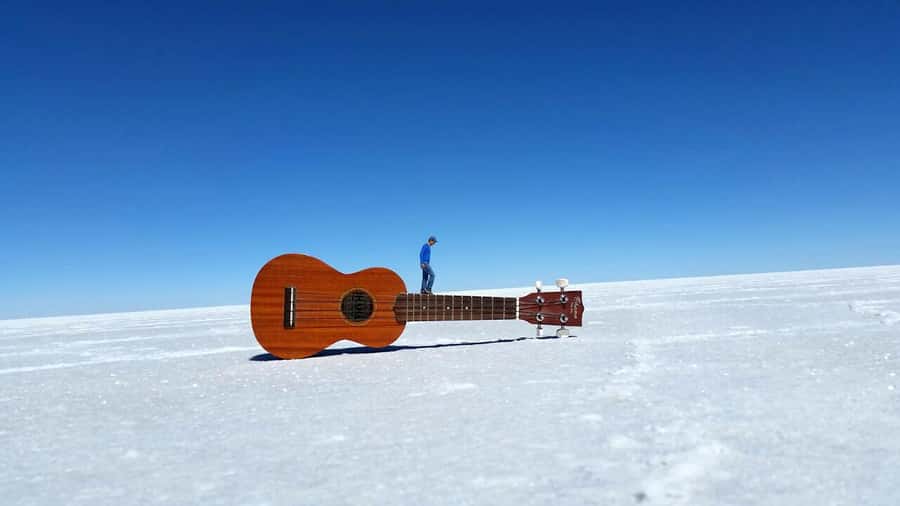
After lunch, the tour focuses on photos and videos, then follows a route that changes according to the season.
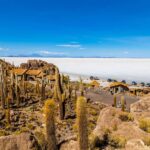
During the dry season, you visit Incahuasi Island. The entrance fee is not included and costs 30 BS. You should have cash ready for this extra if the island visit is important to you.
During the rainy season, the tour visits salt sculptures and salt labyrinths instead. The stated entrance fee for this option is 20 BS, also not included. A pair of boots is provided during the rainy season, which is a useful addition when the salt surface is wet.
The seasonal difference is worth considering before you book. Dry-season visitors receive the Incahuasi Island version of the itinerary, while rainy-season visitors get sculptures and labyrinths. Neither option should be treated as a minor detail; it changes the shape of the afternoon.
You should also avoid assuming that both options are included or available on the same departure. The itinerary clearly assigns one route to each season, so confirm which version applies to your dates.
Sunset, snack, wine, and the ride back
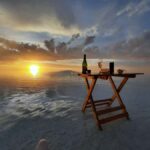
Late in the afternoon, you stop to watch the sunset over the Salar de Uyuni. A snack and wine are included.
I like this finish because it gives the day a calm final moment after the stops, driving, and photo sessions. The salt surface, open sky, and fading light provide a natural ending rather than another monument or shop.
The rules state that pets, alcohol, and drugs are not allowed, even though wine is included as part of the planned sunset service. If that detail concerns you, ask the provider how the included wine is handled and do not bring your own alcohol.
After sunset, you return to Uyuni, arriving at approximately 8:00 p.m. That makes this a full day in every sense. You should avoid scheduling a tight evening connection or another major activity afterward.
What the $120 price really covers
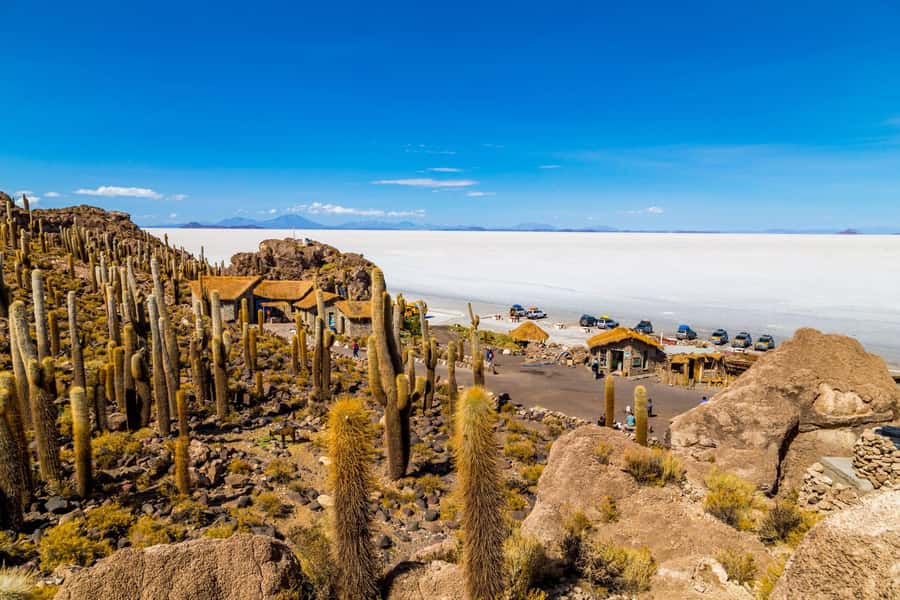
The price is $120 per person. It includes round-trip 4×4 transportation, hotel pickup and drop-off, lunch, the sunset snack and wine, the sunset stop itself, and a guide.
That is a useful bundle if you want a straightforward day without arranging transport, food, and the major stops separately. The small-group limit of 10 also adds value because the group should be easier to coordinate than a much larger outing.
The price is not fully all-inclusive. Add 30 BS for Incahuasi Island in the dry season or 20 BS for the rainy-season sculptures. The price of the boots is covered only during the rainy season, and no other personal purchases are listed as included.
The experience has a 4.6 out of 5 rating from four bookings, including a verified full-score booking dated April 12, 2024. That strong response fits the tour’s main appeal: it packs the best-known Uyuni stops, lunch, photography time, and sunset into one organized day.
Altitude, packing, and suitability
The information recommends drinking coca tea before the tour to help prevent altitude sickness. Take that advice seriously if you are sensitive to altitude, and allow yourself time to adjust in Uyuni before joining a long day out.
Bring your passport or ID card, sunglasses, a sun hat, and comfortable shoes. A passport or ID card is specifically requested, so do not leave your identification at the hotel.
The activity is not considered suitable for people with recent surgeries, people over 70, or pregnant women. These restrictions are stated by the provider, so check directly before booking if you have a medical concern or need special assistance.
Free cancellation is available up to 24 hours before departure for a full refund. You can also reserve now and pay later, which helps if your Uyuni plans may change.
Is this Uyuni Salt Flats tour worth booking?
I would book this tour if you want the main Uyuni Salt Flat sights in one day, prefer a small group, and like having lunch and sunset arrangements included. The 10:30 a.m. departure is manageable, and the route gives you more variety than a salt-flat-only outing.
I would think twice if you dislike long vehicle days, want a private tour, or need a guaranteed English-speaking guide without confirming the language arrangement first. You should also factor in the seasonal entrance fee and check which afternoon route will operate on your date.
For most people with one free day in Uyuni, the combination of the Train Cemetery, Colchani, the salt springs, landmarks, lunch, seasonal stop, and sunset makes this a well-filled choice. The day is long, but the itinerary gives you plenty of time to see why the Salar de Uyuni is one of Bolivia’s most unusual places.
FAQ
What time does the tour depart?
Departure is at 10:30 a.m. The guide should write or call about 15 minutes before pickup, and you should wait around 10 minutes in your hotel lobby.
What time does the tour return to Uyuni?
The tour concludes with a return to Uyuni at approximately 8:00 p.m.
What is included in the $120 price?
The price includes round-trip transportation in a 4×4 Jeep, hotel pickup and drop-off, lunch, a sunset snack and wine, the sunset stop, and a guide.
Are the Incahuasi Island and sculpture entrance fees included?
No. Incahuasi Island costs 30 BS during the dry season, while the rainy-season sculptures cost 20 BS.
What happens during the dry and rainy seasons?
During the dry season, the tour visits Incahuasi Island. During the rainy season, it visits salt sculptures and salt labyrinths, and one pair of boots is provided.
What languages are available, and how large is the group?
The activity lists Spanish and English as available guide languages. The group is limited to 10 participants, and the included guide is described as Spanish-speaking.
What should I bring, and who should not join?
Bring your passport or ID card, sunglasses, a sun hat, and comfortable shoes. The activity is not suitable for people with recent surgeries, people over 70, or pregnant women.
More Full-Day in Uyuni
More Tour Reviews in Uyuni
Not for you? Here's more nearby things to do in Uyuni we have reviewed


Uyuni Salt Flats Tours, compared
 ★ 4.5From La Paz: Uyuni Salt Flat Tour & Overnight Roundtrip BusFrom $275327 reviews
 ★ 4.5Uyuni tour express from La Paz by busFrom $269172 reviews
 ★ 4.4From Uyuni: Red Lagoon & Uyuni Salt Flats 3-Day Guided TourFrom $354160 reviews
 ★ 4.3La Paz: 5-Day Uyuni Salt Flats by BusFrom $486153 reviews
Browse the lists this tour appears in