
Reviewed · MOON VALLEY & CANYON TOURS
La Paz City Tour and Moon Valley
La Paz changes quickly when you ride uphill. This six-hour tour links the city center, Moon Valley, El Alto, and several cable-car lines in one energetic outing. I like the bird’s-eye views from the teleféricos and the chance to use ordinary local transport instead of staying inside a sightseeing vehicle. I also like the stop for a traditional salteña, a small local treat that adds a pleasant taste of everyday Bolivia.
The main drawback is the altitude and pace. The route reaches more than 4,000 meters above sea level, includes walking, buses, and cable cars, and covers a lot of ground in six hours. If you are still dealing with altitude sickness, wait until you have adjusted. The city portion can also feel short if your guide spends extra time elsewhere.
Guides Abraham and Veronica have earned especially warm praise for making the day lively, clear, and full of cultural detail. Still, the guide matters greatly here. A strong guide can connect the markets, prison, cable cars, and government buildings into one useful story; a poor one can make the same route feel like a string of transfers.
In This Review
- Key points to know before booking
- A $40 route through La Paz and El Alto
- San Francisco and downtown’s working markets
- Salteña, San Pedro, and the road south
- Moon Valley in 15 to 20 minutes
- Cable cars above La Paz and El Alto
- El Alto’s market and its ritual side
- Jaén Street and the final stop at Plaza Murillo
- Your guide can make or break the day
- Practical preparation for a high-altitude day
- Who should book this La Paz tour
- Should you book it?
- FAQ
- How much does the La Paz City Tour and Moon Valley experience cost?
- How long does the tour last?
- Where is the meeting point?
- How will I identify the guide?
- What is included in the price?
- Are hotel pickup and drop-off included?
- What languages are available?
- Does the tour visit Moon Valley and El Alto?
- How high does the tour go?
- What should I bring and can I cancel?
Key points to know before booking
- The route uses several kinds of transport: You walk through downtown, ride a bus toward the south zone, take cable cars to El Alto, and return on a different set of cable-car lines.
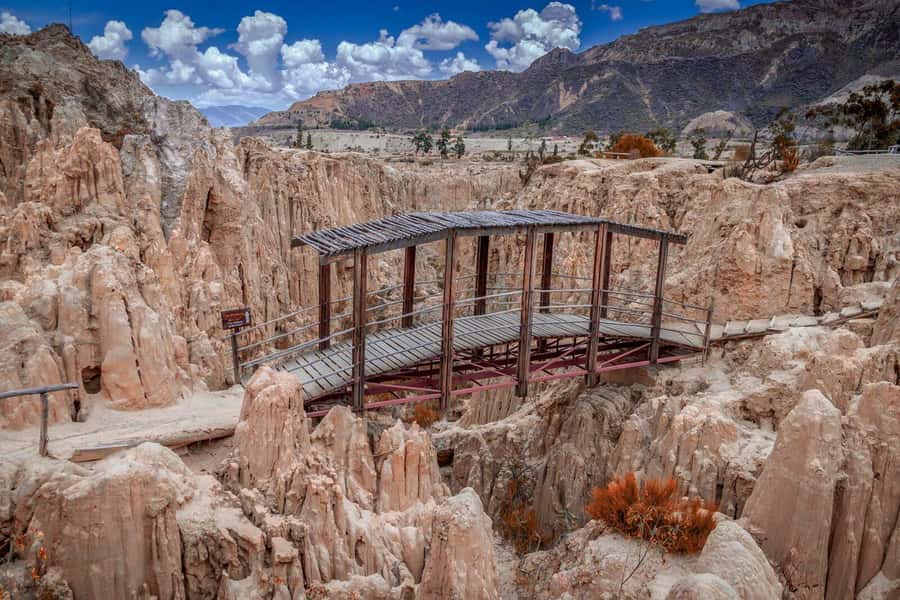
- Moon Valley includes only a short visit: Plan on a 15- to 20-minute walk, with time for photographs rather than a long hike.
- El Alto offers a different market experience: Its witches’ market may include local witch doctors performing rituals.
- The tour reaches very high altitude: Some parts rise above 4,000 meters, so acclimatization matters more than fitness.
- The $40 price covers the main moving parts: A professional guide, transport, cable cars, and entrance fees are included.
- The tour ends in the historic center: The final stop is Plaza Murillo, near the cathedral, Presidential Palace, Parliament, and kilometer 0.
A $40 route through La Paz and El Alto
At $40 per person, this is a good-value choice if you want a broad introduction to La Paz without arranging several separate outings. The fee includes a professional guide, entrance fees, public transportation, and cable-car rides. Those cable cars can quickly add up if purchased separately, and the route would be awkward to organize on your own in one day.
You are paying less for a slow, polished sightseeing circuit and more for a moving city lesson. The tour combines walking, bus travel, and public transport, so you get a closer look at how La Paz works. That also means you should expect some standing, transfers, and changes in pace.
The tour lasts six hours, with starting times depending on availability. Hotel pickup and drop-off are not included, so you must reach the meeting point and make your own way home from the final stop. Cancellation is free up to 24 hours before departure, and you can reserve now and pay later.
The overall score of 4.2 from 38 ratings suggests a solid experience with some uneven departures. That is useful information: the route itself is strong, but the guide’s energy and command of the schedule can shape your day.
You can also read our reviews of more city tours in La Paz
San Francisco and downtown’s working markets
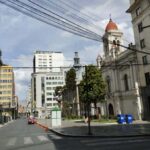
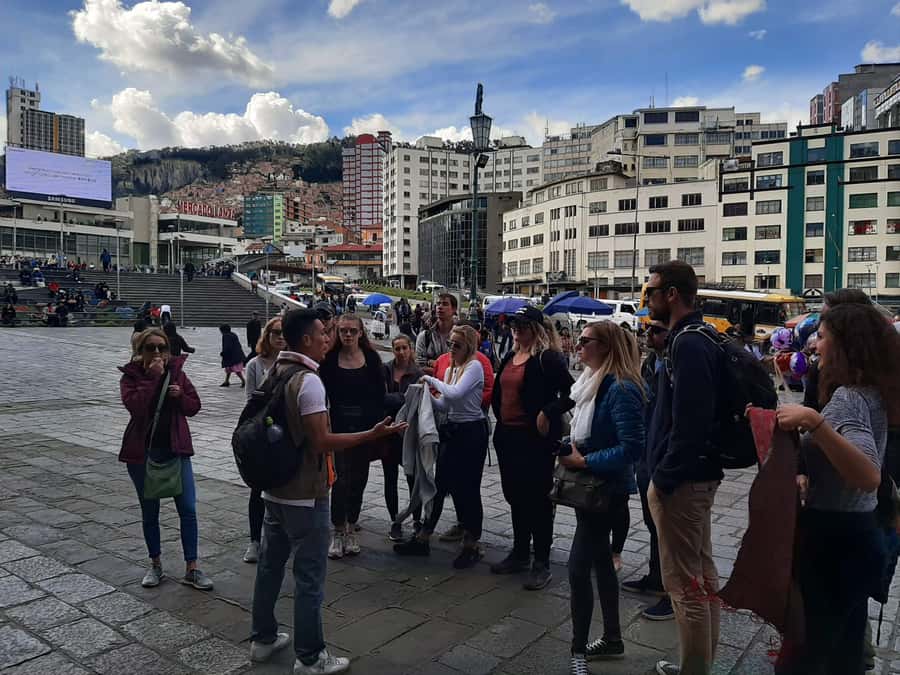
The meeting point is near the main front door of San Francisco Church. This is a practical place to begin because the church sits in the heart of central La Paz, close to markets and busy streets. Look for a guide wearing an orange and beige vest with the Hanaqpacha Travel logo on the back.
The first section takes you through San Francisco Church, the witches’ market, and local markets around downtown. Mercado Rodríguez is also part of the city experience described by past participants. This is where the tour feels most connected to daily life: you are not simply looking at a monument, but moving through places where people shop, work, and sell ordinary goods alongside items tied to Andean beliefs.
The witches’ market in La Paz is one of the city’s better-known stops. A guide adds real value here because the objects on display can seem puzzling without cultural context. You should listen for explanations rather than treating the market as a strange photo stop. The best version of this visit helps you understand how tradition, commerce, and local belief meet in one small area.
San Francisco Church gives the morning a more formal start, while the markets bring you back to the street. I like that contrast. You see an important religious building, then step directly into the commercial center instead of spending the whole visit inside monuments.
Salteña, San Pedro, and the road south
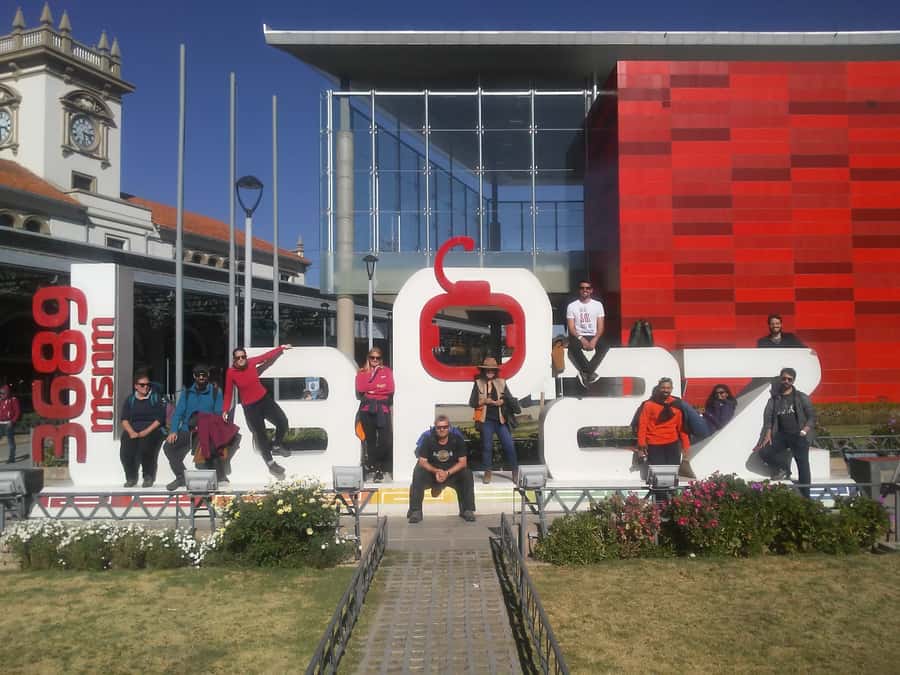
As you walk toward the bus stop for Moon Valley, the group makes a quick stop for a salteña. The tour describes it as one of Bolivia’s famous local snacks. It is a small detail, but a useful one: food often tells you more about a place than another look at a grand building.
The stop is brief, so do not expect a full meal. If you need a substantial lunch or have dietary concerns, plan around that. The included snack is part of the experience, not a replacement for lunch.
The bus ride toward the south zone passes San Pedro Square and goes beside San Pedro Prison. The prison is one of La Paz’s most notorious landmarks, and seeing it from the street gives the ride a sharper local edge. The guide can make this stretch worthwhile by explaining what you are seeing and placing it within the city’s social and political story.
This is also the point where the tour feels least like a standard sightseeing trip. You are using the same type of transport that local residents use, and the route gives you a look at ordinary city movement. The trade-off is comfort and predictability. Traffic, waiting, and crowded public transport can affect the pace.
Moon Valley in 15 to 20 minutes
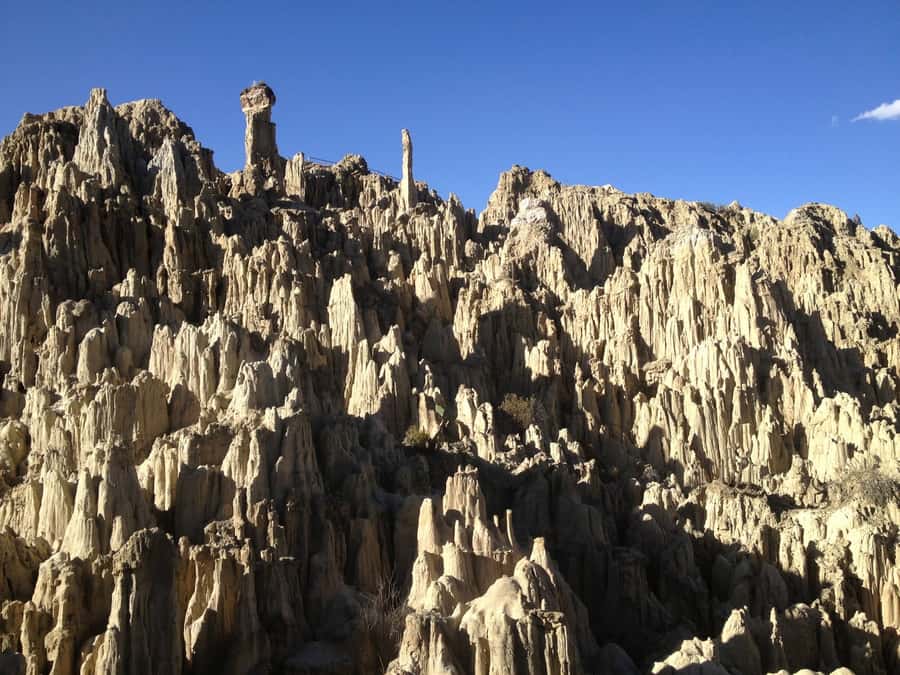
Moon Valley sits in La Paz’s south zone and offers one of the day’s clearest photo stops. The visit includes a short walk of roughly 15 to 20 minutes. That is enough time to see the site, take photographs, and hear a basic explanation, but it is not a long walking excursion.
The short duration works well for a packed city tour. You get a strong change of scenery without giving up the cable-car journey and El Alto portion. If Moon Valley is your main reason for booking, however, keep your expectations in check. This is a sampler rather than an extended exploration.
Wear comfortable clothes and bring sunscreen and a hat. The high altitude, bright sun, and walking can make a short route feel more demanding than its distance suggests. You should also avoid bringing luggage or a large bag, which would be awkward on buses, footpaths, and cable-car cabins.
The transition after Moon Valley is worth watching carefully. The planned route continues toward the cable cars and El Alto, but the timing can vary. One departure ended the city portion early after the Moon Valley section, while another participant found the city visit shorter than expected. If you want equal time in every part of the route, ask the guide at the start how the six hours will be divided.
Cable cars above La Paz and El Alto
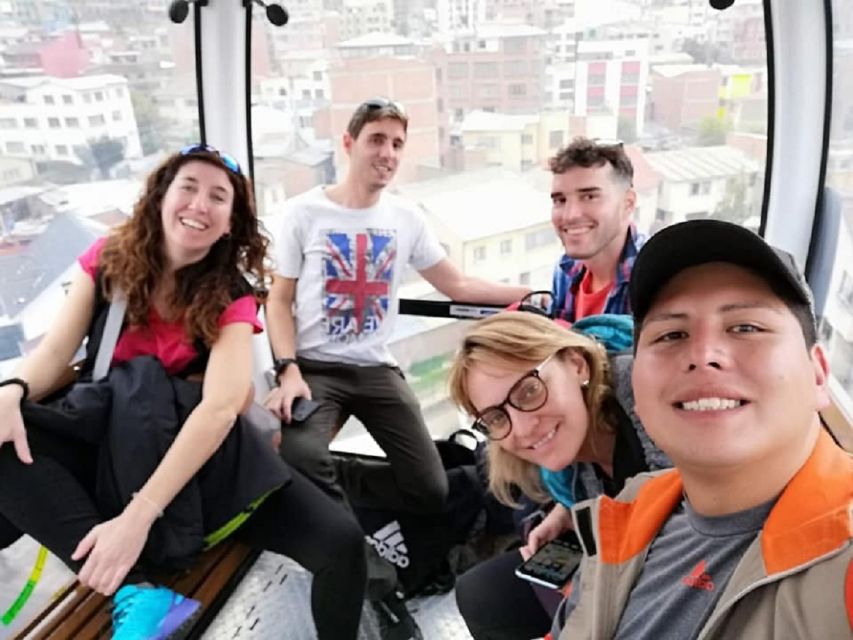
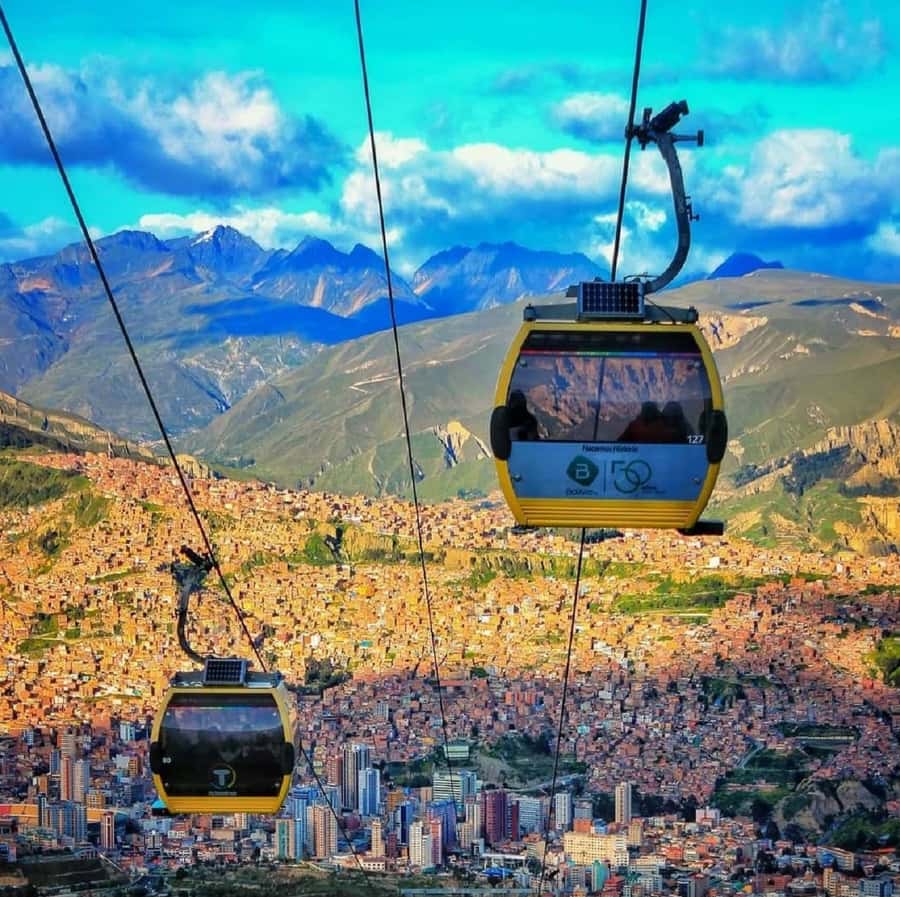
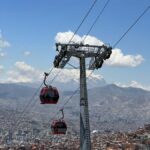
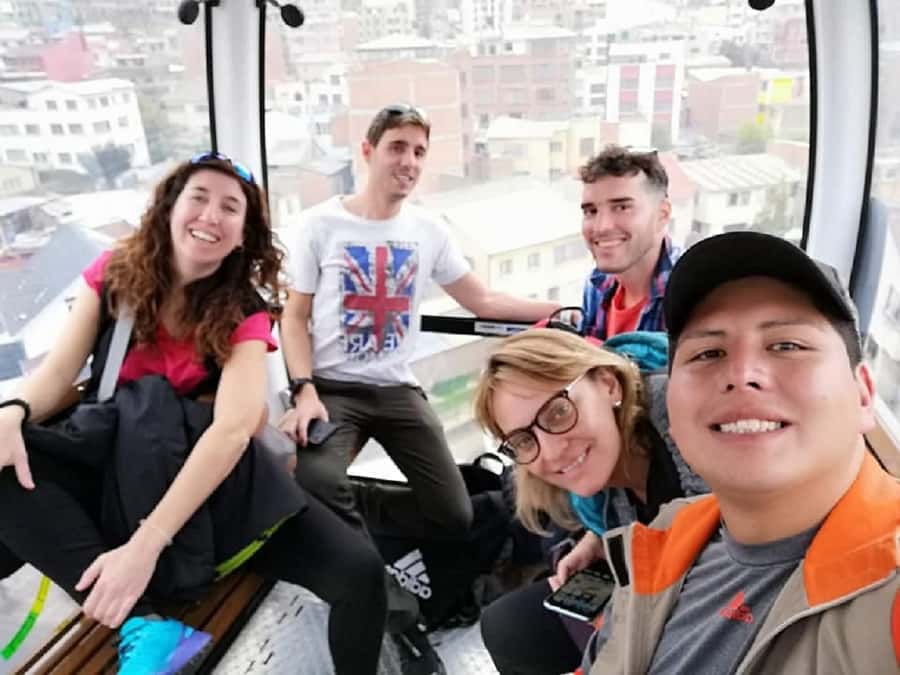
The cable cars are the tour’s strongest feature. From the cabins, you get broad views over La Paz and El Alto while moving between two cities at high altitude. You also see the steep relationship between the central city and the high plateau in a way that is difficult to grasp from street level.
The route uses one set of cable cars to reach El Alto and a different set to return toward La Paz. That gives you more than one ride and lets you see different parts of the city from above. The cabins offer the best views of the day, especially if you enjoy taking photographs rather than only looking at individual buildings.
The experience also has a practical side. La Paz’s cable-car system is part of the city’s daily transport network, not just a tourist attraction. Riding it with a guide gives you both the view and an explanation of how the system connects areas separated by steep slopes and major changes in altitude.
The altitude is serious here. The tour reaches more than 4,000 meters above sea level, and you may notice the effects even if you are comfortable walking at home. Anyone suffering from altitude sickness should wait until acclimatized. This is not the day to prove anything; the sensible choice is to take the warning seriously.




El Alto’s market and its ritual side
Once in El Alto, the group visits photo spots and the witches’ market. This market differs from the one in central La Paz because you may see local witch doctors performing rituals. That makes the stop more than a display of objects for sale.
Approach this part with respect. Rituals are not a staged performance created for a sightseeing group, and the guide’s explanation matters. You can take in the setting and learn about the practice without treating it as a spectacle.
El Alto gives the tour a useful second point of view. La Paz is often presented through its central streets, colonial buildings, and government institutions. El Alto shows another side of the urban area, with its own identity and high-altitude setting. The cable-car journey makes the connection between the two places visible.
The photo stops are a benefit for anyone who wants sweeping views rather than close-up city details. The drawback is that this part depends on clear communication and timing. If the guide is quiet or rushed, you may leave without understanding why the El Alto market differs from the central one.
Jaén Street and the final stop at Plaza Murillo
The return to La Paz uses a different group of cable cars before bringing you back to the historic center. The route then visits Jaén Street, known for its lovely colonial homes. After the height and movement of the cable cars, this street offers a calmer architectural finish.
The final stop is Plaza Murillo, the city’s kilometer 0. The square is home to the cathedral, the Presidential Palace, the modern version of the palace behind it, and the House of Parliament. This is a sensible place to finish because you are left in the middle of La Paz’s political and historic core.
Do not expect a long guided visit inside each building. The strength of this stop is the setting and the chance to understand how the city’s religious, political, and civic centers sit together. If you want to explore Plaza Murillo at length, you can continue on your own after the tour ends.
Because there is no drop-off, the ending works best if you already know where you want to go next. It is convenient for continuing around central La Paz, but less convenient if your lodging is far away or you are carrying bags.
Your guide can make or break the day
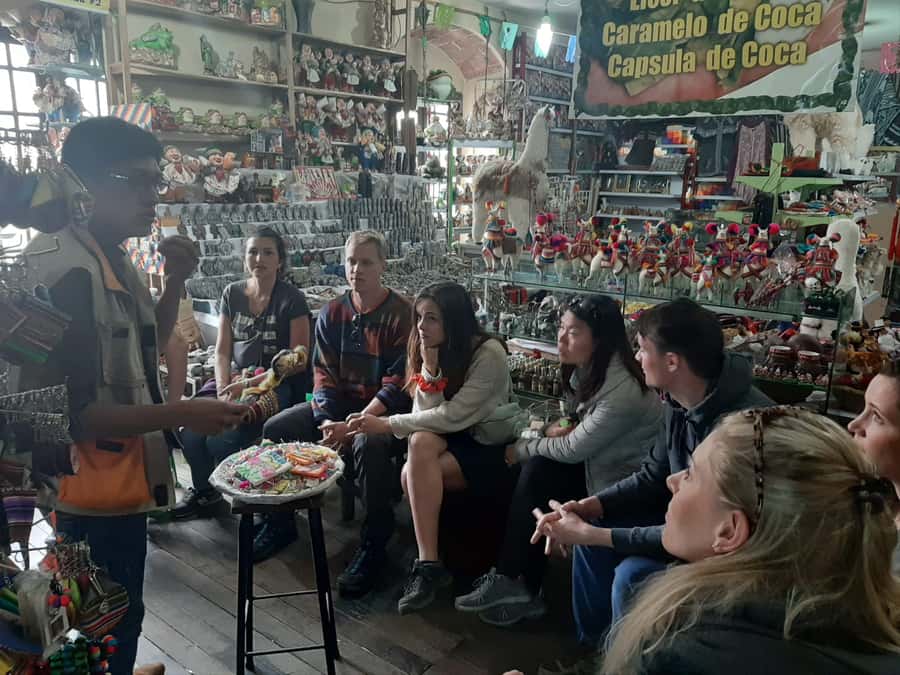
This route depends more than usual on the person leading it. There are many transitions and a lot of information packed into six hours. A guide who explains the city’s culture and history can turn the day into a coherent introduction to Bolivia.
Abraham has been praised for his warmth, strong cultural knowledge, and clear explanations. Veronica has also been praised for her professionalism, humor, positive energy, and frank discussion of Bolivia’s current situation. Another guide handled a strong Jamaican accent well, which suggests that communication can remain clear across different English accents.
But the standard is not perfectly consistent. One departure was described as boring, with little information and sights skipped because the guide had the wrong route. The group left early rather than continue. That is a serious warning, even if it appears to be an exception.
At the start, I would confirm the order of the major stops: downtown markets, salteña, bus ride, Moon Valley, El Alto, the return cable cars, Jaén Street, and Plaza Murillo. This simple check can prevent confusion if the day’s route changes.
Practical preparation for a high-altitude day
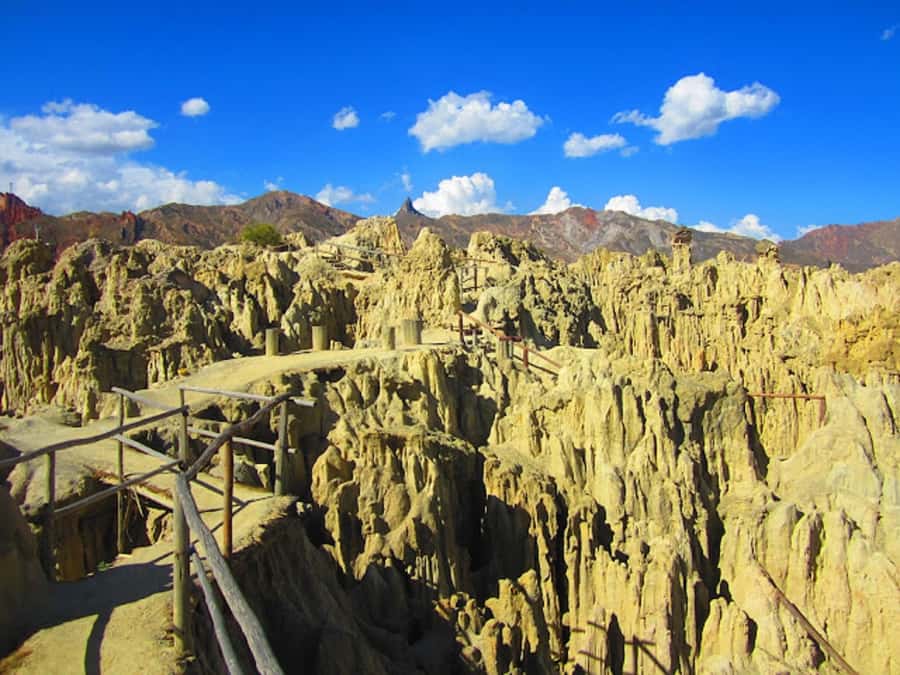
Wear comfortable clothes rather than dressing for a formal city visit. You will walk, use public transport, and move between very different parts of the city. Sunscreen and a hat are important items to pack.
Do not bring luggage or a large bag. The restriction makes sense for buses, markets, and cable-car cabins, but it means you should leave bulky belongings at your accommodation.
The meeting point is in front of San Francisco Church, near the main entrance. Look for the orange and beige vest with the Hanaqpacha Travel logo. Pickup is not included, so allow enough time to reach the church independently.
English and Spanish guides are available. Starting times vary, so check availability when booking. The tour includes transport, cable cars, entrance fees, and the professional guide, but not gratuity.
Who should book this La Paz tour
I would choose this tour if you want a broad first look at La Paz and El Alto in one day. It suits you best if you enjoy public transport, short walks, city viewpoints, markets, and a guide who talks freely about culture and politics.
It is also a good fit if you want to ride the cable cars but do not want to work out the routes yourself. The combination of several lines, the Moon Valley visit, and the El Alto market gives you a much wider picture than a simple downtown walk.
I would be more cautious if you want a slow, detailed visit to every sight. The schedule is full, Moon Valley gets only 15 to 20 minutes, and the city portion may feel brief. You should also postpone it if you have altitude sickness or have not yet adjusted to La Paz.
At $40, the tour offers good value when the guide is active and the full route runs as planned. Reserve it for an early stay in La Paz, confirm the route at the start, and keep the rest of the day light enough to recover from the altitude.
Should you book it?
Book this tour if you want efficient coverage, excellent cable-car views, local markets, a taste of salteña, and an introduction to both La Paz and El Alto. It packs a lot into six hours and uses the city’s own transport network, which gives it a more local feel than a standard vehicle tour.
Skip it if you are looking for long visits, a relaxed pace, or a guaranteed deep explanation at every stop. The route is demanding, and guide quality matters. For a first visit, though, this is a useful way to see how La Paz fits together from street level, above the city, and across the high plateau.
FAQ
How much does the La Paz City Tour and Moon Valley experience cost?
The tour costs $40 per person.
How long does the tour last?
The tour lasts six hours. Starting times depend on availability.
Where is the meeting point?
Meet near the main front door of San Francisco Church in La Paz.
How will I identify the guide?
The guide will be wearing an orange and beige vest with the Hanaqpacha Travel logo on the back.
What is included in the price?
The price includes a professional guide, entrance fees, transportation, and cable-car rides.
Are hotel pickup and drop-off included?
No. Pickup and drop-off are not included, so you must reach San Francisco Church independently and arrange your own transport after the tour.
What languages are available?
The live tour guide service is available in English and Spanish.
Does the tour visit Moon Valley and El Alto?
Yes. The route includes Moon Valley, cable-car rides to El Alto, photo stops, and the witches’ market in El Alto.
How high does the tour go?
The tour reaches altitudes above 4,000 meters above sea level. It is not suitable for people suffering from altitude sickness.
What should I bring and can I cancel?
Bring comfortable clothes, sunscreen, and a hat. Large bags and luggage are not allowed. You can cancel up to 24 hours in advance for a full refund, and the reserve-now-pay-later option lets you pay nothing at the time of booking.
More City Tours in La Paz
More Tours in La Paz


More Tour Reviews in La Paz
Not for you? Here's more nearby things to do in La Paz we have reviewed






Moon Valley & Canyon Tours, compared
 ★ 4.9La Paz: Private City Tour with Cable Car & Moon Valley VisitFrom $43508 reviews
 ★ 4.9La Paz: Valle de las Animas, Moon Valley, & Killi Killi TourFrom $85192 reviews
 ★ 4.4From La Paz: Day Trip to Chacaltaya and Moon ValleyFrom $4065 reviews
 ★ 4.9Animas Valley & Palca CanyonFrom $7935 reviews
Browse the lists this tour appears in