
Reviewed · LA PAZ
From La Paz: El Alto and Cholets Guided Day Trip
Concrete can be wonderfully expressive. From La Paz, this three-hour outing takes you by public transport and cable car to El Alto, where colorful cholets and giant painted apartment blocks give you a very different view of Bolivia. I like the cable car ride for its broad city views, and I like the chance to see two cholets from inside rather than only photographing their bright facades. The visit to Mamani Mamani’s painted Wiphala complex adds another strong visual stop.
The main caution is that entering two cholets is a possibility, not an absolute promise. One outing ran late, included a long wait for onward transport, and could not find an open cholet, so I would book this for the architecture and guide—not for guaranteed interior access alone.
In This Review
- Key points to know before you book
- From San Francisco Church to El Alto
- Cable-car views over La Paz and El Alto
- Understanding Bolivia’s cholet style
- Seeing the outside of the cholets
- Inside two cholets, when access works
- Mamani Mamani’s Wiphala complex
- What the $30 price really covers
- Guide quality and the small-group setting
- Timing, altitude, and what to bring
- Who will get the most from this tour
- Should you book the El Alto cholet tour?
- FAQ
- Where does the tour meet?
- How long does the tour last?
- What does the $30 price include?
- Is hotel pickup included?
- What languages are available?
- How large is the group?
- Can I go inside two cholets?
- What is the Wiphala complex?
- What should I bring?
- Is the tour suitable if I have altitude sickness?
- Can I cancel the booking?
Key points to know before you book
- The cable car is part of the sightseeing: You ride from La Paz toward El Alto while looking down over the city and its unusual buildings.
- Cholet access can change: The plan includes outside views and the chance to enter two colorful homes, but open doors are not guaranteed.
- Mamani Mamani supplies a major photo stop: The Wiphala complex has apartment blocks covered in large indigenous-inspired designs by the well-known Bolivian artist.
- It is a compact three-hour tour: The short format works well if you have limited time, but delays can reduce time at the stops.
- The group is limited to nine: A small group should make it easier to ask questions and stay close to the guide.
- The $30 price covers the basics: Cable car tickets, public transport, entrance fees, and an English- or Spanish-speaking guide are included.
From San Francisco Church to El Alto
Your meeting point is the main door of San Francisco Church in La Paz. Look for a guide near the front wearing an orange and beige vest with the Hanaqpacha Travel logo on the back.
This is a central, easy-to-recognize starting point, but you need to arrive there yourself. Hotel pickup and drop-off are not included, so leave time to reach the church before the scheduled start.
The tour begins with public transportation to the central cable car station. That first step matters: this is not a private sightseeing ride with a driver waiting at every curb. You are using the same transport system that connects daily life in La Paz with El Alto, which gives the outing a more local feel.
It also means the schedule can be affected by waiting and transfers. A three-hour tour leaves little room for a guide arriving late or for a slow connection. One reported outing began 20 minutes behind schedule and later lost more than 30 minutes waiting for a taxi, so punctuality and transport timing deserve attention.
You can also read our reviews of more guided tours in La Paz
Cable-car views over La Paz and El Alto
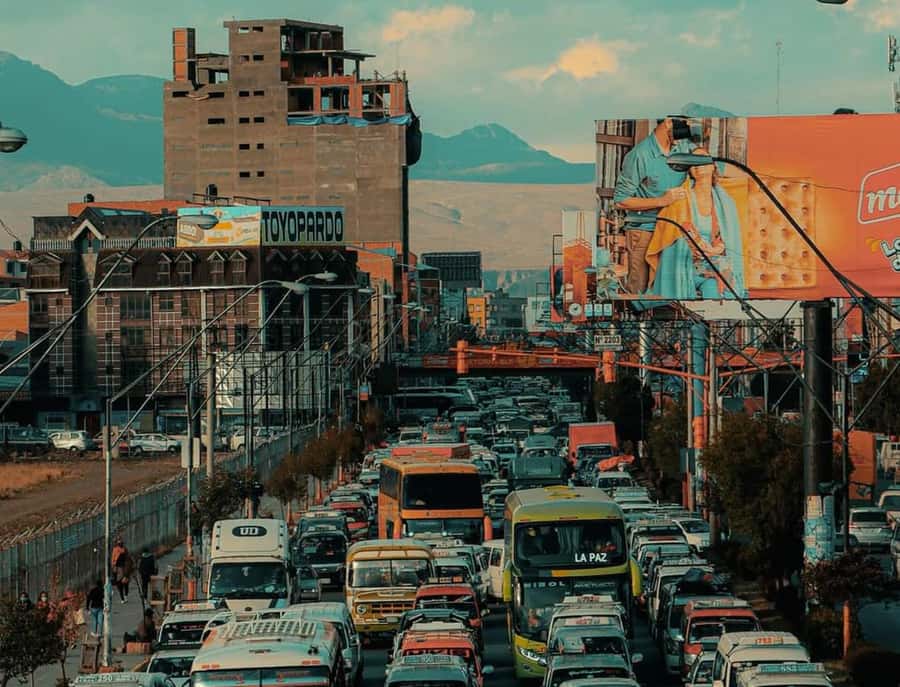
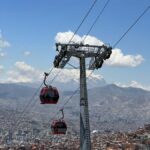
The cable car is one of the best parts of the outing. As you rise from La Paz toward El Alto, you get a high view over the dense city, steep urban spaces, and the spread of buildings between the two areas.
You are not just being taken to the next stop. The ride gives you a useful visual introduction to the setting. From above, the cholets appear as bright blocks among more ordinary buildings, and their colors and unusual shapes are easier to spot than they would be from street level.
I would keep your camera ready, but do not expect a private cabin or a long photo stop. The cable car is public transportation included in the route, so the experience is about movement and views rather than a carefully staged photography session.
Bring sunglasses and a hat. The ride and open-air portions of the outing can be bright, and the supplied advice to wear comfortable clothes makes sense when you are walking, changing transport, and spending time outdoors.
Understanding Bolivia’s cholet style
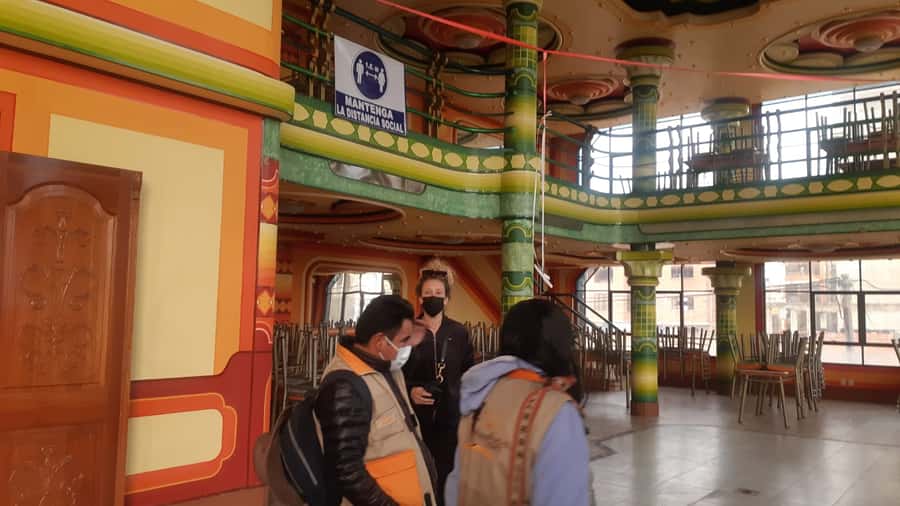
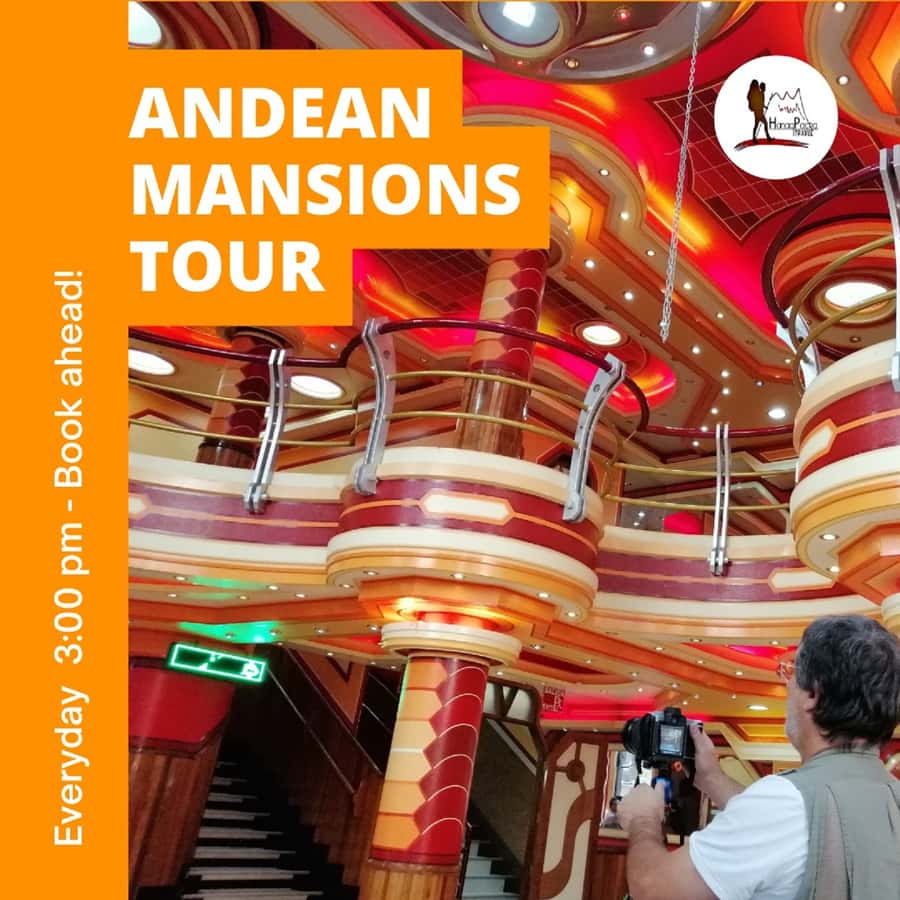
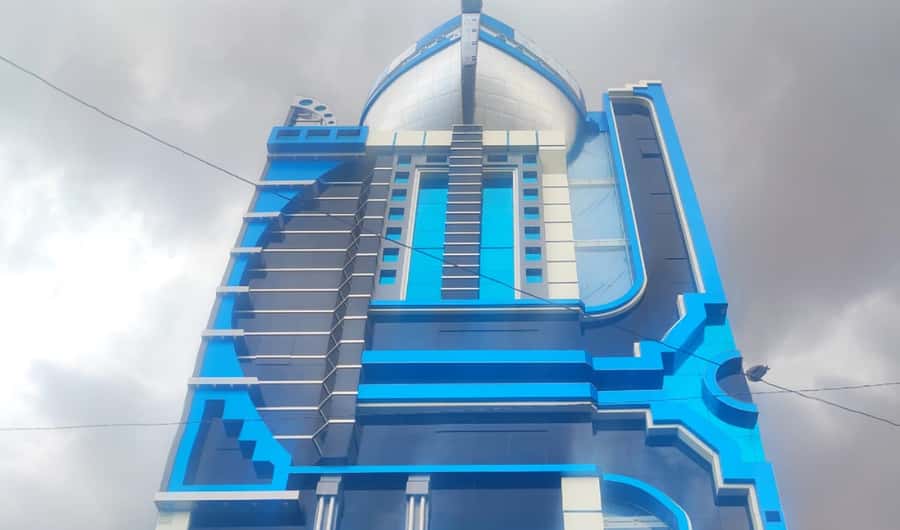
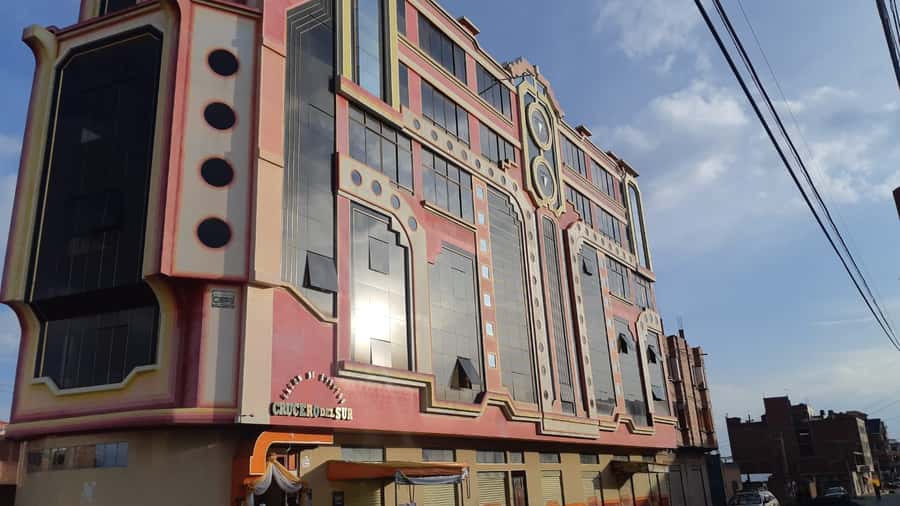
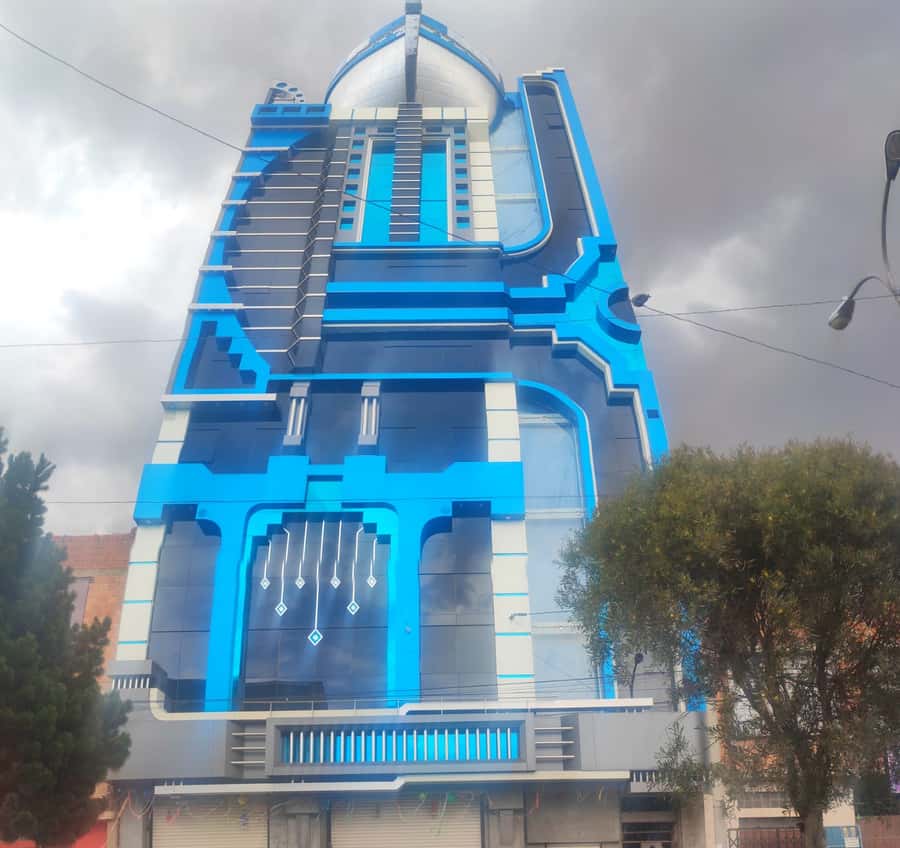
Your guide introduces you to cholets, a bold architectural style developed in Bolivia. These buildings combine strong colors, decorative facades, and large homes or commercial spaces in ways that do not look like standard apartment blocks.
The style is tied to Andean identity and local success. The tour presents cholets as more than unusual buildings to photograph; it explains why this architecture matters within Bolivian culture and why El Alto has become the main place to see it.
That explanation is important because a quick street view can make the buildings seem like oversized decorations. With a guide, you have a better chance of understanding the ideas behind the shapes, colors, and extravagant finish.
The outside views are the most dependable part of this section. You can admire the architecture from the street and hear the story behind it even if no owner opens a door.
Seeing the outside of the cholets
The tour aims to show you luxury cholet houses from the outside before offering access to two interiors. From the street, you can focus on the facades, their bright color combinations, and the way these buildings change the feel of their surroundings.
This is where the outing is especially useful for anyone interested in architecture or photography. A standard city tour may pass through La Paz without reaching these buildings, while this trip makes the cholets its central subject.
I would not expect a quiet museum-style visit. These are real homes and working properties, not guaranteed public attractions. Their availability can depend on whether a space is open and whether the guide can arrange access on the day.
That uncertainty is the tour’s biggest weakness. On one outing, the guide was unable to find an open cholet, so the group saw the outside but did not enter any. If getting indoors is essential to your plans, treat the interior visits as a welcome bonus rather than the sole reason to pay $30.
Inside two cholets, when access works
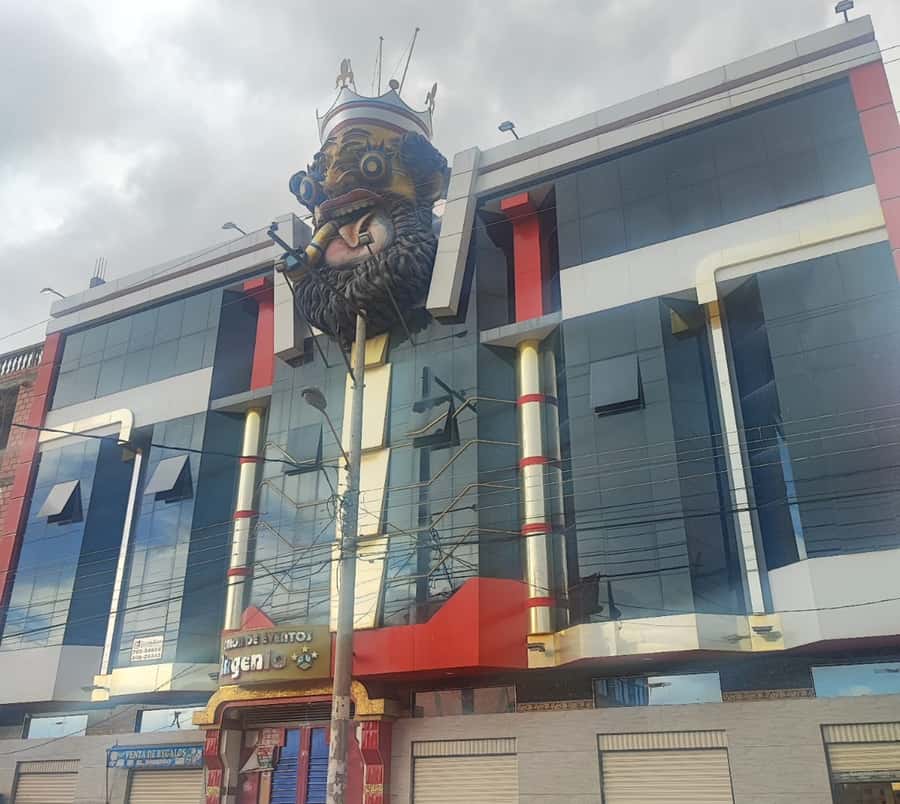
When the doors are open, the interior visits add a useful second layer. Instead of only seeing a decorated front, you can look at the vivid spaces behind it and better understand how the buildings function as homes or luxury properties.
The supplied plan allows for visits to two cholets, which is a generous goal for a three-hour route. Two interiors give you a chance to compare spaces rather than making the whole visit depend on one building.
Still, the wording matters: you have the chance to visit two. It is not a firm guarantee. The tour operator cannot control access to private or changeable properties, and a guide may need to adjust the route if a cholet is closed.
I would ask the guide early in the tour about the day’s access plan. That gives you a clear idea of what is possible and prevents disappointment later. If an interior is closed, the outside architecture and the Wiphala complex still provide substantial material for photos and discussion.
A few more La Paz tours and experiences worth a look

Mamani Mamani’s Wiphala complex
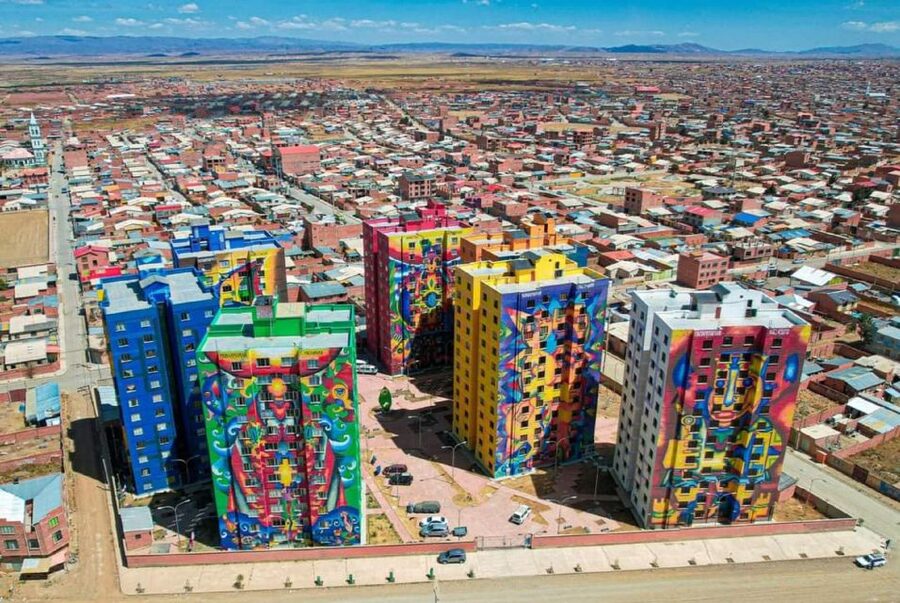
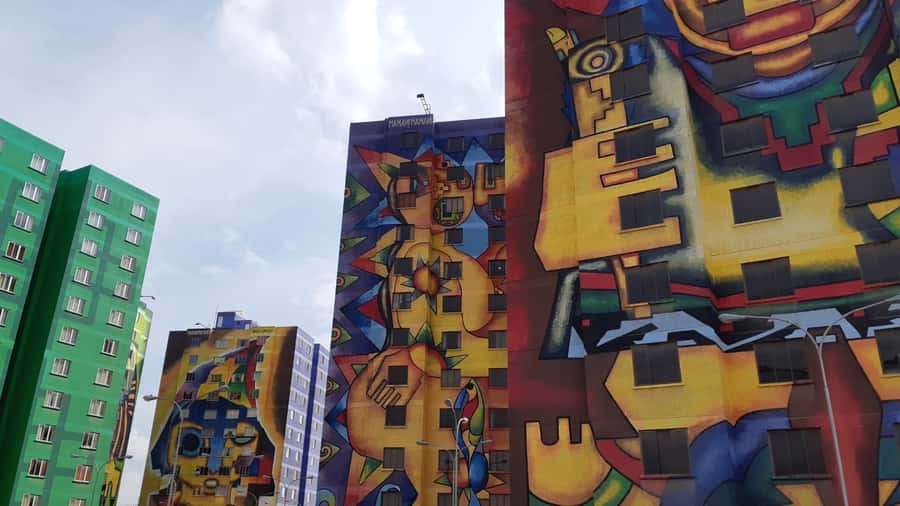
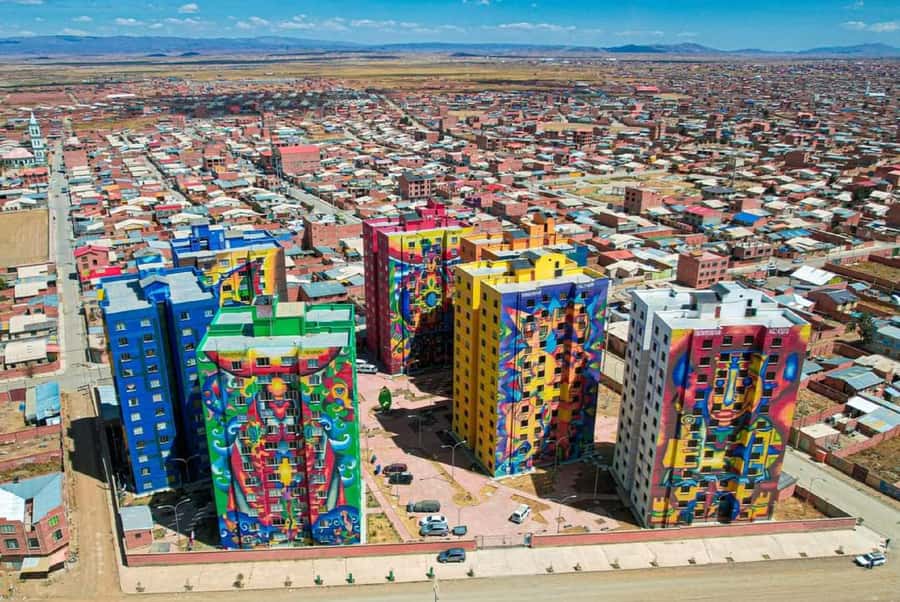
After the cholets, the tour goes to an area of El Alto where apartment buildings have been decorated by Mamani Mamani. The artist is known for using indigenous designs and strong colors, and the large-scale paintings give the buildings a powerful visual presence.
This stop is different from the cholets. Cholets use the structure itself to make a statement, while the Wiphala complex uses painted surfaces across apartment buildings. Seeing both in one short outing helps you compare two ways of bringing Andean design into modern urban spaces.
The murals are on the outside, so this part of the route does not depend on private access in the same way as the cholets. You can expect time to look at the apartment facades and take photos, though the precise amount of time will depend on how smoothly the earlier transport connections go.
For anyone who enjoys public art, this may be the most rewarding stop. Mamani Mamani’s designs are easy to recognize in photographs, but the guide’s explanation can help connect the images to local indigenous visual traditions rather than leaving them as colorful backgrounds.
What the $30 price really covers
At $30 per person, the tour offers a fair package for a short, transport-based outing. Your payment includes the cable car tickets, public transportation, entrance fees, and a bilingual guide in English or Spanish.
That saves you from working out the cable car route and trying to locate the cholets or Wiphala buildings on your own. It also gives you someone who can explain the architecture instead of sending you home with attractive but disconnected photographs.
The value is strongest if you get the planned interior visits and a guide who stays engaged. It becomes less convincing if delays cut the tour short or if no cholet is open, since the main added benefit is then transportation and interpretation rather than special access.
Food and drinks are not included. You should also budget your own time and cost for reaching the San Francisco Church, since there is no hotel pickup or drop-off.
The option to reserve now and pay later gives you some planning flexibility. Free cancellation is available up to 24 hours before the activity for a full refund, which is useful when your La Paz schedule is still changing.
Guide quality and the small-group setting
The group is limited to nine participants. That size should make it easier to hear explanations, ask about the buildings, and keep the group together during public transport connections.
Guide quality matters a great deal here. The tour is not only about looking at facades; the value comes from learning why cholets developed and how the city’s architecture reflects local culture.
A guide named Abraham received especially warm praise for explaining the history of El Alto and cholets. Another guide was described as calm and friendly while explaining the route. If Abraham leads your departure, you can reasonably hope for clear background and a relaxed style, though guide assignments can vary.
There has also been a less successful outing in which the guide spent too much time on a phone, offered little information without being asked, and struggled to find an open cholet. I would take that as a reminder to ask questions directly and confirm the plan if the tour becomes unclear.
A bilingual guide is available in English or Spanish. If cultural background is your main reason for booking, tell the guide what interests you—architecture, indigenous design, daily life, or photography—so the conversation can go beyond a simple list of stops.
Timing, altitude, and what to bring
The advertised duration is three hours. That makes this a good add-on to a La Paz stay, but it is not a full-day exploration of El Alto.
The route involves public transport, a cable car, walking between or around sights, and possible waiting. Comfortable clothes are the practical choice. Sunglasses and a hat are also recommended.
Do not bring luggage or a large bag. The tour does not provide a separate luggage service, and bulky bags would be awkward on public transportation and in a small group.
Altitude sickness is specifically listed as a reason not to take this tour. If you are already feeling unwell from the altitude, a transport-heavy outing with changes in elevation and a packed three-hour schedule is not a good choice.
The short length may also feel rushed if you want long photography sessions. You will get a strong sample of El Alto’s architecture, but you should not expect unlimited time at every building.
Who will get the most from this tour
I would recommend this tour to you if you want to see a side of Bolivia that standard central-La Paz sightseeing may not cover. It suits people who enjoy architecture, public art, city views, and local transport more than polished sightseeing coaches.
It is also a good fit if you have only a few hours available. The cable car ride, cholets, and Mamani Mamani buildings create a focused route rather than a long list of unrelated attractions.
Photographers should find plenty to work with. The color, large facades, elevated views, and painted apartment blocks give you many possible images, though access and timing may limit how carefully you can frame each one.
I would be more cautious if you dislike uncertainty or need guaranteed entry into private buildings. The tour’s strongest promise is the chance to see cholets and learn about them; the interior visits depend on what is open that day.
Should you book the El Alto cholet tour?
Book it if you want a short, affordable introduction to El Alto’s distinctive architecture and you are happy to let the guide and local access shape the day. The included transport and tickets make the $30 price reasonable, especially for first-time visitors who would rather not arrange the route alone.
I would choose it for the cable car views, architectural context, and Mamani Mamani stop first. Consider the two cholet interiors an extra benefit, not a guarantee. Arrive early at San Francisco Church, travel light, bring sun protection, and be ready to ask questions.
If those terms suit you, Hanaqpacha Travel’s small-group format offers a practical way to see a striking part of La Paz Department in only three hours.
FAQ
Where does the tour meet?
Meet at the main door of San Francisco Church in La Paz. The guide will be near the front wearing an orange and beige vest with the Hanaqpacha Travel logo on the back.
How long does the tour last?
The tour lasts three hours. Starting times vary, so you need to check availability for the date you want.
What does the $30 price include?
The price includes cable car tickets, public transportation, entrance fees, and a bilingual guide. Food and drinks are not included.
Is hotel pickup included?
No. You must make your own way to the San Francisco Church meeting point, and hotel drop-off is not included at the end.
What languages are available?
The live guide is available in English or Spanish.
How large is the group?
This is a small-group tour limited to nine participants.
Can I go inside two cholets?
You have the chance to visit two cholet interiors, but access is not guaranteed. The buildings may not be open on the day of your tour.
What is the Wiphala complex?
The Wiphala complex is an area of apartment buildings in El Alto decorated on the outside with large paintings by Mamani Mamani.
What should I bring?
Wear comfortable clothes and bring sunglasses and a hat. Do not bring luggage or large bags.
Is the tour suitable if I have altitude sickness?
No. The activity is not suitable for people with altitude sickness.
Can I cancel the booking?
Yes. You can cancel up to 24 hours in advance for a full refund. A reserve-now-and-pay-later option is also available.
More 1-Day Tours in La Paz
More Guided Tours in La Paz
More Tour Reviews in La Paz




Not for you? Here's more nearby things to do in La Paz we have reviewed



La Paz, compared
 ★ 4.8La Paz and El Alto: Cable Car Rides and Walking TourFrom $10790 reviews
 ★ 4.8La Paz Half-Day Walking TourFrom $3591 reviews
 ★ 4.9La Paz: Private City Tour with Cable Car & Moon Valley VisitFrom $43508 reviews
 ★ 4.5La Paz: Full Day Trip to Copacabana and Isla del SolFrom $59400 reviews
Browse the lists this tour appears in